Commercial Roofing in Dania Beach, FL
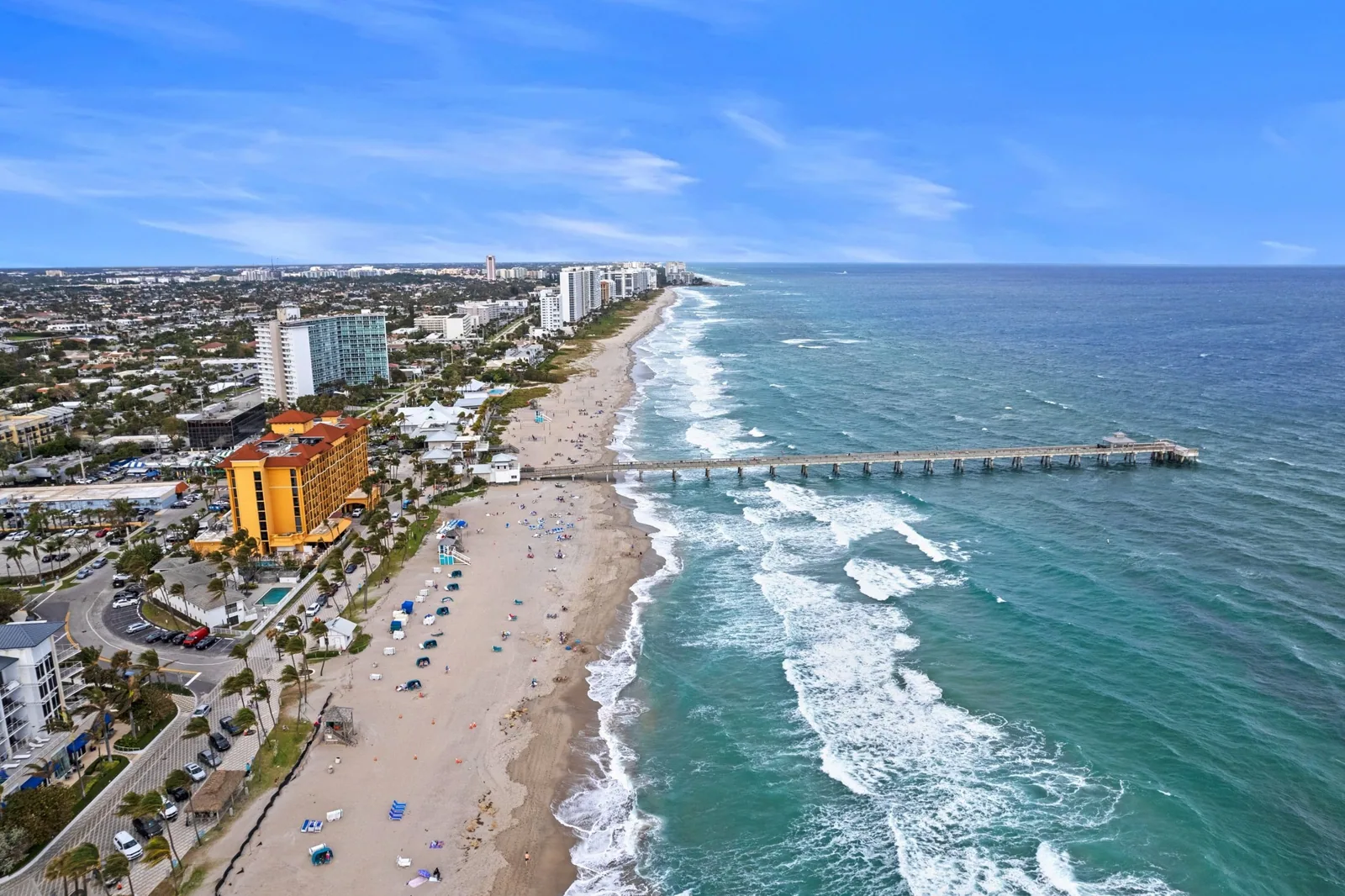
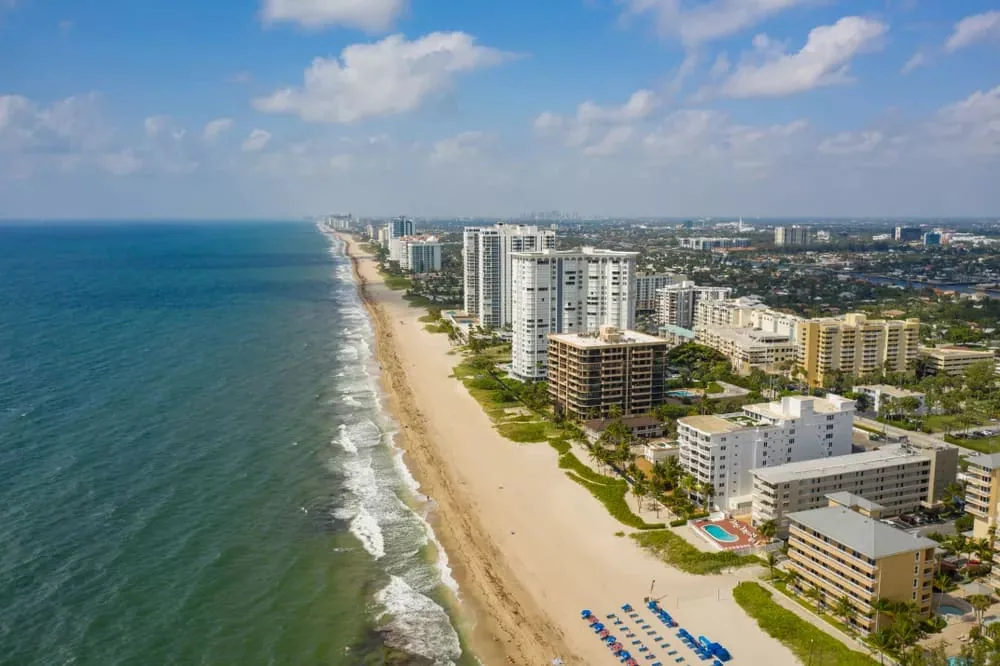
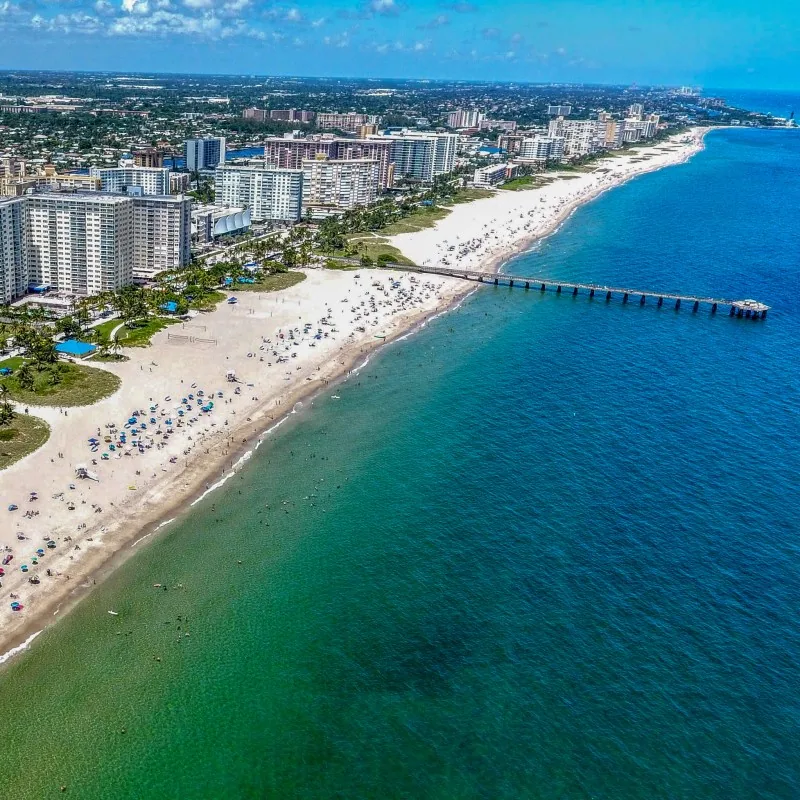
Coastal Broward picked up about three feet of storm surge during Hurricane Irma in 2017, and the same salt air that rides in on those storms works on a roof every day of the year. Dania Beach has a stretch of that coast, so the metal on its commercial roofs, from fasteners to edge flashing to rooftop equipment cabinets, ages in a way that an inland building's metal does not.
Dania Beach owners can call us for repair, recover, coating or replacement work on low-slope and metal roofs, and a storm does not close the line. Dania Pointe, the shops along Federal Highway's Antique Row, the Casino at Dania Beach and the International Game Fish Association Hall of Fame all sit under the same sky, though each one puts its own question to the roof.
Salt Air and Surge: the coastal side of Broward weather
Surge floods the ground floor, not the roof, but the storms that bring it also bring wind, and the roof takes that. Pompano Beach logged a 98 mph gust from Wilma in 2005, and Irma's 2017 gusts ran 80 to 100 mph across most of Broward, the county whose building rules Dania Beach follows.
The slow damage is the salt. It gets into cut edges, fastener heads, seams in metal panels and the screws that hold rooftop units down. A pitted fastener loses its grip, and a roof with weak fasteners has less uplift resistance than the drawings say. We probe fasteners, look at standing seam clips and panel laps, and check the paint or coating on every exposed metal part before the wet season arrives.
Dania Beach combines a Federal Highway retail strip, Tri-Rail service and a location beside Fort Lauderdale-Hollywood International Airport. That mix calls for different roof logistics: stores need clear entrances, transit-adjacent buildings may have constrained staging, and airport-area facilities need delivery windows coordinated with site management. We set the repair boundary and dry-in plan before materials arrive, then keep a record of drains, curbs and edge metal so the next maintenance walk can focus on the details most exposed to rain and salt air.
Dania Pointe and Antique Row: roofs over a shopping district
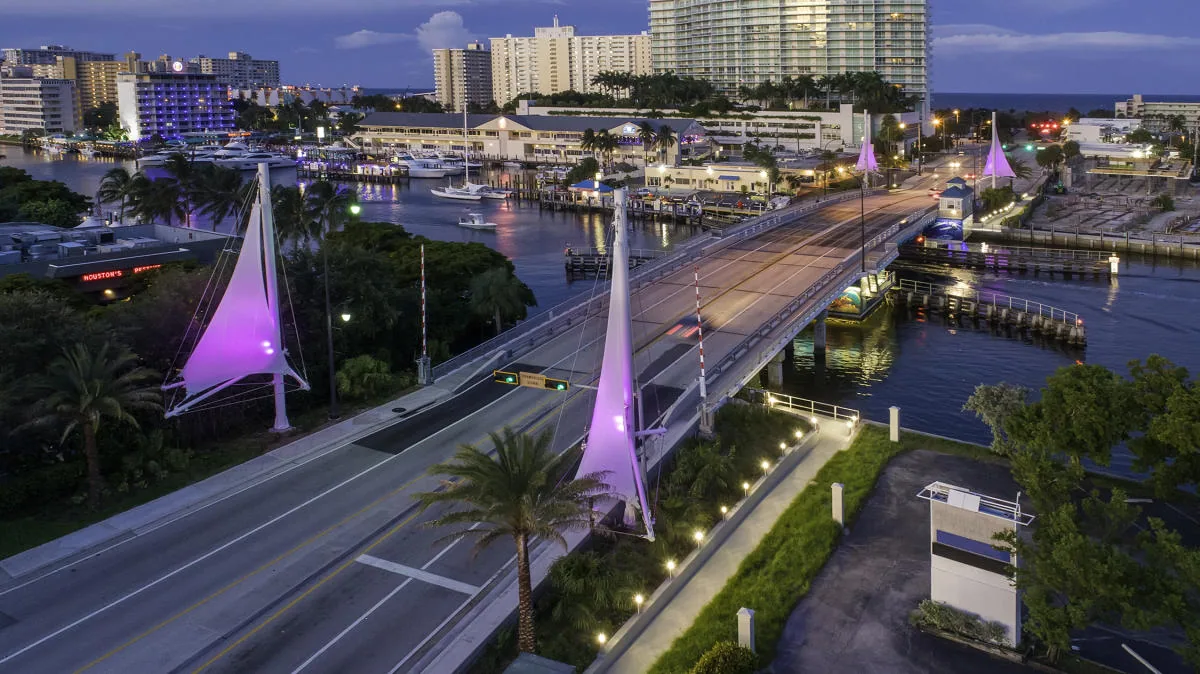
Dania Pointe is a major shopping and entertainment destination, and Dania Beach also has an Antique Row along Federal Highway. A big center and a row of shops have little in common as buildings, but they share the same daily storm and the same demand: a customer should never see a bucket. Whatever the age or size of a storefront roof, the trouble starts where a membrane meets a wall.
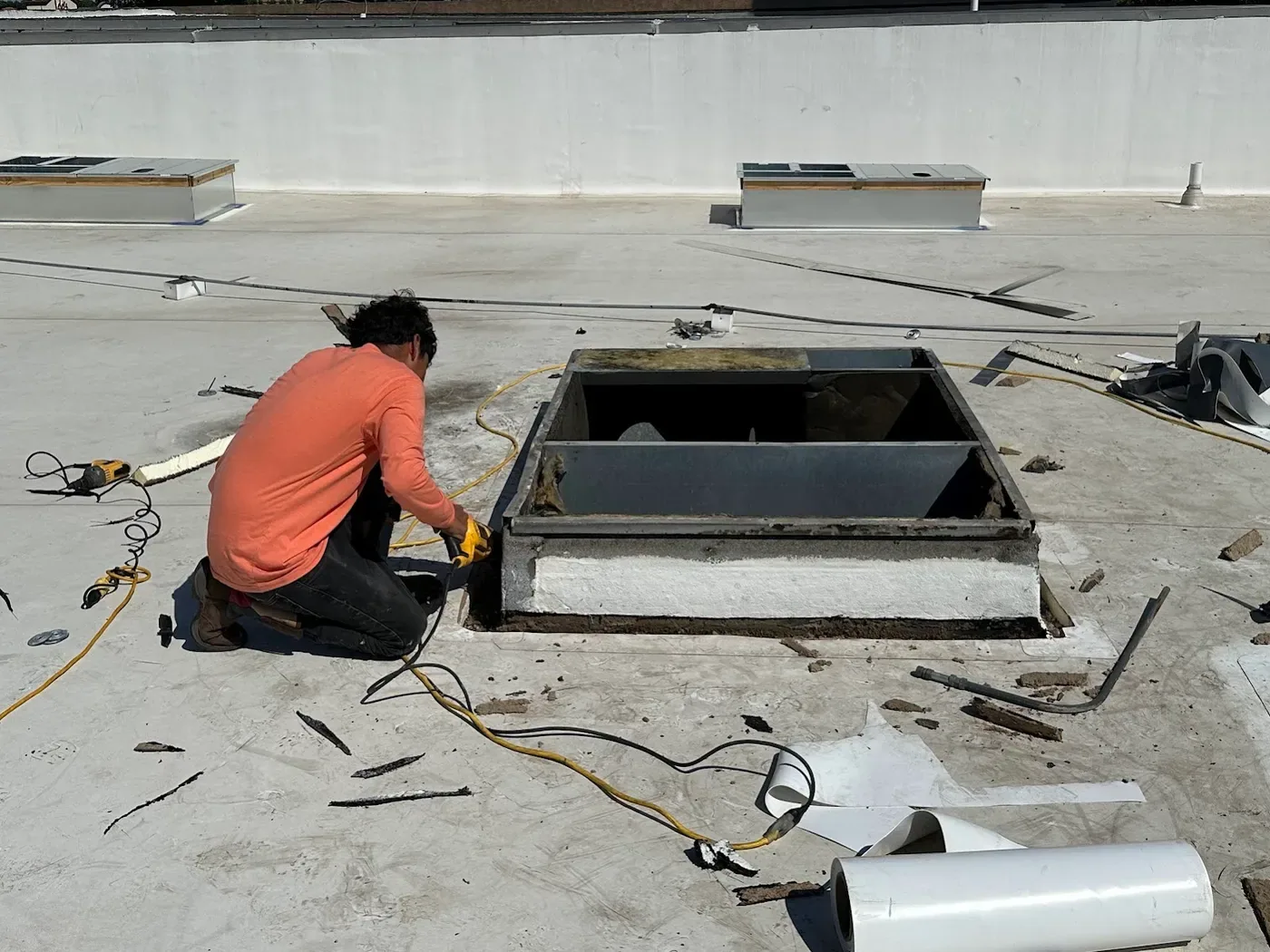
On retail roofs we look first at parapet walls, wall flashings and the scuppers that carry water through them, then at the rooftop units that tenants add over the years. Each new unit cuts a hole, and each hole is a place for flashing to fail. We test seams, clear scuppers, and mark which curbs have been patched twice, because a curb that needed two patches usually needs a rebuild.
Next to the Airport: working a roof beside Fort Lauderdale-Hollywood International
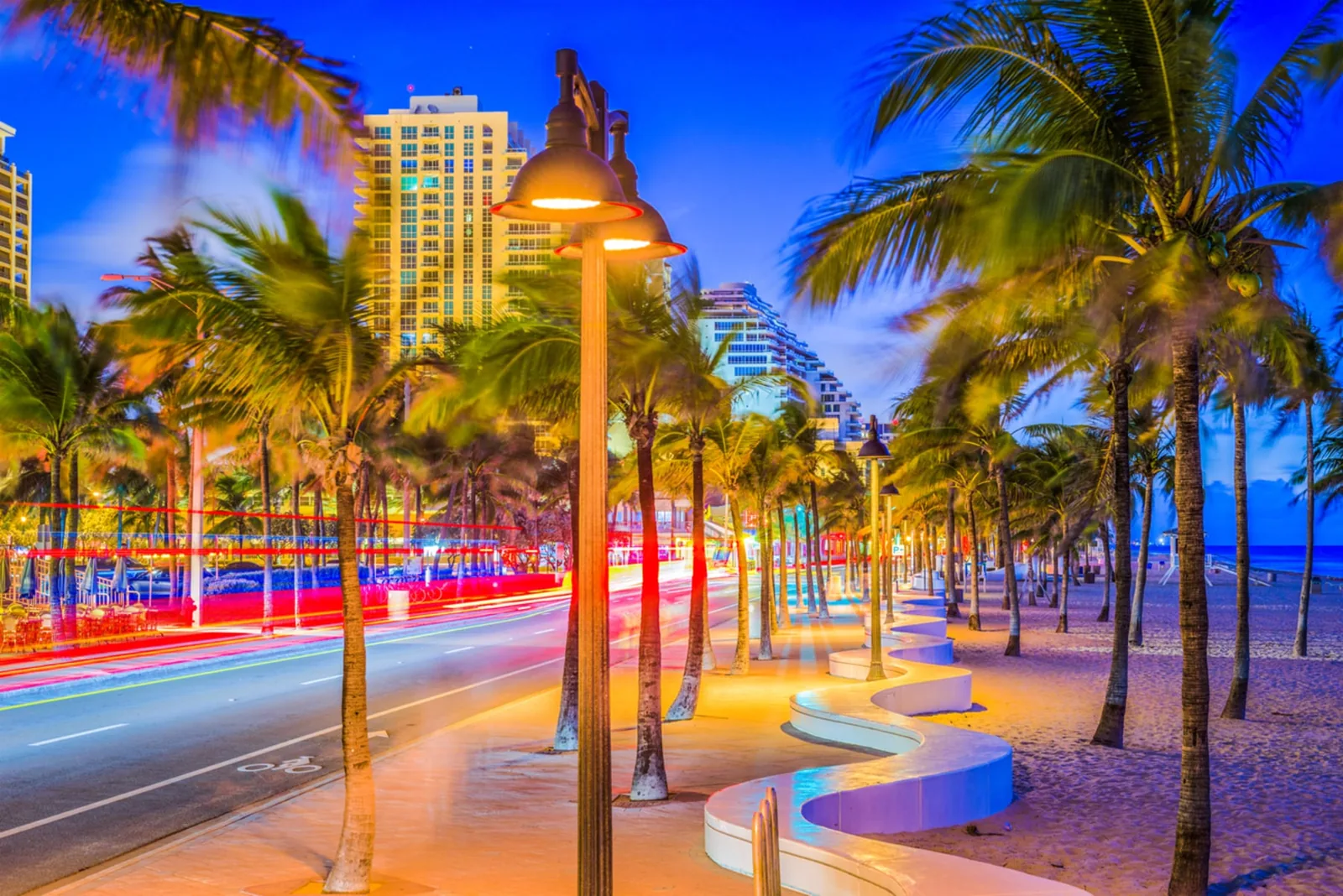
Dania Beach is adjacent to Fort Lauderdale-Hollywood International Airport and has Tri-Rail service, a location that makes deliveries, staging and lift scheduling part of every roof job. Work near an airport often brings height review for cranes and lifts, so we find out what applies to the address before anyone books a boom truck.
The roof itself faces the same heat as the rest of the market. Near-daily summer thunderstorms, surface dewpoints in the 70s and warm nights keep membranes under constant heat and ponding stress. A heat and UV damage check on an older membrane catches cracking and shrinkage while a coating can still fix it, and it costs far less than waiting for the first leak to make the case.
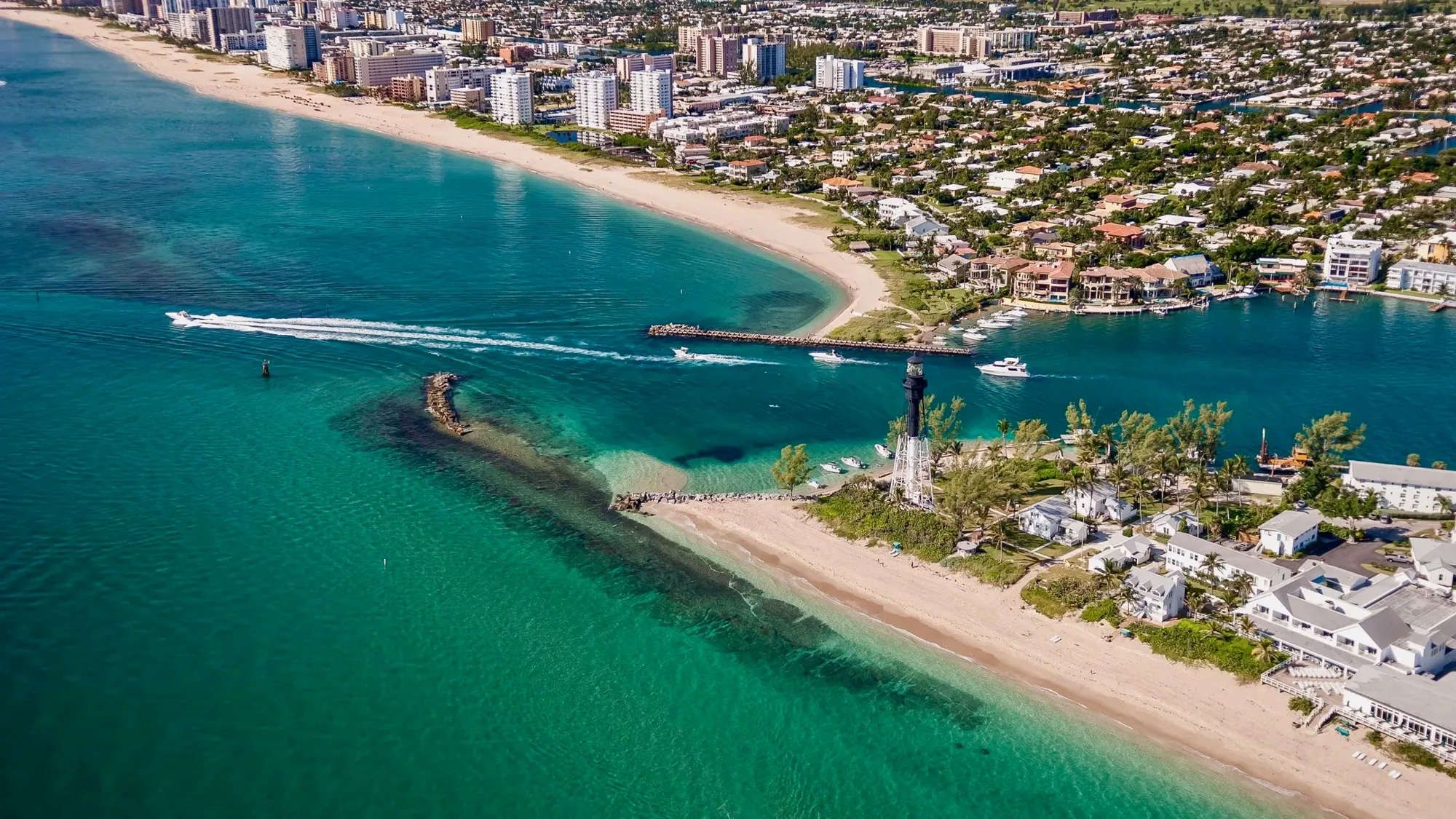
Fronton and Hall of Fame: public venues where one drip costs more than the roof
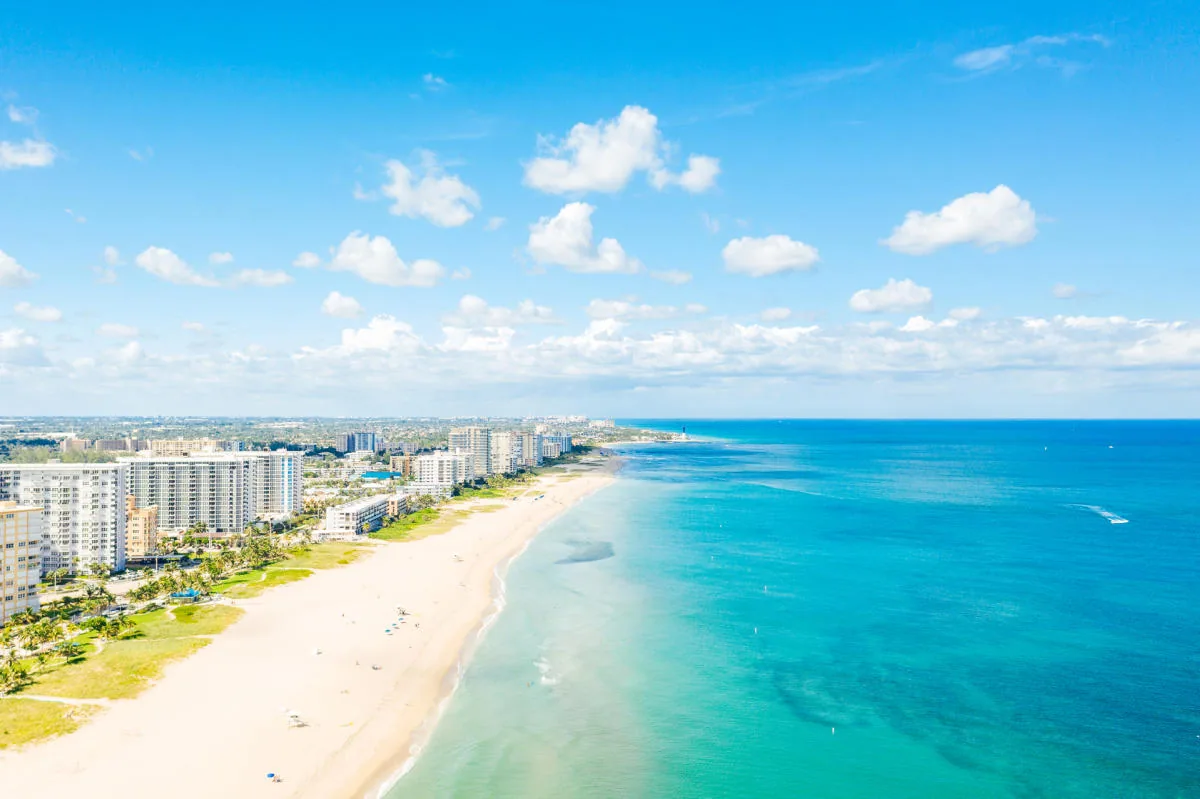
The Casino at Dania Beach is one of the largest jai alai frontons in the US, and the International Game Fish Association Hall of Fame is in the city. A public venue leaves few places to hide a repair, and a leak above a public floor does damage that no roofing bill recovers. The goal on a building like that is a roof that is dry every day, with a plan for the day it is not.
We map the drains and overflow paths first, so water has somewhere to go when a storm line outruns the primary outlets. We look at every expansion joint and penetration, and we keep a written record of the roof's condition that an owner, an insurer and a lender can all read. For a venue, a restoration coating over a sound roof can extend its service without closing the doors.
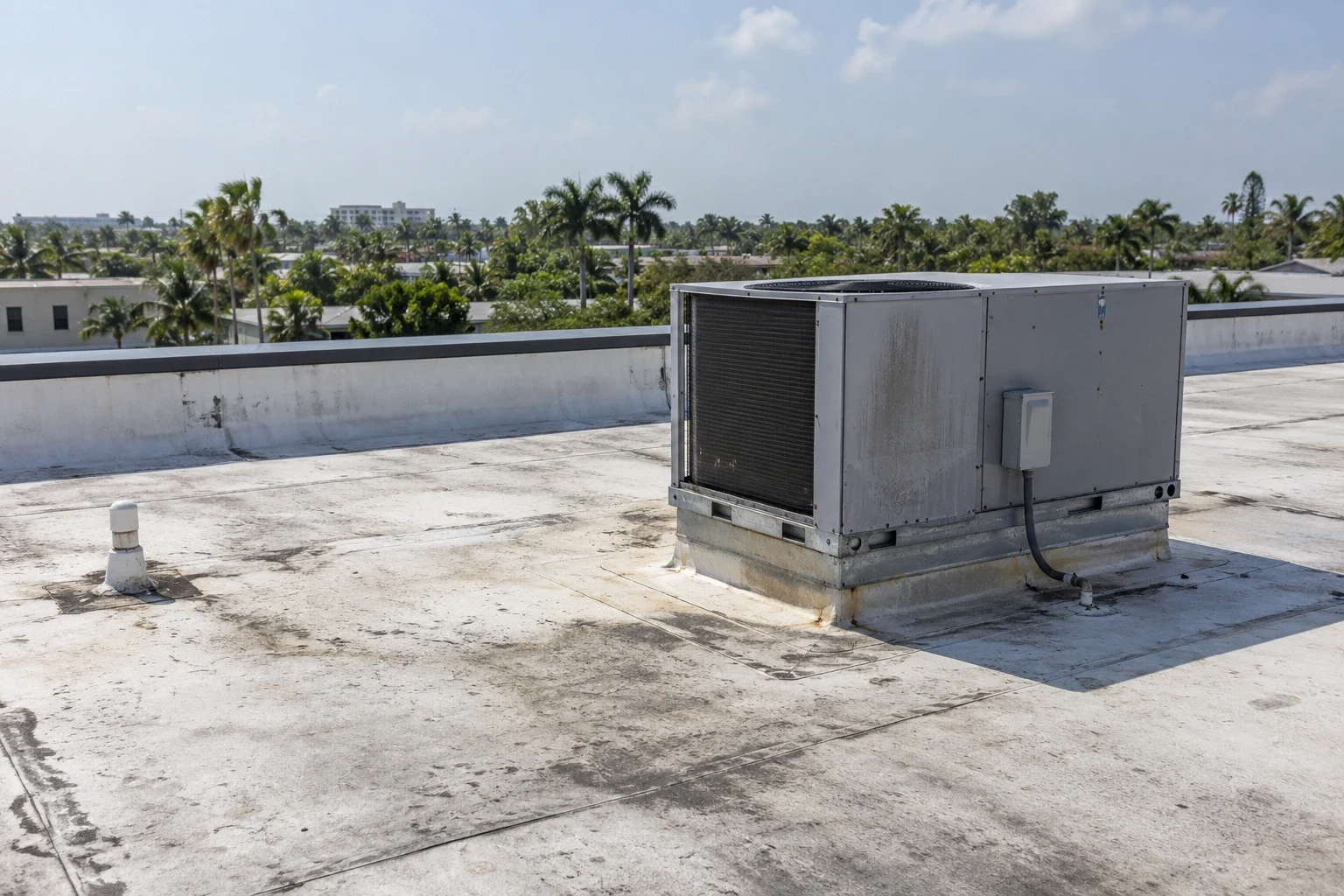
Port Everglades Inlet: the Navy and Coast Guard next door
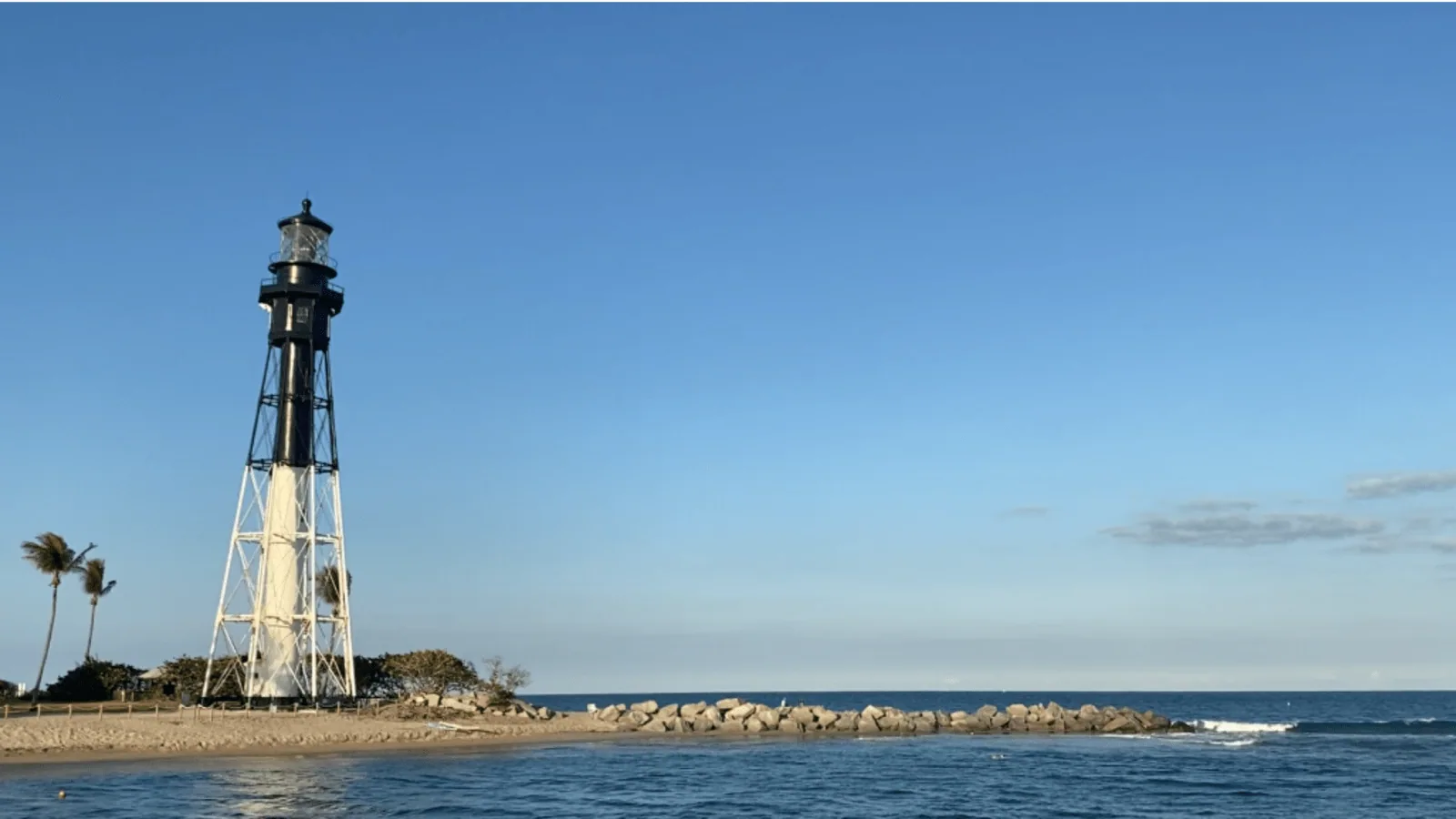
The Navy's South Florida Ocean Measurement Facility sits in Dania Beach and Hollywood on an 8-acre barrier island parcel at the Port Everglades inlet, and Coast Guard Station Fort Lauderdale is co-located there. Its main mission is electromagnetic signature testing of ships and submarines. Roofing on a naval facility or a Coast Guard station follows the rules of the installation: escorts, badging, scheduled access, and roofing detailed to the Unified Facilities Criteria for roofing.
Work on military property is planned around mission operations rather than the contractor's convenience, and anything exposed to salt spray gets hardware and metal chosen for it. Good military installation roofing starts with the access plan and ends with a written condition record, since the people who run these buildings need both.
Zone Rules and Timing: what a Dania Beach re-roof must meet
Broward County is in the High Velocity Hurricane Zone. Broward's zone expects a 170 mph design wind on ordinary Risk Category II buildings, and every exterior roofing component, the edge metal included, needs a current Miami-Dade Notice of Acceptance based on the TAS 201, 202 and 203 series. New applications go under the 8th Edition code, with the 9th slated to take over around the end of 2026.
On timing, the wet season begins May 15, and the stormiest weeks run from mid-May to early July. Owners who plan over the winter get dry mornings and better material lead times. Owners with property in Hollywood or Fort Lauderdale as well can schedule all of their roofs through one walk and one order.
Questions We Hear Often
Does salt air shorten the life of a metal roof near the coast?
It speeds up corrosion on cut edges, fasteners, clips and rooftop equipment hardware. Metal still lasts a long time when it is coated and the fasteners are kept tight, so we check those parts each year and replace them before they let go.
What does roofing on a Navy or Coast Guard property involve?
Access is the first job. Expect escorts, badging, scheduled work windows around the installation's operations, and roofing built to the Unified Facilities Criteria. We lay out the access plan with the facility staff before anyone climbs a ladder.
Do cranes near the airport need extra approval?
Often, yes, because height rules around an airport can apply to cranes and lifts as well as the building. We confirm what is required for your address before scheduling the equipment, so the job does not stall at the permit window.
Where do leaks start on a row of shops that share walls?
Usually at the parapet and the wall flashing, where two buildings meet or where a rooftop unit was added. Water slips behind the flashing, runs down the inside of the wall and shows up far from the entry point.
When is a recover better than tearing the roof off?
Recover works when the insulation is dry, the existing roof will hold a new membrane, and local code allows another layer. An infrared survey tells us about the insulation first. Tear-off is the better path when the old roof is wet or the deck is damaged.