Commercial Roofing at Gateway Lakes Industrial Park, Pompano Beach, FL
About 33 inches of rain fall on Pompano Beach in a normal wet season, from mid-May to mid-October, and a great deal of it lands on low-slope roofs that have to carry it away. That is the number the buildings in Gateway Lakes Industrial Park live under. Gateway Lakes contains about 2.22 million square feet of buildings, making it the city's third-largest industrial area, in the southwest part of Pompano Beach near Pompano Parkway, Lyons Road and the Turnpike.
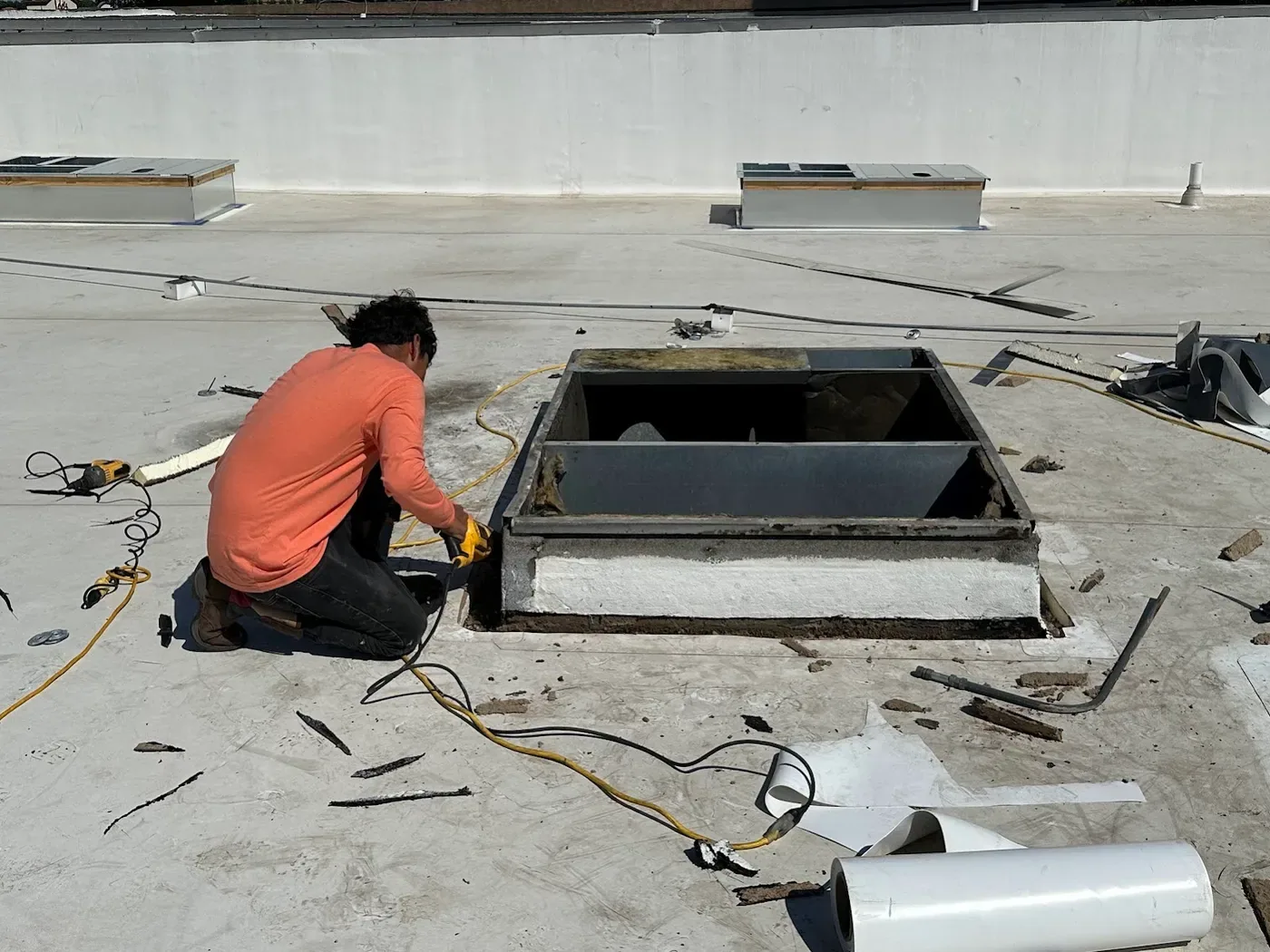
We repair, recover, coat and replace low-slope and metal roofs on industrial buildings, and we pick up the phone for storm damage at any hour. Whatever the membrane is, from PVC to modified bitumen, the job is the same: move water off the building quickly and hold on when the wind comes.
Thirty-Three Inches: what a normal wet season does to a flat roof
A roof does not have to leak to be in trouble. Water that stands on a membrane for more than a day or two softens seams, grows algae, collects dirt and puts weight on a structure that was designed for drainage. Near-daily summer thunderstorms and warm nights mean the roof barely dries between rainfalls, and the standing water that results shortens the life of a low-slope roof.
When we find standing water, we ask why. Sometimes the drain is blocked, sometimes the deck has settled, sometimes the insulation was never tapered toward the drain. The fix can be as modest as clearing a scupper or as involved as adding tapered insulation in a recover. A failed flashing at a wall or curb deserves equal attention, since those details take the first hit from water running down the wall.
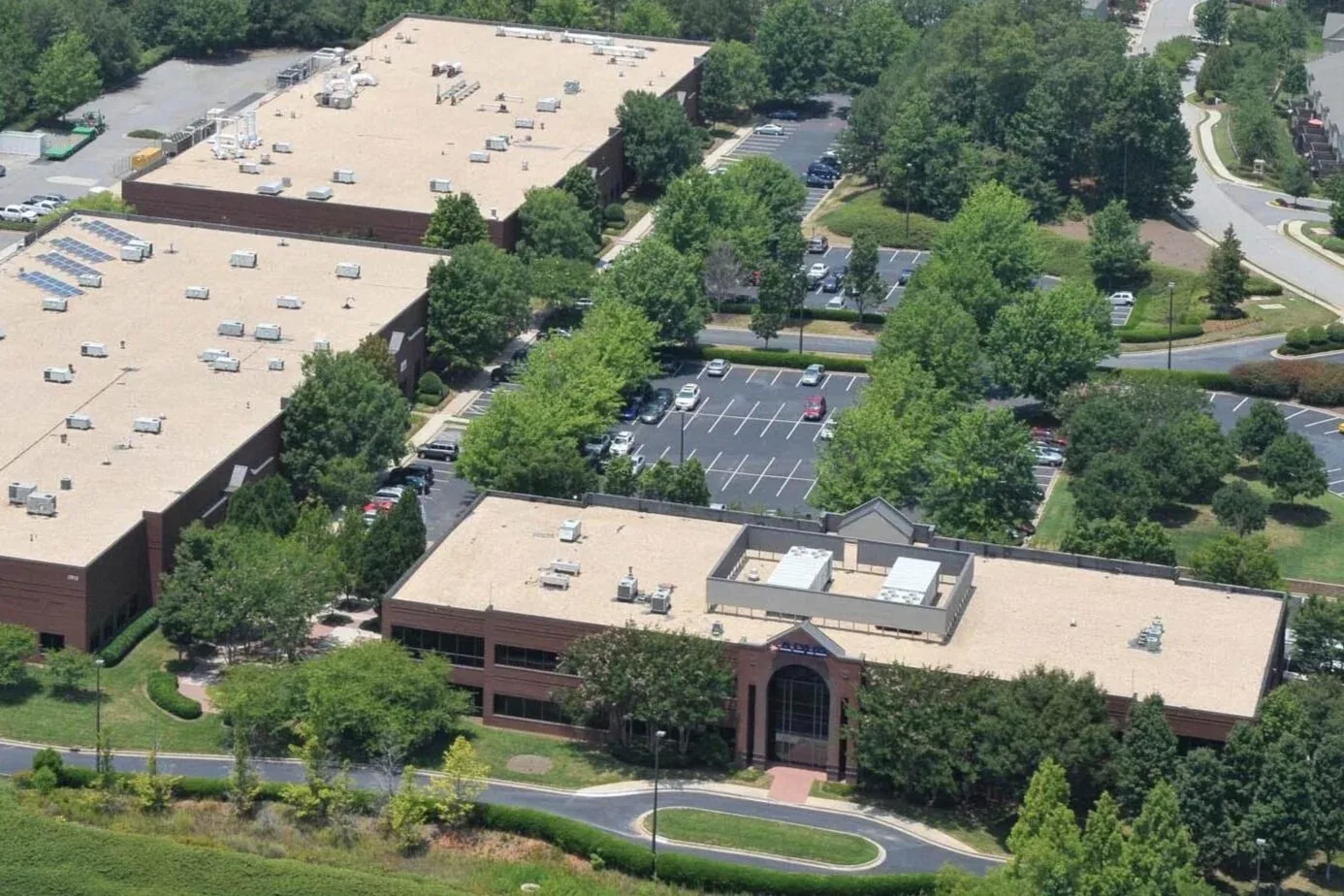
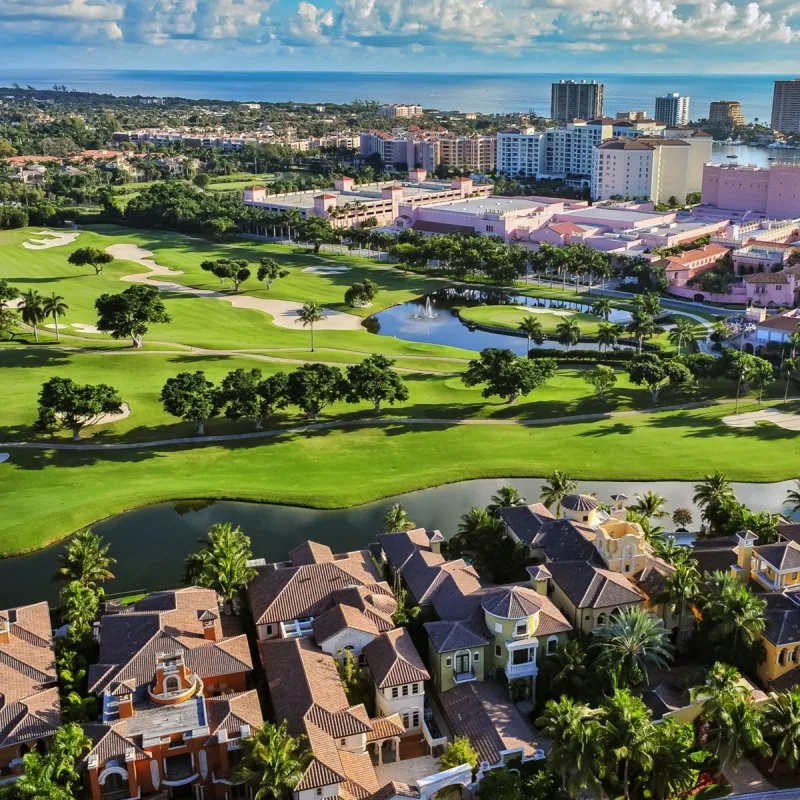
Gateway Lakes sits near Lyons Road and the Turnpike, with Whispering Lakes adding another large industrial area nearby. That scale makes a roof map especially useful: we mark drains, curbs and repair boundaries by building zone, then schedule work to keep loading paths open. A clear division between Gateway Lakes and adjacent park roofs also helps when a property manager receives a leak report from a shared campus or distribution yard.
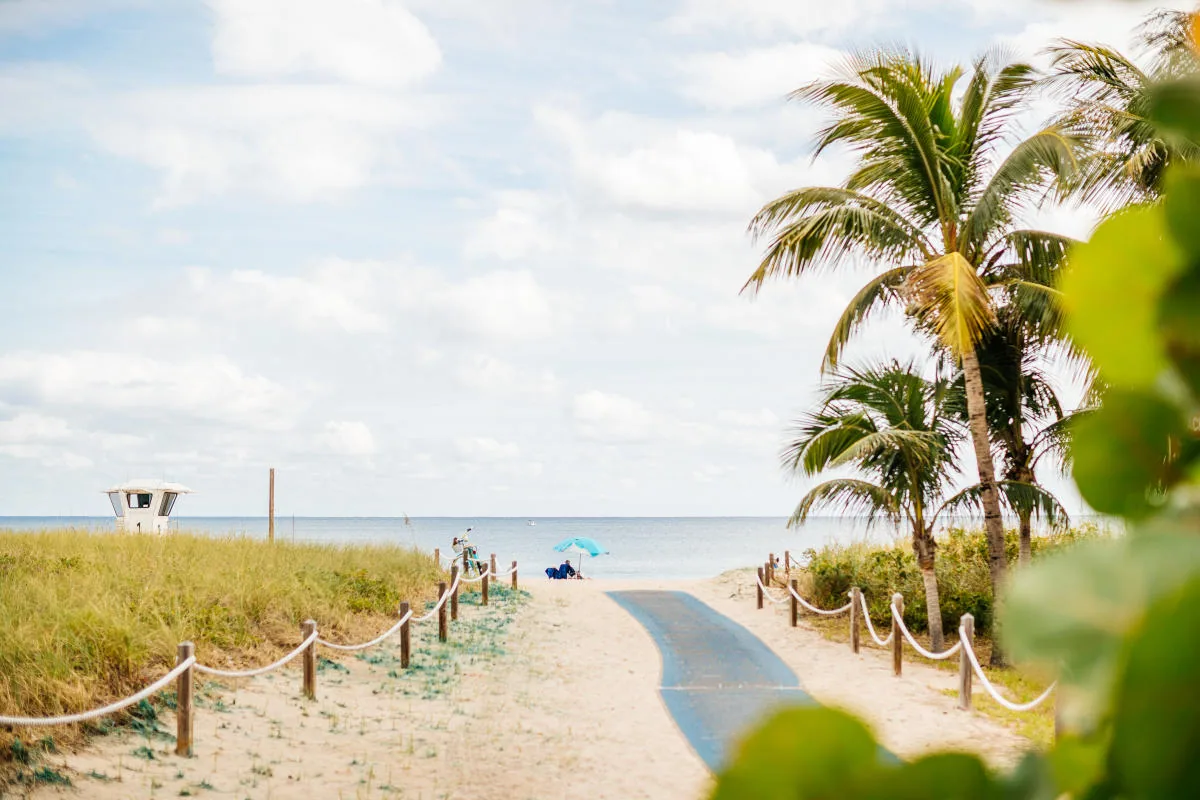
Pompano Parkway to the Turnpike: Gateway Lakes and Whispering Lakes
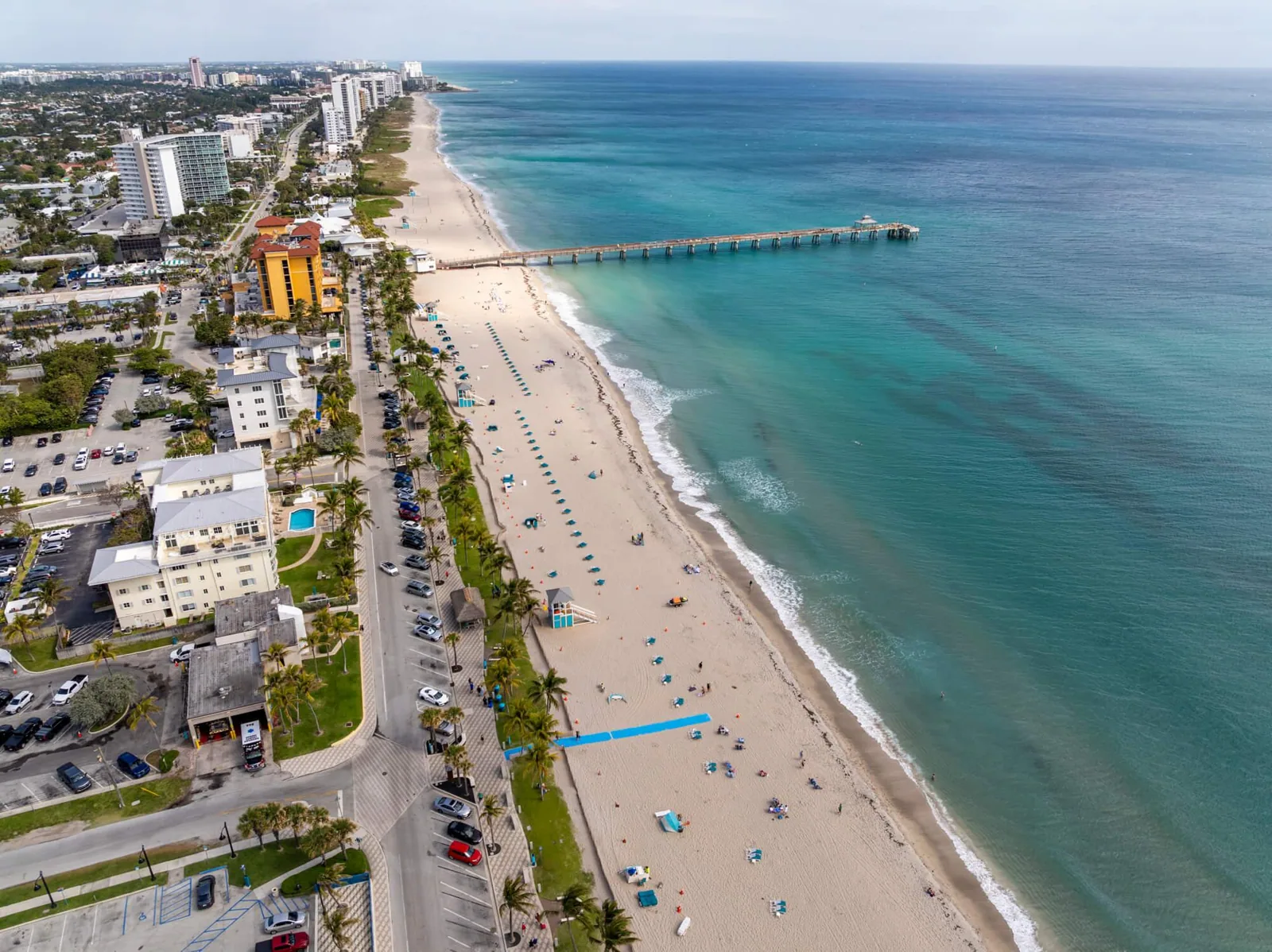
Neighboring Whispering Lakes adds about 1.0 million square feet to the map. The two share the same weather, but a building in one does not necessarily share its roof age, system or maintenance history with a building in the other.
That is why we start each building from scratch. A thorough roof condition report records the system, the layers we can see, the drainage, the penetrations and every repair patch we can find. With that in hand, an owner can compare buildings against one another, decide which to repair, coat or replace, and put numbers next to the work. It also means a new property manager inherits facts instead of guesses, and a buyer's lender gets the same facts in a due diligence roof survey.
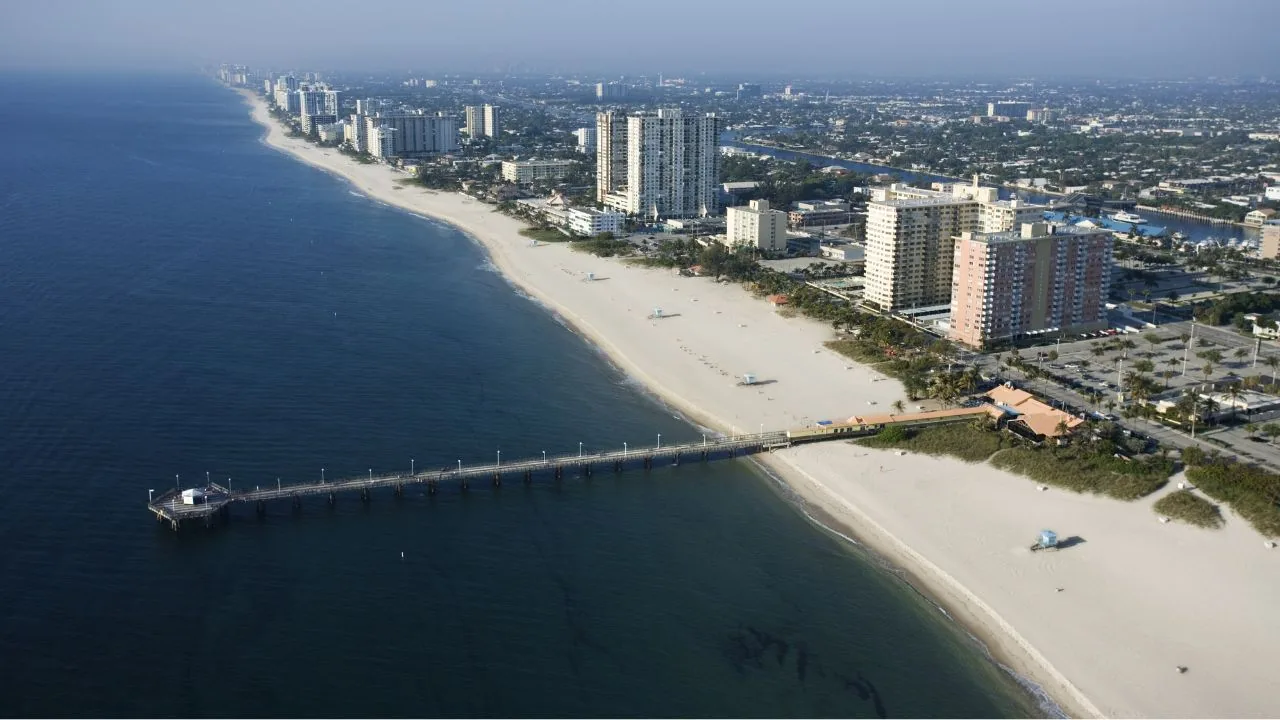
Parcel Networks: roofs over a delivery schedule
FedEx and FedEx Ground, with 452 employees, are among Pompano Beach's top ten employers, and parcel delivery runs on tight clocks. A building tied to that kind of operation does not get to stop for a week while a roof comes off. Delivery vehicles, sorting hours and dock schedules set the pace, and the roof crew works around them.
We write the schedule with the facility manager before the first truck of materials arrives. Tear-off is sectioned so the building is dried in at the end of each day, loading areas are kept clear, and a weather decision point is built into every morning. For an owner who leases to a time-sensitive tenant, logistics and third-party warehousing work like this is as much about keeping the lease whole as about keeping the water out.
Approved Parts Only: TAS 201, 202 and 203 in plain words
Large flat-roof warehouses in the High Velocity Hurricane Zone have to use roofing components with Miami-Dade Notices of Acceptance, and those notices rest on three tests. TAS 201 fires a missile at the product to see if it survives impact. TAS 202 loads and unloads it with cyclic pressure, like gusts. TAS 203 sends water at it after the impact, to see whether it still keeps water out.
For the owner, the point is simple. A roof built from parts that were tested together is a roof that has been shown to take a hit and keep out the rain. We specify whole assemblies from the approvals, not a mix of parts that look right. Design wind speed here is 170 mph for Risk Category II buildings, and the permit for a commercial roof replacement is reviewed under the 8th Edition Florida Building Code.
Recover or Replace: how the choice gets made
The choice usually turns on what is under the surface. A recover puts a new membrane over the existing roof, which saves tear-off time and disruption, but only if the insulation below is dry and the deck is sound. If a moisture scan finds saturated insulation, the new layer would be sealing water in, and tear-off to a clean deck is the better path.
Cost follows the same logic: tear-off labor, disposal, insulation thickness, the number of penetrations and the approved assembly all move the price, and so does the time of year. We put each option in writing for the building in front of us, so an owner can compare a repair, a coating, a recover and a replacement on the same page.
Lightning and Hail: small damage that hides
Lightning and hail are most likely in the stormy early stretch of the wet season, mid-May to early July, along with damaging winds and flooding. Neither produces a dramatic hole. Lightning can scorch a membrane near a rooftop unit or damage electrical connections, and hail can bruise a surface and crack a coating without causing an immediate leak.
After a storm like that, we check the surface for scorch marks, dents and cracked areas, then scan for moisture if anything looks suspicious. Small damage found early is quick to repair. Left alone, it can become the origin of a leak that is harder to trace. Buildings at the Pompano Beach Air Park and in South Andrews face the same Broward weather. We document what we find with photographs, which helps if an insurer needs to see the roof before and after.
Questions We Hear Often
Why does standing water matter if the roof is not leaking?
Water that stays on a membrane stresses seams, feeds algae and adds load to the deck. A roof can hold water for a long time before it leaks, and by then the insulation underneath is often already wet.
Does a building in Gateway Lakes need a different roof than one in Whispering Lakes?
The rules are the same, because both fall under the High Velocity Hurricane Zone. The roofs themselves can differ in age and system, so each building is surveyed on its own before we recommend a repair or a replacement.
Who checks the Notice of Acceptance on a roof permit?
The notice is Miami-Dade County's approval for a roofing product, showing it passed the required tests. The building department checks the notices listed on your permit, and we make sure every product on the roof matches them.
Our tenant cannot shut down for roof work. Is that a dealbreaker?
No. We phase the work in sections, dry in every evening and keep dock access open. A well-planned phase approach lets an operation keep running with a roof crew overhead.
How should we document damage for an insurance claim?
Photograph the roof and the interior before anyone touches it, write down dates and weather, and keep damaged material when you can. We add our own report with photos of the roof surface, which supports the claim.