About Commercial Roofing Pompano Beach
A commercial roofing contractor for Pompano Beach and Broward County buildings.
Contact UsWhat We Are: a roofing contractor for commercial buildings only
Anyone who has driven Powerline Road in August knows how quickly the weather can change. A bright, hot afternoon can give way to dark clouds and rain running across the pavement soon after. A flat roof sits under that sky every afternoon from May through October, and it has to do its job again the next morning. Commercial Roofing Pompano Beach exists for the buildings underneath that routine: the warehouses, shopping centers, hangars, hotels, clinics and apartment buildings of Broward County that need someone who understands what this climate does to a roof.
We repair, replace, recover, restore, coat, inspect and maintain low-slope and metal commercial roofs. We answer emergency calls any day or night, holidays included, and we plan the larger jobs around the people and operations that keep working under the roof.
We do not shingle houses. Our work is commercial: flat and low-slope membranes, built-up and modified bitumen roofs, standing seam and retrofit metal, spray foam and liquid-applied coatings. The jobs run from a single failed seam to a full tear-off and replacement, with recover systems and coating restoration in between for roofs that still have life in the deck and insulation.
Everything starts from the same point of view. A commercial roof is a working part of a building, carrying rooftop units, drains, skylights and sometimes solar. When it fails, a business pays for it in spoiled stock, closed aisles, stained ceilings and tenant calls. Our job is to keep that from happening, and when it does happen, to stop the damage quickly and fix it properly.
How It Works: walk the roof, write it down, then decide
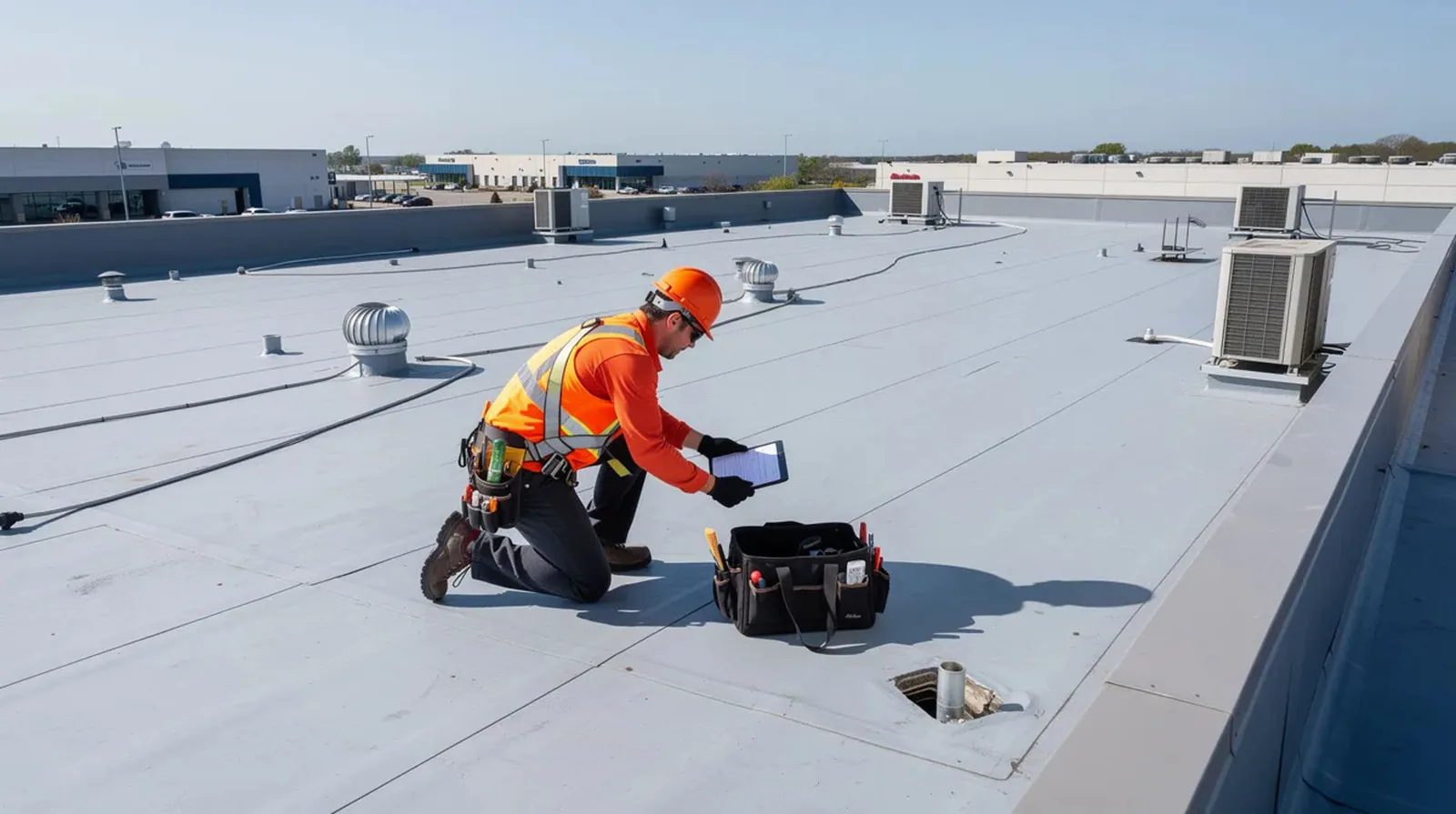
The first step on any roof is a visit to it. A hands-on commercial roof inspection shows what the ground cannot: lifted seams, flashing that has pulled away from a parapet, clogged drains, split sealant, soft spots underfoot. Where a closer look is warranted we add a drone flight or an infrared moisture survey, which picks out soaked insulation hiding below a membrane that looks fine.
The findings go into a written report with photographs, ranked by what needs attention now and what can wait. That report is useful to more than the roof. Lenders, insurers, buyers and boards all ask for it. From there an owner can choose a repair, a restoration, a recover or a replacement, and weigh what each option does for the building in cost and in years of service. We lay out the choices, describe what drives cost and timing, and leave the decision with the owner.
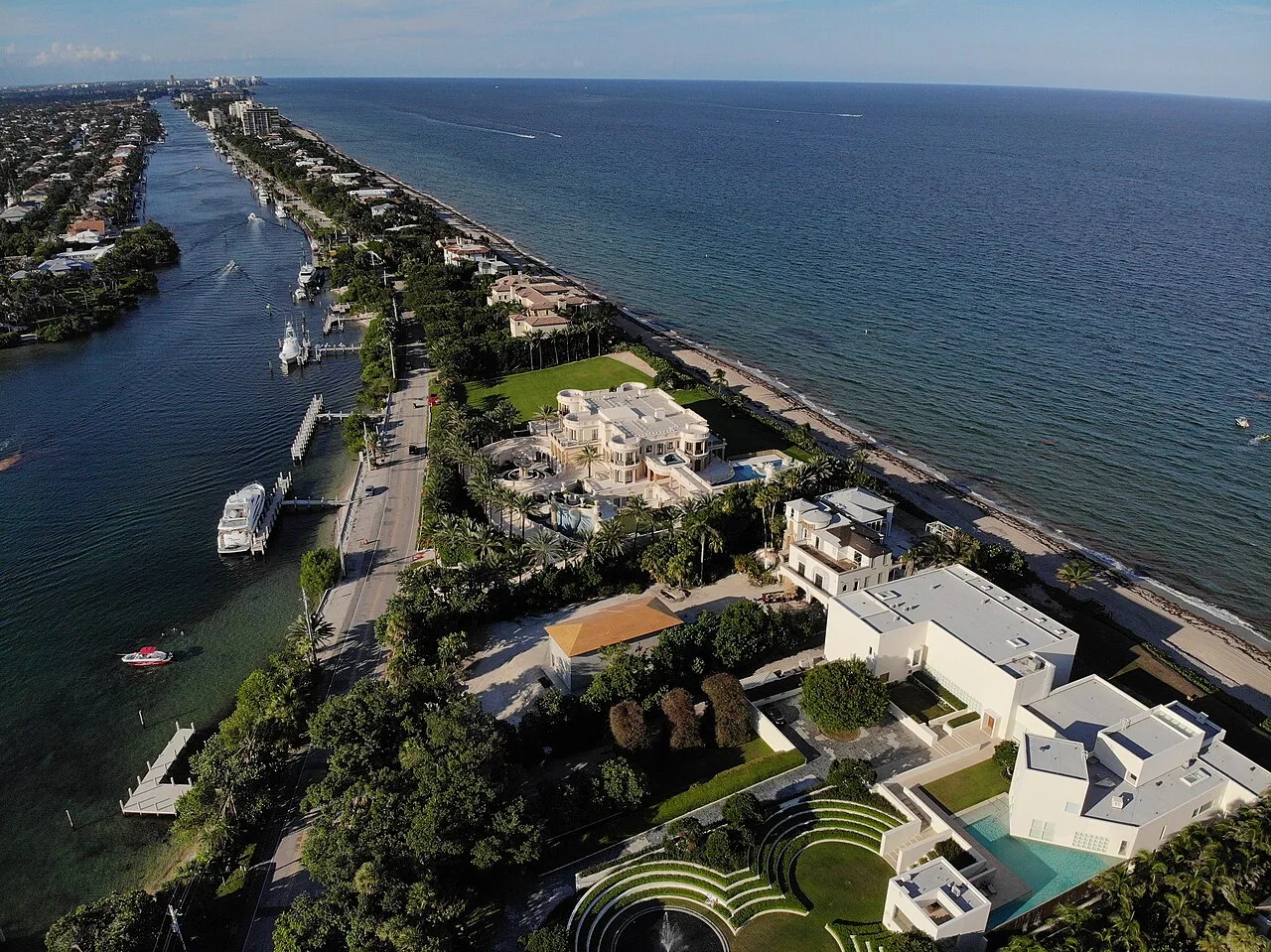
The Weather Here: what it asks of every roof
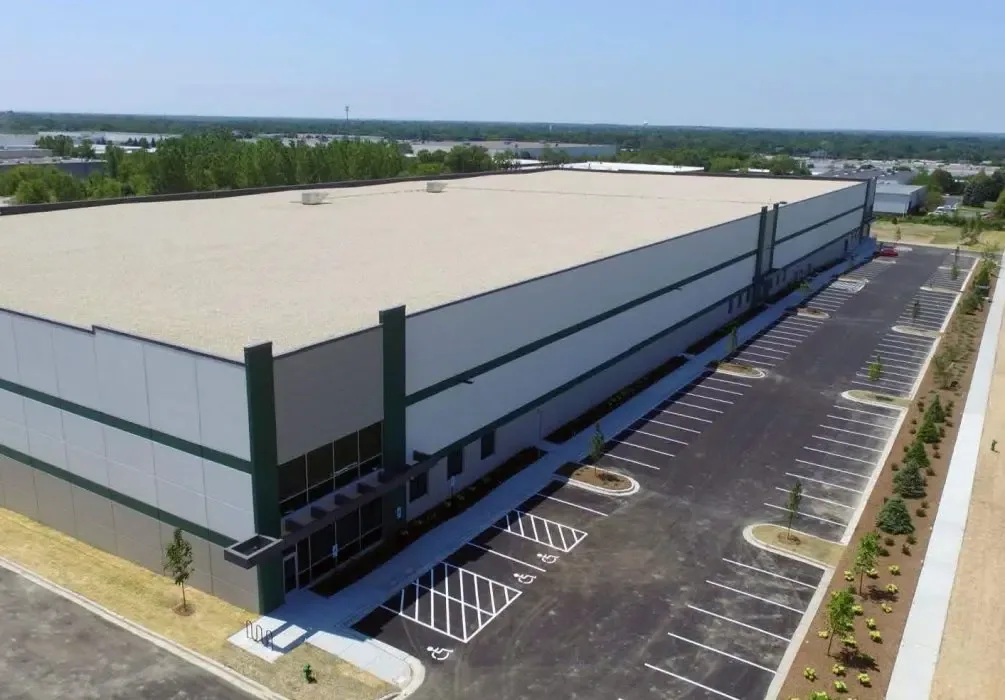
The roofs we work on live in one of the harder climates in the country. The rainy months stretch from mid-May into mid-October, and the Pompano Beach normal for that span is 33.40 inches, much of it in afternoon storms. Dewpoints sit in the 70s, nights stay warm, and membranes and rooftop equipment get little time to cool. Wet-season totals in Pompano Beach matter most when translated into building-level questions: how quickly do drains clear, where does overflow go, and can crews reach the roof safely after a storm? For a building in Pompano Beach, the practical question is whether its own drains, scuppers and overflow paths suit the roof's area and layout.
Then there are the hurricanes. Wilma came through in October 2005 and blew 98 mph at Pompano Beach, while Irma in 2017 sent three tornadoes and heavy gusts across Broward. Those storms are why we look hard at edge metal, tie-downs, curbs and rooftop equipment before every season, and why a repair that holds in dry weather is not good enough around here.
The Buildings: warehouses first, then everything else
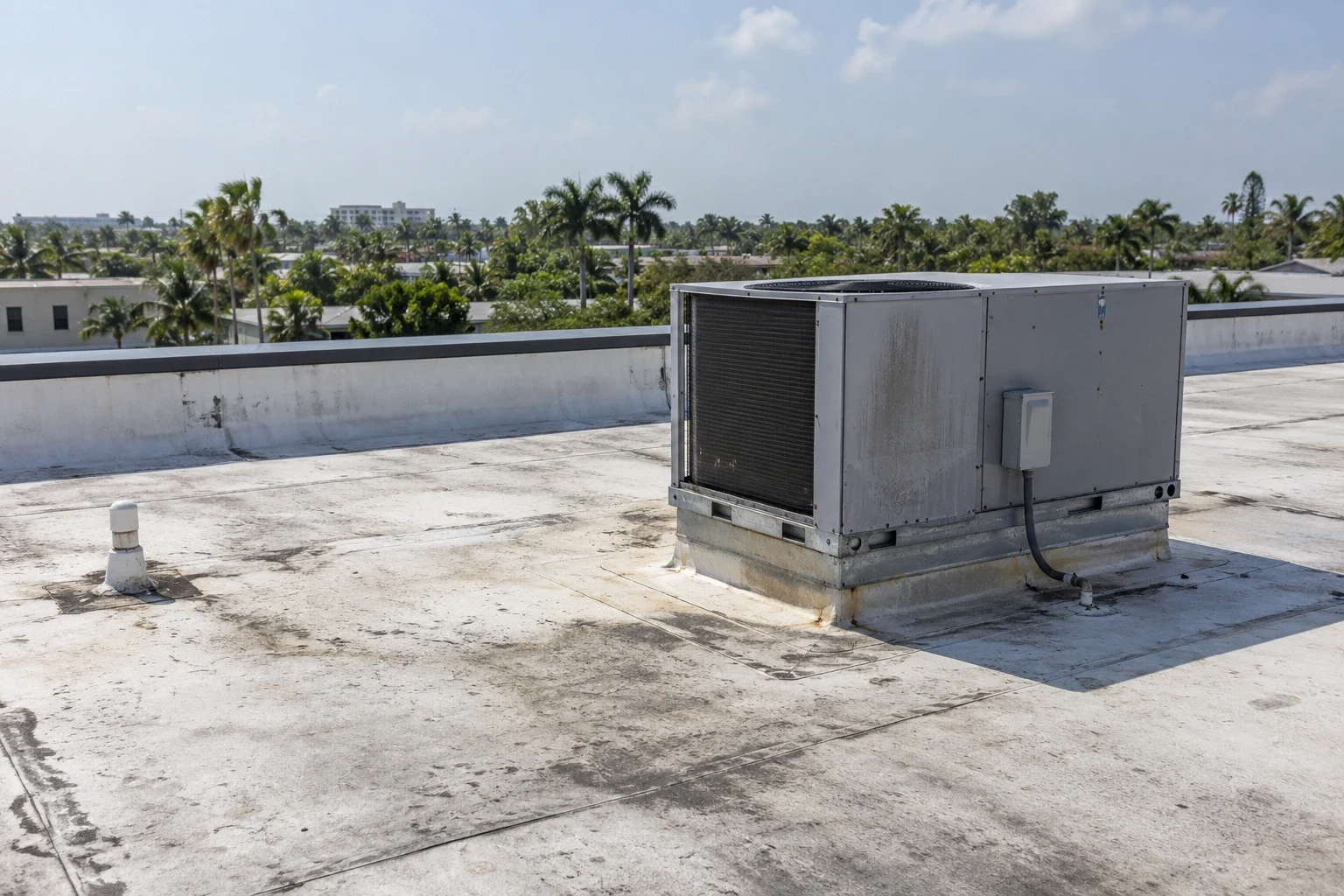
Pompano Beach is, by the city's own description, Broward's largest warehouse and distribution submarket, with industrial space well past the 28 million square foot mark. Parks such as South Andrews, Powerline Industrial, Park Central and the Central 95 corridor hold much of that space, in a market where large low-slope warehouse roofs dominate, so warehouse roofing and distribution work are a natural fit for what we do.
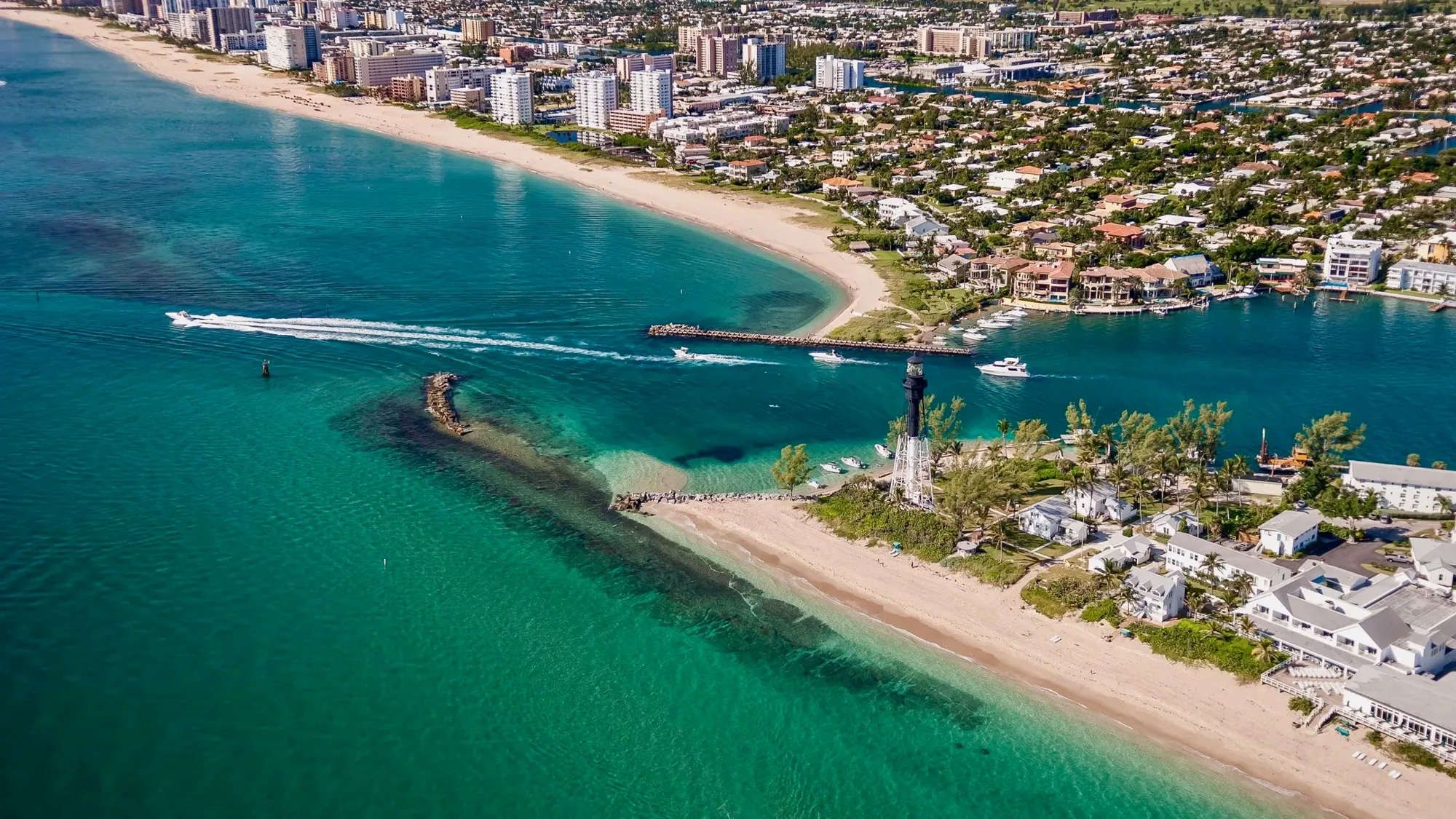
The rest of the city has its own roofs. Retail runs along Federal Highway, including the open-air layout at Pompano Citi Centre. The Pompano Beach Air Park has hangars and aircraft shops, which call for careful hangar roofing. Hotels, apartments, clinics, schools and churches add occupied buildings where noise, access and safety matter as much as the membrane does. Redevelopment adds to the mix: a planned downtown, the beachfront Fishing Village and The Pomp, a planned mixed-use project around Harrah's casino.
Code and Materials: working inside the hurricane zone
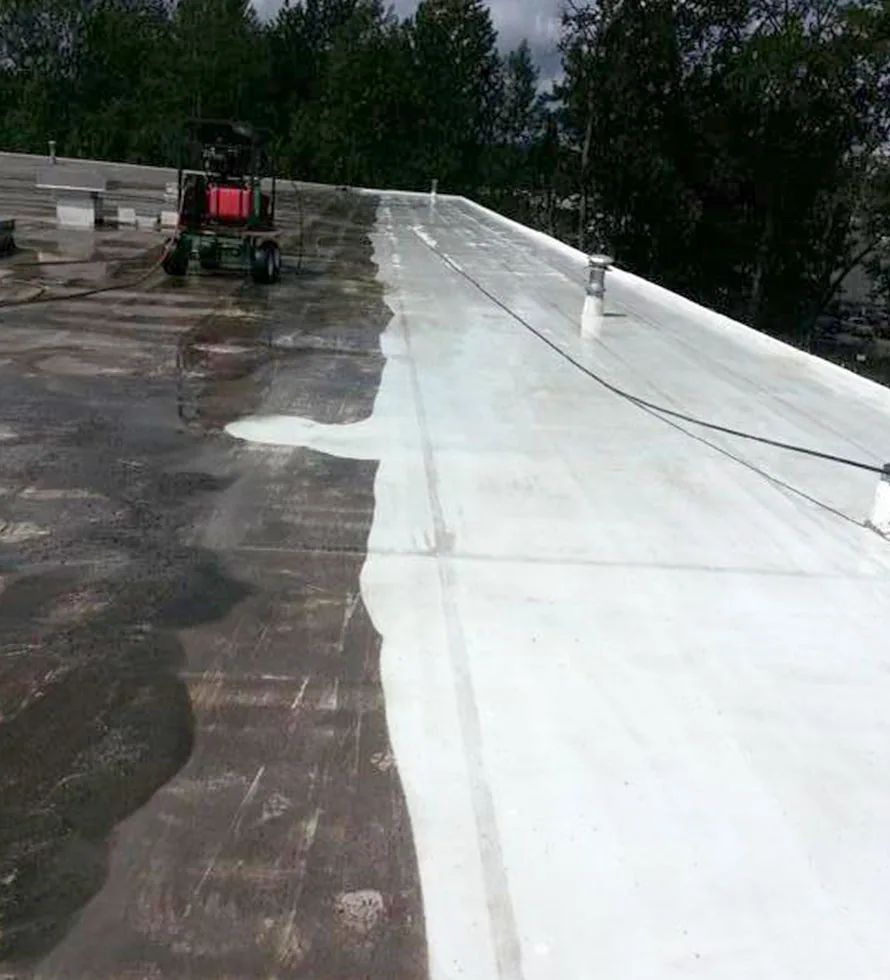
Broward sits in Florida's High-Velocity Hurricane Zone, which sets the rules for what can go on a roof. Risk Category II buildings are designed for 170 mph winds, and each exterior roofing component needs a valid Miami-Dade product approval for the job. A permit pulled today is reviewed under the 8th Edition of the state code, with a newer edition on the way by the end of 2026. We plan permits and materials with those rules in mind, so a project does not stall at inspection.
Within that framework we install and repair the major commercial systems, including TPO, PVC, EPDM, KEE, modified bitumen, built-up roofs, standing seam metal and spray foam, and silicone and acrylic coatings. We also work on roofs made by the major manufacturers, and we keep the maker's installation details in front of us when we repair an existing system.
Who We Work For: owners, managers and the people in between
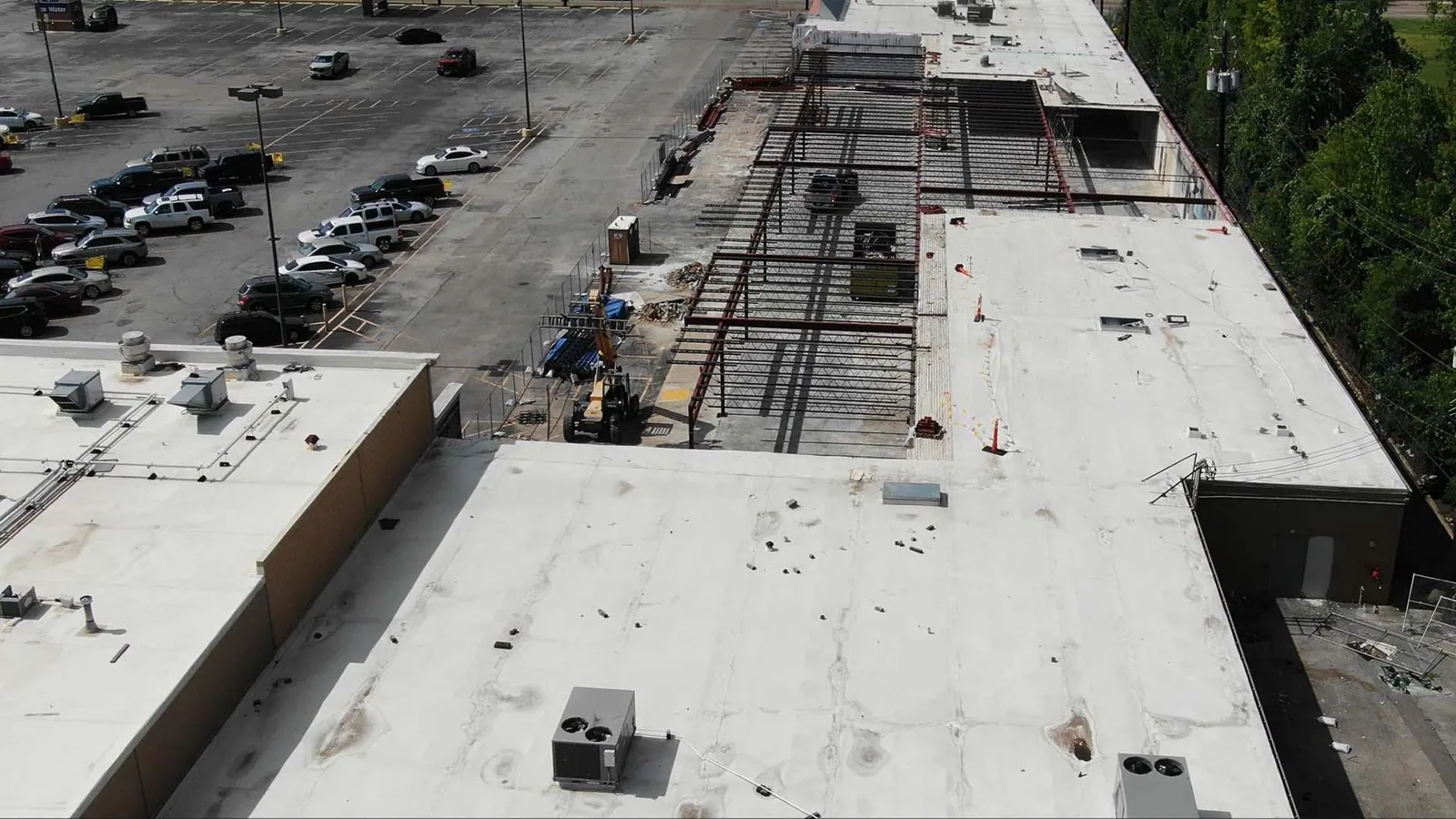
Owners and managers come to us with different problems. A property manager wants reports and a repair history that make sense of a budget. An investor wants to know what a roof has left before a sale or refinance. A logistics operator wants the dock doors open, and a school or hospital wants work scheduled around the people inside. General contractors bring roofing scopes on remodels and new construction, and insurance restoration firms need clear findings and photographs after a storm. Each of them gets a plan adjusted to fit.
Plenty of roofs sit over occupied buildings, so the schedule gets set by tenants, deliveries and shifts. Noise, staging, access and safety get worked out before the first load goes up. When a storm opens a roof, the first step is always the same: cover the opening with a tarp or temporary seal, photograph what we find, and plan the permanent repair in daylight.
Keeping It Going: maintenance and long-range planning
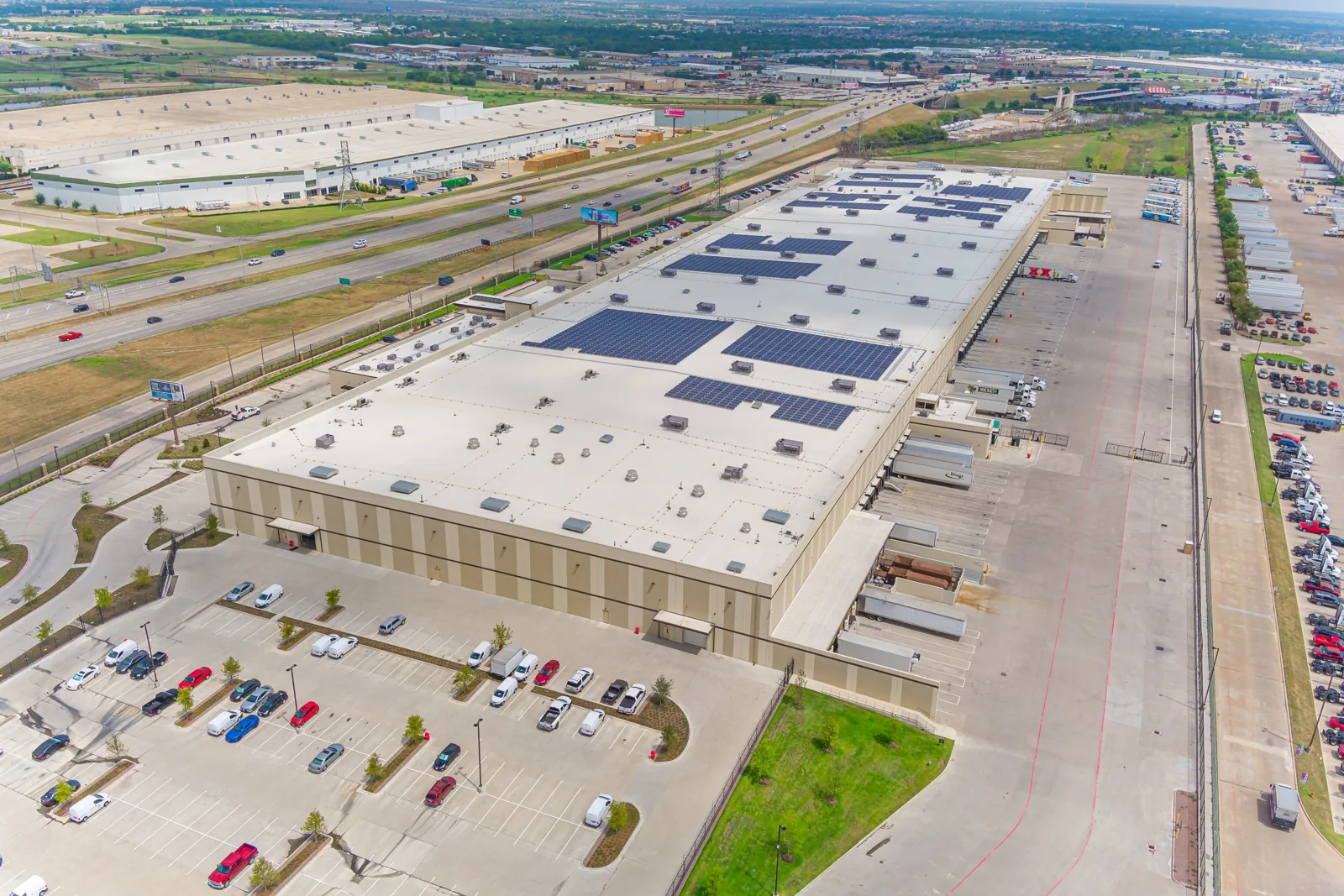
The cheapest roof repair is usually the one that happens before the leak. A preventive maintenance routine before hurricane season clears drains, tightens flashings and checks the equipment curbs, so the roof is ready when the first big system builds off the Atlantic. Owners with several buildings can go further with multi-site programs that set one standard across a whole list of roofs and put the work in order of urgency. When water is already coming in, emergency roof repair is a phone call away at any hour.
Questions We Hear Often
What kinds of roofs do you work on?
Commercial low-slope and metal roofs: membranes, built-up and modified bitumen, standing seam and retrofit metal, spray foam and coatings. If a building has a flat or metal roof and a business under it, we can look at it.
Can I call on a weekend or holiday?
Yes. Emergency response runs around the clock, and a call at night or on a holiday gets the same attention as one on a Tuesday morning.
Will the roof work shut down my operation?
Not if it is planned well. We schedule around deliveries, tenants and shifts, and we stage materials so the building stays in use for as much of the project as possible.
Do you help with insurance paperwork?
We document storm damage with photographs and written findings that an adjuster can follow. The claim decision belongs to the insurer, but good records make the conversation easier.