Roof Recover and Overlay in Pompano Beach, FL
By late June, a Broward roof has usually sat through weeks of near-daily afternoon storms, and the ones with a second system on top show quickly whether the overlay was done right. A recover leaves the existing roof in place and installs a new membrane system over it. It skips the tear-off, the dumpsters and the debris above a working tenant, but it only makes sense when what is underneath is dry, sound and able to carry another layer.
We do recovers on commercial roofs around Pompano Beach, FL when the building passes the checks, and we say so plainly when it does not. A recover that traps water is worse than no project at all, because the roof looks new while the damage keeps growing underneath.
Moisture First: is the old roof dry enough
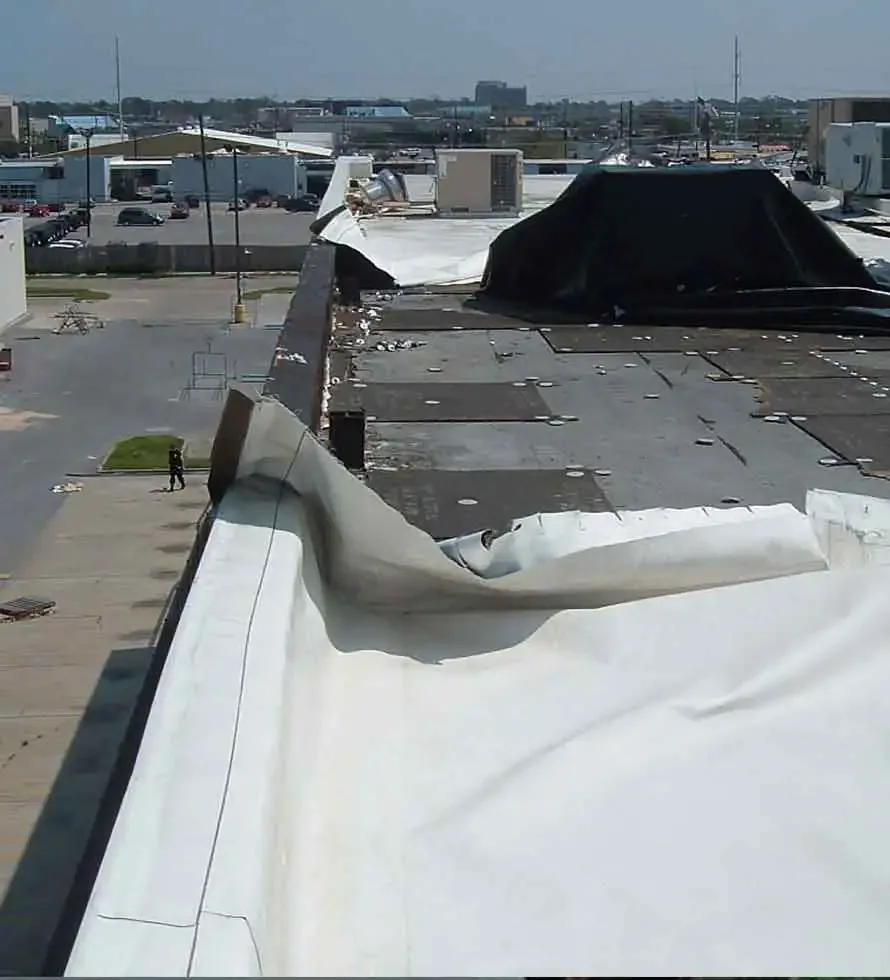
Everything starts with water. Insulation that has soaked up moisture holds it for years, loses its insulating value, and turns to mush under foot traffic. Put a new membrane over it and the water has nowhere to go, so it sits against the deck and rusts steel or rots wood from below. In a county where the wet season delivers most of the year's rainfall, a roof with even small leaks has usually taken on more water than the owner thinks.
We test before we quote. An infrared survey maps the wet areas from the surface, and core cuts confirm what the camera shows by letting us look at the insulation, the number of layers and the deck itself. Dry cores across the roof are a good sign. Wet cores in the middle of the field usually point to a different job.
A recover makes sense only when the existing assembly can support another layer and water can still reach the drains. We check for trapped moisture, soft insulation, loose attachment, saturated areas and roof height at door thresholds, curbs and equipment screens. A new membrane over a wet layer hides the evidence but does not remove the cause. Where a recover is allowed, the fastening plan has to reach sound deck, and the added height must leave room for flashing at every edge and penetration.
Code Limits: what Broward allows over an existing roof
Recover work in Broward comes with tighter rules than most of the country, because the county sits in Florida's High Velocity Hurricane Zone. Components must carry a valid Miami-Dade County Notice of Acceptance, and the roof has to be designed for 170 mph winds on Risk Category II buildings. Permits applied for today fall under the 2023 Florida Building Code, 8th Edition, while a 9th Edition is expected to follow by the end of 2026.
In practice, the building department cares about how many layers are already up, what condition the existing assembly is in, and whether the new system can be fastened or adhered to resist uplift. We check those points before we ever price a recover, and we put the answers in front of you in writing. If the code says the old roof has to come off, we will tell you that early, then move you to a full replacement.
What Goes Over: separation, cover board and membrane
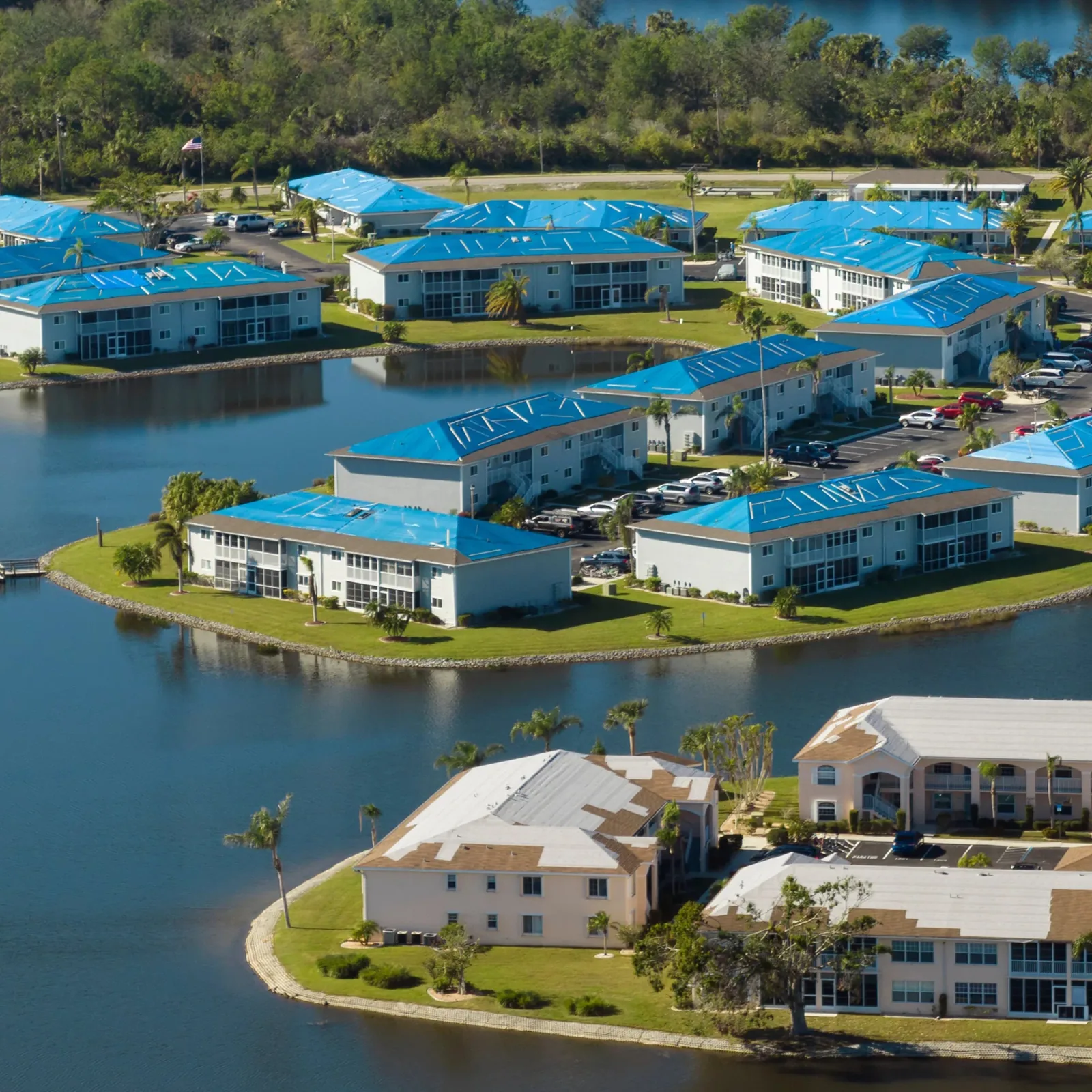
A good recover is more than a new membrane laid on old one. Between the two goes a layer that separates them and protects the new system from the old surface: usually cover board or new insulation chosen for the building. That layer also lets us add insulation value if the old roof was thin, and it gives the new membrane a smooth, firm surface to bond to or be fastened through.
On many flat Pompano Beach roofs the new top layer is a heat-welded single-ply such as TPO or PVC, chosen for reflectivity and seam strength. Metal buildings can take a different route, with retrofit metal framed over the old panels. Either way, fasteners have to reach the structural deck, and attachment is laid out for the hurricane zone, with heavier patterns at corners and edges where wind pulls hardest.
Weight and Drainage: the two things that bite later
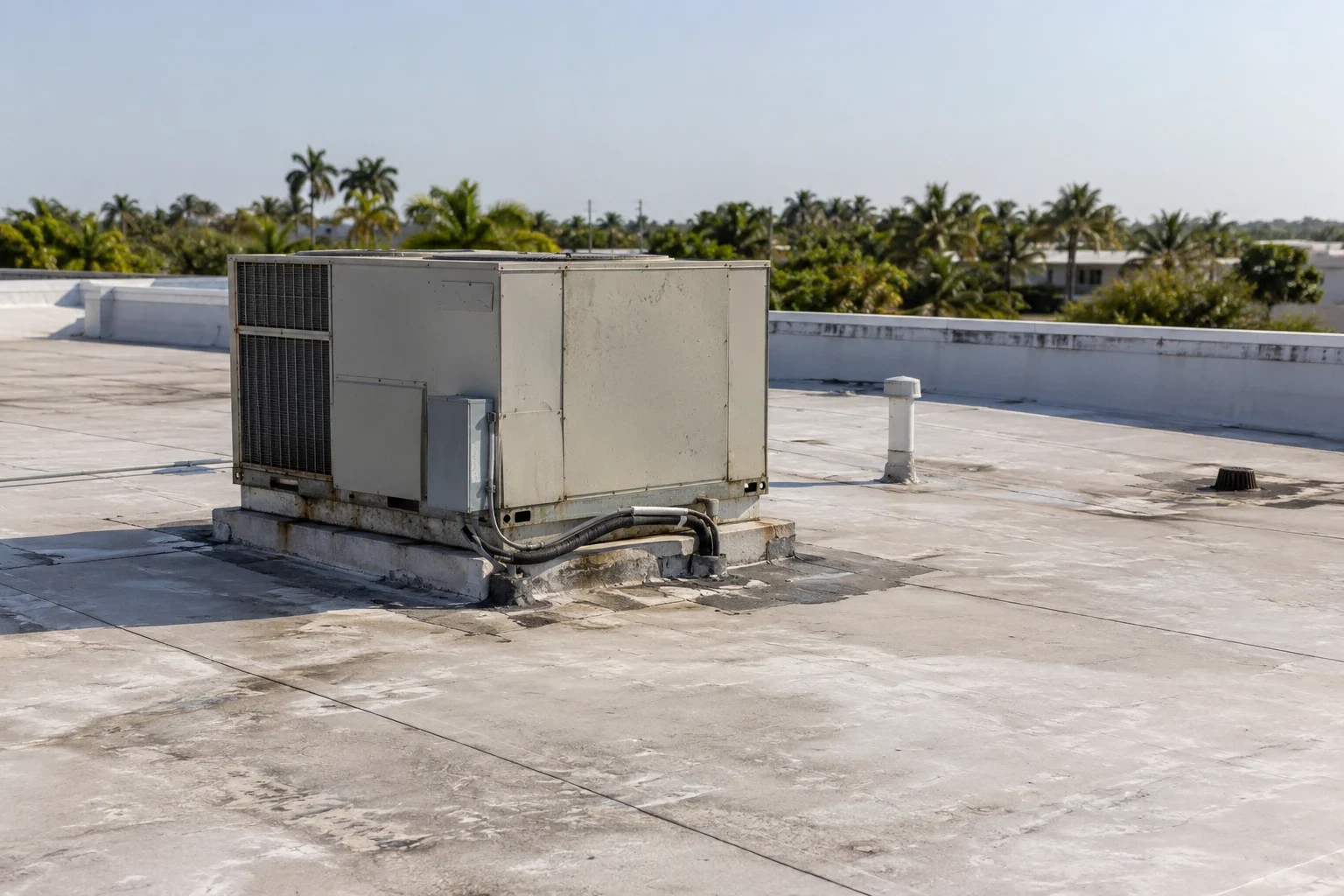
Every added layer adds weight, and every added layer raises the roof surface. Weight matters because the structure has to carry the new system along with the old one plus whatever rain pools on it. Height matters because it changes flashing at walls, curbs and penetrations, and it can shift where water wants to go. A roof that already ponded may pond worse after an overlay, particularly when drains and scuppers end up sitting too high.
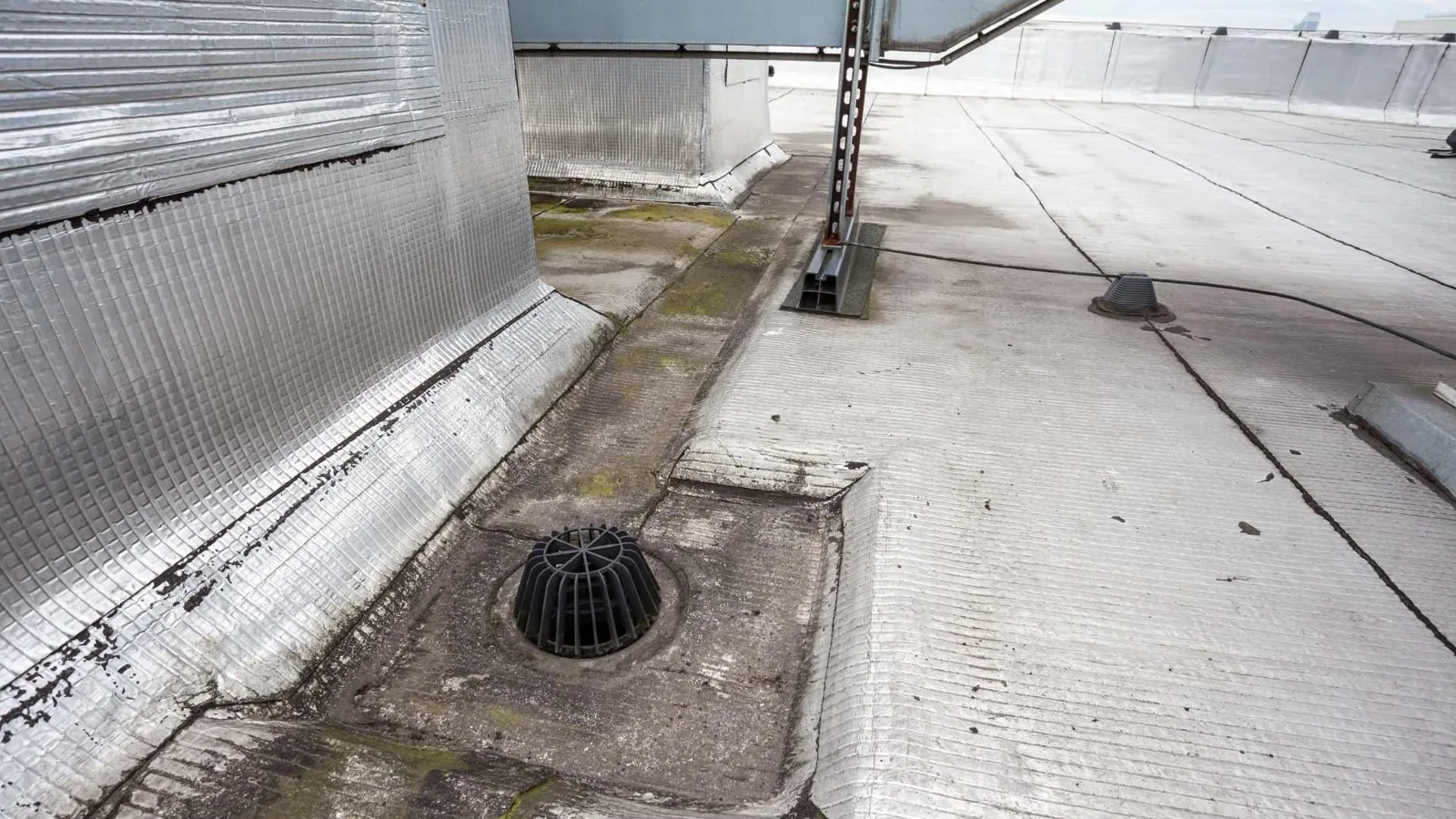
We look at drains and scuppers as part of every recover, and we raise or add outlets where the slope will not move the water on its own. That matters in a county that saw roughly 26 inches of rain in one day in Fort Lauderdale on April 12, 2023. Slope and drainage problems also show up on the repair side, where ponding water is a common reason flat roofs age early.
When to Walk Away: signs a recover is the wrong call
Some roofs should come off. Wet insulation in more than a few small spots, more than one layer already in place, a deck that flexes or shows rust, corroded edge metal, and drains that cannot be raised cleanly are the usual reasons. A recover over those conditions buys a short stretch of quiet and an expensive surprise.
We would rather lose a recover job than lay a roof over a problem. When the numbers point to replacement, we explain which conditions made the call and show you the photos. When a recover fits, the benefits are real: less demolition, less noise over tenants, a shorter time open to the sky, and a project that fits easily inside an operating building. For a retail center on Federal Highway and for the industrial buildings along West Atlantic Boulevard at Atlantic Business Center, that often matters as much as the budget.
Planning the Job: tenants, timing and sequence
A recover moves faster than a tear-off because the old roof keeps working as a temporary barrier while the new one goes on. We still sequence by section, close each area before the crew leaves, and keep an eye on the afternoon forecast. Rooftop units, conduit and piping that sit on the old surface have to be lifted or re-supported so the new flashing can be done properly, and we coordinate those shutdowns with your facility manager so cooling and operations are not caught off guard.
Before work starts we lay the job out on paper: where cover board lands, where fasteners go, how edges and corners are treated, and what happens at every wall and curb. A written scope with those details is the cleanest way to compare a recover bid against a replacement bid and keep everyone honest.
Questions We Hear Often
Can any commercial roof be recovered?
No. The existing roof must be dry, sound, and within the layer limits the building department allows. Core cuts and a moisture scan tell us which side of that line your roof is on.
Is a recover cheaper than a tear-off?
Usually the first cost is lower because there is no tear-off or disposal of the old system. The savings disappear if hidden wet insulation or deck problems force extra work, which is why we test first.
Does a recover last as long as a full replacement?
It can, if the roof underneath was truly dry and sound. The new system performs on its own merits, but it cannot outlast a failing deck below it.
Will the building stay open during the work?
Yes. A recover means less noise and no open deck, so tenants and deliveries keep going. We still plan staging, access and hours with you.
Do I still need a permit?
Permits still apply. A recover is permitted work in Broward and the new components need Miami-Dade product approvals. We handle the paperwork.