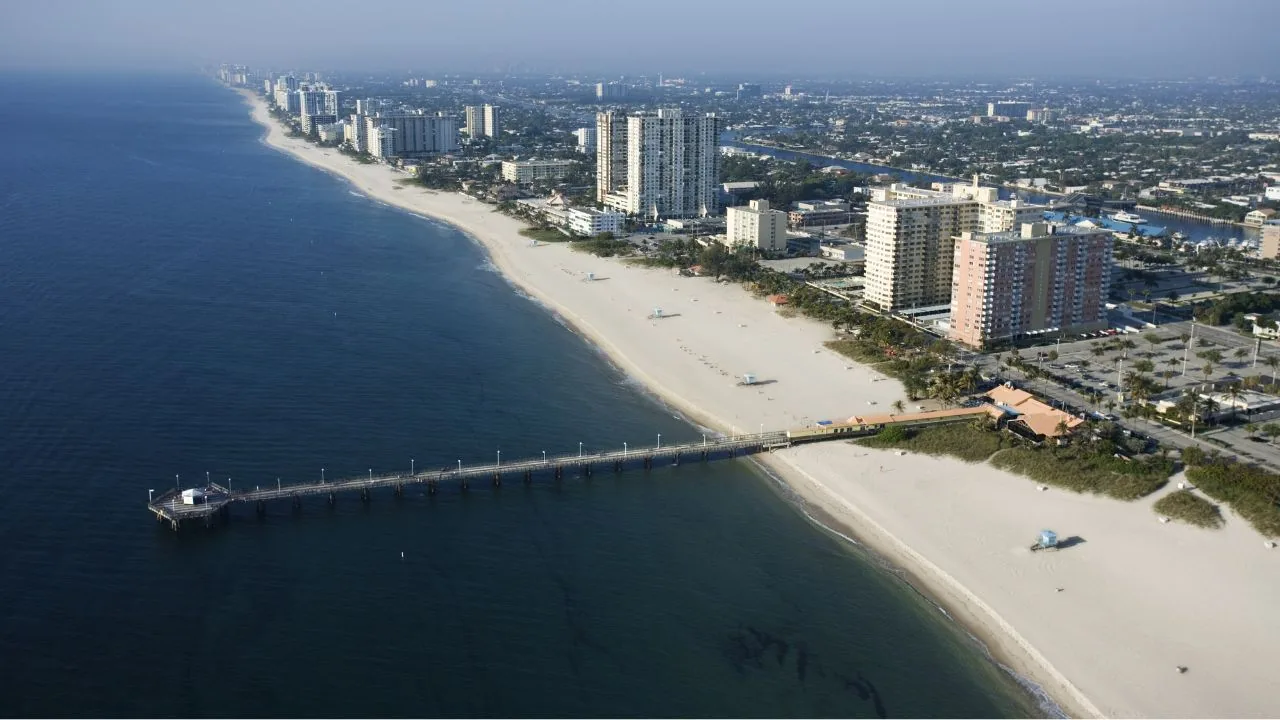
Commercial Roofing in Pompano Beach, FL
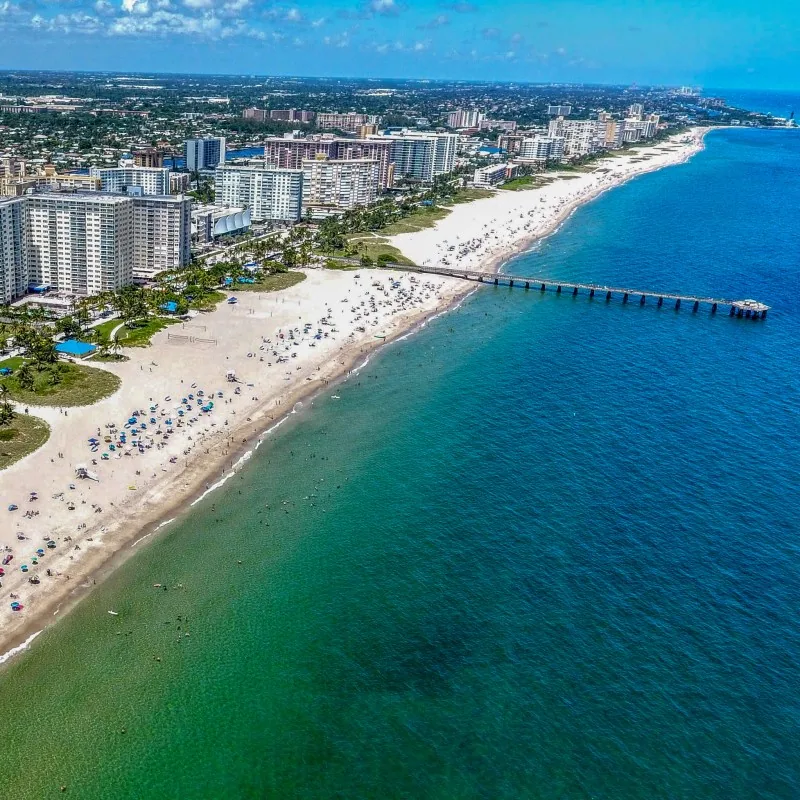
By mid-May, Pompano Beach roofs start taking afternoon storms almost every day. The wet season runs through October 15, and the normal rainfall for that stretch is about 33.4 inches. A blocked drain or loose edge can turn that pattern into a leak before hurricane season reaches its peak. Pompano Beach also has more than 28 million square feet of industrial space, along with marine, manufacturing, tourism and entertainment businesses. We inspect the actual roof, stop active water and explain whether the building needs a focused repair or a larger plan. A commercial roof inspection gives you a record you can use before the next storm rolls in.
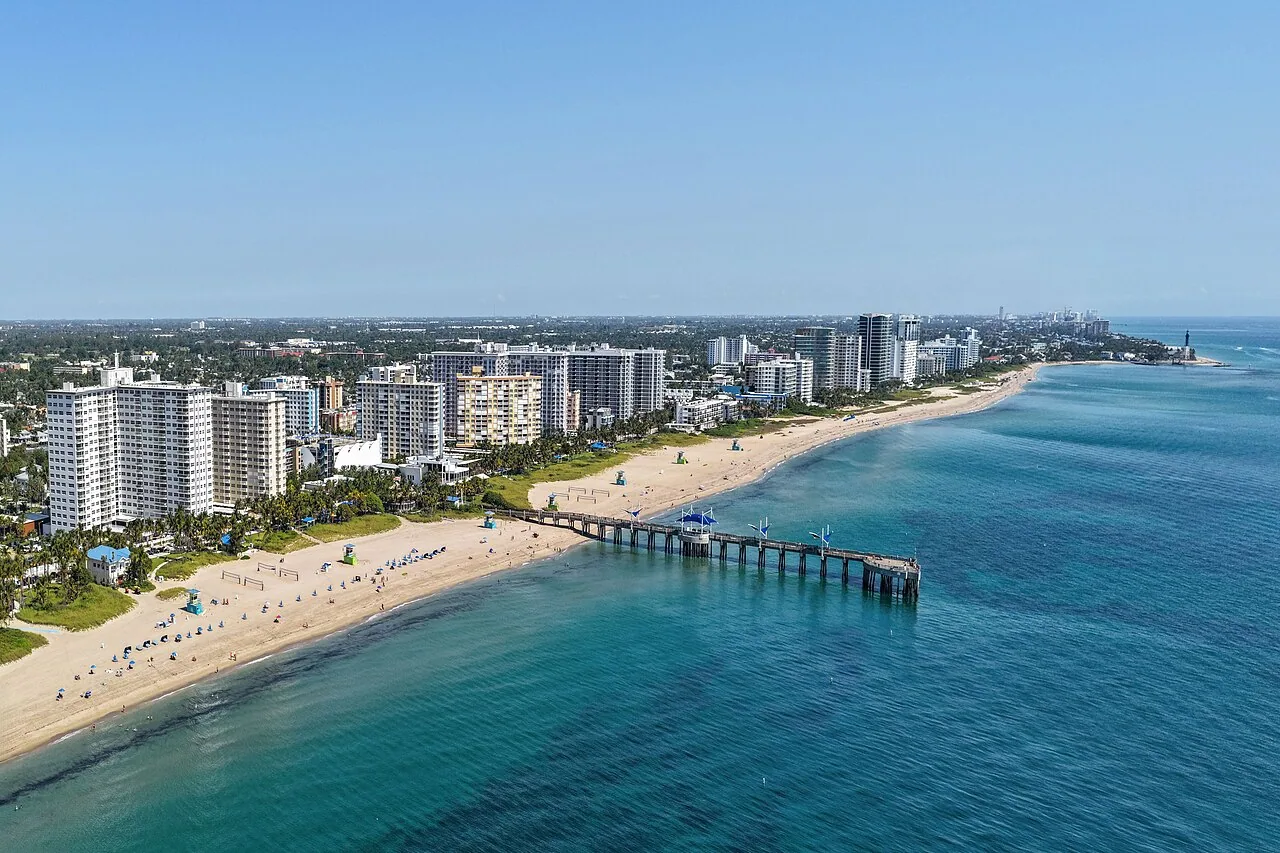
One city, more than one roof problem
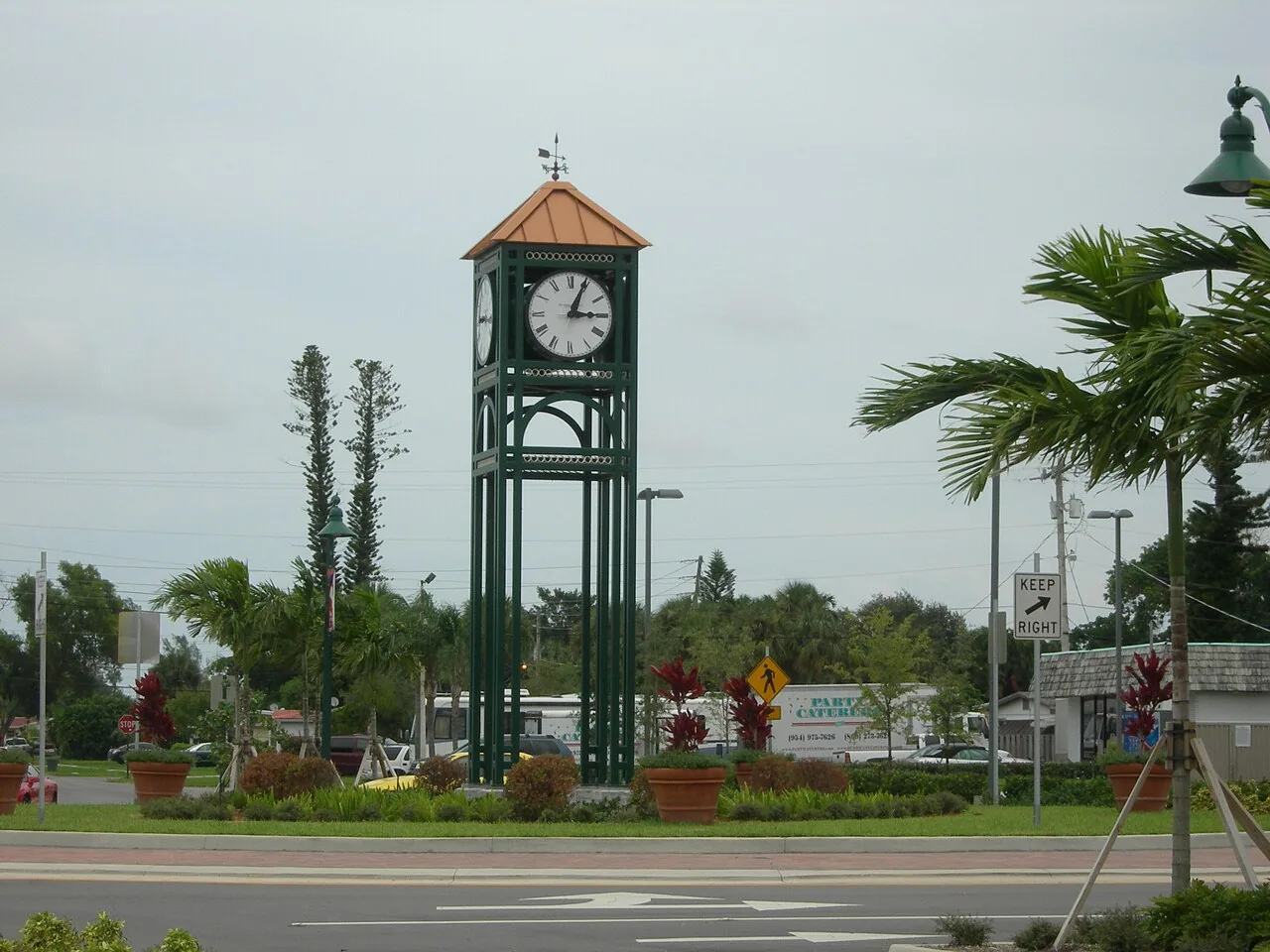
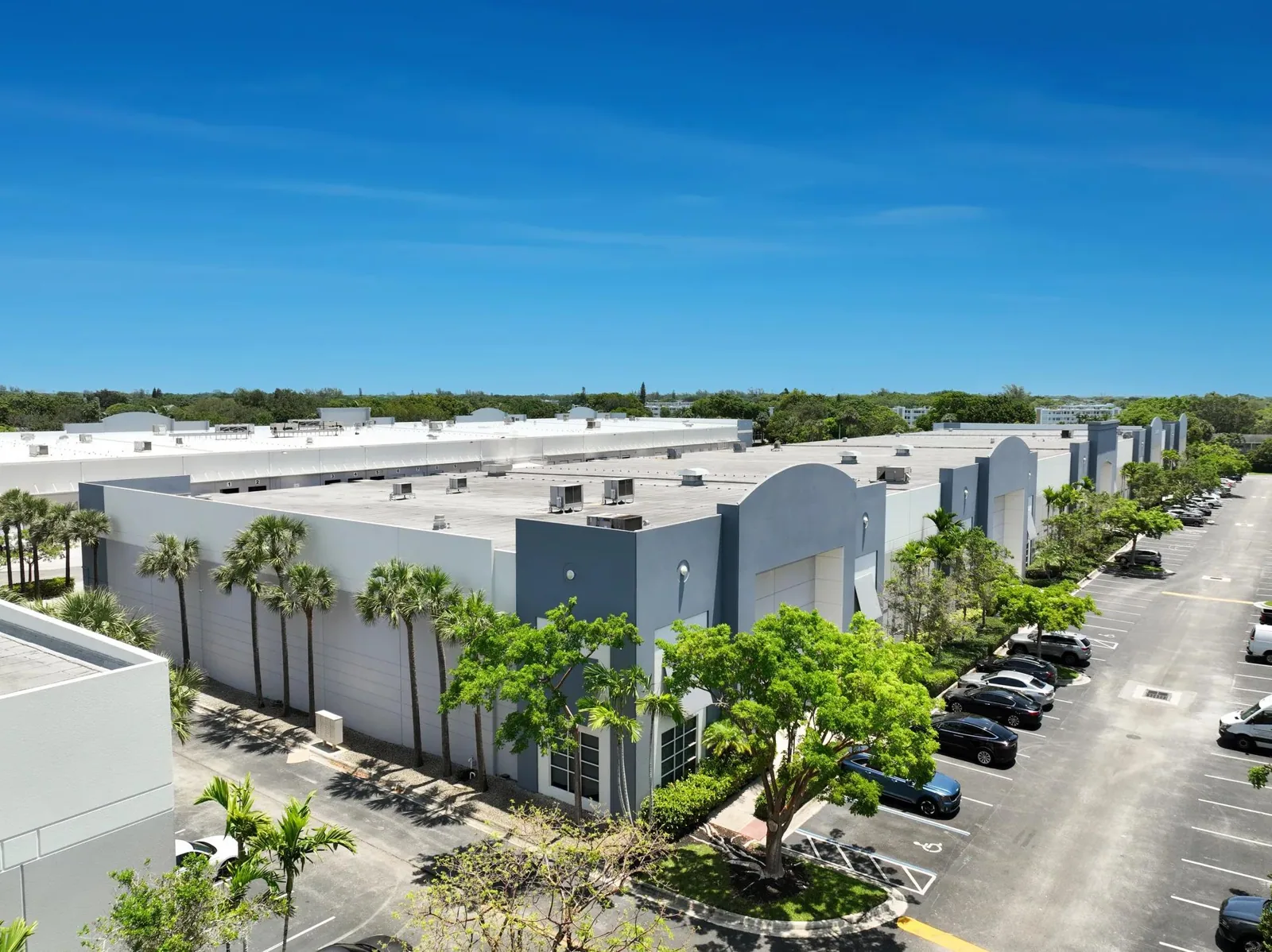
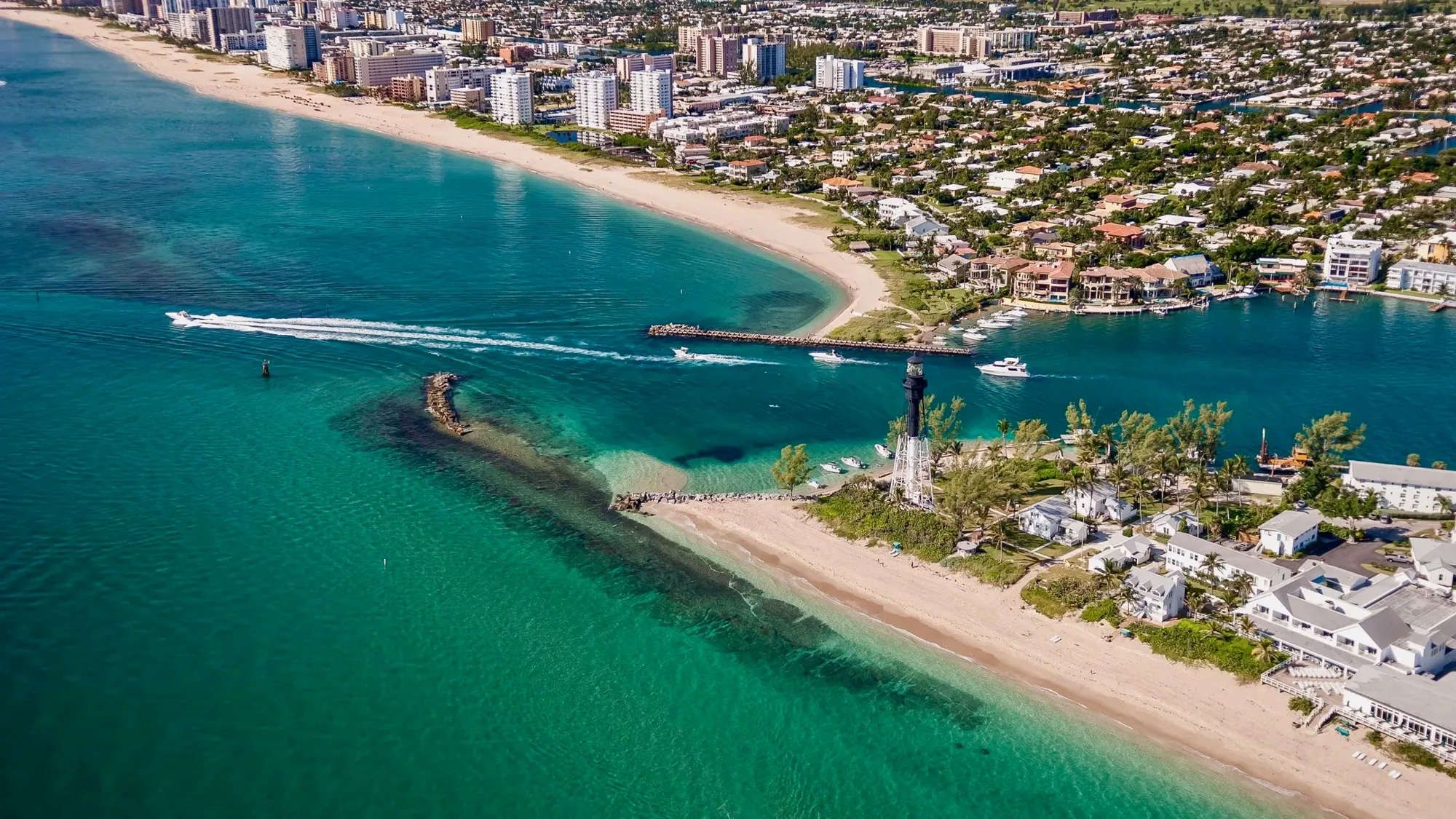
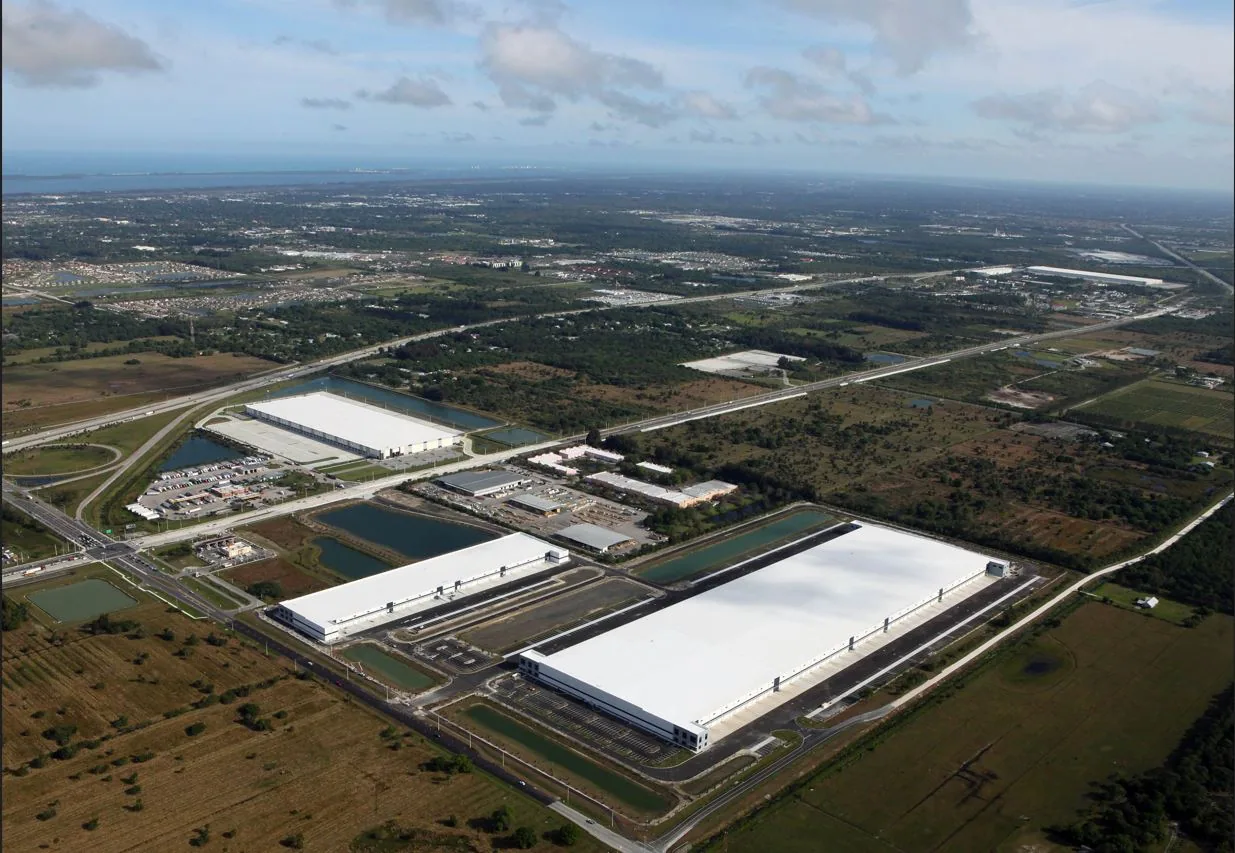
The city’s industrial and distribution buildings do not have the same roof needs as a coastal shop or an office near Atlantic Boulevard. Along the Powerline corridor, roofs often carry equipment and long drainage runs. Near the water, salt and wind work on metal and fasteners. Retail and service buildings have tenants and delivery hours to protect. We do not assume a roof type from the business name. We check the membrane, seams, insulation, curbs, drains and perimeter, then explain what we found. Owners with sites in the South Dixie Highway Corridor and Deerfield Beach get separate condition notes for each building, even when one manager oversees both.
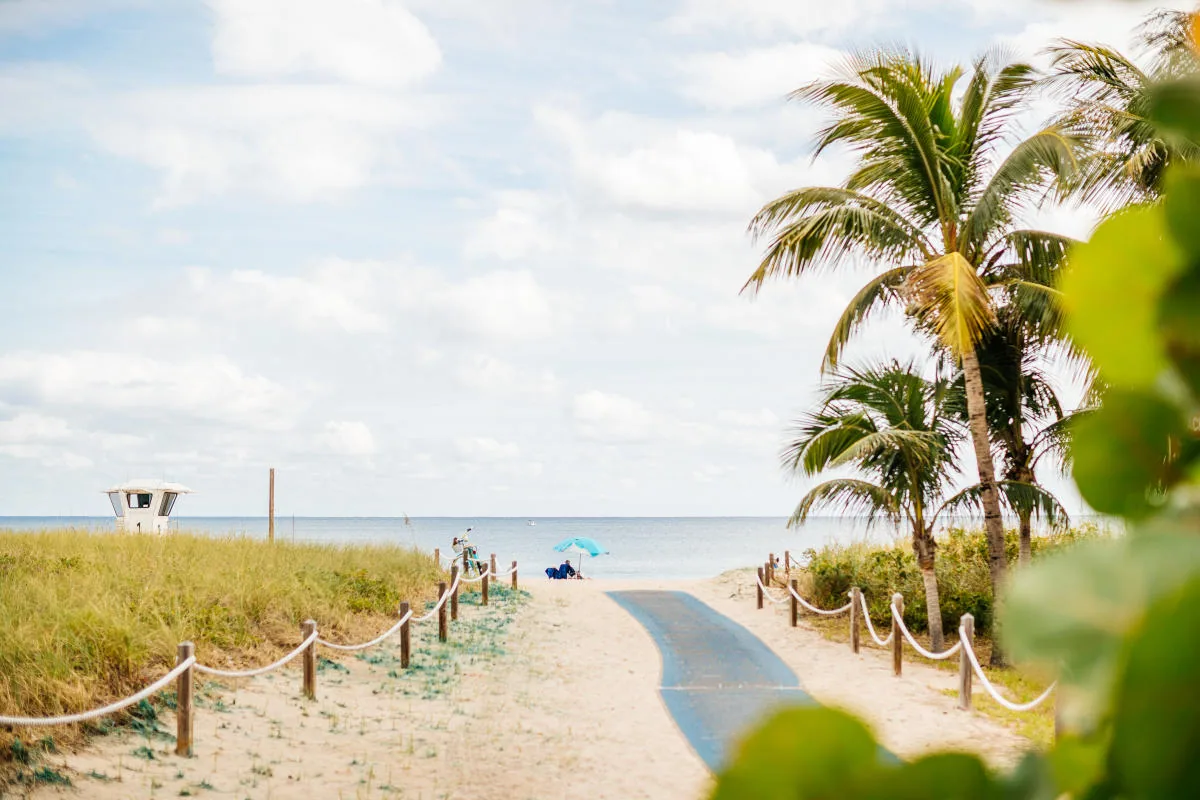
Drainage earns attention before the storm
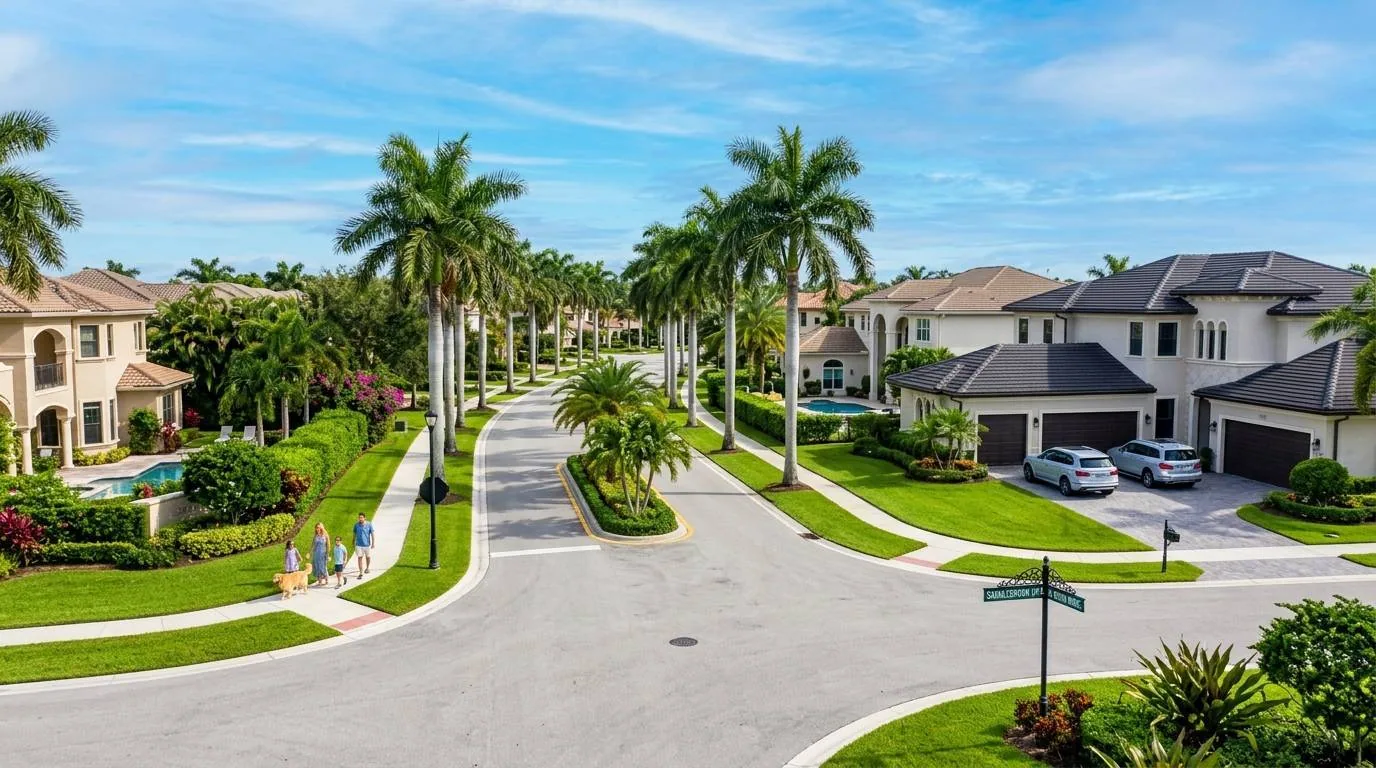
South Florida’s wet season carries 60 to 70 percent of annual rain, and the mid-May through early-July stretch is especially stormy. The National Weather Service averages eight to ten significant flood events per rainy season. On a low-slope roof, the first questions are where water enters, how quickly drains clear it, and whether overflow routes sit below the vulnerable edge. We remove debris, inspect drain bowls and scuppers, look for low spots and trace interior leaks back to their source. A drain that is open today may still be undersized or set too high for the roof around it. Roof drain and scupper repair should restore a working water path, not just make the opening look clean.
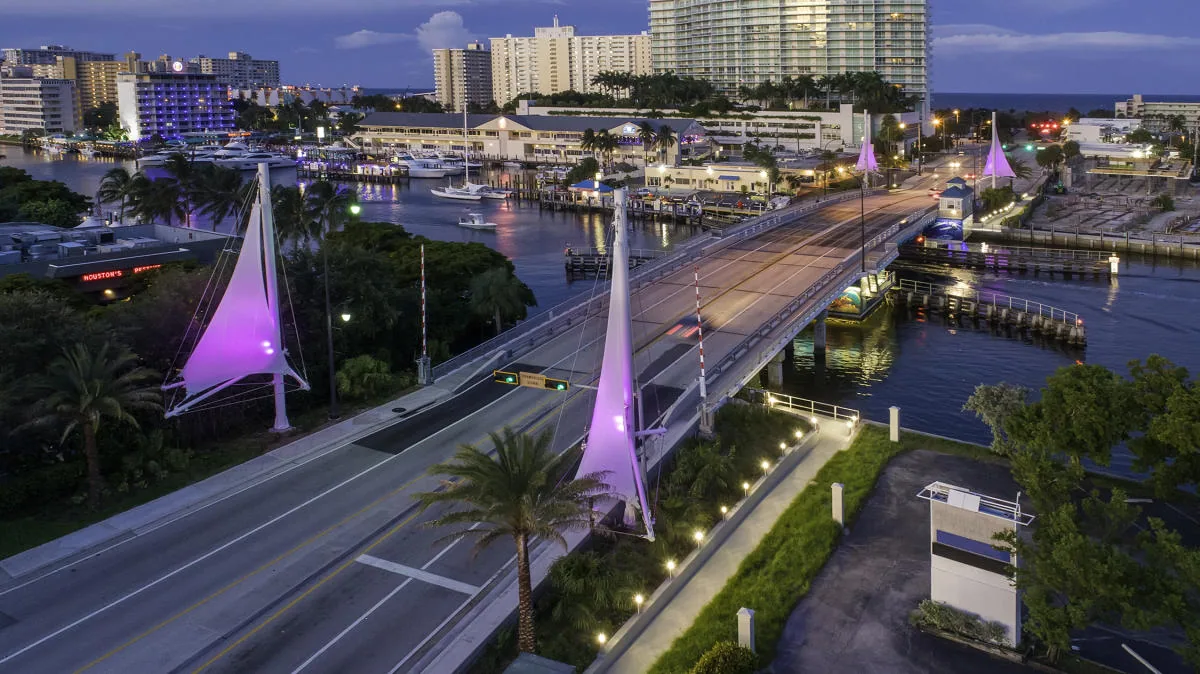
Hurricane wind loads the edges and equipment
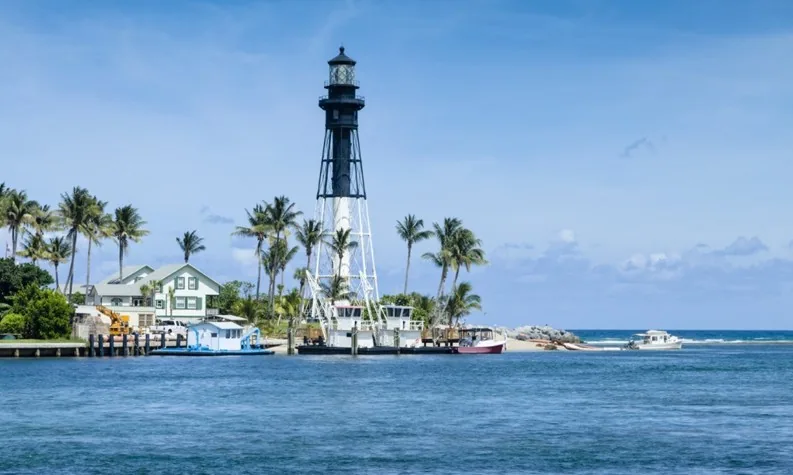
Hurricane Wilma produced a 98 mph gust at Pompano Beach in 2005, and roof damage was reported across Broward County. Hurricane Irma brought sustained winds of 65 to 70 mph across much of the county, with gusts reaching 80 to 100 mph. Wind pressure does not act evenly. Perimeter corners, coping, edge metal, rooftop equipment and loose panels take concentrated uplift. We check fasteners, seams and tie-downs, then document any section that has lifted or shifted. The repair has to restore the tested assembly and the required attachment pattern. Hurricane roof repair begins with a safe inspection and temporary dry-in where water has entered.
Keep work moving without closing the building
A roof project in an industrial or retail area has to fit truck routes, customer entrances, equipment access and the hours a building can tolerate noise. Before material arrives, we confirm where it can be staged and how a lift reaches the roof without blocking fire access. If a facility stays open, tear-off moves in sections, and temporary protection follows each exposed area before the crew advances. We also map air intakes and rooftop equipment so fumes, dust and debris do not become an interior problem. In a warehouse, a wet inventory bay may take priority; in a shop, keeping the customer entrance dry may matter first. Occupied-building reroofing works best when the owner can see the sequence before the first load is lifted.
Industrial buildings also need a plan for equipment and roof penetrations. Exhaust, conduit and refrigeration lines can be added long after the original membrane, and each new opening creates a detail that can move or leak. We photograph curbs and supports, check the flashing at their bases, and note where service crews walk. If a unit must stay online, we coordinate the work around the facility’s operating plan. The roof should remain weather-tight at the end of each shift, not just at final inspection.
Choose a repair that fits the assembly
South Florida roofs live through hot sun, daily moisture and wind events, so a surface patch is not always enough. We identify the membrane, check whether insulation is wet, and inspect transitions at walls, curbs and drains. If the damage is isolated and the substrate is sound, a targeted repair can make sense. If seams have failed across several sections or water has reached the deck, restoration or replacement deserves a closer look. A coating belongs only on a compatible, dry assembly. On systems that need a new membrane, TPO roofing is one option, but attachment, edge details and approved components matter as much as the sheet itself.
Florida’s High Velocity Hurricane Zone requirements affect product selection and attachment details in this market. We confirm the assembly and approvals required for the project, then check that the proposed edge, fastener and membrane details work together. A product name alone does not establish that a roof is ready for wind. The deck, perimeter and substrate all matter. Where existing conditions differ from the drawings, we document the change before closing the roof.
After the storm passes, keep the evidence
Take photos from inside before moving ceiling tiles or stored materials, note when the leak started, and keep people clear of wet electrical equipment. We can make the roof safe with a temporary cover, then return when conditions allow a full inspection. The report separates storm damage from older wear and identifies what still needs testing. That distinction helps a building owner plan the permanent work and keep a useful record for the next maintenance visit. A preventive maintenance plan should revisit drains, edge fasteners and rooftop penetrations before the following wet season starts.
After the permanent repair, we confirm the affected interior space is dry and that the roof drains as expected. Keep the photos and work notes together so later visits can identify whether a new stain follows the same route.
Questions We Hear Often
What should we check before the wet season starts?
Clear drains and scuppers, inspect overflow routes, look at roof edges and check around rooftop equipment. We also review prior repairs for loose sealant or movement. The visit should leave a dated record, so the next storm has a baseline for comparison.
Does every leak mean we need a new roof?
No. We trace the water and inspect the surrounding assembly. A single failed penetration over dry insulation may call for a targeted repair. Wet insulation, repeated seam failures or a compromised deck can point to a wider scope. The report should explain which conditions support the recommendation.
How do you protect a warehouse during a reroof?
We phase the work, keep each exposed area protected, and coordinate material movement around inventory and truck access. The owner identifies sensitive bays and equipment before the schedule is set. If water is active, temporary dry-in comes first.
What does hurricane wind damage look like on a roof?
Lifted edge metal, loose fasteners, open seams, displaced coping and rooftop equipment that has shifted. We check the attachment pattern and the surrounding membrane instead of sealing the most visible gap and leaving the wind path open.
Can a coating help an older roof?
Only if the membrane and substrate are compatible, dry and stable. We check moisture, adhesion, seams, drains and edge height first. A coating cannot repair a saturated assembly or a loose deck, so those conditions need a different plan.