Roofing for Manufacturers in Pompano Beach, FL
The storm line that crosses Pompano Beach, FL on a July afternoon does not care which shift is running. It arrives around three and moves on, and what it leaves behind on a plant roof is either a wet parking lot or a wet production floor. For a manufacturer the difference is measured in lost output, not in repair invoices, and a plant manager who has watched water drip toward a control panel knows exactly what that means.
Companies that make things get roof repair, recovery and replacement from us, and we start every conversation by asking what the building produces, when it runs and what cannot get wet. Our crews work around production schedules, hot-work permits and safety rules, put the roof's condition in writing for your operations and finance people, and answer the phone any hour when a storm opens something up.
Water on the Line: what a leak costs a production floor
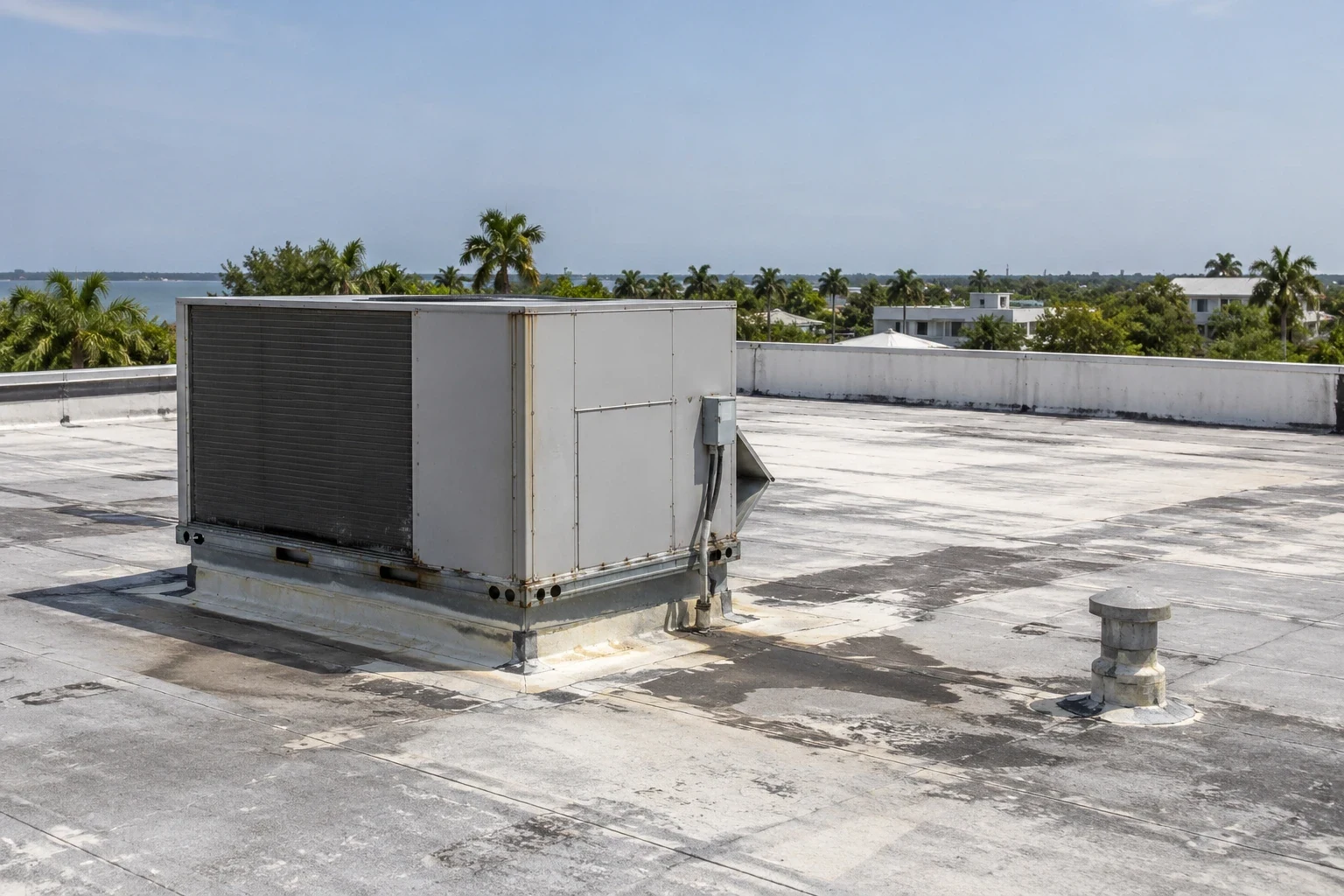
A roof leak in a warehouse stains a pallet. A roof leak in a plant can stop a line. Water finds electrical gear, drips onto raw material, and trips safety systems that were never designed to be rained on. It also travels. Moisture that enters at a curb or a seam can follow the deck for yards before it appears at a ceiling, and the place it appears is rarely where anyone expects.
The slow version is worse. Wet insulation holds water for months, and with surface dewpoints in the 70s through the wet season, it never dries out between storms. We run emergency roof repair for the fast failures and use infrared surveys on the slow ones, so the plant stops losing small amounts of output to a roof problem nobody has pinned down.
Homegrown Plants: from cosmetics to defense contractors
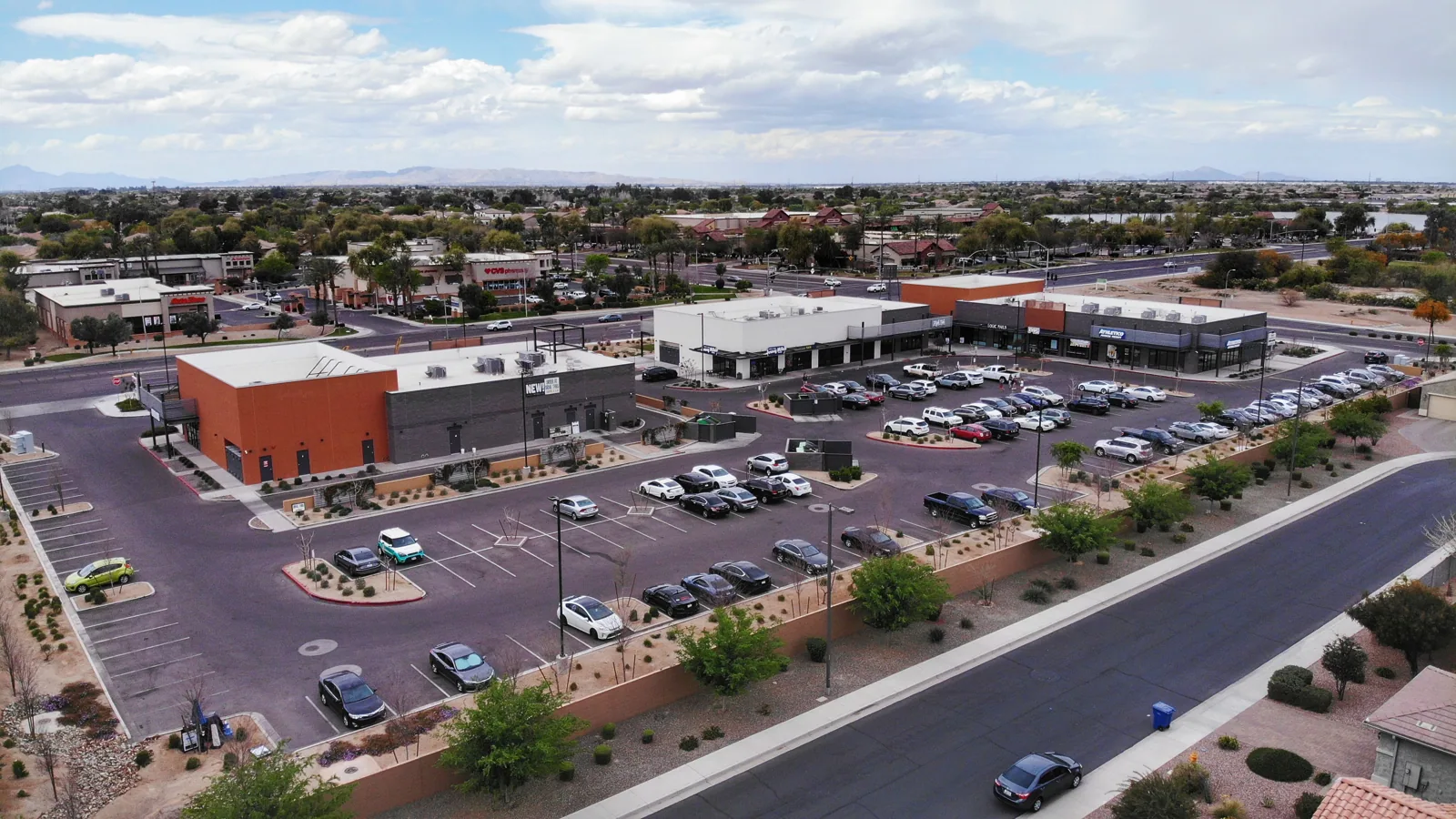
Pompano Beach makes a wide range of goods. The city's economic development material points to homegrown manufacturers in cosmetics (OFRA Cosmetics), marine products (AccuDock), spices, branding products and beverages, and its list of notable industrial employers includes Precision Metal Industries and Point Blank Enterprises, which has 593 employees. The city also markets its industrial parks as home to defense contractors.
Those businesses want different things from a roof. A beverage or spice producer cares about odor, debris and what is used near open product. A metal shop cares about heat, grinding dust and the weight of rooftop equipment. A company that makes boat gear cares about salt air on steel. Any manufacturing plant roofing job begins with that conversation, because the right membrane for one plant can be the wrong one for the next.
Shutdown Calendar: working inside planned downtime
Roofers like a long quiet week. Plants rarely have one. Where a summer shutdown or a holiday week exists, we fit the loud, dusty and disruptive parts of the job, such as tear-off and hoisting, into that window and leave quieter steps like flashing and detailing for normal operations. Where there is no shutdown, we split the roof into sections and work one bay at a time so lines below keep running.
Hot-work rules come first. We follow your permit system, fire-watch requirements and sprinkler-impairment procedures, and we ask EHS to approve the staging and fume plan before anyone mobilizes. Materials for a section arrive and get installed the same day, and the roof is closed up before the afternoon cells build over the Everglades and roll toward the coast.
Several Plants: one standard from building to building
A manufacturer with more than one location needs roofs that behave predictably. Plants in the IDI Pompano Business Center near Blount Road and Coconut Creek Parkway, which covers about 1.31 million square feet, and in Powerline Industrial Park, which spans about 3.09 million square feet, can share a lease or the same property managers and still differ in age, system and leak history. We survey each one and write it up in a single format.
With that in hand, multi-site roof programs let you compare buildings fairly: which roof is next, which can wait, which needs attention before the wet season. A roof condition report for each plant also gives finance a clean basis for a capital request, and gives operations a reason to protect the shutdown window months before it arrives.
Storm Plan: secure the roof, then restart with confidence
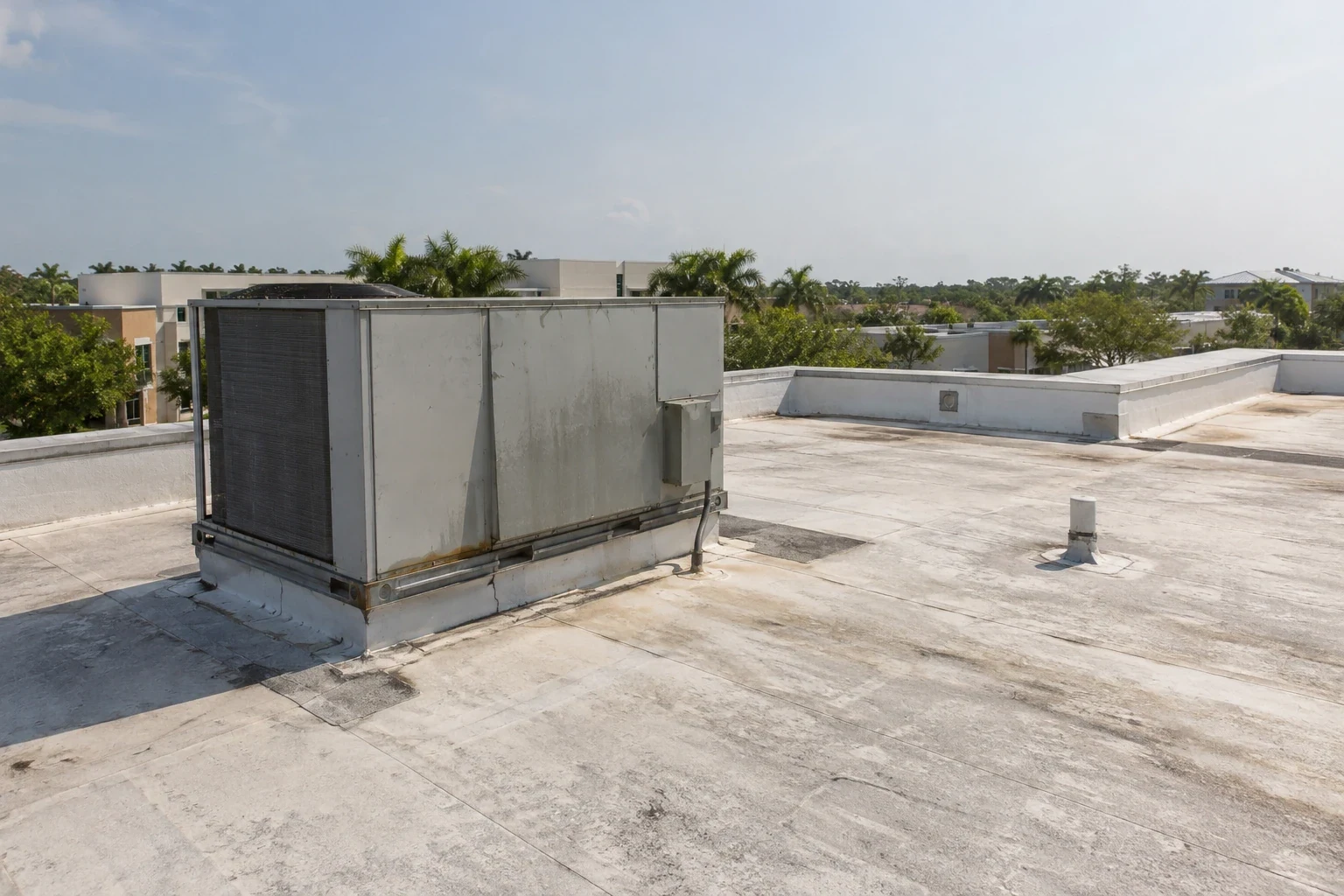
Hurricane preparation at a plant is a checklist with a roof on it. Wilma delivered a 98 mph gust to Pompano Beach in 2005, and Irma in 2017 sent gusts of 80 to 100 mph across Broward. For a Risk Category II plant, the Broward design wind value is 170 mph, and each exterior component needs its matching Miami-Dade approval. The weak points remain familiar: edge metal, rooftop units, exhaust stacks and anything added after the original roof went down.
We help with the before and the after. Before, we strap down or shore up what is loose, clear the drains and photograph the roof. After the storm passes, we inspect the surface and flashing before the plant powers back up, so water coming through an opening does not meet energized equipment. That written record also helps when an insurer wants proof of the roof's condition.
Membrane Fit: choosing for the process, not the brochure
Exhaust from process equipment can leave grease, vapors or chemical residue on a roof, and not every membrane tolerates it. A thermoplastic such as PVC roofing is often considered where grease or chemicals reach the surface, while other systems suit plants that run cleaner. We look at what lands on the roof, how often, and what the exhaust stacks sit on, then recommend a system with that in mind.
Detailing matters as much as the membrane. Plants carry more penetrations than most buildings, and a stack, a duct or a conduit run is only as good as its flashing. That is the part of the work we slow down for, and the part that decides whether a roof stays dry through the next hurricane season. Operations teams running logistics sites face a different set of choices, so we do not copy one plan onto the next.
Questions We Hear Often

Our line runs three shifts. When can a crew get on the roof?
Usually right away, because most of the work happens outside the building. We plan noisy and dusty steps for the slowest shift or a planned stop, and we protect equipment below with catch tarps and covered walkways.
How do you work with our hot-work permit system?
We follow it as written. Fire watch, extinguishers, sprinkler impairment notices and hot-work permits are set up before torches or heat guns come out, and we choose cold-applied or mechanically attached methods when your rules point that way.
Which roof failures are most likely to shut down a plant?
Leaks near electrical gear and openings around rooftop equipment. A cracked curb flashing or a loose stack can let in a week's worth of afternoon rain, and the water usually lands where the plant least wants it.
Can we get the same report format for every plant we own?
Yes. We use one layout for every building: photos, a roof plan, defects located, moisture findings and a ranked repair list. That lets your team compare plants without translating between styles.
What do you check on a plant roof after a hurricane?
Edge metal, rooftop units, flashing at penetrations, drains and the field of the membrane. We walk the roof before the plant restarts and send photos, so any opening gets closed before energized equipment is exposed.