Commercial Roofing at IDI Pompano Business Center, Pompano Beach, FL
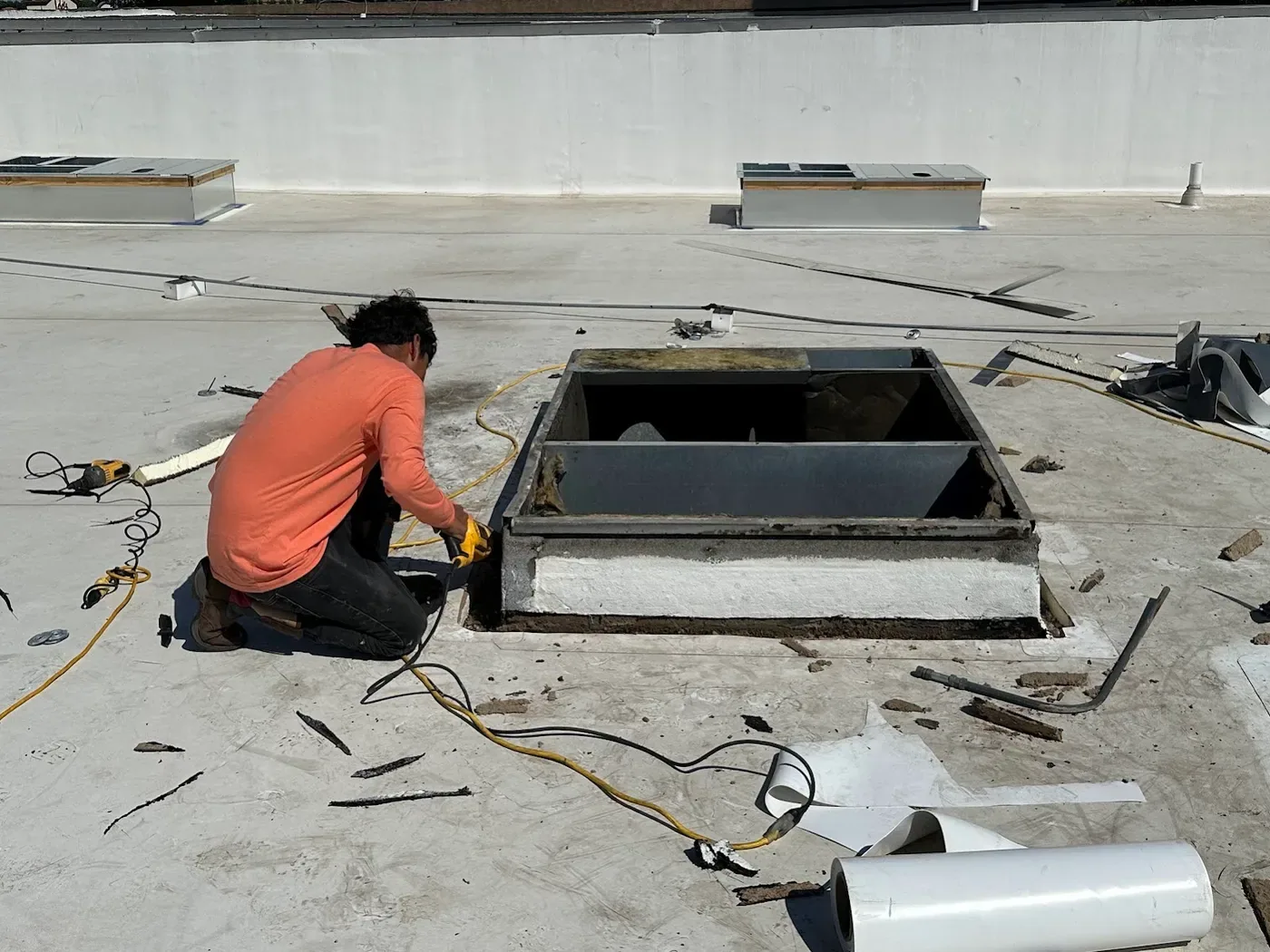
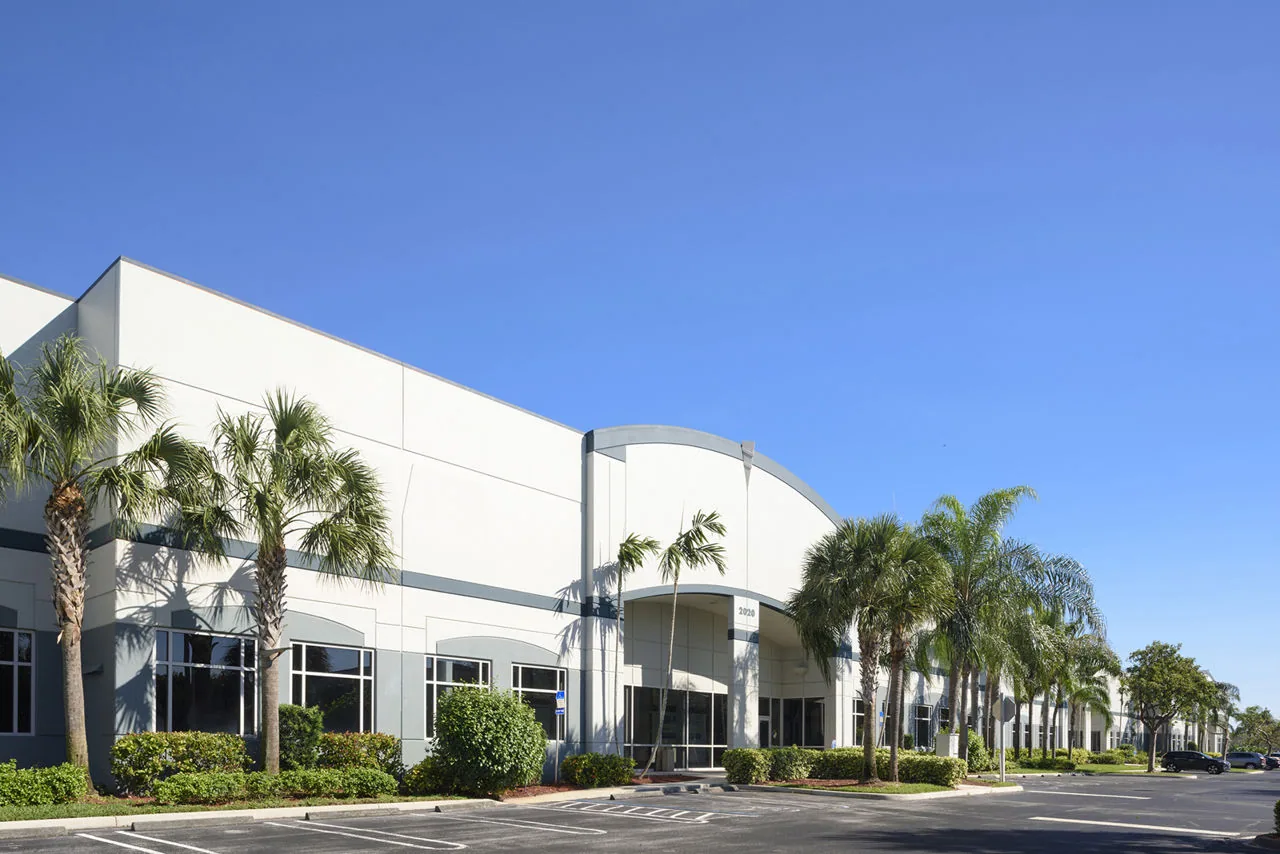
A morning of hard sun, an afternoon cloudburst and an evening that never really cools: that is the daily load on a flat roof in western Pompano Beach, FL from May through October. Buildings across IDI Pompano Business Center total about 1.31 million square feet, near Blount Road and Coconut Creek Parkway. It sits among the industrial parks that make Pompano Beach Broward County's largest warehouse and distribution submarket. We repair, recover, replace and coat commercial roofs on buildings of this kind, working over occupied space and around trucks, shipping schedules and production.
Every job starts with a walk on the roof and a written condition report with photos. We look at the membrane, the insulation underneath, the drains, the edges and every piece of equipment that has been set on top. The owner gets a clear picture of what is dry, what is not and what ought to happen before the next hurricane season, with the timing and cost drivers laid out in plain terms.
Made Here: roofs over cosmetics, marine, food and beverage
The city reports multimillion-dollar homegrown manufacturers in cosmetics, marine products, foods and beverages, and it points to the industrial parks as the buildings they rely on. A roof over that kind of operation has a different job from a roof over a plain storage building. Clean product and finished goods have to stay dry. Production areas often run warm and humid on the inside, which sets up condensation if the roof assembly is not built to deal with it.
If a building in the park houses that kind of user, we look closely at the vapor path through the roof: how the insulation is attached, whether a vapor retarder is in place and where warm indoor air might meet a cold surface during an air-conditioned wet-season night. Water that appears on a ceiling is not always a leak from above. A thorough infrared moisture survey tells us whether the problem started outside or inside.
Process Exhaust: what comes out of the vents and where it lands
Food and beverage production sends fats, steam and cleaning residue up through roof fans. Cosmetics and marine product plants have their own mix of chemicals and dust. Some roof membranes shrug off grease and solvents, and some soften, blister or lose their flexibility when they sit in a film of it. Where exhaust discharges onto the roof, we check the membrane directly under and downwind of each fan.
Where a roof will be replaced, a chemical-resistant single-ply such as PVC is often the first system to consider, because it tolerates grease and many chemical exposures better than the alternatives. We also add extra protection under exhaust points, using splash pads or curb extensions that carry waste away from the seams. The same thinking applies on a manufacturing plant roof with active exhaust.
Moving Product: roofing while the docks stay busy
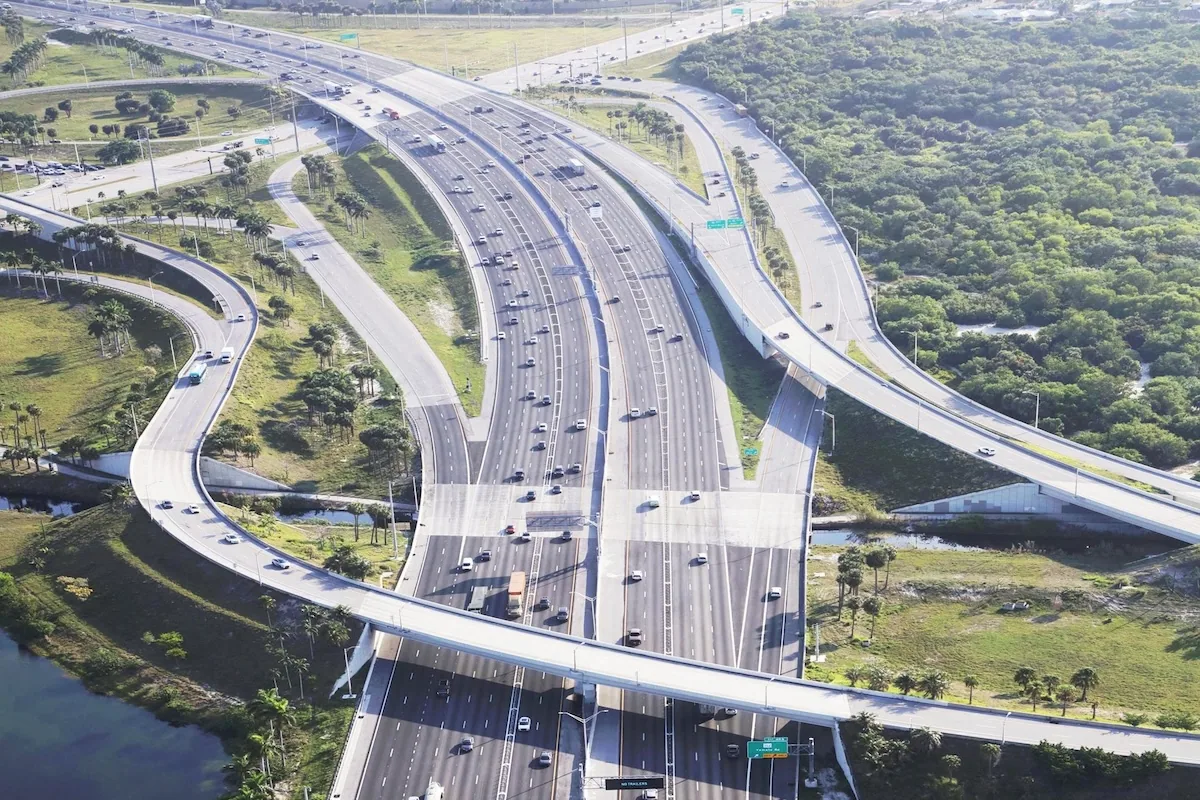
Brightline and Tri-Rail service, along with I-95 and Florida's Turnpike, keep distribution users close to the park, and the Powerline Industrial area to the south adds roughly 3.09 million square feet of buildings to the same industrial belt. Where trucks arrive on a schedule, a roof project has to stay out of the way. We stage materials off the truck courts, sequence the work building by building and set the day's work area so a dock door never ends up under an open section of roof.
Tear-offs are scheduled for the drier part of the year when we can. When the work has to run through the wet season, we start early, watch the radar and finish each day's work with a watertight dry-in tied into existing flashing. For a larger building the work often runs in sections, so tenants and shipping crews can move around the active zone. Nearby Powerline Industrial Park owners face the same scheduling questions.
Permits and Wind: what a Broward re-roof has to satisfy
Two sets of rules meet on a Broward roof: the roofing chapter of the Florida Building Code and the extra High Velocity Hurricane Zone protocols. The edition now in force took effect as 2023 ended, and its successor is not due until late 2026, so a permit filed today is reviewed under the current one. The wind figure is 170 mph for ordinary occupancies, and every product on the exterior has to arrive with its Miami-Dade approval, earned by passing flying-debris, pressure-cycling and wet-after-impact testing.
The approved system defines what we can install, so a substitute chosen in the field to save a few days can cost the job an inspection. Wilma put a 98 mph gust over Pompano Beach in 2005 and Irma sent 80 to 100 mph gusts across the county in 2017, and the approvals behind every exterior product are what stand between a roof and wind like that. We keep permit paperwork organized so the building department sees what it needs, and we build to the assembly the permit names.
System Choices: single-ply, retrofit metal or a coating
For a flat commercial roof, the three common paths are a new single-ply membrane, a metal retrofit over the existing roof, or a coating on a sound membrane. A single-ply such as TPO or PVC suits most replacements. A metal roof retrofit can be a good fit where the structure allows it and the owner wants a long life with low upkeep. Coatings suit roofs that are dry, sound and only worn on the surface.
The decision follows three questions: is the insulation dry, can the building carry the added weight if we are adding anything, and how much downtime can the tenant take. From there the numbers come down to material, labor, tear-off and disposal, equipment flashings and the access needed to get product to the roof. A commercial roof replacement proposal puts those lines on paper so an owner can compare options fairly.
For a second industrial property, record access contacts, active shifts and delivery windows separately; the Central 95 industrial area checklist follows the same walk.
Questions We Hear Often
Will dust or fumes from the roof job reach product inside?
We take steps to keep them out. Air intakes can be covered, adhesives with strong odors can be swapped for lower-odor products, and tear-off areas are kept away from intakes. Tell us what is sensitive, and we plan the sequence and the shut-off times with your maintenance team.
What does grease or chemical exhaust do to a roof?
Fats and solvents can soften or swell some membranes, shortening their life under the fan. A check of the surface near each discharge shows whether it is happening. Where it is, we change the membrane in that area or add protection, and keep the exhaust from running across seams.
Does a roof permit work differently here than inland?
Broward sits in the High Velocity Hurricane Zone, so product approvals and installation details are stricter than much of the country. Roofing sits under the 8th Edition code that took effect at the end of 2023, with the HVHZ test protocols layered on. We handle the submittals and inspections.
How can we tell whether insulation is wet without cutting the roof open?
An infrared survey, taken at the right time of day, shows the temperature difference where moisture is trapped. We confirm suspicious areas with a core sample and a moisture meter and mark them on a roof plan, so the owner knows what to replace and what to keep.
Is a coating or a new membrane the better buy for a big flat roof?
Neither wins every time. A coating costs less up front and keeps the building in service, but only works on a dry, sound roof. A new membrane costs more and fixes wet insulation and drainage problems. The moisture survey and the age of the system point to the right one.