Roof Systems in Pompano Beach
TPO, PVC, EPDM, modified bitumen, metal, foam and coatings: how each commercial roof system holds up to heat, salt air and hurricanes in Pompano Beach, FL.
Request a Roof Assessment
Made for Broward Weather
The sun on a flat roof in Pompano Beach, FL in July does more to a membrane than most owners ever picture. Dewpoints sit in the 70s, nights run warm, and the afternoon storm arrives right when the surface is hottest. Every roof system on the market claims to handle that, and each one does in its own way. Some reflect heat, some shed ponded water better, some stand up to foot traffic from the HVAC crew, and some hold on tighter when a hurricane tries to lift the edges. Picking the right one is a matter of matching the system to the building, not to a brochure.
Find the Right Fit
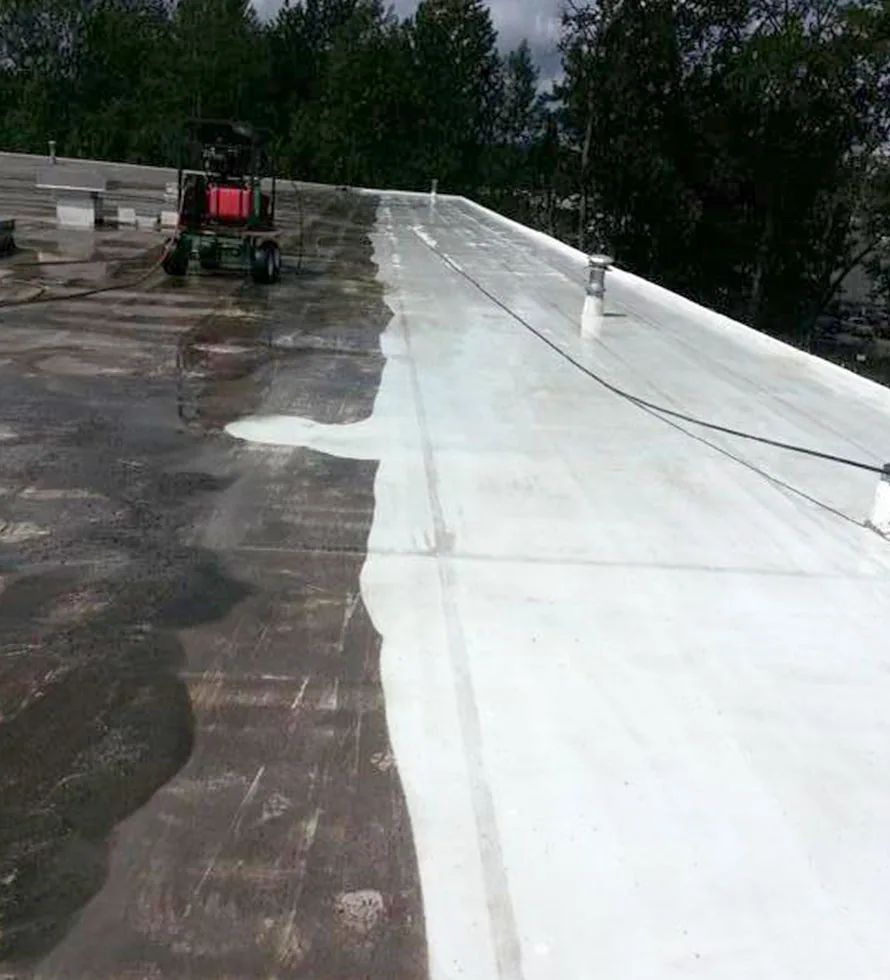
TPO Roofing
TPO Roofing
TPO roofing in Pompano Beach, FL: heat-welded white membrane, HVHZ-ready attachment and wet-season know-how for warehouses, retail and office roofs.
Learn More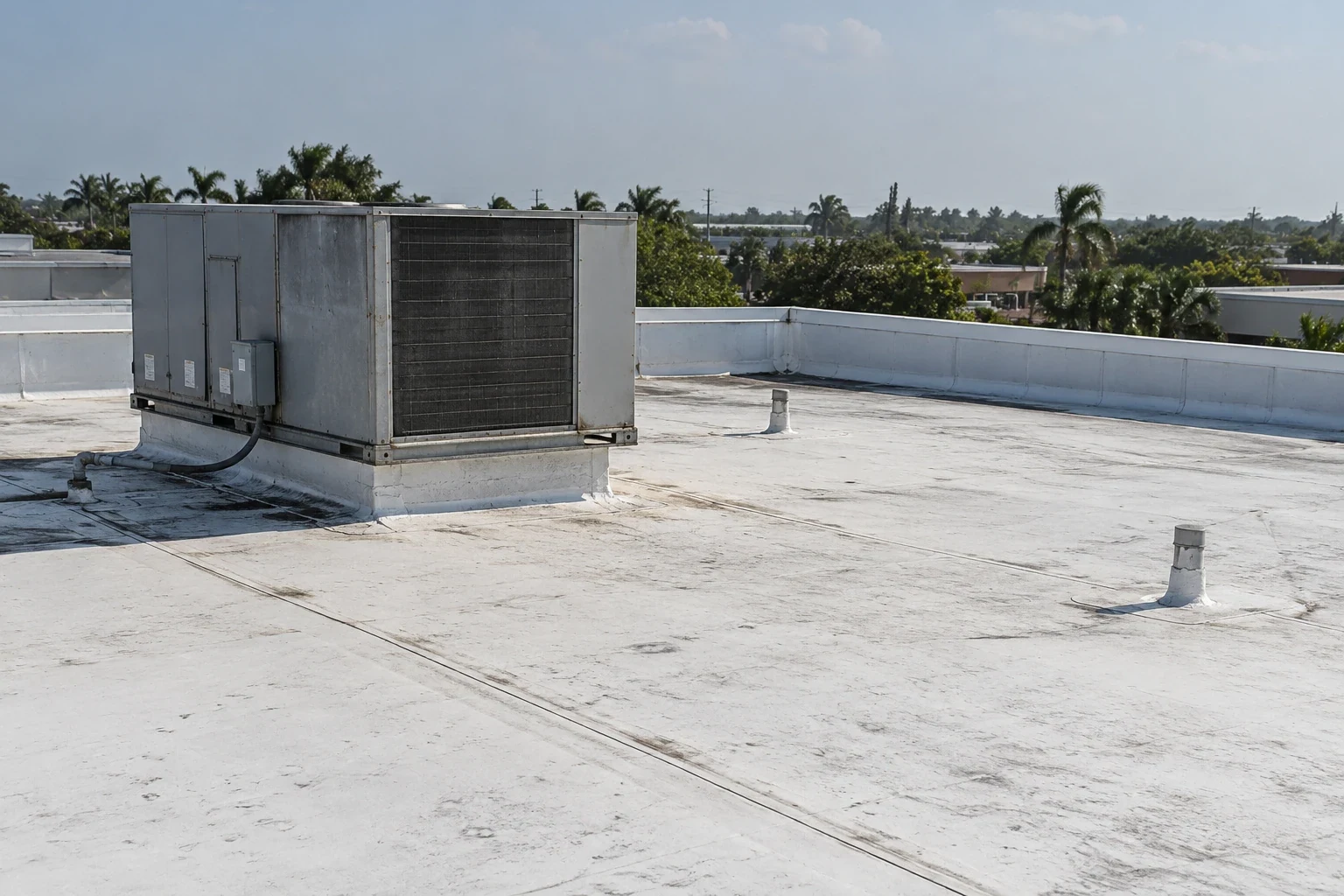
PVC Roofing
PVC Roofing
PVC roofing in Pompano Beach, FL: heat-welded membrane that stands up to salt air, kitchen grease and wet-season ponding on restaurants, grocers and retail.
Learn More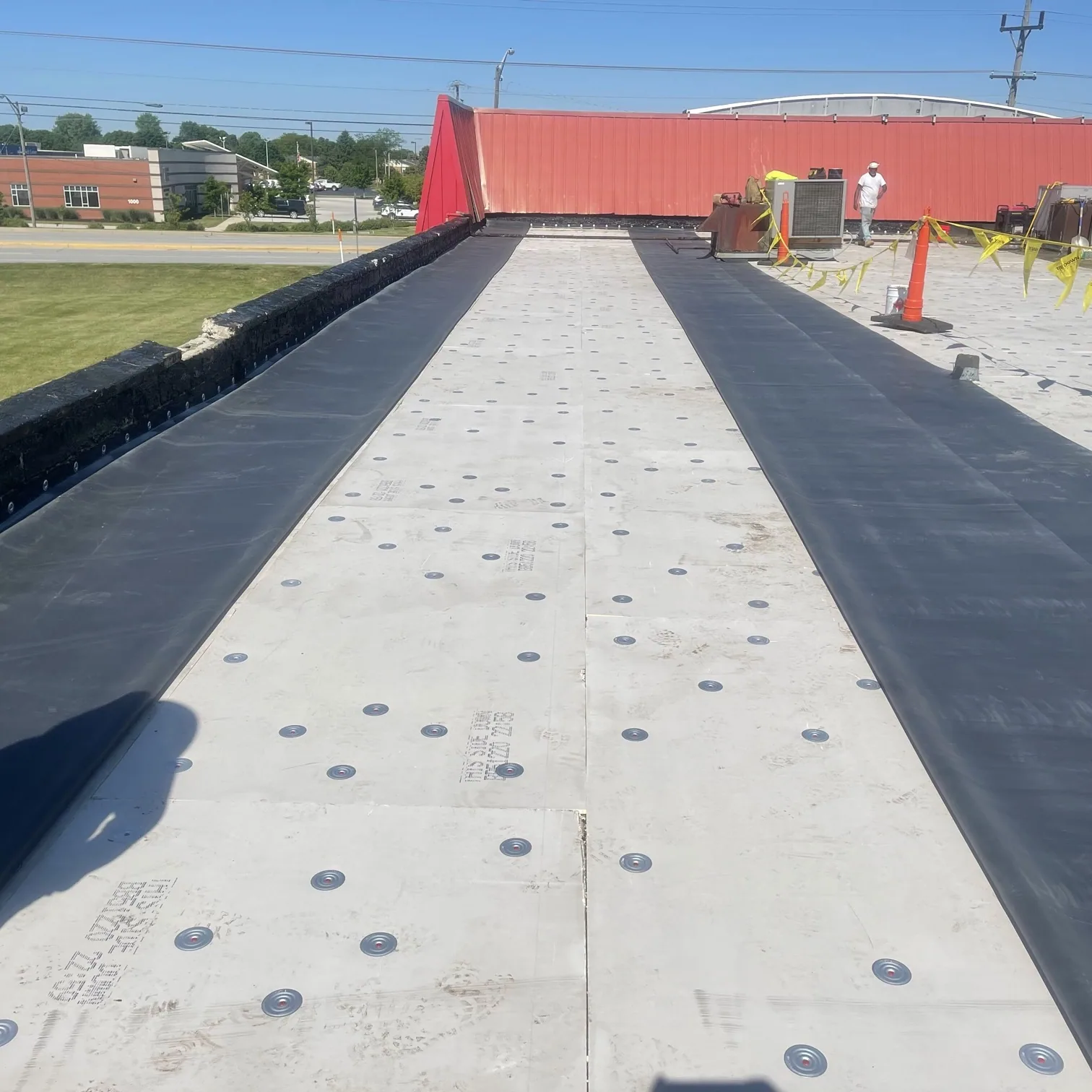
EPDM Roofing
EPDM Roofing
EPDM rubber roofing in Pompano Beach, FL: tough against hail, debris and sun, easy to patch, with seams and attachment done for Broward wind and rain.
Learn More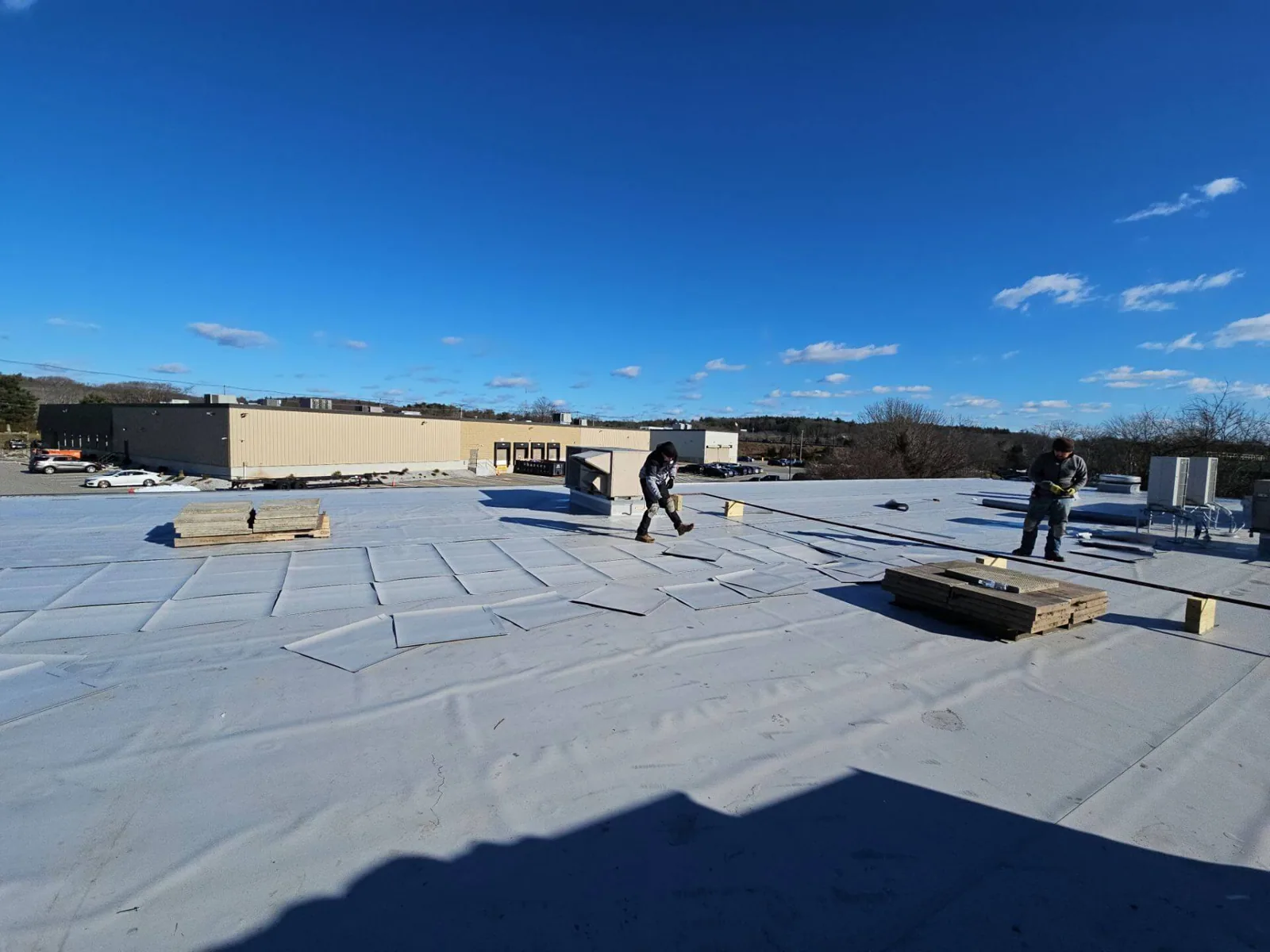
KEE Roofing
KEE Roofing
KEE roofing in Pompano Beach, FL: a PVC-alloy membrane for plants, food distribution and ponding-prone roofs that take chemical exhaust and a long wet season.
Learn More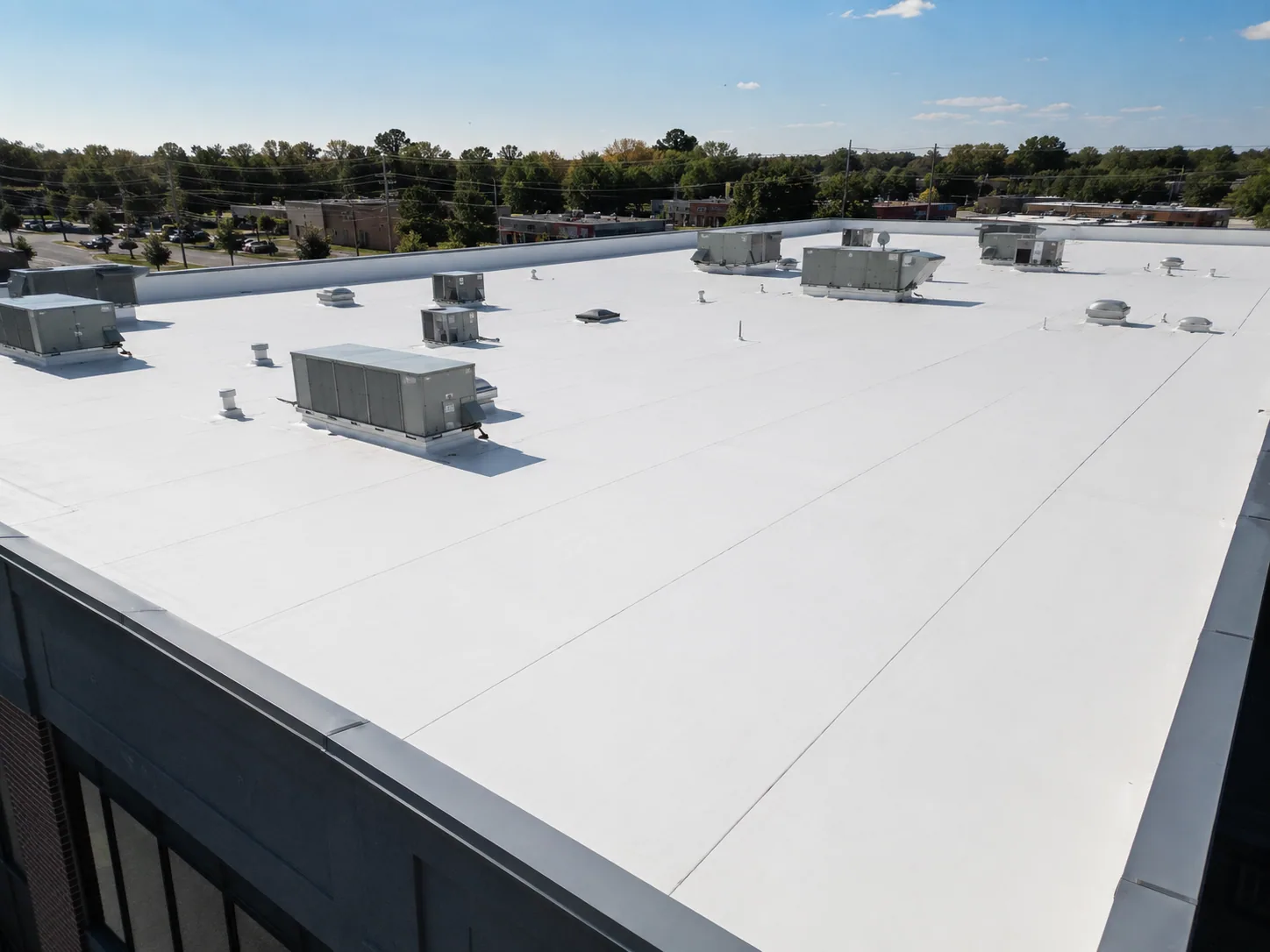
Modified Bitumen Roofing
Modified Bitumen Roofing
Modified bitumen roofing in Pompano Beach, FL: layered SBS and APP systems that take foot traffic, hail and hurricane-zone wind on commercial buildings.
Learn More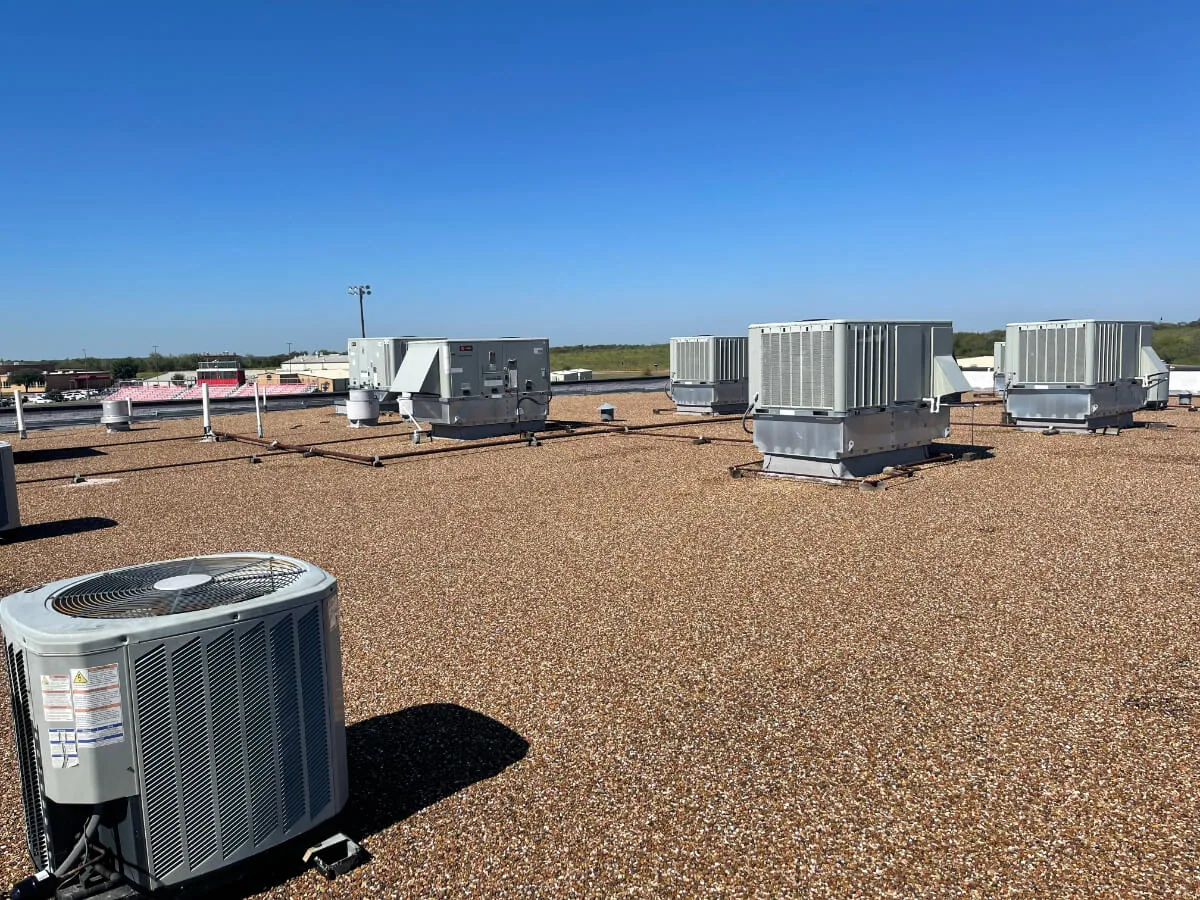
Built-Up Roofing (BUR)
Built-Up Roofing (BUR)
Built-up roofing (BUR) in Pompano Beach, FL: multi-ply asphalt systems, repair and replacement for flat commercial roofs in Broward wind and wet season.
Learn More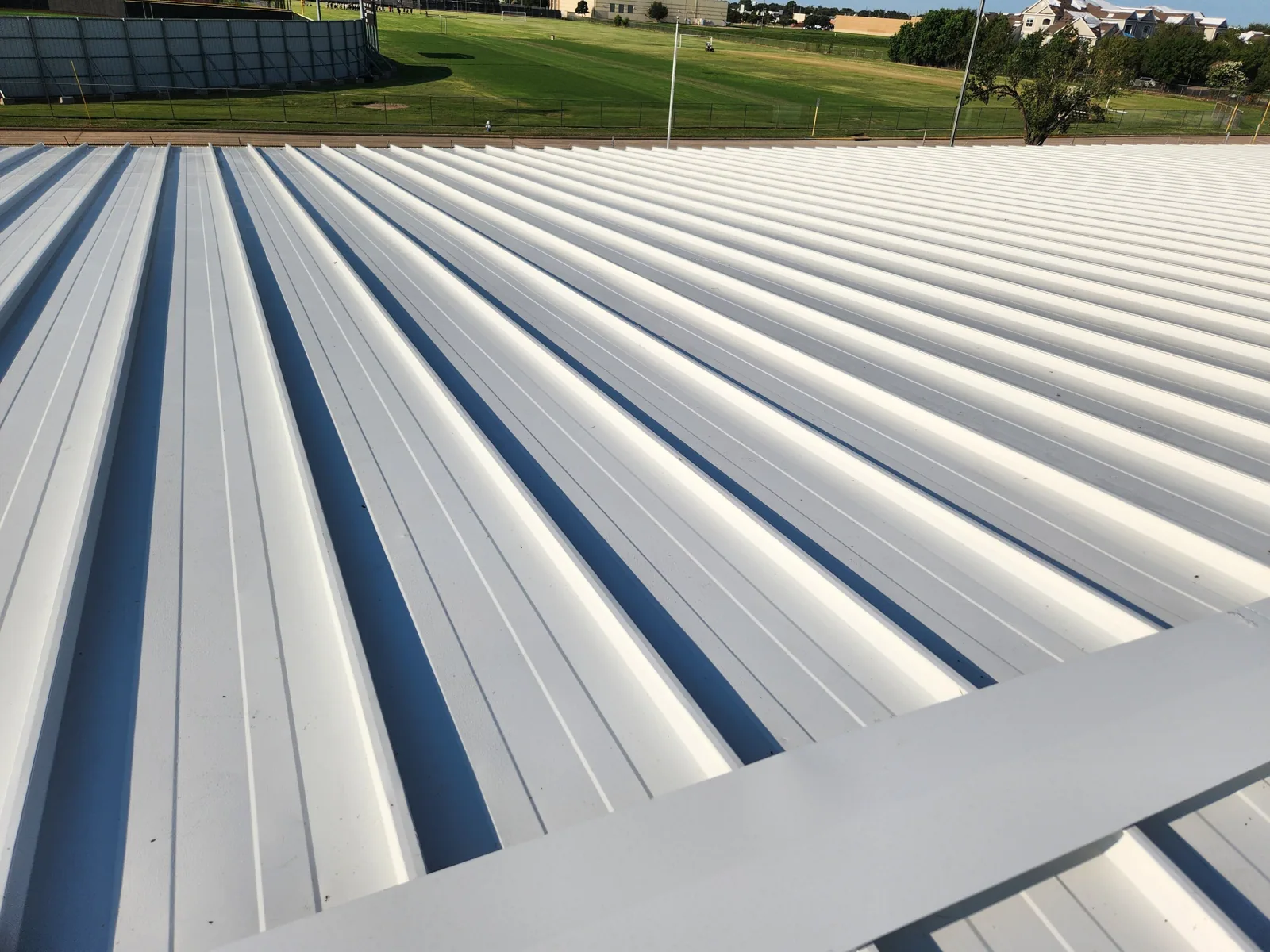
Standing Seam Metal Roofs
Standing Seam Metal Roofs
Standing seam metal roofing in Pompano Beach, FL: concealed-clip panels for hurricane uplift, salt air and long wet seasons on commercial buildings.
Learn More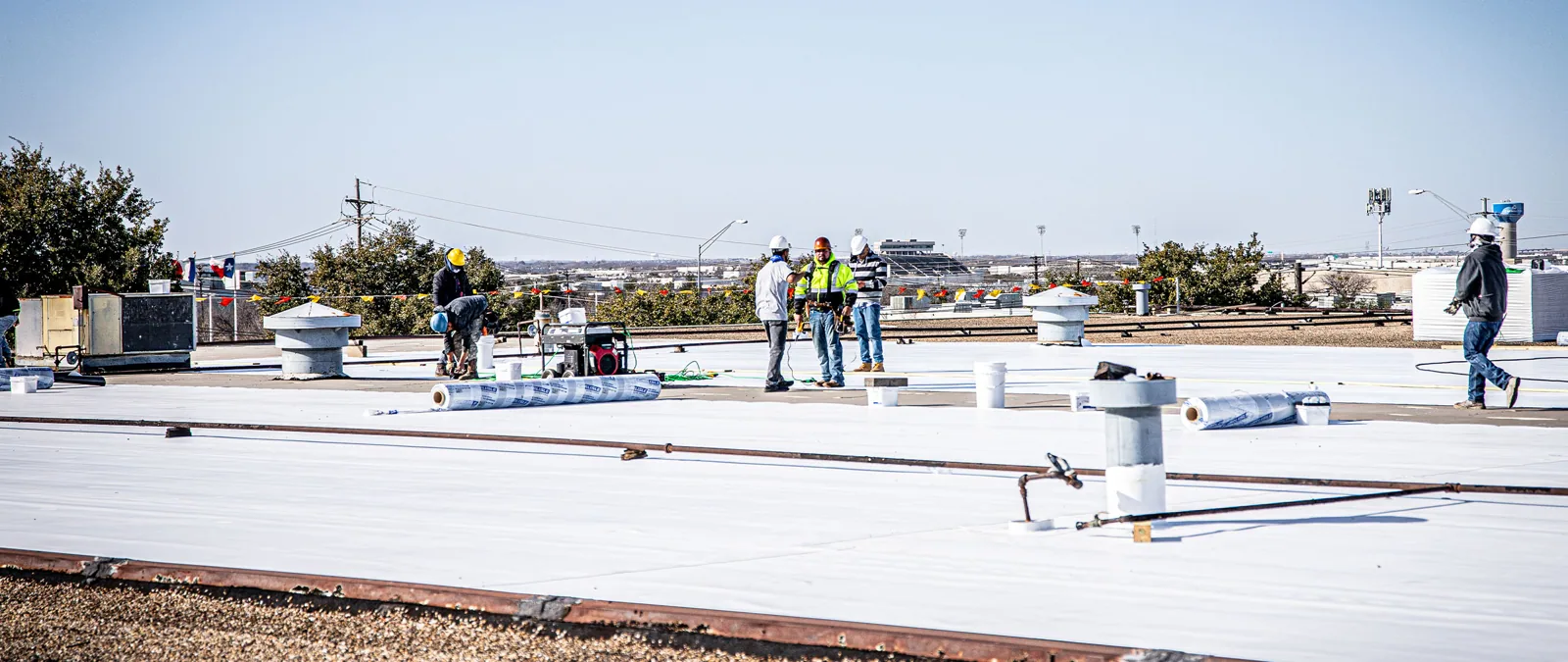
Metal Roof Retrofit and Restoration
Metal Roof Retrofit and Restoration
Metal roof retrofit and restoration in Pompano Beach, FL: fix leaking exposed-fastener panels, coat and seal them, or cover them with new standing seam.
Learn More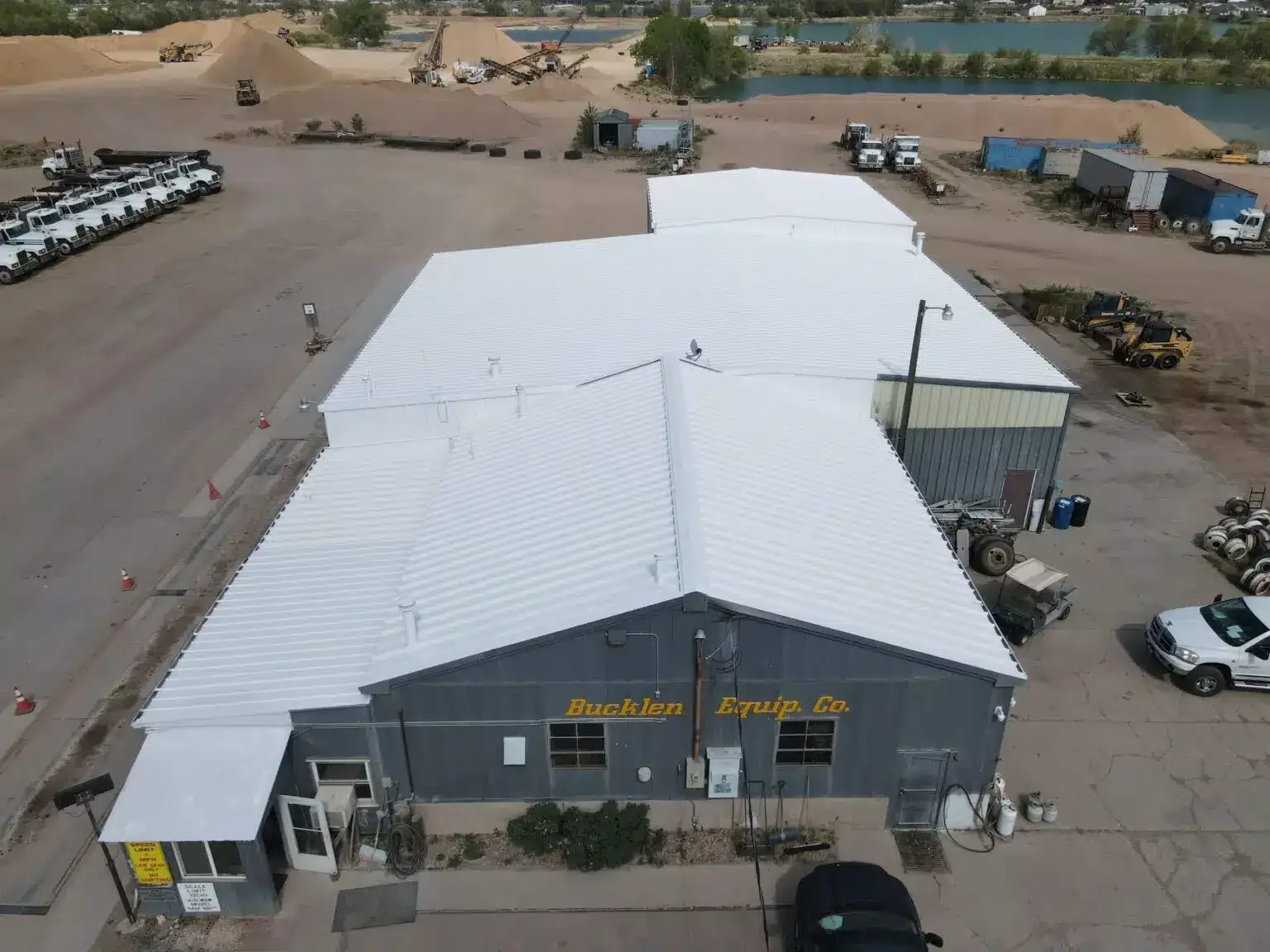
Spray Polyurethane Foam Roofing
Spray Polyurethane Foam Roofing
Spray polyurethane foam roofing in Pompano Beach, FL: an insulating layer with no seams that builds slope to the drains, under a coating for Broward sun.
Learn More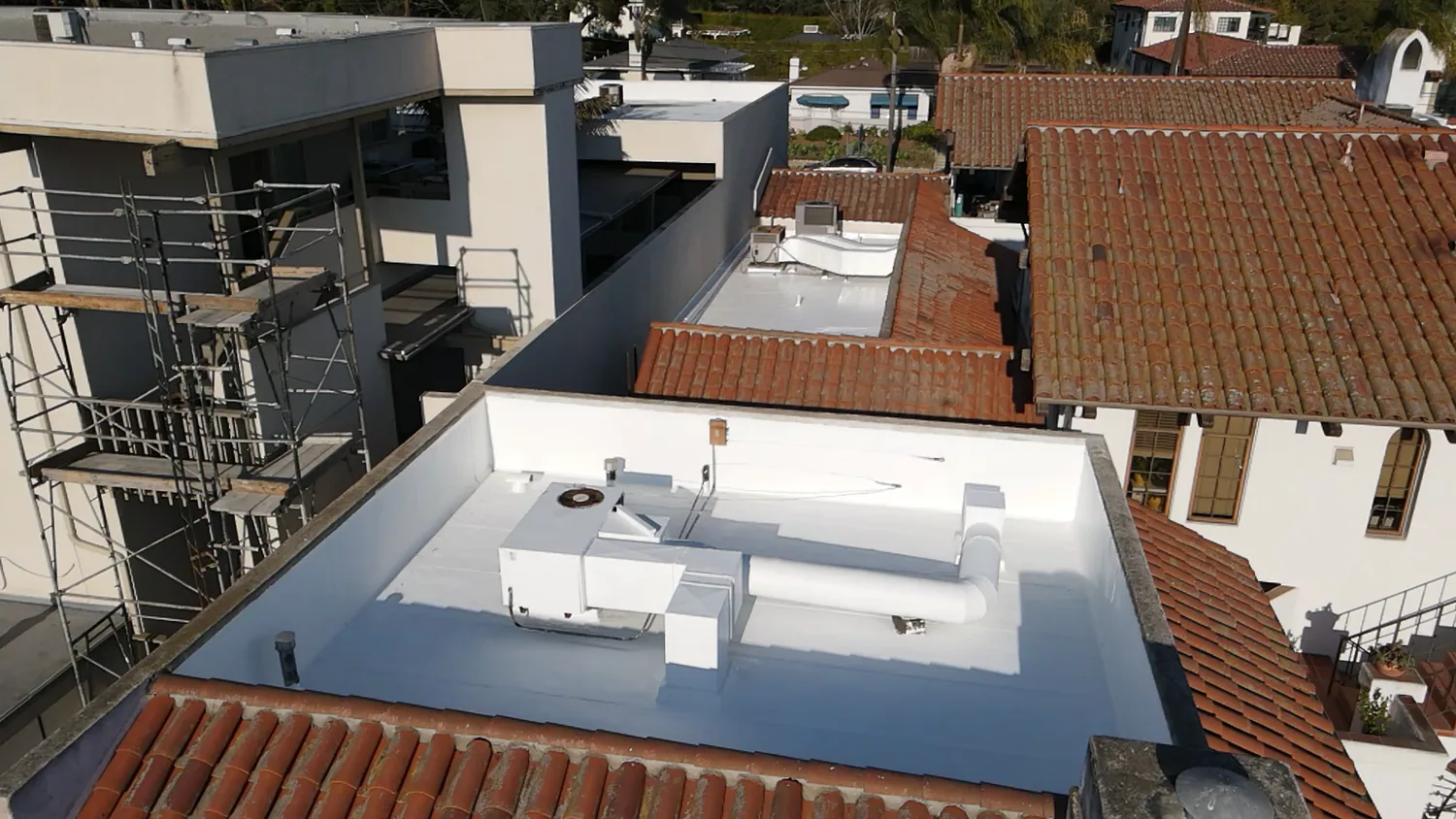
Silicone Roof Coatings
Silicone Roof Coatings
Silicone roof coating systems in Pompano Beach, FL: a liquid-applied, ponding-tolerant restoration for Broward's wet season, heat and UV.
Learn More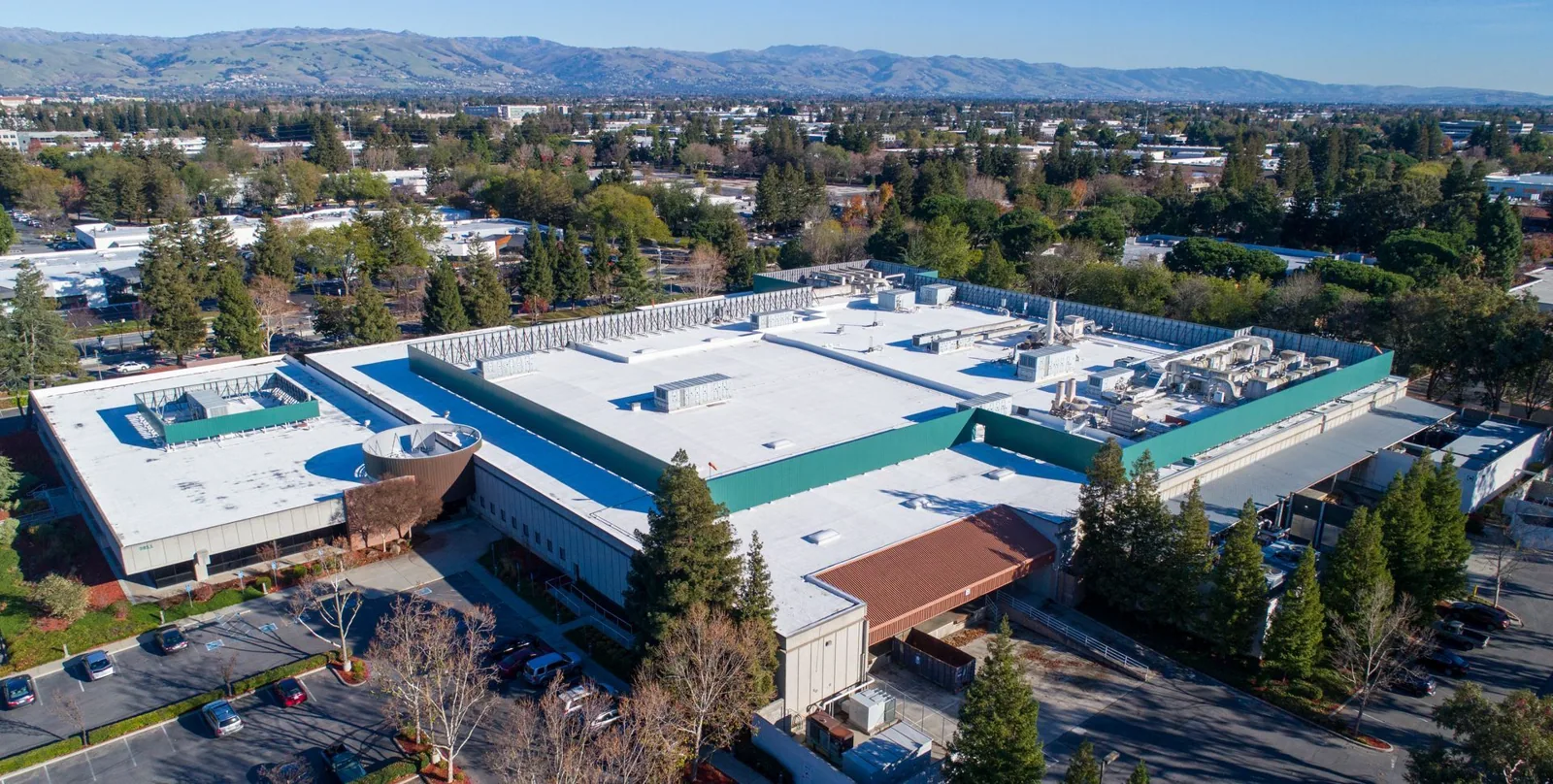
Acrylic Roof Coatings
Acrylic Roof Coatings
Acrylic roof coating systems in Pompano Beach, FL: a bright, reflective, water-based finish for sound roofs that drain well, timed around Broward storms.
Learn MoreSingle-Ply Sheets: the sheet family for flat warehouse roofs
Large low-slope warehouse roofs dominate Pompano Beach's commercial inventory, and single-ply membrane is the first family to weigh for a roof like. TPO is the familiar white heat-welded sheet, and PVC earns its keep where grease, chemicals or restaurant exhaust are in play. EPDM is the black rubber option that tolerates ponding well, and KEE is a PVC-based sheet with a plasticizer-resistant build for harsher exposures. What separates a good installation from an average one is seams, flashing and attachment, which is where wind and ponded water go looking first.
Layered and Metal: older methods and newer ones that work
Roofs built in layers still have a place on Florida buildings. Modified bitumen and built-up roofing give a thick, redundant surface that tolerates traffic. Metal goes the other direction: standing seam panels shed water fast and resist uplift when clipped correctly, and a metal retrofit can go over an existing roof without a full tear-off, which suits hangars and big-box buildings where downtime is expensive.
Foam and Coatings: when the roof deck is still sound
A roof that is leaking at the seams but dry underneath is often a candidate for restoration, not replacement. Spray foam adds insulation and seals the surface in one pass. Silicone is the usual answer when a roof ponds, and acrylic suits sloped or well-drained surfaces. Both reflect sun, which counts for a lot on a low-slope roof, whether it sits in the South Andrews industrial area or along Atlantic Boulevard.
Hurricane Zone Rules: what any system has to prove
Broward sits in the High-Velocity Hurricane Zone, so whatever goes on the roof needs a valid Miami-Dade Notice of Acceptance and has to be installed to a 170 mph design wind speed for Risk Category II buildings. Not every product on a manufacturer's shelf clears that bar, which is one more reason the choice should be made before the permit is filed.
Questions We Hear Often
Which system lasts longest in South Florida heat?
Longevity follows installation quality and upkeep as much as the material. A well-attached, regularly maintained white membrane or metal system will outlast a neglected roof of any type, and ponding and salt air close to the coast are the usual causes of early failure.
Can I switch systems when I reroof?
You can, and it is a common move. Going from an aging built-up roof to a single-ply sheet is common, though the deck, insulation and drainage have to be checked first so the new system fits what is underneath.
What approval should I ask to see for a roof product?
The product submittal should identify the exact assembly and its approval for the building code in force. In Broward, roofing products must meet the High-Velocity Hurricane Zone requirements.
Can the lowest bid decide which system goes on?
Price is one part. Deck condition, insulation, drainage, uplift design and the building schedule all affect which assembly fits.