Cold Storage Roofing in Pompano Beach, FL
Summer dewpoints in Broward sit in the 70s for weeks, which means the air above a roof is about as loaded with moisture as air gets, and the room underneath a cold storage building is kept far colder. Warm, wet air on one side of the roof deck and a freezer on the other is a recipe for trouble that an ordinary dry warehouse never has to deal with.
We work on roofs over coolers, freezers and temperature-controlled distribution space in Pompano Beach, FL. Repairs, recovers and replacements here start with one question: where is the moisture going, and what stops it from settling in the insulation?
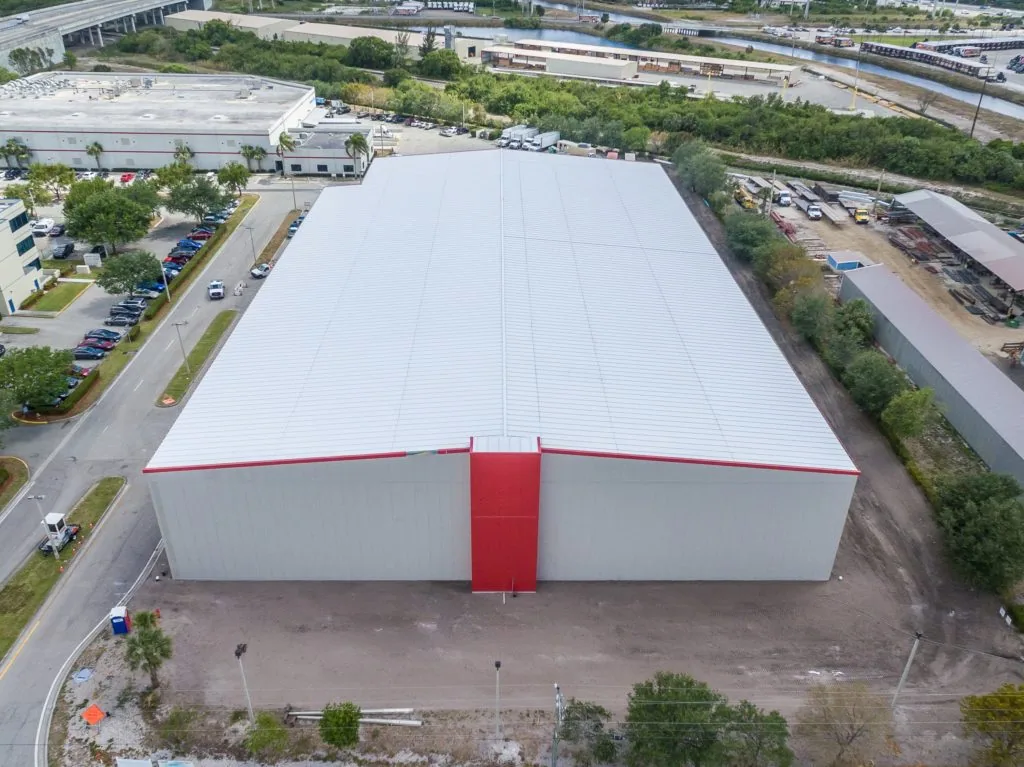
Warm Over Cold: why the vapor drive matters here
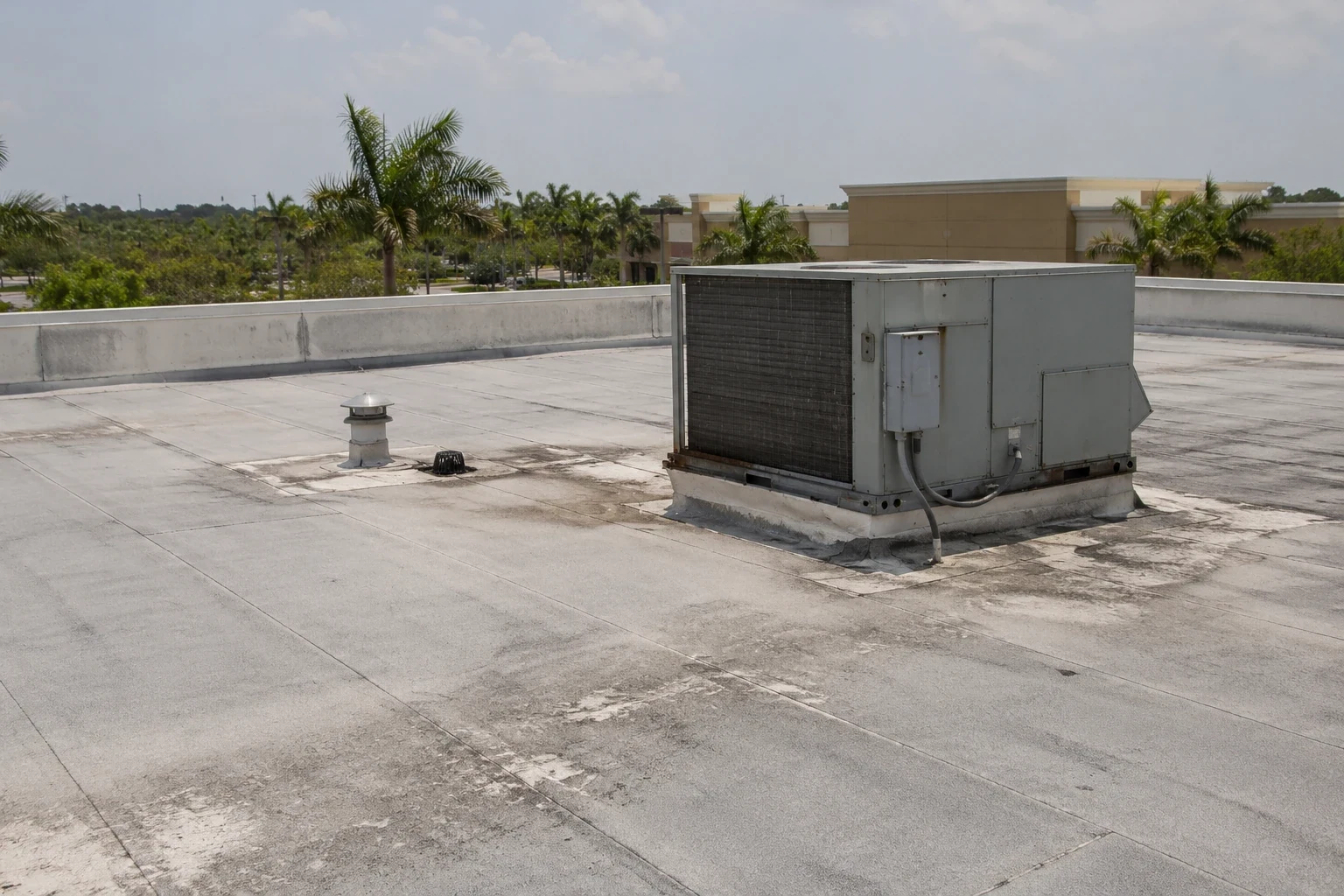
Water vapor moves from warm, humid air toward cold, dry air, and it pushes through anything that lets it. On a cold storage roof in a South Florida summer, that push is steady and strong. If the vapor retarder has gaps, or a penetration was never sealed around, moist air slips into the insulation and condenses as it cools. The insulation gets wet from the inside, the membrane on top can still look perfect, and the owner starts to see frost on the underside or ice forming on pipes below.
That is why a cold storage reroof is as much about the layers under the membrane as the membrane itself. We specify the vapor retarder, the insulation thickness and the sealing at every curb, pipe and edge so the assembly is airtight as well as watertight. Cutting corners at the penetrations is where these roofs usually go wrong.
A cold-storage roof has to control heat and moisture moving in opposite directions. Warm humid air can reach a cooler deck through an open vapor retarder or an unsealed penetration, then condense inside the assembly where it cannot dry quickly. We inspect the underside for staining and the roof surface for wet insulation, especially around refrigeration lines and equipment curbs. When replacing a section, insulation and air-seal details must meet continuously at the perimeter; a high R-value in the field does little if the edge remains a path for humid air.
When a Leak Turns to Ice: finding wet insulation early
Wet insulation behaves differently over a freezer. Water that gets in from above can freeze in the board, expand, and break down the insulation from the inside, and thawing cycles from defrost or a power interruption send meltwater into the room. Owners notice ice buildup on the ceiling or a drip pan that fills faster than it used to, which usually means the problem has been growing for a while.
An infrared moisture survey maps wet areas without cutting the roof open, and on a cold storage roof we pair it with core samples at the suspect spots. The results show whether the insulation can be dried and kept, or has to be replaced with new insulation and cover board. Catching it early often means replacing a section rather than the whole deck of board.
Condensers and Compressors: heavy equipment on the roof
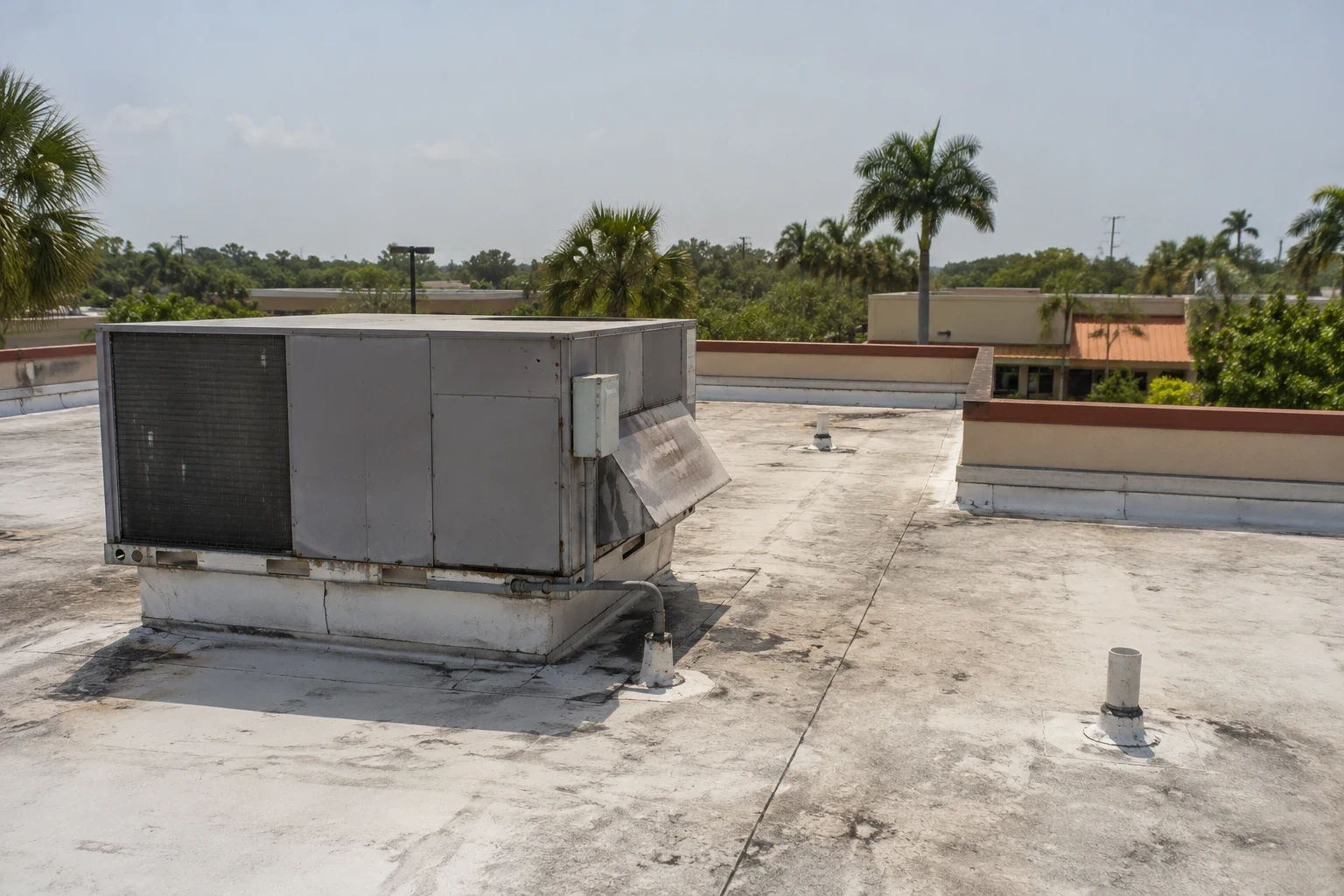
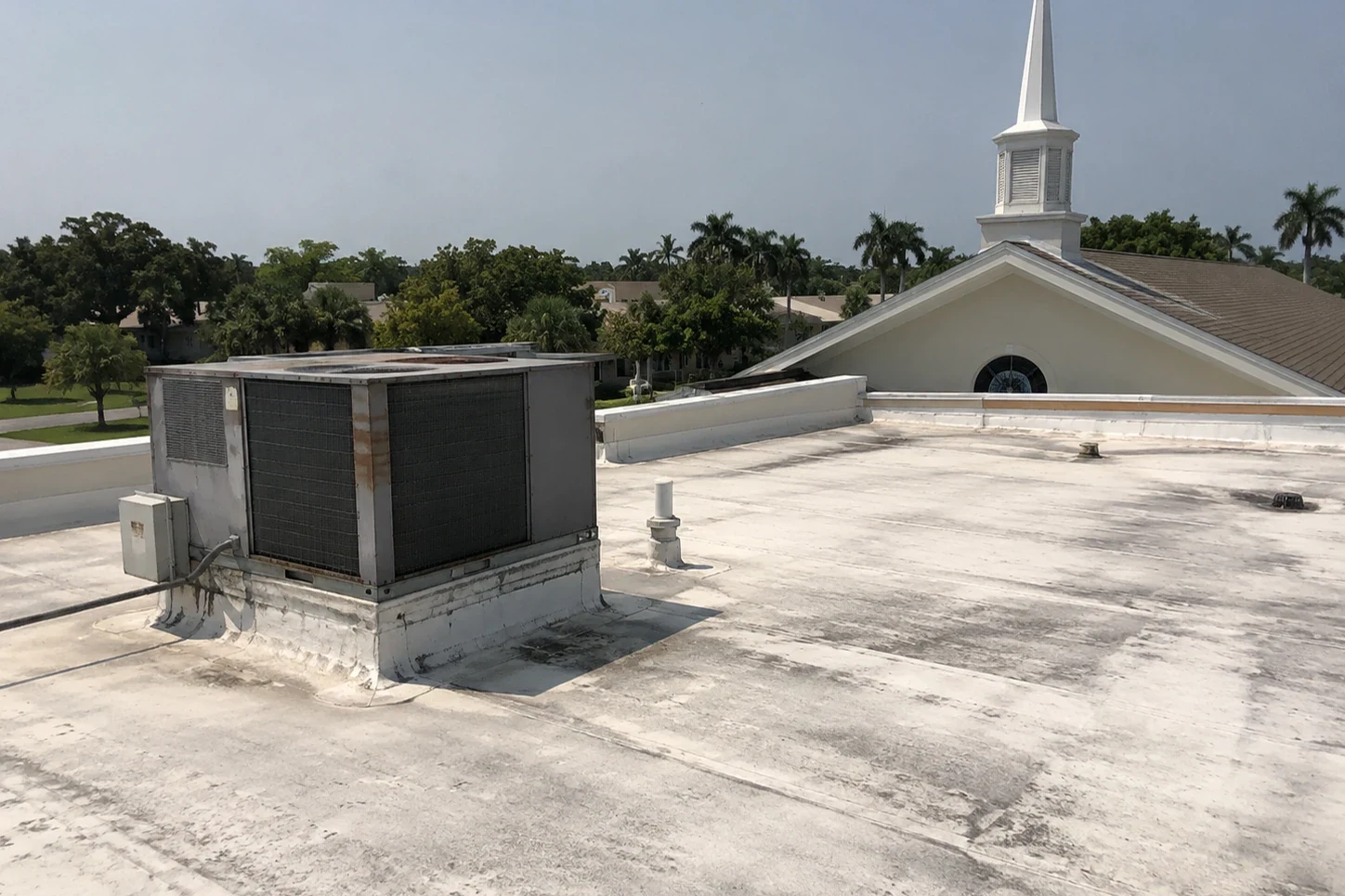
Refrigeration puts a lot of weight and vibration on the roof. Condensers, piping and mounting frames sit on rails or curbs that shift over time, and the roof around them takes the traffic every time a refrigeration technician climbs up to service something. Condensate lines and refrigerant piping add more holes in the membrane, and the sealing around each one decides whether the roof stays tight.
We check equipment curbs and supports for movement, corrosion and cracked sealant, and we add walk pads along the service paths. In the Pompano Beach wet season the afternoon storms test these details once a day, and hurricane season tests the tie-downs on every unit. A condenser that moves in a gust can tear flashing open and push the roof into an emergency.
Produce, Dairy and Grocery: who depends on a cold roof
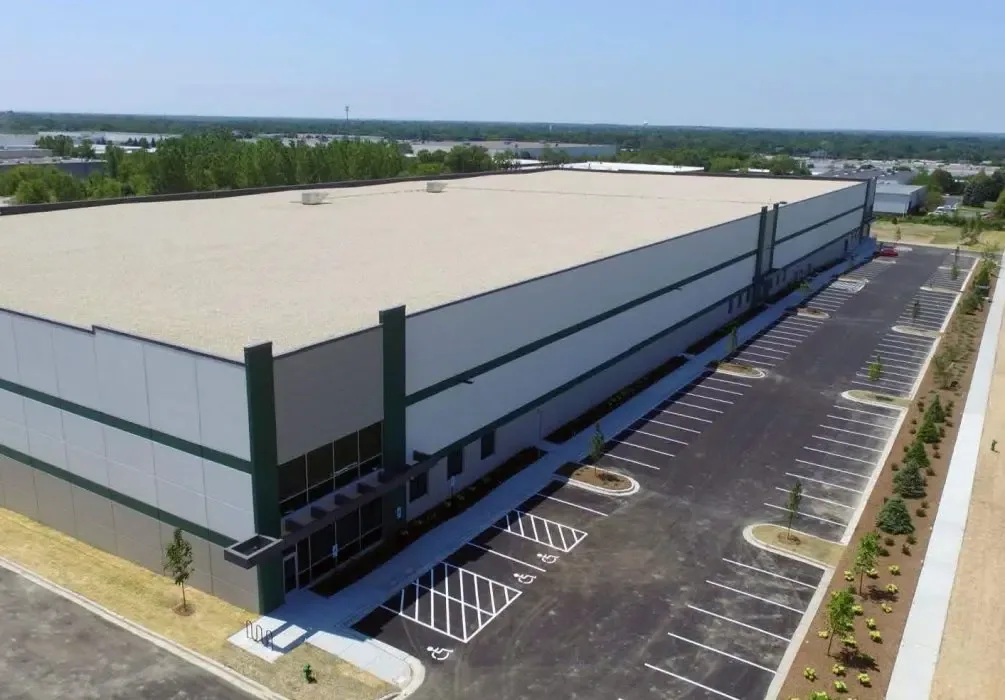
Cold storage in this part of Broward sits in a market with heavy grocery and produce distribution. Associated Grocers, Publix and FreshPoint Produce and Dairy are all among Pompano Beach's top ten employers, and Port Everglades, only minutes away, handles about 1.17 million container units a year. Associated Grocers and FreshPoint run distribution operations in the Central 95 corridor, west of I-95. Gateway Lakes, at about 2.22 million square feet, is the city's third-largest industrial park.
Grocery stores and the distribution centers that feed them keep their own coolers, and the roof problem looks much the same at either end of the supply chain: when the product is perishable, a roof problem becomes a product problem fast. If you manage logistics and third-party storage buildings, an insurer or a customer may ask for a condition report on the roof before the next contract renewal, and we write those reports with photos, moisture results and a ranked list of repairs.
Systems That Hold Up: membranes, foam and where each fits

A white single-ply membrane is the common pick over cold rooms because it reflects sun and keeps the roof surface cooler, which eases the load on the refrigeration. Fully adhered systems resist flutter in high winds, and mechanically attached ones need a hard look at fastener penetrations through the vapor retarder. Spray foam can make a continuous layer with no joints with real insulating value on the right substrate, but it demands a dry, clean deck and a calm morning to install, and in this climate those mornings are scarce through the wet season.
Whatever the top layer, the airtight details matter more than the label on the membrane. A grocery store blends cold boxes, loading areas and office space under one roof, and each zone can call for a slightly different build-up.
Keeping the Room Cold: sequencing a reroof over a live freezer
Tearing off a roof over a running freezer is delicate work. Open the deck and warm humid air can rush in, load the evaporators with frost and put product at risk. So the work goes in small sections, each one opened, repaired and sealed before the next, with the vapor retarder closed back up the same day. We also pick start times with the weather in mind, since a clear morning is far friendlier to a cold room than an afternoon with storms on the radar.
Hurricane season adds one more piece to the plan. A named storm can knock out power, and a wet roof on top of a warm room compounds the damage. We agree ahead of time on who to call, what gets dried in first, and which temporary repairs we can make quickly through our emergency roof repair line.
Questions We Hear Often
Why does my freezer roof have ice or frost on the underside?
Moist air is usually getting in through a gap in the vapor retarder or around a penetration, then freezing as it cools. Sometimes it is a roof leak working its way down. Either way, a moisture survey and a few cores tell us.
Do cold storage roofs need thicker insulation?
Generally yes, since the temperature difference across the roof is much larger. The right thickness and the vapor retarder design come from the cold room's setpoint and the building's design, so we work from your drawings and the actual cores.
Can the building stay cold while you reroof?
In most cases. We open small sections, close each one the same day, and keep the vapor retarder intact between phases. Your refrigeration contractor should be in the planning conversation from the start.
What happens to a cold storage roof in a hurricane?
The same wind loads hit it as every other roof, plus the risk of a power outage with a warm, wet building. We check tie-downs and curb caps before hurricane season and keep emergency materials ready for quick dry-in afterward.
Does a coating make sense on a cold storage roof?
Sometimes, on a sound roof with a dry assembly. A reflective coating can lower the heat load on the surface, but it cannot fix a wet assembly underneath, so the survey comes first.