
Rooftop Equipment Curbs and Supports in Pompano Beach, FL
Water finds a rooftop unit curb faster than almost any other spot on a flat roof, and Pompano Beach gives it plenty of practice. From mid-May on, the afternoon storms push in off the Everglades, land on a membrane that has been baking since ten in the morning, and run to the lowest corner beside the air handler. A curb is a small box carrying a heavy machine, and a pipe support is a few inches of steel under a gas line. Each is a spot where the roof stops being one continuous sheet.
We build, rebuild and flash curbs, equipment supports and pipe supports on commercial roofs around Pompano Beach, FL, and we set them up for the two things this coast throws at them: months of daily rain, and a hurricane wind that wants to lift the machine right off the roof. Many leaks around equipment are tired details that went unchecked for a few summers, not bad membrane.
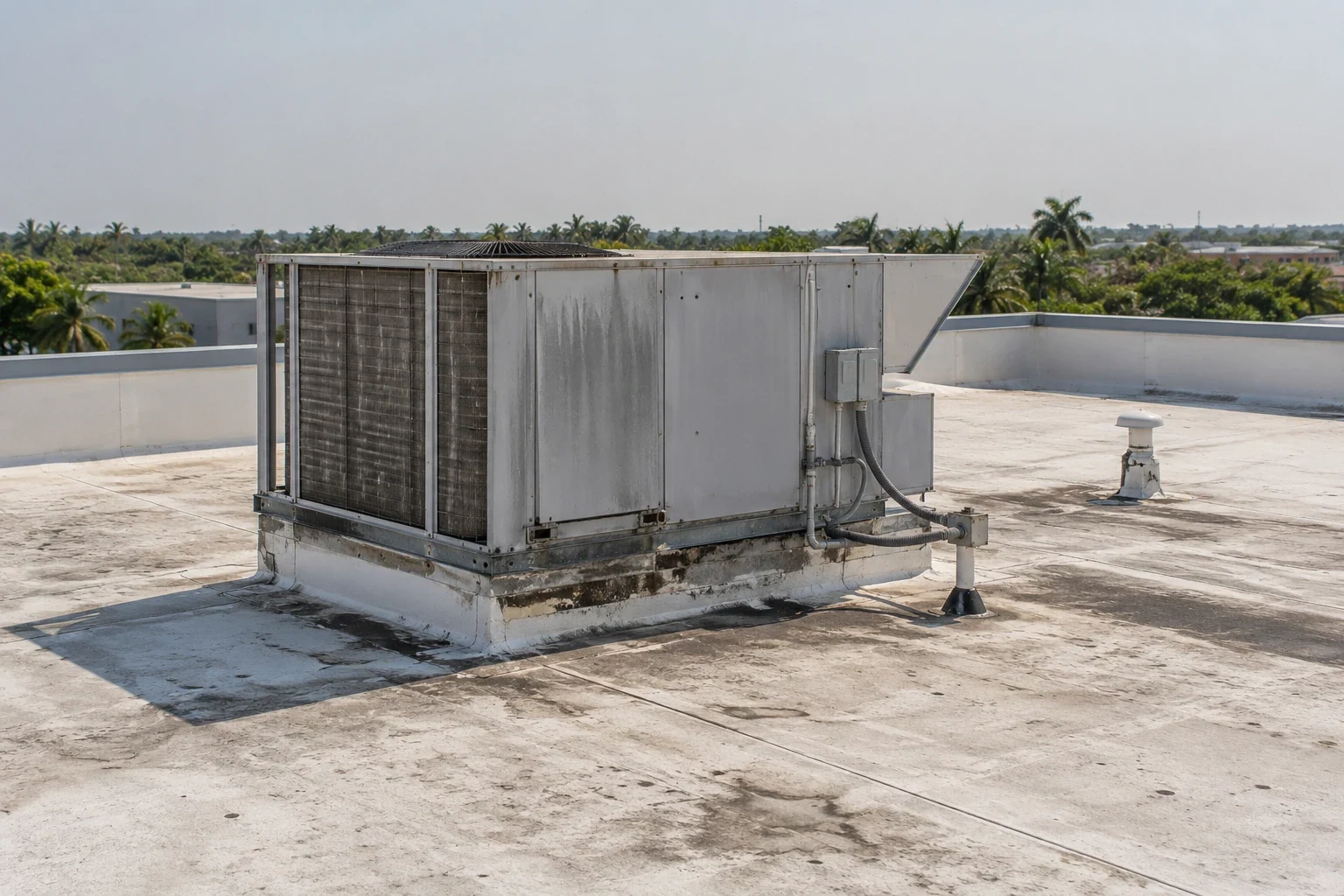
Curb Flashing: how water gets behind the unit
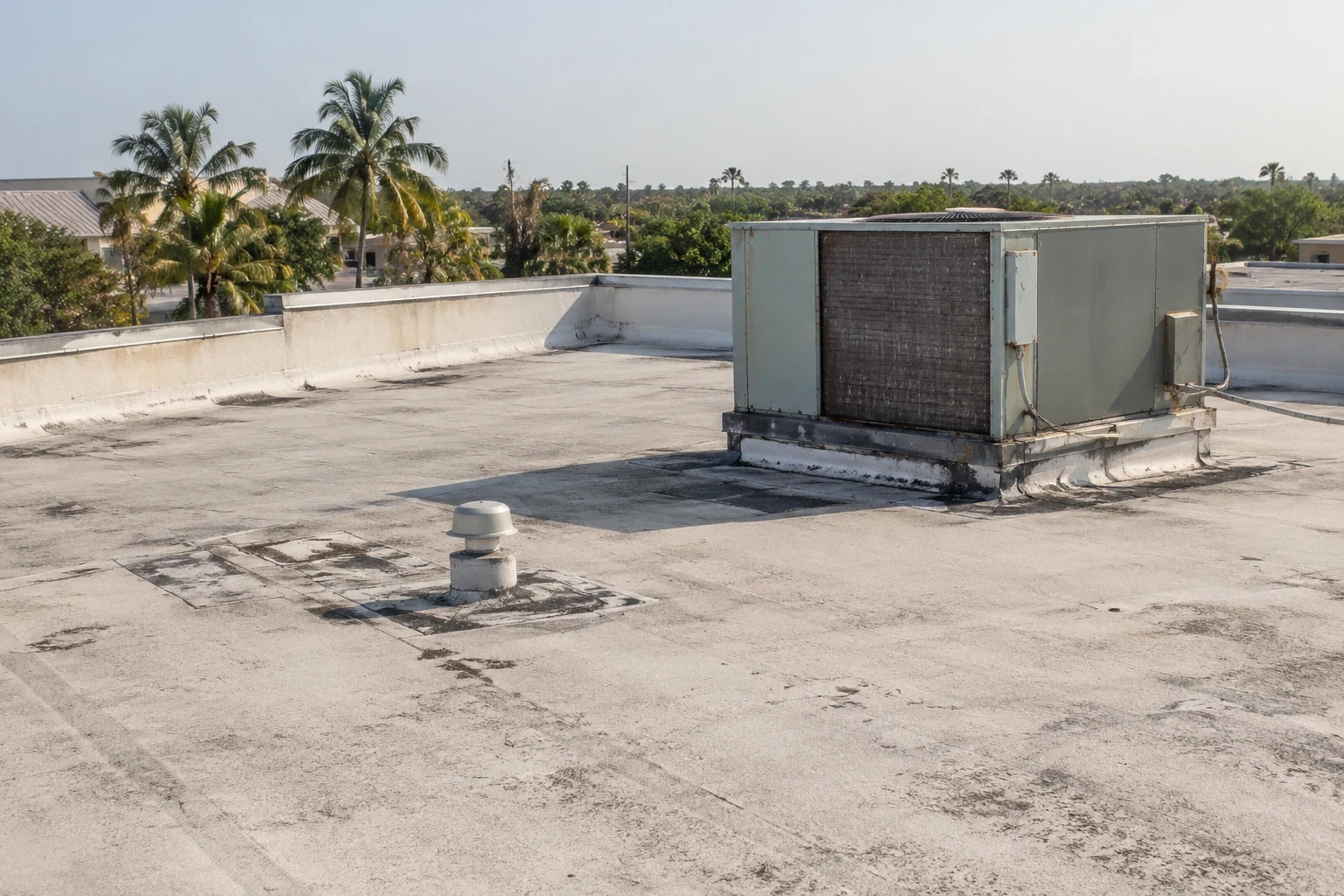
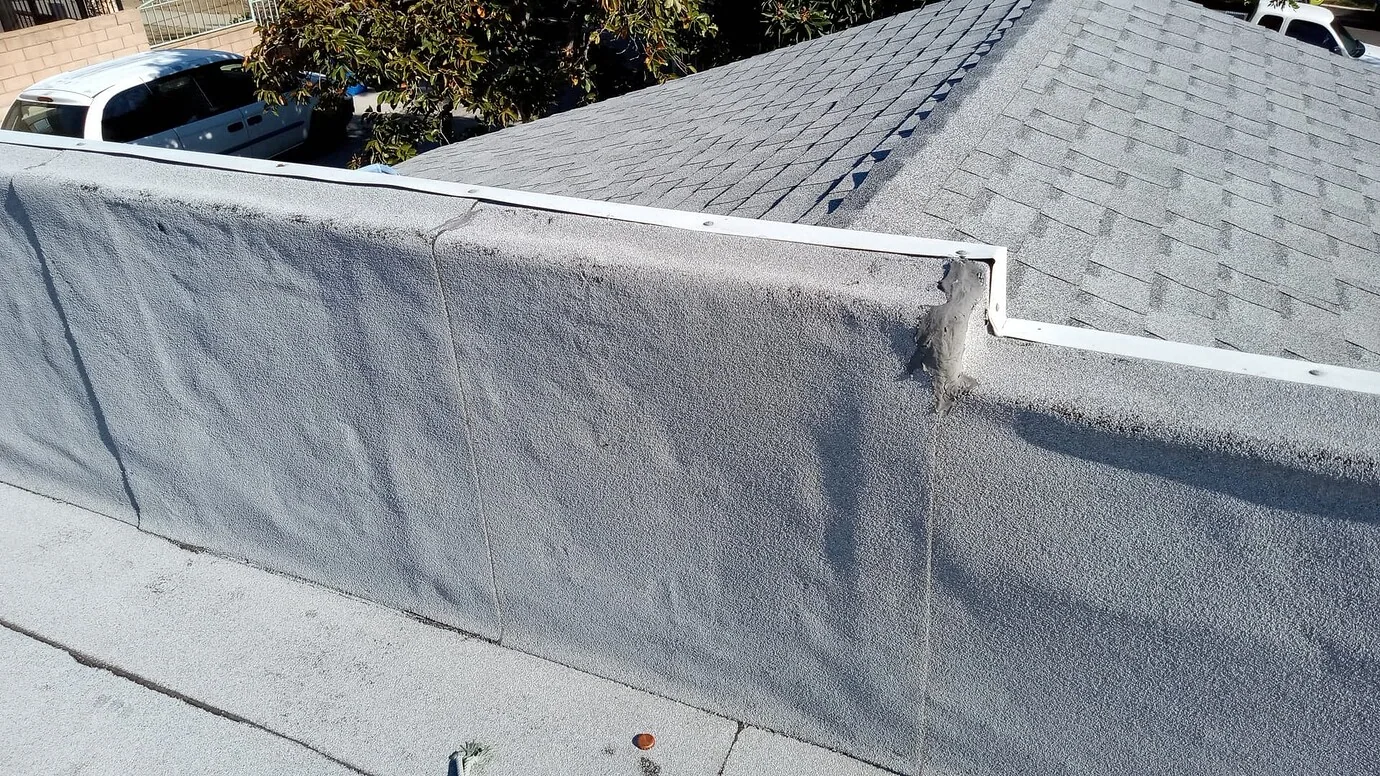
A curb fails in a fairly predictable order. The sealant at the top of the counterflashing cracks first, because the sun bakes it all afternoon and the storm cools it in a minute. Next the base flashing starts to pull away from the curb wall, usually at the corners, where the membrane has to fold around a tight turn. Then water slips behind it and into the insulation, and the first sign is a stain on a ceiling tile a couple of bays away from the unit.
A sound curb has four things working together: a wall tall enough to keep splash and ponding below the top edge, a cant at the base so the membrane is not forced into a hard right angle, flashing that is welded or adhered all the way up and over, and a termination that is sealed and mechanically held. When we rebuild one, we cut back to dry, solid substrate, replace any wet insulation we find, and flash with the same family as the field, such as a heat-welded TPO membrane. Mixing families at a curb is how a patch peels in its first summer.
Tie-Downs and Wind: keeping the unit on the roof
Wilma reached 98 mph at Pompano Beach in October 2005, and when Irma passed in 2017, gusts around the county ran anywhere from 80 to 100 mph. A rooftop unit is a big, flat-sided box with a lot of surface for wind to shove against. When the straps or fasteners let go, the unit can slide, tip, or tear its curb off the deck and take the membrane along with it. Once a curb moves, the roof around it is open to the rain, often while the storm is still going.
Local rules make this a permit-level detail: in the High Velocity Hurricane Zone, an ordinary Risk Category II building is designed for 170 mph, and each exterior roofing product has to carry a Miami-Dade approval. For curbs, that means the flashing materials, the fasteners and the way the curb ties into the deck all belong to a tested, permitted assembly rather than a field improvisation. The unit's connection to its curb is the mechanical contractor's and engineer's business. Ours is making sure the roofing around it can take the same load, and flagging any corroded or missing tie-downs we find. If a storm has already shifted a unit, our emergency crews can dry in the opening day or night.
Pipe Supports: the small parts that wear out the membrane
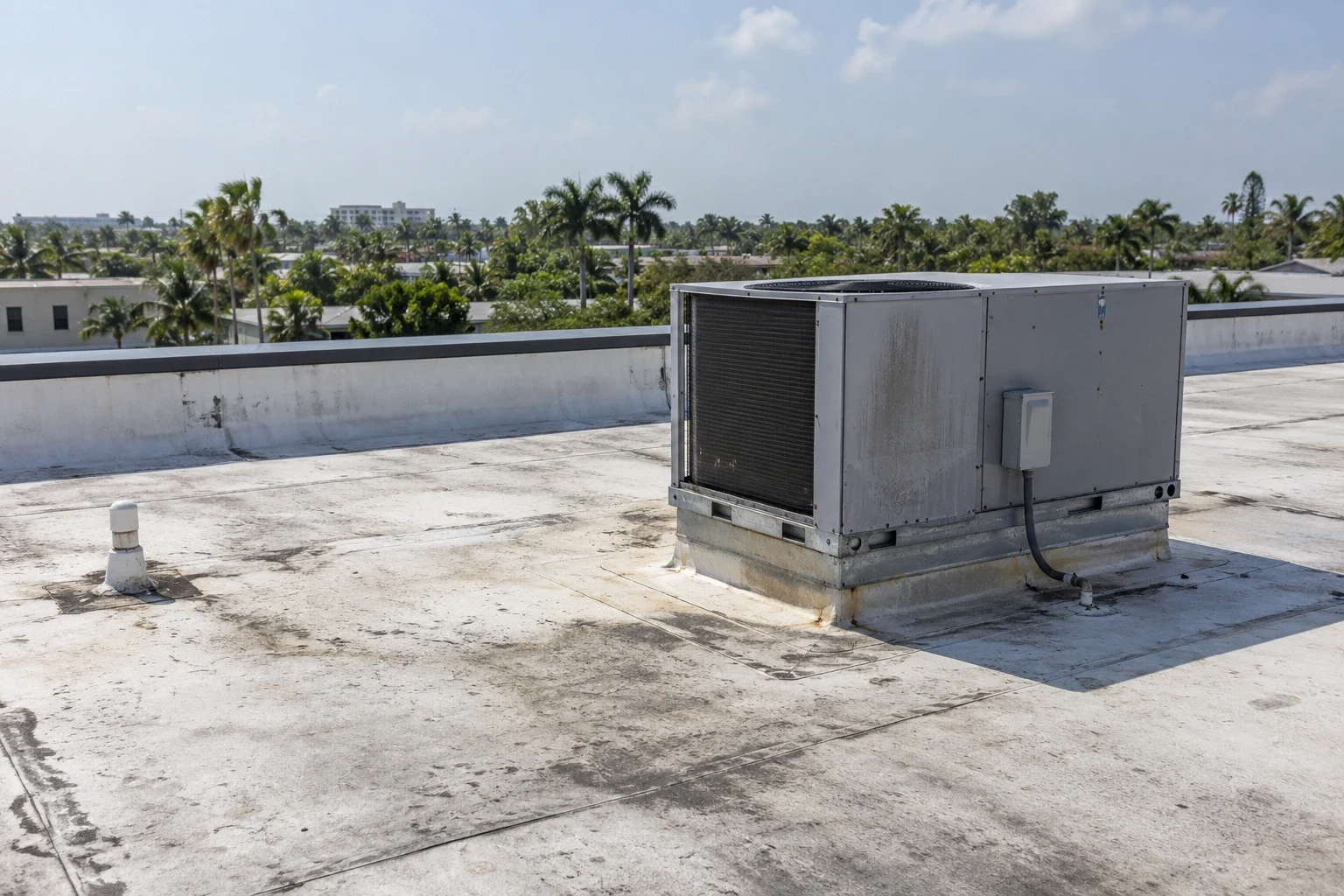
Gas lines, refrigerant lines, conduit and condensate drains all cross a commercial roof, and each needs something to rest on. Old wood sleepers rot in a wet season, crush the insulation under them and hold moisture against the membrane. Pipes laid straight on the surface rub through it as they expand and contract in the heat. We replace those with supports that have a wide, padded base, spaced so the load spreads out and the membrane can still move.
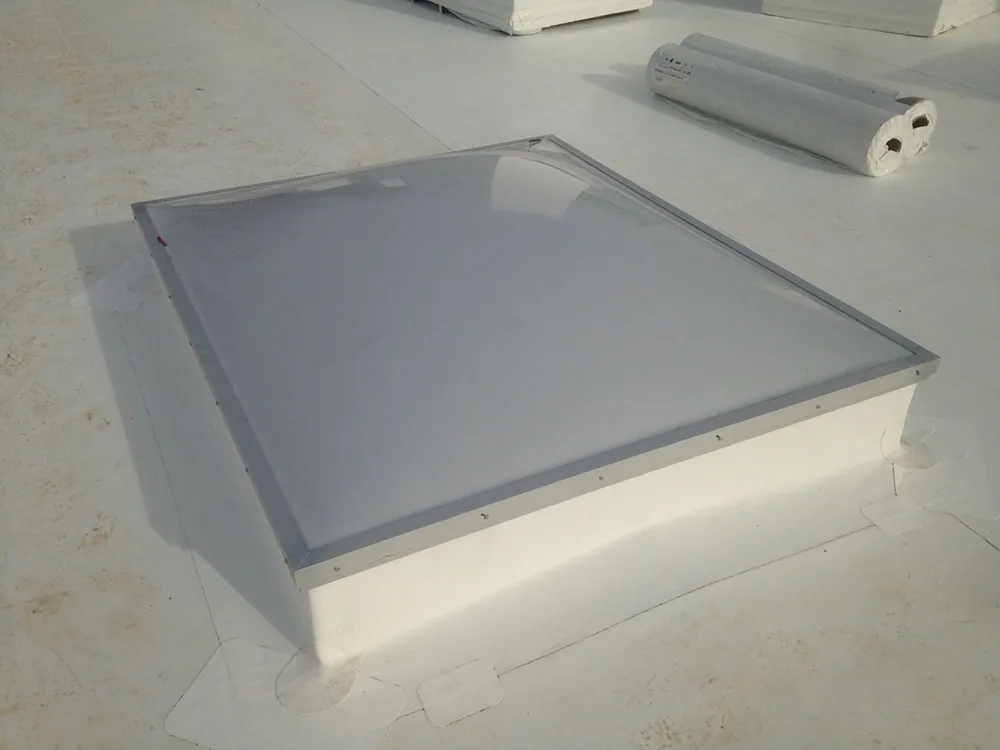
Where a pipe actually passes through the roof, the detail matters even more. Pitch pockets filled with sealant shrink and crack in the sun, so we favor a prefabricated boot or a properly wrapped flashing where the pipe allows it. Steel parts take a beating from salt air on the beach side of town, so coated or stainless hardware earns its cost near the coast. The same thinking applies to skylight and penetration flashing elsewhere on the same roof.
Heat and Ponding: what the units do to the roof around them
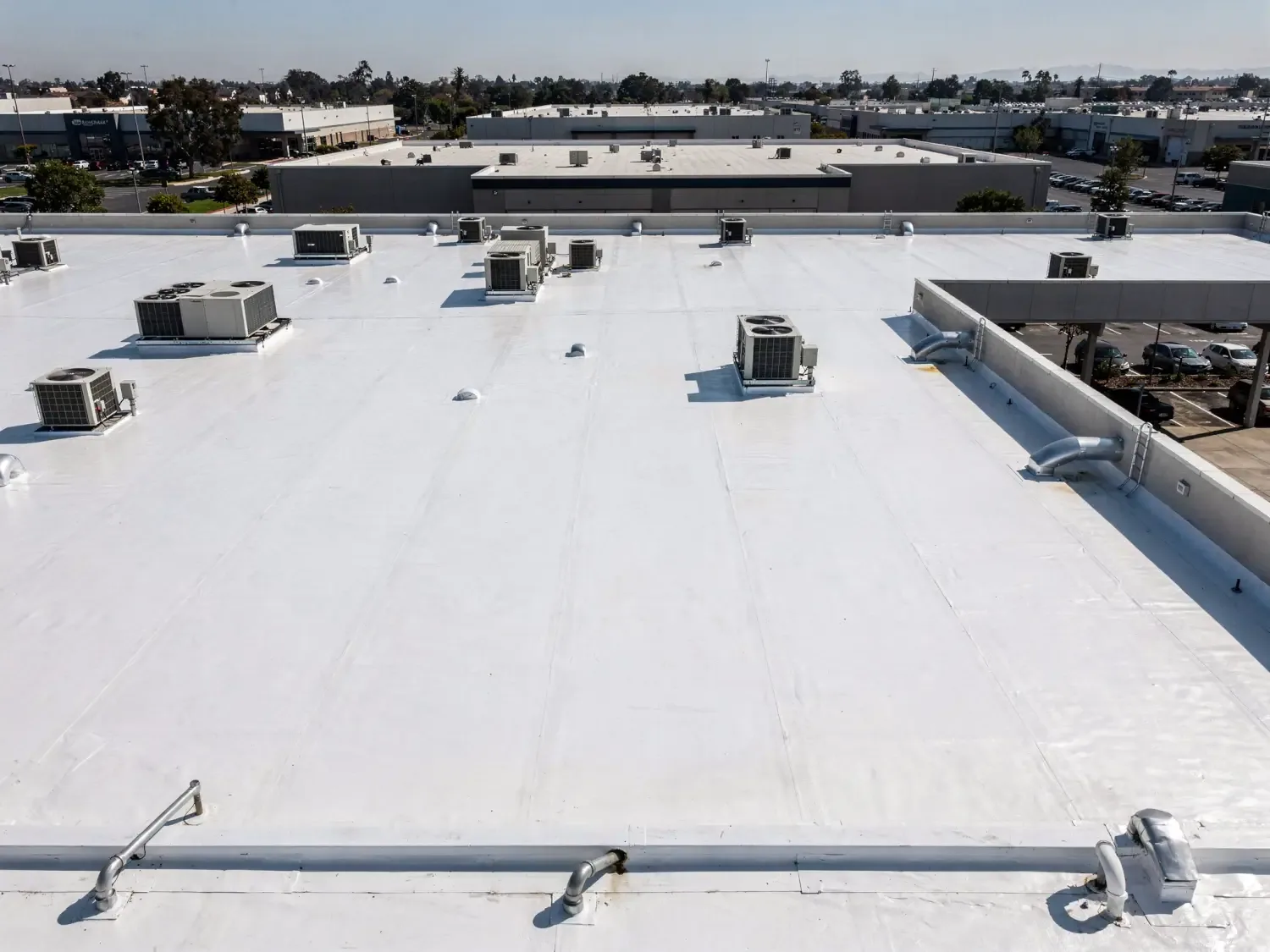
Dewpoints sit in the 70s through the summer and recent summer nights have stayed warmer than the long-term normal, so rooftop units run nearly around the clock from May to October. That means constant heat on the membrane close to the cabinet, condensate lines dumping onto the roof surface, and service techs walking the same path week after week. Without walkway pads, that path turns into a worn strip.
Curbs also make ponding worse when they sit in a low spot or block the natural run to a drain. On April 12, 2023, roughly 26 inches of rain fell on Fort Lauderdale within a day, underscoring why drains and curb flashings need to be checked before major rain. We check the slope around each unit, redirect condensate lines to a drain or a splash pad, and where needed add tapered insulation or better drains and scuppers so water leaves the roof instead of waiting beside the equipment.
Changeouts: working alongside your mechanical contractor
A new unit rarely matches the old one exactly. The footprint shifts a few inches, the weight changes, and the old curb either gets an adapter or comes out. The best time to talk to a roofer is before the crane arrives, because the flashing has to be cut, reworked and sealed in the same visit. Lifts happen in the cool morning, and the storm line starts building by early afternoon, so a roof left open at noon is a roof that is wet by three.
For owners in the Powerline corridor or around Atlantic Business Center who are planning a unit swap, we coordinate the lift window, dry in the opening, and reset the tie-downs before the crew leaves. When the whole roof is due for a replacement, it is the cheapest moment to raise curbs to match the new insulation thickness. Equipment that wind has lifted or shifted is a wind damage repair job, and it is far easier to avoid with the curb work done before the season.
Questions We Hear Often
Can the unit keep running while you reflash its curb?
Usually, yes. Reflashing works around the cabinet, so cooling stays on. Raising or replacing the curb is different, since the unit has to come off for a while. We schedule that with your mechanical contractor on a clear morning so the opening is dry again before the afternoon storms build.
Why is the stain two rooms away from the unit?
Water that gets behind curb flashing follows the deck and the wet insulation, not a straight line down. It can travel a long way before it finds a joint in the ceiling. We use a moisture scan or core cuts to find the edge of the wet area, then repair the curb at the real entry point.
Do wood sleepers still belong under pipes?
Not as a lasting answer. Wood rots in a wet season, crushes the insulation beneath it and keeps water against the membrane. We swap them for supports with a wide, padded base that spread the load and let the pipe move as it heats and cools.
A new HVAC unit is coming. Does it need a new curb?
Only when the footprint, weight or height no longer matches the old one. Sometimes an adapter fits and the existing curb stays. We look at the flashing condition either way, because the changeout is the cheapest time to fix a tired detail.
Who checks the tie-downs, the roofer or the HVAC contractor?
Both have a part. The mechanical contractor and engineer own the connection of the unit to the curb and the curb to the deck. We own the roofing around them and will tell you if we see rust, a loose strap or a shifted base while we are up there.