Modified Bitumen Roofing in Pompano Beach, FL
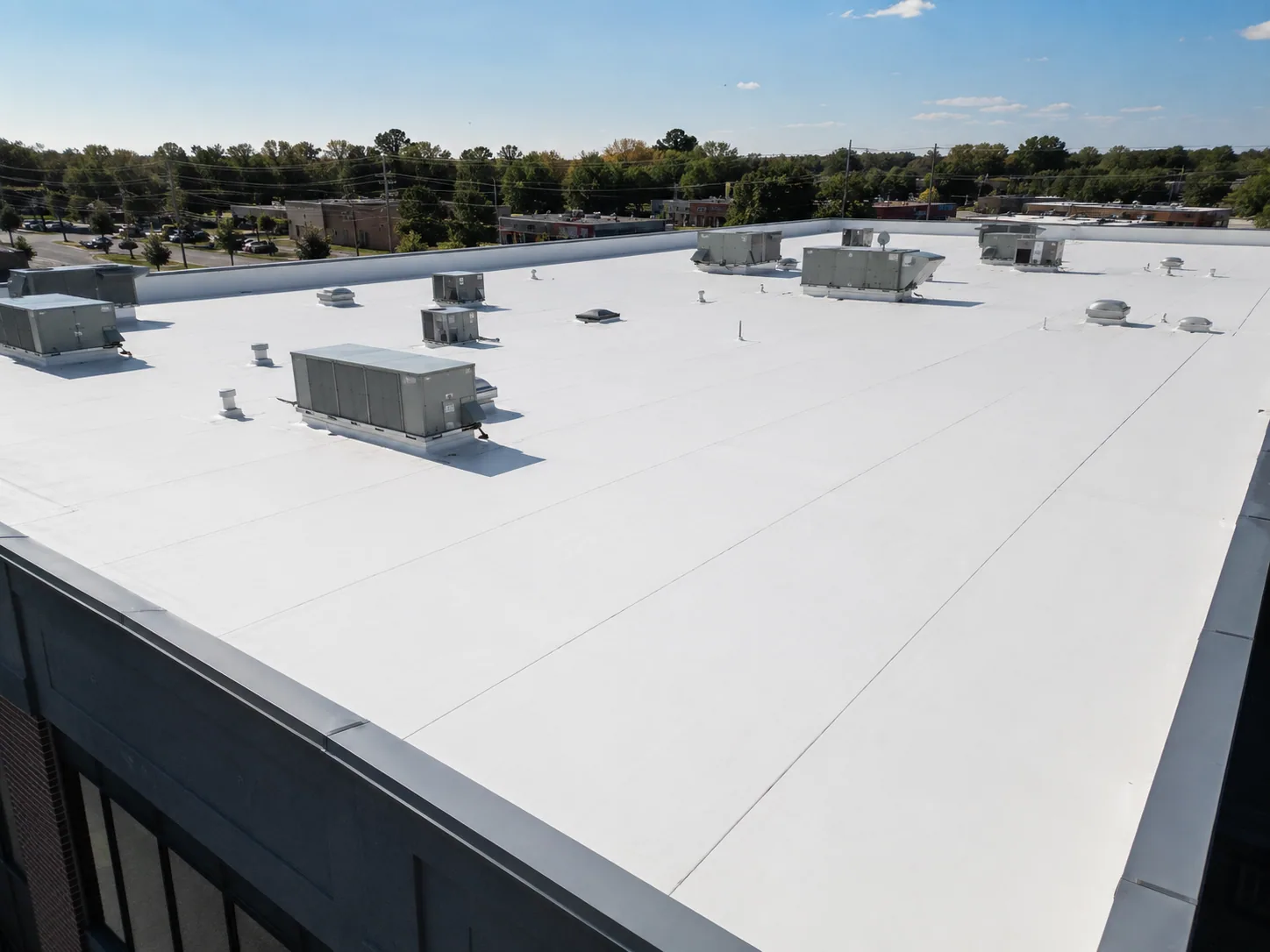
Wind in October, a flood in April and storms every afternoon in between: Broward never tests a roof the same way twice, which is why a layered roof earns its keep. Modified bitumen is asphalt blended with rubber or plastic polymers, reinforced with a polyester or fiberglass mat and built up on the roof in two or more plies. If the top ply gets scraped, hit by hail or baked by the sun, there is still a layer or two under it. For a commercial building in Pompano Beach, FL with a lot of foot traffic, rooftop equipment or just a cautious owner, that redundancy is what the system is really selling. It is heavier and more labor than a single-ply, and the way it gets applied matters as much as what it is.
Layers, Not a Single Sheet: how a mod-bit roof is built
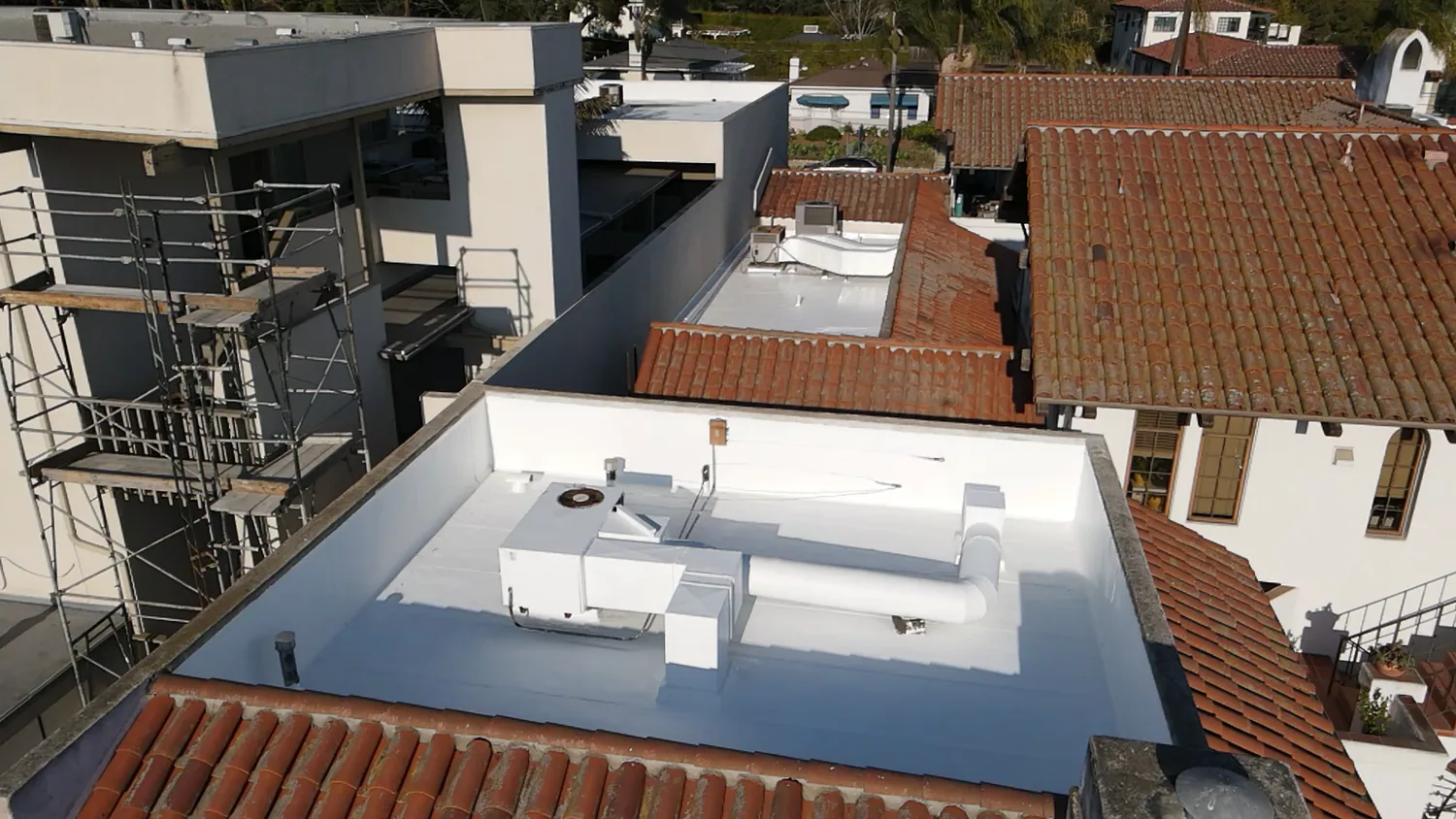
A typical modified bitumen system starts with insulation or cover board over the deck, then a base ply fastened or adhered to it, then a cap sheet bonded over the base. The cap is usually surfaced with mineral granules that shade the asphalt from the sun, or with a smooth, coatable face that takes a reflective finish. Because each ply is a thick, reinforced sheet, the roof resists punctures, hail and the wear of service crews far better than a thin membrane would.
Seams between rolls overlap by several inches and are sealed by heat or adhesive, so water has to make its way through more than one barrier before it reaches the deck. The result is a roof that feels solid underfoot, which is why we recommend it for areas with regular mechanical access and for anyone who wants a forgiving system.
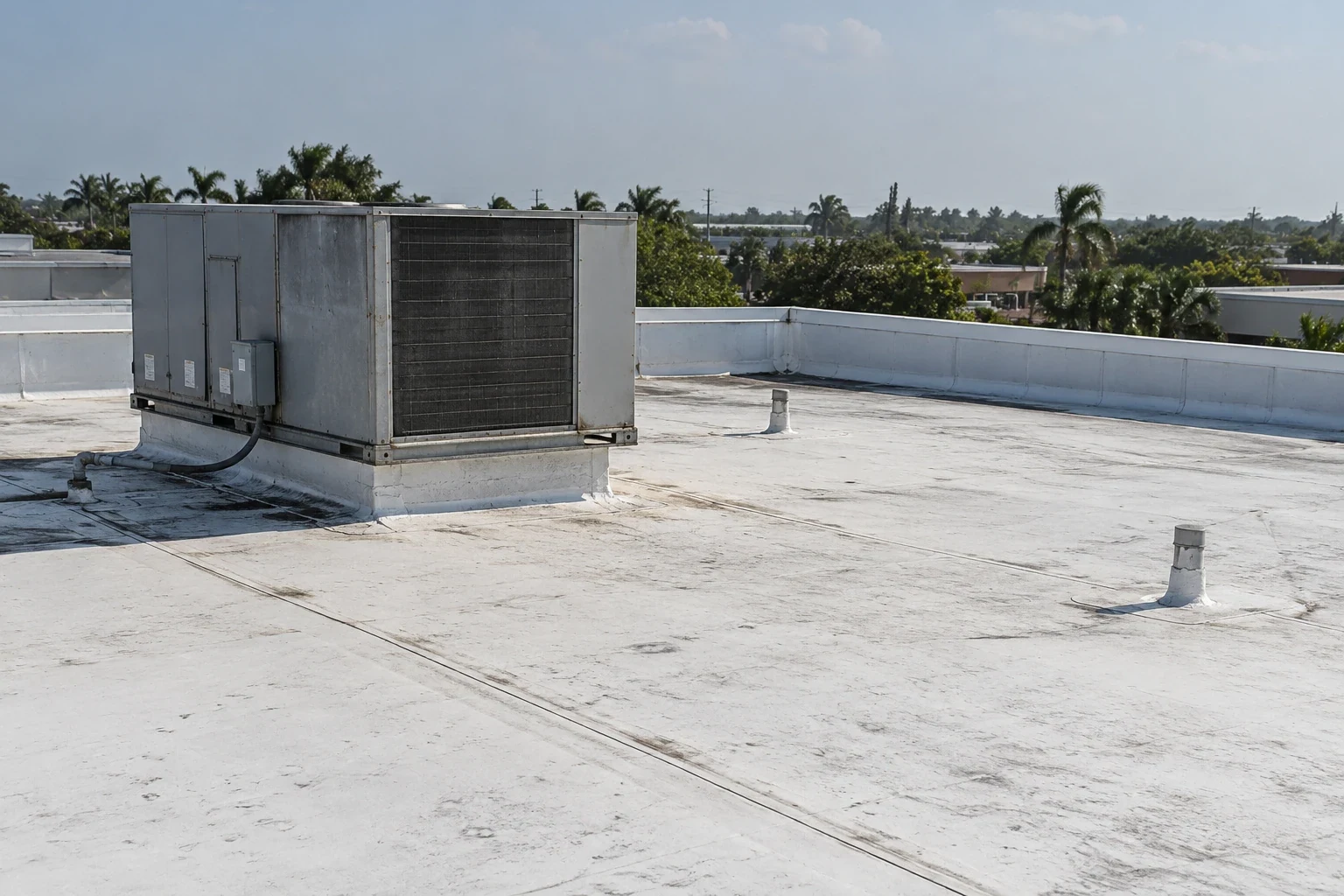
The transitions deserve a separate inspection from the field plies. At drains, parapets and unit curbs, each layer has to turn without leaving a void that can collect water, and the cap sheet must be continuous over the base flashing. We check for fishmouths, open end laps, exposed reinforcement and blisters before choosing a patch method. The same details should be rechecked after equipment work, because a new line set or support can puncture a sound assembly if the trade does not restore the flashing correctly.
SBS or APP: the two modifiers and where each fits
The modifier changes how the asphalt behaves. SBS, a rubber-like polymer, makes the sheet flexible and elastic, so it stretches and recovers as the building moves with temperature. APP, a plastic-like polymer, makes the sheet stiffer, more resistant to UV and a good match for torch-applied seams. In a place where the sun hammers a roof every day and then cool rain hits it every evening, both perform, but they do it differently.
We lean toward SBS where movement and foot traffic dominate and toward APP where the sun is the main enemy. Either one can be installed as a hot-applied, cold-adhesive or self-adhered system, and the choice of application method tends to matter more to an occupied building than the modifier does.
Torch, Adhesive or Peel-and-Stick: how it gets on the roof
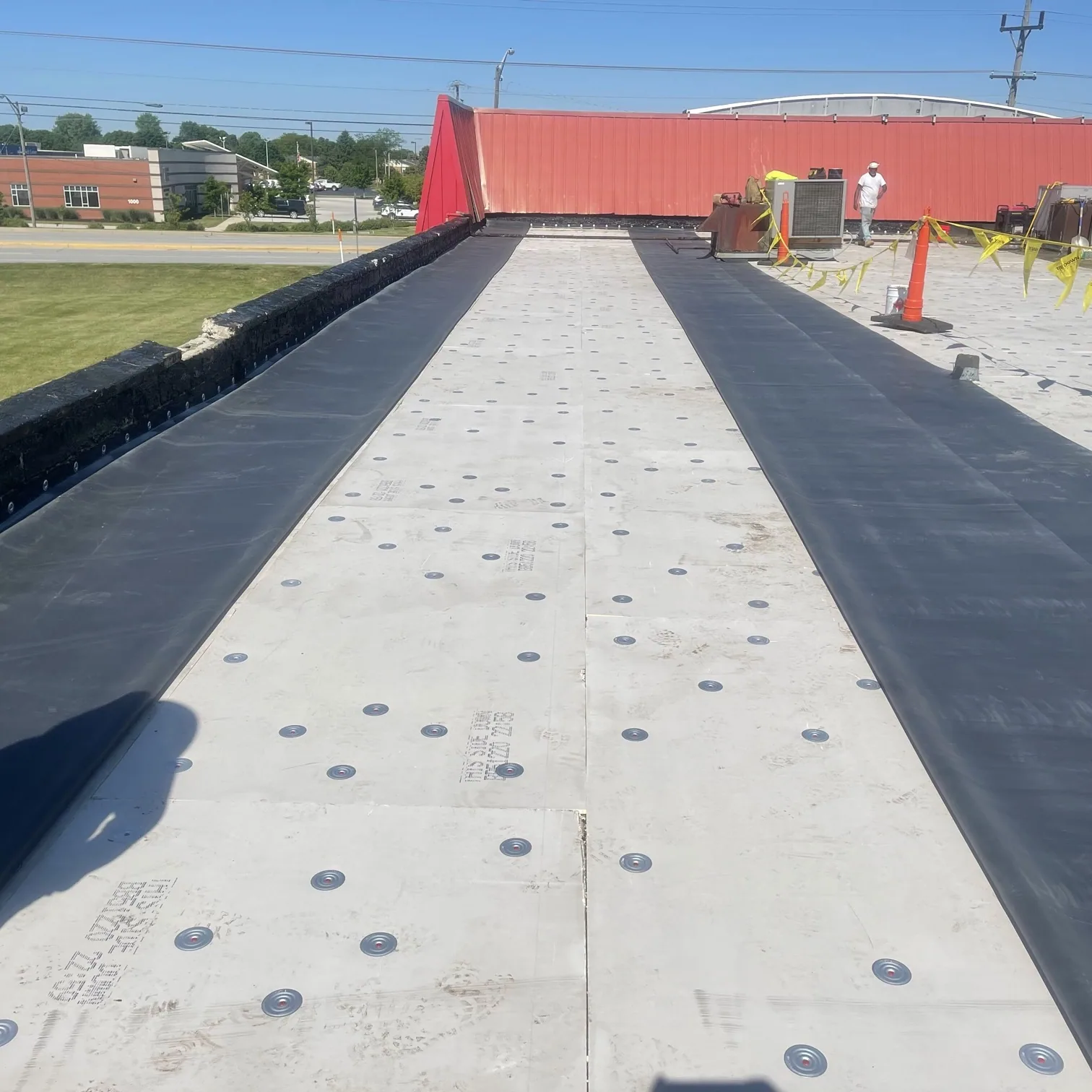
Torch-applied modified bitumen uses an open flame to melt the underside of each roll. It makes a strong bond and it is also a fire risk, so we treat it as hot work: clear decks, fire watch, extinguishers within reach and no flame near combustible blocking or wood decks. On an occupied building, a business with stock inside or a hangar at the Pompano Beach, open flame is often the wrong call. Aircraft shops, avionics repair and fueling operations have good reasons to want no open flame overhead.
Cold-applied adhesive and self-adhered sheets get the same layered result without the torch. Both are slower, and both are sensitive to temperature and surface cleanliness, but they let us work above tenants without hot work. For the aircraft hangar roofing we plan, that decision is made before the first roll comes off the pallet.
Cap Sheet and Surface: sun, traffic and white coatings
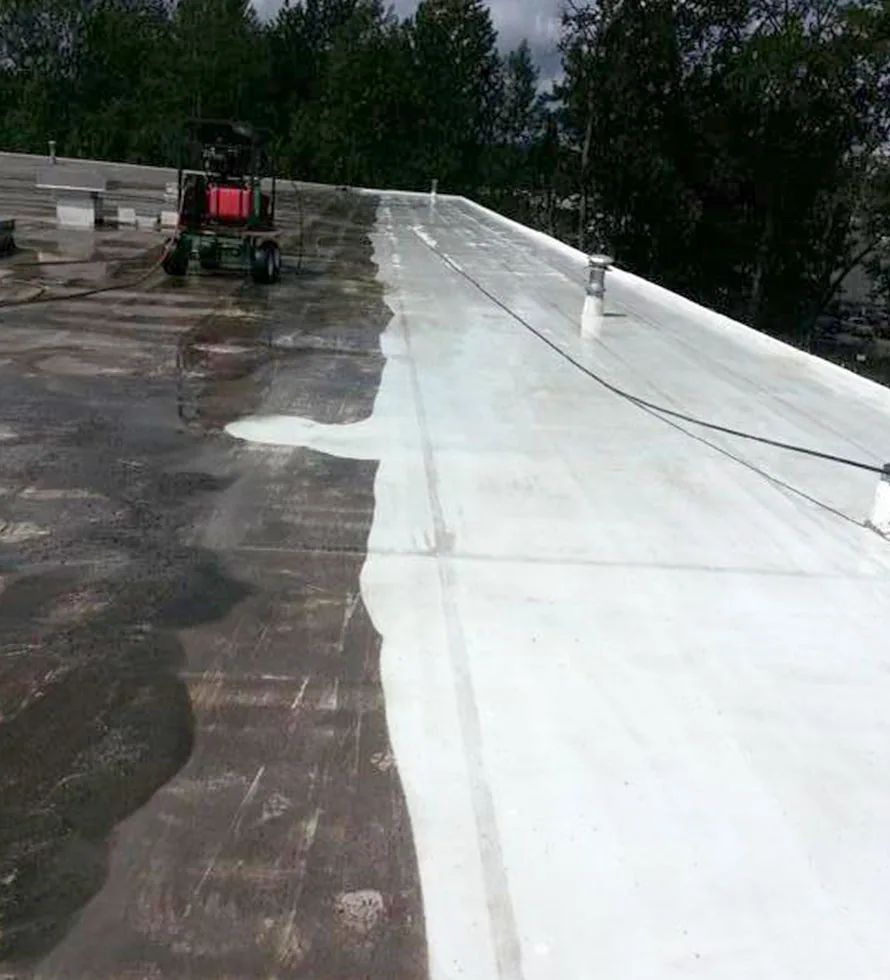
Granules protect the asphalt from UV, but sun, heat and rain slowly wash them away. A black granulated roof also soaks up heat in a county with warm nights and summer dewpoints in the 70s. White-coated or reflective-granule caps cut that heat gain, and an elastomeric finish can extend the life of an older cap sheet. A mod-bit roof that is sound but tired on top is a good candidate for roof coating restoration, and a reflective acrylic coating is one of the options to price for it.
The cover board and insulation below deserve the same attention. A firm board protects the base ply from hail and foot traffic, so insulation and cover board belong in the decision for the same reason.
Wind and the Code: approved assemblies in the HVHZ
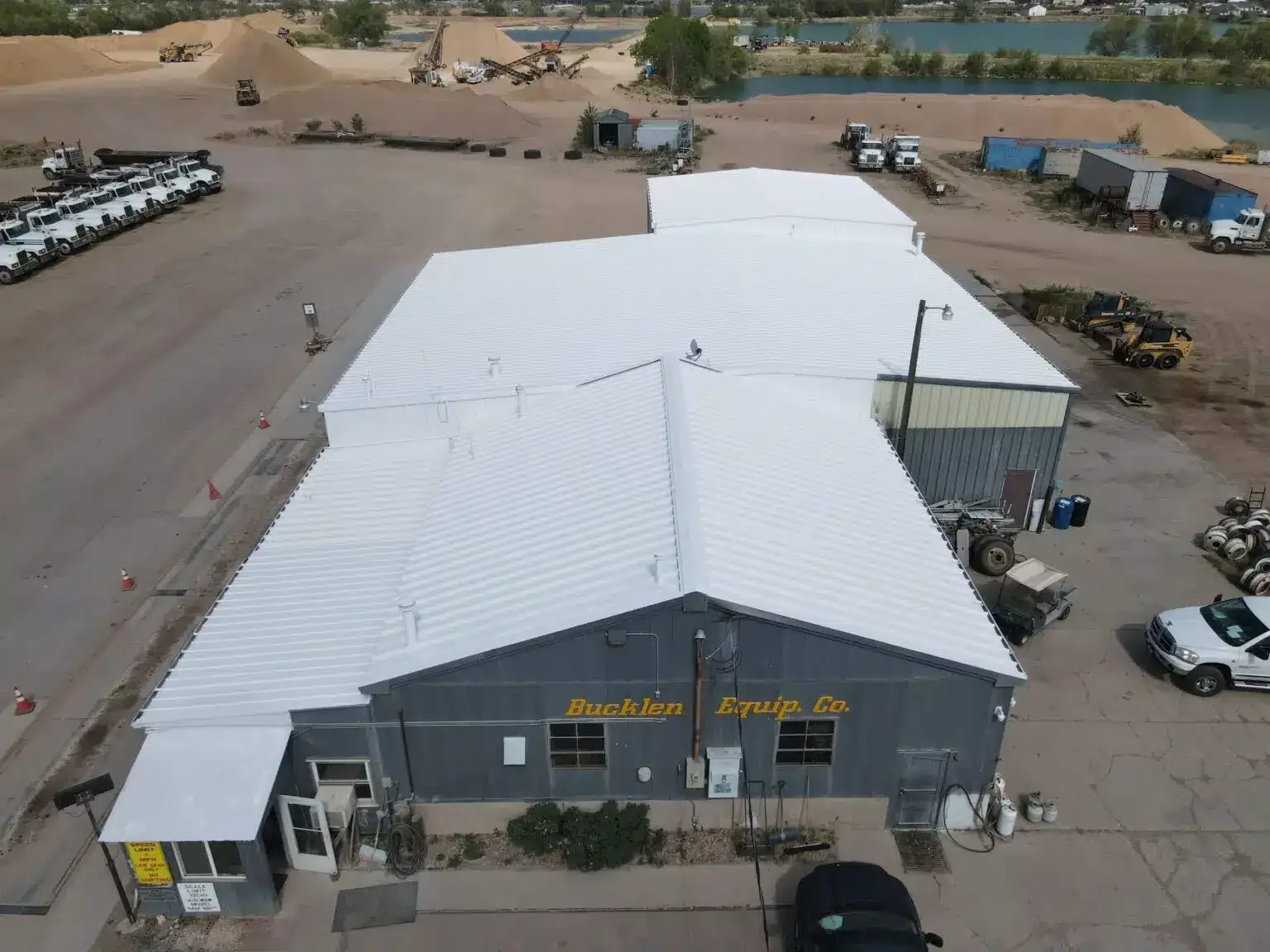
Modified bitumen has a long record on Florida roofs because a fully adhered, multi-ply assembly holds on well when wind tries to lift it. The paperwork still has to match, though. A Risk Category II building in the High Velocity Hurricane Zone is designed for 170 mph, and every exterior component needs a valid Miami-Dade Notice of Acceptance. Hurricane Wilma registered a 98 mph gust at Pompano Beach, and Hurricane Irma sent gusts of 80 to 100 mph across much of Broward in 2017. We install to the approved pattern and fasten the edges and corners the way a storm like that demands.
After a storm, a roof like this should be checked at the laps and the perimeter. If a storm leaves you with lifted edges or exposed deck, our hurricane damage roof repair crews can dry it in.
Older Mod-Bit Roofs: patch, coat, recover or replace
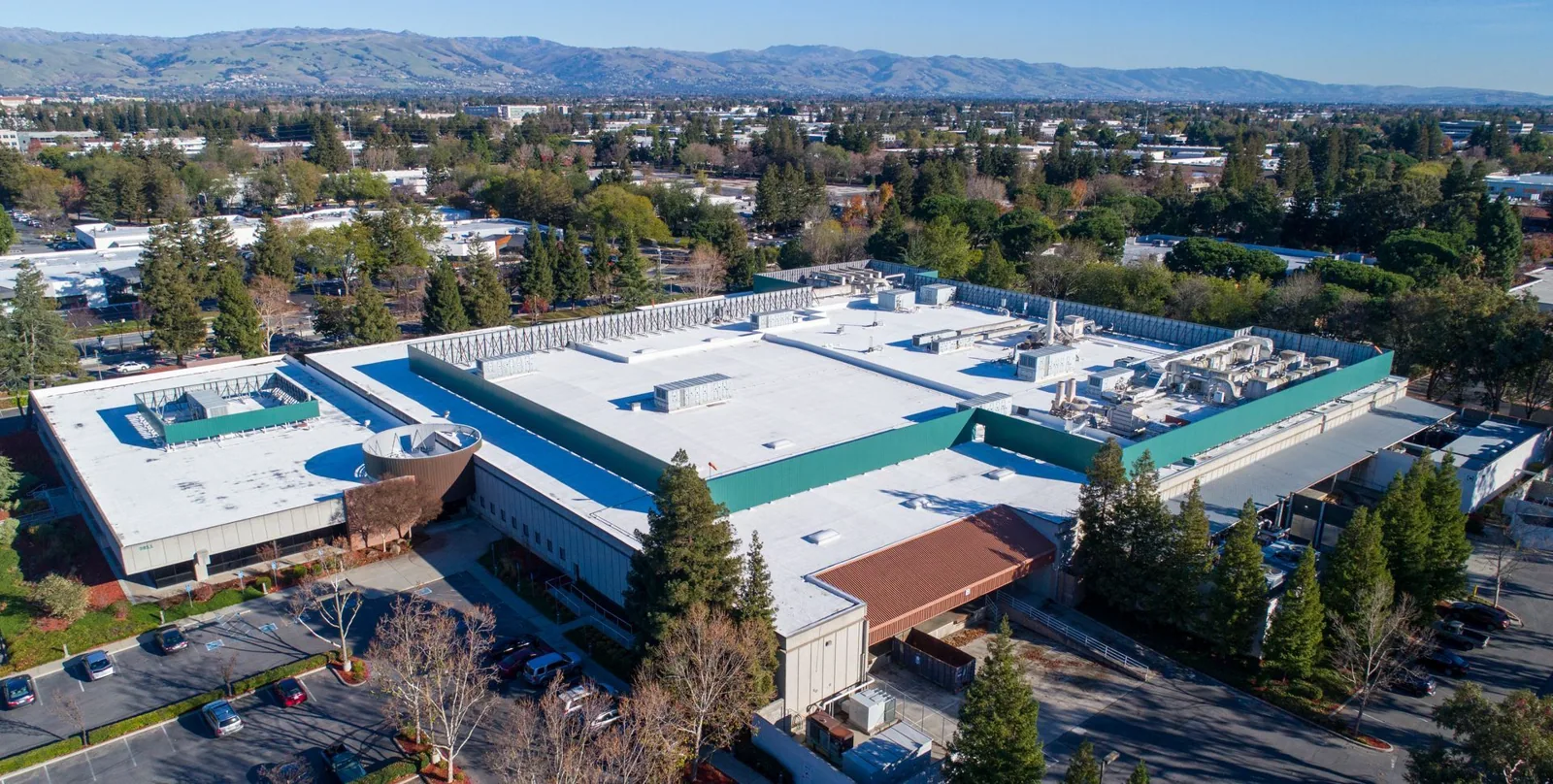
An older modified bitumen roof shows its age in familiar ways: blistering, cracked or missing granules, open laps and alligatoring on the surface. A roof like that may take a coating, a recover or a repair, depending on how much moisture is trapped inside it. Compare it with a built-up roof and the diagnosis is similar: find the wet insulation first. Manufacturers such as Soprema publish assembly details for both cold-applied and self-adhered mod-bit work.
The question that sorts those options is how wet the roof is underneath. A dry, bonded roof with a worn surface is a good candidate for cleaning, repairs and a coating. A roof with saturated insulation needs the wet material cut out first, and an infrared moisture survey with a few core samples shows where. After a heavy wet-season week, a spongy spot underfoot or a ridge of blisters near a drain is worth a call before the next storm line arrives.
Questions We Hear Often
Is torch-down roofing safe on a working building?
It can be, with hot-work controls, fire watch and the right deck. Where tenants store stock or run fueling or finishing operations, we usually switch to cold adhesive or self-adhered sheets instead.
What is the difference between SBS and APP?
SBS is rubber-modified and stays flexible and elastic. APP is plastic-modified and is stiffer, with strong UV resistance. We pick between them by what the building needs more: movement tolerance or sun resistance.
How many plies should my roof have?
Two is the common starting point, a base and a cap. Heavy traffic or high-value interiors can justify more. Insulation and cover board matter as much as the number of plies.
Can modified bitumen be coated?
Yes, a sound cap sheet takes a reflective coating well and gains sun protection. A wet roof must be dried or replaced before coating, because trapped moisture will blister the finish.
How is mod-bit different from a built-up roof?
A built-up roof stacks several plies of felt and hot asphalt on site, while mod-bit uses factory-made reinforced rolls with the polymers already blended in. Mod-bit is usually quicker to install and more flexible.