PVC Roofing in Pompano Beach, FL
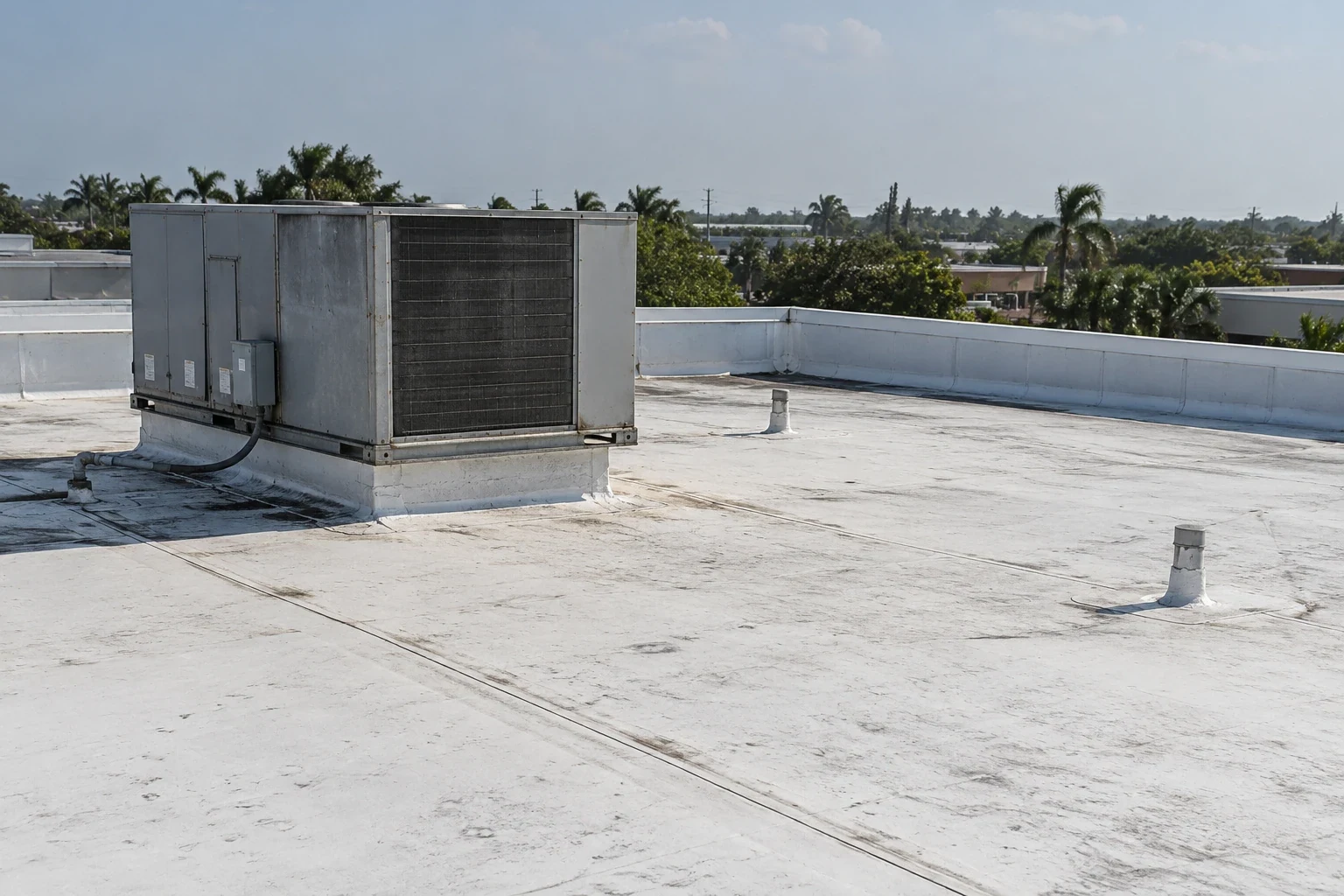
Salt air drifting in off the Atlantic and a kitchen exhaust fan puffing grease all afternoon: both land on a flat roof in Pompano Beach, FL, and both are hard on a membrane. PVC is the single-ply that holds up to them best. It is a white, reinforced sheet whose seams are fused with hot air into one watertight piece, and it shrugs off fats, oils and many of the chemicals that quietly eat other membranes. Around here that makes it a natural fit for restaurants, grocery stores and food-service tenants, and for buildings close enough to the beach to taste the breeze. It costs more up front than some of its neighbors, so we help owners work out where that extra money buys something and where it does not.
Grease and Chemicals: why PVC wins on kitchen roofs
Commercial kitchens vent cooking fat straight onto the roof, and fat is not gentle on single-ply. It softens some membranes, stains the surface and works into seams and flashings until the material loses its flexibility. PVC resists that kind of exposure far better than most competing sheets, which is why it is the usual choice under exhaust fans, around dumpster-side vents and on roofs where a tenant changes. If you manage a building with a restaurant roof, the area around the hood is where we start, and we often add a protected walkway and a grease containment detail even on a roof that is otherwise in good shape.
The same resistance helps on buildings with refrigeration, air-handling and process exhaust, where unusual residues land on the membrane. We look at what is actually venting onto your roof before we quote a system.
PVC repair quality depends on preparation at the seam. The crew removes dirt, oxidation and old adhesive before making a hot-air weld, then checks the finished lap with a probe after it cools. Corners, scuppers and equipment curbs deserve the same attention as the open field because they combine movement with standing water. A repair record should show the seam length, the transition materials and any wet insulation removed, so the next service visit can distinguish a sound weld from a new separation.
Salt and Humidity: the coastal side of the city
Pompano Beach has about 3 miles of beach, and oceanfront roofs there take salt air and direct wind that an inland warehouse never sees. Salt works on everything that is not the membrane first: fasteners, plates, edge metal, curb straps and unit frames. A PVC sheet itself is not bothered, but a poorly chosen fastener rusts under it, and a bare steel edge rusts. Along the shoreline, in the zone around the A1A Ocean Boulevard Corridor and the Atlantic Boulevard bridge, corrosion-resistant fasteners and coated or stainless metal belong in the details.
Humidity matters too. Summer dewpoints sit in the 70s, and a roof with trapped moisture beneath it can blister and cook the insulation. We test before we cover anything.
The Sheet Itself: reinforcement, plasticizer and welds
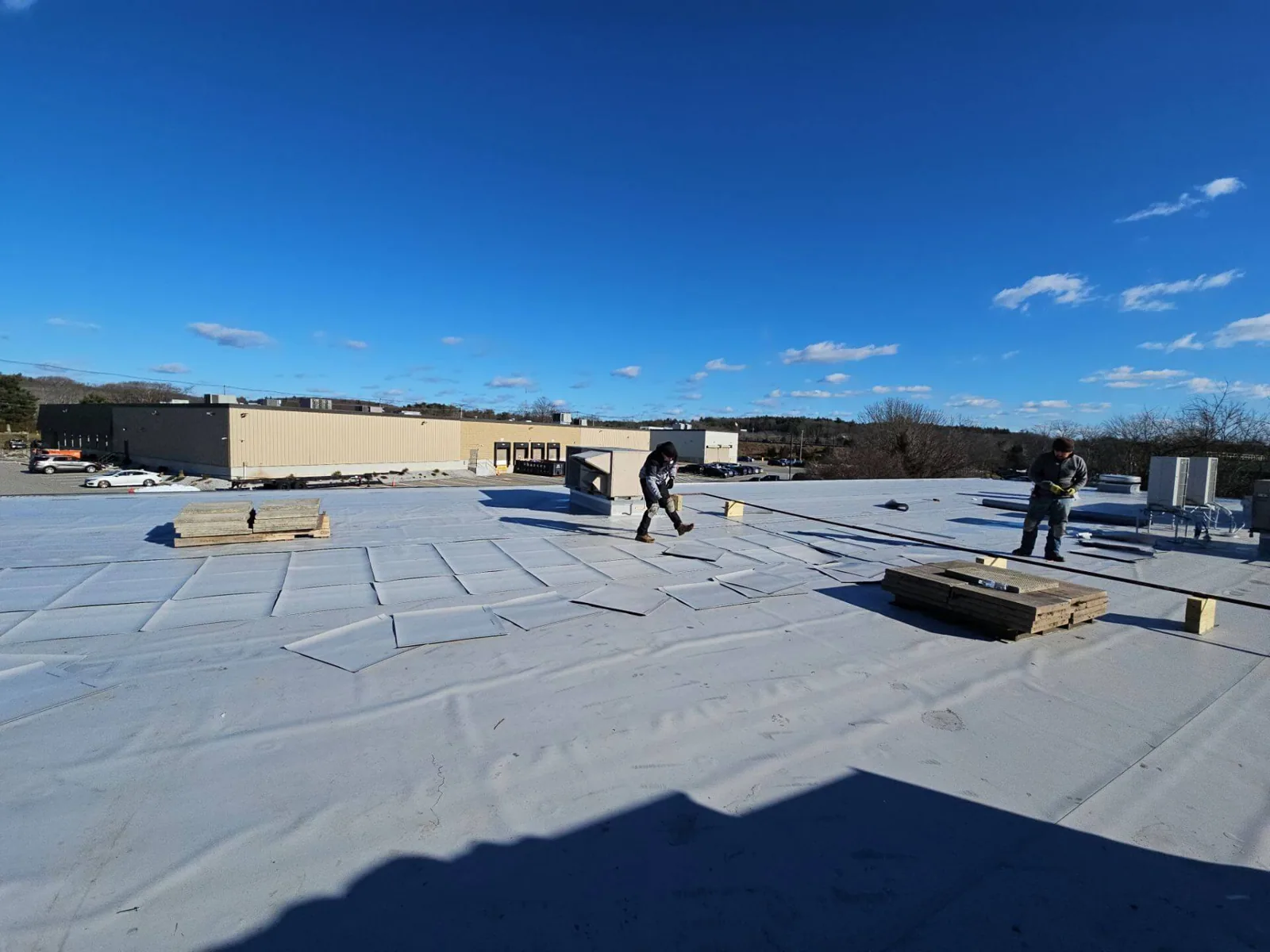
A PVC membrane is a polyester or fiberglass scrim sandwiched between layers of flexible vinyl, with plasticizers that keep it supple. The weld is what makes it a roof. Hot air softens both surfaces, a silicone roller presses them together, and the overlap cools into a single piece. We clean every lap, weld it dry, and probe the edges, because a seam that looks fine can still have a channel running through it. Corners, pipe penetrations and curbs are flashed with pre-formed pieces and hand-welded patches that use the same material as the field.
Quality varies by manufacturer and thickness, and it shows up years later at the details. A thin sheet over soft insulation can be punctured by a dropped tool or an HVAC service visit, so we install walkway pads from the access point to every unit and recommend cover board under the membrane where traffic is heavy.
Fire and Ponding: two quieter strengths
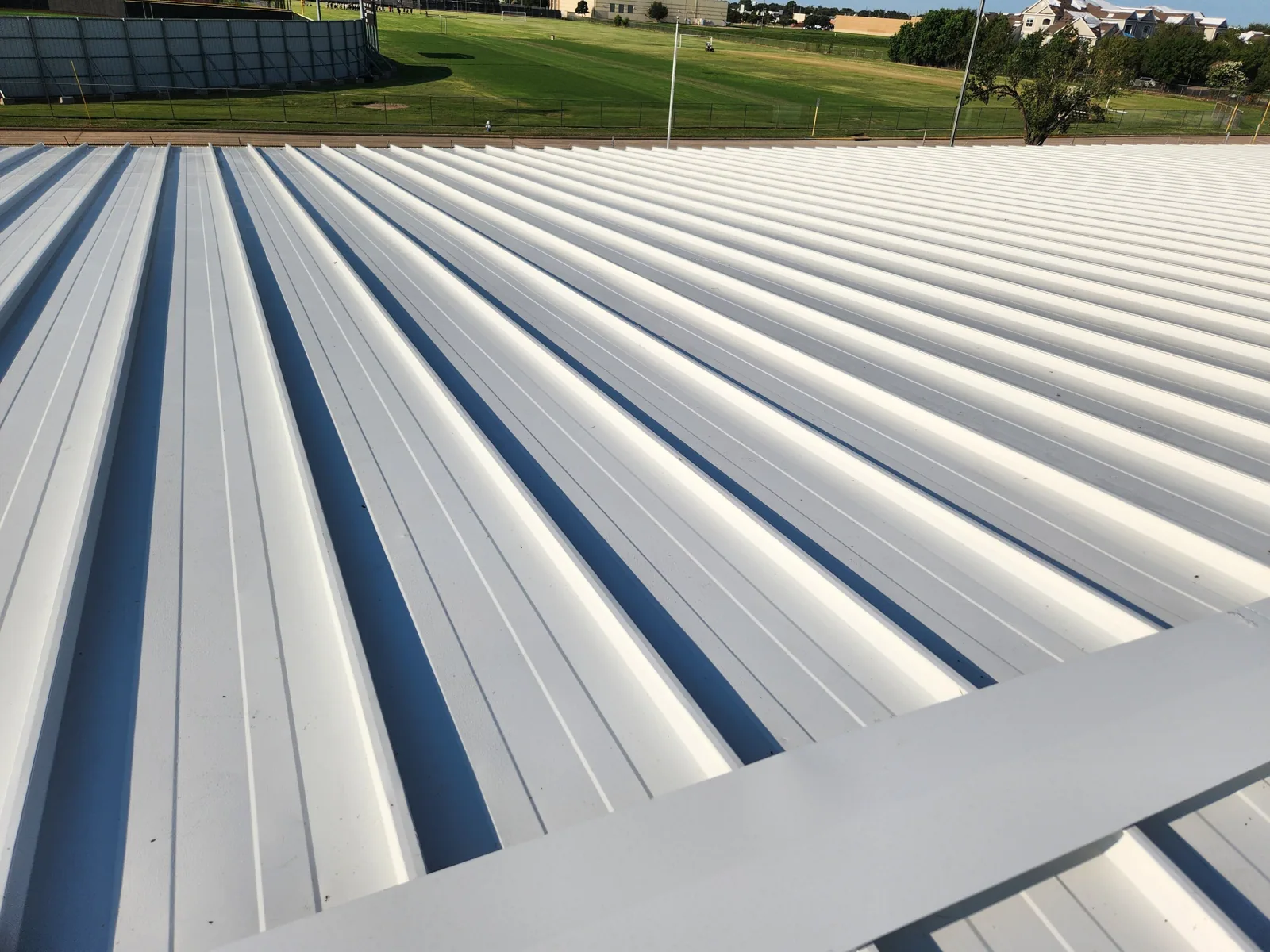
PVC is naturally flame resistant because of its chlorine content, a point insurers and code officials pay attention to on buildings with rooftop work or nearby heat sources. It also tolerates standing water better than many membranes, which matters in a county where the wet season drops most of a year's rain between mid-May and mid-October. On April 12, 2023, Fort Lauderdale recorded roughly 26 inches of rain in one day. The downpour underscores why a drainage review must account for the roof in front of us, not a rainfall event elsewhere.
Tolerating ponding is not the same as wanting it. We still fix slope and clean out roof drains and scuppers, because standing water adds weight, collects dirt and ages the membrane faster. PVC gives you more forgiveness, not a free pass.
Irma and Wilma: wind, edges and tested assemblies
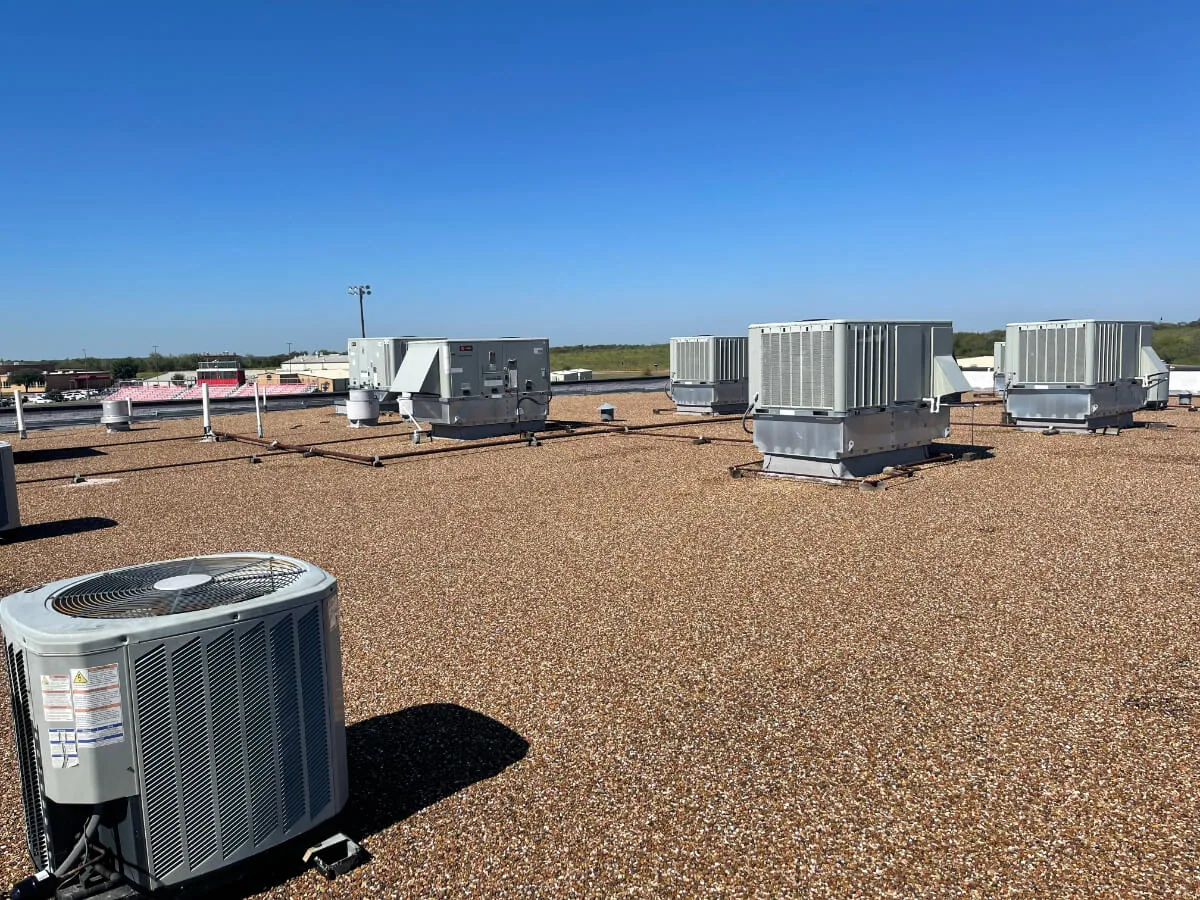
Hurricane Wilma's gust at Pompano Beach reached 98 mph in 2005, and Hurricane Irma in 2017 brought sustained winds of 65 to 70 mph to most of Broward, with gusts of 80 to 100 mph. Under the county's hurricane-zone rules, a PVC roof has to be an approved assembly: the membrane, insulation, fasteners and plates are tested and listed together under a Miami-Dade Notice of Acceptance. We install to that listing, with denser attachment at edges and corners where uplift runs highest, and tied-down perimeter metal.
On commercial roofs along Federal Highway, perimeter detailing is a first priority for wind resistance. If you already have a PVC roof, worn laps can be rewelded and re-sealed through seam failure repair long before a storm tests them.
Where PVC Costs More: and when it is worth it
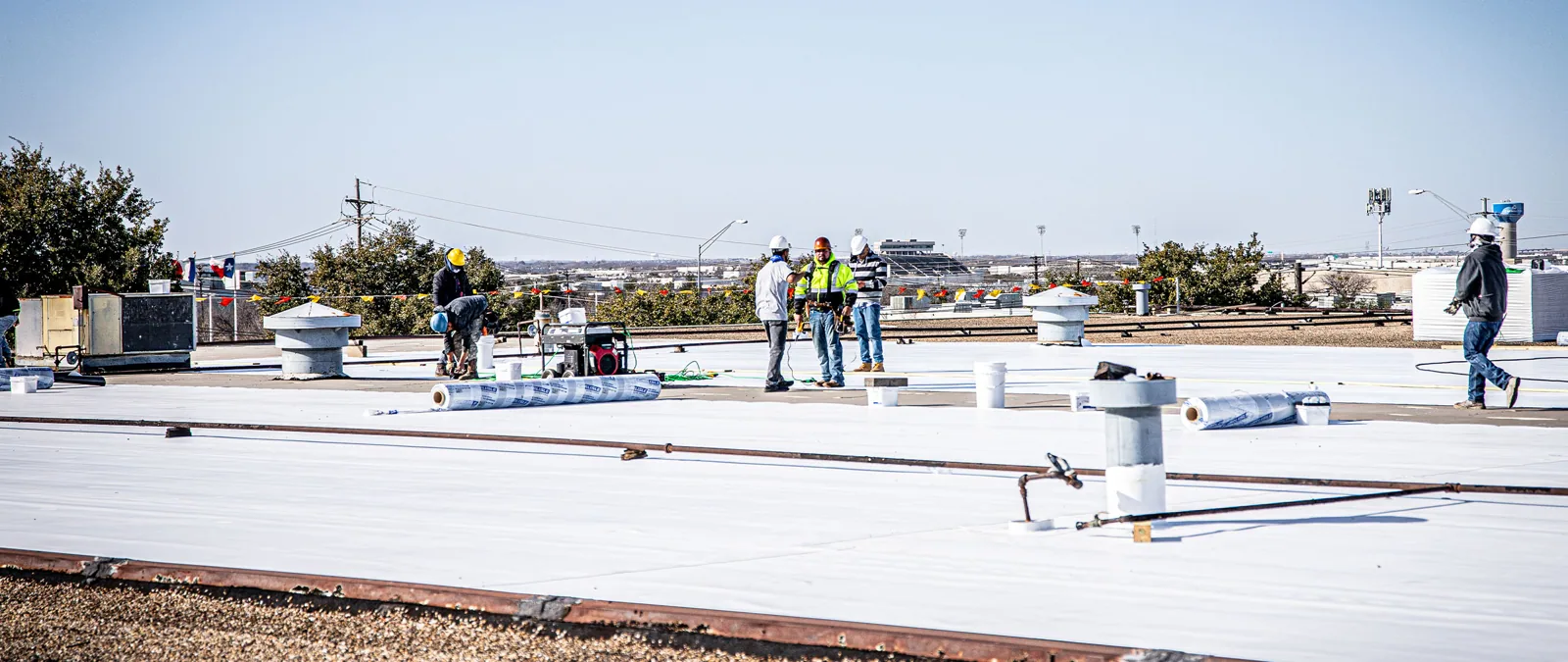
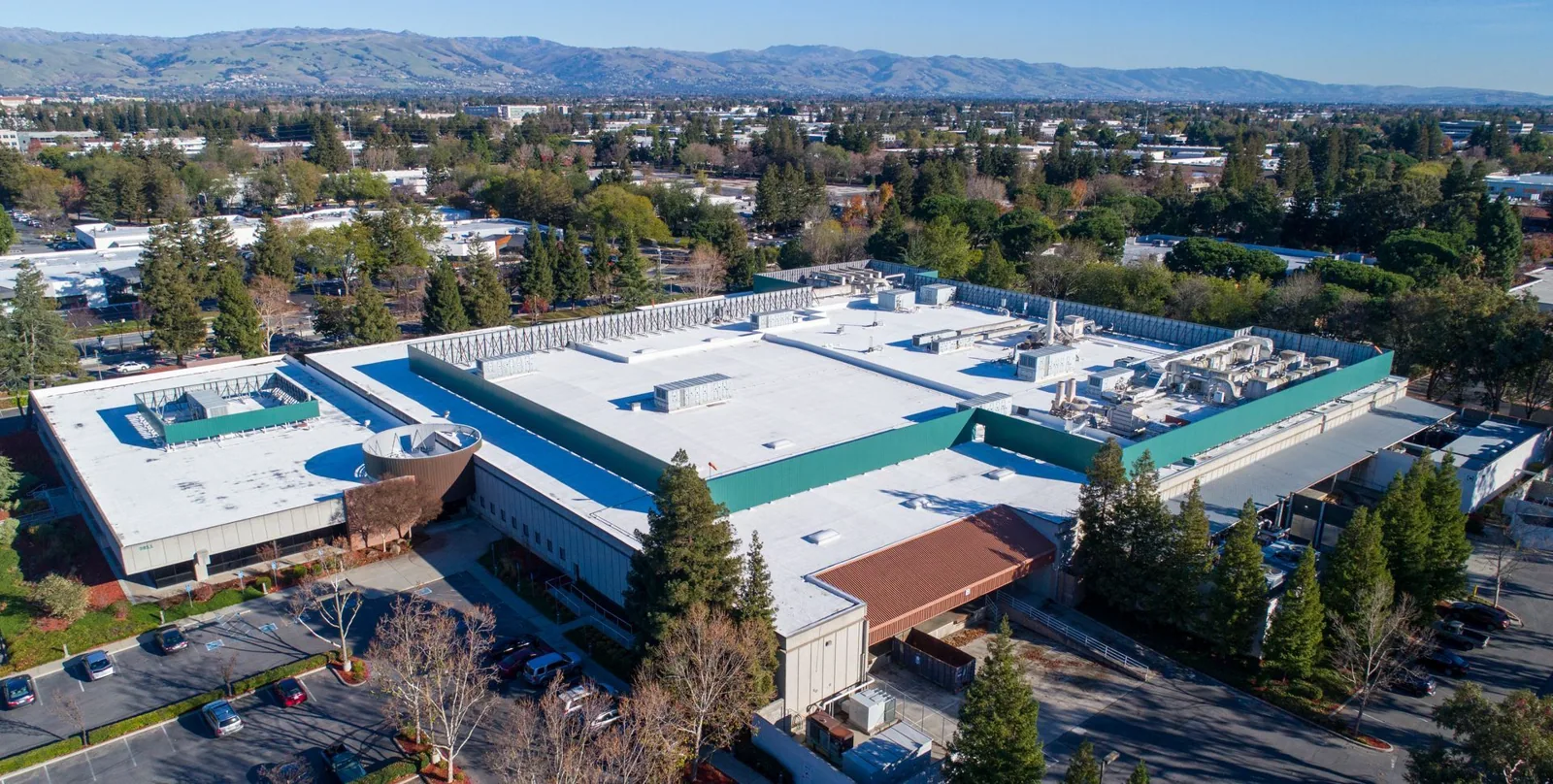
PVC usually carries a higher material cost than TPO or EPDM. Whether that earns its keep comes down to the building. Grocery stores, restaurants and food-distribution roofs are where it pays back, since grease, refrigeration exhaust and heavy equipment traffic are daily conditions. Publix, Walmart, Associated Grocers and FreshPoint are among Pompano Beach's top employers, so grocery and food distribution are a real part of the local roof mix. A plain warehouse with little rooftop equipment may do just as well on TPO, and we will say so. If your roof gets heavy chemical or grease exposure, KEE membranes are the third option worth pricing. On a grocery store roof, rooftop traffic and refrigeration come first.
Questions We Hear Often
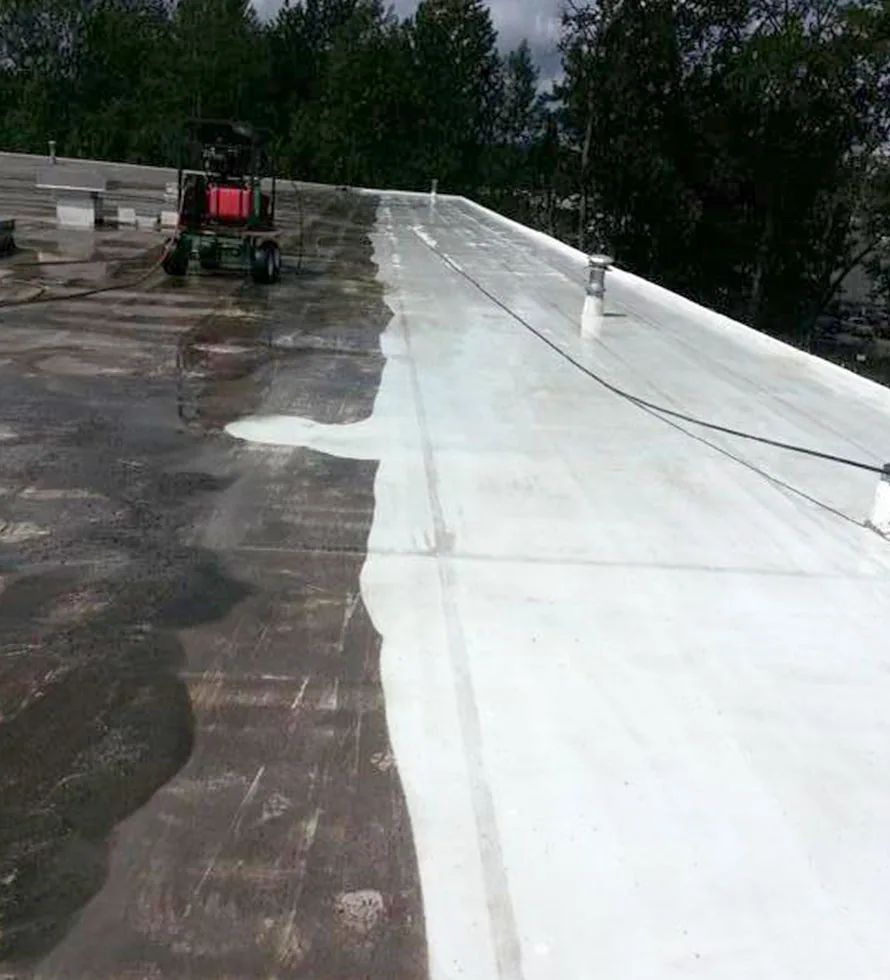
Is PVC worth the extra money over TPO?
On a roof with kitchen exhaust, refrigeration or chemical venting, usually yes. On a quiet warehouse roof with little equipment, often no. We walk the roof and tell you which side of that line your building is on.
Will PVC survive salt air near the beach?
The sheet will. The metal around it is the weak link, so we pair PVC with corrosion-resistant fasteners, coated edge metal and sealed terminations. The membrane gets the credit, but the hardware is what decides how the roof ages.
Can PVC be installed over an old roof?
Often, if the roof underneath is dry and a separation layer is used. Old asphalt and some insulation do not mix well with PVC, and the building must stay within the local layer limit. We test and core before we promise a recover.
How do you repair a PVC roof that has been leaking?
We find the entry point first, which is often a seam or a flashing. Then we clean the area, weld a new patch of the same material, and probe the edges. Water on the roof can hide the real source, so we dry the area before welding.
Does PVC hold up to hurricane wind?
It can, when the assembly is approved and attached to the right pattern. The edges and corners carry most of the load, which is why we put our time there. No membrane survives poor attachment.