Commercial Roof Replacement in Pompano Beach, FL
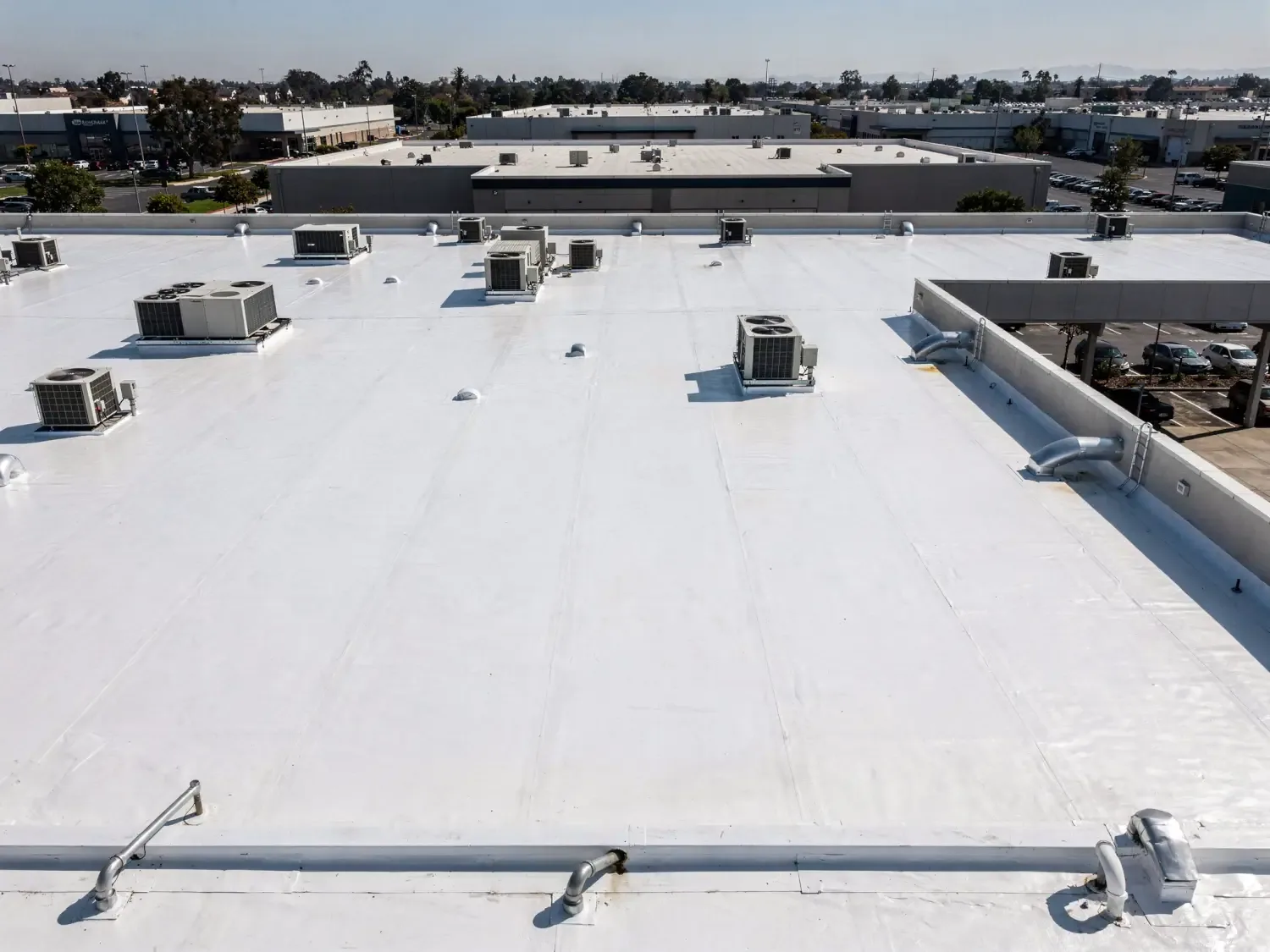
Hurricane Wilma crossed South Florida on October 24, 2005, and gusts at Pompano Beach, FL reached 98 mph. Roof damage was reported across Broward, a plain reminder that an aging flat roof gets tested by weather like that. Replacement is the job that follows a long run of weather like that: the old membrane comes off, the deck and insulation underneath get checked and fixed, and a new system goes down made for the wind and water this county actually sees.
We replace commercial roofs on occupied warehouses, retail centers, offices and light industrial buildings around the city. Our crews plan each day around the radar as much as the calendar, because around here the sky can open up at three in the afternoon and a half-finished roof does not get a second chance.
The Weather Here: what Broward does to an aging roof
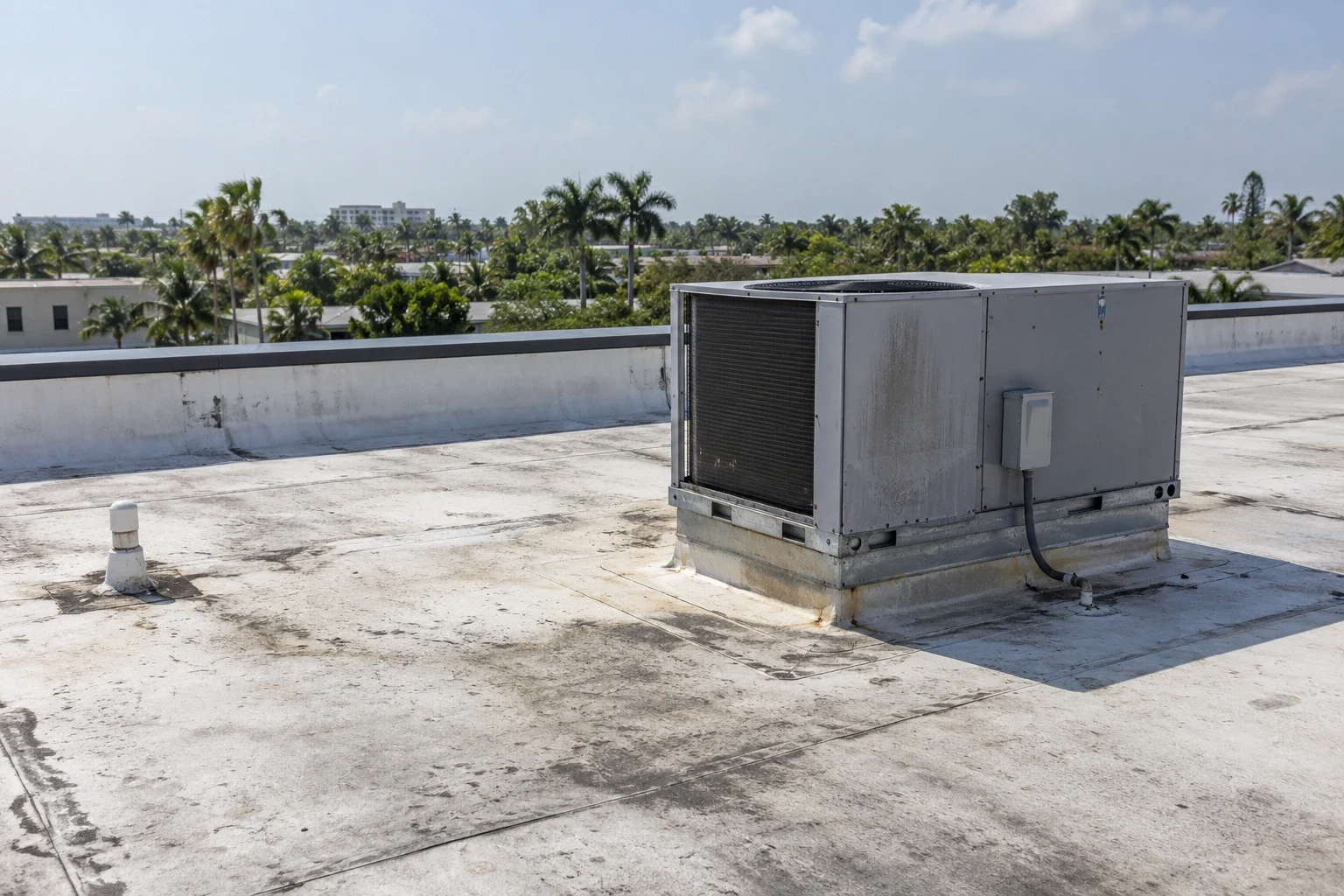
A roof in Pompano Beach does not wear out the way a roof up north does. The wet season runs from mid-May to mid-October and brings most of the year's rain, and the stormiest weeks come early, with damaging thunderstorm winds and flooding. Between storms the membrane bakes under a high sun, then takes cool rain on top of it, day after day. Warm nights hold the heat in. Near the coast, salt air eats at edge metal, fasteners and flashing while the middle of the roof still looks fine from the parking lot.
That is why replacement decisions here are rarely about age alone. An owner has a roof with leaks in three places, patches on top of patches, and puddles that last a full day after every afternoon storm. Wet insulation does not dry out on its own, and once enough of it is soaked, repairs stop holding. At that point a new roof is usually the cheaper road compared with another year of chasing the problem.
A replacement estimate should separate the roof into decisions an owner can compare: tear-off depth, damaged-deck allowance, insulation thickness, cover board, membrane attachment, edge metal and drainage work. We document what is visible before demolition, then identify the conditions that only become clear once the old assembly is opened. That distinction keeps a concealed deck repair from being mistaken for a change in the agreed system. It also lets the owner compare bids by assembly and scope, instead of treating a single square-foot figure as the whole job.
How We Decide: replace, repair or recover
We start on the roof, not at a desk. Core cuts show what sits under the membrane: whether the insulation is dry, whether the deck is sound, and how many layers are already up there. An infrared moisture survey shows where trapped water is hiding on larger roofs. If the damage is local, we say so and point you toward planned repair instead of selling you a full tear-off.
If the existing roof is dry enough and the code allows it, a recover over the existing roof may fit. If neither one works, replacement is the right answer, and we show you the photos and core samples that explain why. You should never have to take our word for it.
Tear-Off Day: the work on an occupied building
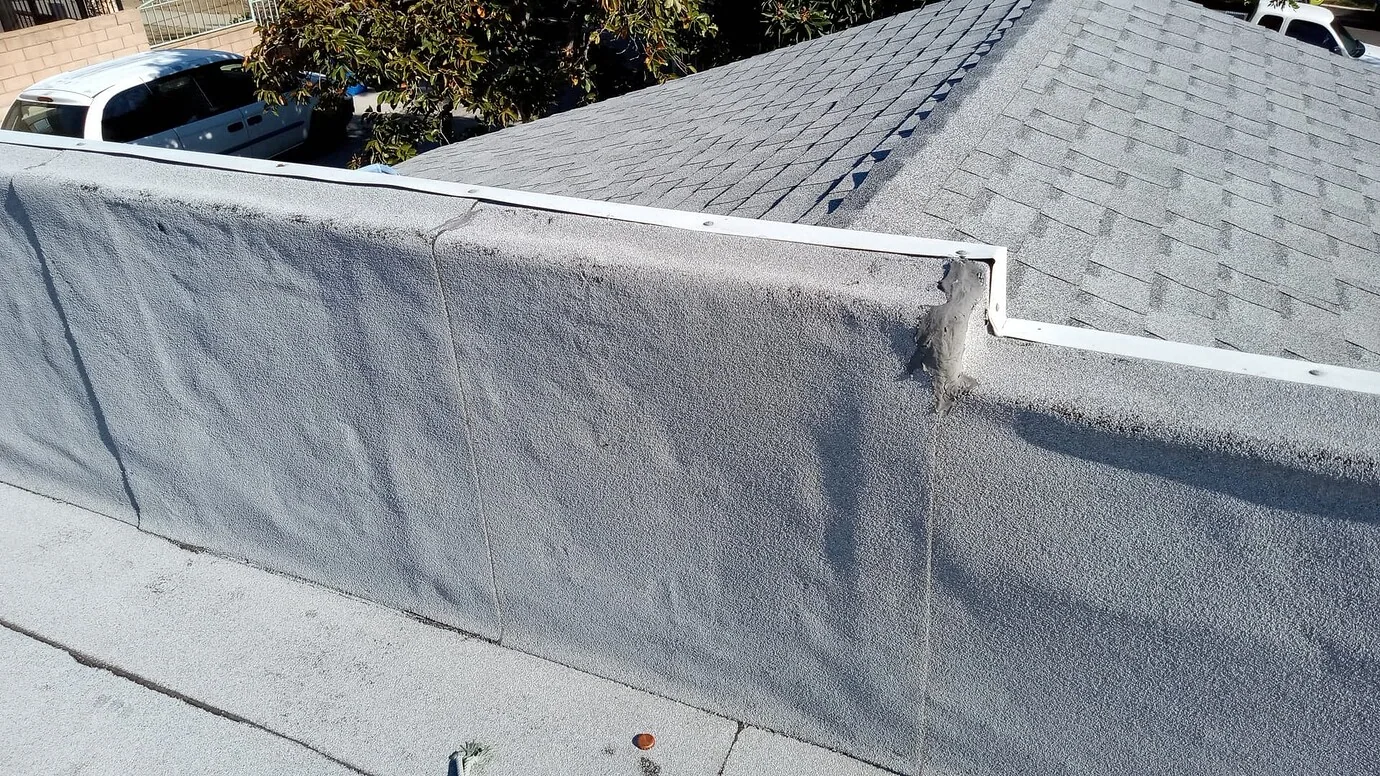
A tear-off is loud and open to the weather, so planning matters more than the tools. We stage materials away from entrances and loading docks, mark foot-traffic routes, and work in sections so that only the area we can dry in by the end of the day is ever open. Crews watch the radar, and tarps and temporary tie-ins stay on the roof ready to go. Tenants keep running. Deliveries keep coming. The building stays dry at night.
Once the old system is off, we look hard at the deck. Rusted steel, rotted wood and crushed or soaked insulation get replaced before anything new goes down. This is where surprises live, and we send you photos while the area is still open so you can approve changes with the facts in front of you.
Wind and Code: HVHZ rules, uplift and tie-downs
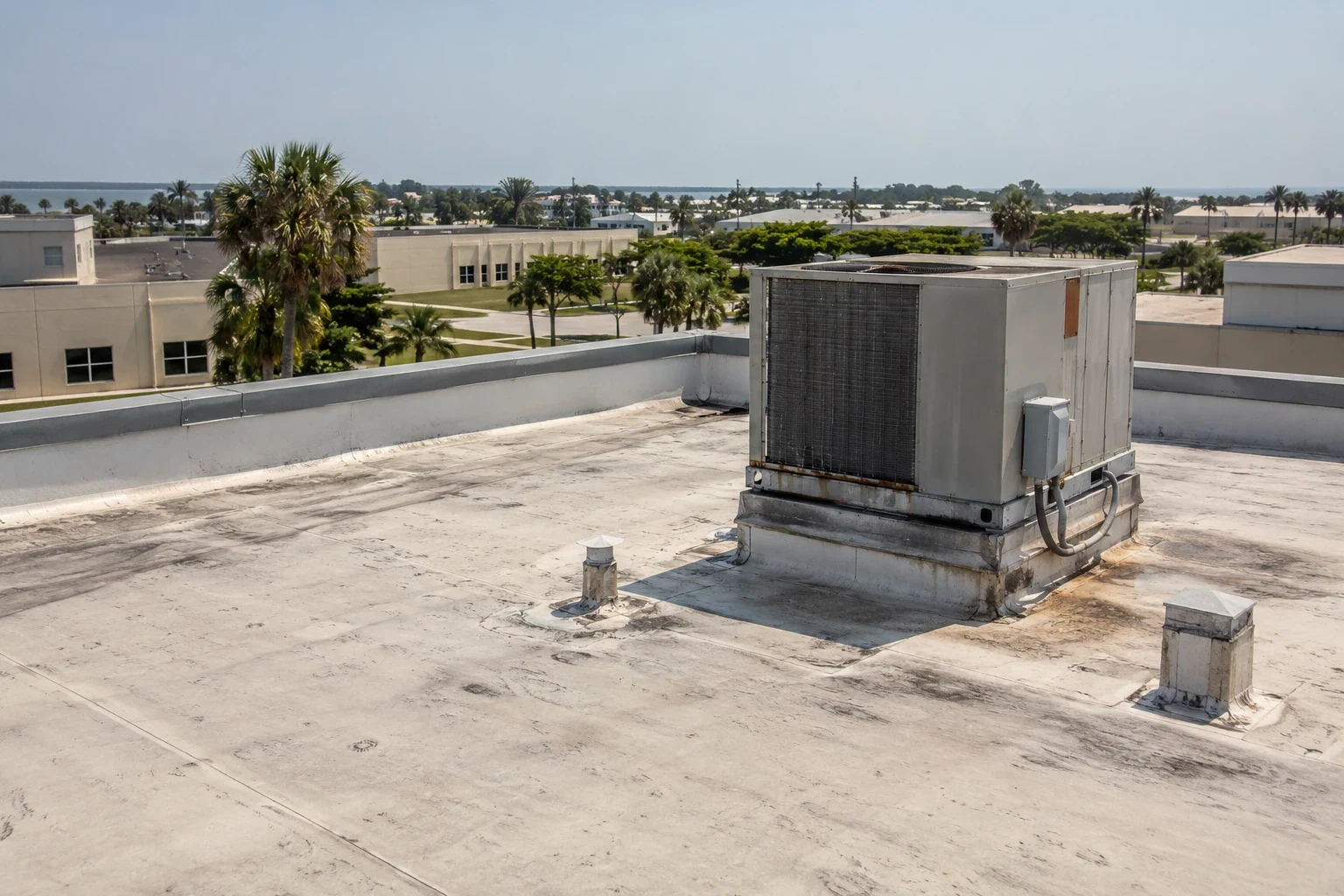
Broward sits in Florida's High Velocity Hurricane Zone, and that changes how a roof is designed and installed. The design wind speed is 170 mph for Risk Category II buildings, and every exterior roofing component needs a valid Miami-Dade County Notice of Acceptance backed by missile impact, cyclic pressure and water-after-impact testing. The 2023 Florida Building Code, 8th Edition, took effect December 31, 2023, and a permit applied for now falls under it. A 9th Edition is expected by the end of 2026.
On the roof, that means close attention to the places wind attacks first: corners, perimeter edges, coping and anything bolted on top. Fastening is heavier in those zones, edge metal and coping is tested and fastened to match, and rooftop units are held down with proper curbs and tie-downs. We handle the permit and the product approvals so your inspector sees what they expect to see.
What Goes Back On: system and insulation choices
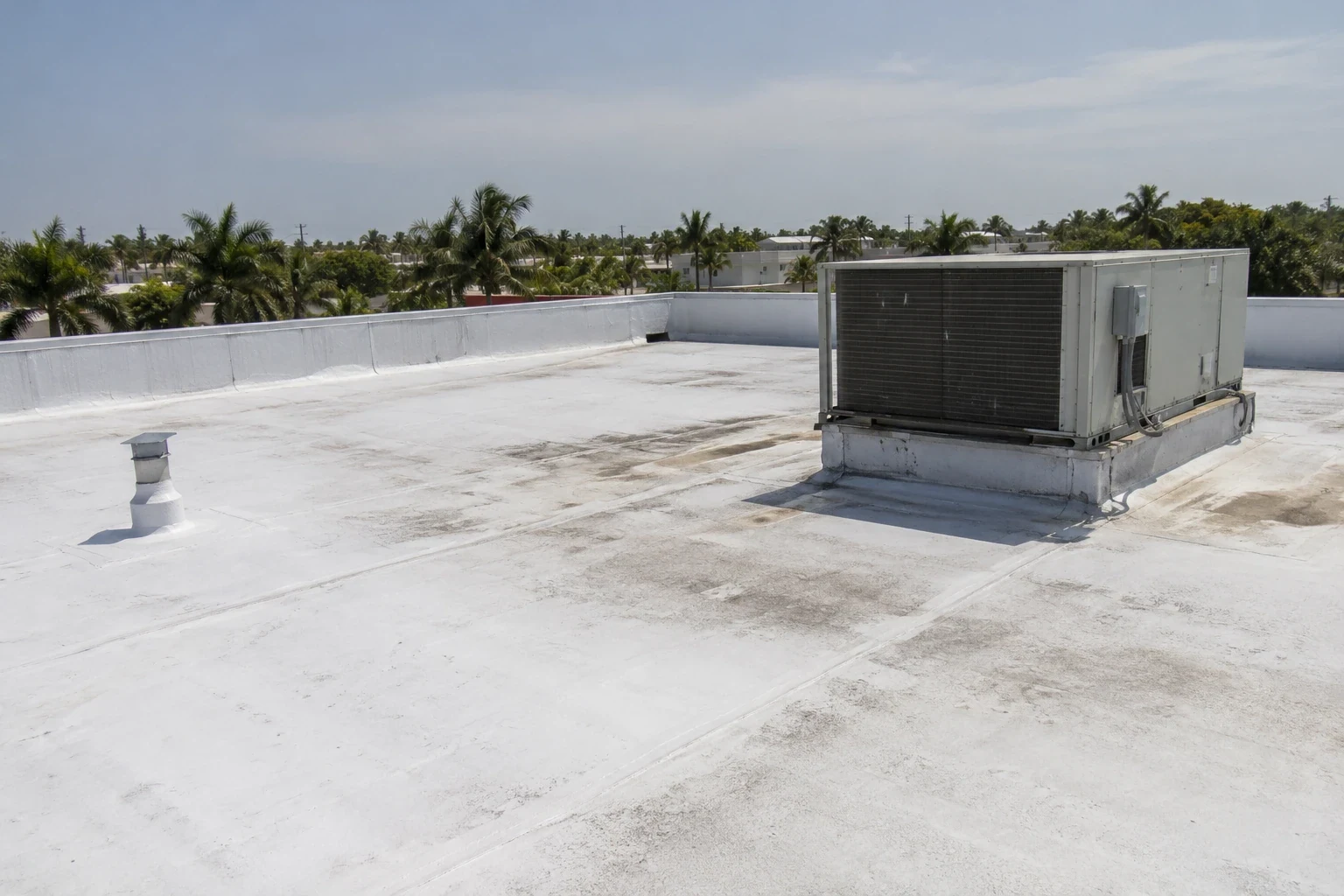
Single-ply membranes such as TPO and PVC are common on big flat roofs here because they reflect heat and are welded at the seams. Modified bitumen and built-up systems suit roofs with heavy foot traffic or lots of equipment, and metal fits buildings with enough slope. Insulation and cover board choices matter as much as the membrane, because they decide how the roof handles heat, hail, foot traffic and water that lingers after a storm.
We lay out the options in plain terms: heat gain, seam strength, how easy each is to repair, how each handles ponding, and what the manufacturer expects for fastening in the hurricane zone. Owners who spread roof spending over several years can pair the work with roof capital planning so a replacement lands in the right budget year.
Cost and Timing: what moves the number
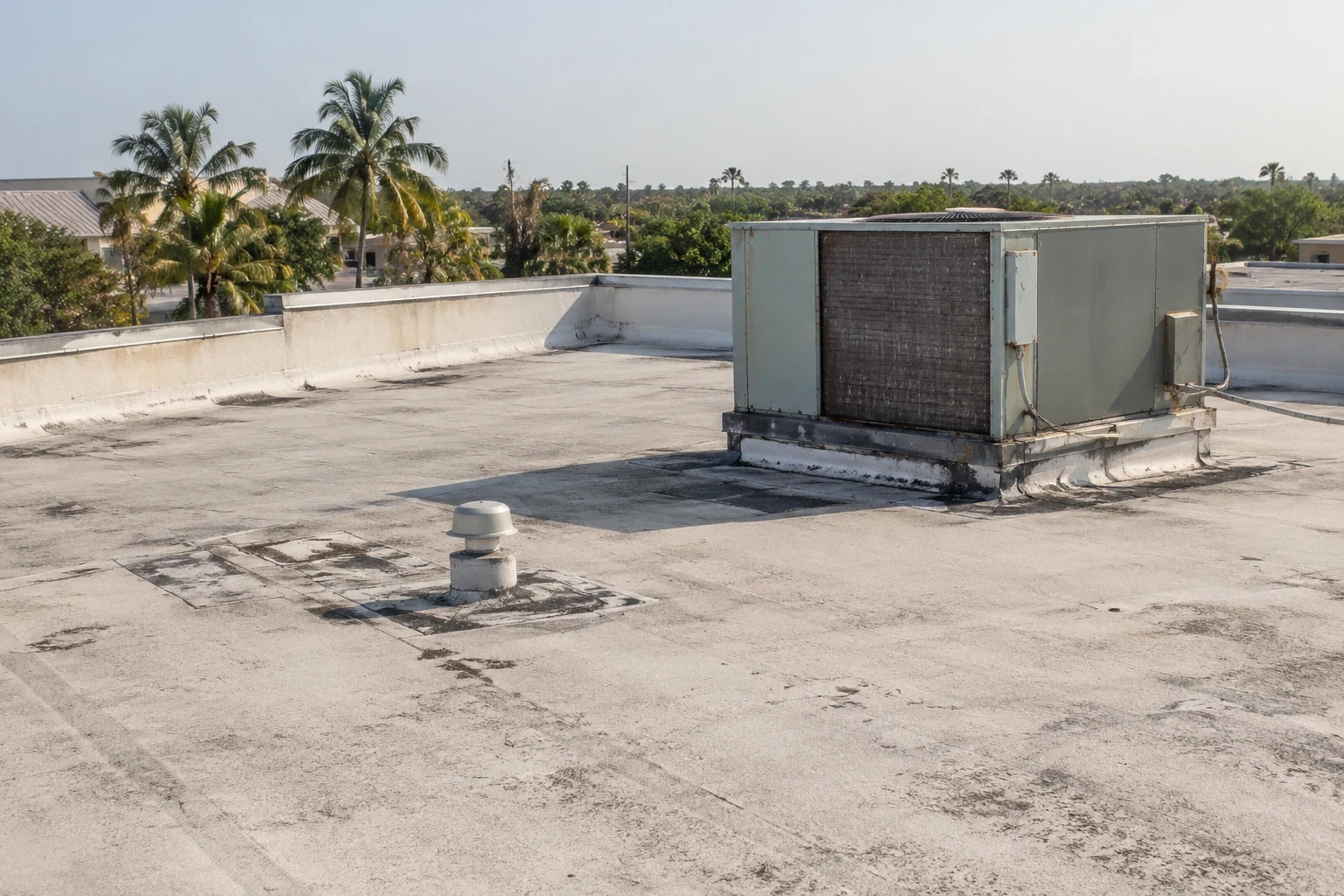
Roof size, deck condition, the number of layers coming off, insulation thickness, edge details, rooftop equipment that has to be lifted or disconnected, and crane and dumpster access all drive cost. So does the time of year. The drier months outside the May to October wet season give crews longer uninterrupted days, though work does go on through summer with tighter sectioning and a closer eye on the forecast.
Pompano Beach carries over 28 million square feet of industrial and warehouse buildings, distribution included, and large-footprint low-slope roofs dominate the inventory. In places like Powerline Industrial Park, where mapped buildings add up to about 3.09 million square feet, a staged plan lets a replacement go ahead without shutting down the whole building. If your roof is already leaking, waiting is the expensive choice, and a hurricane watch is a poor time to start.
Questions We Hear Often
How do I know it is time to replace instead of repair?
When wet insulation, repeated leaks in different spots, and standing water all show up together, repairs stop paying off. Core cuts and a moisture scan settle it. If the damage is local, we will tell you to repair.
How long does a replacement take?
It depends on size and deck condition. A small roof can finish in days, while a large warehouse is staged over weeks. We give you a sequence by section, not one vague end date.
Do my tenants have to leave?
No. We work in sections, protect entrances and docks, and dry in every area before the crew goes home. Noise and dust get planned around your hours.
Do you handle permits and product approvals?
Yes. Roofing in Broward needs a permit and Miami-Dade product approvals for the components. We pull the paperwork so the inspector sees the right documents at each stage.
Can you tear off during the wet season?
Yes, with smaller sections and tight forecasting. Dry-season scheduling is easier, but a leaking roof should not wait for November.