Built-Up Roofing (BUR) in Pompano Beach, FL
Standing water after a July storm is the test a built-up roof was invented to pass. The recipe is old and plain: a layer of hot asphalt, a layer of reinforcing felt, then asphalt and felt again until the roof is a laminated slab several plies deep. Water that gets through the top has to get through the next layer, and the next. Plenty of owners in Pompano Beach, FL still ask for it by its old name, tar and gravel, even though the materials have changed a good deal. It is heavy, slow and smelly to install, and in the right building it is still hard to beat. We install, repair and restore built-up roofs, and we tell owners plainly when a newer system would serve them better.
Plies and Asphalt: how the roof is put together
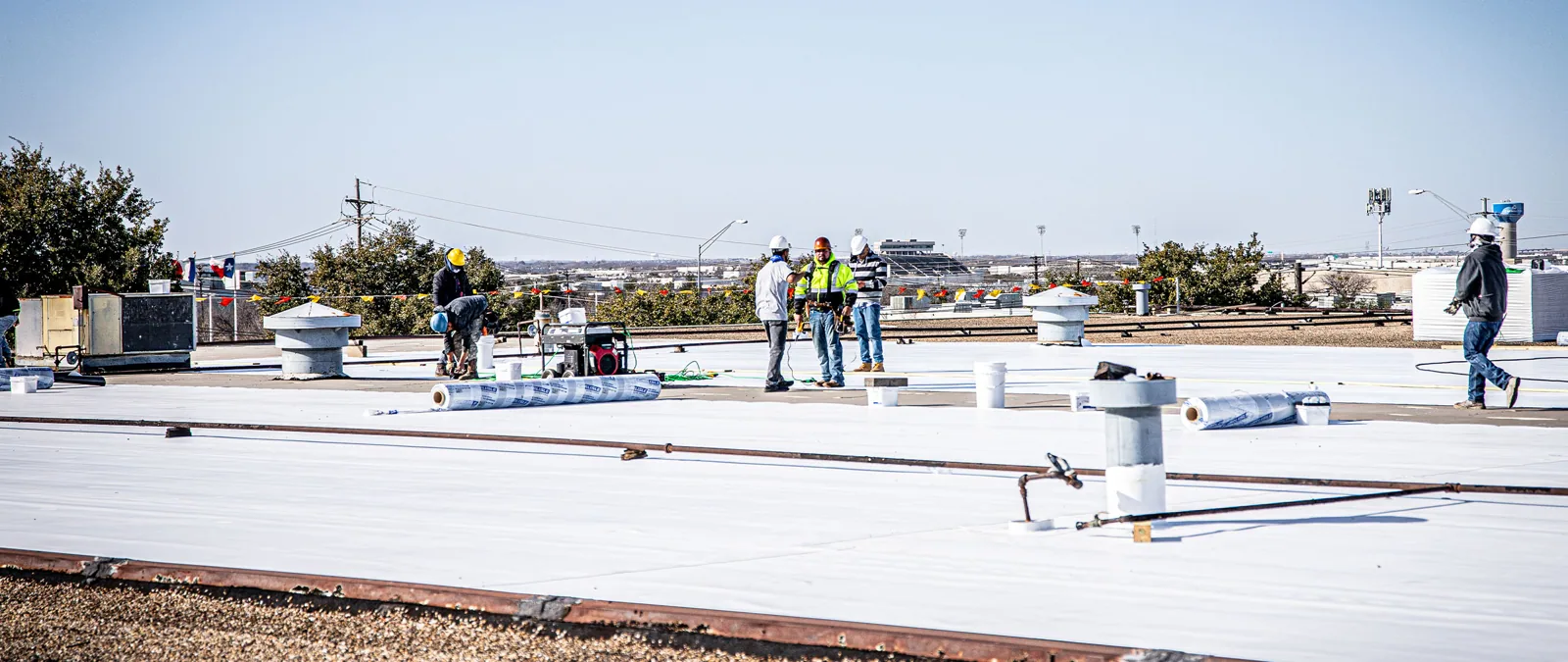
A built-up roof starts with insulation and cover board fastened to the deck. Over that go alternating layers of bitumen and reinforcing felt, typically three or four plies in total, each mopped hot so that it bonds to the one below. The asphalt is heated in a kettle on site, carried up in buckets or pumped through a line, and spread while it is fluid. Because the plies are laid in staggered rows, no seam sits on top of another seam, and the finished roof behaves as one continuous membrane with no welded laps to fail.
That construction gives the roof a certain self-healing quality. A small flaw in one ply is covered by the next. The tradeoff is that the roof is thick, heavy and dependent on a careful crew, since the asphalt has to be hot enough to bond and cool enough not to scorch the felts.
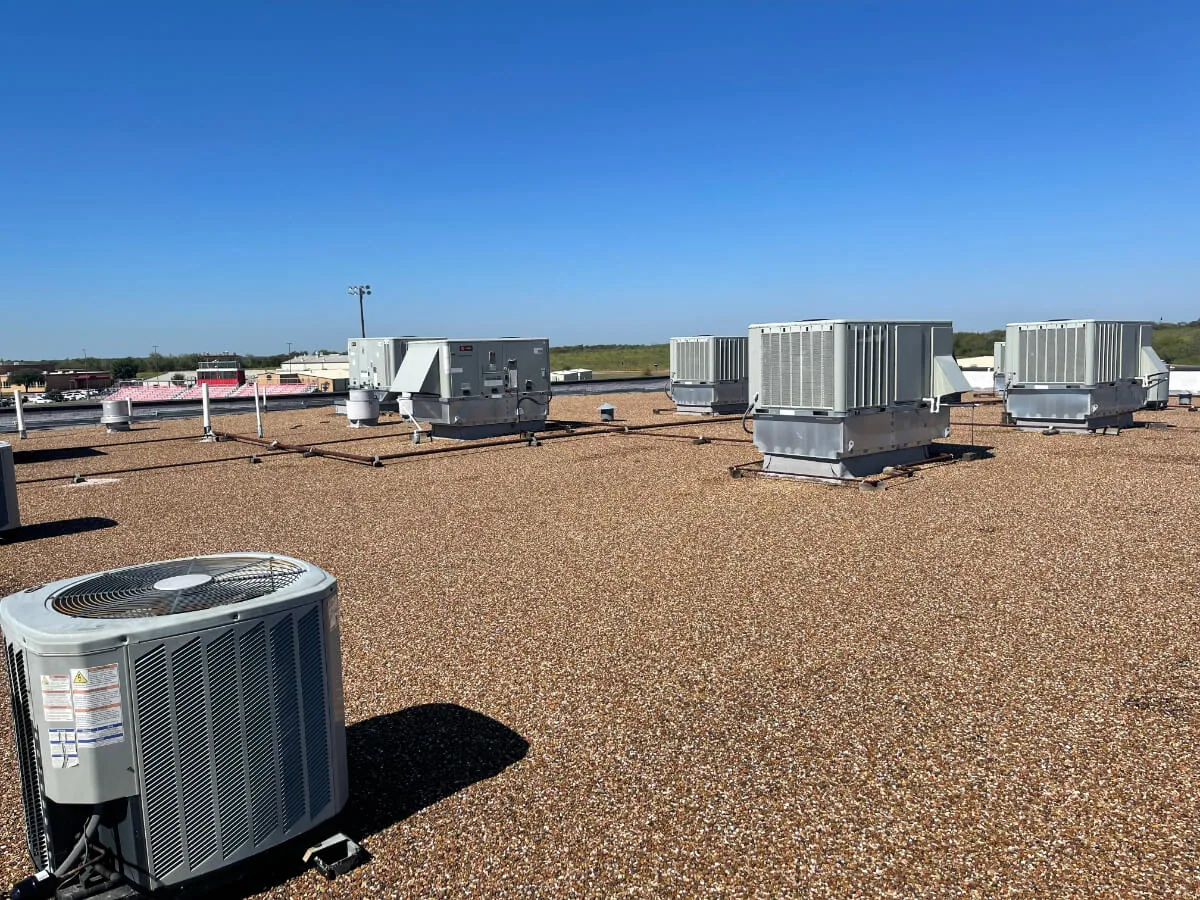
A built-up roof can hide a surprising amount beneath its surface. We review the number and condition of existing plies, look for blisters or alligatoring, and check the deck where water has ponded for long periods. Gravel surfacing can shield the bitumen from sun, but it can also hide small splits and migrate into drains. If a repair is needed, the aggregate must be cleared far enough to bond new plies to sound material, then restored so drainage and protection are even across the patch.
Gravel, Cap Sheet or Coating: the surface question
The top of a built-up roof is its sun shade. The classic finish is a flood coat of asphalt with gravel embedded in it, which protects the plies from UV, spreads out foot traffic and adds a layer of fire resistance. The problem in Broward is that loose gravel is a poor match for hurricane winds, and stones can scour the membrane or end up in a drain. Many owners today choose a granulated cap sheet or a smooth surface with a reflective coating instead.
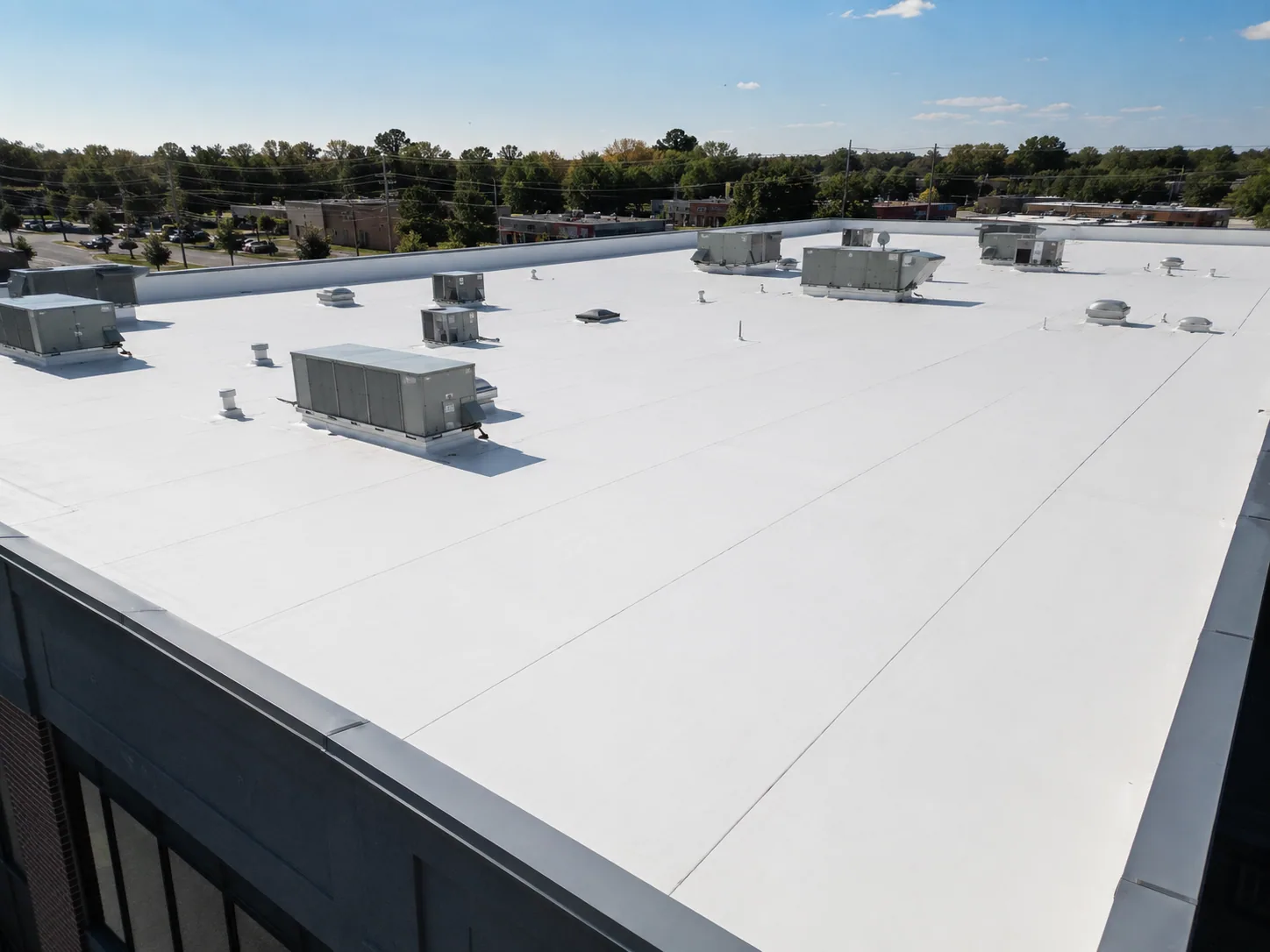
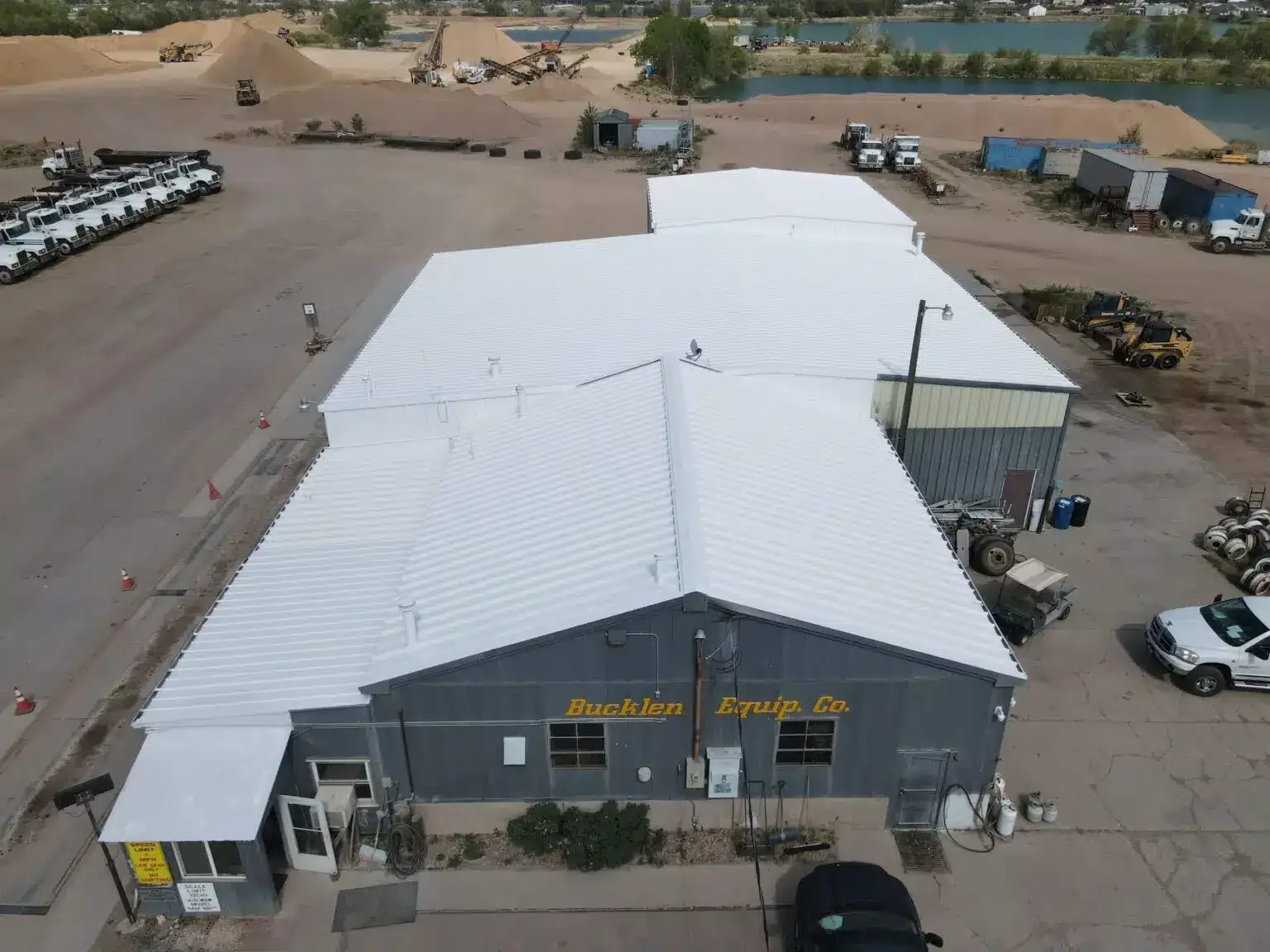
A cap sheet gives you a clean, flat surface that is easy to inspect. A coating adds reflectivity, which helps with the heat. Our silicone roof coatings are one option on a BUR that is sound but weathered, and the choice depends on the slope, the drains and how much water sits after a storm.
Hot Work and Weather: installing in a wet climate
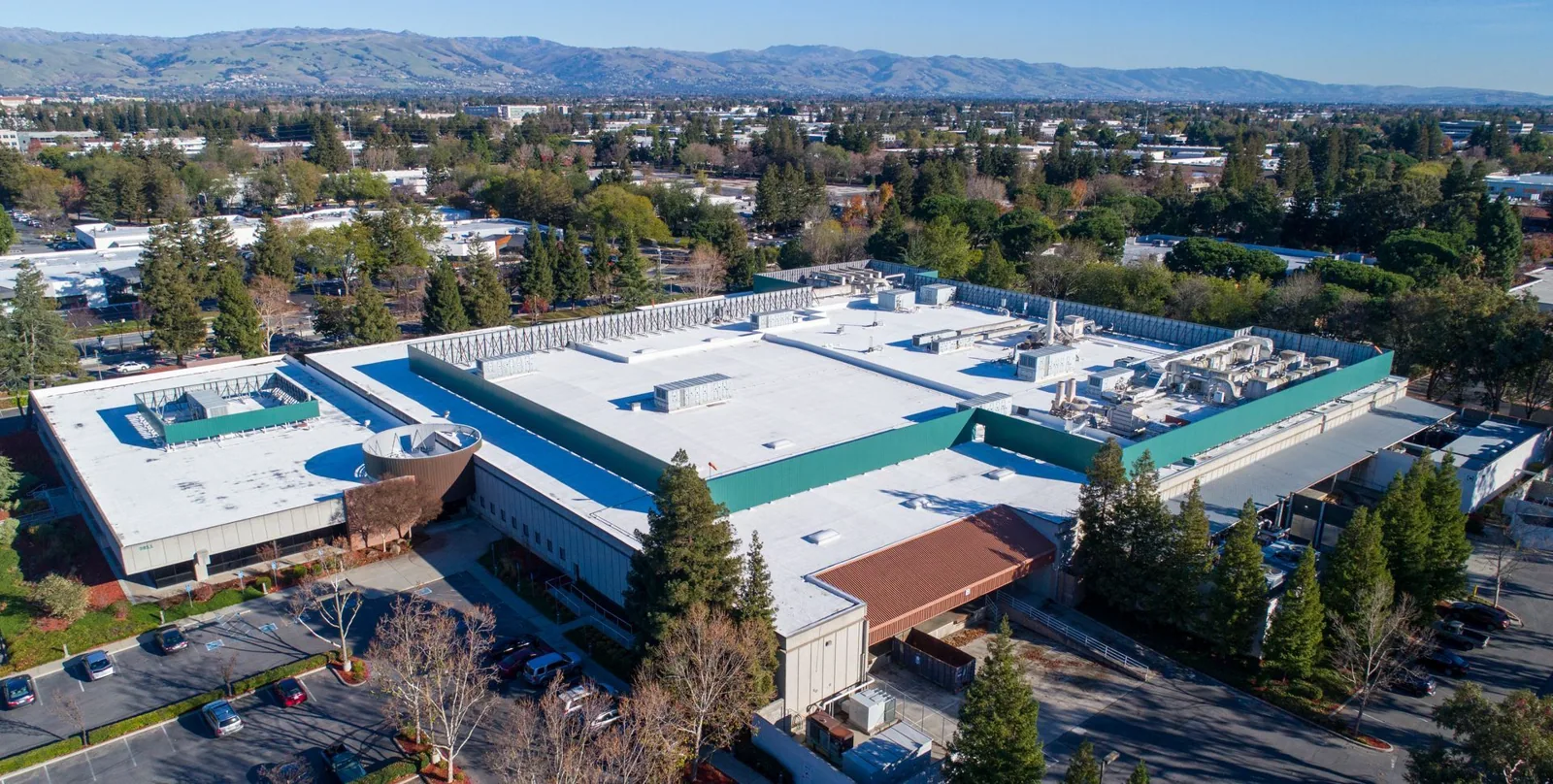
The wet season is hard on any roof installation, and a hot-mopped system is the least forgiving. Moisture trapped between plies becomes blisters later, and asphalt applied to a damp surface does not bond. From mid-May through early July, when the stormiest weather hits, we watch the sky and the radar and cut the day short before we leave a half-built roof exposed. Dry-in matters most here: each section gets a full ply set and sealed before the crew leaves.
Kettles also carry real hazards. Fumes drift toward air intakes, the heat is serious, and a fire watch is part of the day. On an occupied building we coordinate with tenants about when the kettle runs, which doors stay shut and where the intakes are. For a store, plant or office that has to stay open, we talk through the sequence before we load the first bucket. Our occupied building reroofing planning handles exactly those questions.
Wind, Edges and the Hurricane Zone
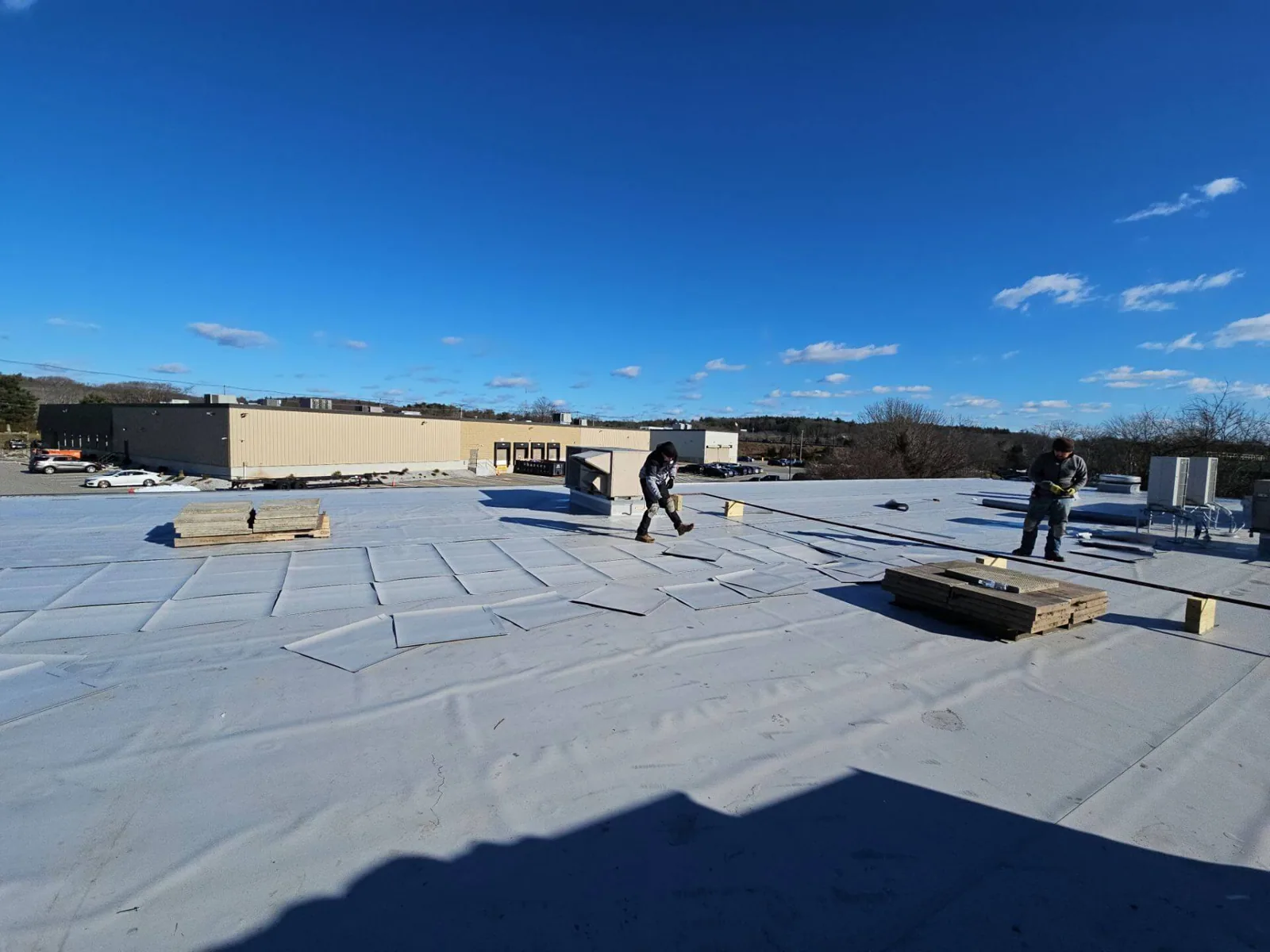
A built-up roof in Broward has to be a tested, approved assembly with a valid Miami-Dade Notice of Acceptance for every exterior component, because the county sits in the High Velocity Hurricane Zone. Permits applied for today fall under the 8th Edition of the Florida Building Code, with the 9th expected by the end of 2026. Roof damage turned up across the county after Hurricane Wilma, and the edge metal and the first few feet of roof field are where a built-up roof is most likely to start peeling. We set cant strips, flashings and metal with extra attachment and sealed terminations.
Parapets and edge details on retail roofs deserve regular checks. Along Federal Highway, commercial buildings with separate tenants and rooftop equipment need edge details that can handle their exposure. The coping and counterflashing on a shopping center roof that has weathered several seasons want a close look.
Older Built-Up Roofs: what we find and what we do
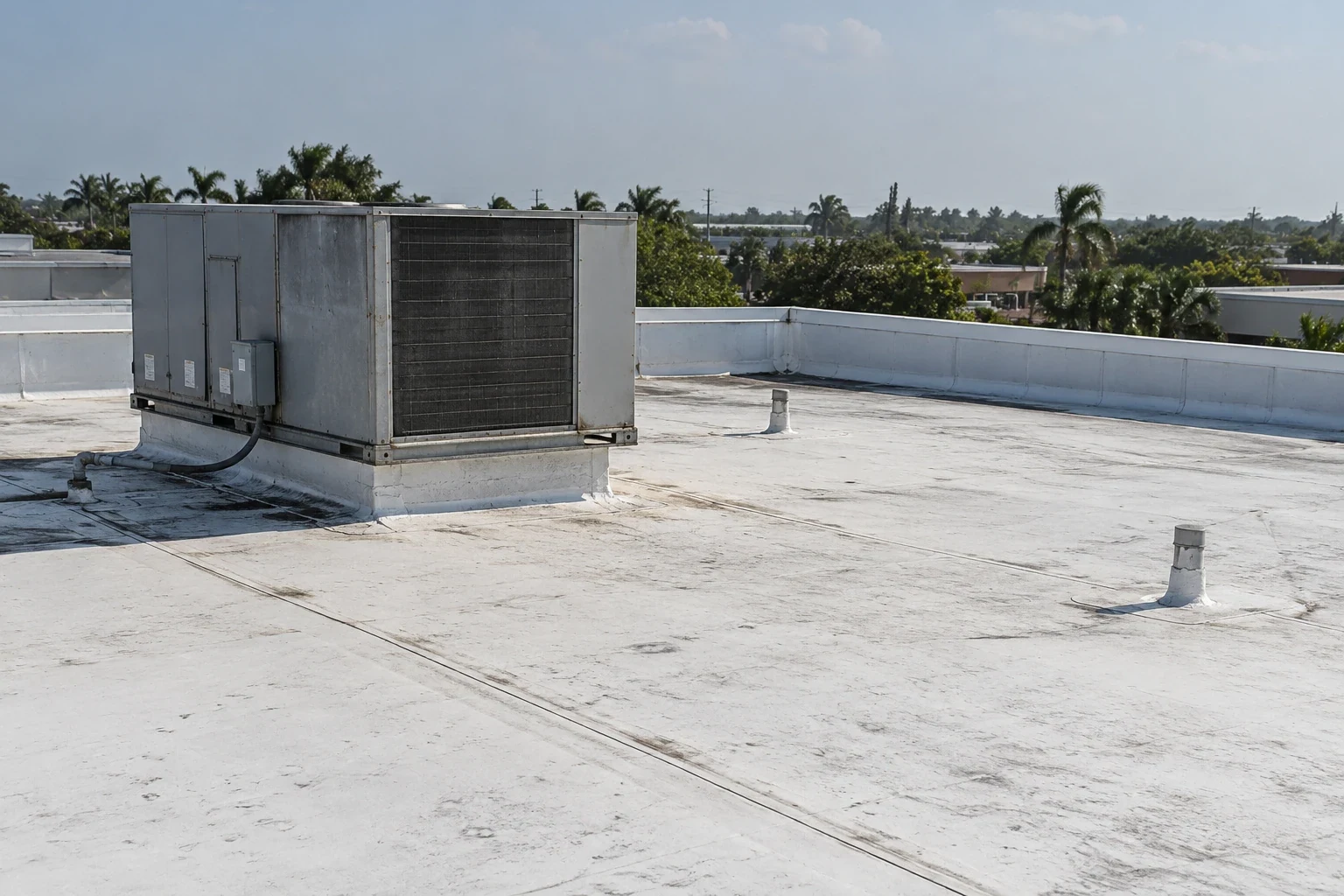
On an aging BUR, the usual findings are blisters, splits at the felts, bare spots where gravel has migrated, alligatoring on the surface and failing flashings where the roof meets walls and curbs. A blister is not always a leak, but it is a place where moisture and trapped air have found each other. Heat-driven damage shows up as cracking and surface wear, which our heat and UV roof damage repair addresses before it reaches the plies.
We cut and patch blisters, rebuild flashings, replace wet insulation and recoat sound roofs. If the layers have soaked up water, we say so. An infrared scan and a handful of cores will show how far the problem has spread, and that tells us whether a restoration is worth the money or a tear-off is the right answer.
Replace With What: BUR, mod-bit or single-ply
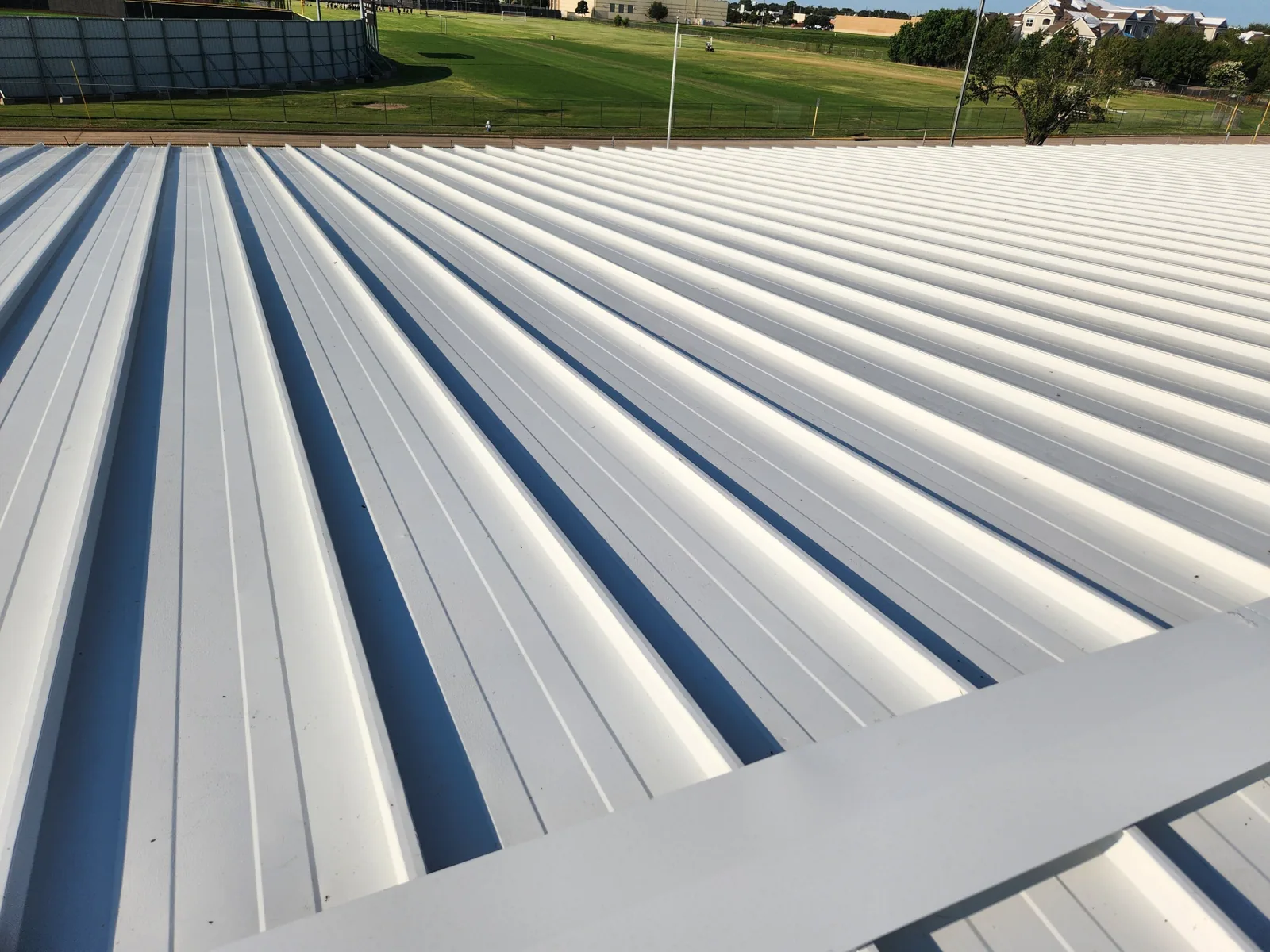
An owner in Gateway Lakes or any other industrial park who is weighing a re-roof can go back to built-up or move on to something else. Modified bitumen offers a similar layered build with factory-made rolls and faster installation. A white TPO sheet is lighter and cooler, and it goes down quickly. Built-up still makes sense where weight is acceptable, foot traffic is heavy and the owner wants a proven, redundant system. Manufacturers like Johns Manville publish BUR specifications, and we install to the one that fits the building.
Questions We Hear Often
Is tar and gravel still used on commercial roofs?
Built-up roofing still is, though gravel is less common in hurricane country. Most owners now choose a cap sheet or a reflective coating over the top plies.
Why do built-up roofs blister?
Trapped moisture or air between plies expands in the heat and lifts the layer above. A blister is a warning, not always a leak, but a split blister lets water in.
What does the smell and smoke mean for my tenants?
Hot asphalt gives off fumes while the kettle runs. We keep it away from air intakes, schedule it with your tenants and can switch to cold-applied adhesives where the building cannot tolerate hot work.
Can I coat a built-up roof instead of replacing it?
If the plies are dry and sound, yes. A coating can protect and reflect heat for years. A wet roof has to be repaired first, since coating over moisture only traps it.
How heavy is a built-up roof?
Heavier than a single-ply, mainly from the asphalt, felts and any gravel. Before we add layers or change surfacing, we confirm that the structure can carry it.