Shopping Center and Strip Retail Roofing in Pompano Beach, FL
One roof, many tenants, and an owner who is rarely on site when the afternoon storm arrives: that is a shopping center in Pompano Beach, FL, and the wet season finds the weak spot in all of it. A cloudburst that sends customers running for the covered walkway also sends water across a roof that was built to shed it in one direction. When it does not, the first to know is the tenant under the damaged spot, and the second is the property manager getting a phone call.
We repair, recover, coat and replace roofs on strip centers, open-air plazas and neighborhood retail along Federal Highway, Atlantic Boulevard and the other commercial routes through town. The work has to fit around store hours, parking, deliveries and a lease structure that decides who pays for what. Getting the roof right means knowing the building as well as the weather.
One Roof, Many Doors: how a shared roof gets managed
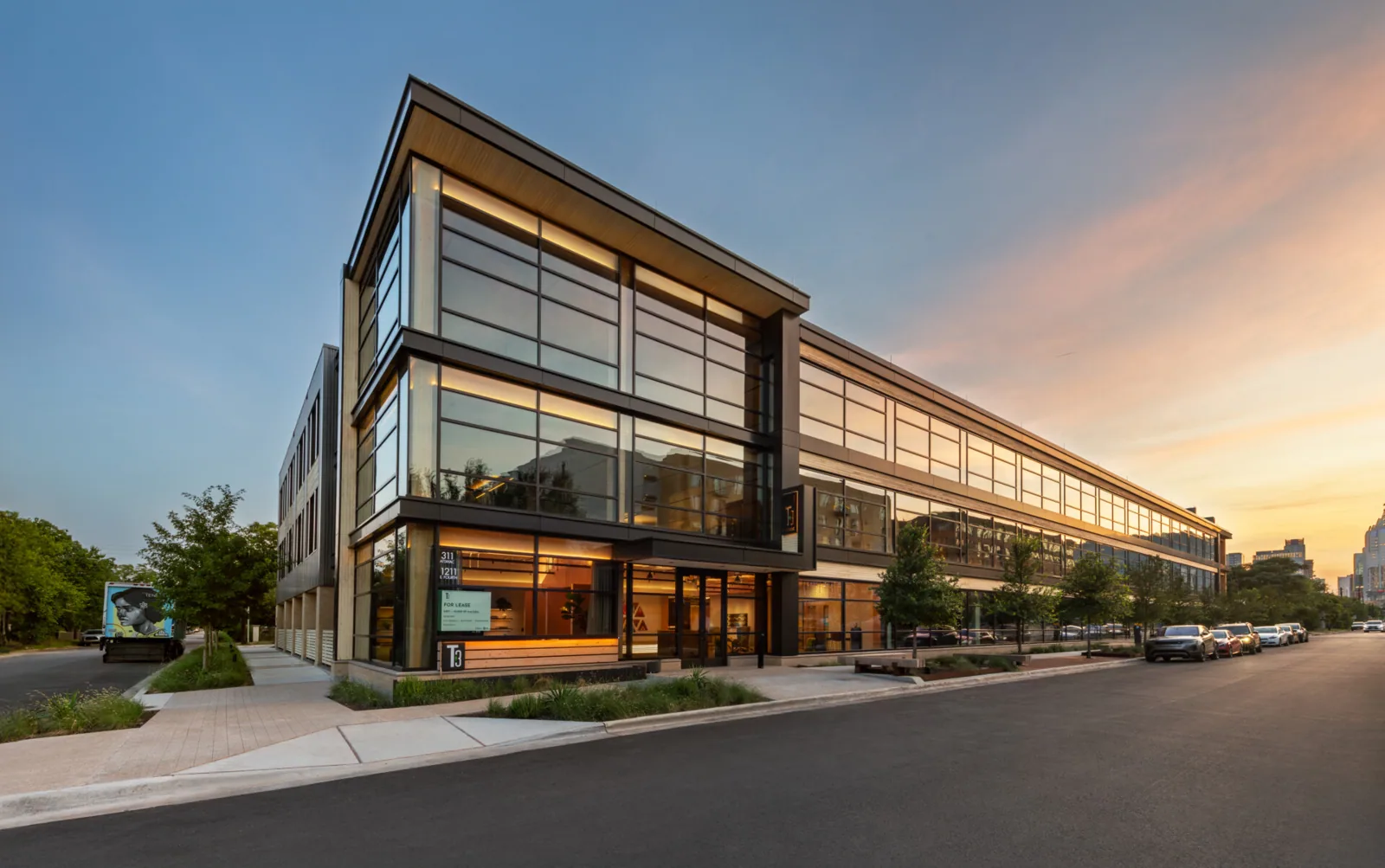
A long strip of shops sits under a roof that was usually built as one piece. A leak over one suite can travel along the deck and insulation and show up two or three doors away, so the tenant who calls is often not the one under the opening. That makes record keeping matter. A roof plan with numbered sections, photos and a log of every repair tells a property manager which bay was patched, when, and with what.
The lease usually settles who pays when water damages a tenant's stock or finishes, and that is a matter for the landlord and the tenant, not the roofer. What we can do is document the cause clearly. A written finding with photos of the failed seam or flashing, a moisture reading and a repair scope gives both sides something solid to work from, which tends to keep a leak from turning into a dispute that lasts longer than the repair.
Re-Tenanting: new units, new curbs, new penetrations
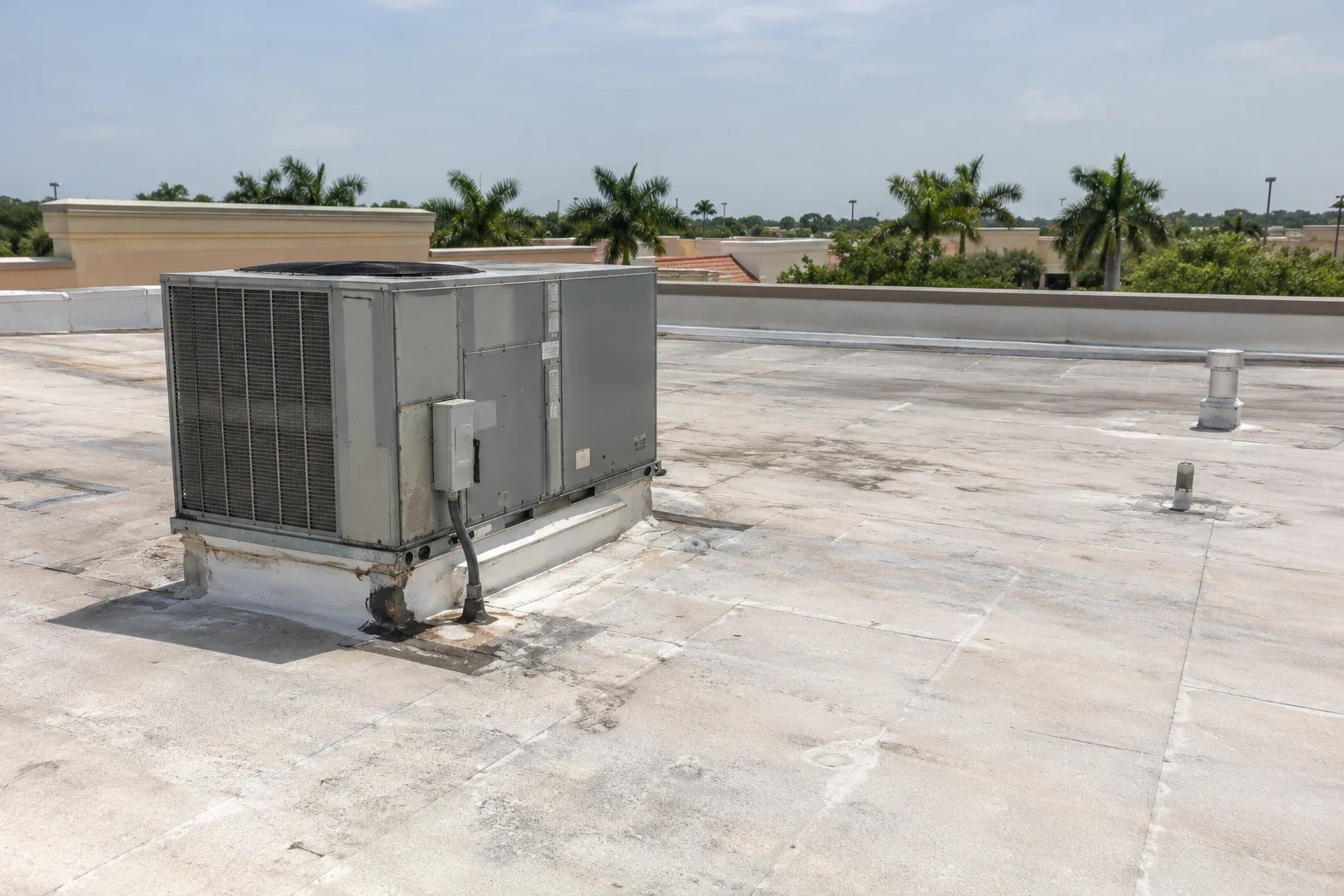
Retail spaces change hands, and each new tenant brings its own cooling needs. At Pompano Beach's Pompano Citi Centre, the former Sears space was set to be divided among Burlington, TJ Maxx and Five Below, and when a big space is split that way new rooftop units, exhaust fans and vent pipes usually follow. Every one of those penetrations is a hole in the membrane, and every one has to be flashed correctly or the roof pays for it later.
The mechanical contractor who sets the unit is not always a roofer, and a curb installed in a hurry often becomes next summer's leak. We recommend a simple rule for any center: no unit goes up without a roofer on the job to flash the curb and a walk afterward to confirm it. The tie-downs on curbs and equipment supports matter too, once Broward hurricane gusts start pushing against anything bolted to the roof.
Edges and Canopies: the long perimeter customers see
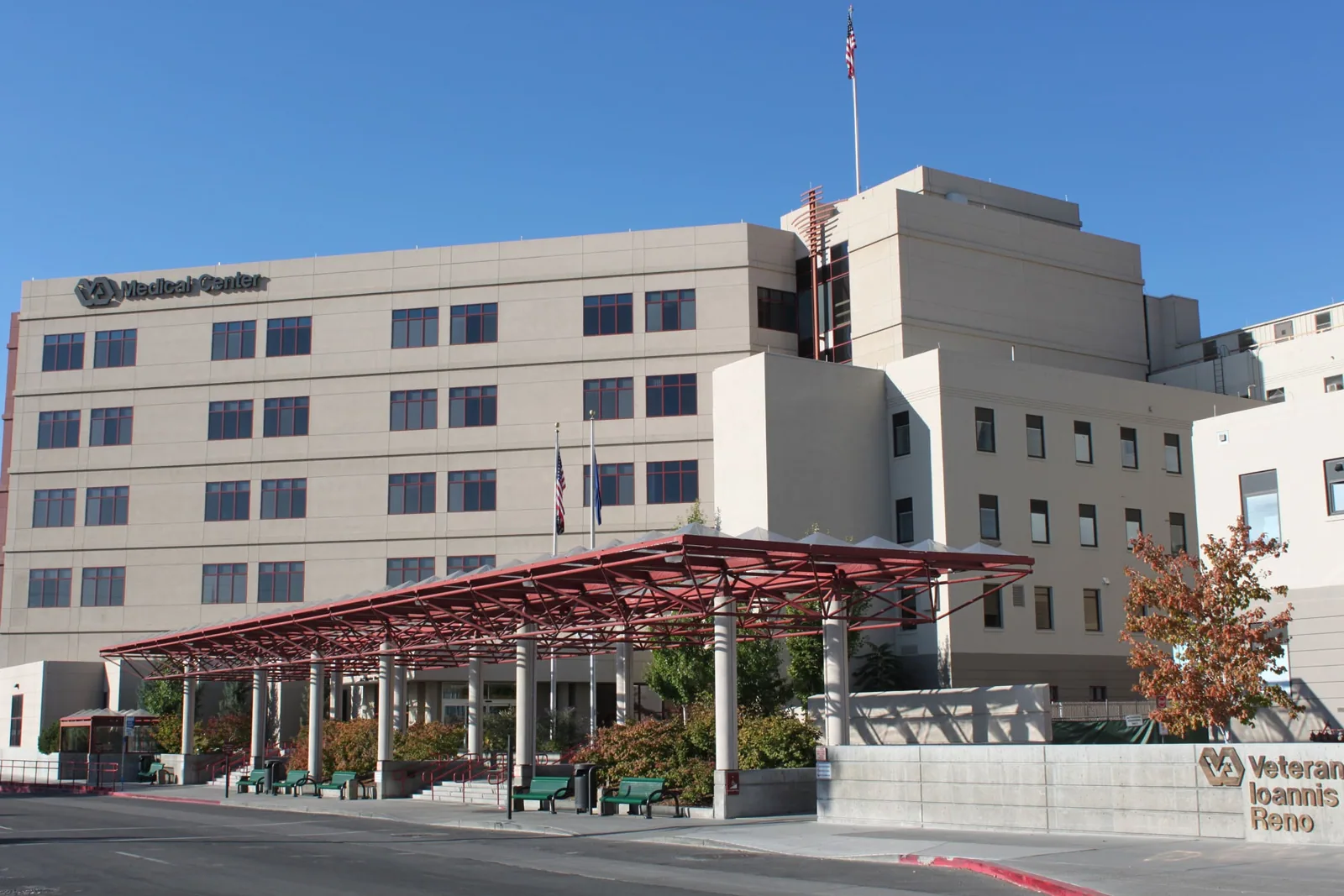
Retail roofs carry a lot of edge for their size. A strip center has a long front fascia, a parapet or coping along the back, canopies over the walkway, and signage tied into the structure. Wind attacks all of those first. Irma crossed Broward in 2017 with gusts of 80 to 100 mph and three tornadoes in the county, and a loose cap or lifted fascia is the kind of small failure that wind like that grows into a bigger repair.
Edge metal here has to belong to a tested assembly, since Risk Category II buildings in Broward's hurricane zone are designed for 170 mph wind, and a repair that only patches a cap with sealant leaves the next gust a way in. We rebuild the perimeter to match the approved system, tie the cap to a proper cleat, and inspect canopy and walkway roofs at the same visit, because those lower roofs shed water onto the main roof and wear faster than anyone expects.
Open-Air Layouts: walkways, drains and the water between buildings
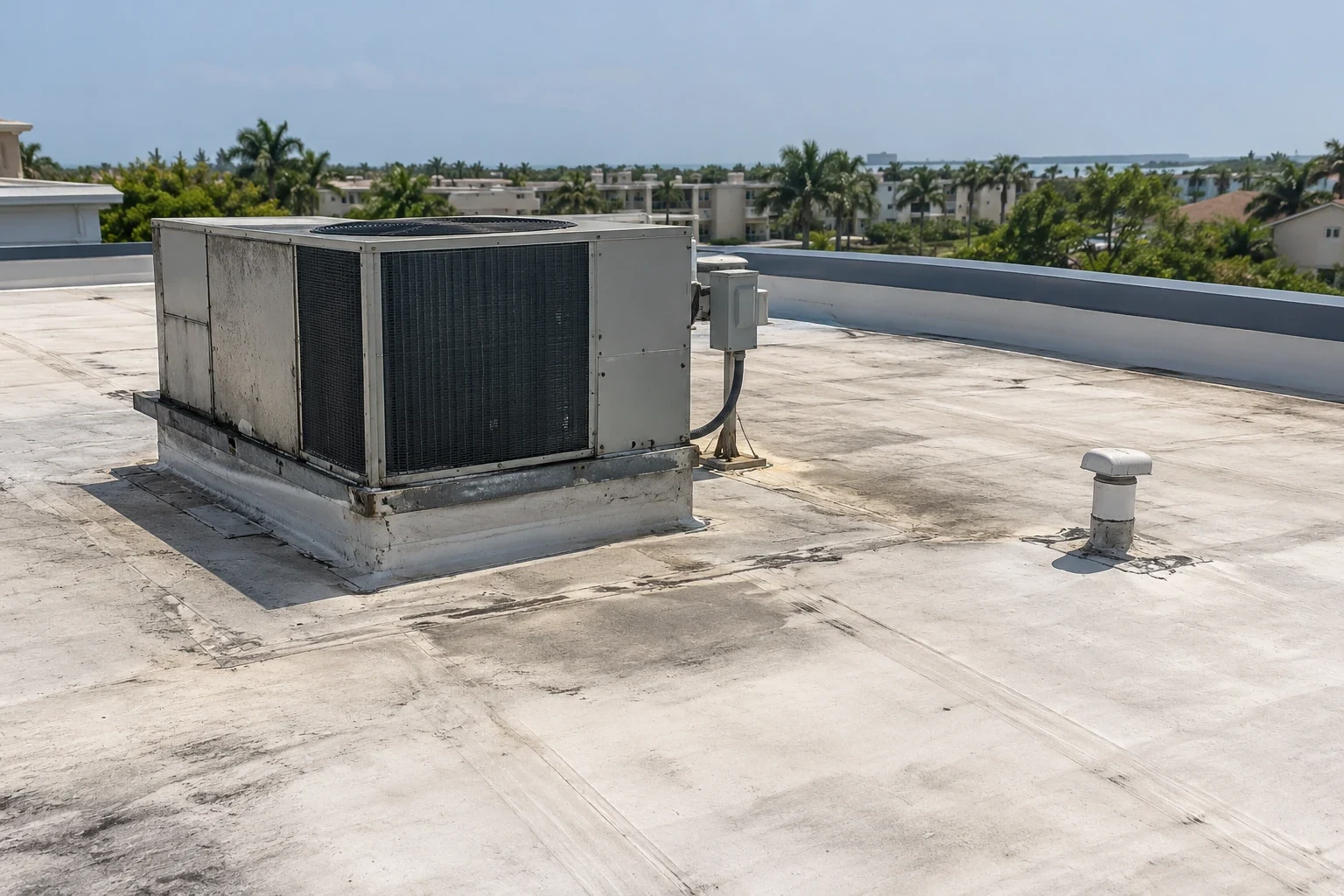
Open-air centers, like Pompano Citi Centre on North Federal Highway or the 23-acre Promenade in Coconut Creek, spread their roof area across many acres. Every building needs its own drains, and every walkway canopy needs a path for water to leave. Debris from landscaping, wind-blown litter and leaves collect at scuppers and downspouts, and a clogged one on a roof that sits against a wall can fill the area behind the parapet within minutes.
Restaurants in an open-air center, like those at the Promenade, add grease to the mix. A kitchen exhaust fan can coat the roof around it, and not every membrane tolerates that, so we pay attention to which tenants sit under which roof. That is why restaurant roofing needs its own look, and why a center with a row of eateries gets a different maintenance schedule than a row of offices.
Customers First: early starts, clean lots and quiet hours
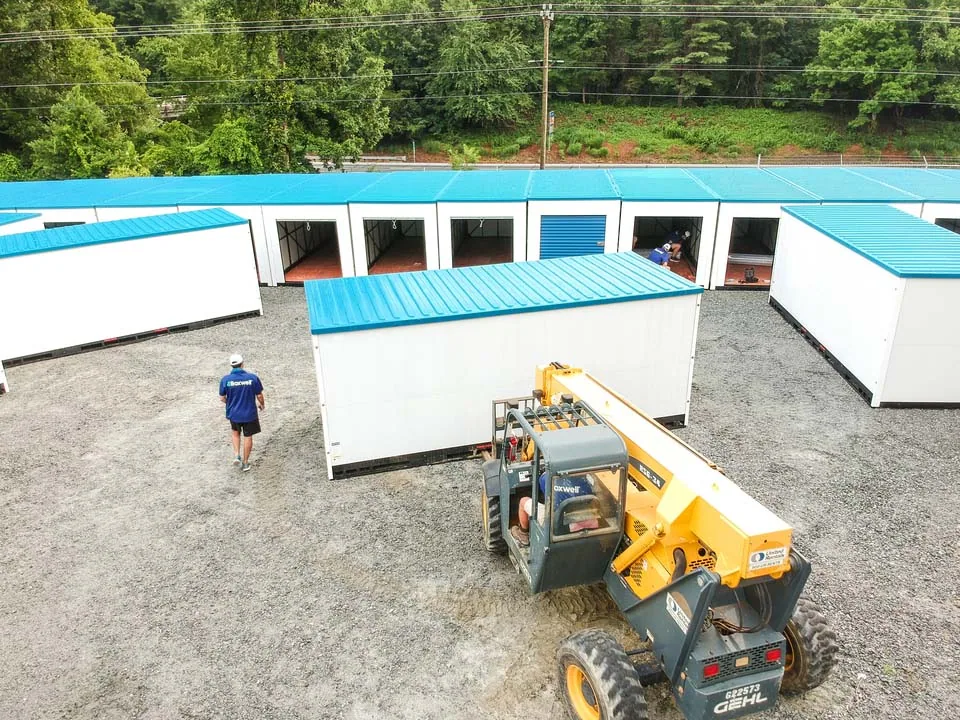
Nobody wants a pickup truck full of tear-off debris parked in front of a store on a Saturday. We schedule noisy and messy steps for early morning, set up crane or hoist locations away from main entrances and fire lanes, and run a magnet over the pavement before we leave each night.
Season matters as much as hours. Holiday retail months leave little room for disruption, and storms in the wet season close the window from the other side. The usual answer is a phased plan that covers one section at a time, dries it in the same day, and moves on once the radar clears. For a center with many small tenants, a coating system over a sound roof avoids tear-off entirely, which keeps the noise and the trucks out of the customer's way.
Redeveloped Centers: Citi Centre, the Swap Shop site and what lies beneath
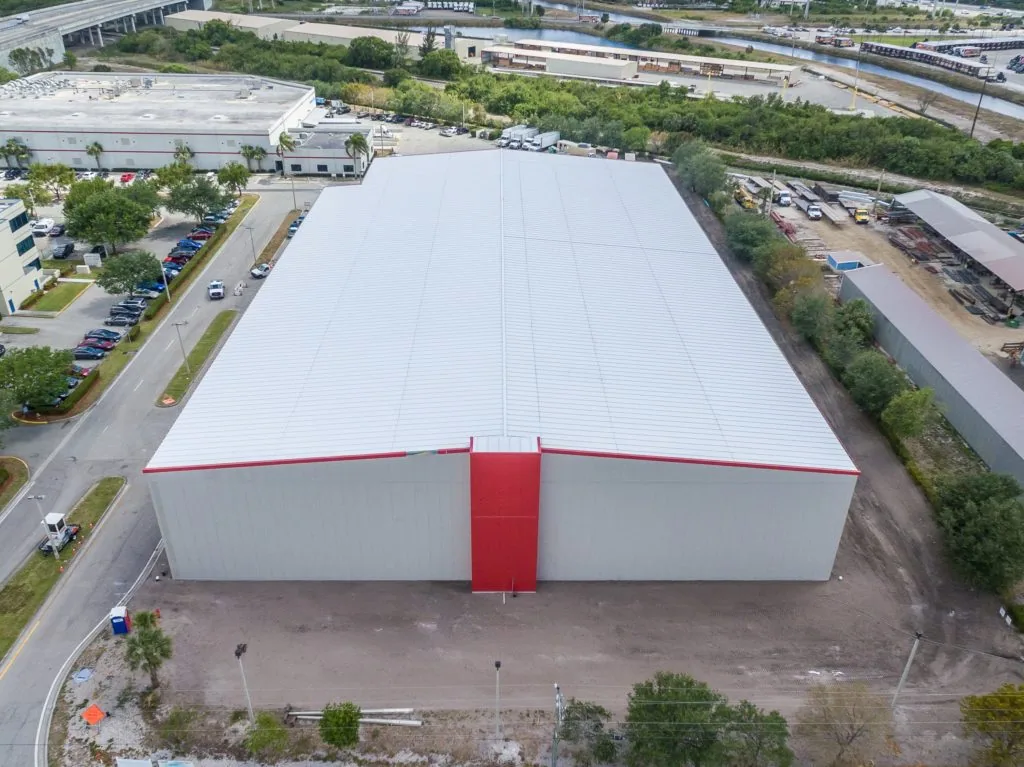
Pompano Citi Centre opened in 1970 and was redeveloped in 2006, while the Margate Community Redevelopment Agency has assembled 36 acres near US 441 and State Road 7 that include the former Swap Shop property and adjacent commercial plazas. Redevelopment tends to mean a roof that combines pieces from more than one era, and we do not guess what is under the top layer. A few test cuts and a moisture scan show what is really there before a scope gets written.
Festival Flea Market Mall adds a large vendor-booth building to the mix, and the city's big grocery and general-merchandise employers add to the retail roof area as well. The largest tenants sometimes carry their own roof specifications, and a landlord who coordinates with them early, perhaps with big-box roofing in mind, avoids mismatched repairs. Chain tenants often bring their own standards too, and we work with retail and restaurant chains to meet them within Broward permit rules.
Questions We Hear Often
Who pays when a roof leak damages a tenant's inventory?
The lease answers that first, and it varies from center to center. What we provide is a written cause and a repair scope, with photos and moisture readings, so the owner and tenant are working from the same facts.
Can a big-box tenant's roof be repaired separately from the in-line shops?
Often it should be. A large tenant may own its roof, carry a different system or have their own maintenance standard. We map where one roof ends and another begins before any work, so repairs do not overlap or leave gaps.
How do you keep storefronts open during a roof replacement?
Work moves in sections, with sidewalks covered and signed and deliveries routed to the back. Loud steps start early, and each section is dried in by evening so no tenant is left under an open roof overnight.
Is a coating a good choice for a strip center roof?
It can be, when the insulation tests dry and the membrane is sound but weathered. A coating cuts disruption for tenants, adds reflectivity and can extend a roof's life. A wet roof needs repair or replacement first.
What should a landlord do right after a tenant adds rooftop equipment?
Have a roofer walk the new curb within the week. Flashing is easiest to fix before the first storm tests it, and a short photo record protects the landlord if a leak shows up later.