Commercial Roofing in Coconut Creek, FL
Roughly 1,400 businesses operate inside the 12 square miles of Coconut Creek, and every one of them works under a sky that brings near-daily storms through the summer wet season. The city's top employer is Seminole Casino Coconut Creek, on NW 40th Street, with about 2,000 workers. The Coconut Creek Promenade adds 23 acres of open-air shops and restaurants, and Broward College North Campus puts 998 people on its payroll. Each of those buildings needs a roof that behaves the same way on a quiet Sunday as it does in a squall line.
Coconut Creek, FL owners call us to patch, coat, recover or replace low-slope and metal roofs, and a storm call is answered by a crew at any hour, holidays included. The city seceded from Pompano Beach in the 1960s, and the two still share the same weather and the same High Velocity Hurricane Zone rules. A spring commercial roof inspection is the best way to learn where each roof stands before the stormy weeks begin.
Over the Gaming Floor: roof work above a busy casino
Seminole Casino Coconut Creek employs about 2,000 people, which makes it the largest employer in the city. A workforce that size points to a building full of people and equipment. A leak over a gaming floor is not a minor repair. It is a wet ceiling over a machine, a closed section and a conversation with management.
Roof work above a building like that is planned with the facilities team down to the hour. Crews stay in sections, noisy work is held to times when the floor is quietest, and every section is dried in before the crew leaves it. Rooftop equipment such as air handlers and exhaust fans draws most of the attention, since each curb is a place where water can enter. A casino here sits in the same High Velocity Hurricane Zone as the South Dixie Highway Corridor property in Pompano Beach, so every exterior roofing component needs the same Miami-Dade approval.
For an owner who wants a plan before the next season, preventive roof maintenance visits twice a year keep drains clear, seal small penetrations and give a written record of condition that supports budgeting.
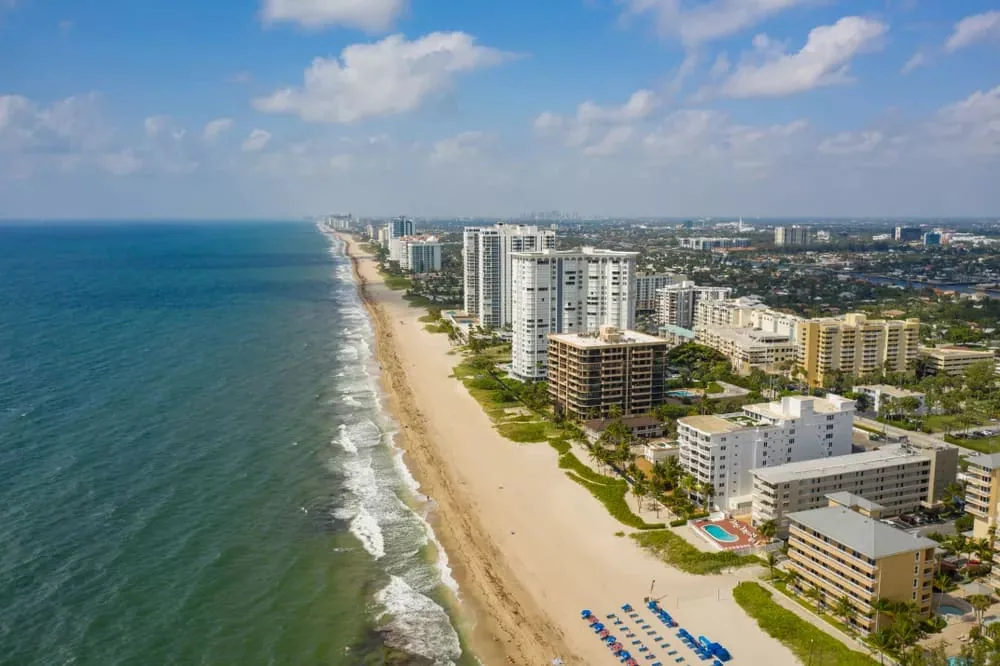
Promenade Roofs: shops, restaurants and the MainStreet plan
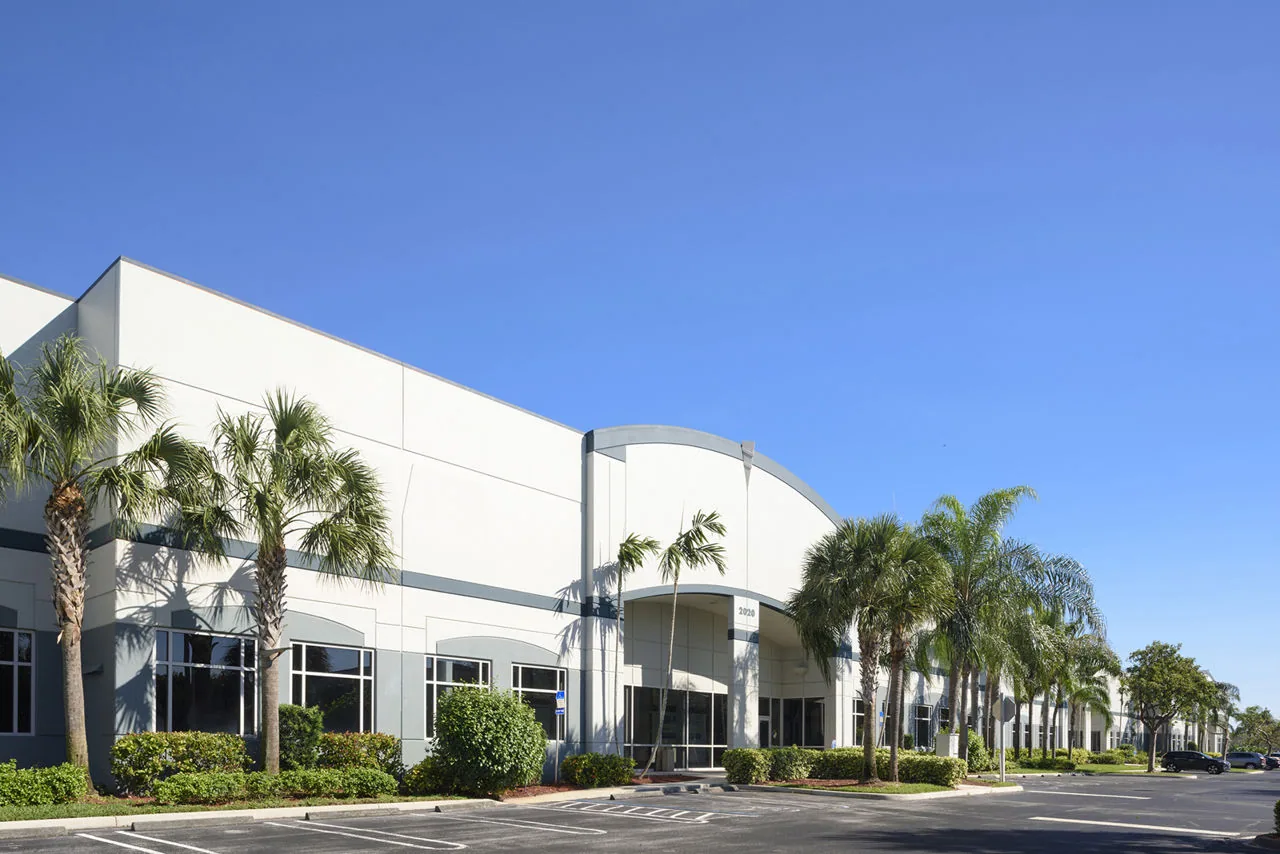
Shops and restaurants spread across 23 open-air acres make up the Coconut Creek Promenade, one piece of the MainStreet project, which is planned to cover more than 250 acres. An open-air center usually spreads its roof area across separate buildings, each with its own canopies, parapets and rooftop equipment. Wherever an HVAC unit or an exhaust fan serves a tenant, it is a penetration that needs a sound curb and a patient sealant.
Restaurants raise a particular issue wherever they operate. Kitchen exhaust leaves grease on the roof surface, and grease attacks some membranes and softens sealants. A good roof plan keeps the grease path clean, uses compatible materials and adds a protective pad where service staff walk. A restaurant roof also gets scheduled around lunch and dinner, with deliveries and loud work held to quieter hours.
In any center that grows in phases, owners end up with roofs of different ages. We write the condition of each roof into a single report, so the shopping center manager can see which units are healthy, which need attention and which can wait. That single report is the backbone of any shopping center roofing plan.
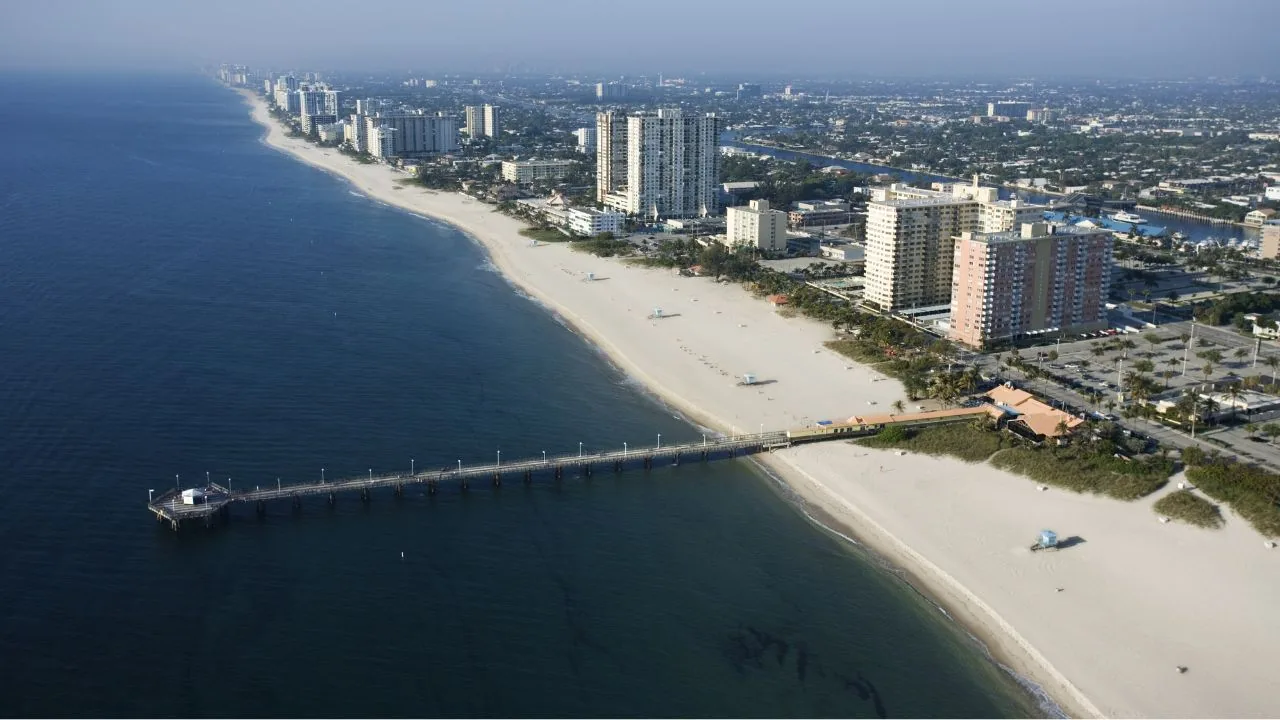
North Campus: a college roof calendar
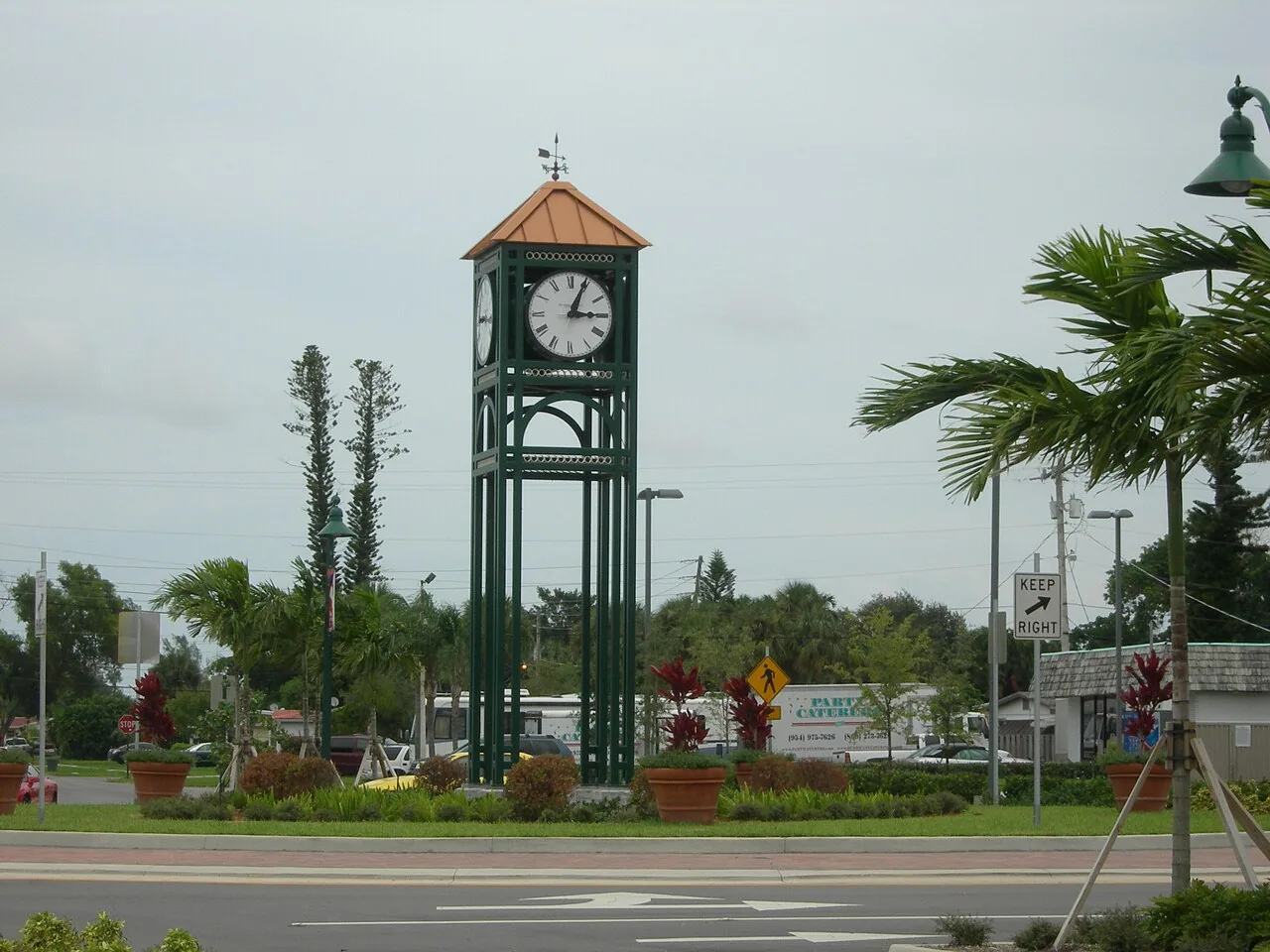
The North Campus of Broward College is a major workplace in Coconut Creek, with 998 employees. A campus roof lives on an academic calendar: classrooms are busy in fall and spring, quieter in the summer, and the summer is also when the wet season delivers its worst weather. That squeeze makes timing the biggest question for a campus owner. The best windows are the shoulder weeks between terms, and the ideal plan puts the highest-risk roofs first, long before a storm forces the issue.
Roof work near students needs fencing, marked walking routes and quiet hours near classrooms and labs. Material deliveries are scheduled away from drop-off times, and lifts are placed where they do not block entrances. College and university roofing starts with a survey of every roof, a written ranking and a multi-year schedule that matches the budget.
Institutional bid reviews call for a clear scope, so we write ours with measured quantities, named systems and the approvals each product carries. That makes the comparison straightforward for the people reading the bids.
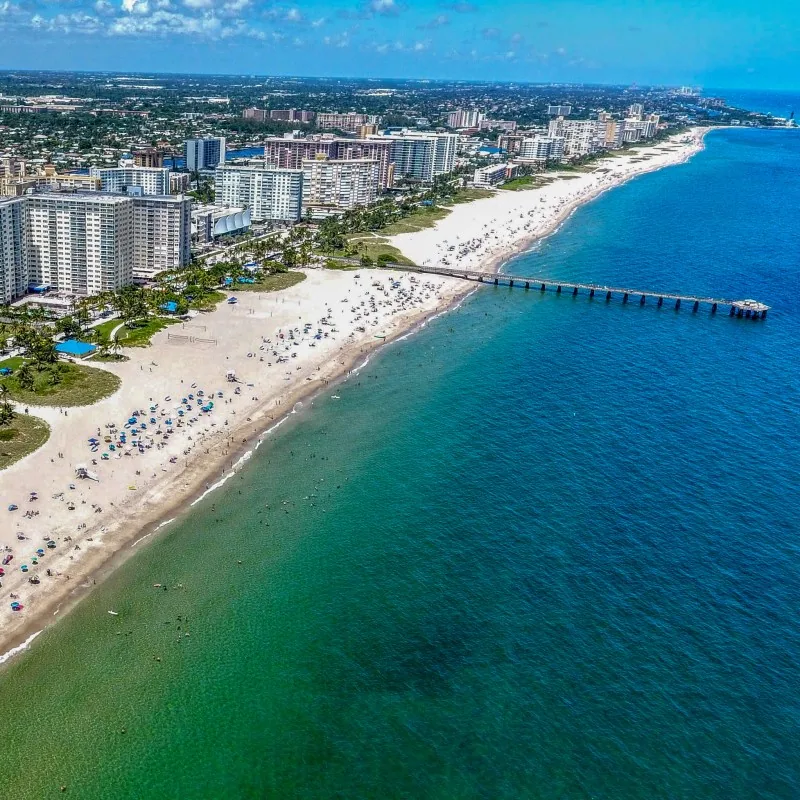
Coconut Creek Parkway and Powerline Road: the industrial neighbors
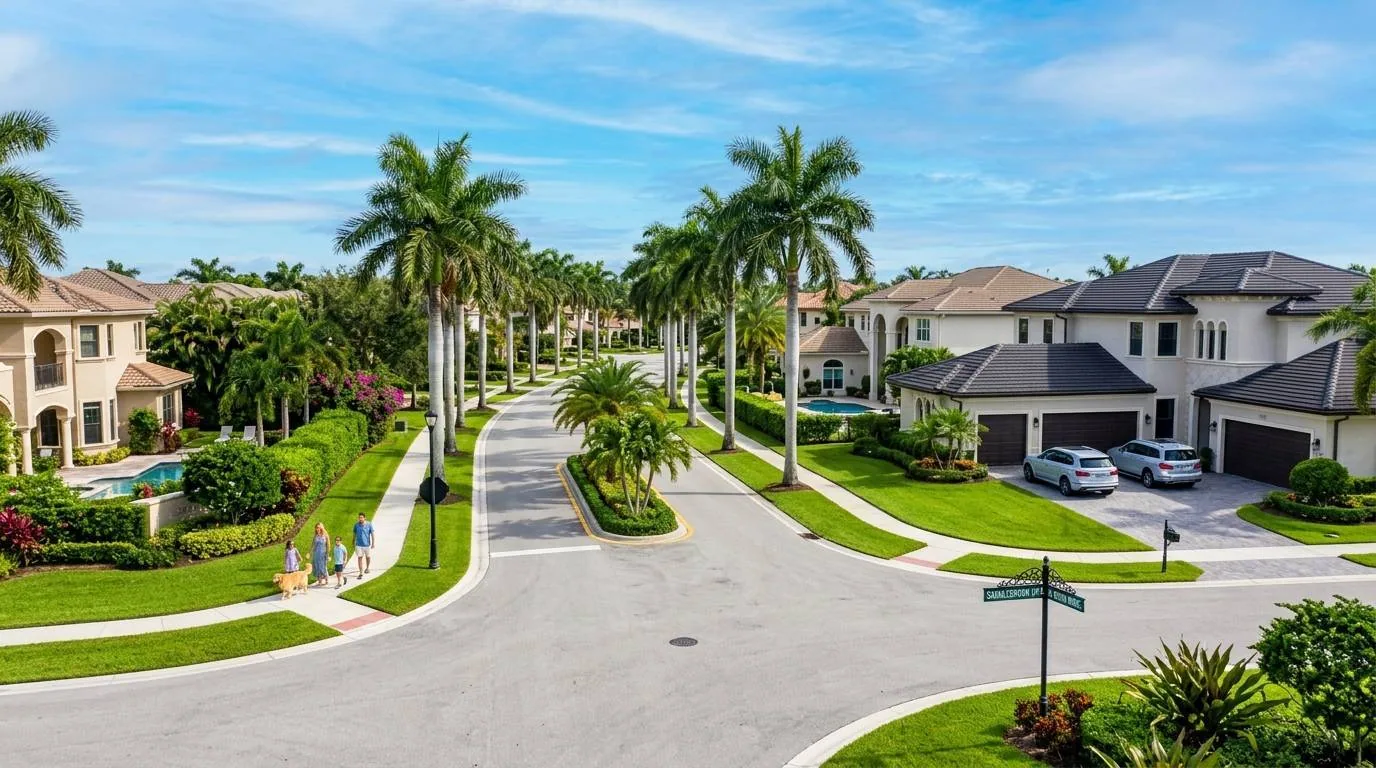
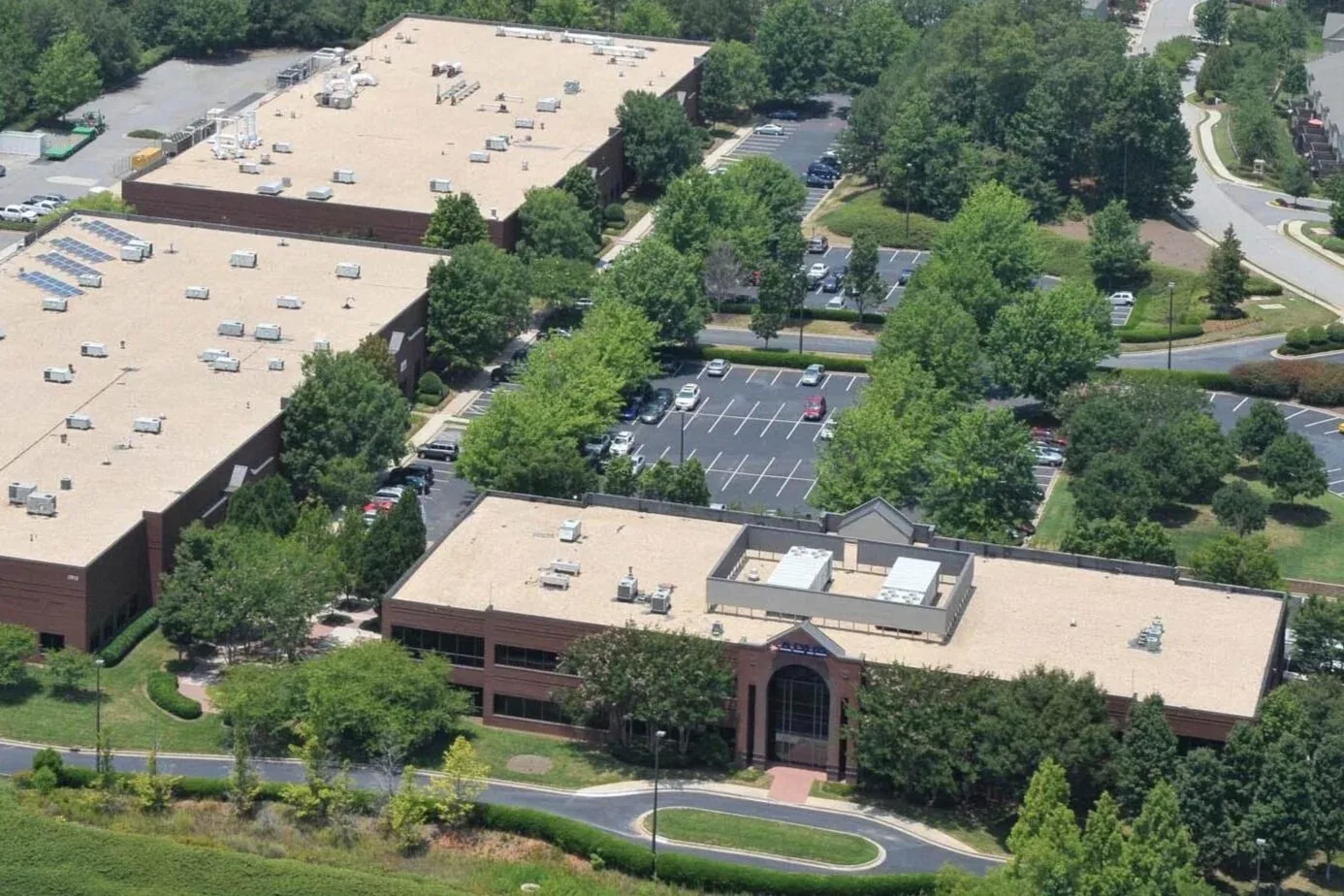
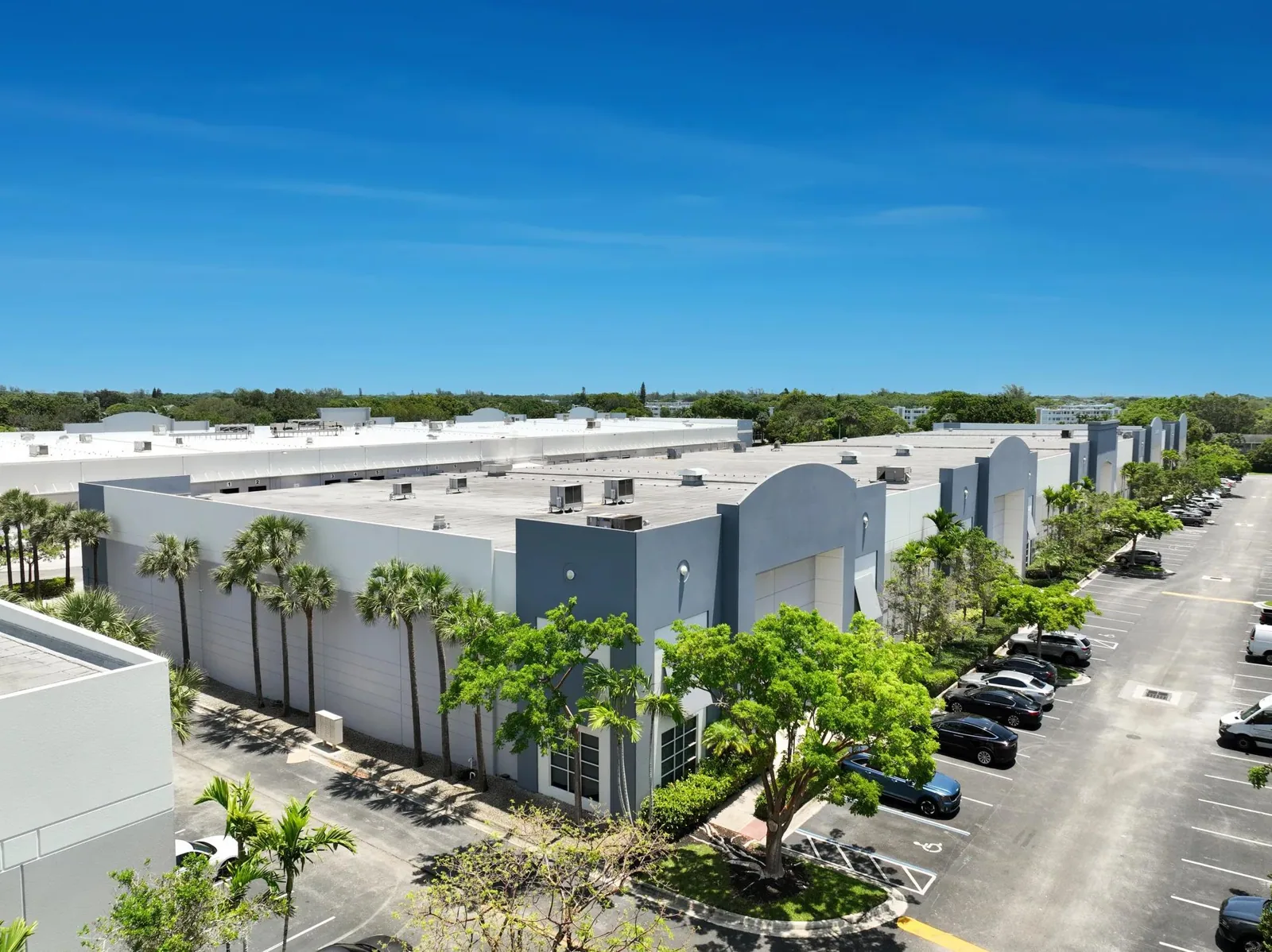
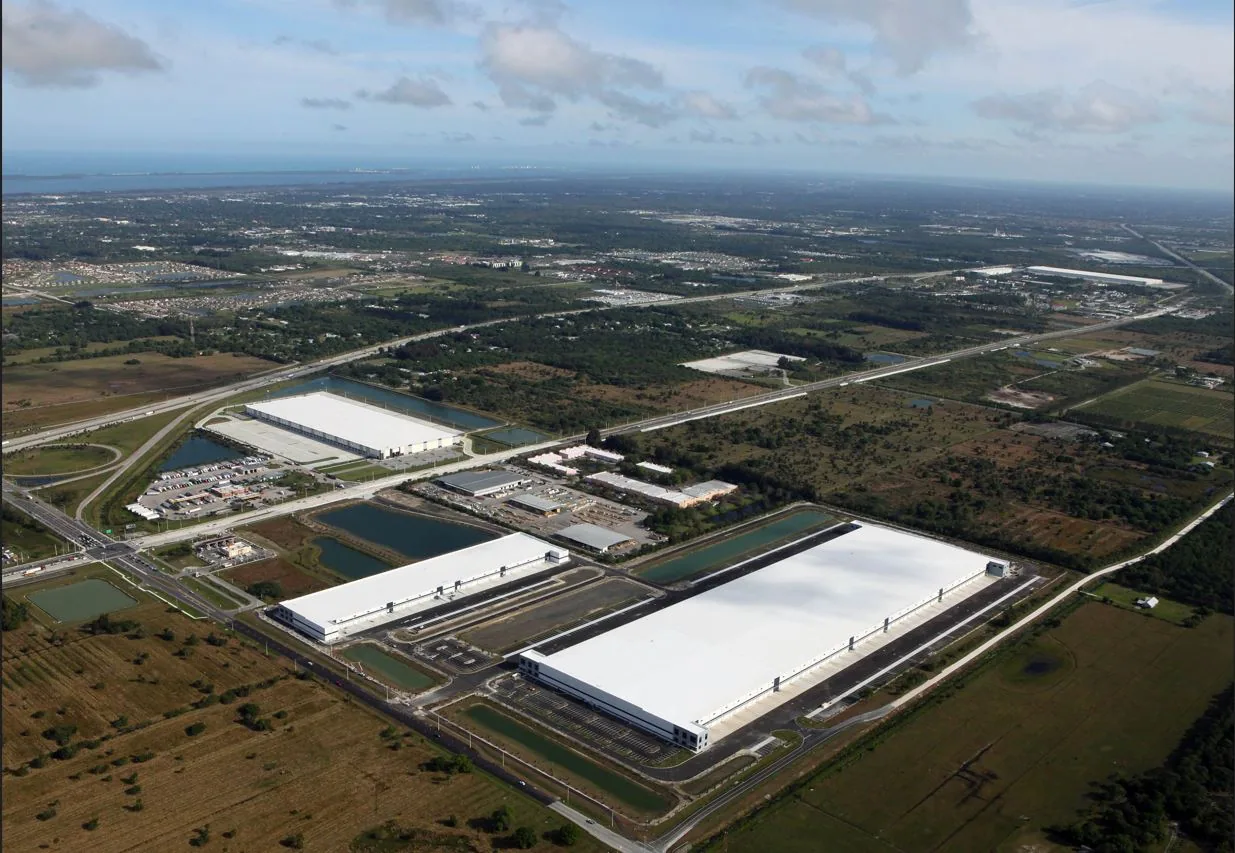
Coconut Creek Parkway is one of the east-west arterials on Pompano Beach's industrial map, and Powerline Road is one of the north-south routes through its industrial areas. The western end of Pompano Beach, along the parkway, holds the Powerline Industrial Park, whose warehouses are part of a roofing market dominated by large low-slope buildings. Coconut Creek's own businesses share the same wind, the same rain and the same product approvals.
An owner in the city, with a small warehouse, a service building or a strip of shops, has the same roof questions as a bigger neighbor, only with a smaller budget. Where a roof is dry underneath but worn on top, a coating can extend its life by years. Where the insulation has taken on water, an infrared moisture survey shows how far the damage spreads, so the repair covers only what needs it.
For an owner of several buildings spread across Broward, a single multi-site roof program turns scattered calls into a plan.
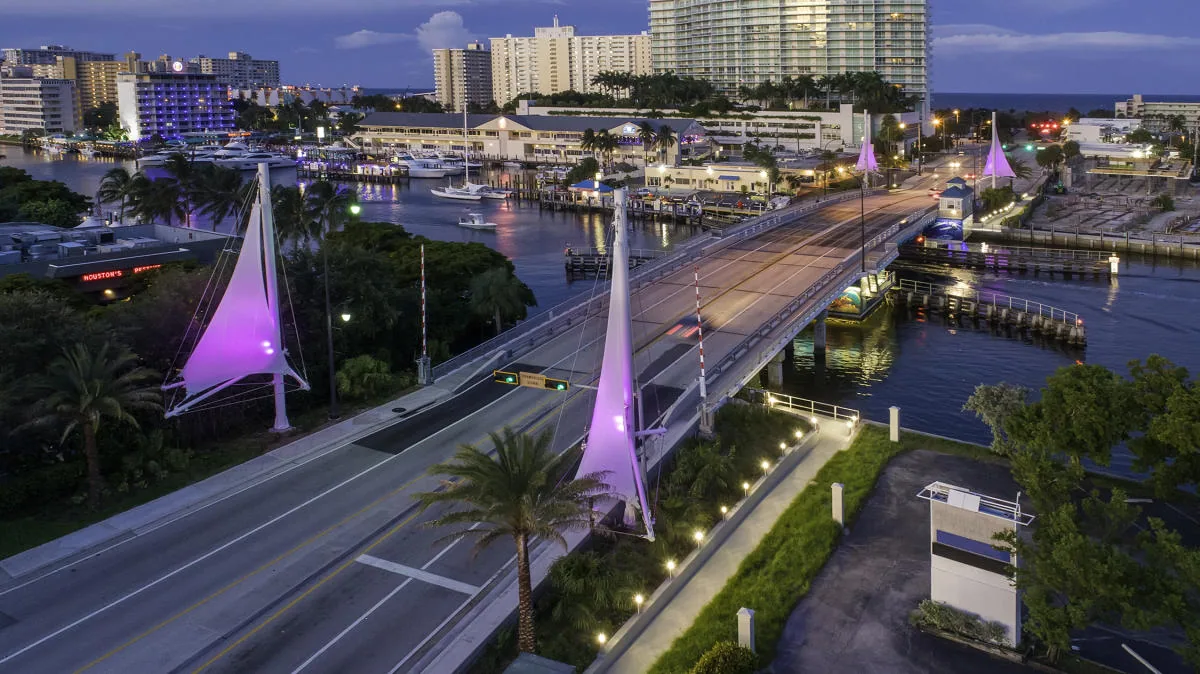
Wet Season and Wind: the weather every roof here faces
Between May 15 and October 15 South Florida collects 60 to 70 percent of its yearly rain. Mid-May through early July is the roughest part, when damaging thunderstorm winds, lightning, hail and flooding are most likely, and a rainy season averages 8 to 10 significant flood events. Dewpoints sit in the 70s and nights stay warm, so a membrane bakes in the day and cools under the evening downpour.
Hurricanes bring wind on top of that. Wilma's eye covered most of Broward in October 2005, and Irma delivered three tornadoes along with gusts of 80 to 100 mph in 2017. Ahead of each season we check coping, edge metal, curbs and drains, and after a storm passes we walk the roof again and compare. Roof permits pulled this year are reviewed under the 8th Edition code, and the 9th is expected by the end of 2026.
Questions We Hear Often
How do you plan roof work over a building that runs all night?
We work in sections with the facilities team, hold noisy tasks to the quietest hours and dry in each area before the crew leaves it.
Does kitchen exhaust really damage a roof?
It can. Grease softens some membranes and sealants, so we keep the exhaust area clean and use compatible materials and protective pads.
When is the best time to re-roof a college building?
Between terms and in the drier months. Summer is open on the calendar, but the wet season makes dry mornings scarce, so planning ahead matters.
Can a coating fix a leaking roof?
Only if the leak comes from seams, fasteners or small defects and the insulation is dry. Wet insulation needs to come out first.
What happens if a storm opens the roof overnight?
Call us. We keep a crew available around the clock and can tarp or seal the area once lightning has passed and the surface is safe.