Preventive Roof Maintenance in Pompano Beach, FL
Walk the same roof in early May and again in late October, and the wet season is written all over it. Drains packed with grit, a dark ring where water sat for a week, sealant gone chalky around the pipes, a few fasteners backing out of the edge metal. None of it looks dramatic on its own. That visit records loose fasteners, open seams and slow drains before the next storm gives them another test.
A maintenance program is how we keep small things small. We visit on a schedule, clear and correct what we find, record the condition of the roof, and hand you a plain list of what is coming due. For a building in Pompano Beach, FL, the schedule gives the owner and tenants a record of what was repaired and what remains to watch.
The Seasonal Rhythm: when the visits happen
The calendar here is lopsided. The wet season runs May 15 to October 15 and delivers 60 to 70 percent of the year's rain, with the stormiest weeks landing between mid-May and early July. So the visit that matters most happens before the middle of May: drains cleared, seams and flashings walked, loose edge metal re-fastened, and sealant renewed wherever the sun has cooked it. A second visit in the thick of the season catches whatever the first storms exposed, and a third after October closes things out before the dry months, when sun and heat do their slow work on exposed sealant and coatings.
Hurricane season sits across all of it and adds a short list of its own. Before a named storm shows up on the map, we want loose items off the roof, access panels latched and drains running free, because water that cannot leave quickly goes looking for the weakest seam in the building.
What a Visit Includes: the work done on the spot
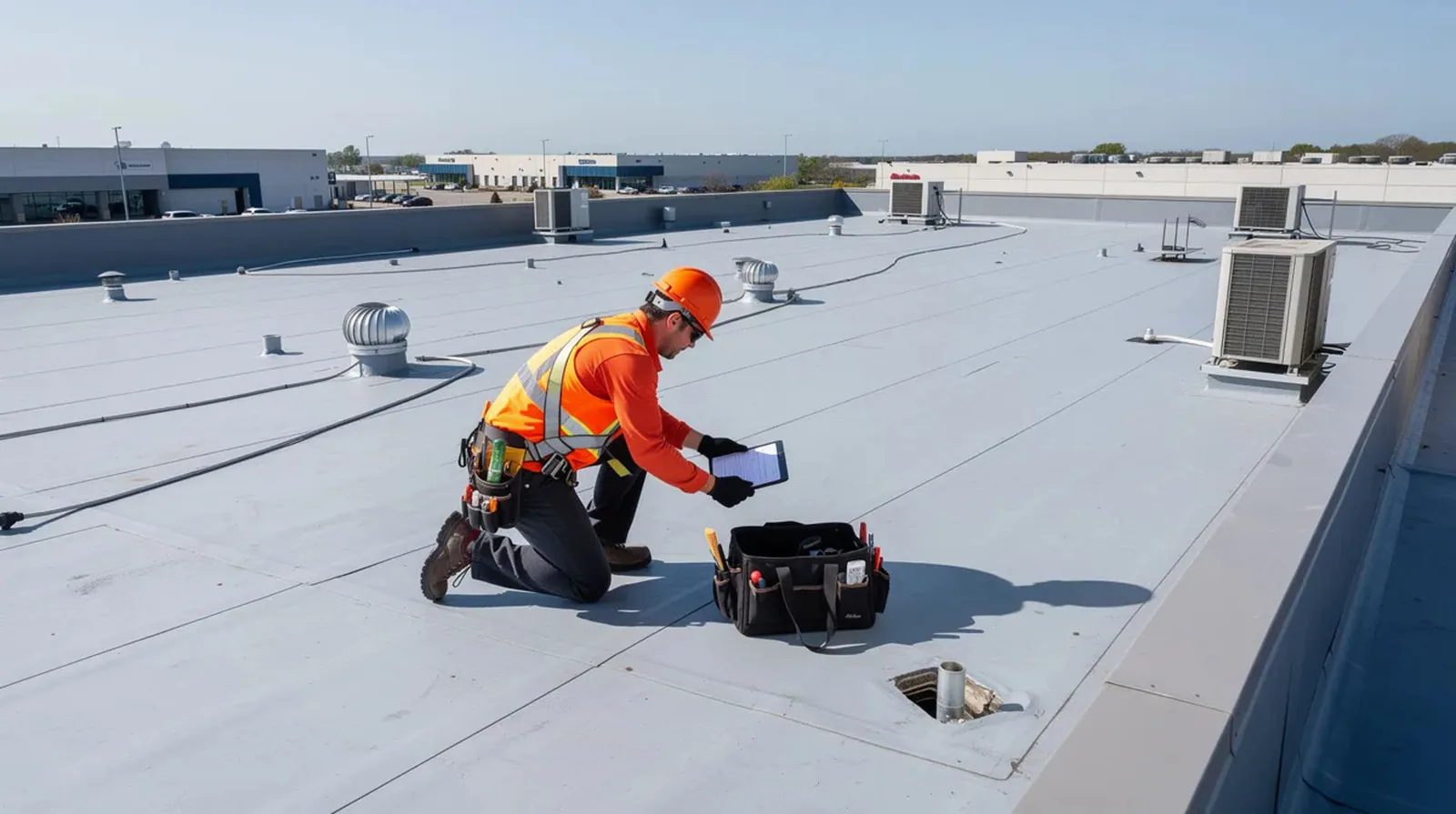
A maintenance visit is hands-on work, not a drive-by with a camera. The crew walks the whole roof, and the usual list looks like this:
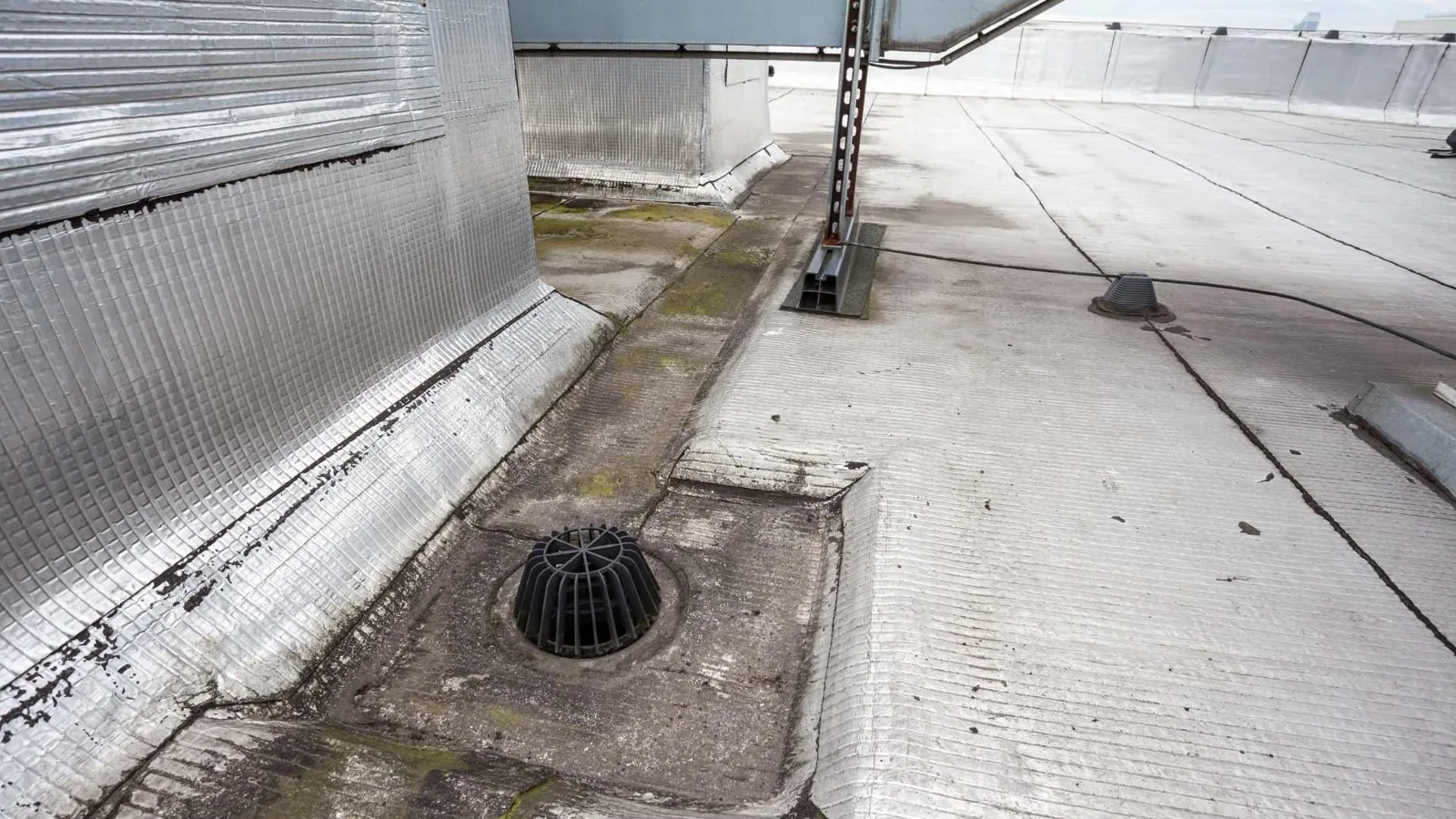
- Drains, scuppers and gutters cleared of leaves, grit and the soft sludge a wet summer leaves behind, because a slow drain turns an ordinary storm into ponding. Trouble spots that need more than clearing lead to drain and scupper correction.
- Seams, laps and flashings checked by hand and probed, with small separations re-sealed or patched before water finds them.
- Pitch pans, pipe boots and sealant joints around rooftop equipment renewed where heat and UV have cracked them.
- Fasteners, coping and edge metal tightened or reset, since the perimeter is where a hurricane gets its first grip.
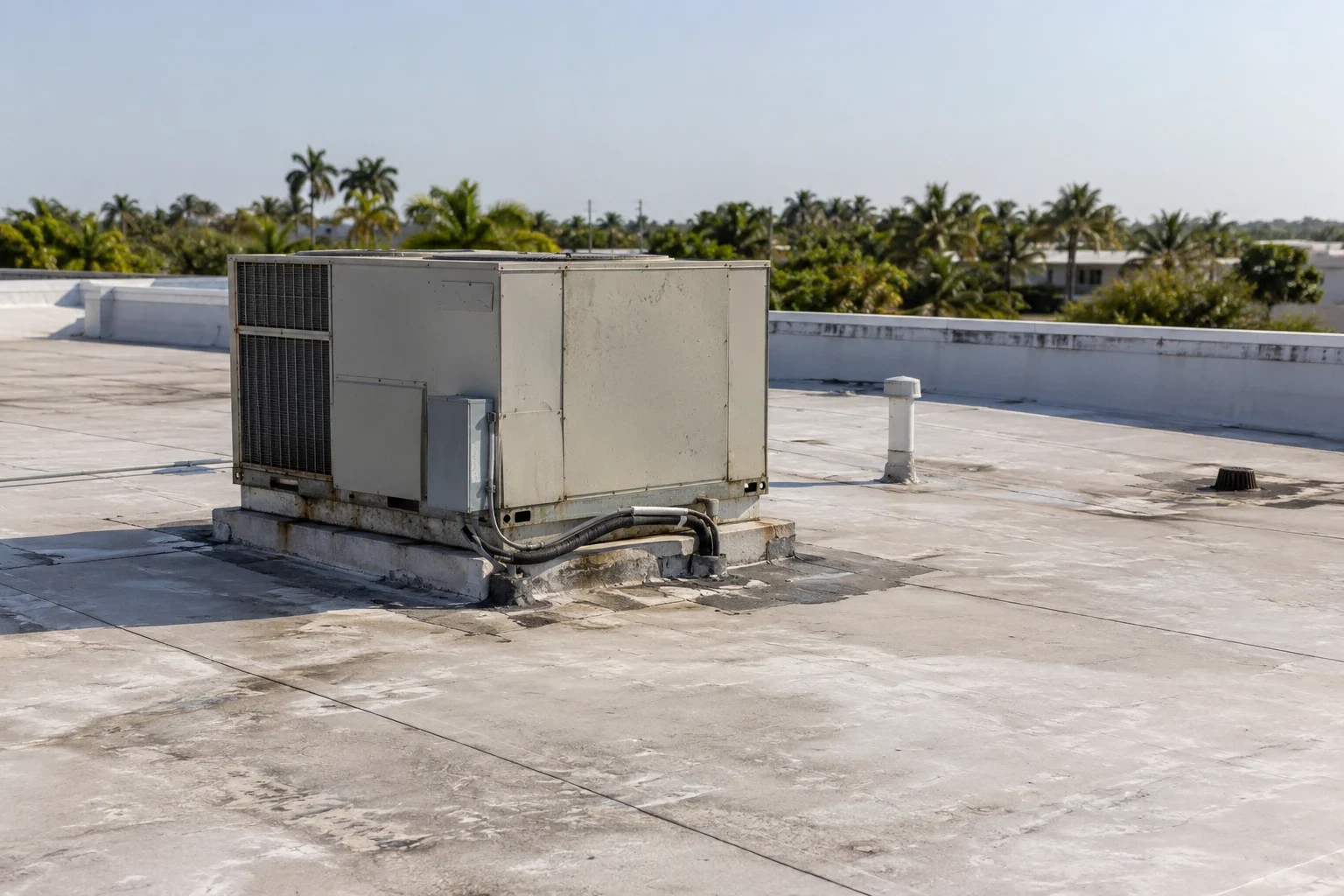
- Rooftop units, skylights and curbs looked over for loose panels, failed sealant and standing water at their base.
Small repairs are made during the visit whenever the weather and the materials allow. Anything bigger goes onto a written list, with photos, so you can approve it on your own schedule.
What We Record: a roof file that stays current

Every visit leaves a trail. We photograph what we found and what we fixed, mark each location on a roof plan, and note how the roof has changed since the last walk. After a few seasons, that file shows you which corner ponds every August, which curb keeps losing its sealant and which section is aging faster than the rest. That is the information a budget needs, and it feeds directly into roof capital planning when the day for replacement comes into view.
The same records matter for paperwork. Many manufacturer warranties ask for proof that the roof was looked after, and a dated trail of visits is far easier to hand over than a stack of invoices. The same photos and dates feed a written condition report for the building and the warranty records a manufacturer may ask to see.
Salt, Sun and Warm Nights: the slow wear a program catches
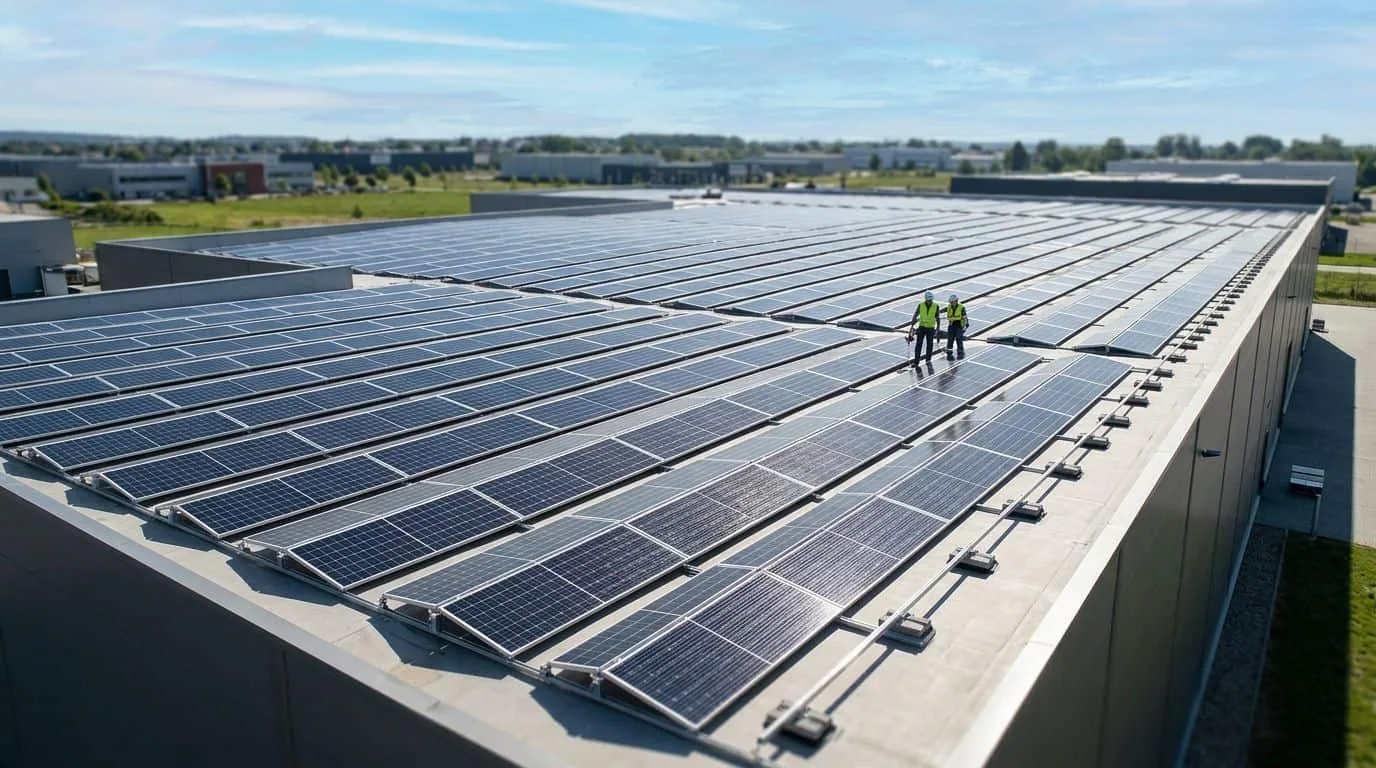
Heat does not let a South Florida roof rest. Recent summers have run warm nights 1 to 1.5 degrees above the 30-year normal, with surface dewpoints in the 70s, so membranes expand in the afternoon sun, shed that heat slowly after dark and start over by sunrise. Seams and sealants take the movement. Fasteners and metal flashings take the humidity. Pompano Beach has about three miles of beach, and the coast adds salt air, which eats steel hardware and edge metal faster than inland air does.
An oceanfront roof and a roof out along Powerline Industrial Park do not wear in quite the same way. The beach side loses metal and fasteners first. The inland side loses sealant and holds water. A visit plan written for the building in front of us puts the hours where that particular roof is actually wearing.
Where It Pays: buildings that gain the most
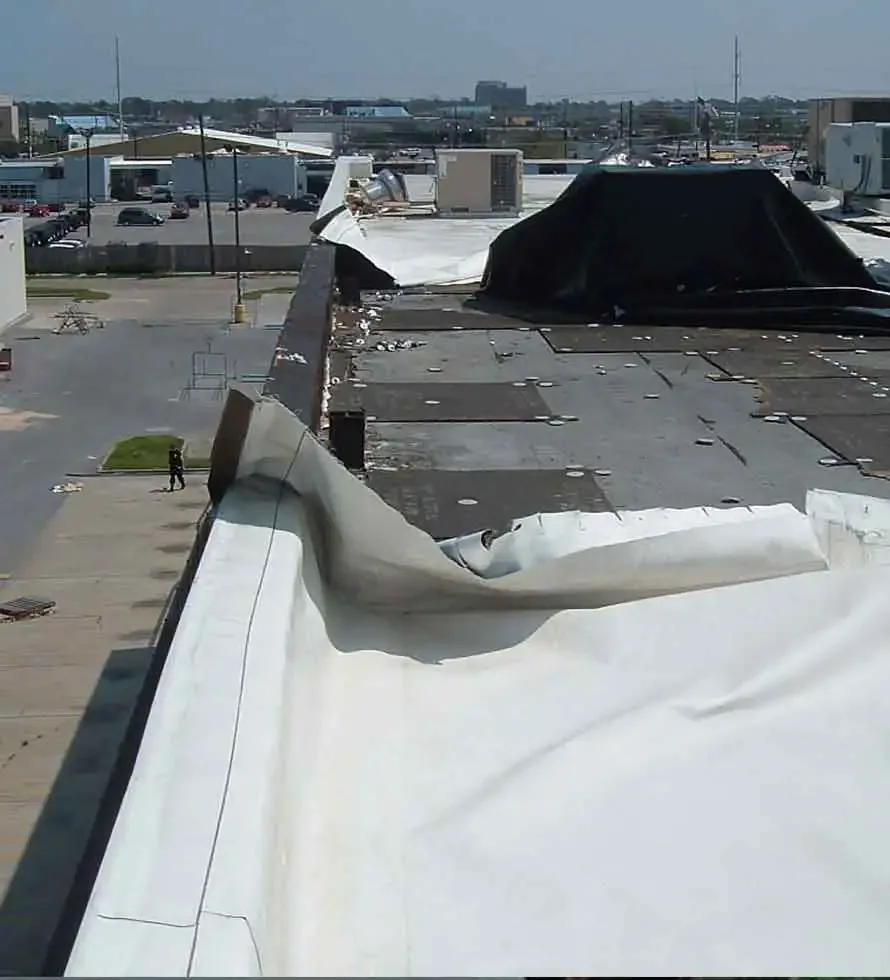
The city's industrial and warehouse inventory tops 28 million square feet, the biggest such submarket in Broward County, and it is mostly large low-slope buildings. A warehouse roof in Park Central or Gateway Lakes has a lot of seam to look after and a lot of rooftop penetrations, and a slow drain on one corner can hold water over a wide area. Visits there are about speed and coverage, finding the one soft spot before the next squall line.
Retail is the other big group. Open-air retail such as Pompano Citi Centre on Federal Highway has tenant equipment and exhaust details that need coordination whenever service work reaches the roof. A shopping center roof gets foot traffic that nobody records, and a program with a log of who went up and what they touched protects the membrane from damage that otherwise gets blamed on weather.
Scope and Cost: what shapes a program
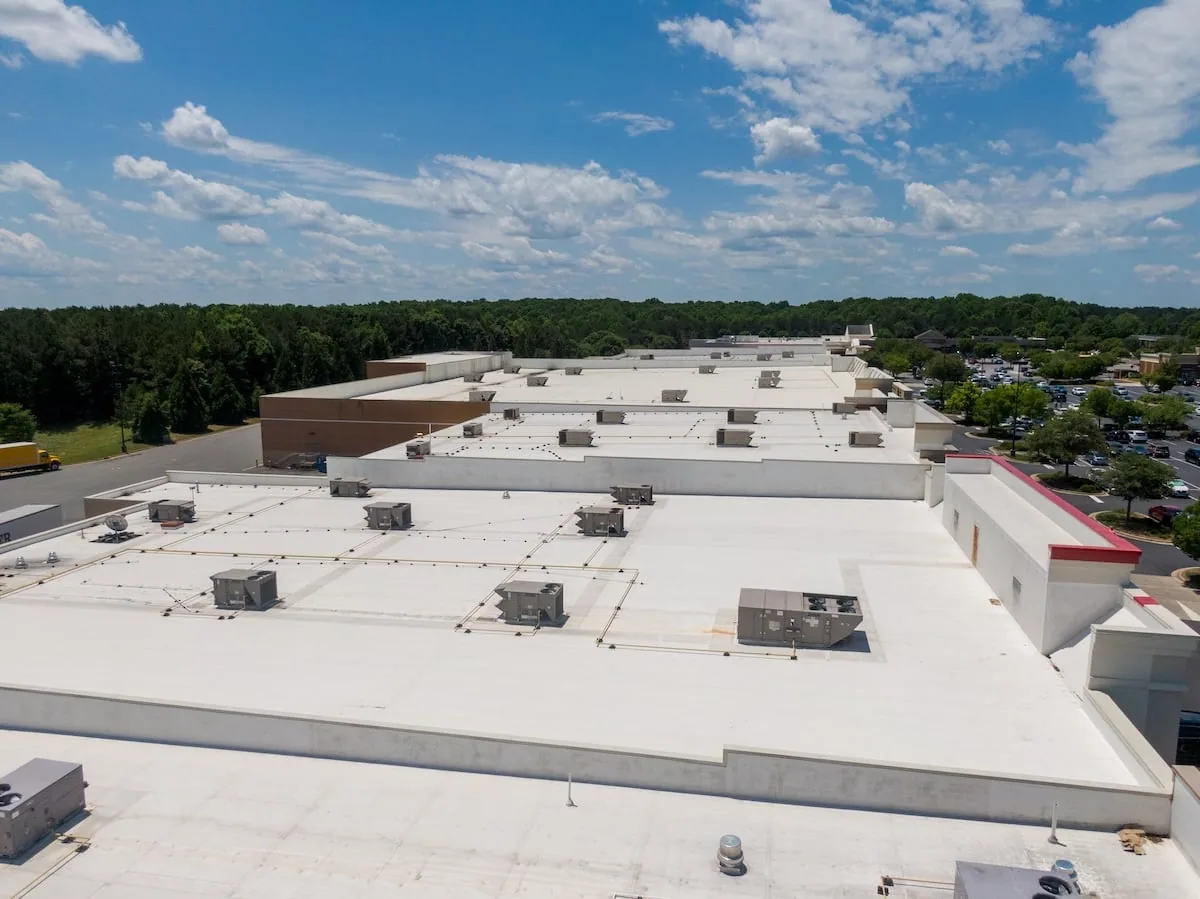
Programs are priced from the roof, not from a catalog. The main drivers are roof area, the number of penetrations and curbs, how much debris the surrounding trees and buildings drop on it, how easy access is, and what the first walk finds. A roof with a history of ponding or open seams needs more attention in its first year than one that has been tended all along, and the visit count can settle back once the problems are corrected.
We write the scope down before the first visit: which roofs, how many walks a year, what is included, what counts as a repair rather than upkeep, and how emergency calls are handled in between. A commercial roof inspection is the usual starting point, because it gives the program a baseline instead of a guess.
Questions We Hear Often
How many visits a year does a Broward roof need?
Two is the practical minimum: one before mid-May and one after the season ends. Large roofs, roofs with a ponding history and roofs crowded with equipment often earn a third visit in the middle of the wet season.
Does maintenance really make a roof last longer?
It slows the wear that shortens a roof's life. Clear drains, sealed laps and tight edge metal keep small defects from growing. Age still wins in the end, but a tended roof gets there later and gives you warning first.
Can maintenance begin on a roof that already leaks?
Start with the leaks. We trace and repair the active problems, then set up the visits so the roof stays that way. The first walk usually produces the longest list.
What happens when a visit turns up something serious?
You hear about it the same day, with photos and a straight recommendation. Small fixes are done on the spot, and larger ones are written up so you can plan around budget and weather.
Does a program cover hurricane damage?
A program handles wear and upkeep. Storm damage is a separate job, though the photos from earlier visits help show what condition the roof was in before the storm, which matters when a claim is being prepared.