Data Center Roofing in Pompano Beach, FL
The stormiest part of the Broward wet season runs from mid-May to early July, when damaging thunderstorm winds, lightning and flooding are most likely, and it lands while the cooling plant on a server building is already working through a South Florida summer. Heat load inside, heavy weather outside, and a roof in the middle holding the two apart. For a data center that roof is not just a cover. It is the first line of defense for equipment that cannot be allowed to get wet.
We work on roofs over data centers, server rooms and network facilities in Pompano Beach, FL, which means repair, recover and replacement done with the kind of care that keeps both the weather and the work itself away from the white space.
Lightning and Outages: what a wet-season afternoon asks of the building
Afternoon storms build with dewpoints in the 70s and near-daily thunderstorms through the summer, and a flat roof full of metal equipment is a natural target. Lightning protection, bonding of the rooftop equipment and clean grounding paths all sit close to the roofing, and a damaged bond or a lifted membrane around a lightning rod base is a small repair that matters.
Then there are the outages. A hurricane that knocks the grid down puts the generators to work, and the roof around generator exhaust, fuel vents and transfer equipment has to hold up under heat and wind at the same moment. We walk those areas on every survey, because a dry roof during an outage is worth more to an operator than any single repair on a normal day.
Roof work above a data center starts with the building's continuity plan. We locate critical cooling equipment, identify the approved access route and coordinate any shutdown or temporary protection with the facility team. Water detection inside the roof assembly can add an early warning, but it does not replace sound drains, sealed curbs and a maintained membrane. A repair scope records the exact roof zone, the nearby equipment and the method used to keep debris and moisture away from air intakes and cable routes below.
No Water Over White Space: a different standard for a leak
On most commercial roofs a leak is an expense. Over a server hall it is an incident. A single drip that finds a cable tray can force a failover, and the roofing plan has to assume that tolerance for leaks is close to zero. That changes how we build: more redundant drainage, overflow scuppers set where water can leave safely, and a membrane that is fully inspected seam by seam before we leave.
It also changes how we look at drainage. For a data center, drainage redundancy should be reviewed alongside power, cooling and leak-detection paths. At a Pompano Beach data center, we inspect each drain and scupper against the roof plan, then confirm where water can go if a primary outlet clogs. A data center roof should have a path for water that does not depend on one drain clearing. Where we can, we add leak detection under the membrane, and we run an infrared moisture survey after major storms to confirm that nothing is hiding in the insulation above the hall.
A Mechanical Yard in the Sky: chillers, dry coolers and supports
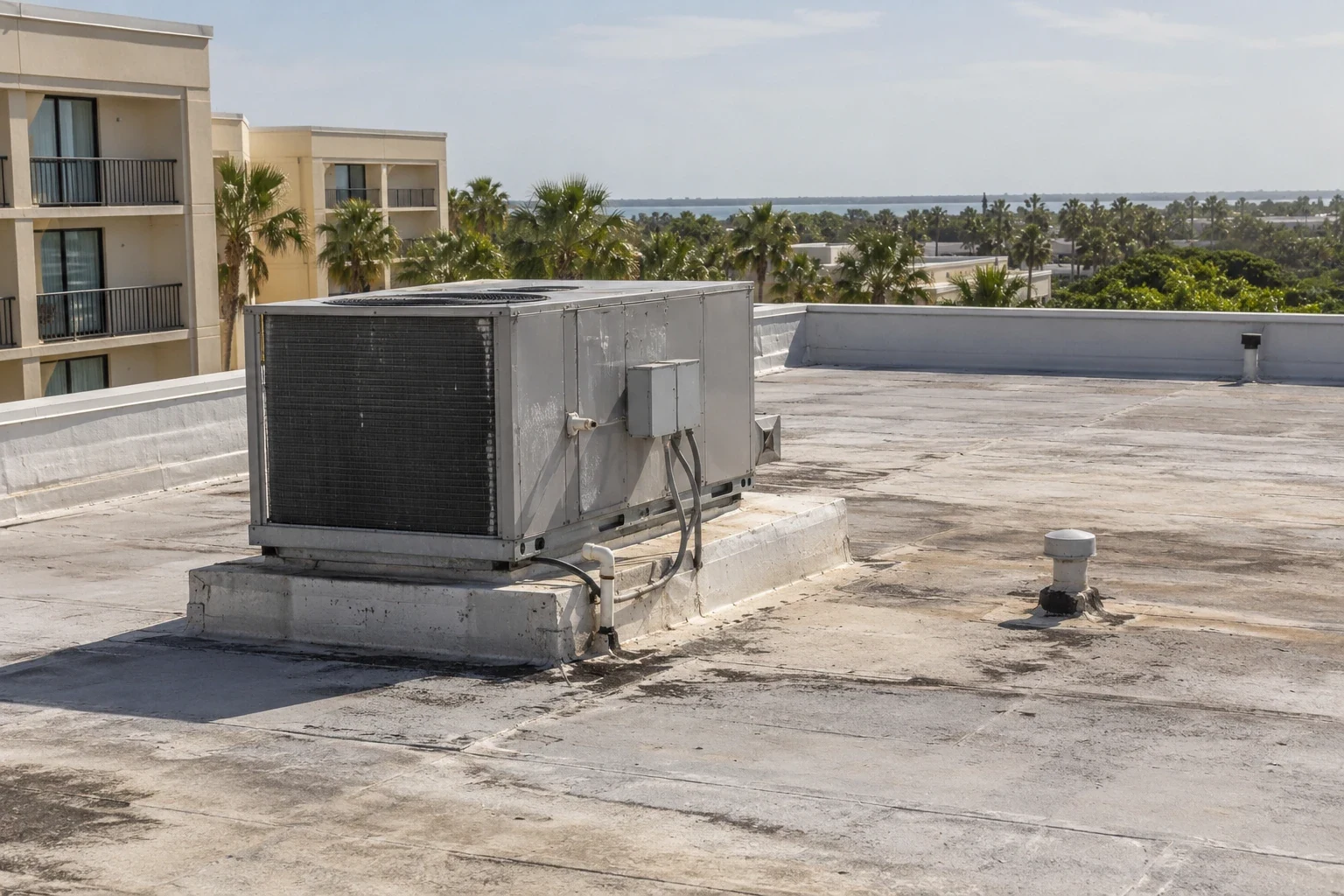
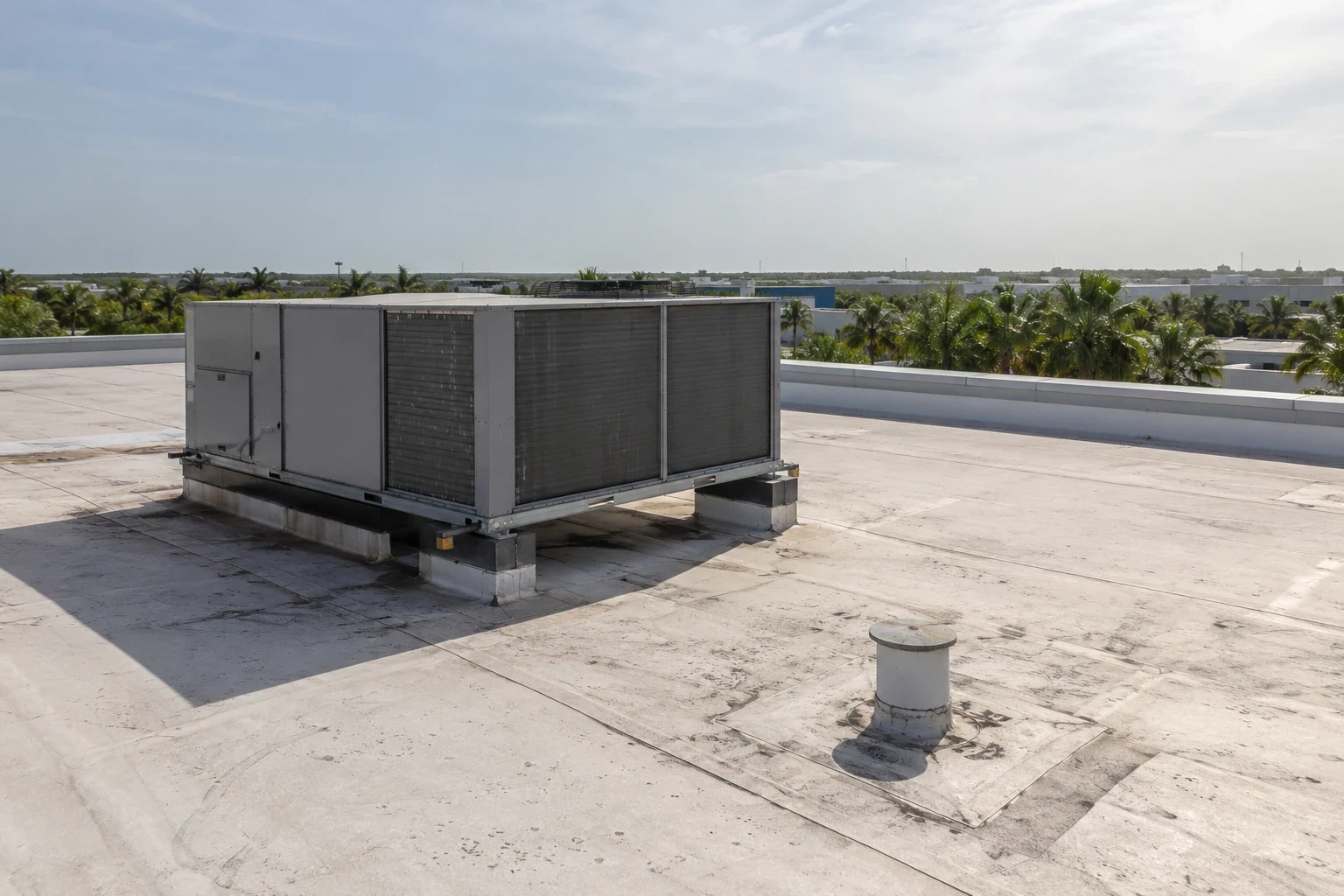
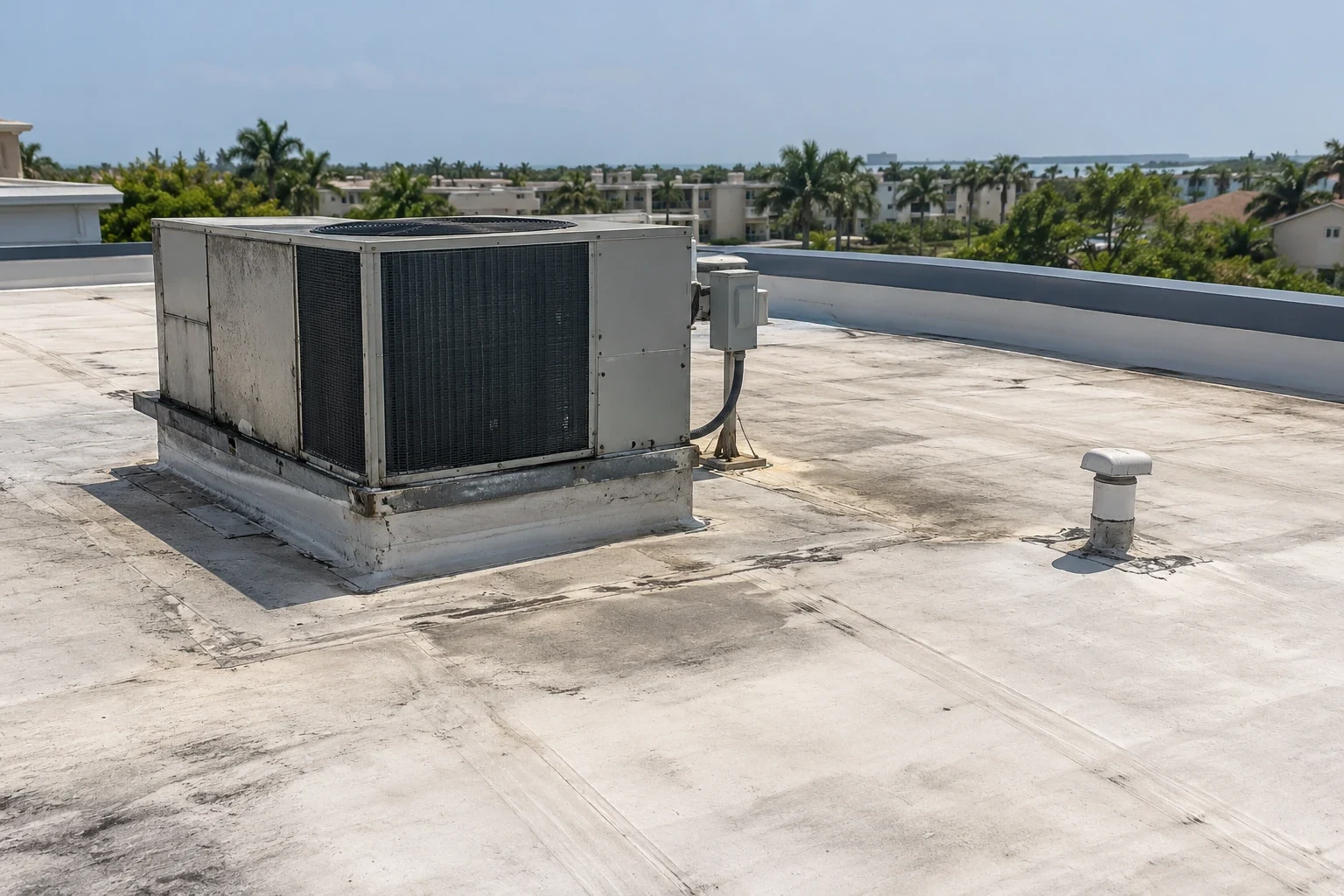
Many server buildings carry the cooling plant on the roof. Chillers, dry coolers, exhaust fans and piping racks sit on frames that are heavy, hot and in constant vibration. The roof under that equipment sees more foot traffic and more service work than a roof over an office, and each piece of equipment is fastened through the membrane to something solid.
We inspect the curbs, rails and supports for movement and cracked sealant, and we check what sits beneath the membrane around them. Heavy equipment loads compress soft insulation over time, so a good cover board and the right insulation density protect the roof from the footprint of what it carries. Planned work near live equipment is scheduled with the facility team, and nothing gets lifted or disconnected without a plan.
Work Rules: access, change control and no open flame
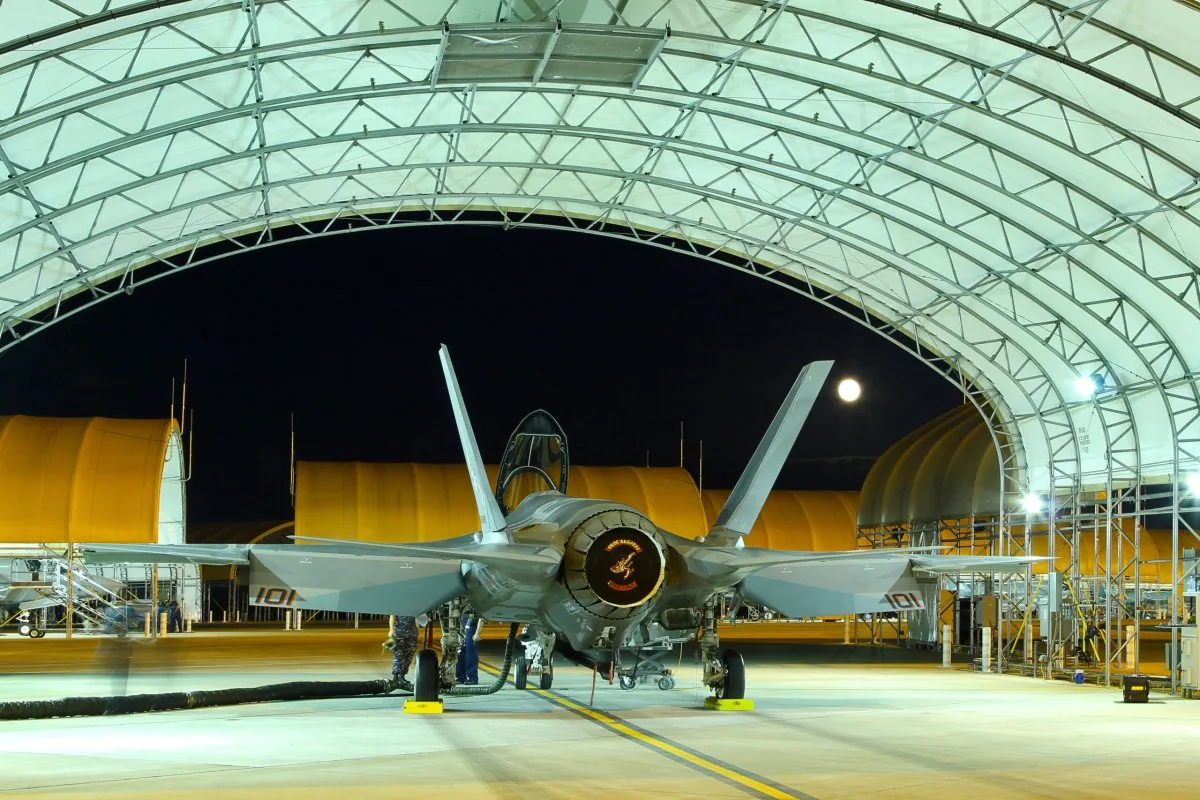
A data center has its own rulebook, and a roofing crew follows it. Expect badge checks, escorts, a list of approved workers, lockout schedules and strict limits on hot work. Torches and hot asphalt generally have no place near air intakes or fire suppression, so we choose cold-applied, welded or mechanically attached systems that keep open flame off the roof entirely.
Material staging, crane lifts and dust control all go through the same change control process as any other facility work. We write a method statement before mobilizing, share it with security and operations, and agree on who can stop the job. If you are buying or refinancing a building, a roof survey as part of due diligence can show what the roof will need over the next several years before the deal closes.
Which Building: purpose-built shells, conversions and server rooms
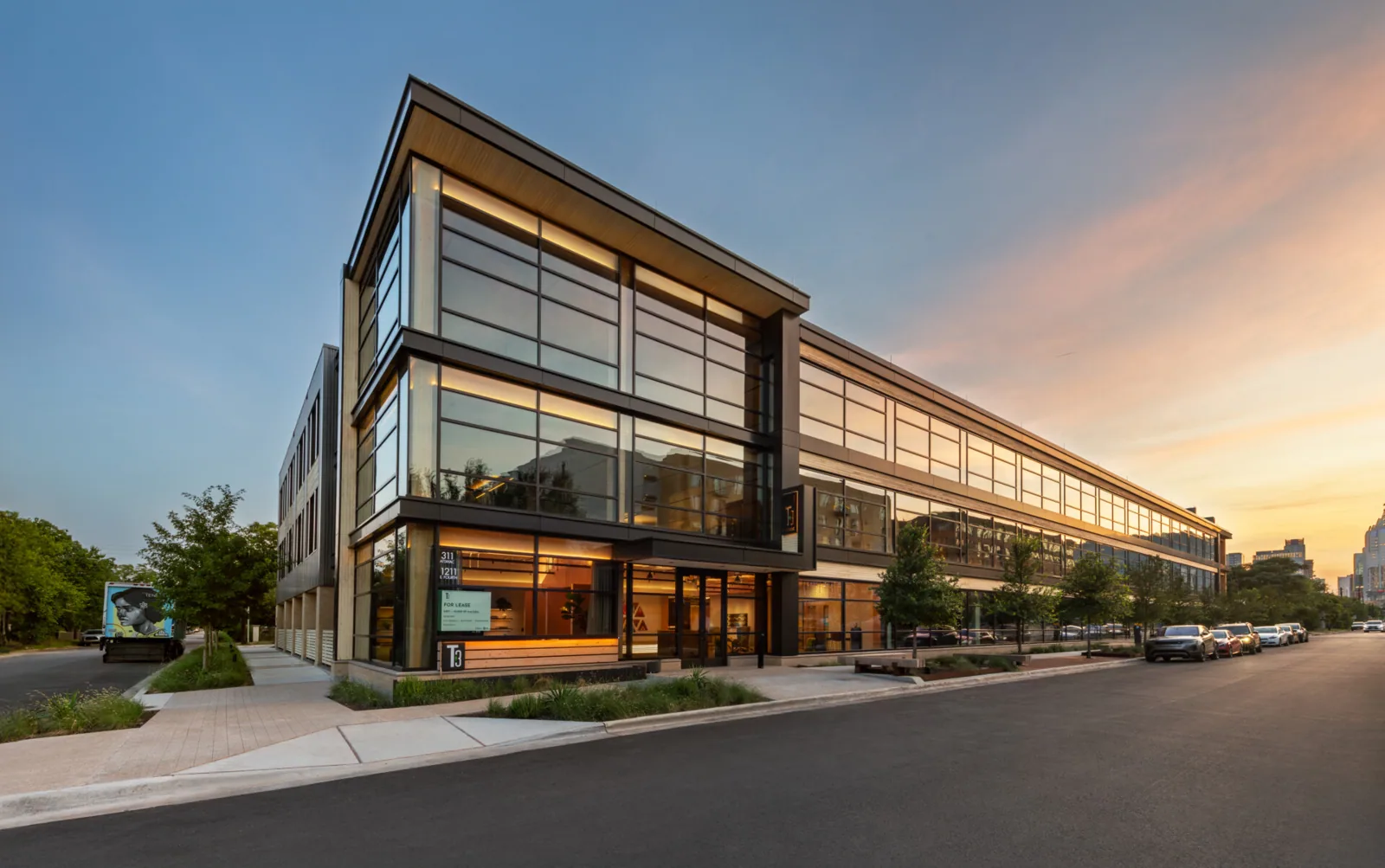
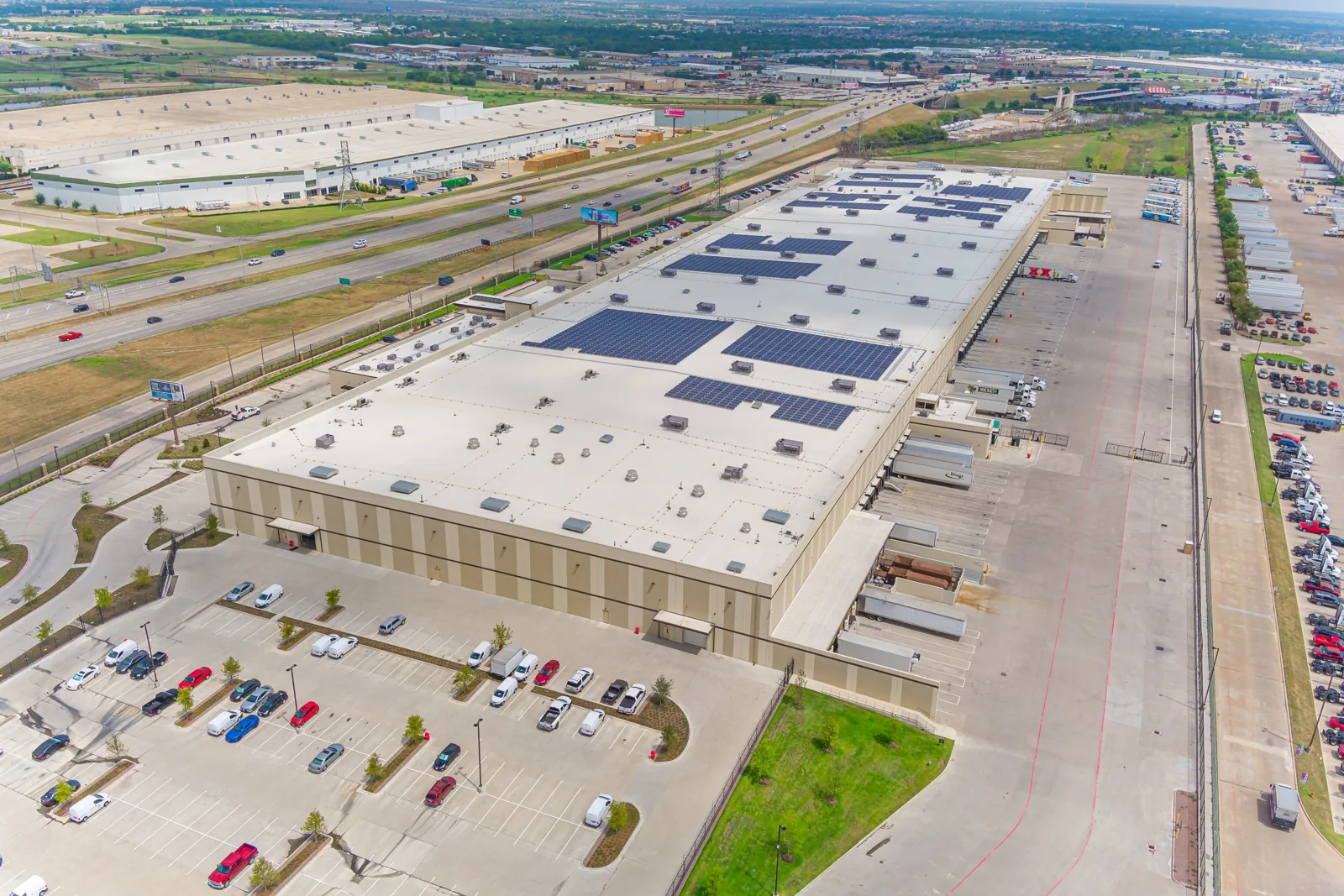
Server space shows up in more than one kind of building. A purpose-built facility has a roof designed around the load from day one. A converted industrial or warehouse shell can carry a roof chosen for a different use, and that mismatch is worth checking early. Pompano Beach has more than 28 million square feet of industrial, warehouse and distribution space, including Park Central and Powerline Industrial Park. When a warehouse roof is converted for server use, confirm its drainage, insulation and equipment supports before the cooling load goes in.
Network rooms and small server closets inside an office building are a third case. The roof is the office roof, but a water problem above that closet is a data problem. We map where critical rooms sit under the roof plan and treat the drains, seams and penetrations directly above them as priority details in every inspection.
Hurricane Details: the edges, the code and the clean-up
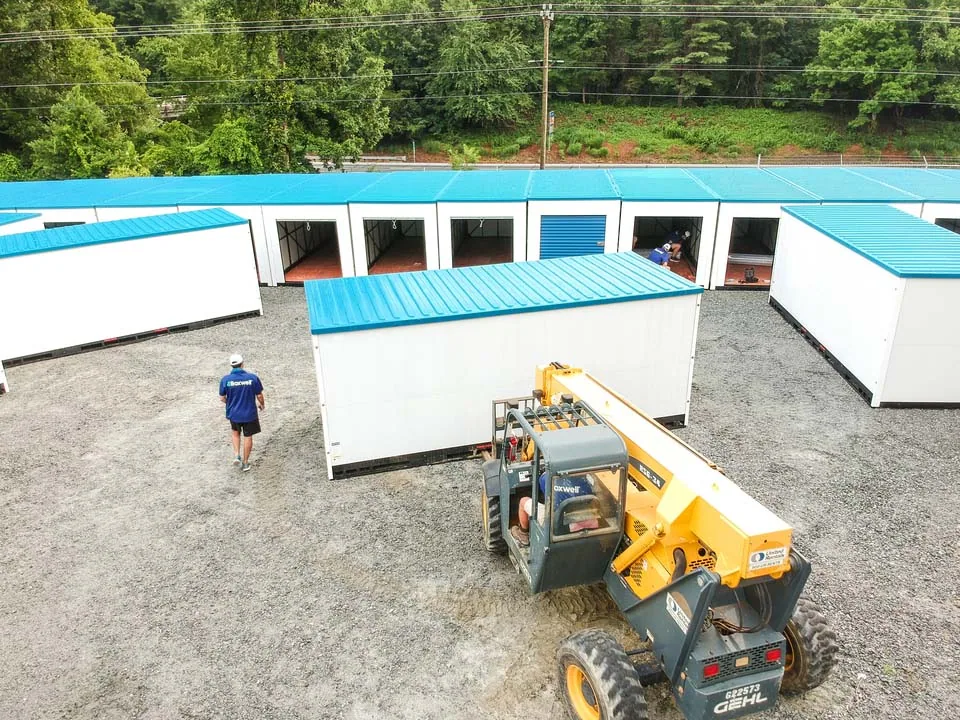
In 2005 Hurricane Wilma sent 98 mph through Pompano Beach, and Hurricane Irma in 2017 swept most of Broward with gusts up near 100. Broward's High Velocity Hurricane Zone rules set 170 mph as the design wind for a Risk Category II building, and every exterior roofing component must carry a Miami-Dade product approval. Critical facilities may be designed for stricter categories, and the roofing has to meet whichever applies to the building.
After a storm we start with the perimeter, the rooftop equipment and any damage that exposes the deck, and hurricane damage repair begins with a fast dry-in. Many operators prefer a short list of approved temporary repairs written down ahead of time, and we are glad to build that list with you.
Questions We Hear Often
Can you reroof above a live data hall?
Yes, in phases and with a detailed plan. We keep the deck closed except in the section being worked, add temporary protection below when the facility team wants it, and stay in touch with operations all day.
Is a green or reflective roof good for a server building?
A white reflective membrane lowers the surface heat and eases the load on the cooling plant, so it is the usual pick. Any added system, such as rooftop solar, should be planned with the roof, not bolted on after.
How do we get notified if the roof starts leaking?
Leak detection sensors can be installed under or within the roof assembly and wired into your monitoring system. They are useful over critical spaces, and we can recommend placements during a survey.
Does rooftop equipment need to be moved for a replacement?
Not always. Where we can, we flash around equipment in place. When a unit has to be lifted, it is done with your mechanical team and the same-day reset includes new flashing and sealed penetrations.
What should we ask a roofer about security and access?
Ask who will be on the roof, how they are screened, and what documents they sign. We follow your rules for badging, escorts and tool control, and we put all of that in writing before the first day.