Warehouse Roofing in Pompano Beach, FL
By the middle of May the wet season has settled in, and a warehouse roof in Pompano Beach, FL is facing a thunderstorm most afternoons until October. That is a lot of water for a surface that is flat on purpose. Pompano Beach is Broward County's largest warehouse and distribution market, with more than 28 million square feet of building inventory. That concentration makes low-slope warehouse roofs a central part of the local commercial market.
We repair, recover and replace warehouse roofs around the city, from older built-up and modified bitumen to single-ply membranes and metal. The job is the same on all of them: keep rain off the inventory, keep the docks moving, and get the building through hurricane season without a surprise.
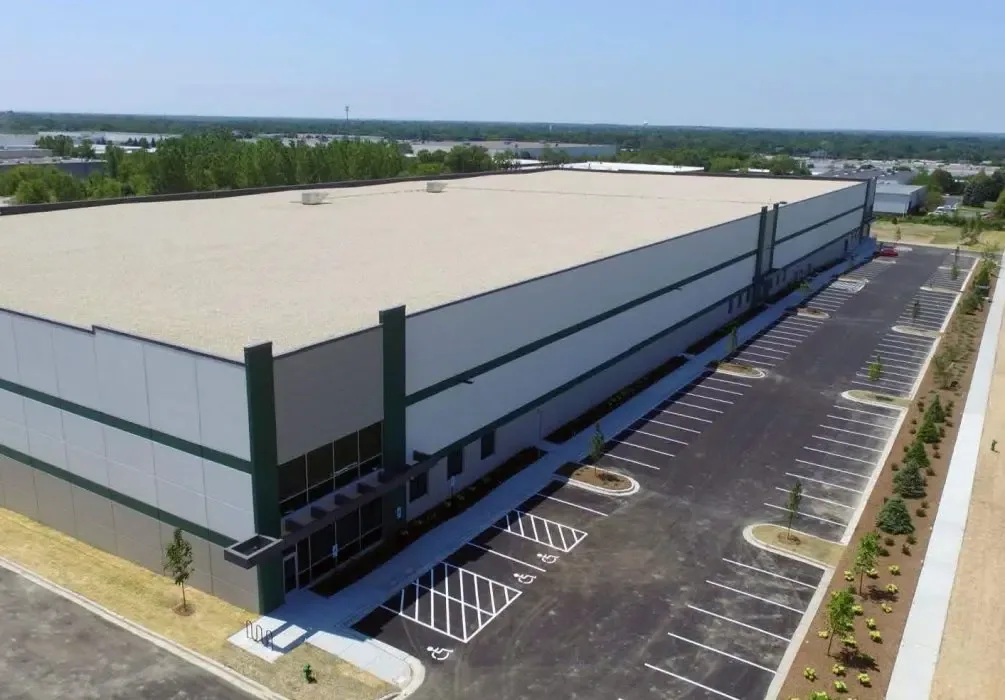
Big Footprints: where water goes on a long flat roof
A warehouse roof is mostly open field with very little slope to carry water anywhere. Rain has to find the drains and scuppers, and on a wide roof a drain that sits a few feet out of position, or half full of leaves, is enough to hold a puddle for days. A pond like that heats in the sun, adds weight to the deck, and tests every seam beneath it.
Pompano Beach’s wet season brings frequent afternoon storms from mid-May into October. On a warehouse roof, we check drain and scupper capacity against the building itself. When scuppers cannot keep pace, water backs up against parapet walls and looks for an opening. After a storm, we inspect the drains and scuppers, then walk to low spots that held water. Persistent ponding calls for a drainage and slope review; a surface patch alone does not correct either condition.
Wind Loads: the edges, the curbs and what holds them down
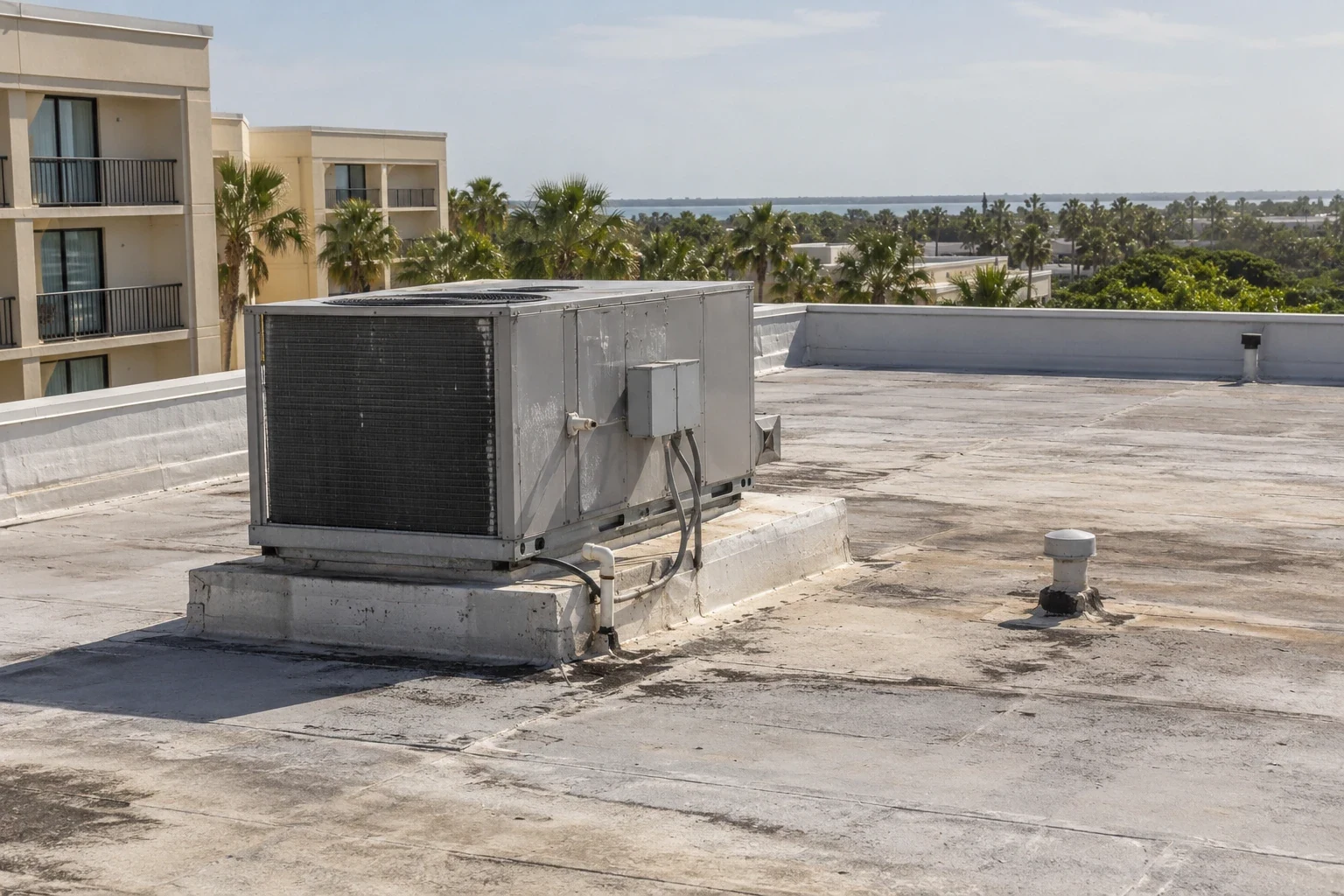
Wind does its damage along the perimeter and at anything bolted to the roof. Wilma came through in 2005 with a 98 mph reading at Pompano Beach. Irma followed in 2017 with gusts between 80 and 100 mph over most of Broward, and three tornadoes touched down in the county. A warehouse with tall walls and a row of dock doors catches that wind from every side, and the roof edge takes the first hit.
Broward is a High Velocity Hurricane Zone. Ordinary-occupancy buildings, called Risk Category II, are designed for 170 mph, and every exterior roofing piece has to carry a Miami-Dade Notice of Acceptance. A warehouse re-roof here is not a matter of picking a membrane off a shelf. Perimeter metal, fastener patterns, adhesives and uplift ratings all have to match an approved assembly. Before each hurricane season we look hard at the edge metal and coping and at the tie-downs on rooftop units, because one loose cap is how a small storm turns into a large repair.
Under the Membrane: wet insulation and what it costs a tenant
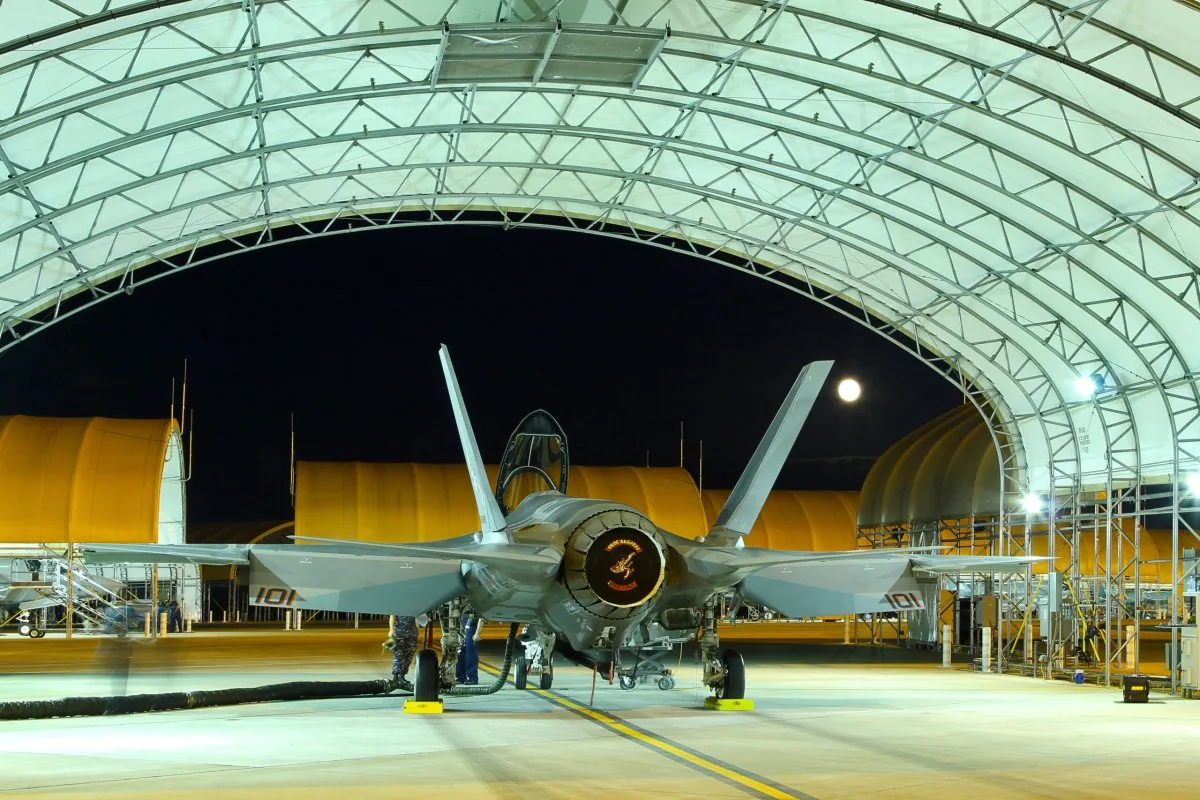
The damage that costs a warehouse tenant money is rarely the drip you can see. Water slips in at a bad seam or flashing, travels sideways through the insulation, and shows up over a rack aisle well away from the real entry point. Pallets of packaged goods do not forgive weeks of slow leaking, and neither does a landlord reading a tenant's claim.
An infrared moisture survey, run at dusk while sun-warmed wet insulation still holds heat, maps the soaked areas so only the soaked areas get cut out. Sometimes the survey points to a handful of repair sections. Sometimes the wet area is big enough that tearing down to the deck and starting clean costs less than chasing it one square at a time. Either way you get photos and a marked-up roof plan, not a guess.
Working Over Docks: roofing while the trucks keep rolling
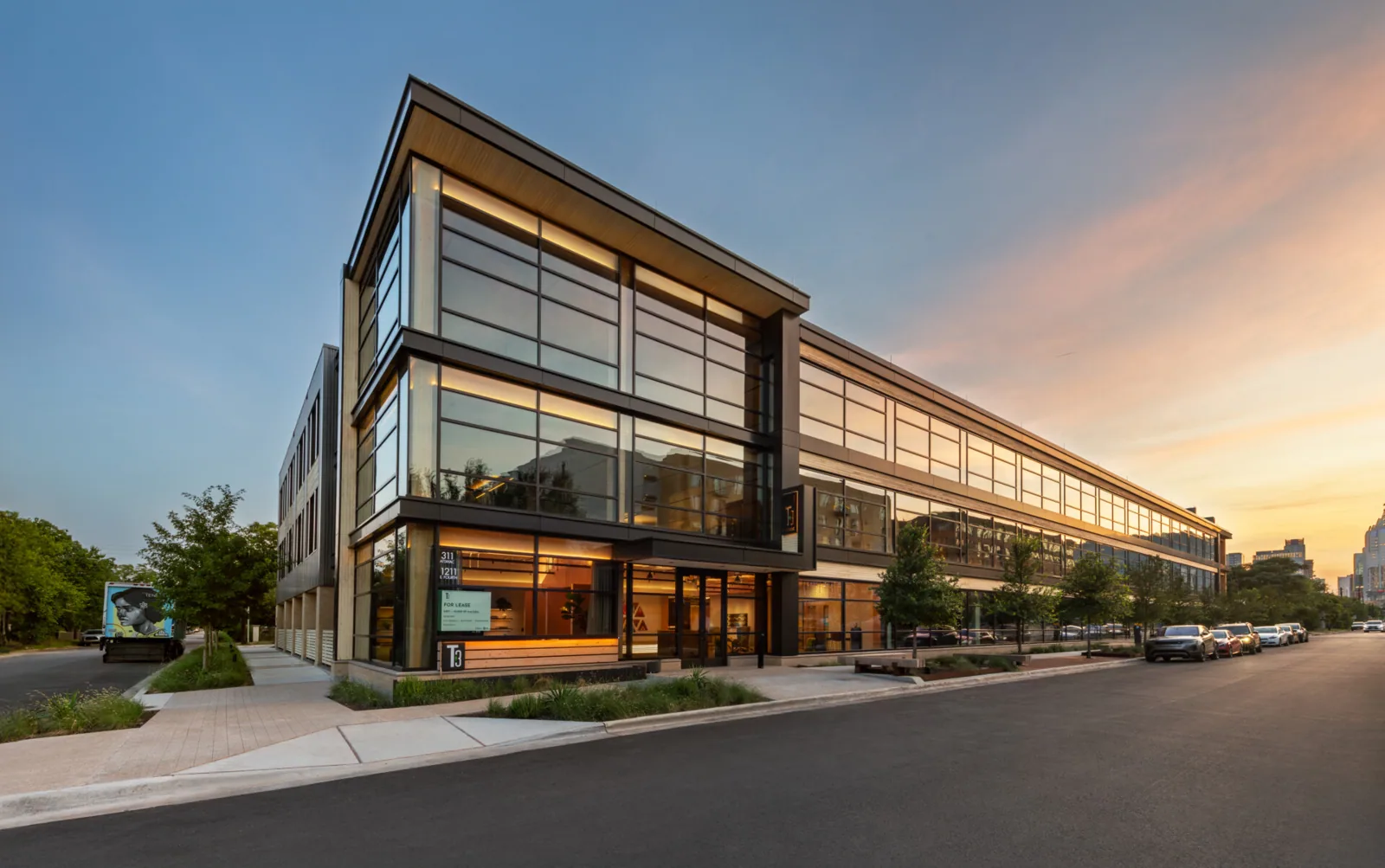
Few warehouse tenants can shut down for a re-roof, so the work gets phased. We split the roof into sections, tear off only what we can dry-in the same day, and keep one eye on the radar after lunch, because the afternoon cells that build inland come toward the coast fast.
Forklift lanes and dock doors get protected with signage and catch tarps, and racking directly below a work zone can be covered or moved ahead of time. Our plan for re-roofing an occupied building starts with the operations manager, not just the owner, because the person running the dock knows which bays cannot go dark on a Thursday and which loads cannot sit in the weather.
System Choices: single-ply, coatings or something heavier
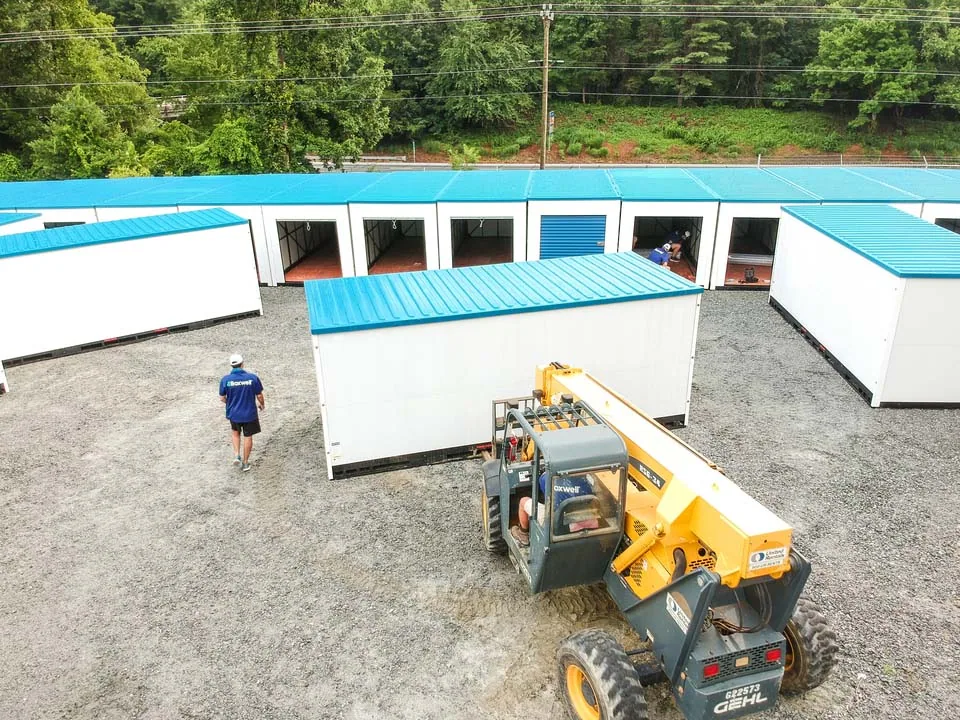
Most owners are weighing three paths. A white single-ply such as TPO reflects the sun, welds at the seams, and suits a replacement or a recover when the insulation underneath is dry. A coating system can extend a sound roof that is simply tired, as long as the moisture survey comes back clean. And an older roof with built-up layers may call for a full tear-off so the deck can be inspected.
Each path trades weight, disruption and wind performance differently, and an insurer in Broward will have views on all three. We lay the options side by side with photos from your roof and let what we find on your roof point to the answer.
Park by Park: South Andrews, Powerline and the distribution belt
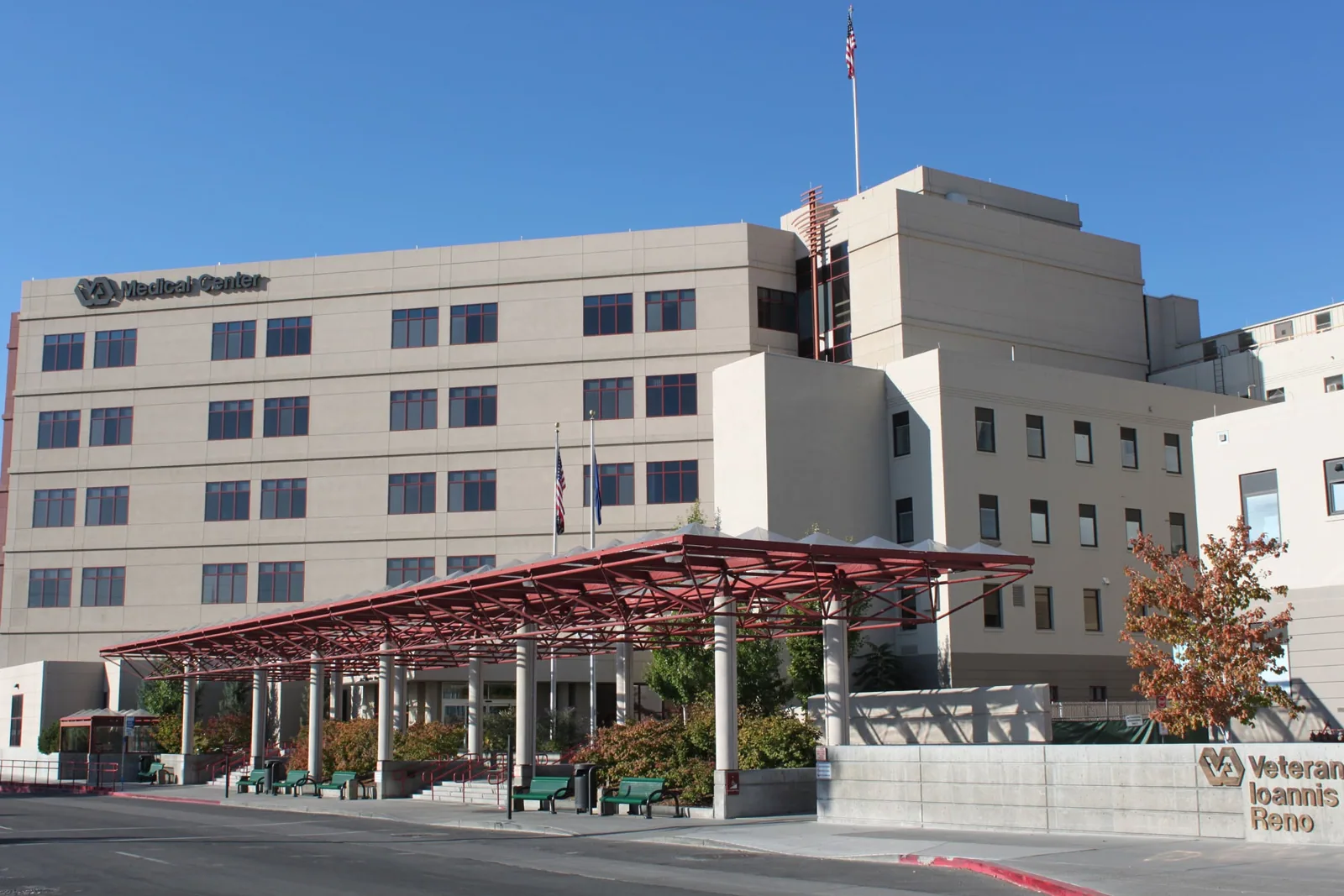
Warehouses in Pompano Beach cluster in pockets, and each pocket has its habits. South Andrews is Pompano Beach's largest industrial area, with roughly 4.86 million square feet of buildings, in a city served by both the FEC and CSX rail lines. Powerline Industrial Park adds about 3.09 million square feet at the western end of town.
Roofs in industrial parks like these collect dust, leaves and truck-court debris in their drains, which is why a post-storm walk starts at the scuppers. Associated Grocers and FreshPoint, both top-ten Pompano Beach employers with distribution operations, are listed in the Central 95 corridor, and for distribution centers that move produce, dairy and groceries, the roof question starts with what the building holds underneath.
Where temperature-controlled stock is involved, add the vapor and condensation questions raised by cold-storage roofing to the walkthrough.
Questions We Hear Often
How soon after a storm should a warehouse roof be checked?
Within a few days, while the water marks are still fresh. We look at drains, scuppers, seams near the edges and anything the wind could have shifted. Ceiling stains lag behind the real leak, so waiting for a stain means waiting too long.
Can a warehouse roof be worked on during the wet season?
Mornings are the window. Most days stay clear until early afternoon, so crews start early, dry in whatever they open, and stop when the radar turns. Temporary repairs hold the water out until a dry stretch allows permanent work.
What do the High Velocity Hurricane Zone rules change on a re-roof?
The product list narrows. Every exterior component needs a Miami-Dade Notice of Acceptance, and the assembly is tested for missile impact, cyclic pressure and water after impact. A permit pulled today follows the 8th Edition of the Florida Building Code, the 2023 version.
Will racking and inventory have to move?
Only below the active work zone. We cover or shift product in that strip, protect the dock lanes, and move the zone along as sections dry in. Tell us which aisles hold the most sensitive stock and we plan around them first.
What wears out a warehouse roof fastest around here?
Standing water, clogged drains and loose rooftop units lead the list. Heat and sun tire the membrane, salt air near the coast works on metal and fasteners, and other trades walking the roof leave their marks. Clean drains and a walk after each big storm slow most of it.