Roof Warranty Management in Pompano Beach, FL
Manufacturer warranties tend to come out of the drawer on the worst day of the year, usually the morning after a storm passes. That is a bad moment to find out the coverage lapsed two summers ago because a rooftop unit was swapped without a call, or because a patch went on with the wrong material. In Broward, where the rainy months stretch from mid-May to mid-October and hurricane season overlaps almost all of them, a roof is tested often and a warranty is tested with it. Warranty management is the quiet, steady work of keeping the paperwork, the repair methods and the roof's actual condition in line with what the document asks of you. We do that from Pompano Beach, FL. We keep the file clean so that if you ever need to make a claim, you are doing it on strong footing.
The Owner's Side: what the fine print usually asks
Warranty terms differ by manufacturer, by product and by the year the roof went on, so the first job is to read yours and write the duties in plain words. Most documents ask for some mix of the following.
- Maintenance on a schedule, with records to show it was done.
- Notice to the manufacturer within a set window after damage or a leak.
- Approval or notice before anyone cuts into the roof, adds equipment or changes drainage.
- Repairs made with compatible materials and methods, by someone qualified to make them.
- Keeping the roof clear of ponding water, debris and chemical exposure.
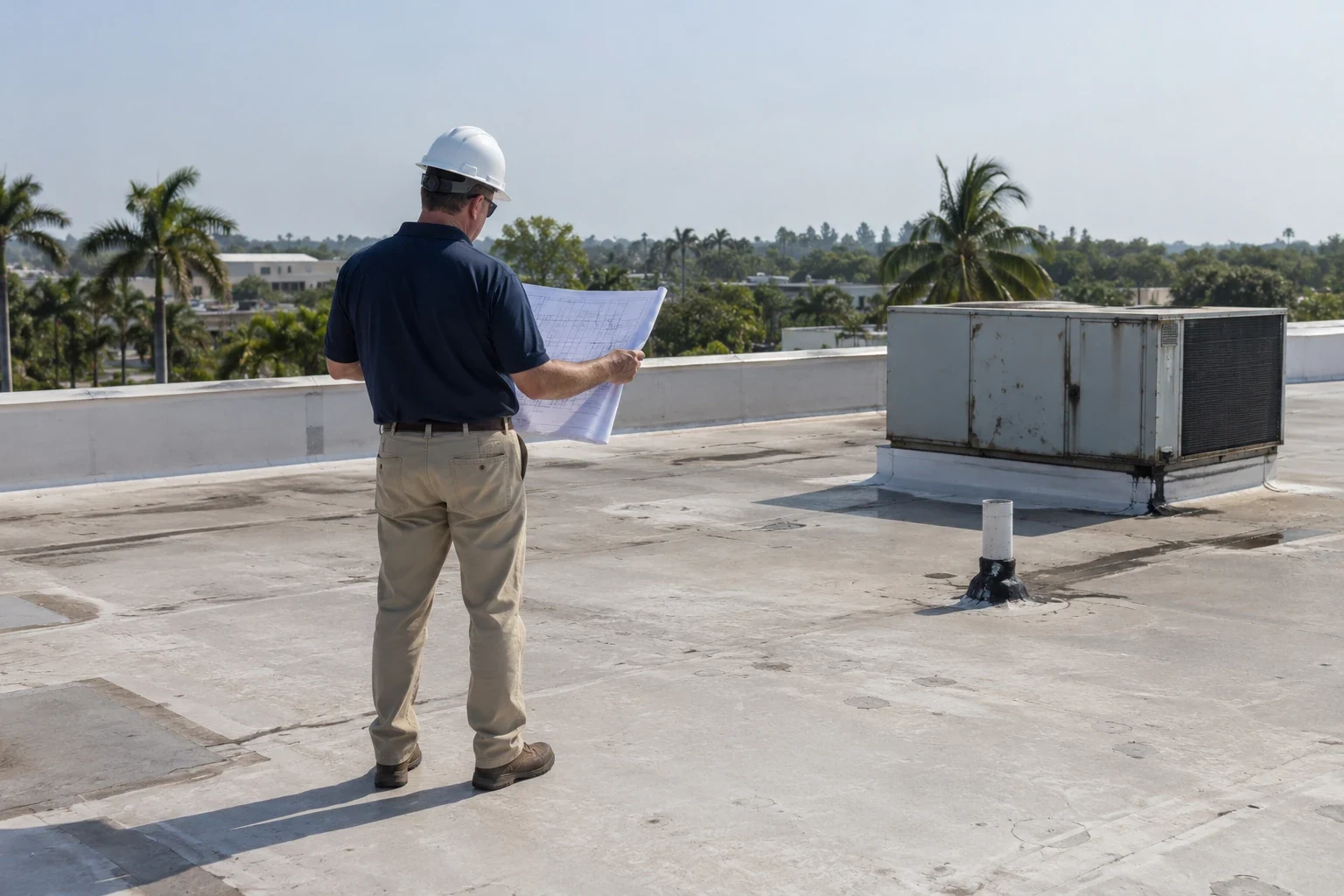
We turn that list into a one-page checklist for the building, pinned to dates. A property manager who inherits the file after a transfer should not have to reconstruct what the last owner agreed to.
Wind Clauses: what storms do to coverage
The wind language is where Florida owners should read slowest. Many warranties state a maximum wind speed, exclude certain events or treat a named storm differently from ordinary weather. Hurricane Wilma's 98 mph gust at Pompano Beach in 2005 and Hurricane Irma's 80 to 100 mph gusts over much of Broward in 2017 are the kind of numbers a wind clause should be measured against, and a clause that sounds generous on paper may leave real gaps in the South Florida climate.
The code adds its own layer. Broward also answers to the High Velocity Hurricane Zone rules: a 170 mph design speed for Risk Category II buildings and a Miami-Dade product approval on each exterior roof component. A repair or alteration that ignores those approvals can create a code problem and a warranty problem at the same time. When we write up a roof, we mark which parts of the warranty speak to wind, so there are no surprises when the storm arrives and the adjuster and the manufacturer are both asking questions.
Rooftop Traffic: every new penetration is a question
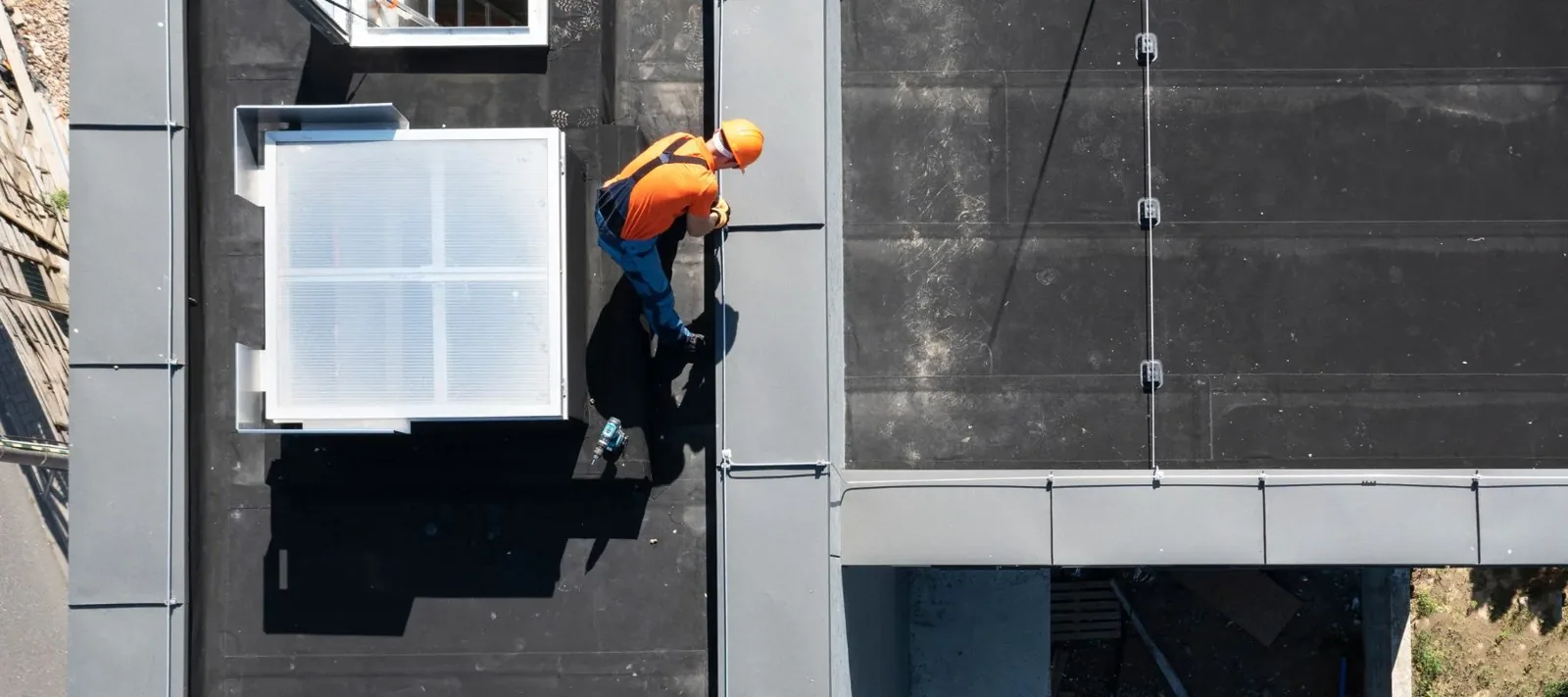
Most warranties break quietly, through foot traffic and equipment work rather than through weather. A new exhaust fan, a replaced condenser or a rack of solar panels all mean cutting into or standing on a membrane that was warranted as installed. When the work is done by someone who never saw the document, the flashing may be perfect and the coverage may still be gone.
That is why equipment changes belong in the file before they happen. Any change to rooftop equipment curbs and supports needs its curb and flashing details agreed before the work, and we record who did what and when. Mechanical contractors, solar installers and telecom crews all need to know the roof is under a warranty and who to call first. A short rooftop-access rule posted at the hatch and a sign-in sheet keep the traffic in check.
Repairs Done Right: materials, methods and proof
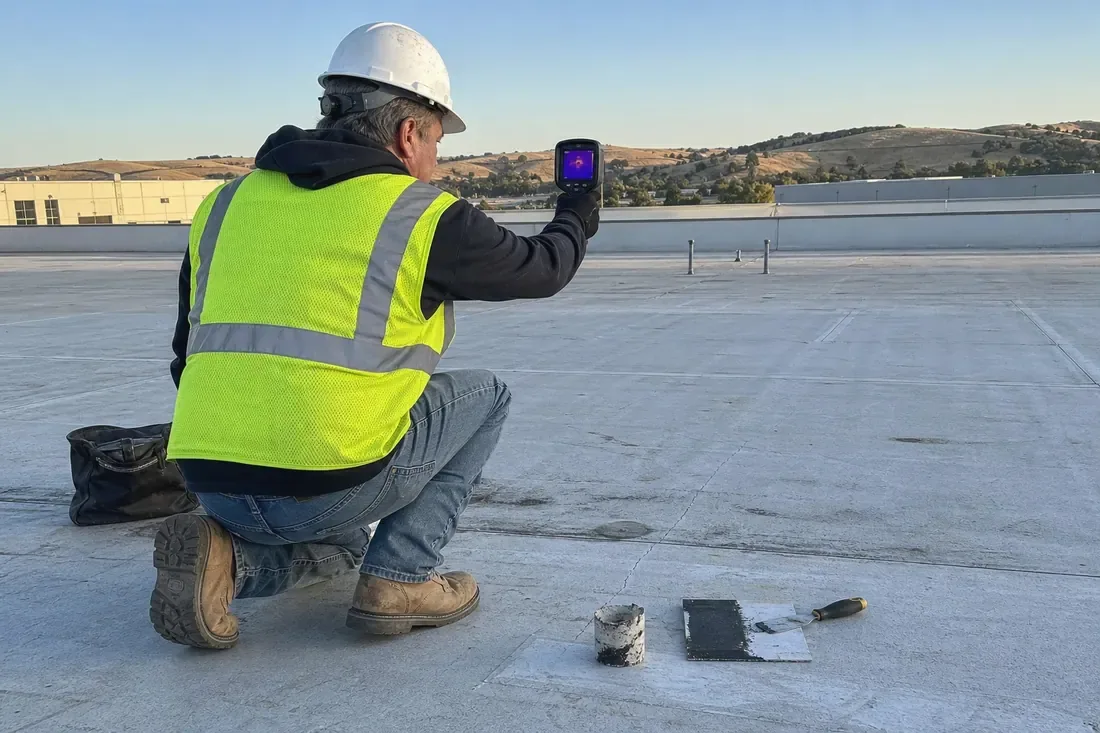
When a roof leaks, the first impulse is to patch it, and a patch made with the wrong product can do more harm than the leak. Some membranes accept certain sealants and reject others. Some seams need a heat weld, not a mastic. In the High Velocity Hurricane Zone, the replacement components also have to carry a valid product approval. A good commercial roof repair chooses the material the system was built to accept, records what went where, and photographs the work before and after.
The paperwork matters as much as the patch. A dated record showing who repaired what, with which product, is the evidence that repairs followed the manufacturer's terms. Without it, a later claim begins on the defensive. We keep those records inside the building's roof asset file, so the repair history and the warranty stay side by side.
Salt, Ponding and Other Fine Print
Two clauses catch Broward roofs more than most. The first is ponding water, which many warranties limit or exclude after a set number of hours. With near-daily summer thunderstorms and slow drains, ponding is common here, so the drainage on the roof has to be kept clear. Clearing debris and correcting low spots through roof drain and scupper work protects the roof and the coverage together.
The second is exposure to salt air and certain chemicals. Pompano Beach has about three miles of beach, and oceanfront roofs, such as those at the beachfront A1A Ocean Boulevard Corridor redevelopment, take salt and wind directly. Restaurant exhaust, cold-storage condensate and chemical vapors from nearby plants can also affect certain membranes. If a clause names an exposure your building has, the file should show that you watched for it.
Key Dates: notices, transfers and the pre-season walk
A few dates deserve a spot on the calendar. The first is the pre-season walk each spring, ahead of May 15, with the findings logged as maintenance. Another is the notice window after any storm that damages the roof. A third is the date a sale closes, since transfer rules vary and some warranties need paperwork or a fresh look at the roof before they pass to a new owner. The survey a buyer orders before closing, the kind of due diligence roof survey that goes with an acquisition, is a natural place to check all of this at once.
Buildings with several roof sections often have several warranties on different clocks, and a hangar roof and a shop roof at the Pompano Beach Air Park can go on in different years under different terms. Keeping those dates in one calendar prevents the oldest, quietest warranty from expiring unnoticed.
Questions We Hear Often
Does a repair by another contractor cancel the warranty?
Not automatically, but it can if the work used the wrong materials or skipped required notice. The safe path is to send the warranty document to anyone who will touch the roof before they start.
Who notifies the manufacturer after storm damage?
The owner or manager usually files the notice, since the warranty belongs to them. We supply the photos, the date and a written description so the filing is complete and inside the window.
Will a warranty pay for hurricane damage?
Read the wind clause first. Many warranties set a top wind speed or exclude certain events, and insurance, not the warranty, often carries the storm risk. Knowing which is which before the season is the whole point of reading it early.
What records are worth keeping?
Anything with a date on it: maintenance visits, repair invoices, photos, equipment change notices and the original warranty. A single folder, kept current, saves days of searching when a claim comes up.
Can a warranty move to a new owner?
Often, with paperwork, and sometimes with a fee or an inspection. Checking the transfer terms before a sale gives the seller time to fix a gap instead of explaining one.