Roof Asset Management in Pompano Beach, FL
A roof that gets rained on from May to October picks up a history whether anyone writes it down or not. The ponded corner behind the loading docks, the seam patched after one July storm, the rooftop unit that was swapped out and never properly re-flashed: all of it sits up there, and most of it is nowhere else. Roof asset management is the habit of writing that history down, building by building, so a property manager in Broward can answer a plain question without climbing a ladder. Which roofs are fine, which are slipping, and which one needs money before the next hurricane season? For an owner with one warehouse or a spread of strip centers, the record turns a drawer full of invoices into a plan. We work out of Pompano Beach, FL, so the plan assumes the sun, the afternoon storms and the salt air from day one.
The Inventory: what gets written down for every roof
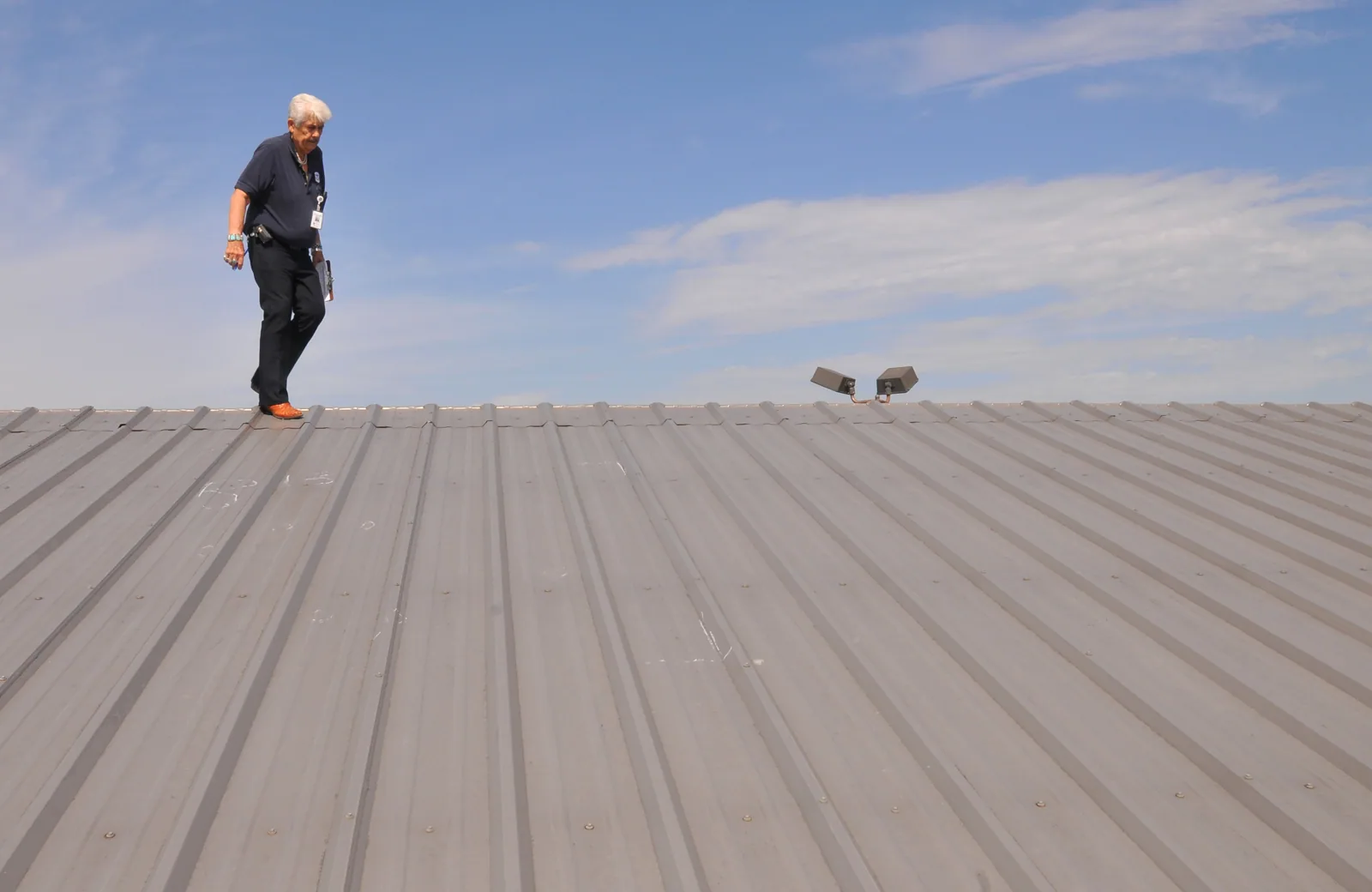
Every building starts with a walk. We climb up, photograph what is there and mark it on a simple roof plan, so the file describes the roof in front of us rather than the roof somebody remembers from a lease. Where old paperwork exists we use it. Where it does not, we say so in the file instead of guessing at an age.
- Membrane type, approximate age and how the roof is attached or ballasted.
- Roof area, layout, drain and scupper locations, and the places where water tends to sit.
- Rooftop equipment, curbs and supports, plus every pipe, vent and skylight that pokes through.
- Edge metal, coping and parapet condition, since the perimeter is where uplift starts.
- Past repairs, who made them, and any leak history tenants can recall.
A building with a clean entry for each item is a building you can budget for. A building with blanks is one where the next surprise is already waiting.
Condition Ratings: one plain scale, used every year
Each roof gets a rating on a short scale that does not change from one visit to the next: sound, watch it, repair this year, plan a replacement. Keeping the scale fixed matters more than it sounds. When the same corner moves from watch it to repair this year in twelve months, you can see how fast the roof is aging, and you can compare a South Florida roof with itself rather than with a brochure written for a milder climate.
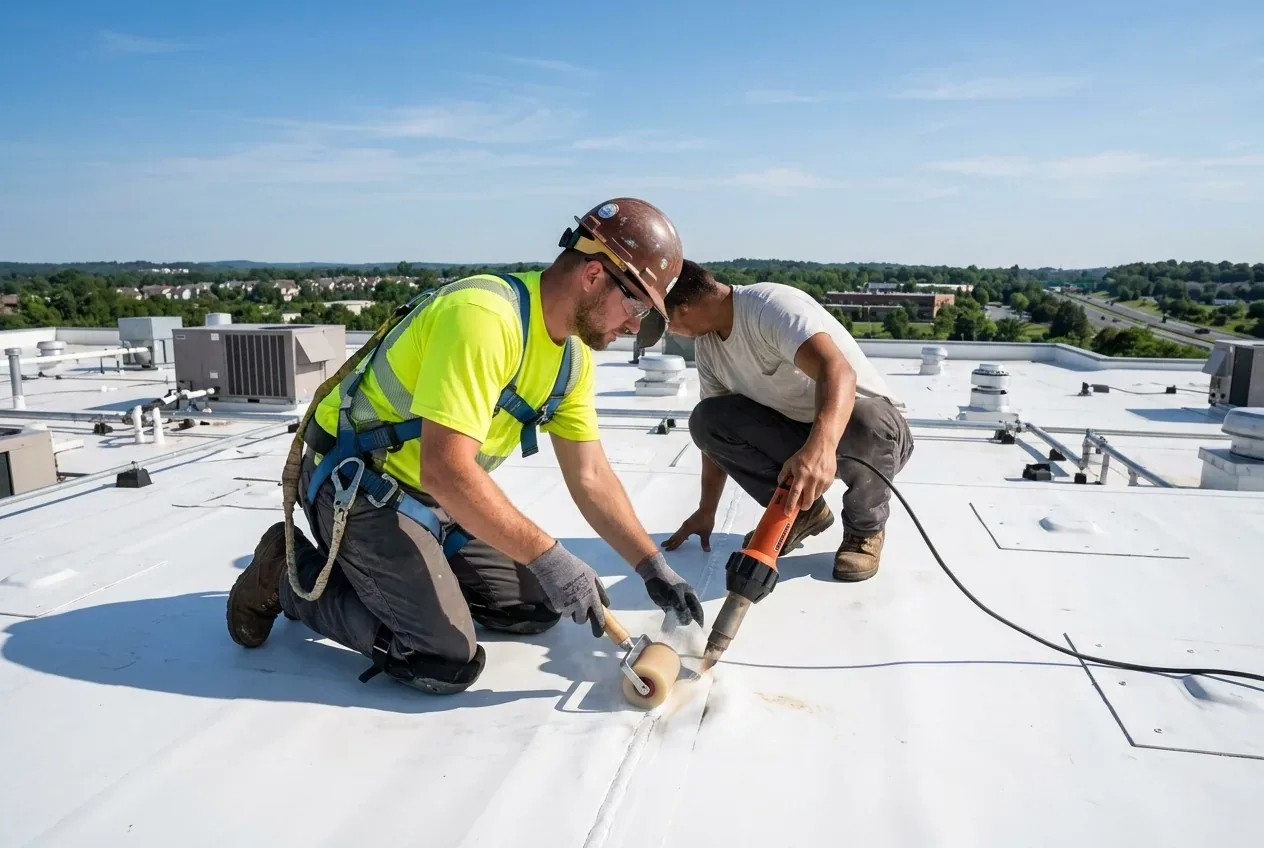
Around here the aging runs fast. Near-daily summer thunderstorms, dewpoints in the 70s and warm nights that have been running a degree or so above the long-term normal keep a low-slope membrane and the units on top of it under heat and ponding stress for months at a time. We watch for the things that heat and water do first: seams that open a little each season, flashing that pulls loose, sealant that cracks, and insulation that has quietly gone wet. When we suspect moisture we bring in an infrared moisture survey to see what the surface hides.
Storm Log: what the weather did, and when
A roof file should carry the storms along with the repairs. Wilma came through in October 2005 and Pompano Beach logged a 98 mph gust. Irma brought gusts of 80 to 100 mph across most of the county in 2017 and three tornadoes, one of which touched down near Oakland Park. The April 12, 2023 rainfall belongs in the regional storm record: Fort Lauderdale measured roughly 26 inches that day. A roof file should still record what the individual building experienced and what inspection found afterward.
We log each event against each roof: what the building was exposed to, what we found afterward, and what was done to dry it in. That log pays off in two directions. It tells you which roofs have been through the worst already and held, and it gives you dates and photos if you ever need to separate storm damage from plain wear. If a claim comes up, the same file backs up the paperwork, and the photos and dates are where roof insurance claim assistance begins.
Big Footprints: keeping an industrial park straight
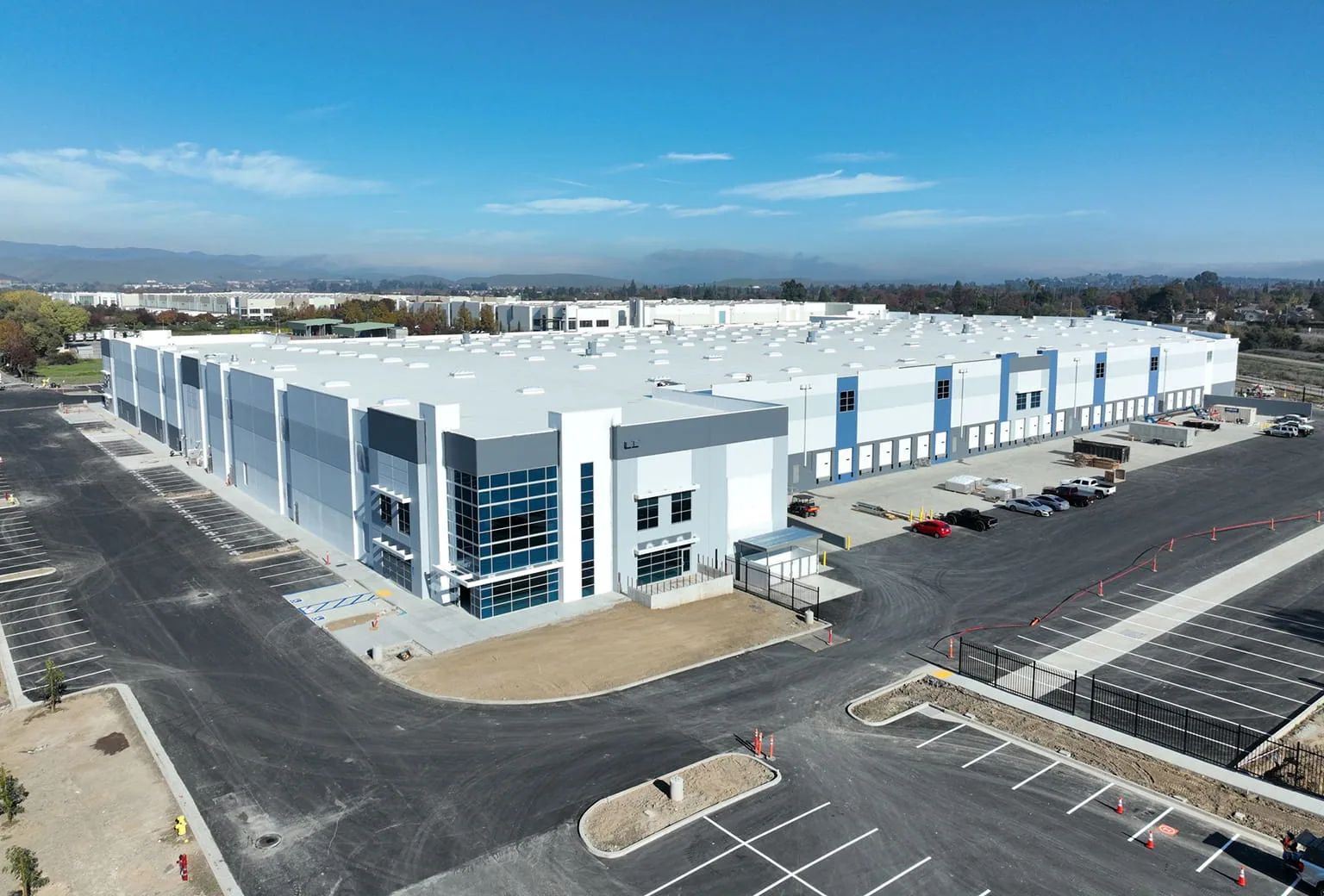
More than 28 million square feet of warehouse and distribution buildings sit in Pompano Beach, the largest inventory of this type in Broward. Large-footprint low-slope roofs dominate the local inventory. South Andrews contains about 4.86 million square feet of building area, while Park Central, between the Turnpike and I-95, covers about 1.99 million.
An owner holding three or four buildings in a park like that rarely has a roof problem on all of them at the same time. What they have is a tracking problem. One roof is ten years into a coating, another has a fresh membrane, a third has a unit curb that has been dripping every wet season. Putting them in one record lets you spend where the risk is highest. The same record-keeping helps an owner track a warehouse roof in the South Andrews industrial area or Park Central alongside other properties.
Mixed Holdings: grocery runs, retail strips and offices
Not every portfolio is warehouses. Walmart, Publix and FedEx all appear among the city's top ten employers, and they add retail and distribution roof area across Pompano Beach. Strip centers have a dozen tenants under one membrane, and a leak over one unit can become a dispute among three. Offices bring tenant improvement work that adds penetrations every few years.
The record handles that mix by tagging each roof with who uses the space under it and when they can be disturbed. A restaurant with a grease-fouled exhaust fan gets a different reminder than a cold-storage dock. A landlord with several property types ends up with one file that shows, at a glance, where leaks would cost the most money and where they would cost the most goodwill.
Using the Record: from a spreadsheet to decisions
A file nobody opens is just paper. The record earns its keep when it feeds real decisions, and we set it up so the same data flows three ways. Findings turn into a short list of repairs that go into preventive roof maintenance before the wet season opens on May 15. Aging trends set the timing of replacements in roof capital planning. Photos and dates feed a written condition report whenever a lender, insurer or buyer asks for one.
It also keeps manufacturer paperwork in view. Warranty terms vary by product and by maker, but they nearly all expect repairs to be done a certain way and recorded. Keeping those dates next to the roof's history turns warranty management into a matter of looking things up.
Questions We Hear Often
Do we need old roof files before you can start?
No. Bring whatever exists, even a folder of invoices, and the walk fills in the rest. Anything the roof itself cannot confirm, such as an exact membrane age, gets marked as an estimate so nobody mistakes it for a fact later.
How is this different from a one-time inspection?
An inspection looks at a roof on a single day. Asset management keeps the findings from every visit in the same format, so you can watch a roof change between storms and see which repairs held up.
Can the record cover buildings we lease or manage for others?
Tenants, landlords and managers all use it. The file shows who is responsible for what, because a leaky unit curb can sit unclaimed for years until somebody writes down whose job it is.
What changes in the file after a hurricane?
A new storm entry goes in within days of the storm passing, with wind exposure, damage found, photos and any dry-in work. Roofs that came through clean get marked that way too, which is useful information for next season.
When should the first roof walk happen?
Late winter or early spring, ahead of mid-May. Findings from that walk can turn into repairs while the weather is still friendly, and the baseline is in place before the daily storms start adding to it.