Commercial Roofing on the A1A Ocean Boulevard Corridor, Pompano Beach, FL
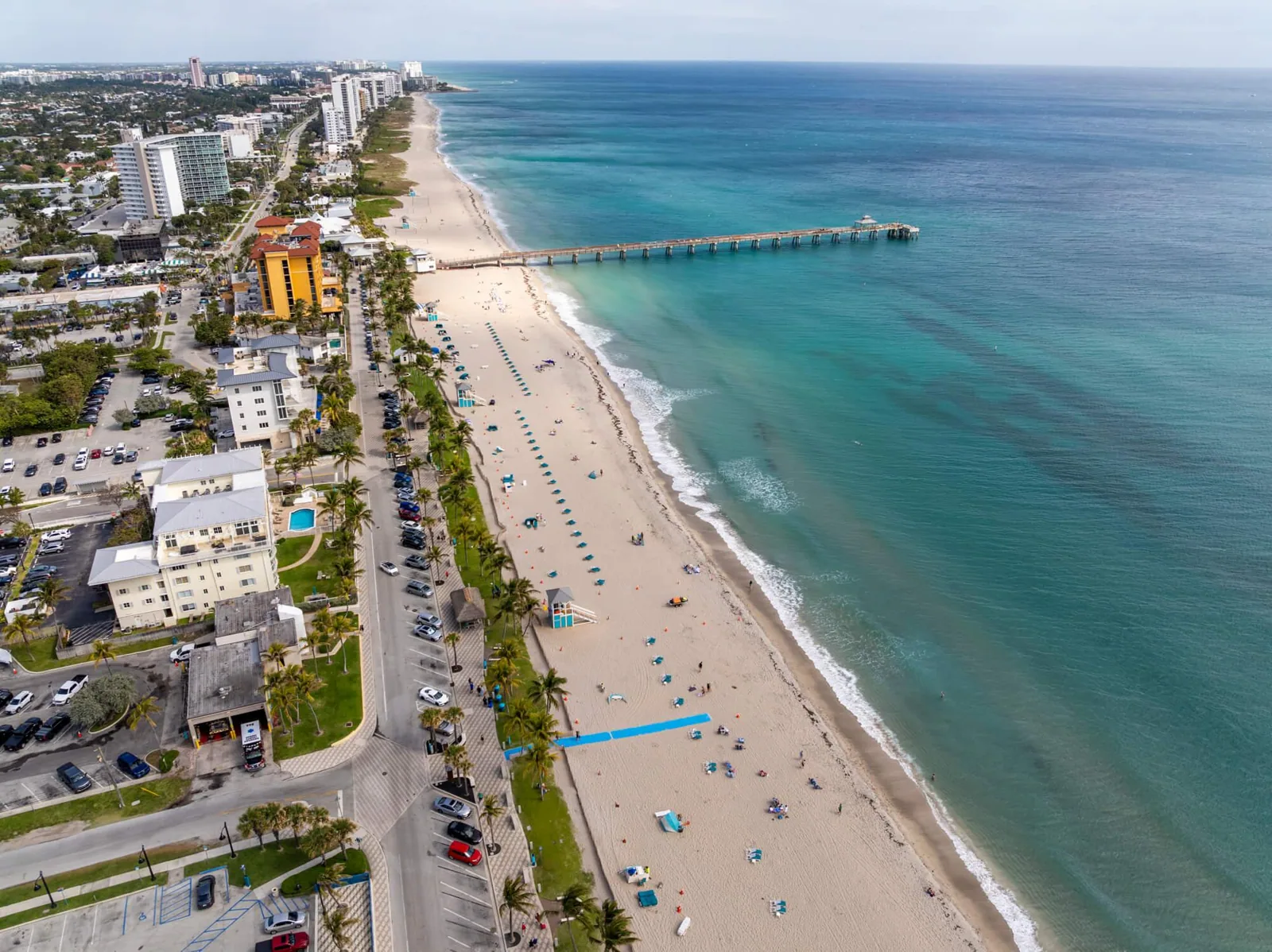
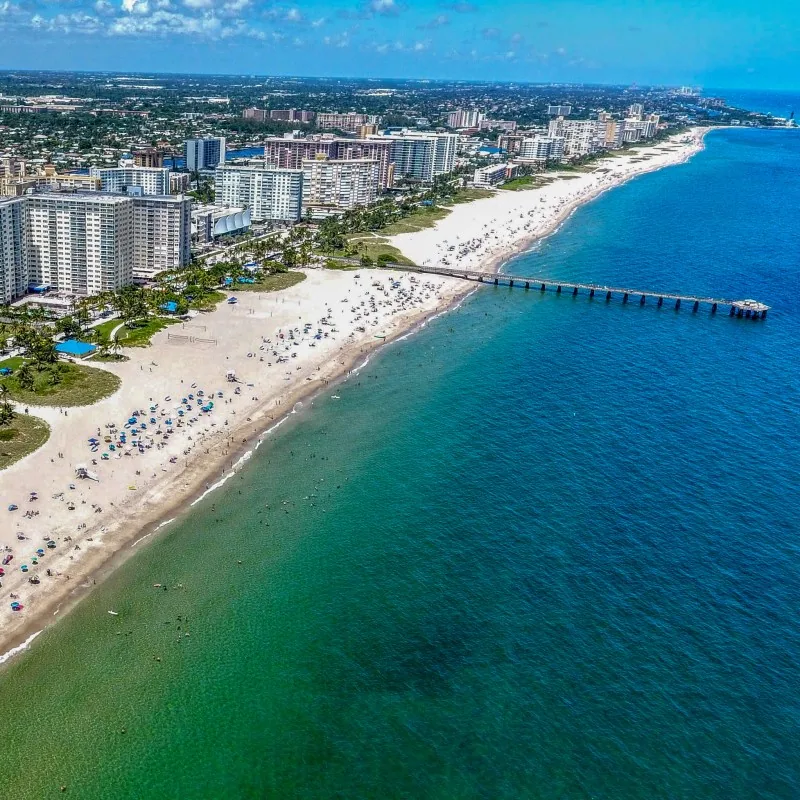
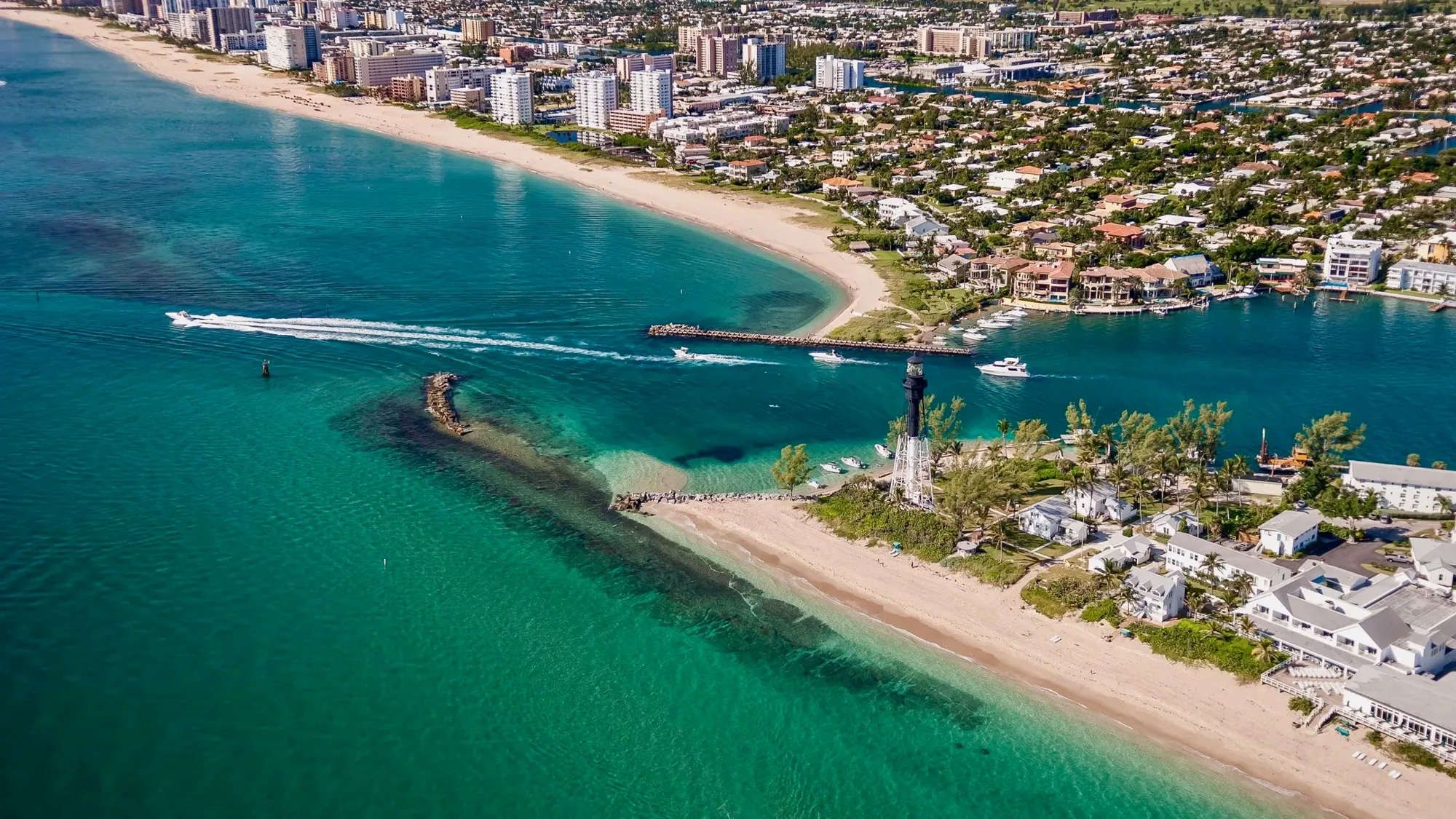
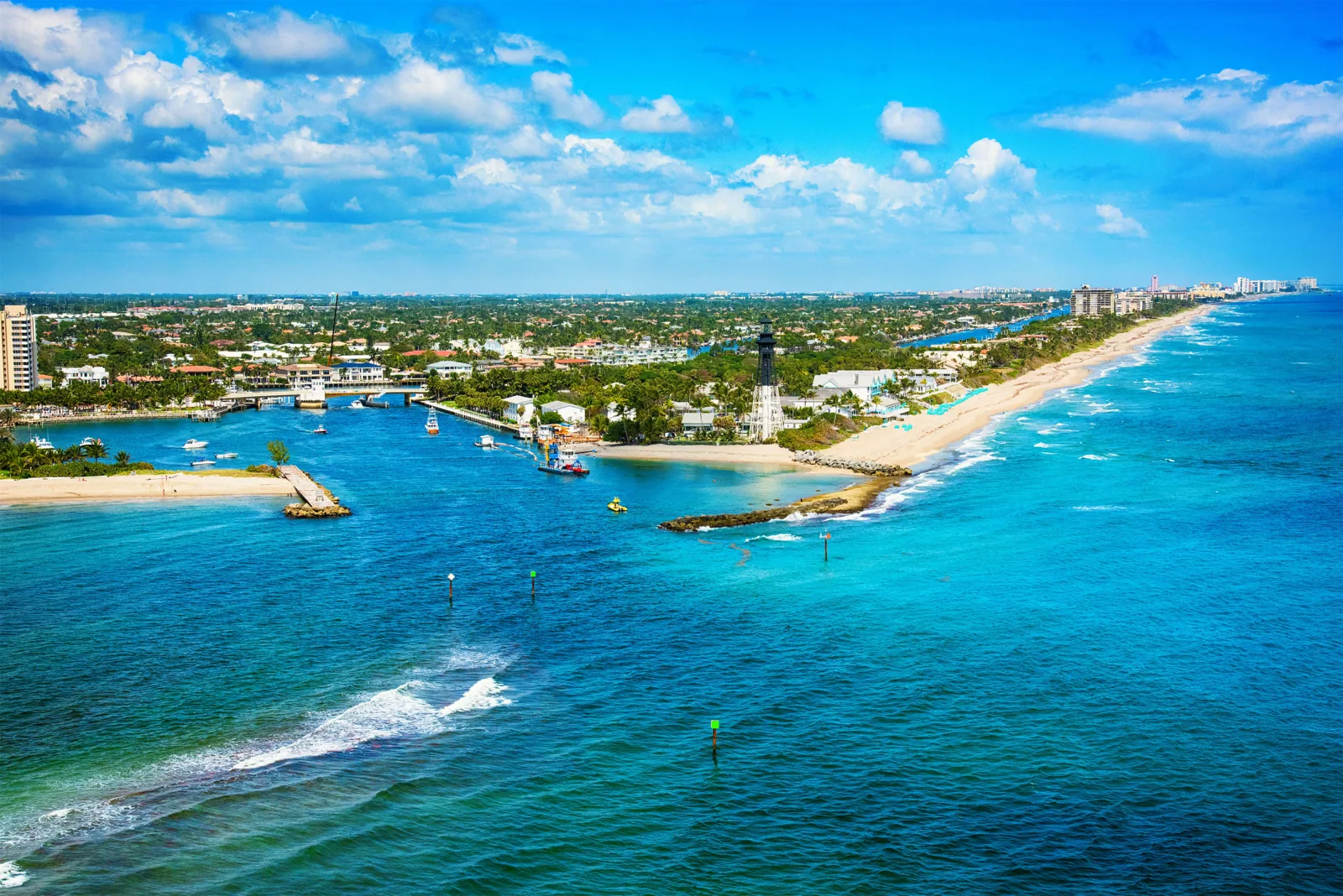
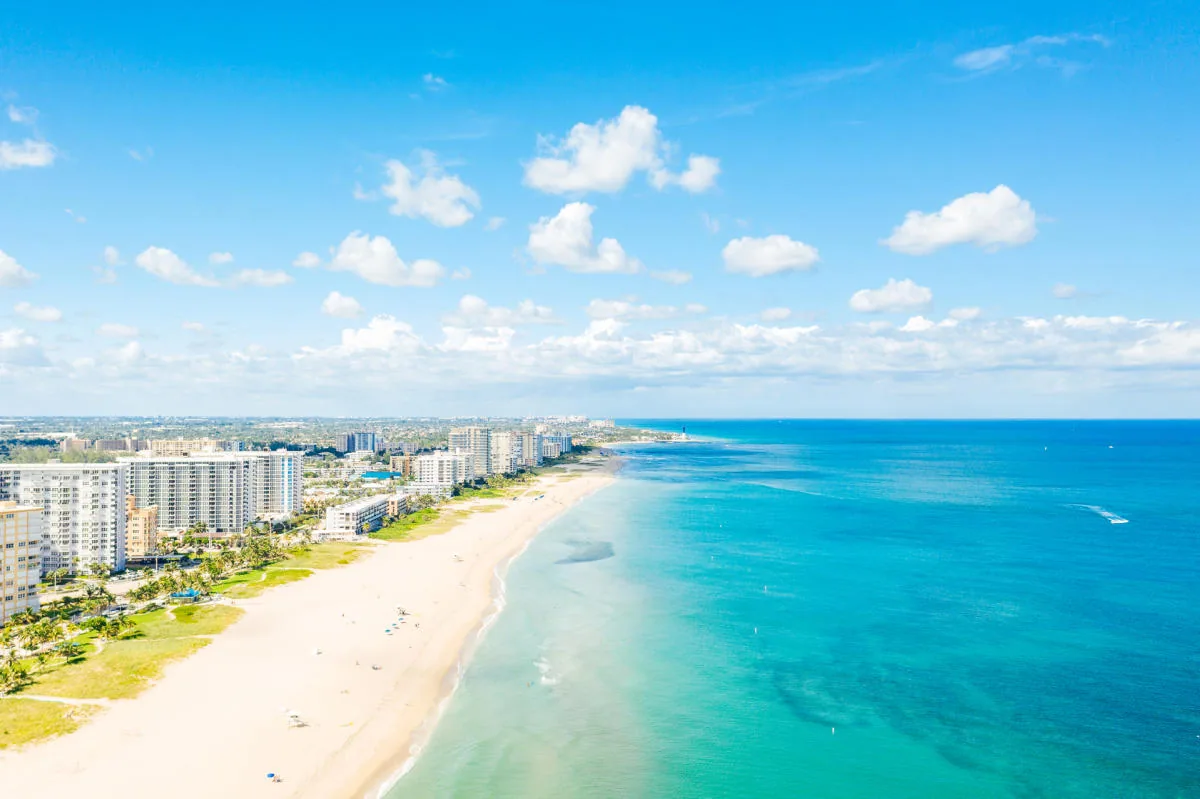
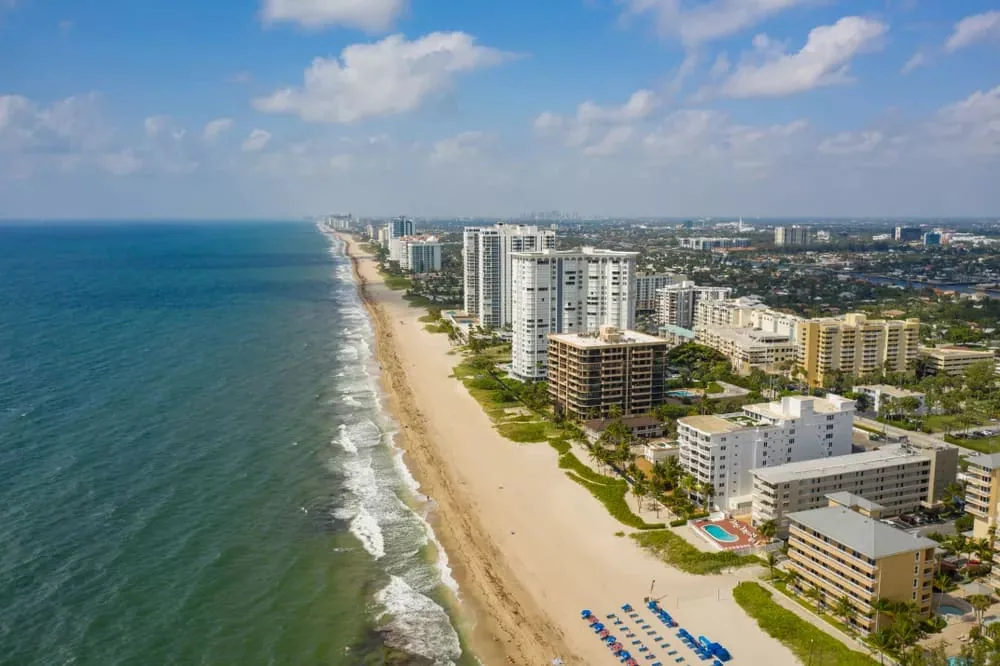
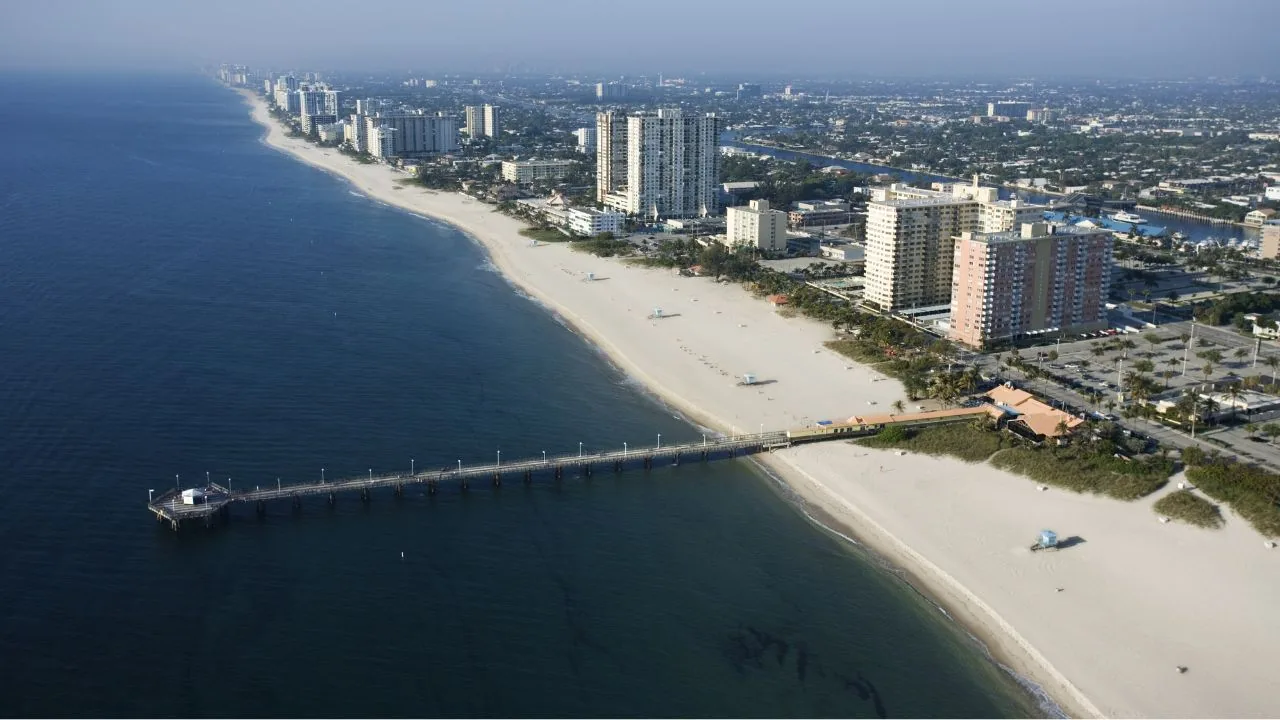
On the coast, a roof can be dry at noon and hit by a hard storm before the afternoon is over. Pompano Beach has about three miles of beach, and the City names A1A, also known as Ocean Boulevard, as an East CRA commercial target area. A1A is a corridor with separate businesses and buildings, not one pier or beachfront project. Salt air and wind work on metal edges, fasteners and rooftop equipment every day. We inspect the property’s own roof, then explain what needs repair before water reaches the interior. A commercial roof inspection starts with the membrane, edges and drainage, not a guess from the street.
Salt air works slowly until a detail lets go
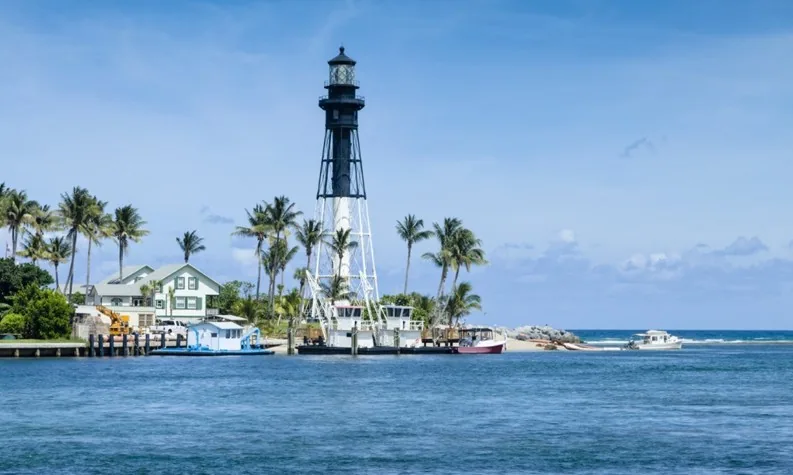
Corrosion can begin at a fastener, metal joint or cut edge and remain easy to miss until wind-driven rain finds it. We check coping, edge metal, equipment supports, screws and metal panel laps for rust, movement and failed sealant. A loose perimeter detail deserves attention before hurricane season, because wind can lift the edge and send water under the membrane. We also look at dissimilar metals and repairs made with incompatible materials. The nearby Lighthouse Point and Deerfield Beach areas face coastal conditions too, but the roof inspection stays specific to each property.
Corrosion is not always obvious on the exposed face of a metal edge. It can begin where a fastener passes through a panel or where two metals meet and hold moisture. We examine the back side of coping where access permits, check screws for movement and look at cut edges under coatings. If the metal has lost strength, sealant will not restore it. We replace the compromised section and tie the repair into sound substrate so wind cannot start lifting the same edge again.
Rain comes in concentrated bursts
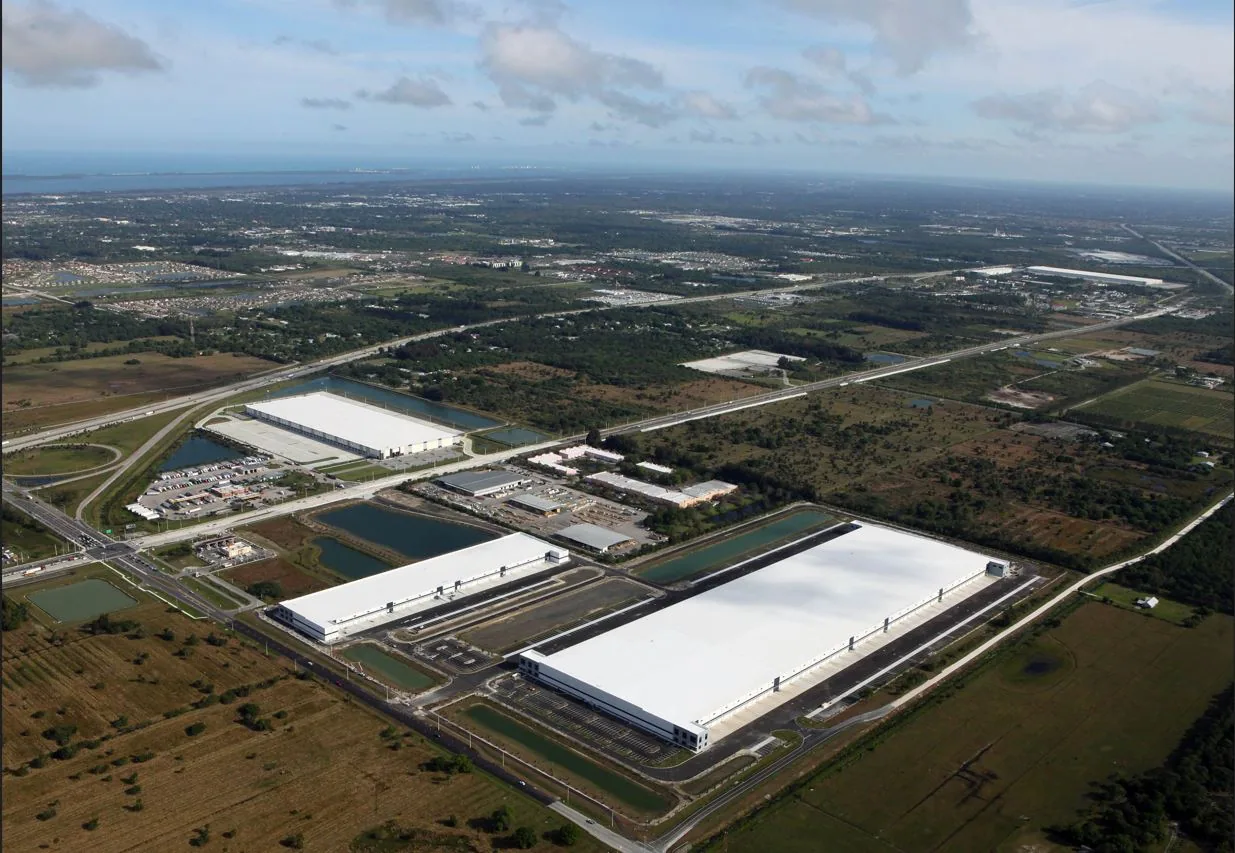
South Florida’s wet season runs from May 15 to October 15 and brings 60 to 70 percent of annual rain. Storms can stack water on a low-slope roof in minutes, especially when leaves or windblown debris reduce drain capacity. We inspect strainers, scuppers, overflow openings and the membrane around each drain. A coastal roof needs a clear primary path and an overflow route that works when the first one is overwhelmed. We note ponding after a storm, but we also check whether insulation has compressed or the roof deck has changed slope. Drain and scupper service should keep water moving off the roof instead of sealing around standing water.
Wilma showed what wind can do to a roof edge
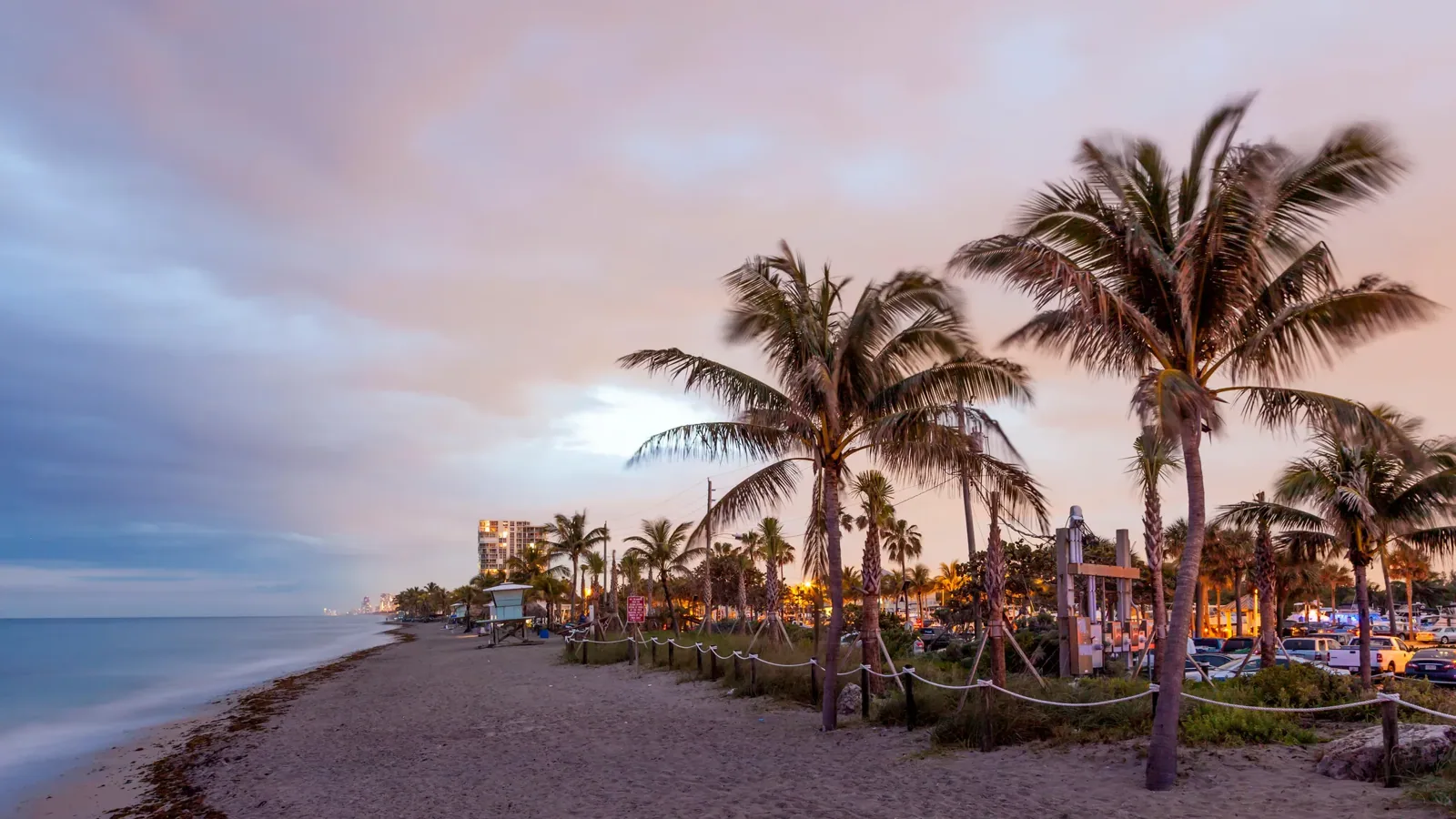
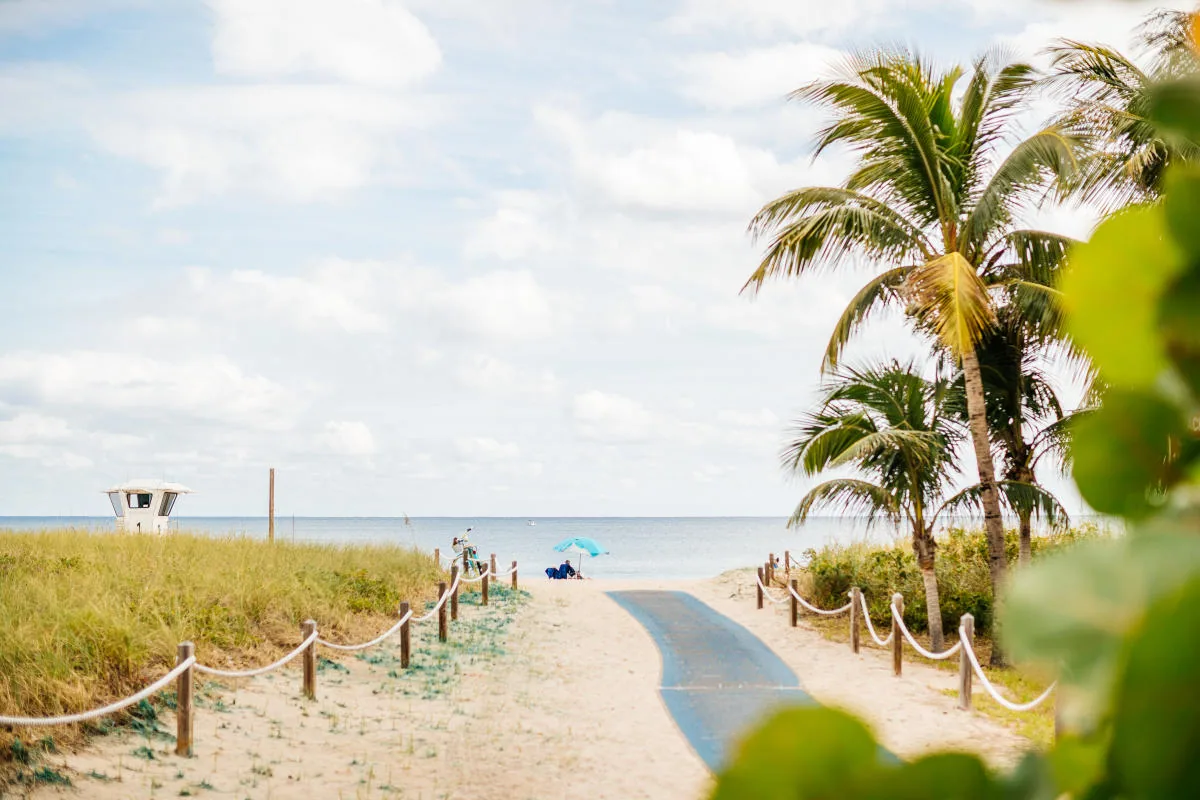
Hurricane Wilma produced a 98 mph gust at Pompano Beach, and Irma brought storm surge to coastal Broward. At the roof, the pressure concentrates around corners, parapets and equipment screens. We check the edge attachment, fasteners, membrane terminations and tie-downs, then compare the visible condition with the roof assembly’s approved details. After a storm, a building owner should keep people away from loose metal and avoid walking a wet or damaged roof. We can install temporary protection when conditions allow, then make a permanent repair after documenting the damage. Hurricane damage repair should restore the attachment and water seal together.
After a hurricane, a roof can have both visible and hidden damage. A lifted corner may have broken fasteners beyond the point where the sheet looks loose, and water can remain in insulation after the ceiling dries. We mark the affected area, photograph each edge and penetration, then take moisture readings before permanent repair. If electrical equipment or a rooftop unit has shifted, the owner should have the proper trade make it safe before roofing continues. The repair report should separate emergency protection from full restoration.
Keep coastal businesses open where conditions allow
Hotels, restaurants and retail properties often need the entrance and customer areas kept clear. We identify lift placement, delivery time, roof access and any space that needs to remain open before the first material arrives. Work can be phased so the exposed area is covered before the crew moves to the next section. Odors from adhesives or coatings should not drift into air intakes, and debris should not reach walkways or parking. Occupied-building reroofing lays out the sequence with the manager, while active leak response starts with a dry-in that protects guests, inventory and equipment.
Choose materials for exposure and condition
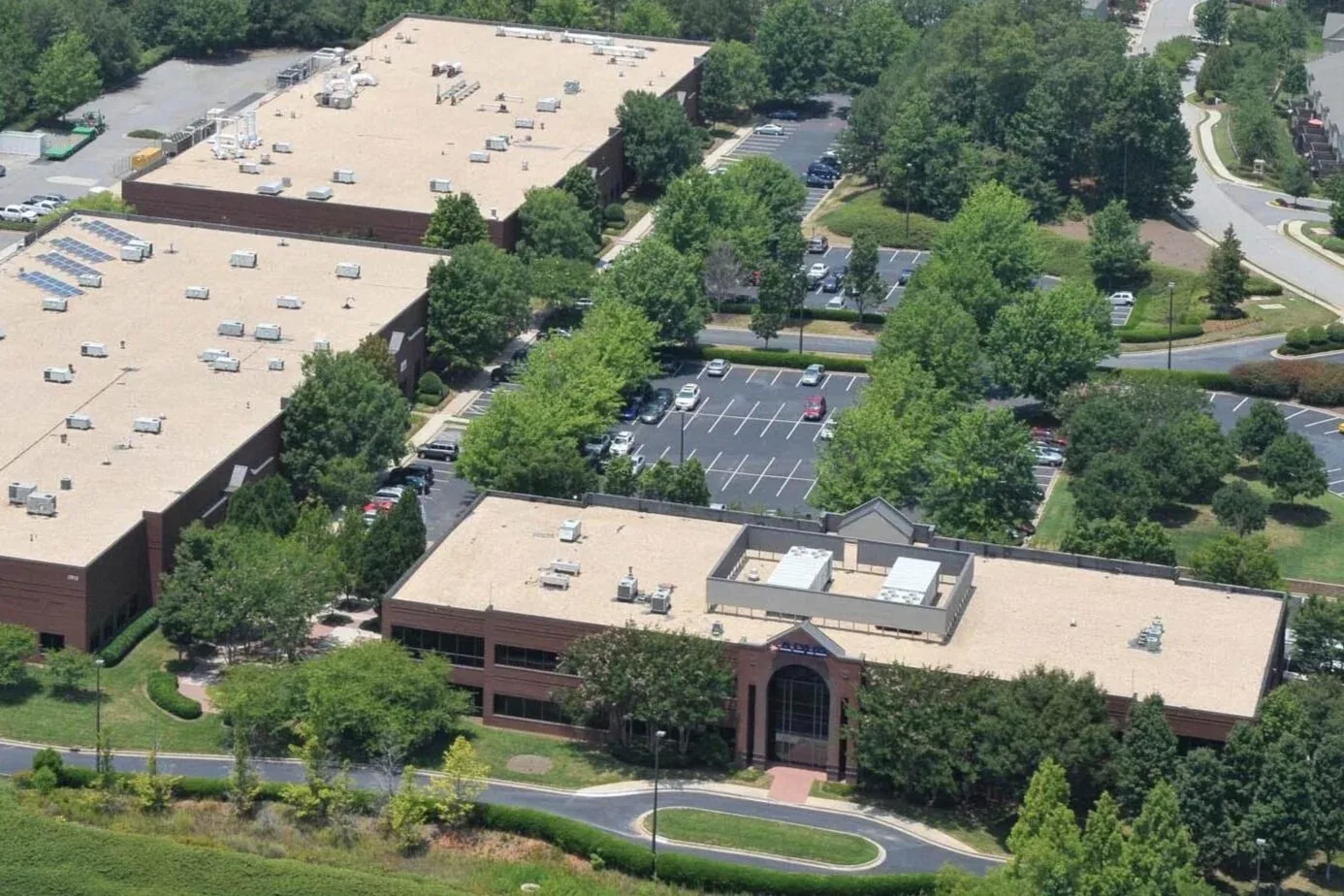
A coating may be appropriate on a clean, compatible roof with dry insulation and secure edges. It is not the answer to corrosion that has thinned metal, a loose fastener pattern or a wet deck. We inspect the existing system, test suspect areas and explain whether repair, restoration or replacement fits. Metal panels need attention at seams and fasteners; single-ply systems need sound laps and terminations. If salt has attacked a detail, the replacement metal and attachment method must suit the exposure. The owner gets the reason for the recommendation and a scope that says how drains, wall flashings and edges will be treated.
Coastal exposure also changes how often an owner should revisit fasteners, sealant and metal transitions. A maintenance log can show whether rust is isolated or advancing across a run. We compare those findings with the roof’s drainage and wind attachment, then recommend repair or replacement of the affected detail. A broad coating may protect compatible surfaces, but it cannot strengthen corroded metal or reattach a loose panel. Matching the treatment to the observed failure keeps the work durable and avoids covering evidence that still needs attention.
Inspect after the weather clears
After a storm, photograph interior leaks and note when they began. Do not remove damaged metal or walk near loose panels. We check the roof once access is safe, document water entry and separate emergency protection from permanent repair. A maintenance visit before the next wet season can revisit fasteners, sealant, drains and equipment supports. Preventive roof maintenance is most useful when each inspection compares the same coastal details over time and records what has changed.
We also check that new metal and fasteners are compatible with the existing assembly. Mixing materials without checking their interaction can create fresh corrosion beside an otherwise sound repair. That small detail matters in salt air.
Questions We Hear Often
How does salt air affect a commercial roof?
It can accelerate corrosion at metal edges, fasteners, panels and equipment supports. We look for rust, loose connections and failed sealant, then repair the detail with materials suited to the existing system and exposure.
What should we do if wind lifts edge metal?
Keep people away from the affected area and do not climb onto the roof. We inspect once conditions are safe, secure loose material and check the adjacent membrane for water entry. The permanent repair restores the attachment as well as the seal.
Can the roof be repaired during the wet season?
Yes, when weather and roof conditions permit. We protect active leaks first, watch the forecast and open only the area that can be dried in. If the substrate is wet, permanent work waits until it is ready.
Do beachfront roofs need different drainage?
The drainage design depends on the building, but coastal debris and heavy rain make clear drains and working overflows important. We inspect low points and outlets, then check that water does not remain against a seam or parapet.
Can a roof coating protect a coastal building?
Only if the existing roof is compatible, clean, dry and stable. We check corrosion, moisture, adhesion and edge details first. A coating cannot restore metal that has lost strength or repair a wet assembly.