Commercial Roofing in Deerfield Beach, FL
Afternoon storms roll across Broward all summer, and they land on corporate campuses and hospital buildings alike. Deerfield Beach is home to the headquarters of JM Family Enterprises, Southeast Toyota Distributors, MAPEI Americas, YouFit and AshBritt, and to Broward Health North, a 409-bed hospital. Corporate headquarters and a trauma hospital are occupants for whom a ceiling stain is a work order, a patient-care problem or both.
For Deerfield Beach, FL owners we handle low-slope and metal roof repair, recover, coating and replacement, and a storm call gets a live answer at any hour, holidays included. Deerfield Beach is in Broward, so the same wet season, and the same High Velocity Hurricane Zone rules apply to every roof here. A preventive roof maintenance program is how most of these owners keep a small defect from turning into a big one.
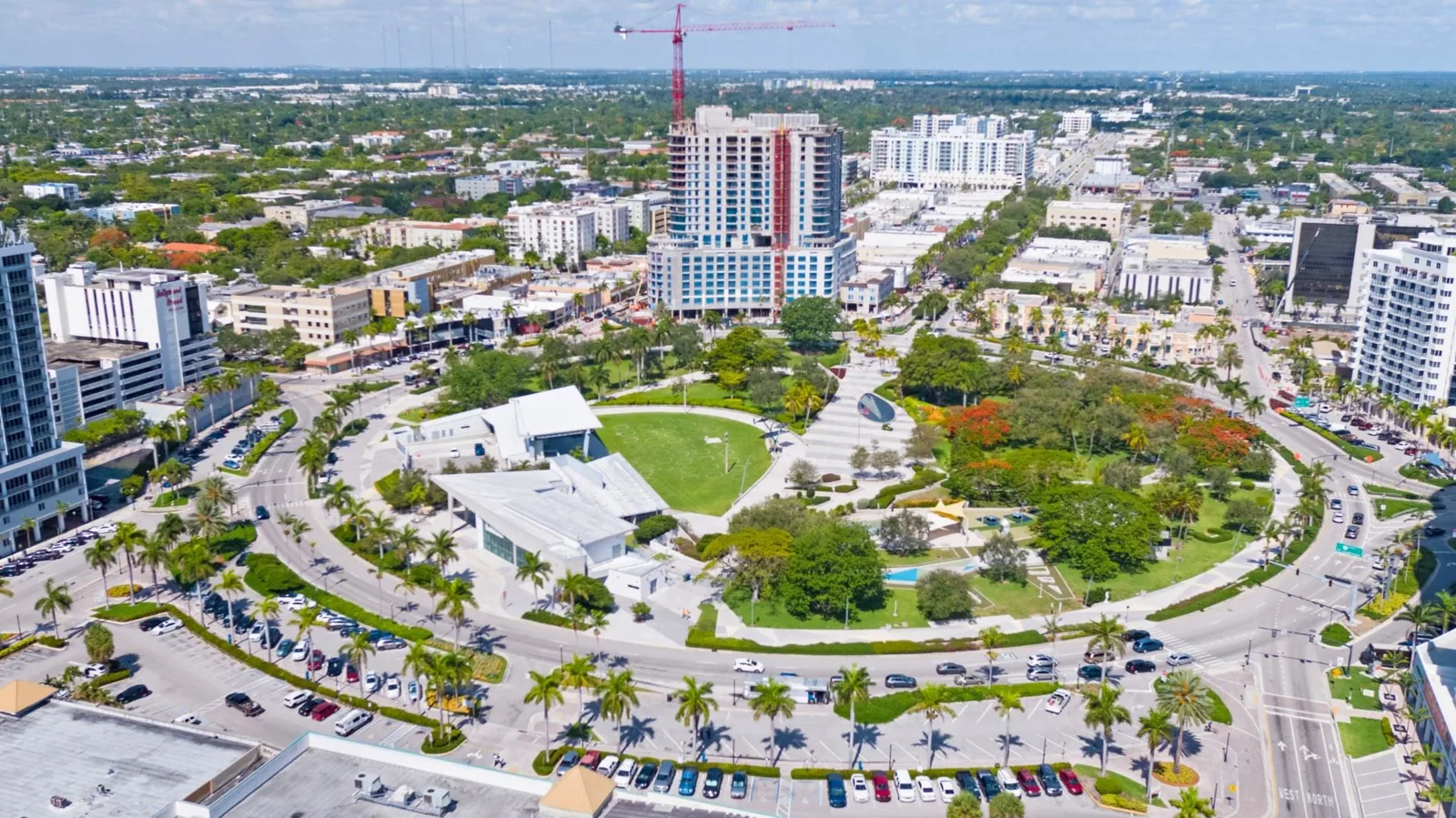
Headquarters Campuses: when the roof sits above a working floor
A headquarters building has people at desks, servers in closets and decisions being made under the ceiling. The roof is expected to be invisible, and it stays that way only when somebody is watching it. Deerfield Beach has several corporate headquarters, including JM Family, which completed a $150 million renovation and expansion of its campus with a 900-car parking garage.
Wherever a campus expands, new roof area sits beside existing roof area, and the joint between old and new is where we look first. Flashing laps, transitions in height and slope, penetrations that were rerouted during construction and drains that were added later are the details that tend to fail first on a campus that has grown in phases. A commercial office roof over a working floor also needs tidy staging: no hot work over open ceilings, clear routes for materials and quiet hours for meeting rooms.
Owners with several buildings on one site can group the roofs into a single schedule, so one crew handles drains, flashings and edges across the whole campus in a planned sequence instead of a string of emergency calls. That approach fits roof capital planning, where the budget follows the condition of each building and not the date of the last leak.
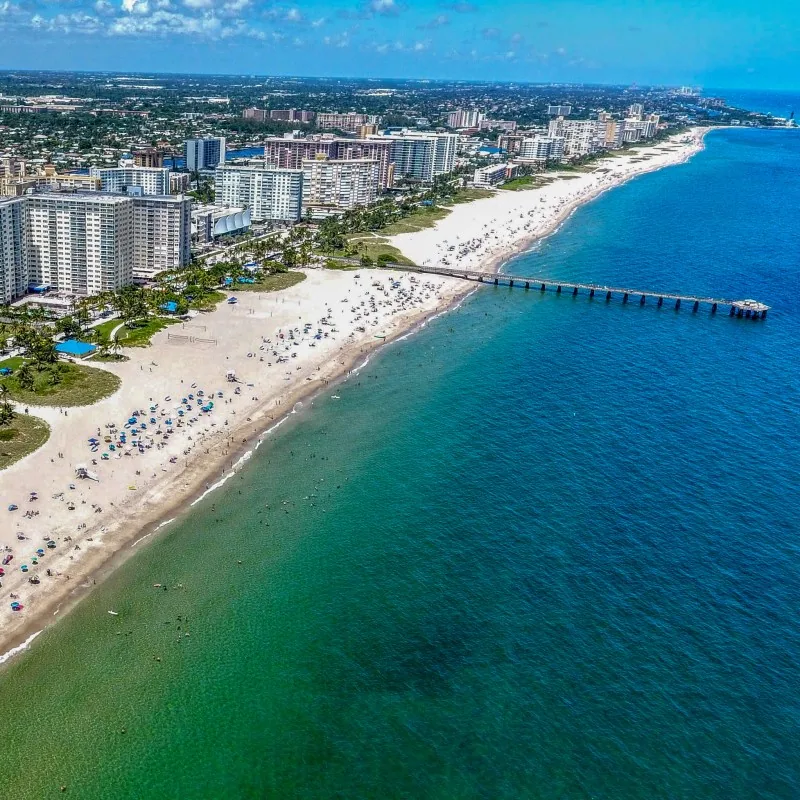
Under a Trauma Center: roofs on a building that never closes

Broward Health North is a Level II adult trauma center with 409 beds and more than 50,000 emergency visits a year. A building like that cannot go dark for a roof job, and it cannot tolerate dust, fumes or sudden noise near surgical suites, air intakes or patient rooms. Roof work on a hospital is planned around infection control, around the hours when noise matters least and around the location of the mechanical systems that keep the air clean.
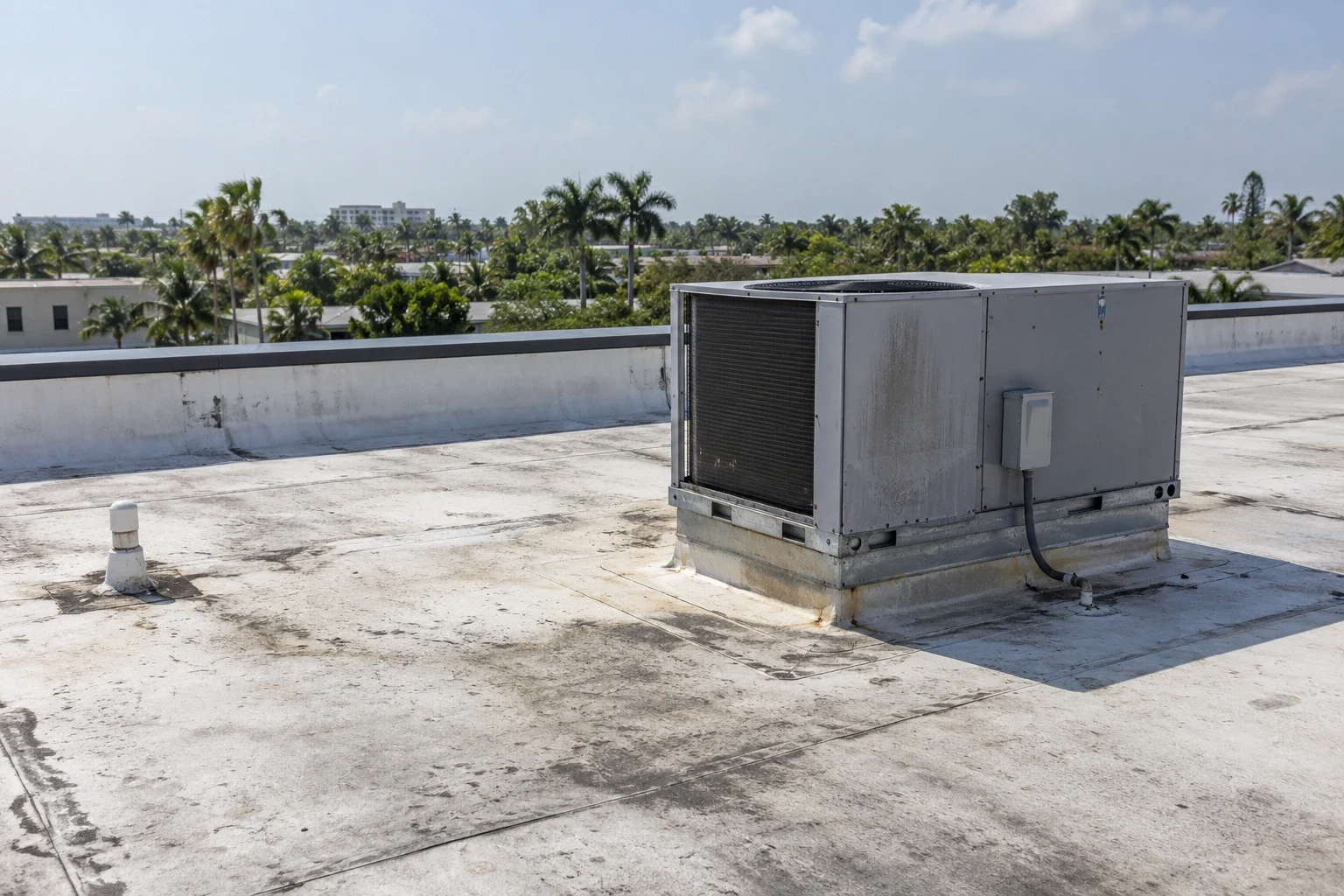
A hospital roof is full of equipment. Air handlers, exhaust fans, chillers and generators sit on curbs and rails, and every one of them is a penetration through the membrane. Curb flashing, pipe boots and equipment supports get checked closely because a small leak above a clinical area can shut a room. A hospital roof job is also scheduled around the storm season, with a dry-in plan that can be put on a roof quickly when the sky starts to build.
Medical buildings of a smaller scale, such as clinics and physician offices, share many of the same needs. On a medical office roof the discipline is the same: protect what is underneath, keep the access routes clear and finish each section before the weather turns.
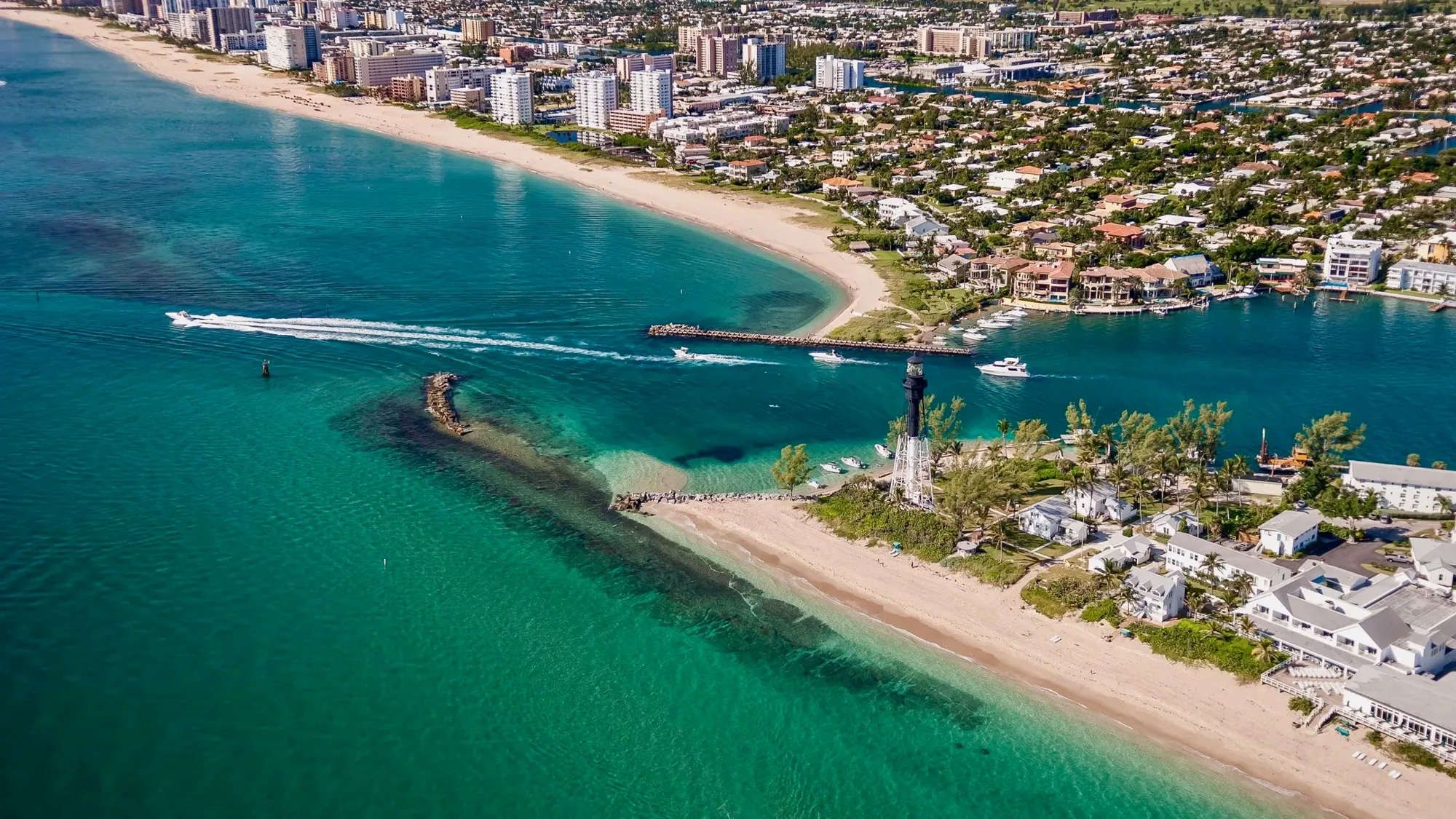
Wilma, Irma and the Tornado Near Oakland Park
Wilma passed over Broward on October 24, 2005, and the eye alone measured 55 to 65 miles across. Irma in 2017 delivered three tornadoes, one of them an EF-0 touching down near Oakland Park, and gusts of 80 to 100 mph over most of the county. Roofs that took those hits and showed no stain afterward can still be carrying lifted seams, slack flashing or coping that has loosened a notch.
The next afternoon thunderstorm finds those spots. We walk roofs after a named storm and record what we see, with photos and a marked plan, so the owner has a record for repairs or for an insurance conversation. After a named storm, wind damage roof repair follows the same checklist every time.
Before the season, the job is tie-downs: coping fastened at the spacing its approval calls for, edge metal sealed and secure, equipment strapped and flashed, and loose items cleared from the roof so nothing becomes a missile.
Rail Side and Road Side: working near active transit
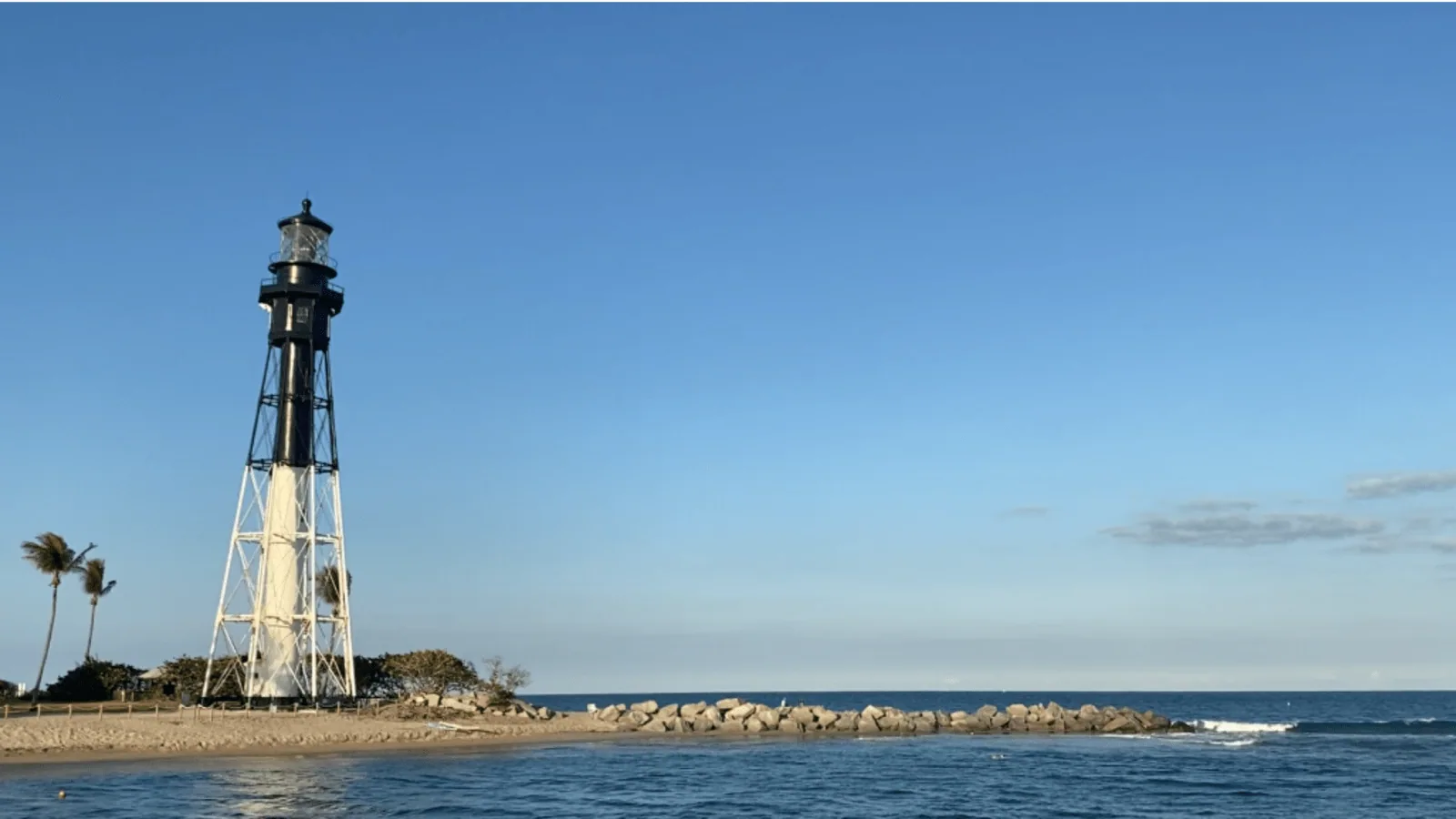
Deerfield Beach is served by Tri-Rail, and a site near the line or a busy road changes roof work in ordinary ways: trucks need space to stage, lifts need a safe set-up zone and materials have to be delivered when a site's neighbors can tolerate it. On a site like that, the crew plans loading and unloading before anything goes up on the roof.
Staging, noise limits and pedestrian protection are part of the scope, and we bring them up on the first walk, not after the first truck arrives. For owners who want the heat-reflective surface a cool roof provides, the layout of the site and the schedule of its neighbors matter as much as the choice of membrane.
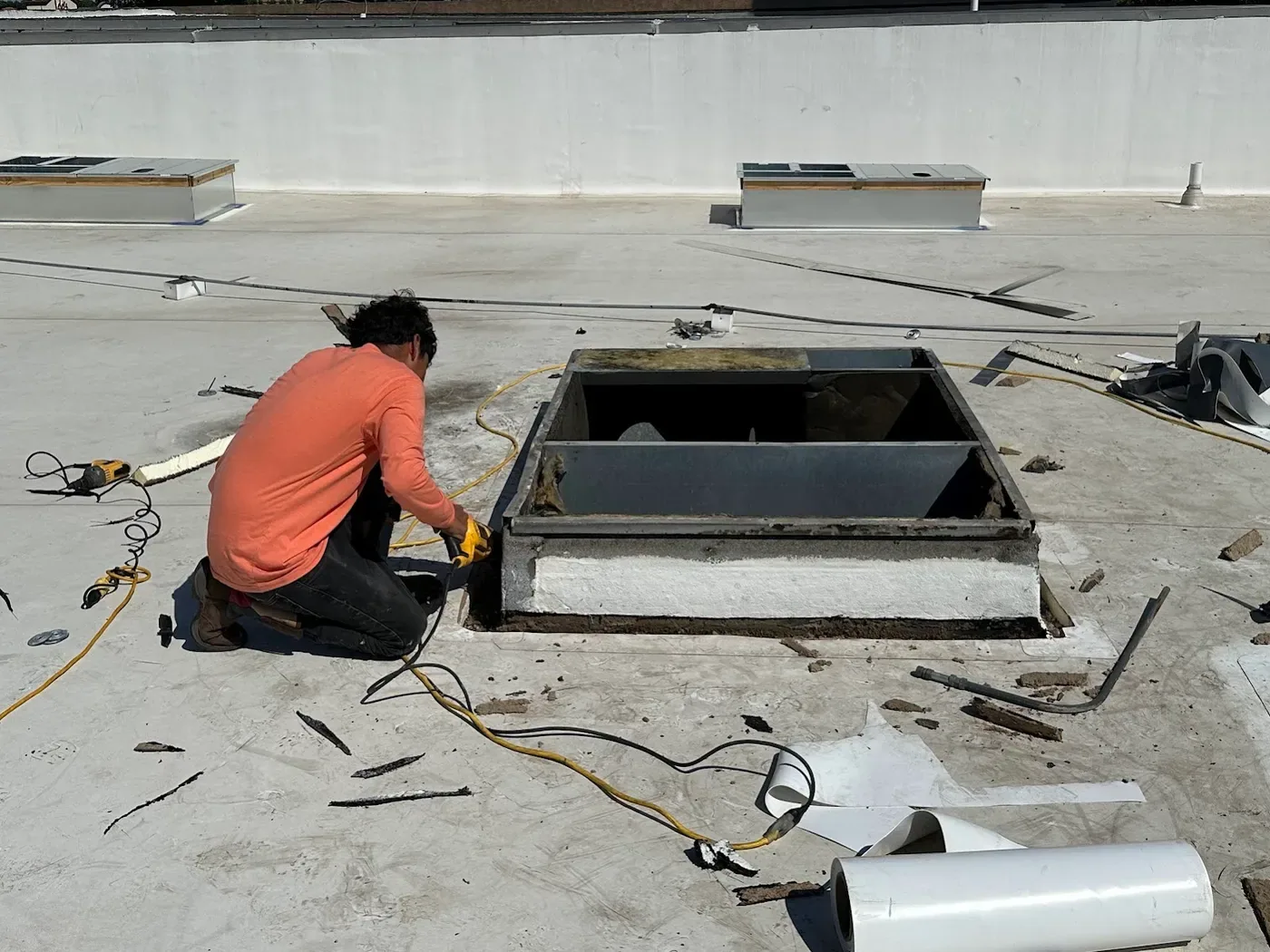
The First Walk: what we check before talking about replacement
Drains and scuppers get the first look, then the perimeter, then the flashings at walls, curbs and penetrations. Seams, fastener plates and any soft spots underfoot are marked as we go. Where a ceiling inside shows a stain, we try to match it to a spot on the roof, and if the surface feels wet, an infrared moisture survey shows where the insulation has taken on water.
The written report carries photographs, a marked plan and a ranked list. Some findings are repairs we can finish within the week. Others are budget items for next year or the year after. An owner with buildings spread from Lighthouse Point to Boca Raton can ask for the same report format on every roof and compare them side by side.
Options and Timing: what moves the schedule and the cost
On the healthcare and headquarters roofs here, the schedule is shaped less by the weather than by the people underneath. The questions are where the dust can go, which hours are quiet enough for tear-off, which air intakes need protecting and who has to sign off before a section opens. A sound membrane with local damage stays a repair. A tired surface over dry insulation can take a coating with almost no disturbance. Wet insulation changes the plan and brings a full tear-off into the conversation.
Product approvals add lead time, since every exterior component in Broward's hurricane zone must carry a valid Miami-Dade Notice of Acceptance. Rain adds more, with most of it falling between mid-May and mid-October. An owner who wants the work finished before the next wet season should call in the cooler months, before the wet season opens in mid-May and while the mornings stay clear.
Questions We Hear Often
Can a hospital roof be repaired without disturbing patient areas?
It can, with planning. We separate dust and noise from air intakes, work in sections and keep the dry-in ready, then coordinate access and hours with facilities staff.
How do you handle a campus where the roofs were added in stages?
We walk each building separately and note the age and type of each section. The joints between old and new roof get the closest look, and the schedule follows the roof that is closest to failing.
What do you inspect first after a tropical storm passes?
Edges, coping, rooftop equipment and drains, since that is where wind and water do their damage first. A written report records what moved.
Does a reflective roof matter in this climate?
It does. Dewpoints sit in the 70s through the summer and nights run warm, so a surface that sheds some sun load takes stress off the membrane and the cooling system below.
Who covers an after-hours leak at a corporate building?
Call us. Our crew answers around the clock, and a tarp or temporary seal can go on once lightning has moved off, before the ceiling below gets wetter.