Medical Office Roofing in Pompano Beach, FL
Anyone who has waited in a Broward clinic during a July downpour knows the sound of the building working: air handlers running flat out, patients shaking umbrellas in the lobby, a nurse glancing at one corner of the ceiling. Summer dewpoints sit in the 70s for weeks, so a medical suite is pulling moisture out of the air all day, and it has less room for a damp ceiling than almost any other kind of tenant.
We repair, restore and replace roofs on medical office buildings, specialty clinics, urgent care centers and dental and imaging offices in Pompano Beach, FL. The work is planned around appointments, around patients and around the quiet that a treatment room needs.
Dry Ceilings and Clean Air: why moisture matters in a clinic
A wet ceiling in an office is an annoyance. A wet ceiling in an exam room can close the room. Moisture in tile and insulation can grow mold within days in South Florida heat, and clinics have to deal with that on a schedule set by patient care, not by a contractor's convenience. Infection-control rules in many practices mean a leak that touches a sterile processing area or a procedure room gets its own response plan.
So the roofing priority is to stop water at the source and to find it early. An infrared moisture survey shows wet insulation before it reaches the ceiling, and regular preventive maintenance keeps drains clear and seams tight before the wet season begins. For a practice that cannot afford a closed afternoon, a quiet spring inspection costs very little against a July emergency.
In a medical office, rooftop work has to protect more than the rooms directly beneath the repair. Air intakes, patient entrances and scheduled procedures all influence where equipment can be staged and when adhesives or tear-off can be used. We mark the work zone, cover intakes where needed and close each section before leaving for the day. A survey also checks roof curbs for vibration and service access, because repeated maintenance visits can wear the same flashing corner long before the surrounding membrane reaches the end of its life.
We also confirm the exact intake shutdown window with the operator and restore the normal air path before the work zone is released.
Quiet Hours and Dust Control: working around appointments
Roofing is loud, and a dental drill competes poorly with a power tear-off. We map the noisiest steps and put them where they do the least harm, often early in the day before the first appointment, or on a weekend for practices that close. Dust and debris go into a closed system so nothing drifts into air intakes, and walkways that patients use stay clear and marked.
A medical suite is not an ordinary office building in this respect. Patients arrive on their own schedule, many of them elderly or unwell, so we protect entrances, handicapped parking and the walk to the door from overhead work. Our approach to re-roofing an occupied building includes a plain schedule posted at the front desk, with names and numbers, so staff know who to call and what to expect each morning.
Vibration and Shielding: imaging rooms and sensitive equipment
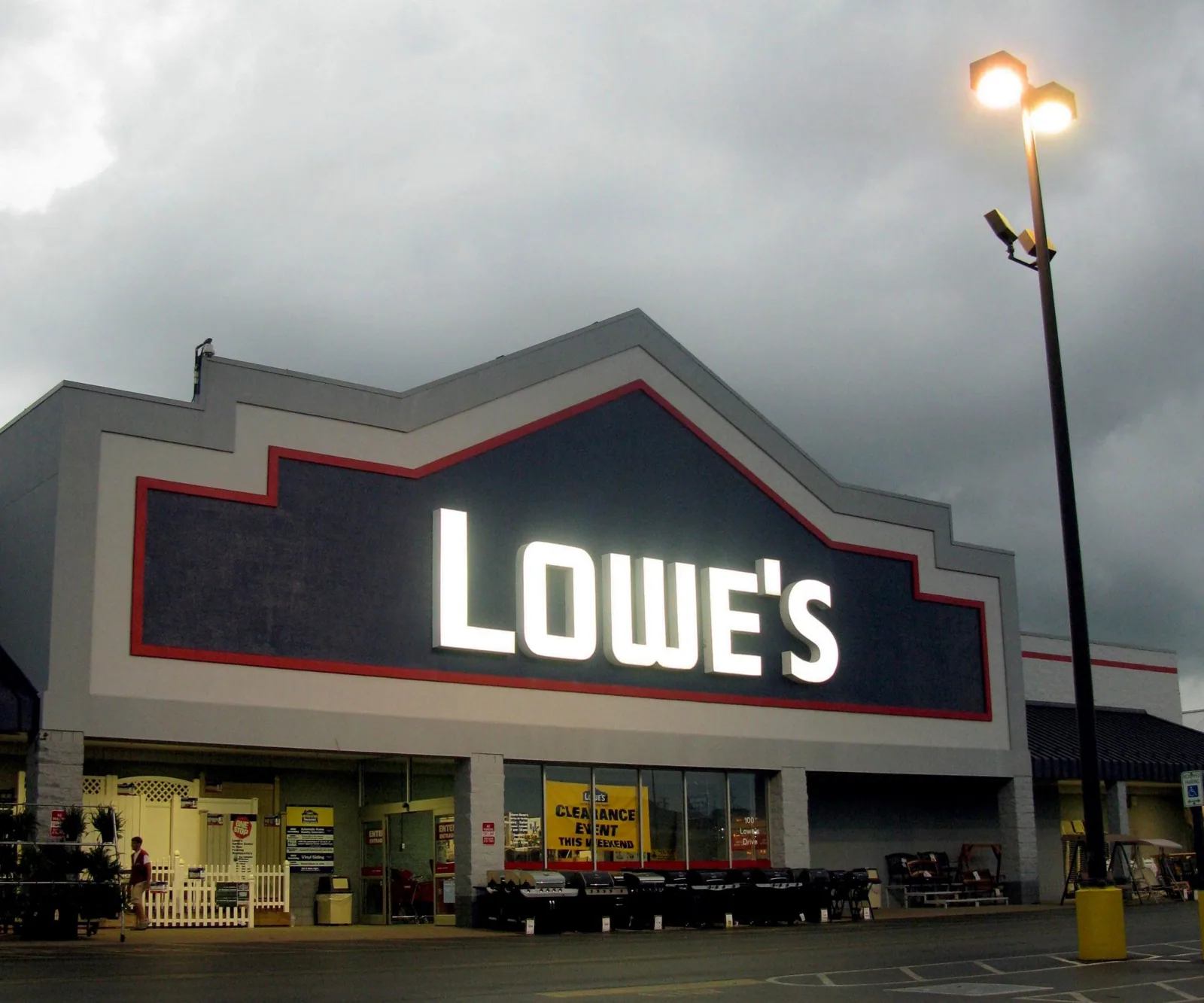
Not every clinic has an MRI or a CT suite, but many have equipment that dislikes vibration or any change to the ceiling above it. Dental imaging, ultrasound rooms, lab analyzers and sleep study rooms all need steady conditions. Heavy tear-off tools directly overhead can disturb that, and so can the weight of stacked material staged on a section of the roof above a shielded room.
We ask which rooms are sensitive before we lay out the work. If an imaging suite sits under a corner of the roof, that corner may be done at a different time or by a lighter method, with materials kept away from it. This is the sort of detail that never appears in a standard bid, but it saves a medical practice from a costly recalibration or a rescheduled study.
Near the Hospitals: Deerfield Beach, Coral Springs and Boca Raton
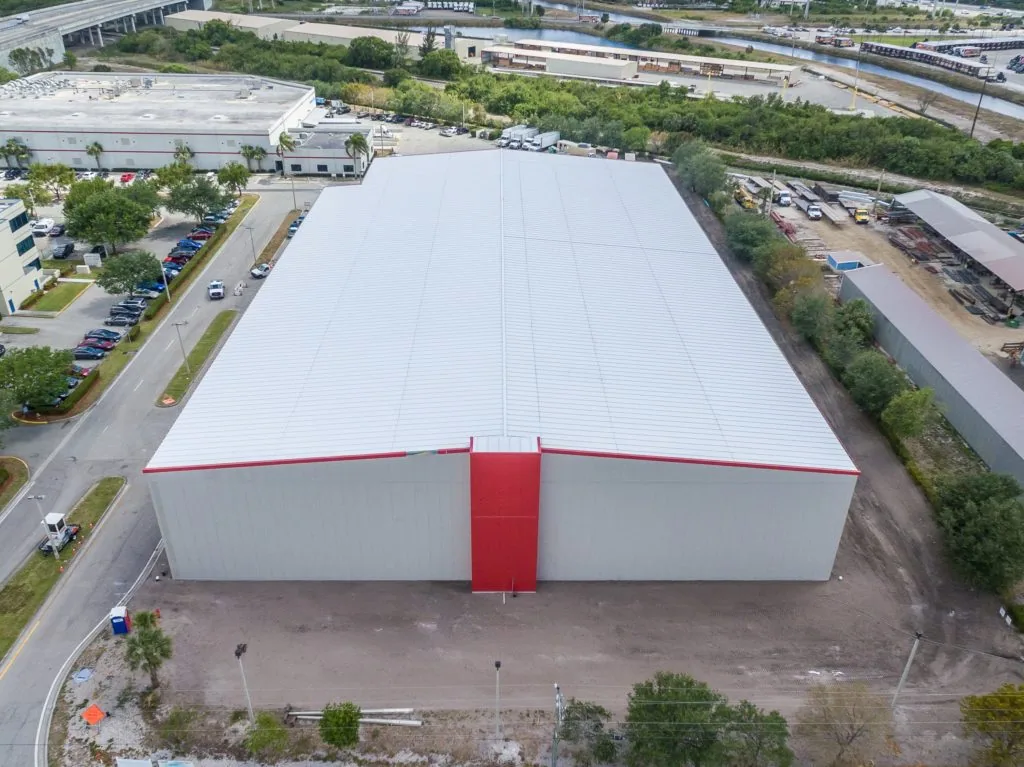
Medical offices tend to gather close to hospitals. Broward Health North in Deerfield Beach has 409 beds and is a Level II adult trauma center, Coral Springs has its own medical center with 200 beds, and Boca Raton counts Baptist Health among its largest employers.
Offices near a hospital campus tend to carry more rooftop air handling than a typical office, and their roofs take the same weather as everything else in the county, including the early wet-season thunderstorms and the hurricane winds Wilma brought in 2005. Larger campuses and inpatient buildings call for the same care with added safeguards, as on any hospital roof.
Intakes, Exhaust and Curbs: protecting the air on the roof
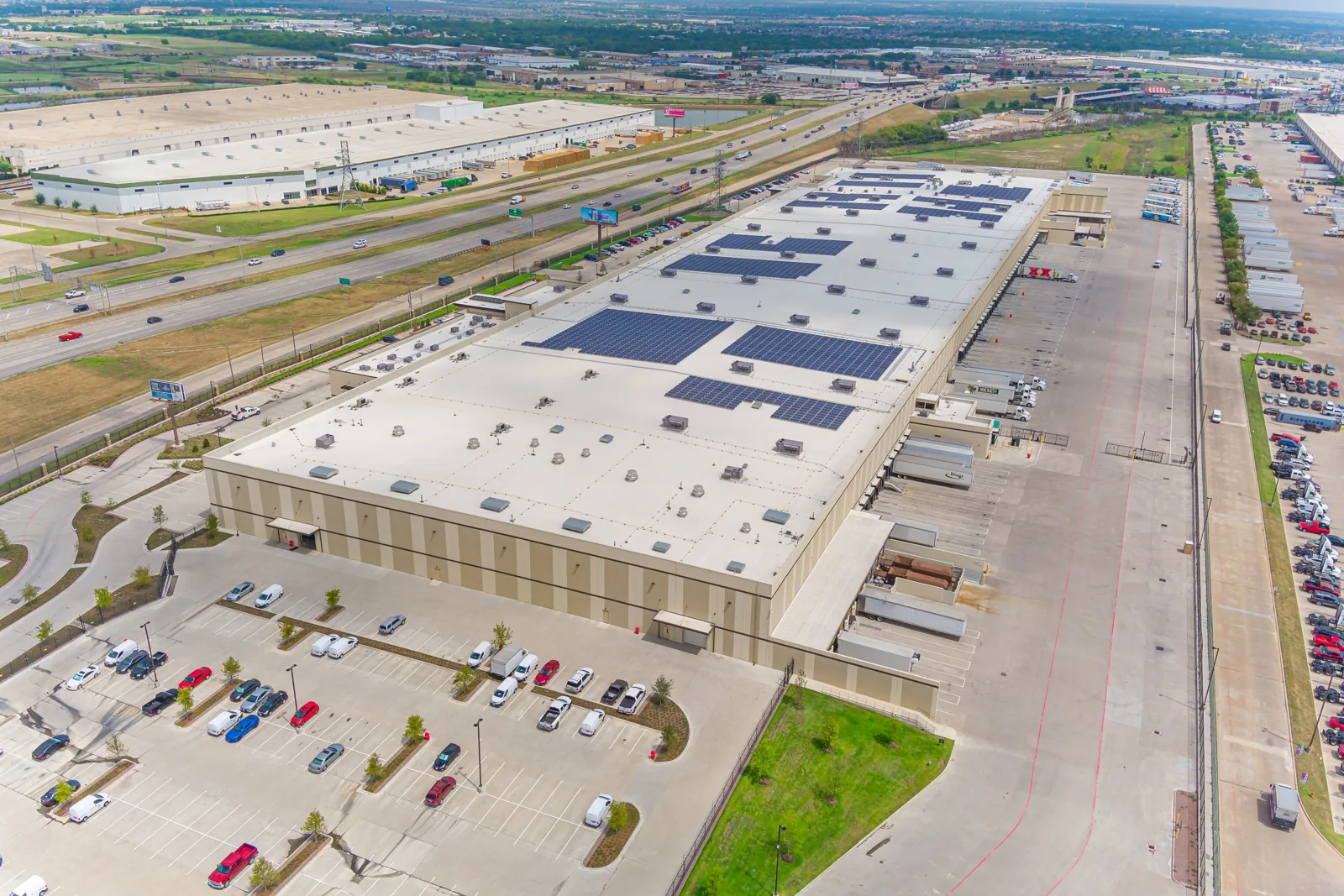
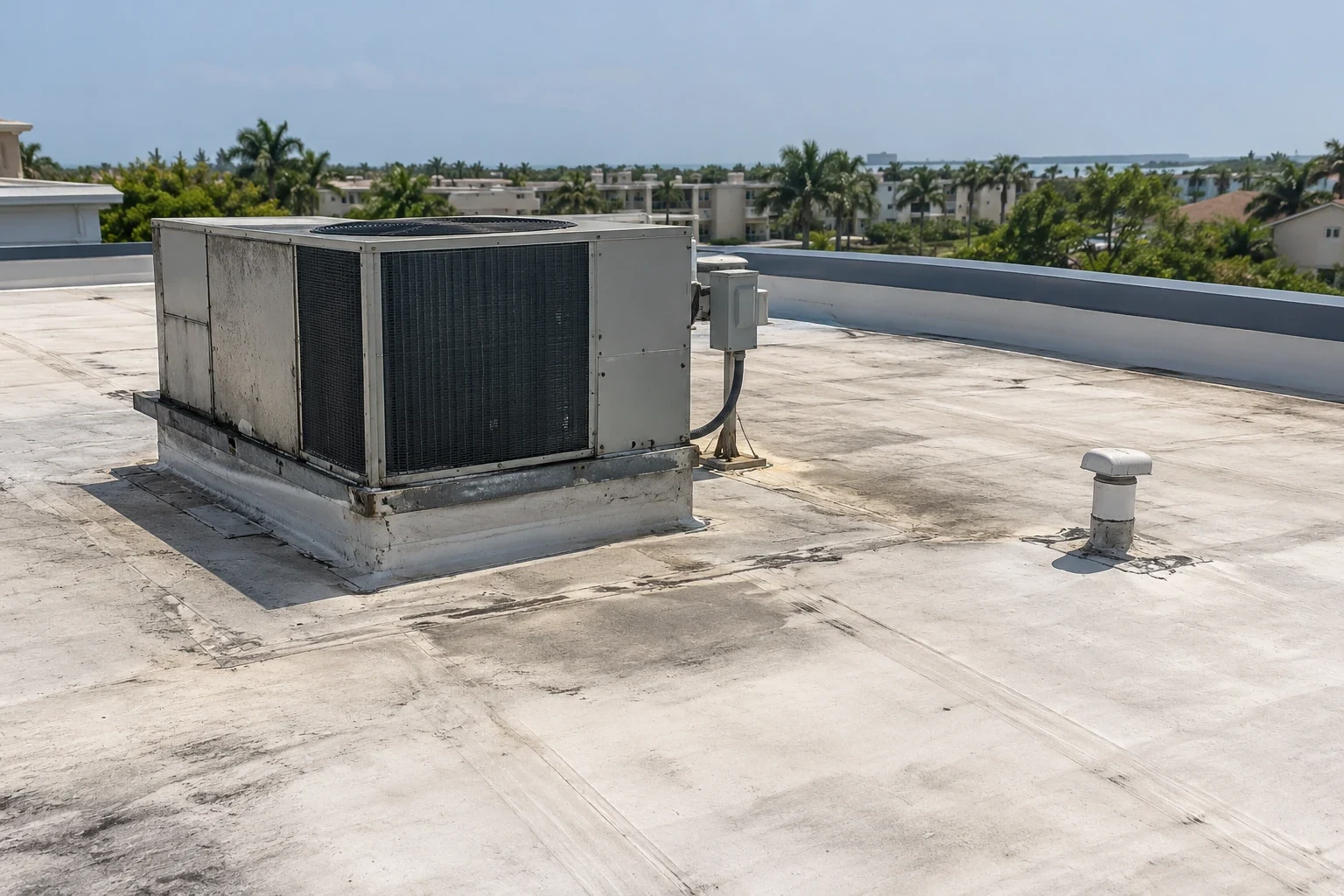
Medical buildings have more air handling than ordinary offices, and a lot of it sits on the roof. Fresh-air intakes must stay clear of roofing fumes, hot asphalt smoke and dust, and exhaust from labs or sterilizers cannot be blocked by temporary staging. We note every intake and exhaust location on the roof plan and choose methods that keep fumes down, such as welded or cold-applied systems.
The equipment also needs sound support. We check equipment curbs and supports for rust and loose flashing, and make sure condensate lines drain away from the roof surface rather than onto it. A leaking condensate line can mimic a roof leak, so tracing it is a standard first step.
Before the Storm: what a clinic needs from its roof in hurricane season
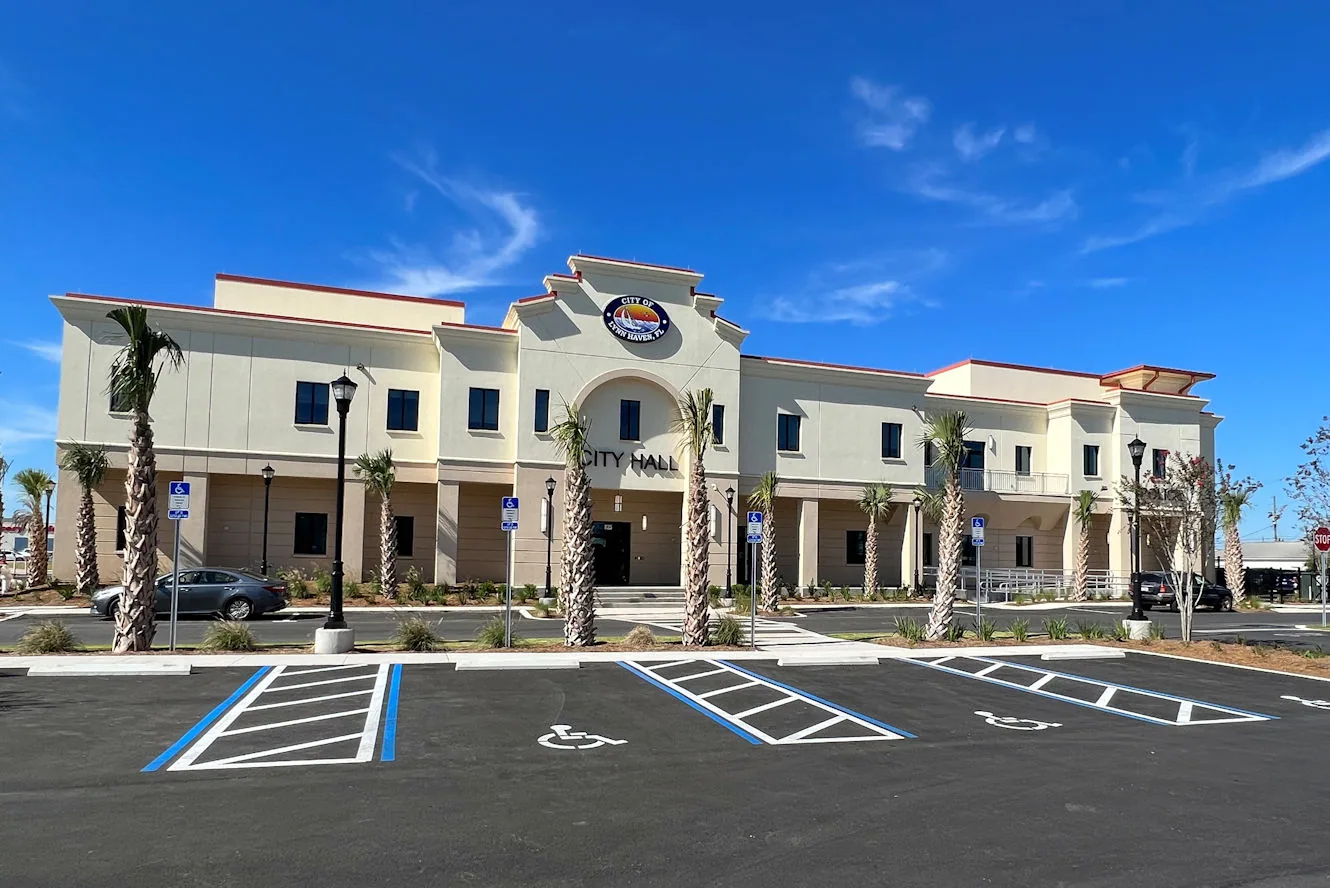
When a named storm heads for Broward, a medical practice has to decide quickly whether to close, move records and protect equipment. The roof should not add a surprise to that list. Before the season we walk the perimeter metal, tighten loose rooftop panels and clear the drains, since Irma's 2017 gusts reached close to 100 mph in parts of the county and the coast took about three feet of storm surge.
Afterward we check for torn flashing, lifted membrane and ponding, and we dry in first so the clinic can reopen as soon as the power and staff are back. Broward sits in the High Velocity Hurricane Zone, so permanent repairs follow approved assemblies, but temporary protection can start the same day the wind drops.
Questions We Hear Often

Can the practice stay open during a re-roof?
Most do. We schedule loud work early or on weekends, shield entrances and parking, and keep a staff contact on the phone all day. If a procedure is sensitive to noise, tell us the time and we will pause.
How do you keep roofing fumes out of the air intakes?
We locate every intake first and pick systems that give off little odor, such as welded or cold-applied membranes. When fumes are possible, intakes are covered or the loud and smelly work is done on a different day.
What if a leak reaches an exam room?
Call us right away. We stop the water, check the ceiling space for damp insulation, and hand your staff a written summary of what we found for infection-control follow-up. Wet material should be handled by the right trade.
Will the new roof affect our imaging equipment?
Not if it is planned well. We ask where shielded or vibration-sensitive rooms sit and adjust the sequence and the tools above them. Your equipment vendor can tell us any limits we should know about.
Who pays for the roof in a leased medical suite?
That depends on the lease, and the lease may not be clear. A written condition report with photos separates wear from storm damage, and that usually settles the question without a long conversation.