Commercial Roofing in Coral Springs, FL
Coral Square keeps all of its 944,159 square feet on one level, which means the roof is the only thing between the sky and the sales floor everywhere in the building. The mall opened in 1984, Simon Property Group owns most of it, and it faces the same line of afternoon storms as every other commercial roof in Coral Springs. Add the Corporate Park of Coral Springs, a 200-bed medical center and the Cornerstone downtown redevelopment on the former Financial Plaza site, and the city has a wide range of buildings that all need dry roofs from May through October.
Our work in Coral Springs, FL covers low-slope and metal roofs, from patching and coating to recovers and full tear-offs, and the storm line is staffed day and night, including holidays. Sample Road, University Drive and Atlantic Boulevard are the commercial corridors here, and the roofs along them take their share of heat, wind and rain. A spring commercial roof inspection is the quickest way to learn which of them needs work before the stormy weeks of mid-May to early July.
One Level, One Roof: reading a single-story mall from above
A single-level building tells us where the water goes before we ever climb the ladder: across a low-slope surface toward drains that have to handle everything an afternoon delivers. When a drain clogs or the surface settles, water collects, and a one-story retail building has no upper floor to share the load or hide the leak. The first sign is usually a stain on a ceiling tile over a sales floor.
Retail roofs are crowded with equipment. Rooftop air handlers, exhaust fans, roof hatches and skylights each add a penetration, and each penetration is a place for sealant to age. Long parapet walls and perimeter edges add more detail to inspect. Our shopping center roofing work begins with a walk of the whole surface, flashing by flashing, because small details cause most of the leaks.
Work over an open mall is planned around trading hours, entrances and the loading docks. We stage materials where they are out of the way, keep loud tasks to hours when the doors are closed and dry in every section the same day, since a half-open roof in the wet season is an invitation for the next storm.
The Corporate Park: offices, tenants and the roofs above them
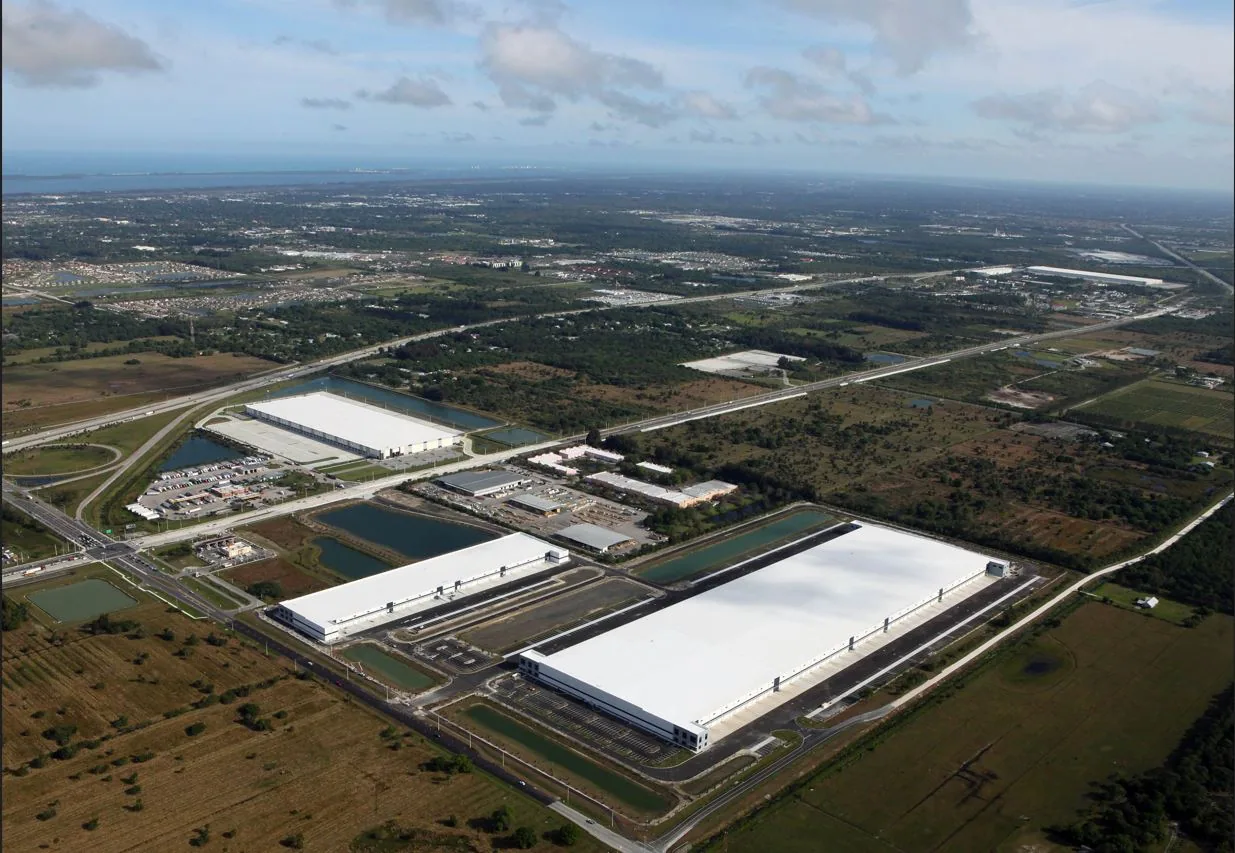
The Corporate Park of Coral Springs houses Fiserv and Alliance Entertainment, and ABB and Royal Plastics Group have subsidiaries headquartered in the city. A business park can mix office space with warehouse and distribution use, and each type calls for a different roof conversation. An office floor wants quiet staging and clean air at the intakes. A warehouse or distribution building wants the dock doors clear and the forklift lanes protected.
The one thing they share is the need for a record. A clean baseline report, with photos and a marked plan, lets a manager see the roof's condition now and compare it a year from now. If a tenant moves in or out, that report becomes part of the conversation about who owns which repair. A roof condition report with that baseline is made for exactly that kind of handoff.
Property managers who handle several buildings in the park and across Broward can rank roofs by condition, schedule the worst first and avoid the expensive habit of fixing whichever one leaked last, which is how we work with property management companies.
A 200-Bed Hospital and Medical Roofs
Coral Springs Medical Center is a 200-bed hospital. Hospitals run around the clock, and a roof job above one is planned with the facilities team, not around them. Dust and fumes stay away from intakes. Noise is held to hours that matter least to patients. Equipment on the roof, from air handlers to exhaust fans, is protected, and the dry-in plan is in place before the first panel comes up. A hospital roof gets that care because a small leak above a clinical area can take a room out of service.
Medical offices and clinics share a smaller version of the problem. Equipment is heavy, schedules are tight and patients arrive whether or not the roof is under repair. We use short work phases, clean staging and clear communication with the front desk so the building keeps running while the crew works above it.
Hurricane season adds its own demands. Wilma's eye passed over most of Broward in 2005, and Irma's gusts topped out near 100 mph in 2017, so a health care owner needs a roof that is prepared before the season starts: tied down at the edges, drained properly and ready for a rapid dry-in if a section opens.
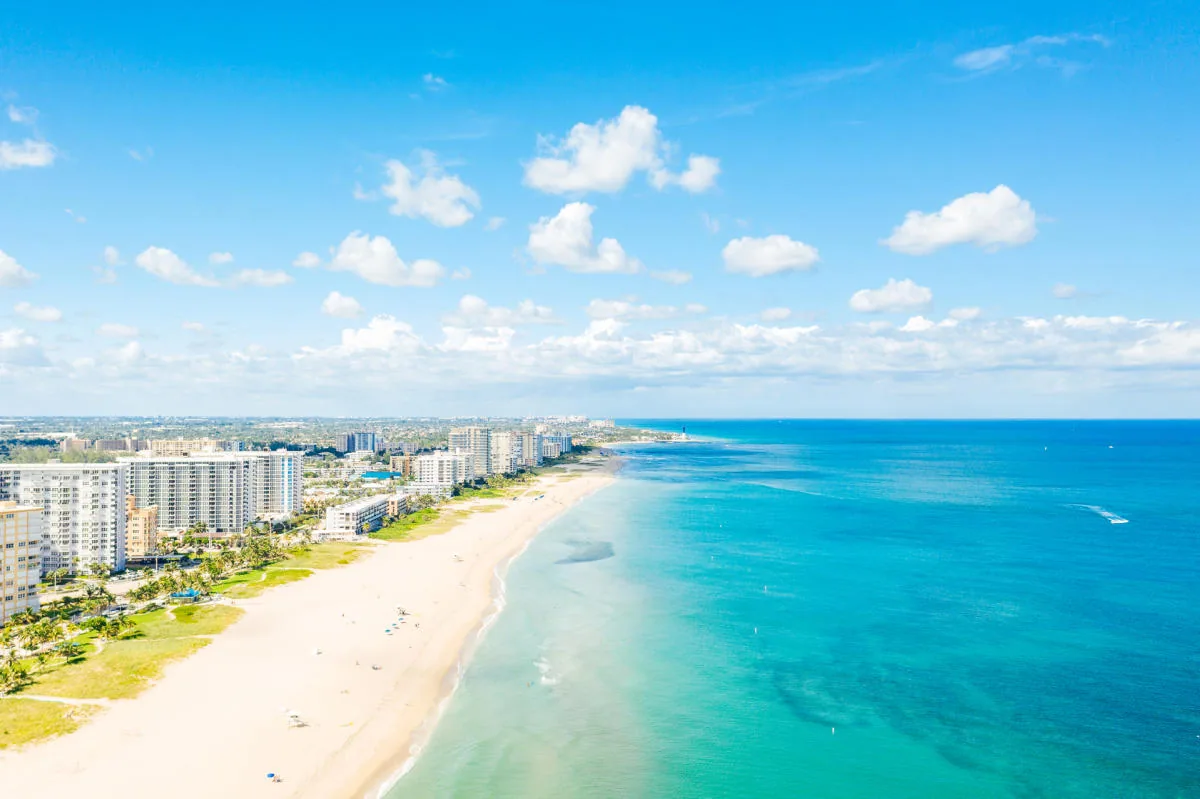
Cornerstone and the Old Financial Plaza: construction next to working roofs
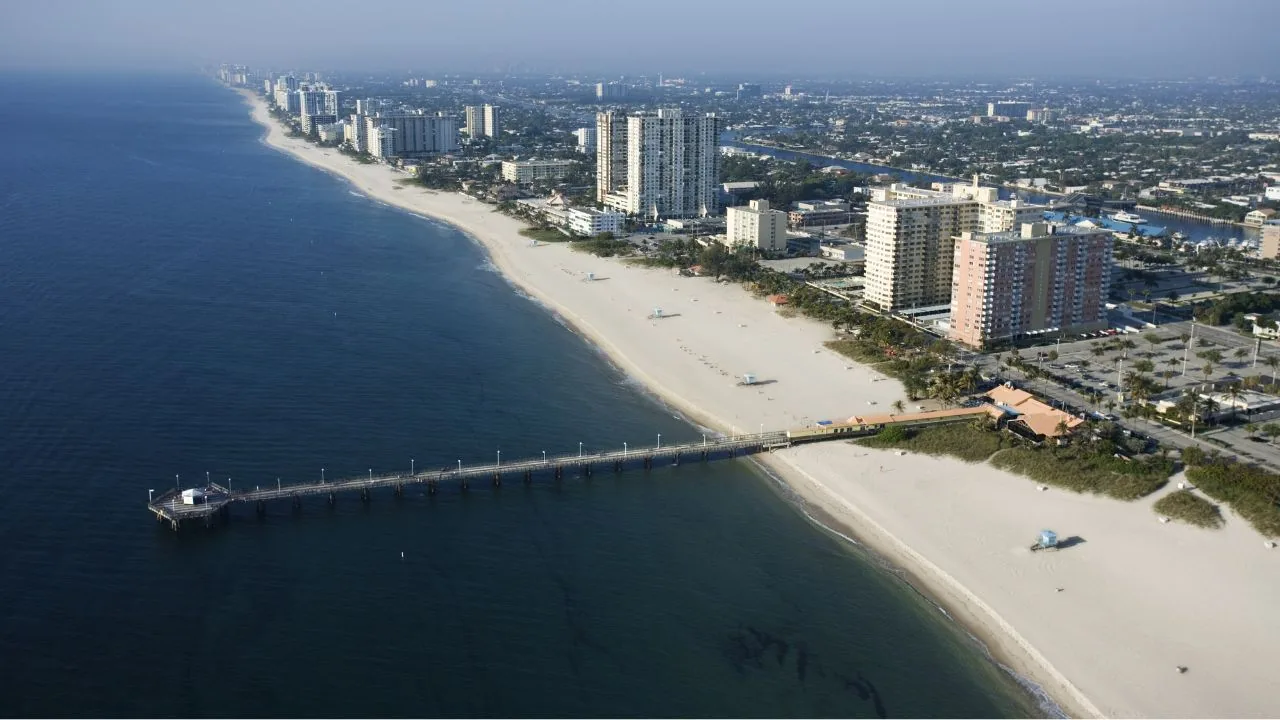
The former Financial Plaza was demolished in 2021 to make way for the Cornerstone downtown redevelopment. A downtown redevelopment changes the blocks around it. Construction brings cranes, hauling and dust, and nearby owners reasonably wonder how it will affect their own buildings. Dust and vibration can clog drains and loosen flashing on any roof close by.
For nearby owners, a baseline roof report taken before the work starts is cheap insurance against an argument later. It records the condition of the roof before the neighborhood changed. General contractors running a job like this need roof work coordinated with the other trades, and we plan around crane swings, lay-down areas and tight sequencing.
An owner with buildings in Coral Springs and also in Parkland or Margate faces the same wet season in each place, though every building has its own roof and its own drains, and each gets its own report.
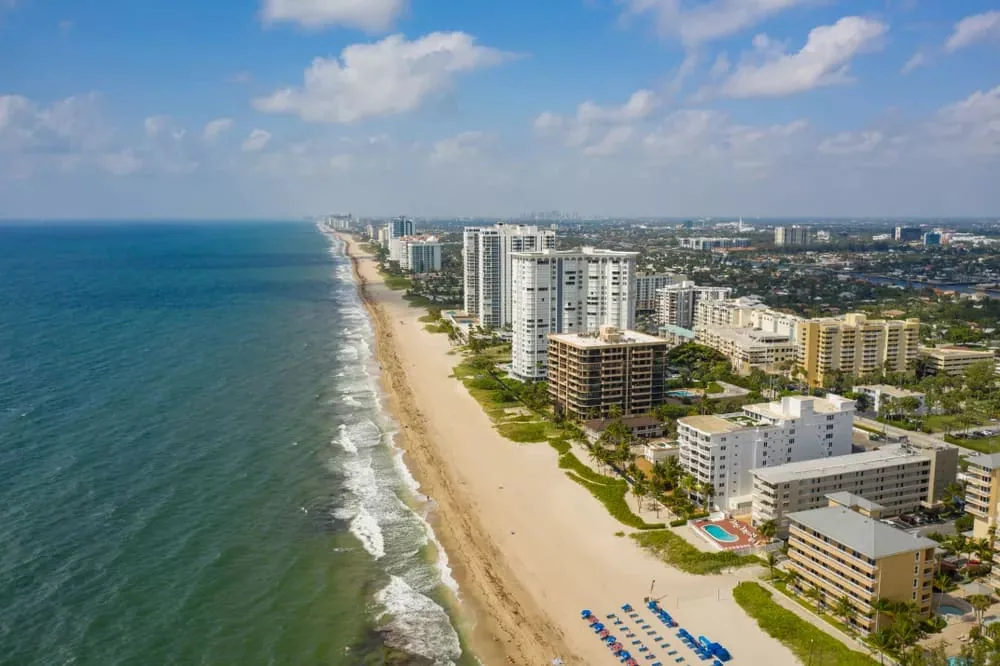
Repair, Coat, Recover or Replace: how the decision gets made
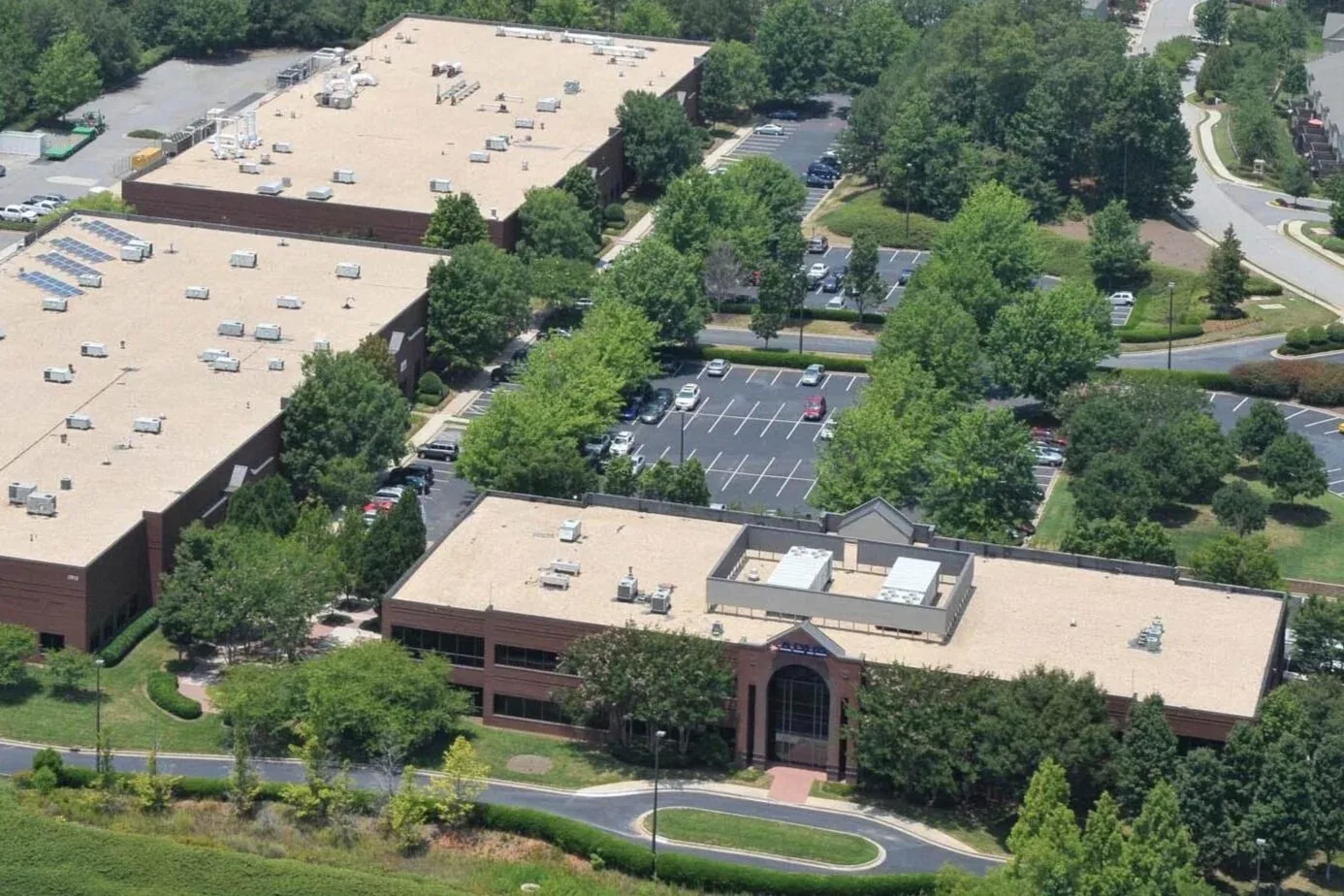
A mall owner, a corporate-park landlord and a hospital facilities manager ask the same four questions in different words. What is the roof made of? Is the insulation dry? How much service life is left in the surface? How much disruption can the building tolerate? A worn surface over dry insulation can often take a coating. A roof with good insulation but little service life left may suit a recover. Soaked insulation or a corroded deck leads to tear-off.
Approvals and weather set the calendar. In Broward's hurricane zone, each exterior roofing component needs a valid Miami-Dade Notice of Acceptance, and ordinary commercial buildings are designed for 170 mph winds. From May 15 to October 15 the afternoons turn stormy, so a replacement planned for the drier months finishes with fewer weather delays and a stronger dry-in ahead of the next hurricane season.
Questions We Hear Often
What does a single-story mall roof need before hurricane season?
Clear drains, tied-down edges and secure rooftop equipment. Hatches, skylights and sealant at penetrations get checked, too.
How do you protect inventory under a roof job?
Work goes in small sections with a dry-in at the end of each day, plus covers and clear lanes where materials are staged.
Should a tenant or the landlord handle a roof leak?
The lease usually decides. A dated report with photos gives both sides the same facts to work from.
Can nearby construction hurt my roof?
It can. Dust fills drains, vibration loosens flashing and falling debris punctures membranes. A walk before and after the work shows what changed.
How soon can you get on a roof after a storm?
Once lightning has moved off and the surface is dry enough to stand on, a crew can arrive to tarp or seal. We answer around the clock.