Roofing Partner for General Contractors in Pompano Beach, FL
A general contractor in Broward builds against two clocks, the owner's opening date and the three o'clock storm, and only one of them can be argued with. From mid-May into October the afternoon cells roll off the Everglades often enough that a roof left open overnight is a bet against the radar. The roofing sub is where that bet gets placed, and a partner who keeps the building dried in is worth more to your schedule than one who quotes a little less.
We work for general contractors in Pompano Beach, FL as the roofing sub on new construction, tenant buildouts, renovations and storm rebuilds, including commercial roof replacement on buildings that stay open. We submit early, set our crews around your trades, photograph every pass of the work and answer the phone any hour when weather puts your site at risk.
Dry-In Dates: the afternoon storm sits on your critical path
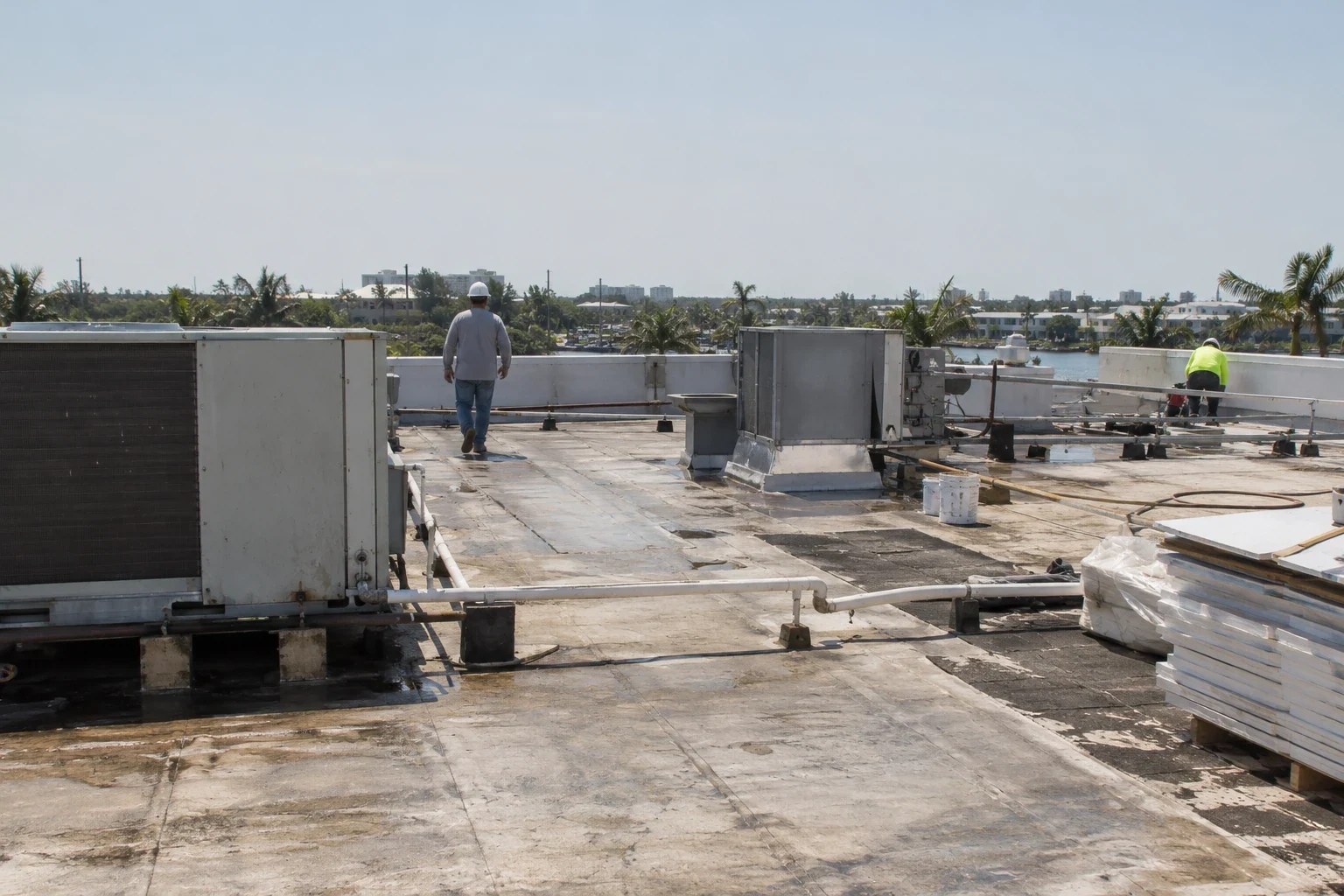
NWS Miami calls mid-May through early July the stormiest stretch of the wet season, when thunderstorm winds, tornadoes, hail and flooding are all in play, and a rainy season averages eight to ten significant flood events. A job that reaches the roof in those weeks needs a plan, not hope. We cut the roof into sections a crew can tear off, insulate, cover and seal in one day, with a temporary tie-in at every edge so a pop-up cell finds a closed roof. On new work a heat-welded sheet such as TPO roofing suits that rhythm, since seams can be closed the same day they are laid.
Drainage matters before the building is finished. A drain still clogged with sawdust or not yet connected is a problem on any day. Fort Lauderdale's April 12, 2023 rainfall total illustrates the value of checking each project's drainage and overflow details before heavy rain. We keep drains open and flagged, set temporary scuppers where permanent ones are not in, and tell your superintendent the minute an area is dry so interior trades can move in.
Product Approvals: submittals that survive the High Velocity Hurricane Zone
Broward sits in Florida's High Velocity Hurricane Zone, where the design wind speed for Risk Category II buildings is 170 mph and a Miami-Dade Notice of Acceptance is mandatory for every exterior roofing component. Those approvals rest on missile impact, cyclic pressure and water-after-impact testing, so a system is only as good as its approval for that exact assembly: deck, insulation and cover board, attachment and membrane together. A substitution that looks equal on a data sheet can fall outside the approval.
We read the approval before we order, flag any change that alters the assembly, and send your project manager and architect a full package early enough to survive a rejection and resubmittal. Permits applied for now fall under the 8th Edition of the Florida Building Code, and the 9th is expected by the end of 2026, so if your permit date slips we tell you which rules govern and what that changes on the roof.
Sites Ahead: The Pomp, downtown and the beach
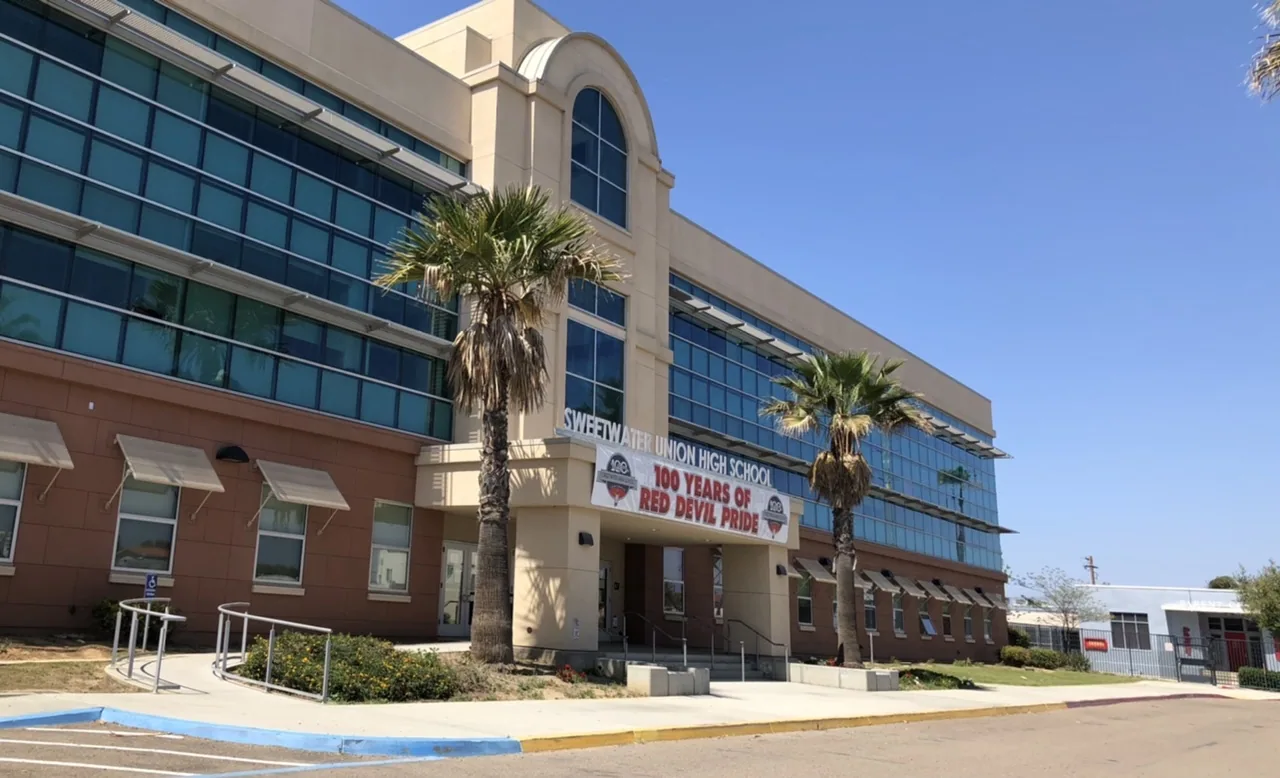
The city's pipeline gives a general contractor plenty to bid. South Dixie Highway Corridor is a planned 223-acre mixed-use project at the Harrah's casino site, with entertainment, hotel, retail, residential and office buildings. The city is planning a 70-acre walkable downtown Pompano Beach and reports $330 million or more in private-investment building permits tied to its redevelopment. Its $181 million bond already funded the 6-acre Fishing Village on the beachfront.
Projects of that scale bring a mix of roof conditions: large-span entertainment and hospitality buildings that must be roofed with HVHZ-approved systems, and beachfront buildings that take salt and wind. A roofing sub who knows the approval list for each condition keeps your submittal log short. We price from drawings, walk the site while it frames and flag roof-to-wall conditions such as expansion joints and curtain-wall heads while there is still time to change them.
Trade Stacking: curbs, crane days and the mechanical sub
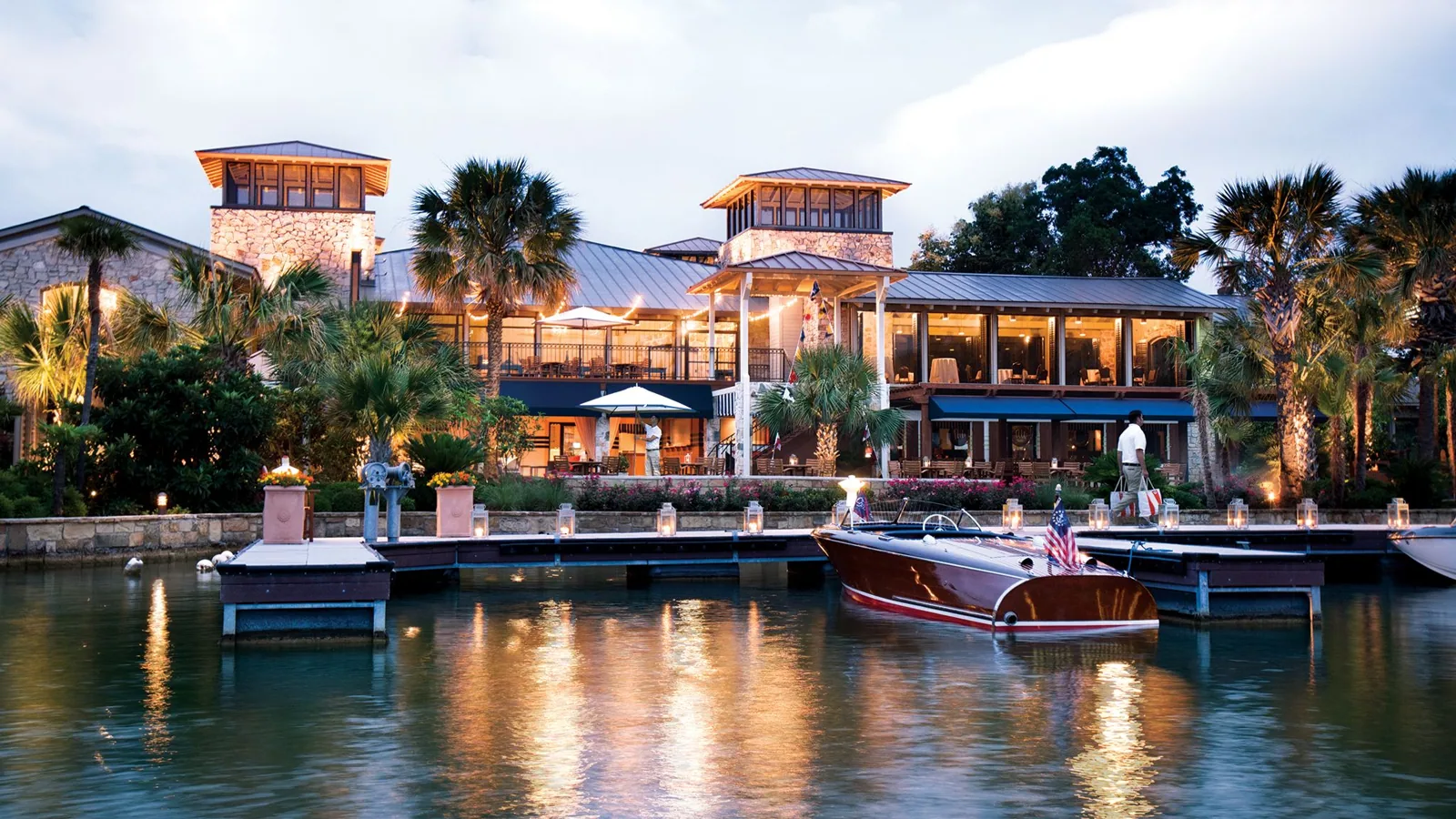
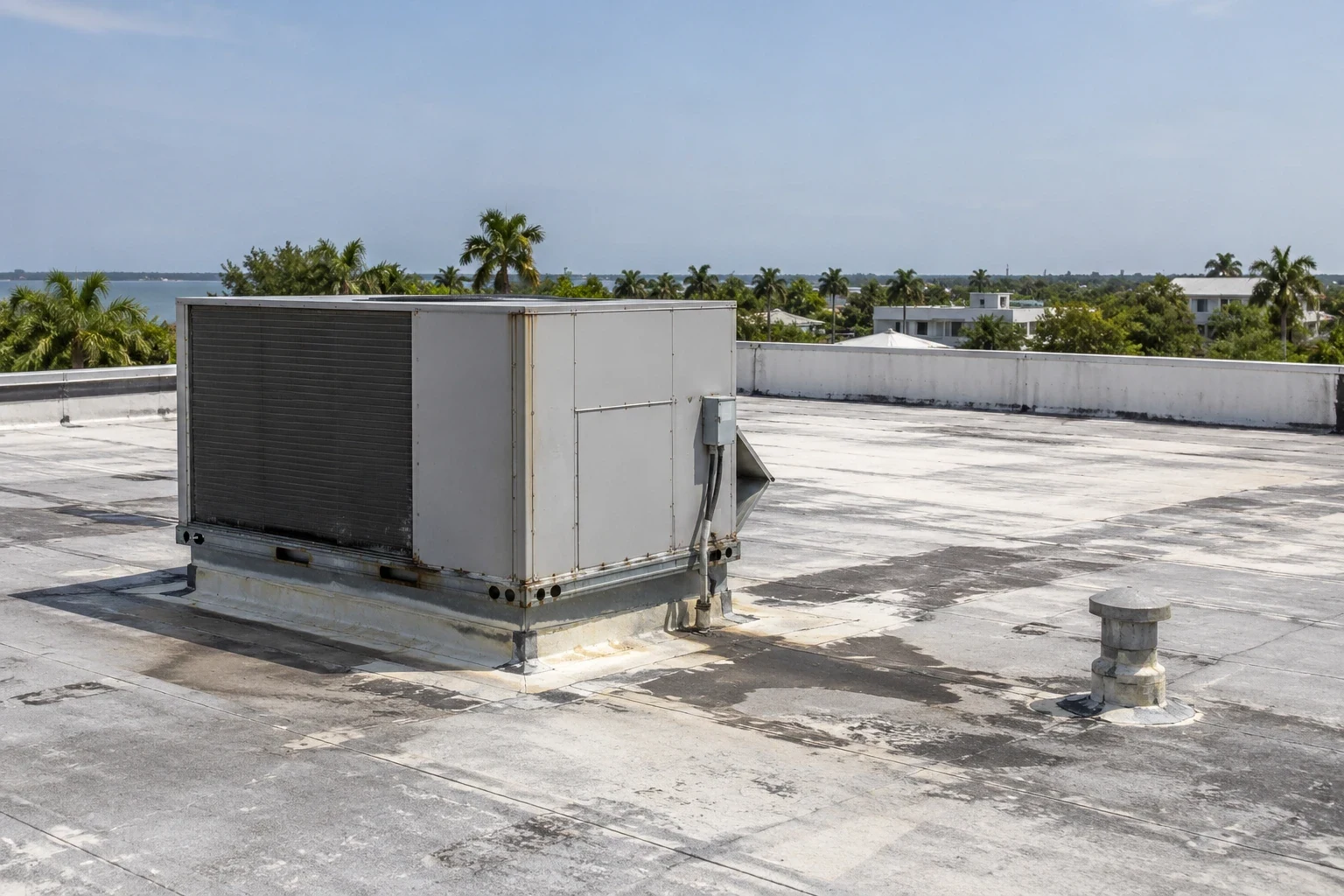
Plenty of leaks on new buildings start after the roofer leaves. A mechanical sub sets a unit, a low-voltage crew punches a conduit, a sign company drills a parapet, and nobody mentions it to the roofer. We ask for the equipment schedule early so rooftop equipment curbs and supports are on the deck before the membrane goes down, and we plan our sequence around your crane days.
Once the roof is closed, penetrations still arrive. We set a simple rule: one phone call before anyone cuts into or sets anything on the membrane, walk pads laid along the traffic paths and a flashing detail ready for each new penetration. Manufacturers care who cuts into their membrane, and so does the owner who inherits the argument when a warranty claim comes up.
Open Stores: renovations in retail centers
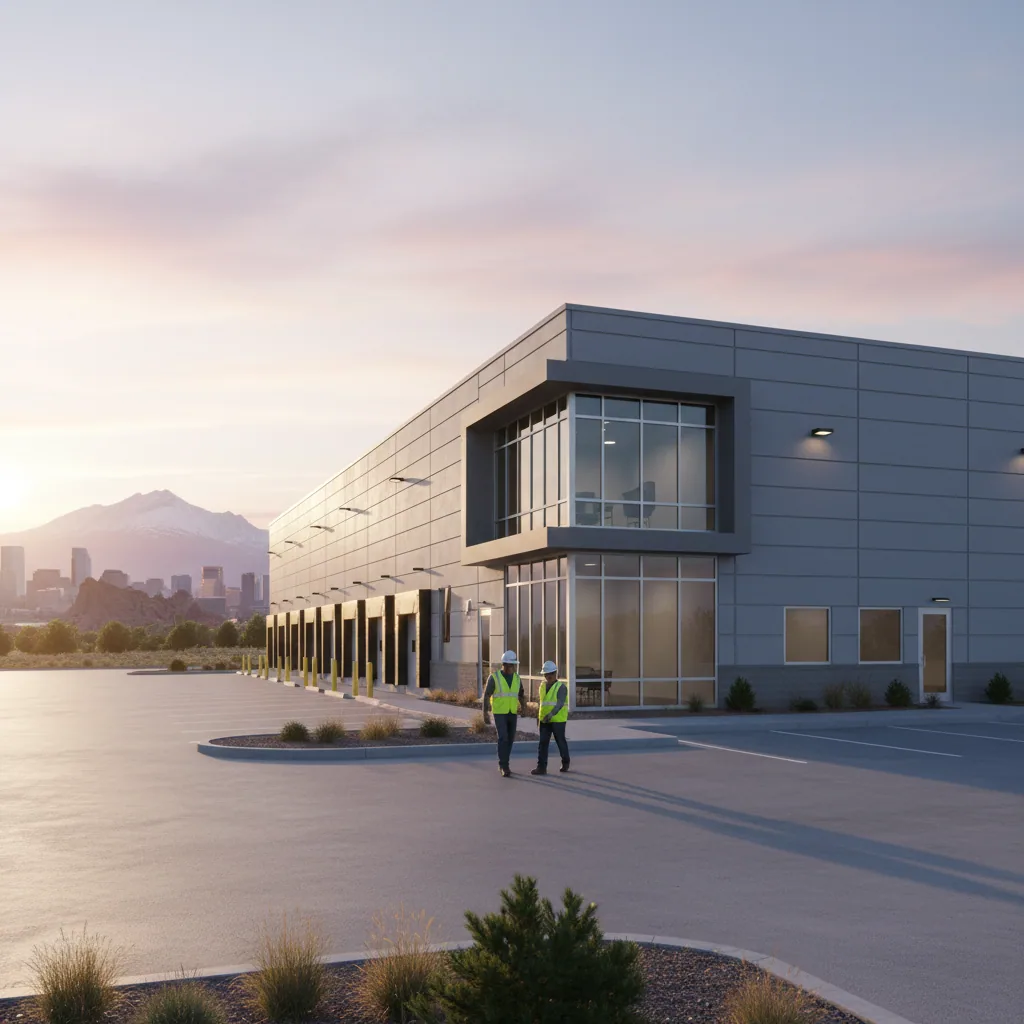
Pompano Citi Centre, an open-air center, opened in 1970 and was redeveloped in 2006, and its former Sears space was set to become Burlington, TJ Maxx and Five Below. On Federal Highway Corridor, a tenant buildout starts inside the box and ends up on the roof, because new tenants bring rooftop units, exhaust fans and signage. What a roof holds only shows once it is walked, so every tenant job starts with a roof walk and a core sample. A new unit on a wet roof only moves the leak.
Occupied centers set their own rules: truck routes, delivery windows, shoppers on the sidewalk. We coordinate with the landlord's property manager, put up protection where foot traffic needs it and hoist well away from entrances.
Turnover Day: the roof file the owner keeps
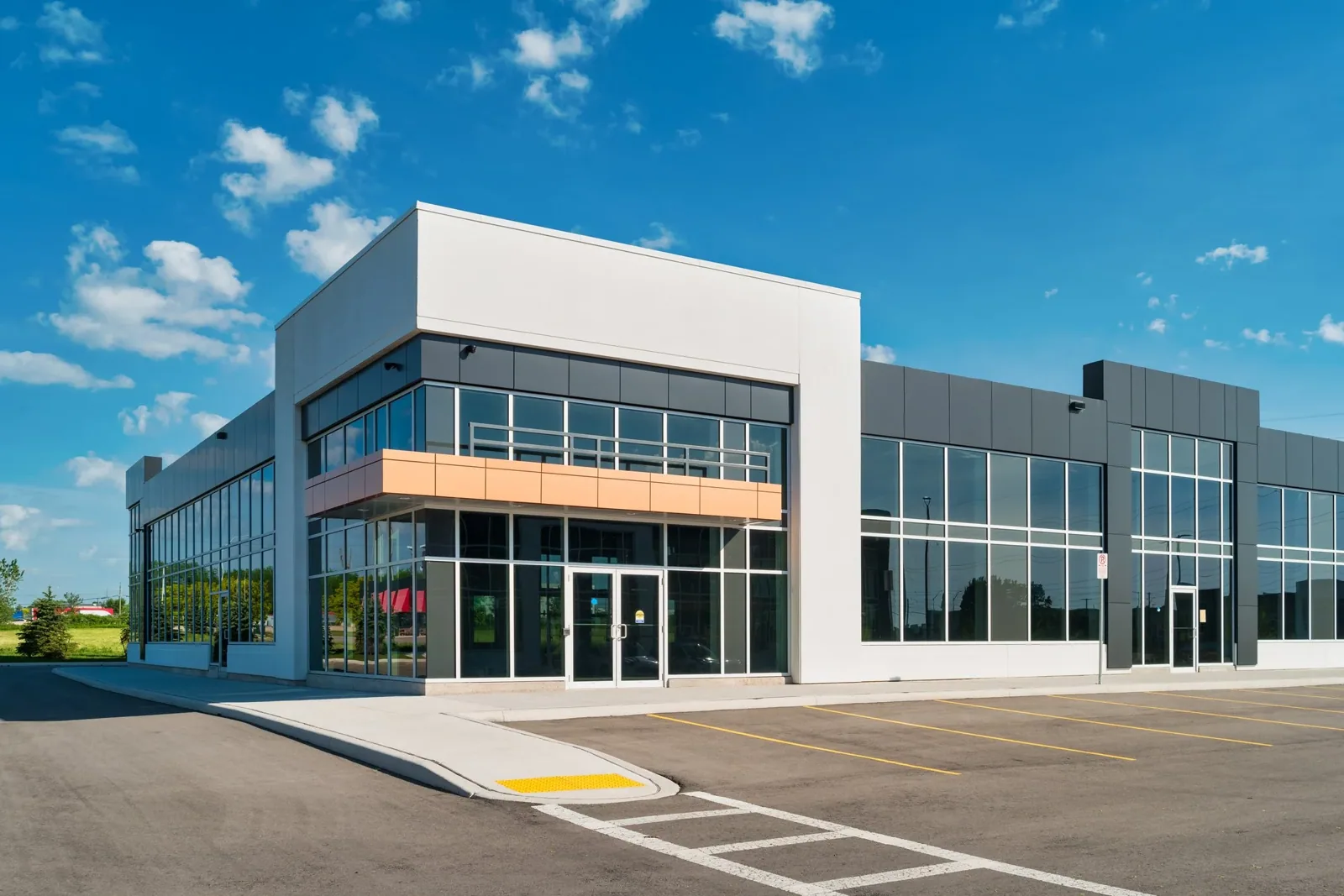
At turnover the owner inherits the roof and its paperwork. We hand over photos of every layer as it went down, the approvals for what was installed, as-built details and, when the project calls for it, an infrared scan that sets a dry baseline for the years ahead. Owners ranging from public agencies to investment groups treat that file as the start of their maintenance plan, and a GC who delivers it cleanly gets the call the next time the owner builds.
Questions We Hear Often
Can you hold a dry-in date when the forecast shows daily storms?
We can plan for it. Each section is sized so it is torn off, insulated, covered and sealed before the afternoon line builds, and the crew leaves the roof tied in even on a clear day. Some days the radar wins, and on those days we stop and protect the open area instead of pushing.
Who pulls the roofing permit, you or us?
Whichever your contract says, and either works for us. Broward roof permits need the right product approvals attached, so we either supply the approvals and details for your package or pull the permit ourselves with your sign-off.
What if the spec names a product that has no valid approval?
We catch it at submittal, not on the roof. The assembly gets matched to a currently approved system, and we send the architect the nearest equivalent with the paperwork attached, so your schedule absorbs a change order instead of a failed inspection.
How do you handle a mechanical sub who sets units after the roof is down?
Walk pads, a flashing plan and one phone call. Units go on pre-built curbs wherever the drawings allow, and when a new penetration is unavoidable we flash it the same day so the roof is never left open overnight.
Will you price from drawings before the building is framed?
Yes, from drawings, with the assumptions listed so the number holds as the building rises. We refine it with a site walk once the deck is set and tell you plainly where the final figure could move.
What do I get at closeout?
Photos of every layer as it went down, the approvals for what was installed, as-built details and, if you want a dry baseline, an infrared scan. Your owner gets one tidy file for the building records.