Commercial Roofing on the Federal Highway Corridor, Pompano Beach, FL
Federal Highway roofs get the same South Florida heat and wet-season storms as the rest of Pompano Beach, but the buildings below them may turn over tenants all day. Federal Highway, also known as US 1, is a commercial corridor with mixed-use properties along US 1 and Atlantic Boulevard. The area includes multiple owners and uses, not one shopping center. We inspect the roof over the property in front of us, then plan the repair around its drainage, entrances and operating hours. A commercial roof inspection should tell you what is failing before the next storm shows it.
The street stays busy while the roof is open
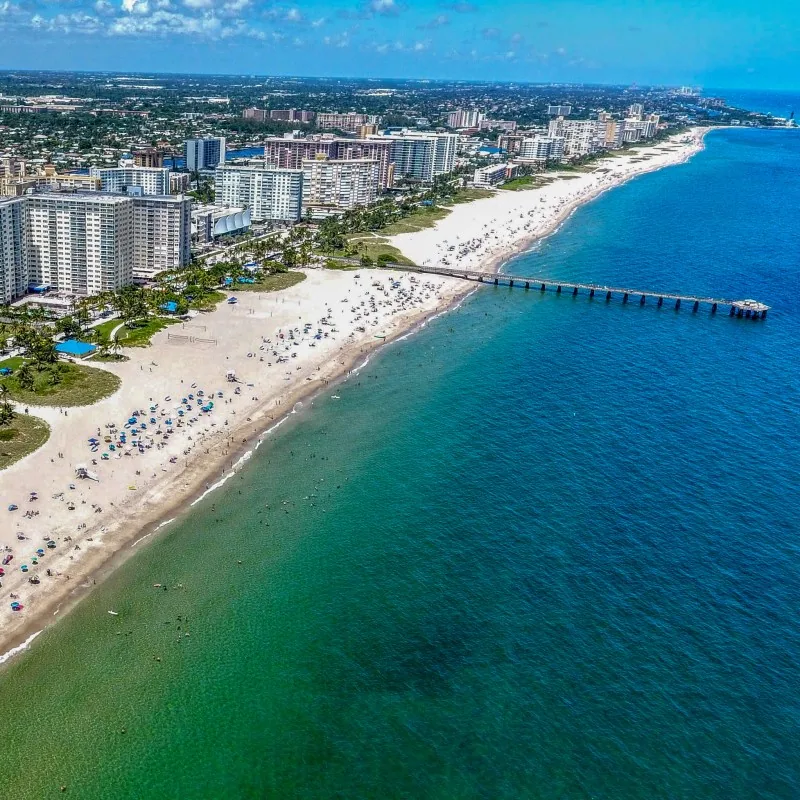
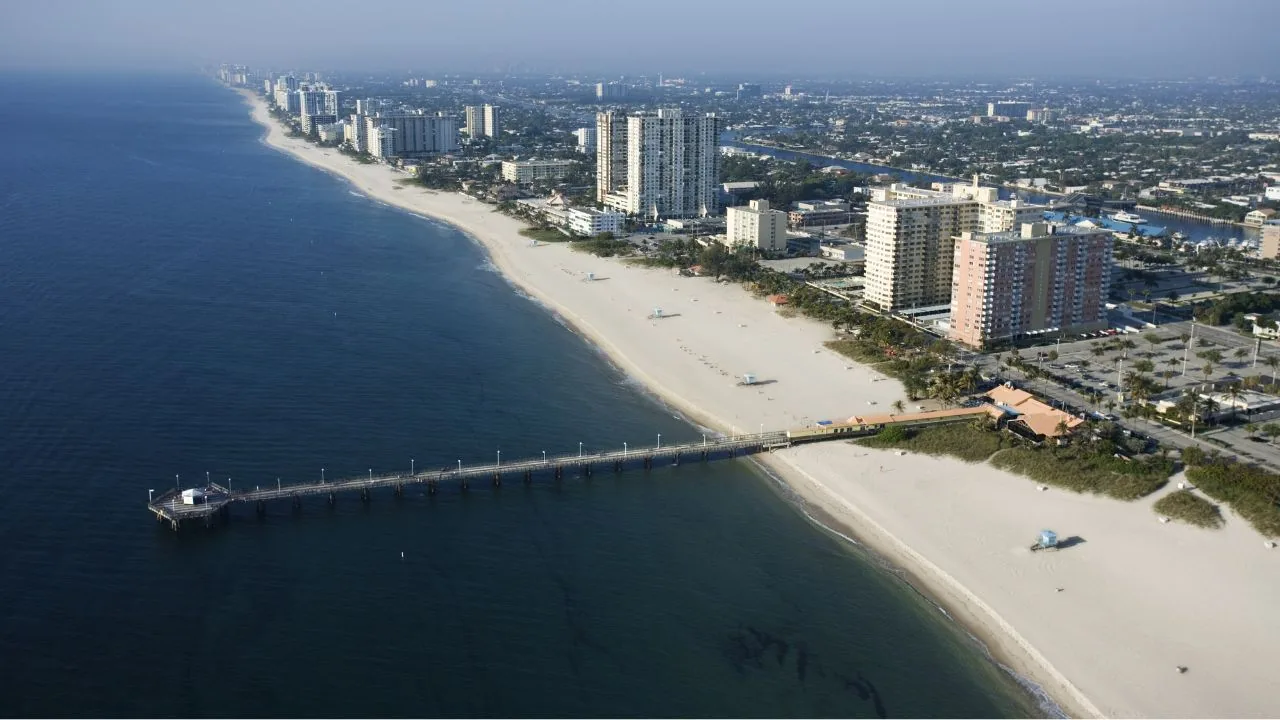
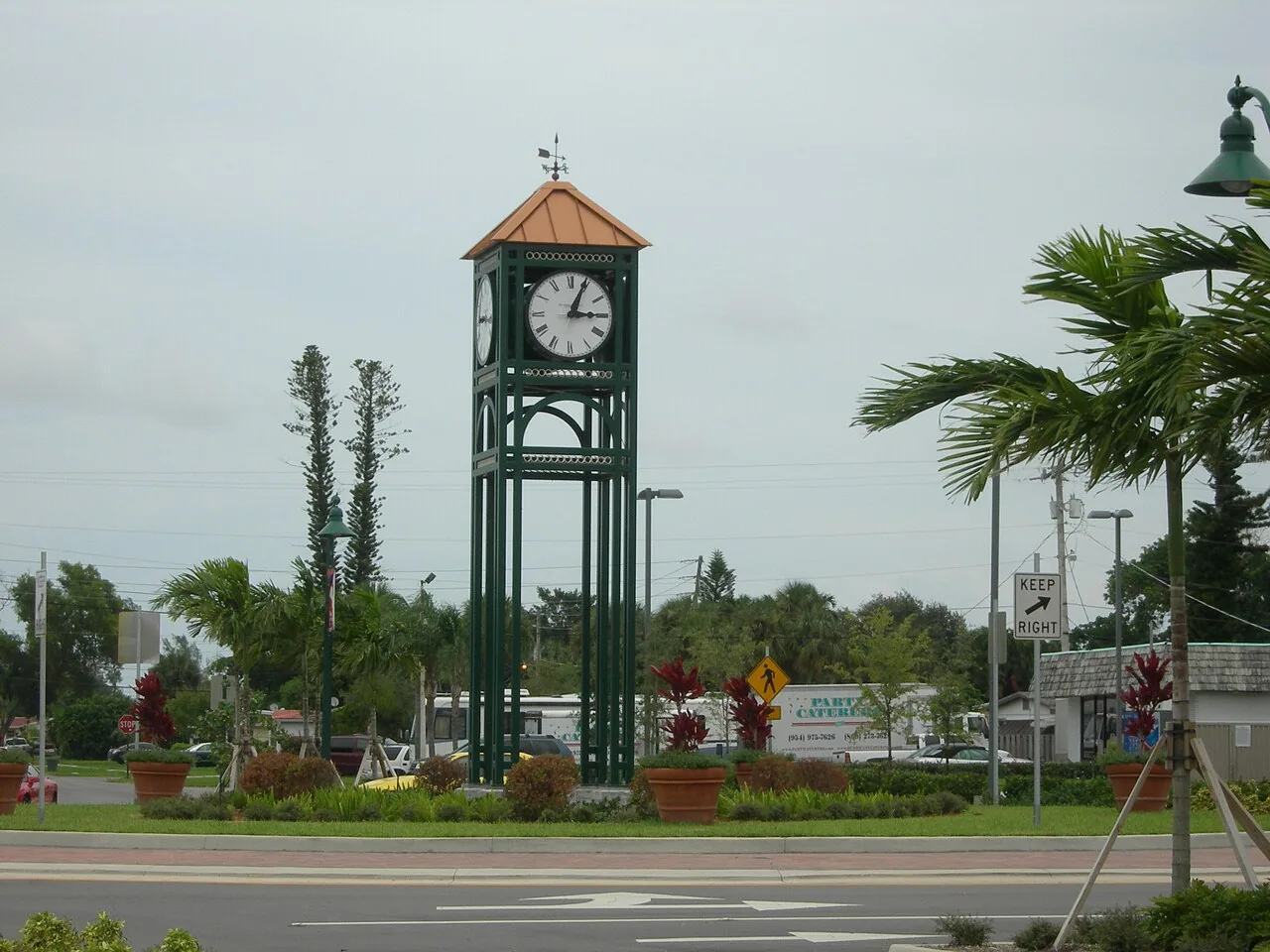
A corridor can connect retail, offices, restaurants and residential uses above ground-floor businesses. Each one has different access needs. A delivery lane may sit beside a customer entrance, an exhaust fan may serve a kitchen, and air intakes may pull from the roof edge. We map those details before bringing materials up. The East Transit Oriented Corridor connects east Atlantic neighborhoods, the Beach area and Downtown. Downtown Pompano Beach has its own mix of commercial and residential uses. Properties toward the shoreline share exposure with the A1A Ocean Boulevard Corridor, but each roof still gets an individual inspection.
Commercial corridors change one storefront at a time. A tenant may install new exhaust, move an intake or add a rooftop unit, and those changes can alter the roof’s drainage and flashing details. We compare visible equipment with the available roof plan, identify unrecorded penetrations and ask who owns each piece of equipment. That prevents a repair scope from closing over a loose curb or leaving a service contractor without a safe route to the unit.
A clogged drain can outrun an open storefront
The wet season runs mid-May through mid-October, when most annual rain falls. A heavy storm can fill drains and scuppers faster than a tenant can move stock away from a leak. We check the low points, test the overflow path and look for seam openings around drains, curbs and exhausts. The visible ceiling stain may be several feet from the entry because water travels under the membrane. If the building has several tenant bays, we mark the leak location and roof location separately in the report. Drain and scupper repair restores the path water should take, while a membrane repair closes the point where it escaped.
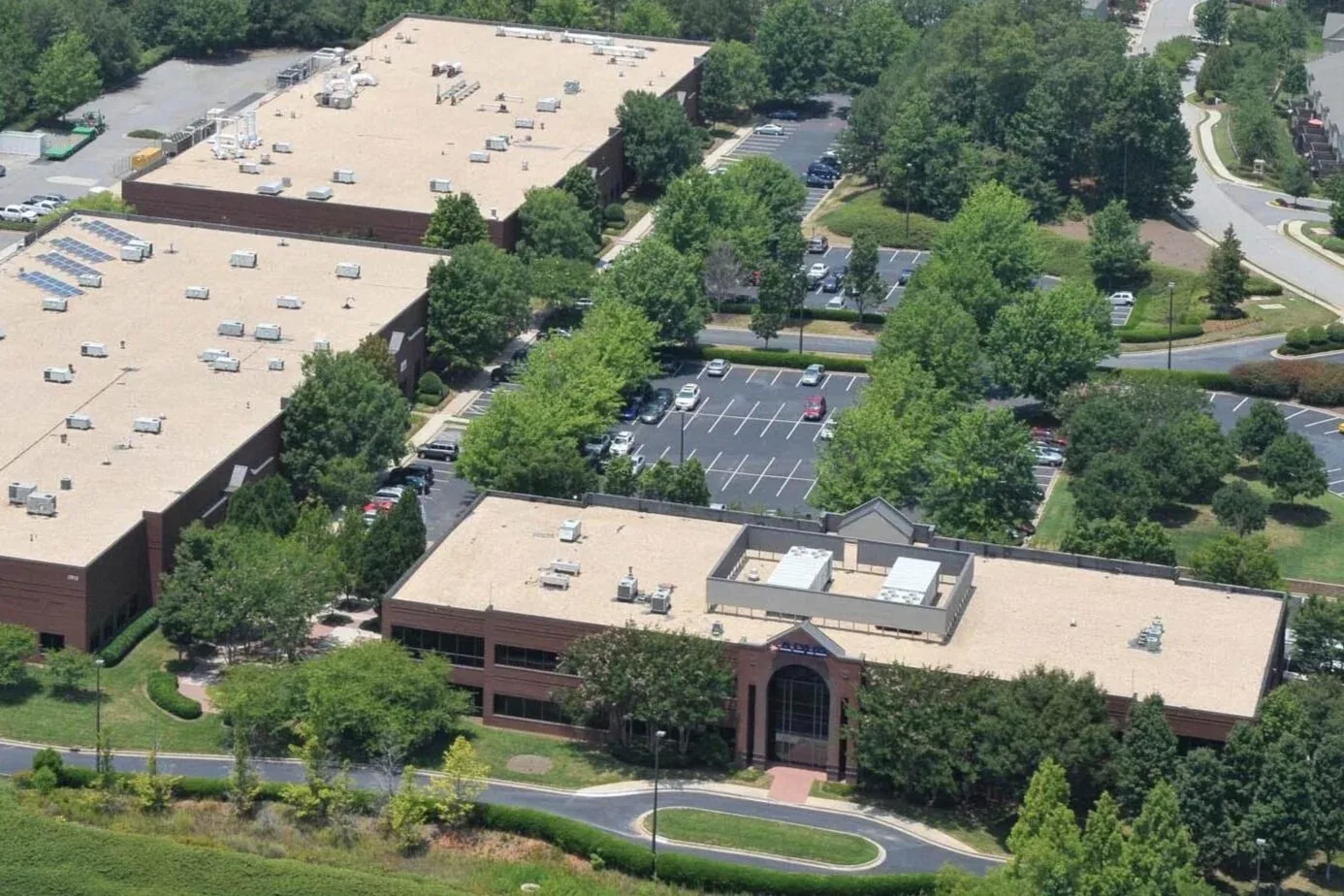
Drainage is especially important where a low-slope roof crosses several tenant bays. Water can move from a higher section toward a shared outlet, so one blocked strainer may affect rooms that appear unrelated. We map the flow, inspect overflow openings and note where ponding reaches a seam or wall. If the roof has several levels, we check each discharge point rather than assume the lower roof can carry everything from above. That gives the owner a clear distinction between maintenance and a drain redesign.
Wind and rain test different details
A 98 mph gust was recorded at Pompano Beach during Hurricane Wilma in 2005. Irma later brought damaging wind and coastal surge across Broward. Wind loosens edges and equipment tie-downs; rain finds seams, low spots and penetrations. After a storm, we inspect coping, terminations, fasteners and rooftop equipment first, then check for moisture inside. The repair needs to match the actual assembly and its required product approvals. If a section has lifted, we secure it before tracing any interior water. Hurricane roof repair starts with safe access and a temporary dry-in when the membrane has opened.
Protect tenants without treating the whole block alike
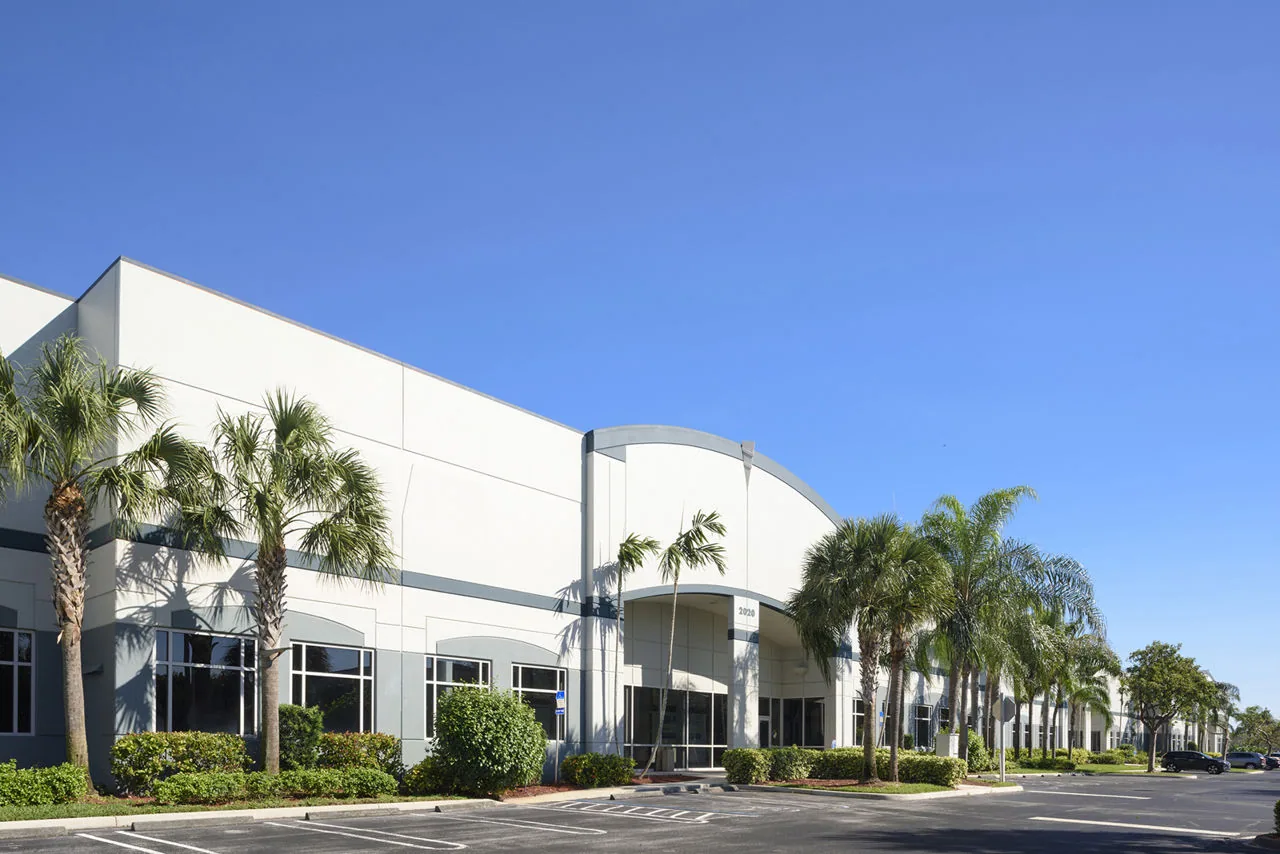
We ask which spaces can be closed for a few hours, where sensitive inventory sits, and when deliveries or meal service happen. A restaurant roof may need work around grease exhaust and odors; an office may need quiet during calls; a mixed-use building may have residents above the retail space. We phase tear-off, protect intakes, and keep a clear route to the roof. Material should arrive close to the work window so pallets do not occupy customer parking. Occupied-building reroofing can separate noisy removal from detailing and final inspection, which lets the property manager keep more of the building usable.
We also set a daily cleanup and access check. Nails, membrane scraps and loose fasteners do not belong in a customer route or delivery lane. The manager gets a contact for schedule changes, and we update the phase plan if a leak or weather window changes the day’s work.
Use coating only when the roof can accept it
Before recommending a coating, we check the existing membrane for moisture, adhesion, open seams and contamination. Grease or exhaust residue can prevent a coating from bonding, and trapped water can keep moving beneath a new surface. If a roof is dry and structurally sound, a compatible restoration system may extend service. If the assembly is wet or the edge attachment is weak, repair or replacement should come first. We explain the surface preparation and detail repairs the system requires. Roof coating restoration is a system choice, not a shortcut around diagnosis.
Keep a service record each season
On a street with many separate property owners, small problems may be reported to different managers. Keep dated photos of leaks, repairs and drain clearing in the building file. A maintenance visit can compare the same seams and penetrations over time, which helps show whether movement is stable or spreading. We also note when equipment or a tenant fit-out changes the roof. Preventive maintenance keeps those checks on a schedule before the next wet season builds.
Where a roof serves several tenants, we identify shared drains and equipment before dividing the work into bays. One tenant’s exhaust or service route can affect the roof section beside it, so each phase needs a clean handoff and a weather-tight edge.
When ownership or management changes, ask for the last inspection, repair invoices, product records and any warranty documents. We compare those records with what is on the roof, because previous work may not match the file. A baseline inspection helps the new manager see which details are stable and which have moved. If the roof is nearing replacement, the record can also show whether a short-term repair will protect the building while the capital plan is approved.
Questions We Hear Often
Is Federal Highway one property or a broader area?
It is a commercial corridor along US 1 with buildings under different ownership. Each roof’s assembly, access and drainage shape its repair or replacement scope.
Can you repair a roof above a restaurant?
Yes. We inspect around exhausts and intakes, check for grease or residue that could affect materials, and schedule noisy or odor-producing work with the operator. The permanent repair follows the membrane and flashing details we find.
Why does the leak show up away from the drain?
Water can move beneath the membrane or along a deck before it reaches the ceiling. We compare the stain with low areas, seams and penetrations, then use moisture readings to narrow the path. The repair should close the entry point, not just the interior mark.
What do you inspect after a hurricane?
We check edge metal, coping, fasteners, equipment tie-downs and open seams, then look for interior moisture. If the roof is unsafe, we secure the area and return when conditions allow a full inspection.
Can maintenance continue while tenants are in the building?
Usually. We coordinate roof access, protect intakes and keep entrances clear. If a repair requires noisy tear-off or a temporary restriction, the manager gets that sequence before work begins.