Roof Coating and Restoration in Pompano Beach, FL
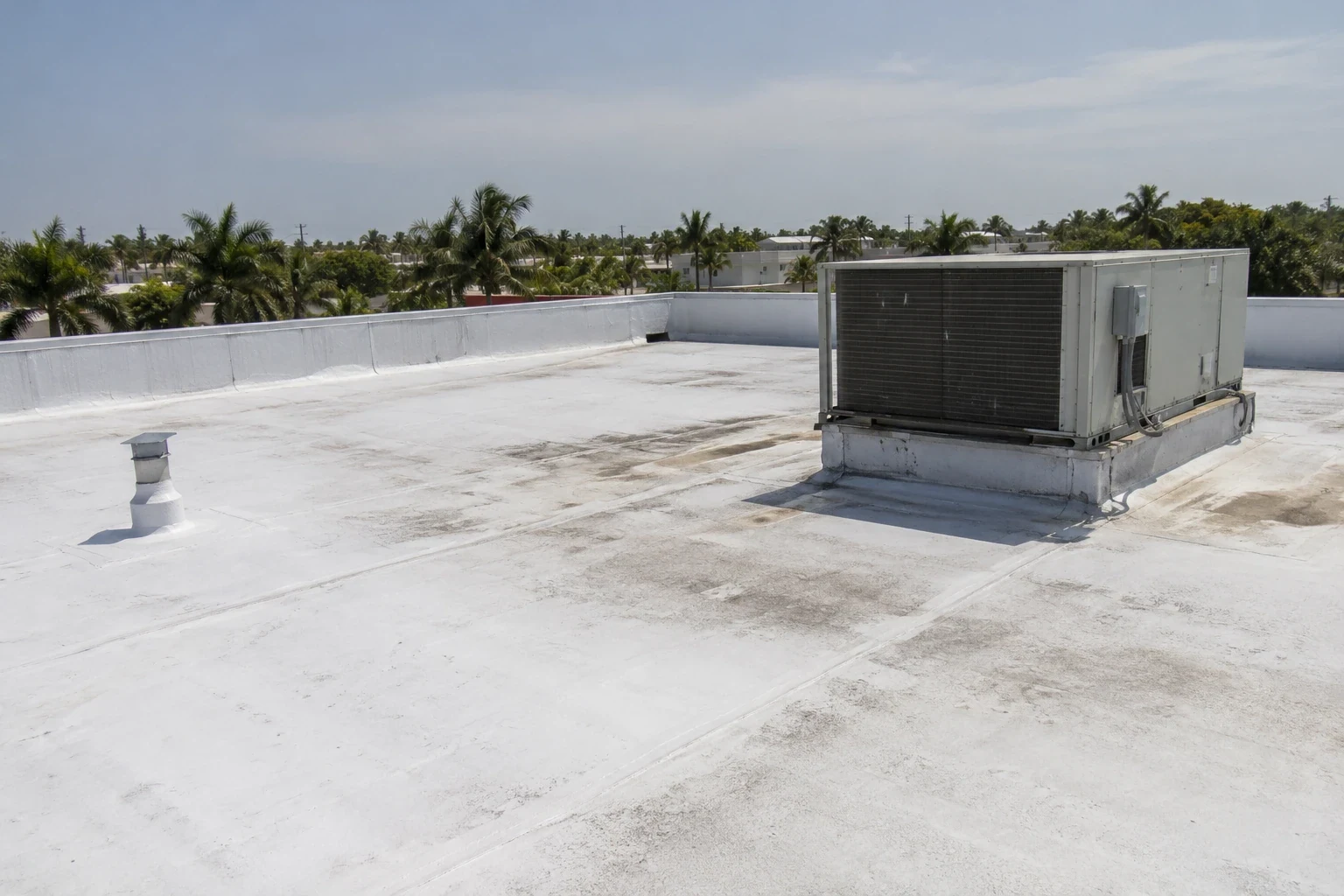
A flat roof in Pompano Beach takes direct sun from mid-morning until the first storm cell builds to the west, then takes the rain, then does it all again the next day. After enough summers of that, a membrane that was sound at installation starts to chalk, craze and thin out. The roof still keeps water out. It just has less margin every season, and the next hurricane warning finds a surface that has been working harder than it was built to.
A coating system is the way to buy that margin back without tearing anything off. Applied over a roof that is still dry and still solid underneath, it renews the weather face of the roof, seals the small defects and puts a fresh layer between the sun and the membrane. The trick is knowing which roofs qualify, and we tell owners plainly when a roof does not.
Is the Roof a Candidate: the questions we answer first
Coatings restore a roof. They do not rescue one. Before anyone talks about product, we need three answers. Is the insulation under the membrane dry? Is the deck solid, with fasteners holding and seams still bonded? And does the existing surface take a coating, whether that is modified bitumen, a mineral cap sheet, a single-ply, a metal panel or an older coating already in place?
The first question carries the most weight. Coating over wet insulation traps the water, and the roof then fails from the inside while looking new on top. That is why a coating job usually starts with an infrared moisture survey, followed by core cuts where the scan shows warm spots. When the survey comes back mostly clean, coating is a strong option. When wet areas are widespread, the right answer is replacement, and we say so before any money moves.
Silicone or Acrylic: matching the coating to the roof
The two coatings most Broward owners hear about behave differently, and the difference shows up on roofs that hold water. Silicone coatings shrug off standing water, which makes them the usual pick where a low spot ponds for a day or two after a downpour. Acrylic coatings are water-based, easy to work with and well suited to roofs that drain properly, but they were never meant to sit under puddles for long.
Dirt matters too. Silicone tends to pick up dust and grime faster, and in a market where trucks, construction and afternoon storms keep throwing debris around, that affects how bright the roof stays. Acrylic can be recoated more readily down the road. Neither is the right answer for every building, so we match the product to the substrate, the drainage and what the owner wants the roof to do next.
Prep and Application: where coating jobs are won or lost
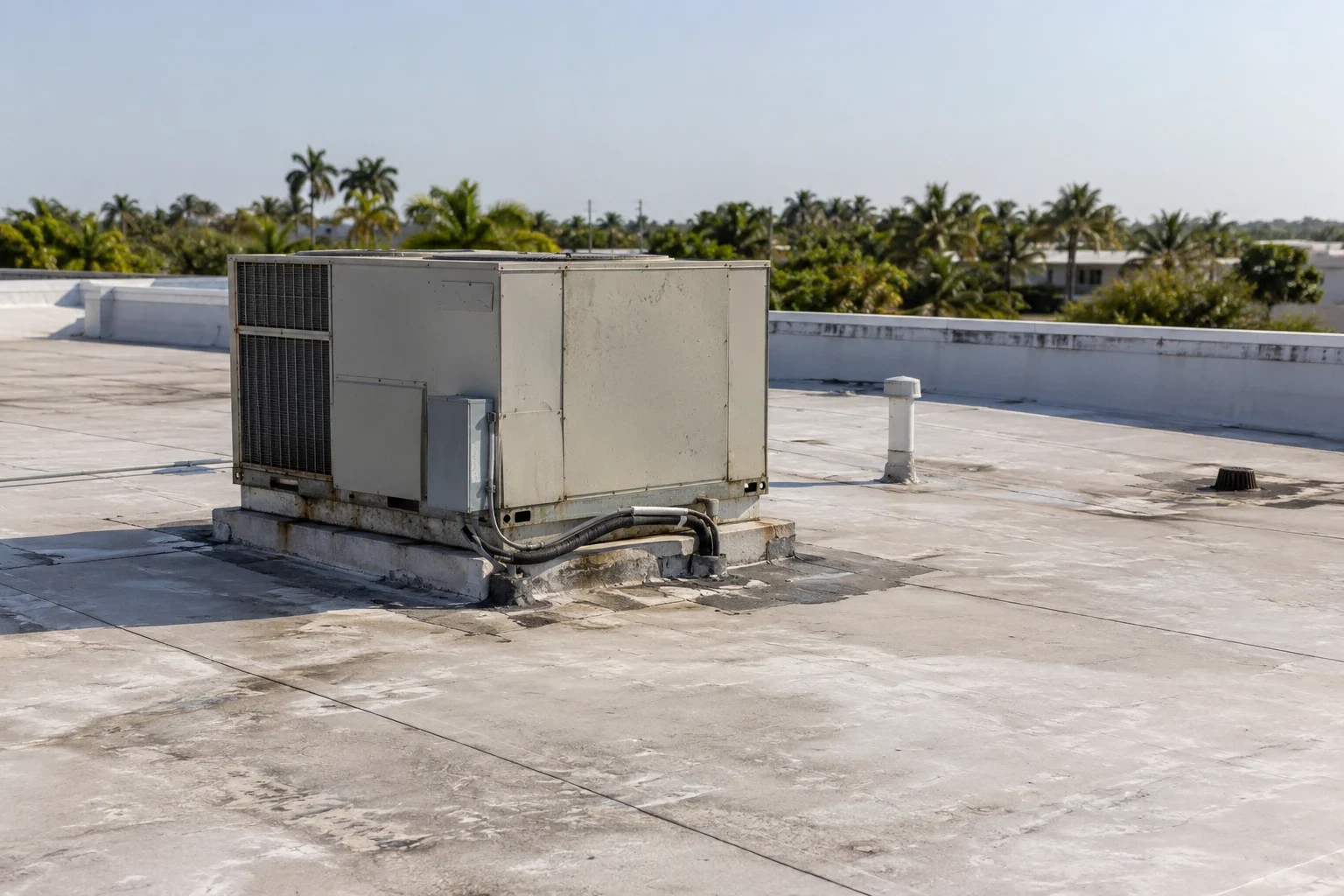
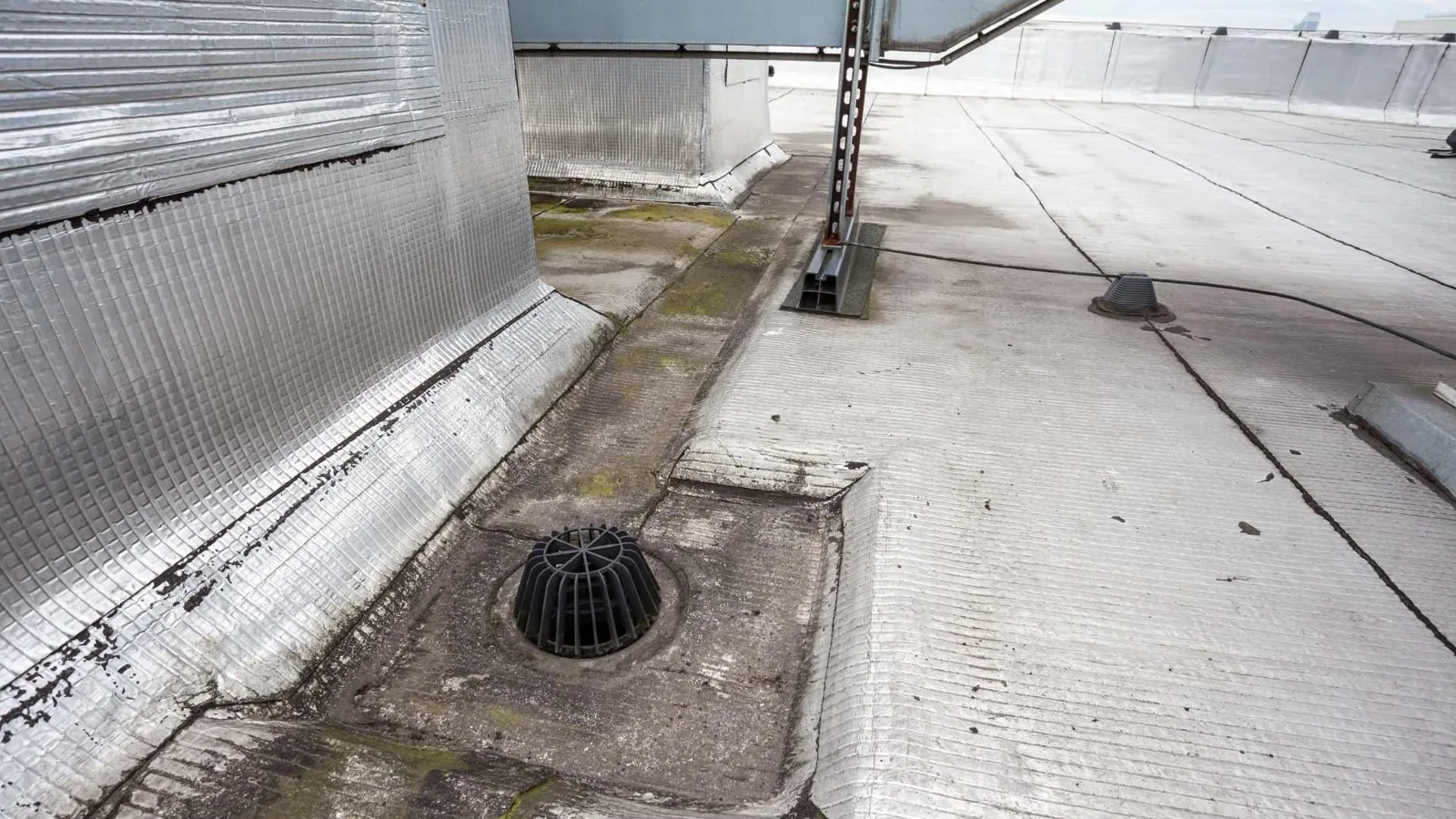
Most of a coating job is won before the first coat goes on. The roof gets pressure washed, and loose or blistered membrane is cut out and patched. Seams, flashings, penetrations and drains are reinforced with fabric and mastic or a compatible sealant, because a coating is only as good as the details beneath it. Rust on metal gets treated, and any area of standing water gets a fix or a plan.
Then comes the weather problem. Surface dewpoints in the 70s mean the roof can hold dew well into the morning, and the coating needs a dry surface and a dry window to cure. So crews work late morning into the afternoon, watching the radar, and we stage materials so a section can be finished before a cell moves in. Rain on fresh coating can wash it out, which is why we would rather stop early than gamble on the clouds.
Code and Wind: what the High-Velocity Hurricane Zone means for a coating
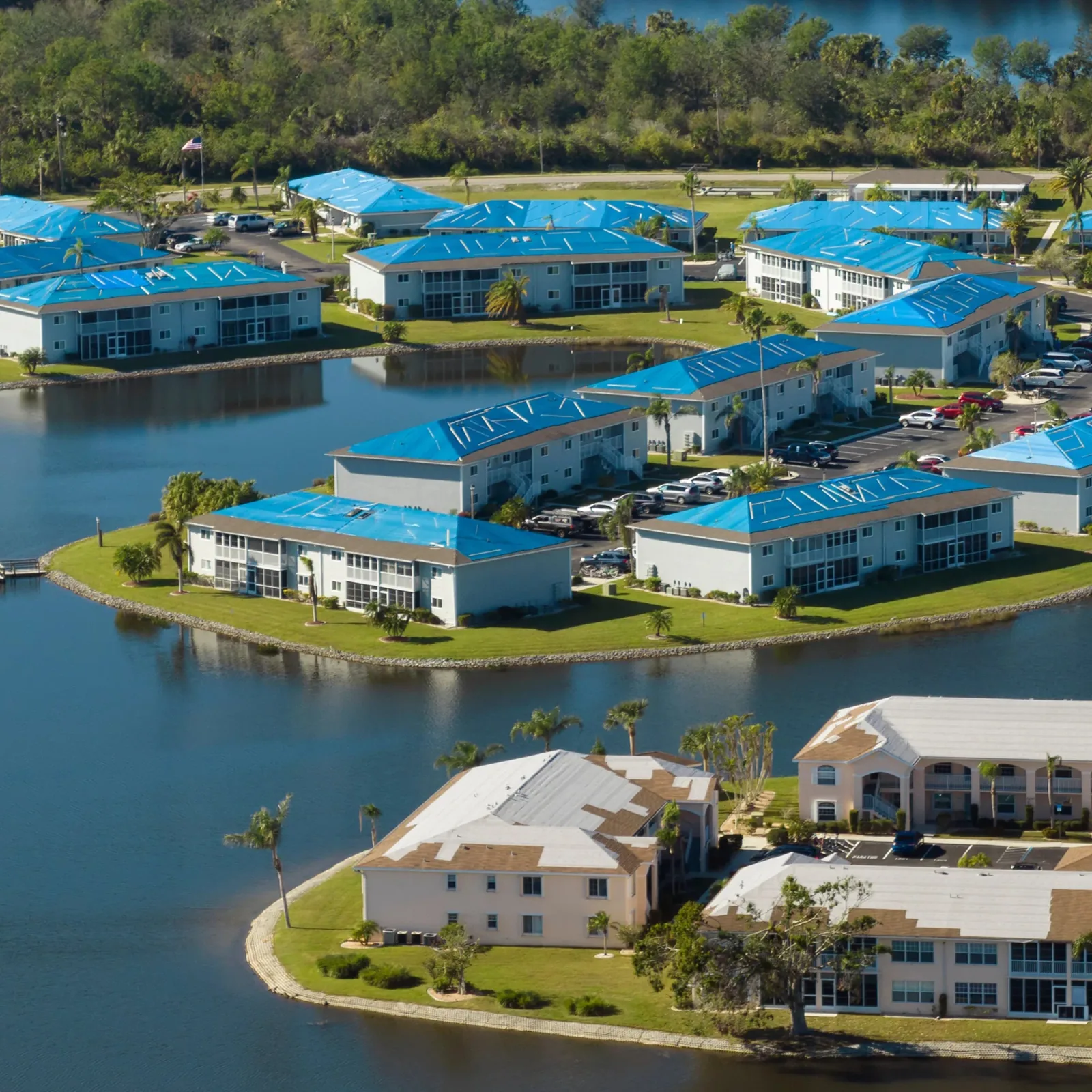
Broward is part of Florida's High Velocity Hurricane Zone, where the design wind for Risk Category II buildings is 170 mph and each exterior roofing component needs a current Miami-Dade Notice of Acceptance. A coating system is no exception. The product, the substrate it goes on and the application method all have to match an approved assembly, and permit applications today fall under the 2023 Florida Building Code, 8th Edition.
We check the approvals before we quote, not after. Pompano Beach logged a 98 mph gust in Hurricane Wilma, and Hurricane Irma later pushed gusts up to 100 mph through Broward, so loose edges, curb flashings and perimeter metal get a hard look before any restoration is priced. A new coating on a roof with a weak perimeter is a nice-looking roof waiting for the next storm to find the edge.
What It Buys You: life, savings and a cooler roof
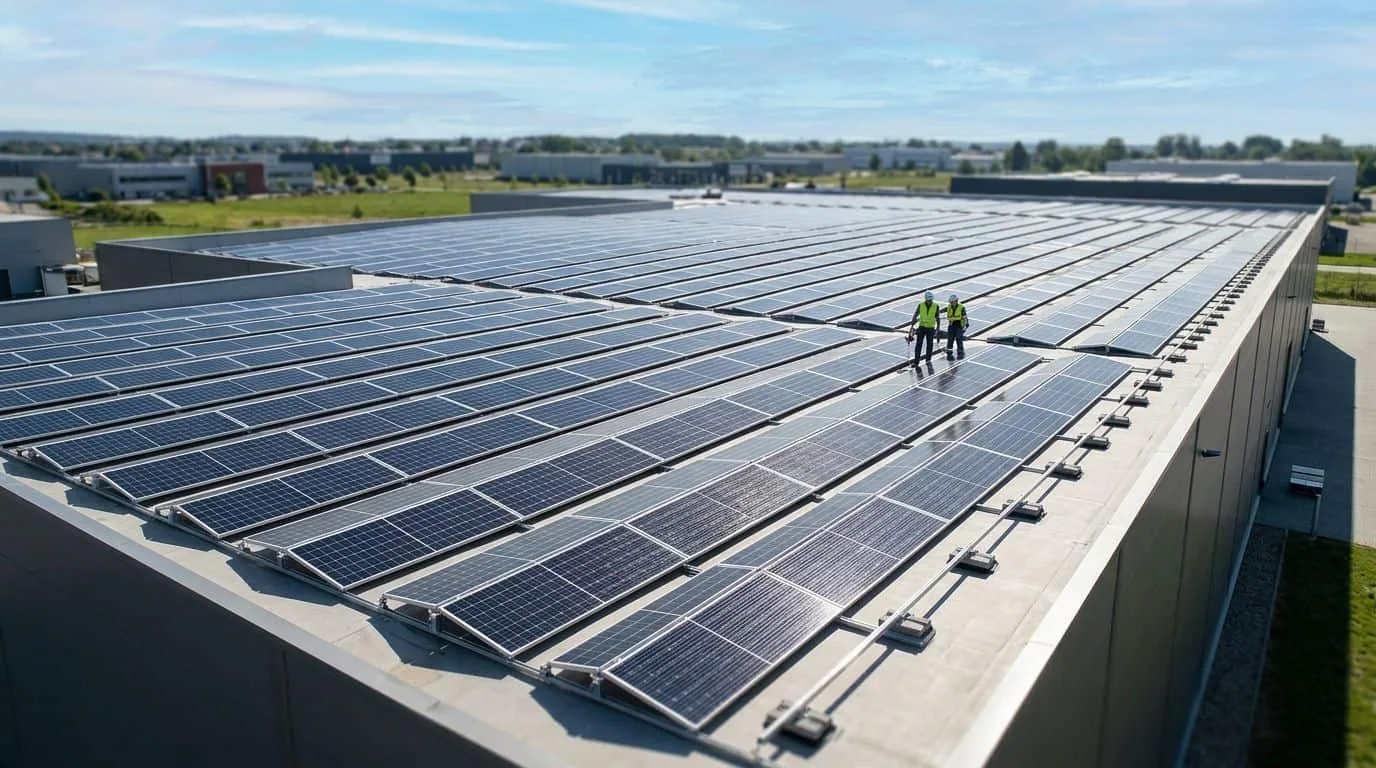
A good restoration extends service life, usually by pushing off a replacement and moving its cost further down the budget calendar. It also reflects more sunlight, which cuts the heat the roof passes into the building. Over a long Broward summer, that can ease the load on rooftop HVAC, which is already working through near-daily heat and humidity. The same reflectivity is the idea behind a cool roof installation, and the two can be priced side by side.
What a coating does not do is turn an old roof into a new one. It does not fix structural problems, and it does not add the R-value that fresh insulation would. For owners who need more than a surface renewal, a recover over the existing roof may be the better step. We lay out both paths side by side so the choice comes from the building and not from a sales push.
Where It Fits: the buildings that make good coating projects
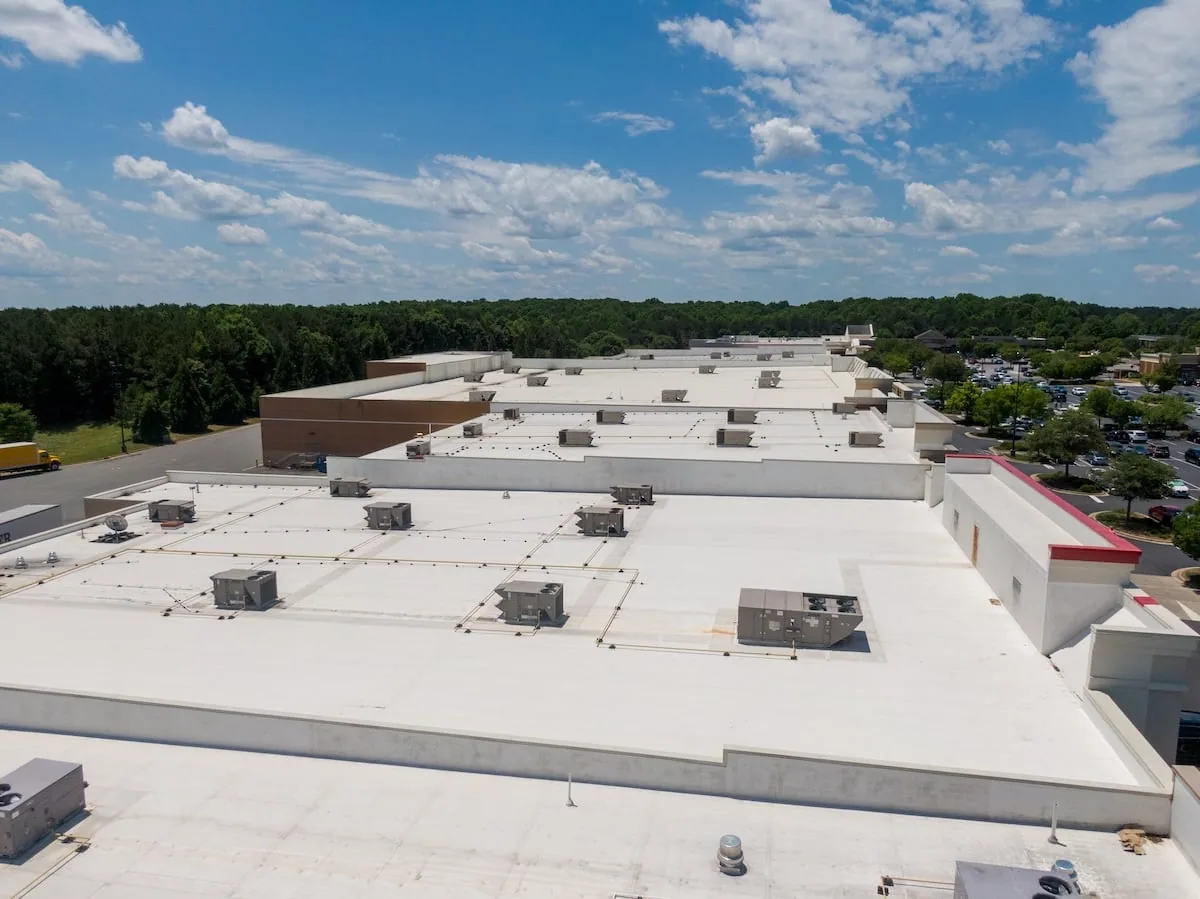
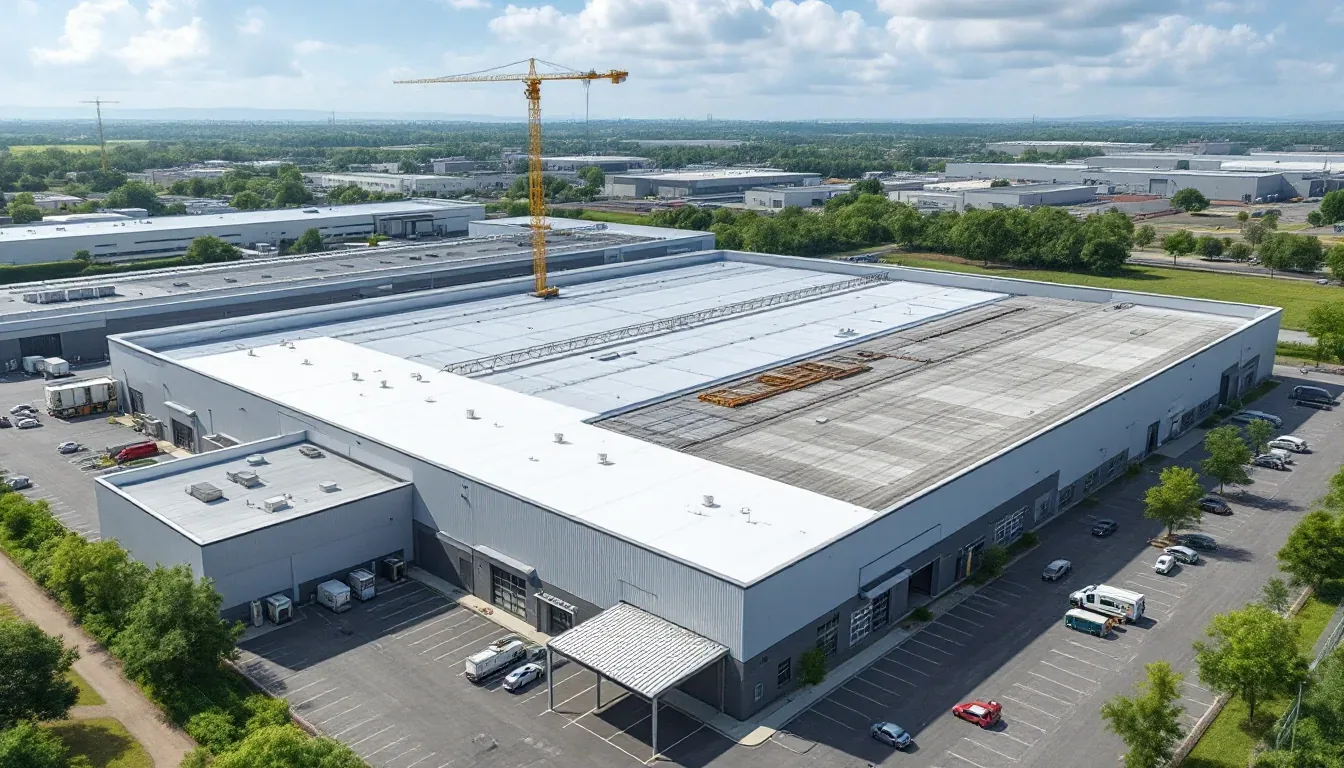
Coatings suit buildings with big, simple, low-slope roofs and an owner who plans in cycles. Metal-roofed buildings, older mineral-surfaced roofs and single-ply roofs that are aging gracefully are all in the pool. An owner in Atlantic Business Center, with about 1.2 million square feet of industrial buildings along West Atlantic Boulevard, or in Gateway Lakes, with about 2.22 million square feet in the southwest part of the city, can compare a coating against a recover whenever the roof is sound but sun-worn.
For flex industrial roofing with several tenants, coating also keeps the building operating, since the work happens outside and the spray or roller crew does not need access to the interior.
Questions We Hear Often
How can you tell if my roof is dry enough to coat?
We scan it with infrared after a dry day and confirm the warm spots with core cuts. A clean survey means the insulation is dry and a coating can go on. Wet areas get cut out and replaced first, or the plan changes.
Will a coating stop my existing leaks?
It seals small defects and reinforced seams, and most minor leaks stop. Leaks from wet insulation, failed decks or open flashings need their own repair first, so we fix those before any coating goes on.
Can you coat during the wet season?
Yes, in the right windows. Dew has to burn off, the surface has to be dry and the afternoon has to stay clear long enough to cure. Some weeks are lost to weather, and we tell you that up front instead of rushing a coat.
How long before the roof needs recoating?
That varies with the product, the thickness applied and how much dirt and ponding the roof sees. We inspect coated roofs on a schedule and tell you when a maintenance coat makes sense, rather than guessing at a calendar date.
Do coatings meet Broward wind requirements?
Only when the whole assembly carries a Miami-Dade Notice of Acceptance for that substrate. We confirm the approval first, then price the work and pull the permit under the current code edition.