Silicone Roof Coatings in Pompano Beach, FL
A normal wet season drops about 33 inches of rain on Pompano Beach, FL between mid-May and mid-October, and a flat roof takes a share of every inch of it. Where the slope is slight or a drain runs slow, that water sits in the afternoon heat for hours. Most coatings do not enjoy the arrangement. Silicone does, and that is the main reason owners here look at it first for tired commercial roofs. It goes on as a liquid, cures into a flexible rubbery film, and keeps working after the sun has beaten on it all summer and a storm has parked on top of it overnight.
Water That Stays: why silicone gets the ponding roofs
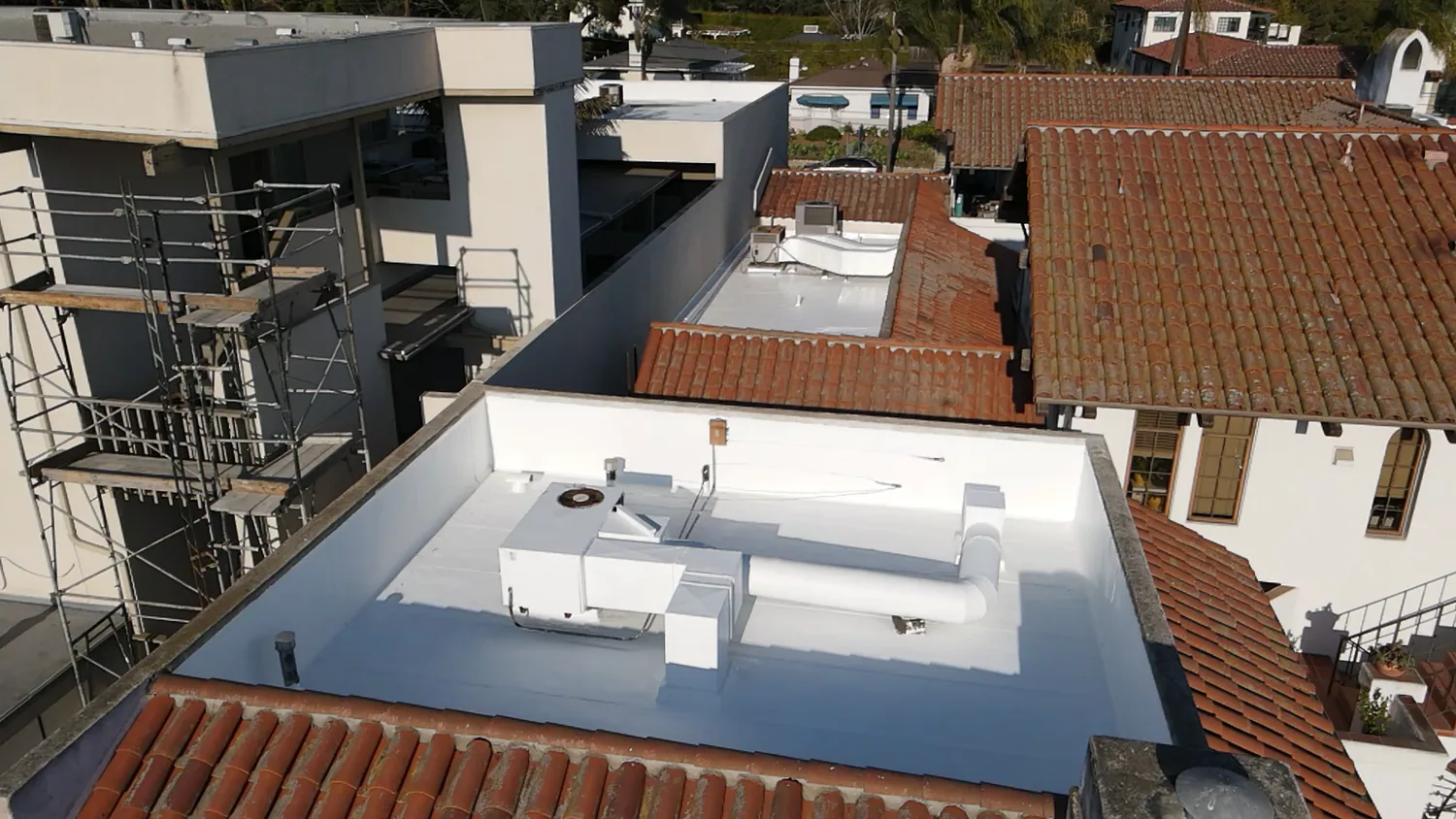
The big difference between silicone and most other coatings is how it behaves under standing water. A cured silicone film does not soften, re-emulsify or break down when puddles sit on it for days. Before specifying silicone, map persistent wet areas and confirm the substrate, seams and drainage details suit the proposed restoration assembly. Ponding-water resistance helps only when the existing roof is a sound candidate.
Silicone is not a substitute for drainage, though. If a roof ponds because a scupper is too high or a drain is clogged, we fix that part as well. Ponding that stays for days puts extra weight on the deck and gives algae a place to live. Silicone survives it; the building should not have to. Chronic puddling is a repair job of its own, and ponding water repair starts with the drains and the low spots.
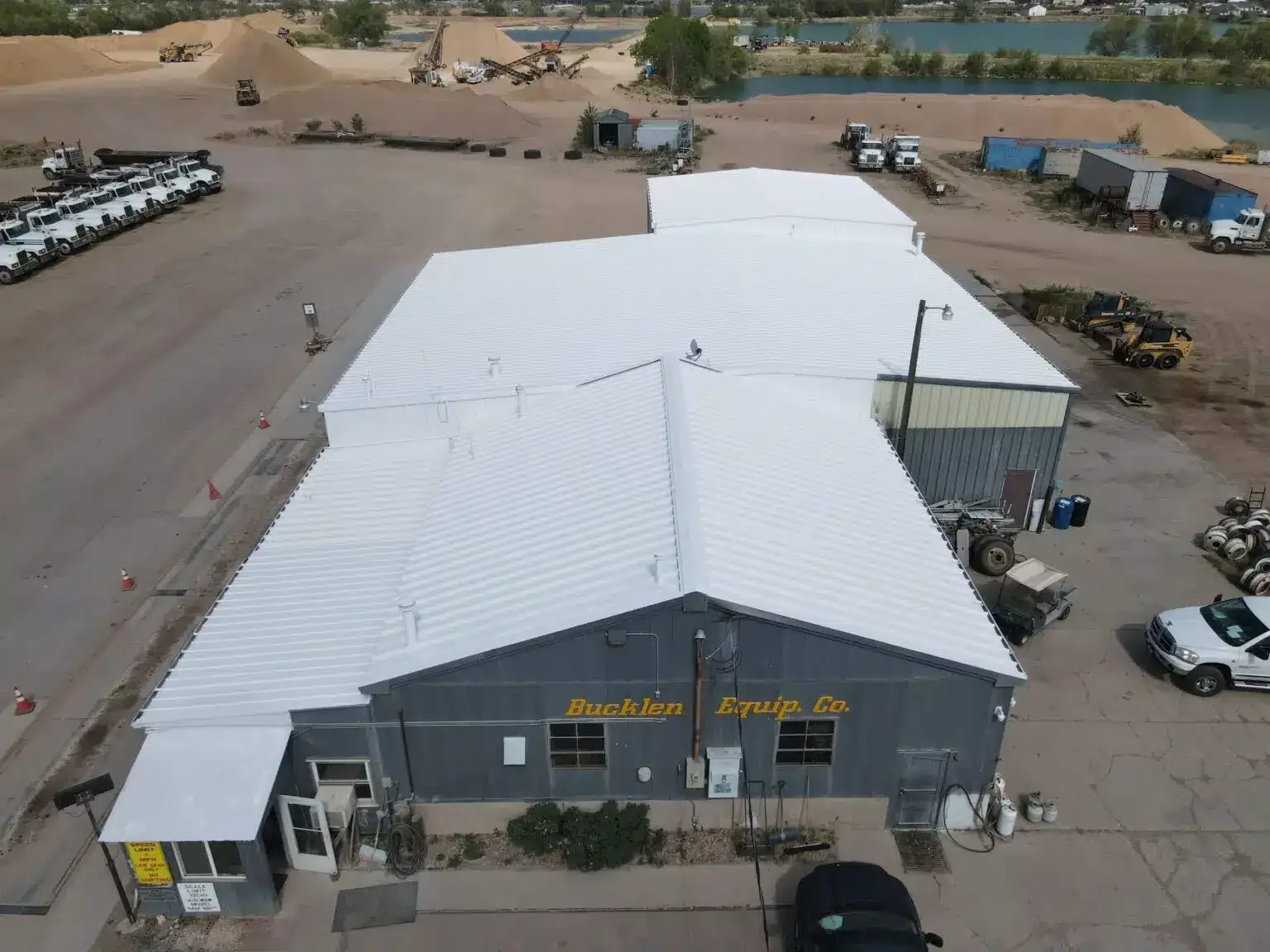
Silicone is often selected where ponding makes another coating family a poor fit, but it still needs a sound substrate and a properly prepared surface. We remove loose material, clean contaminants, repair open seams and reinforce drains and penetrations before applying the coating at the specified coverage. The finished surface is checked for thin spots, pinholes and missed vertical transitions. A maintenance plan should keep drains clear and identify any later foot traffic or equipment work that may have cut through the film, since a coating is a renewable surface rather than a structural deck repair.
Liquid to Rubber: how a silicone system goes on
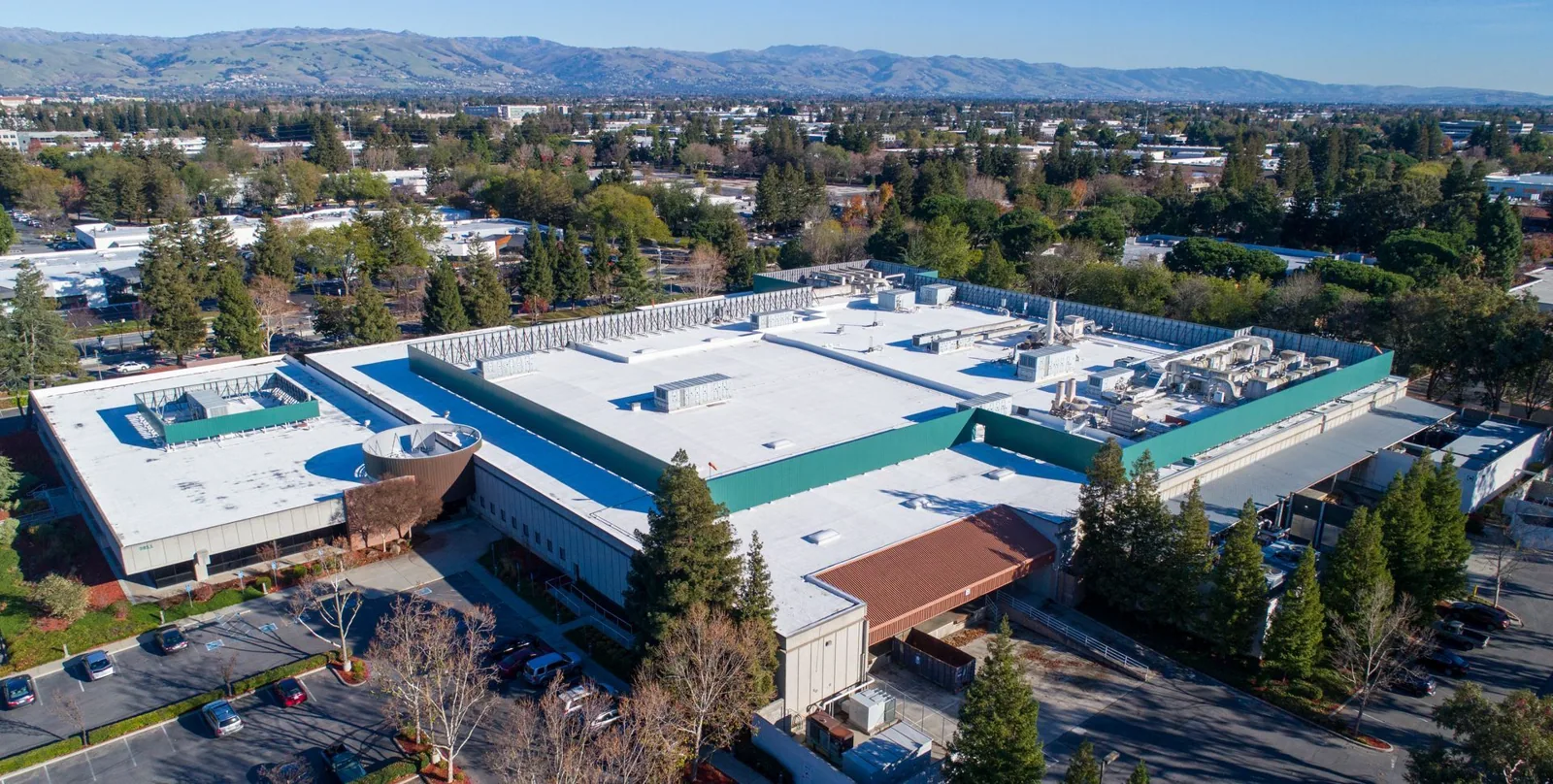
Silicone coatings cure by pulling moisture from the air, so South Florida's humidity actually helps. Once cured, the film stays flexible through the daily swing between a hot afternoon and a cool storm, and ultraviolet light, which breaks down so many roofing materials, barely affects it. That is a real advantage on a roof that gets full sun from morning until the storms arrive.
A system is more than a bucket and a roller. Seams, fastener heads, penetrations and flashings get a base coat and reinforcing fabric first, because those are the spots that move and fail. Then the field is coated to the thickness the manufacturer specifies, in passes, so we are not guessing at coverage. The result is one continuous surface that restores a roof you already own instead of replacing it.
Prep Decides It: clean, dry and tested before any coating
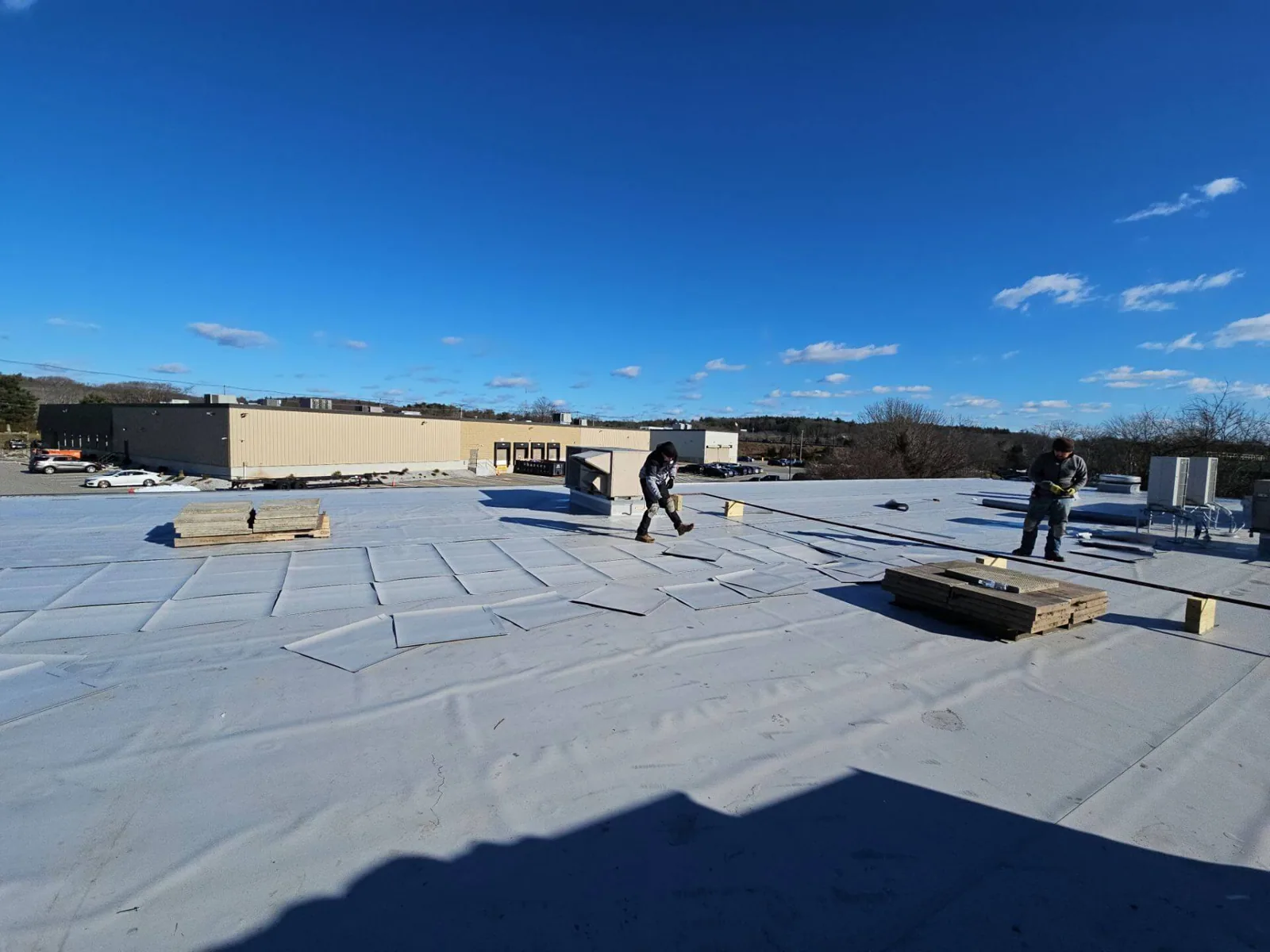
Most coating failures trace back to the surface, not the product. Silicone bonds beautifully to the right substrate and poorly to a dirty or chalky one, so we power wash, repair, and run a test patch before committing to an entire roof. Some asphalt-based surfaces can bleed through a coating and need a barrier coat first. Old metal needs rust treated and fasteners reseated. Single-ply roofs such as TPO often need a specific primer to hold a silicone.
Then comes the question that matters most: is the roof dry underneath? A coating seals the top, and if insulation below is already soaked, the water has nowhere to go. An infrared moisture survey answers that before the first drum is opened. When wet areas are limited, we cut them out and replace them. When they are widespread, we say a coating is the wrong spend.
Trade-Offs: dirt, slip and what a coating cannot do
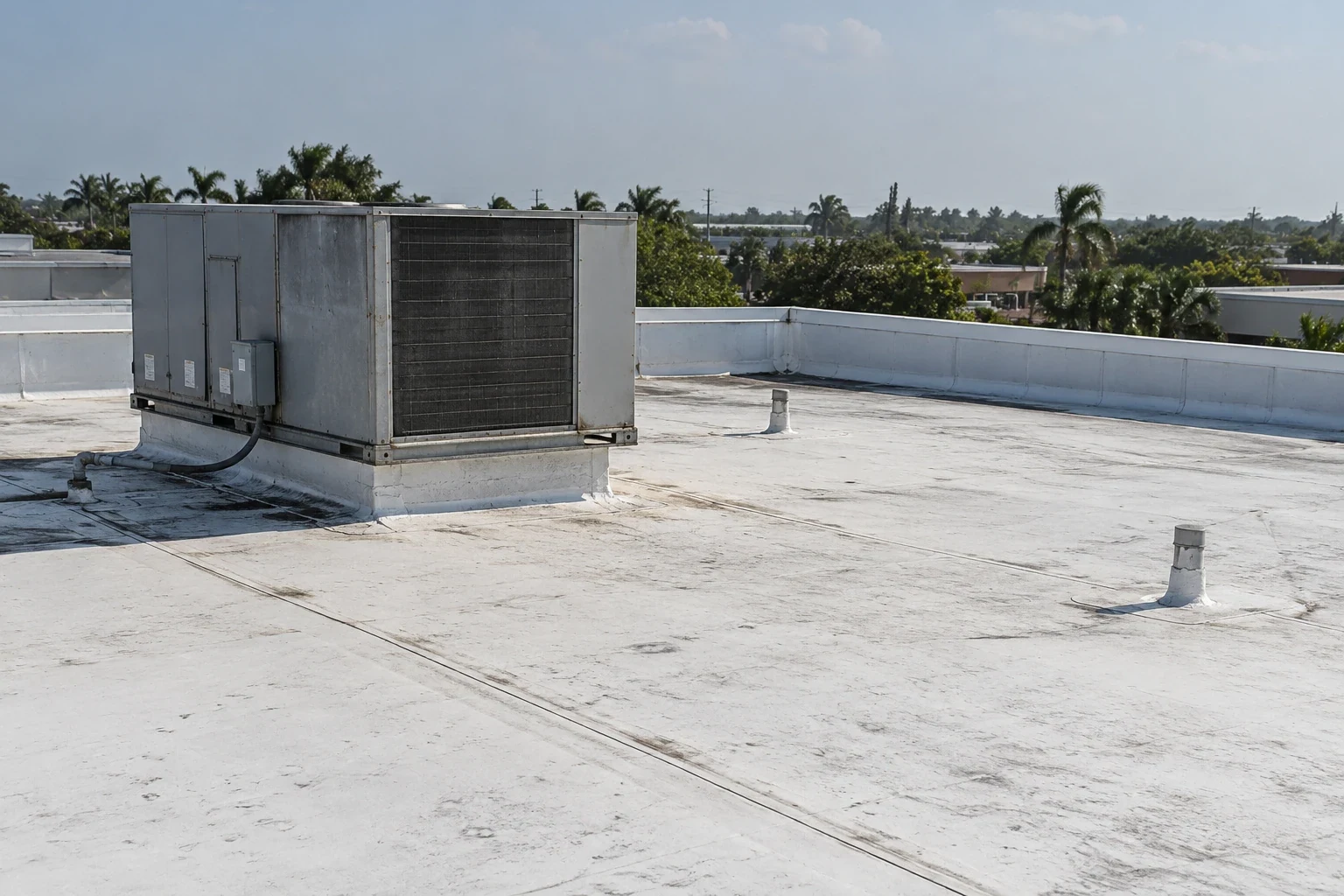
Silicone has quirks owners should hear up front. The surface tends to hold dust and grime, so a white roof looks gray after a season or two unless it is washed, which does not hurt performance but can reduce reflectivity. A silicone surface is slick when wet, so walkways and access routes need granules or a traction treatment. And because later coats of other chemistries often will not stick to it, choosing silicone is a long-term commitment to silicone.
Just as important, a coating does not add wind resistance to a roof that was already weak. After Hurricane Wilma put a 98 mph gust on Pompano Beach in 2005, the first look on any roof goes to fasteners, edges and attachment, well before anyone talks about finish. Under Broward's High Velocity Hurricane Zone rules, the coating itself needs a valid Miami-Dade County Notice of Acceptance, and we confirm that for the exact product before permitting.
Between the Storms: curing in the wet season
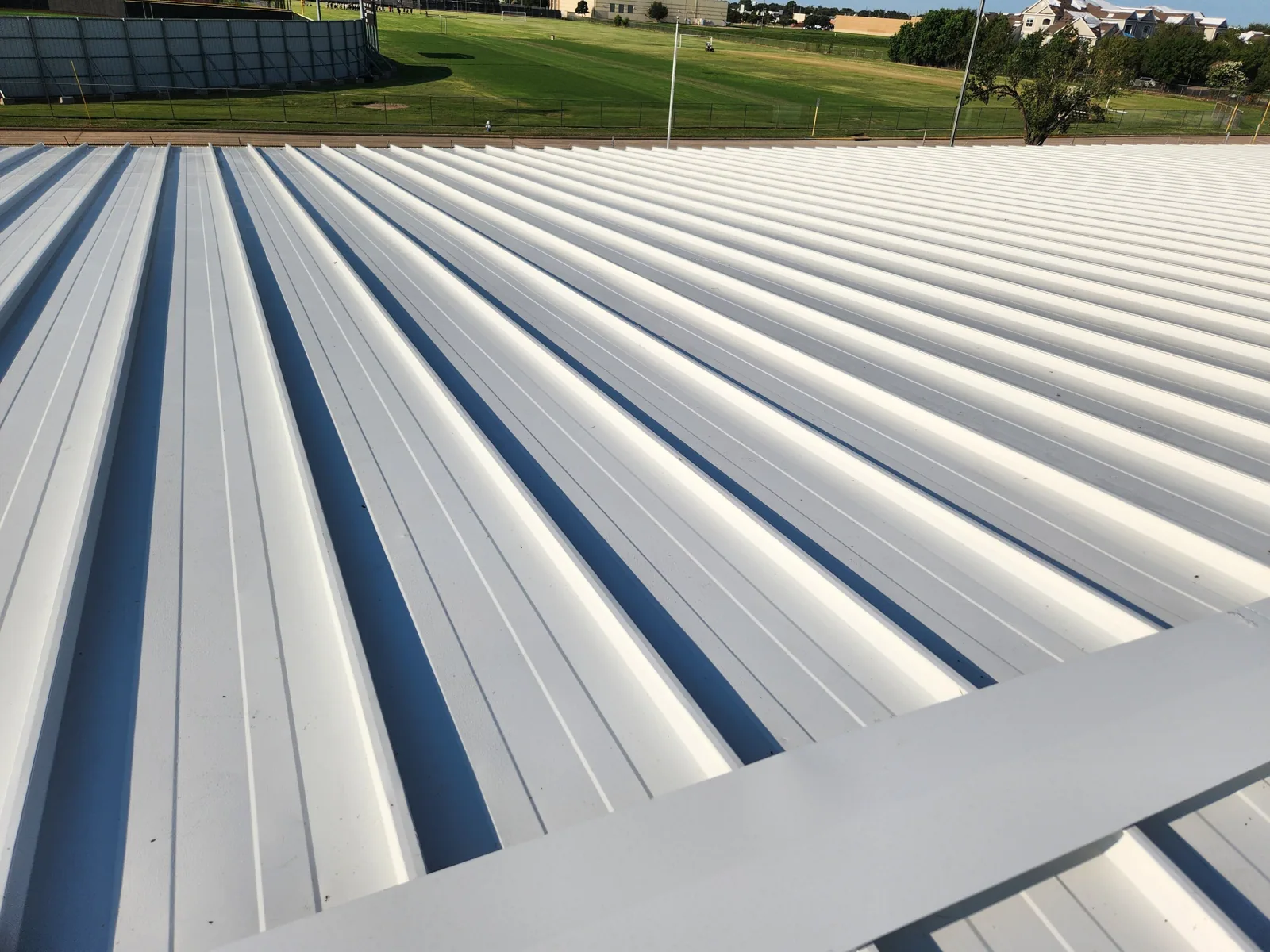
Fresh coating wants a dry surface and a few dry hours. Dew in the morning, a pop-up shower at noon, or a roof that has not shed yesterday's rain can all ruin an application. Silicone cures faster than the water-based alternatives and tolerates humidity well, which gives it an edge between storms, but it is not immune to a downpour landing before the film sets. NWS Miami points to mid-May through early July as the stormiest part of the wet season, so we plan the biggest roofs for calmer weeks, work in sections and close each section before the crew leaves.
Wind matters too. Spray application drifts, and a breeze can carry mist onto cars, glass and the building next door, so we mask and watch the flags.
Roofs Worth Coating: where it pays off around here
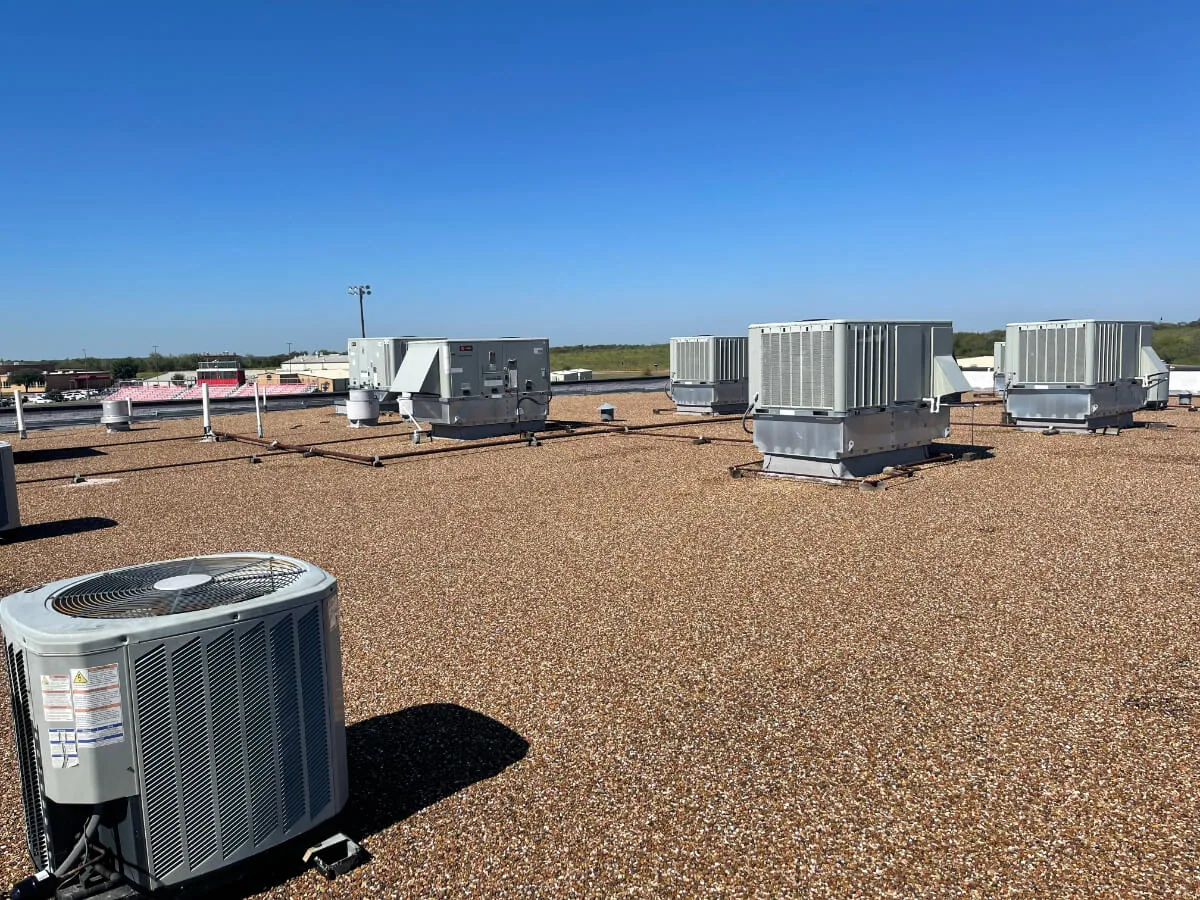
Silicone fits a roof that has life left in it: the membrane is intact, the insulation is dry and the problems are mostly aging, heat and small leaks. In districts built on big low-slope buildings, like the South Andrews industrial area or Atlantic Business Center along W Atlantic Boulevard, a full tear-off can interrupt tenants, so restoration is worth pricing wherever the roof qualifies. A reflective finish also lowers the surface temperature, which is the logic behind cool roof installation.
When the roof is past saving, we say so and weigh a recover or replacement against coating restoration. Sometimes the answer is foam, as with spray foam roofing, where slope and insulation are also needed.
Questions We Hear Often
Will silicone hold up if my roof ponds after every storm?
Yes, the cured film handles standing water better than most coatings. We still look at why it ponds, because a clogged drain or a low spot is a separate problem and the weight on the deck still matters.
Can a coating stop the leaks I already have?
Sometimes. Small leaks from cracked seams and old flashings often stop once the details are reinforced and the field is sealed. Leaks tied to wet insulation or failed decking need repair first.
How many coats go on, and how thick?
Normally a base coat and a finish coat, with fabric at seams and details. Thickness follows the coating maker's spec, and we check it as we work rather than trusting the number of buckets used.
Why does my white roof look gray in spots?
Silicone attracts dirt, and Broward's afternoon storms leave a film of grime where water dries. A wash brings most of it back. Gray from pooled water or algae is worth a closer look.
Does a coating job need a permit?
The building department has the final word, and we check before work starts. Either way the product must carry a Miami-Dade Notice of Acceptance.