Ponding Water Roof Repair in Pompano Beach, FL
NWS Miami puts the average at eight to ten significant flood events in a South Florida rainy season, and a flat roof takes every one of them first. A roof that retains water after routine showers deserves inspection before a high-intensity storm arrives; outlet placement, deck depressions and overflow capacity all affect where repairs should begin. A roof that holds water after ordinary storms may have a blocked outlet, low deck area, compressed insulation or inadequate slope. Those roof-specific conditions, rather than a rainfall total elsewhere, determine where ponding repair should begin.
Standing water on a commercial roof is not a cosmetic problem. In Pompano Beach, FL the wet season stretches from mid-May into mid-October, and a membrane that stays wet through most of it ages faster than one that dries out between storms. We find out why the water stays, then fix the cause: a clogged outlet, a low spot in the deck, a sagging stretch of insulation, or a roof that was never sloped to drain in the first place.
Slow Water: why a flat roof holds on to the rain
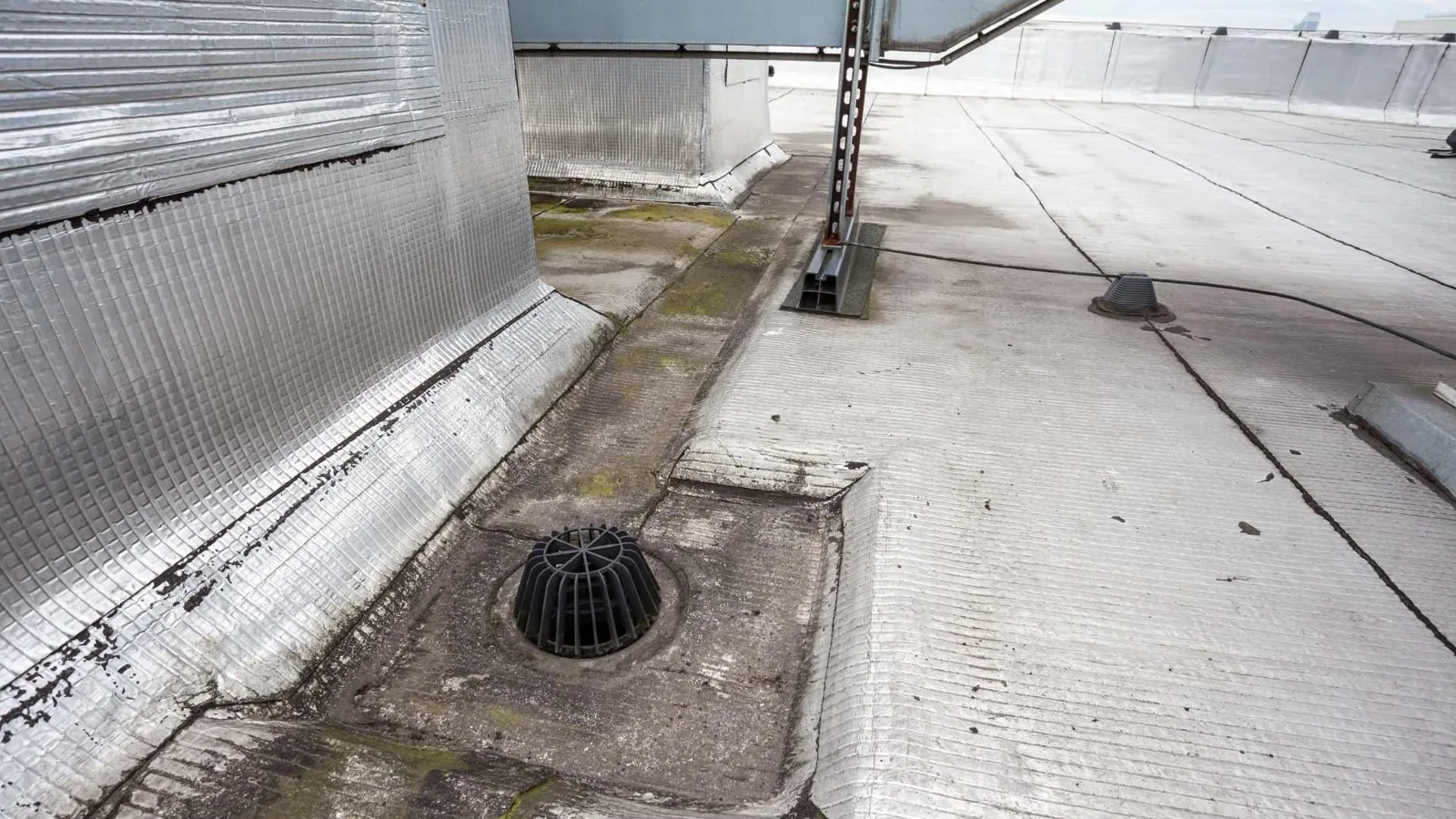
A low-slope roof is meant to carry water toward a drain, but the slope is gentle, often only a fraction of an inch per foot. Anything that interrupts that gentle fall lets water collect. Decks flex over the years, insulation compresses under foot traffic and equipment, and each new unit or platform added up there can act like a small dam. Leaves and trash collect in the strainers, and a half-blocked outlet moves half the water.
Around here the numbers are not small. Sixty to seventy percent of the year's rain falls in the wet season, and the NWS normal for Pompano Beach over those months is 33.40 inches. Even a well-drained roof is working hard, and a marginal one shows its weakness fast. Our work on roof drains and scuppers starts from that reality.
Two Days Later: when a puddle becomes a problem
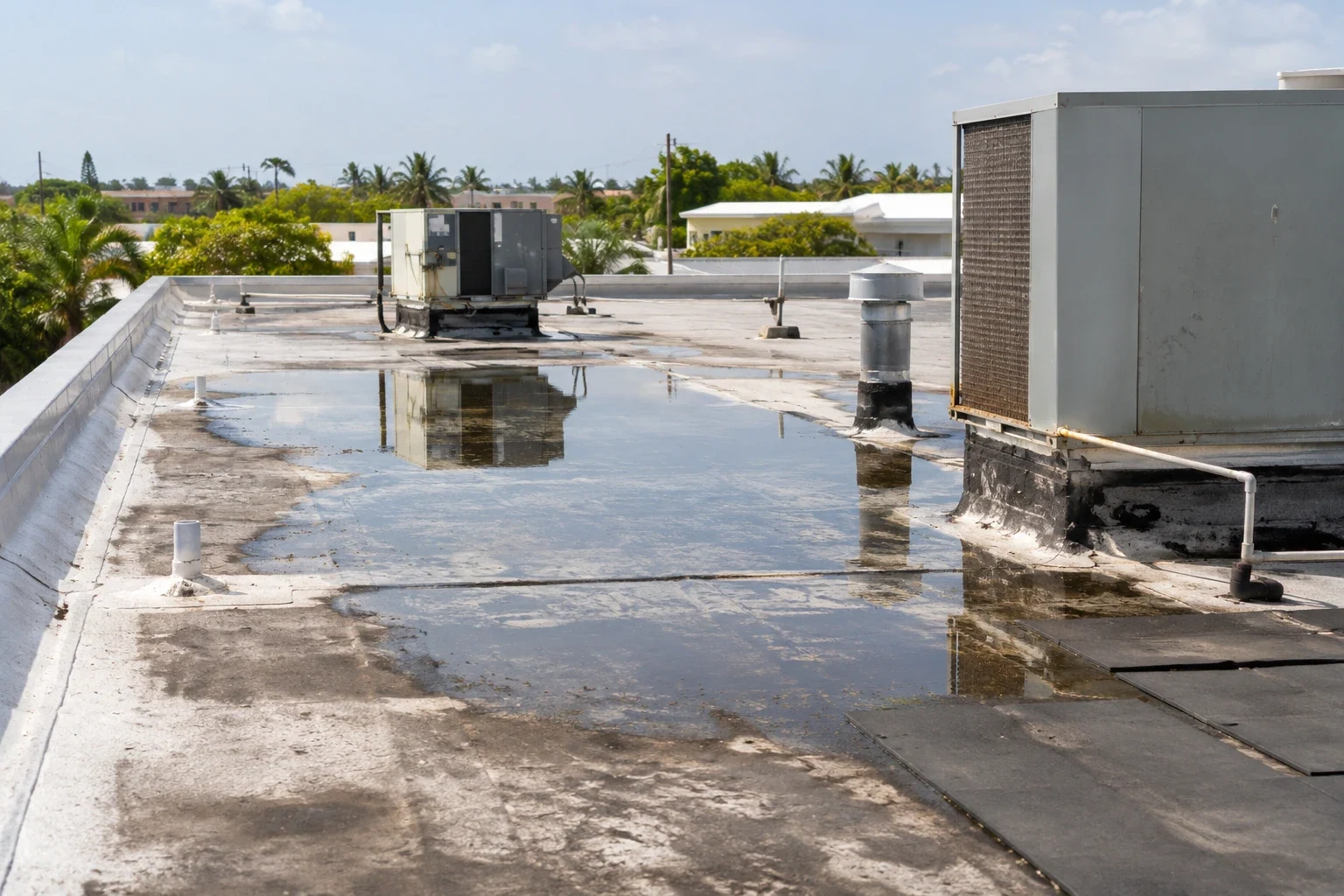
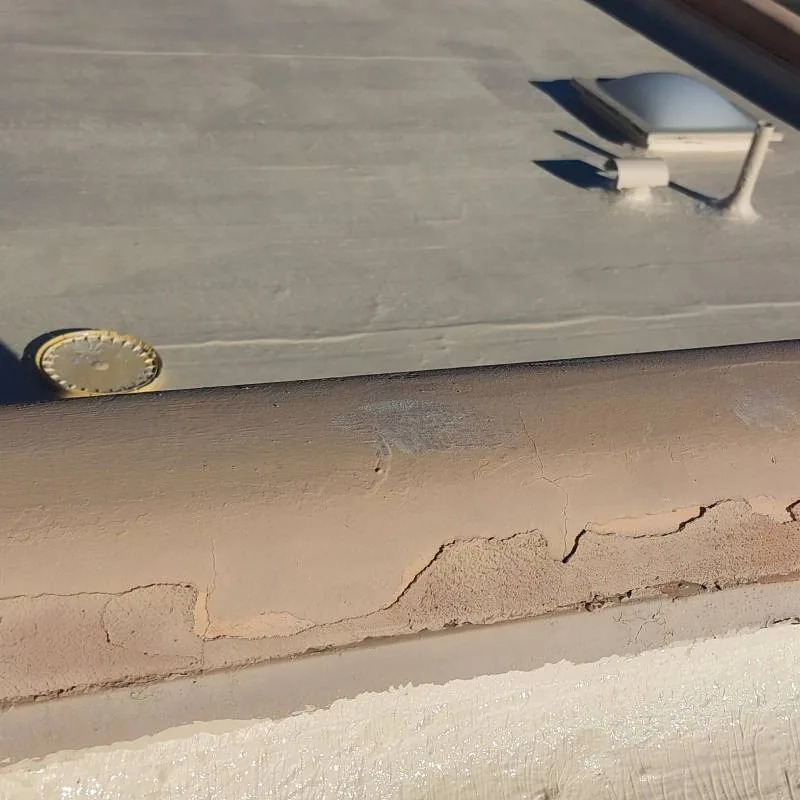
A roof that is damp for an hour after a storm is behaving normally. Water that is still there two days after the rain has stopped is ponding, and that is the working line most roofers use. The signs are easy to spot once you know them: a dark ring of dirt around the edge of the pool, a film of algae, a membrane that looks slick or faded in one patch, and a spongy feel underfoot where insulation has soaked through.
Heat speeds the problem up. The wet-season sun warms standing water, and the heat and UV wear that ages a dry roof keeps working on a wet one. A membrane sitting in warm water all day while dewpoints stay in the 70s does not get a chance to recover.
Weight and Wear: what standing water does to the roof
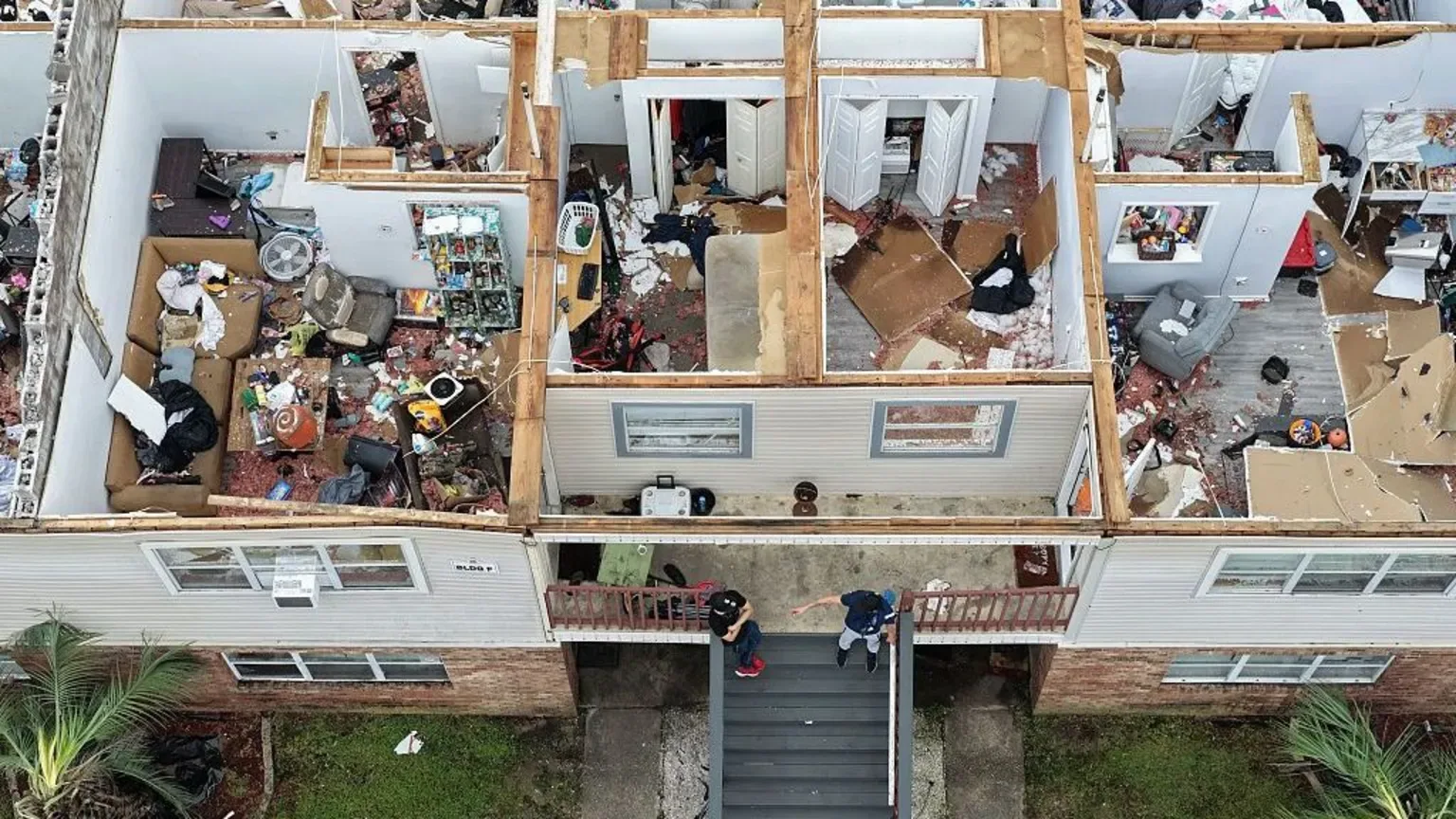
Water is heavy, and a roof deck only has so much reserve capacity. A pond adds load right where the deck is already weakest, which lets it sag a little more, which lets the pond get deeper. That loop is how a small low spot becomes a large one over a few seasons. Insulation under the water takes on moisture, loses its insulating value and gets heavier too, and wet insulation can hide there for a long time before anything shows on the ceiling below.
The membrane itself pays as well. Seams that sit under water all season are tested far harder than seams that shed it. Dirt and algae build a film that holds even more moisture against the surface. Different systems tolerate ponding differently, and plenty of coatings are not meant to sit in water at all. A silicone coating system is the usual exception, which is why it comes up so often on roofs that cannot be re-sloped.
Finding the Cause: outlets, slope and what sits on top
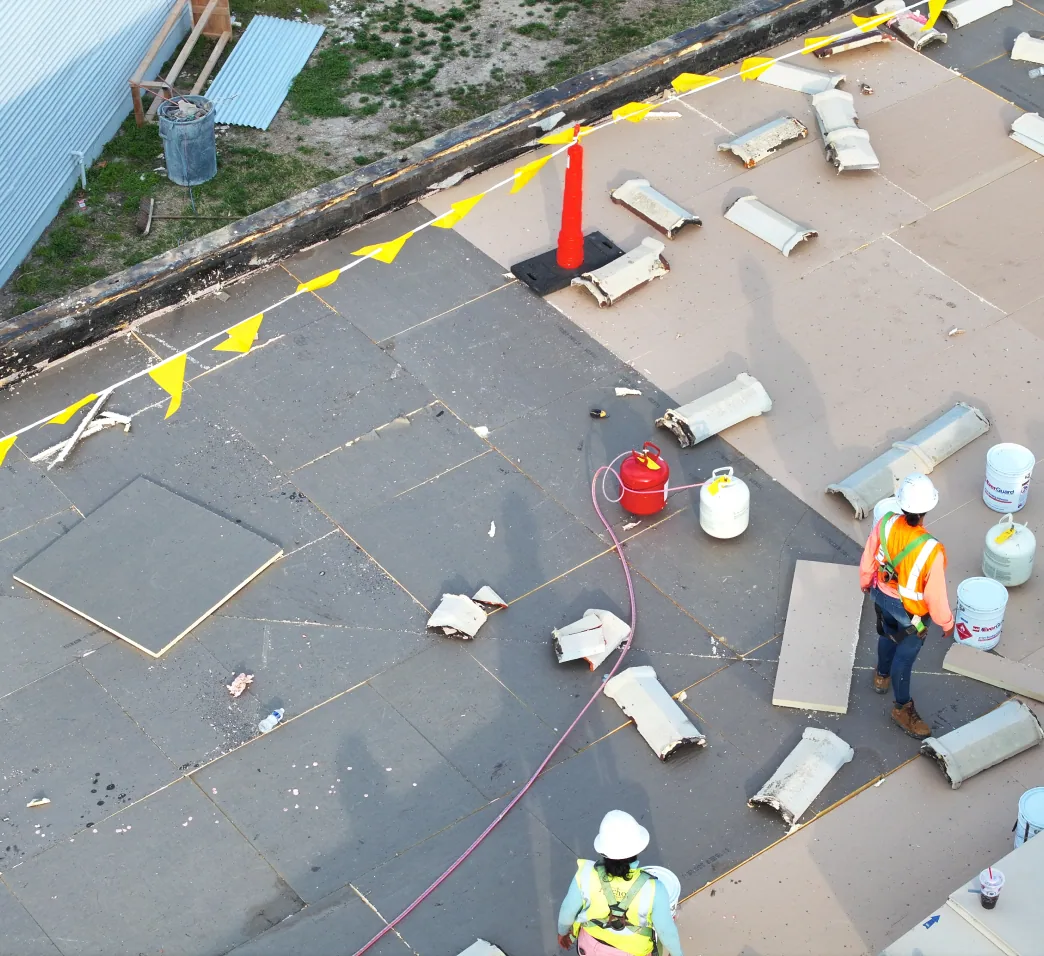
The best time to read a ponding roof is a day or two after rain, while the water is still showing where it wants to go. We measure depth, mark the edges, and then work out why it is there. Strainers get checked for debris and the leaders behind them for blockage. Scuppers get measured against the surface of the membrane, because a scupper set a little too high leaves an inch of water behind it permanently.
After that we look for what changed on the roof. A curb or equipment rail built across the natural flow of water can create a dam. A heavy unit may have pushed the deck down around its footings, and which one it is changes the repair and the price.
Getting Water Off: crickets, tapered insulation and clean outlets
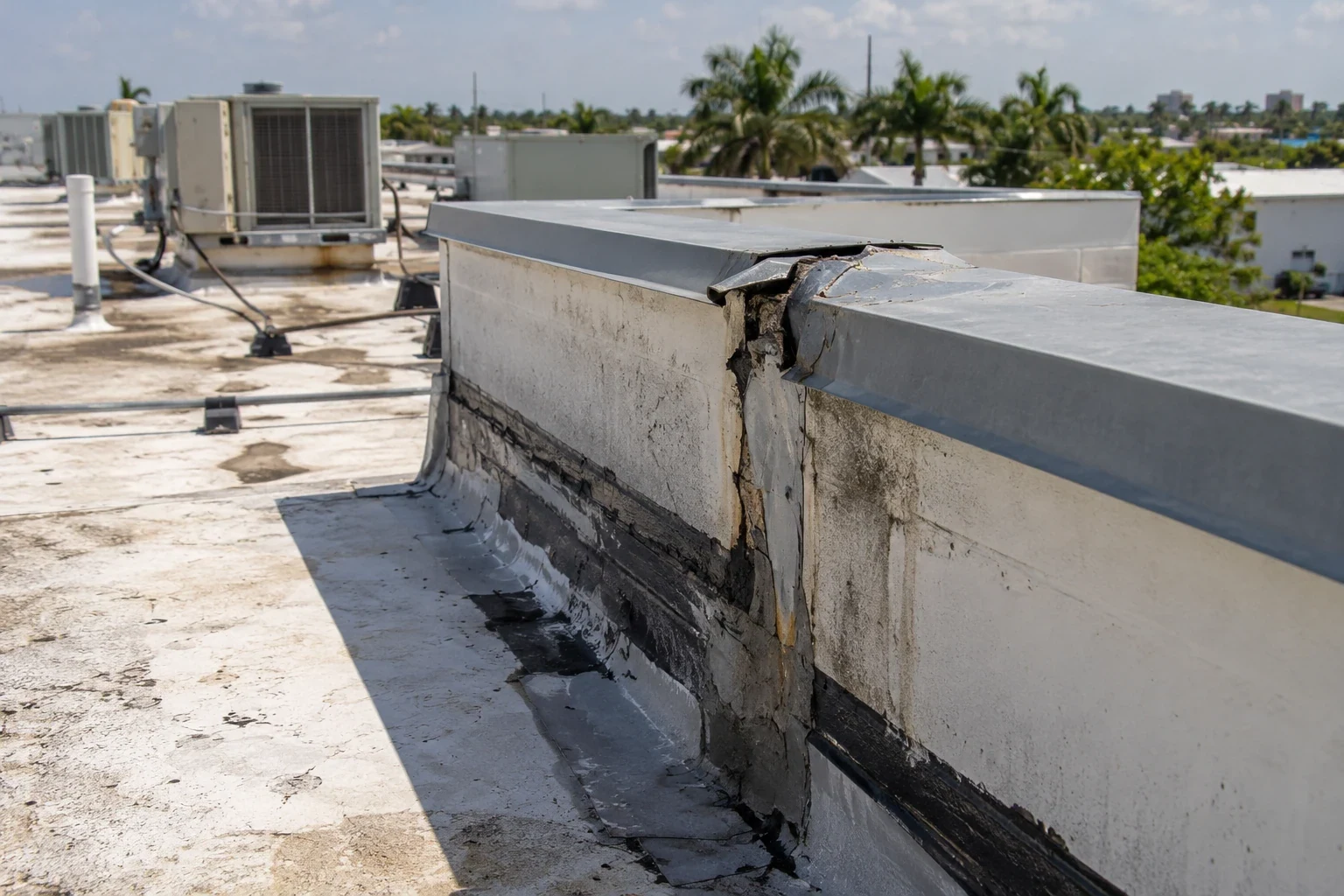
The repair ladder starts with the cheapest fix that works. Cleaning and replacing strainers, clearing leaders and adjusting scupper heights can solve a surprising number of ponding complaints. When the shape of the roof is the issue, a small peaked section called a cricket behind a curb or unit sends water around the obstruction. Tapered insulation, laid over the existing roof or built into a new one, builds the missing slope back in. Adding a drain or a through-wall scupper may be the cleaner answer where a pond sits far from any outlet.
If the deck itself has sagged more than the roof system can reasonably correct, we say so plainly and may bring in a structural engineer before anyone spends money on membrane. What drives cost is the number of low areas, the condition of the insulation under them, and whether we are adding drainage or only reworking what is there. Where the water cannot be moved at all, a coating or roof restoration system designed for standing water can protect the roof instead.
Where Water Sits: Atlantic Business Center and Gateway Lakes
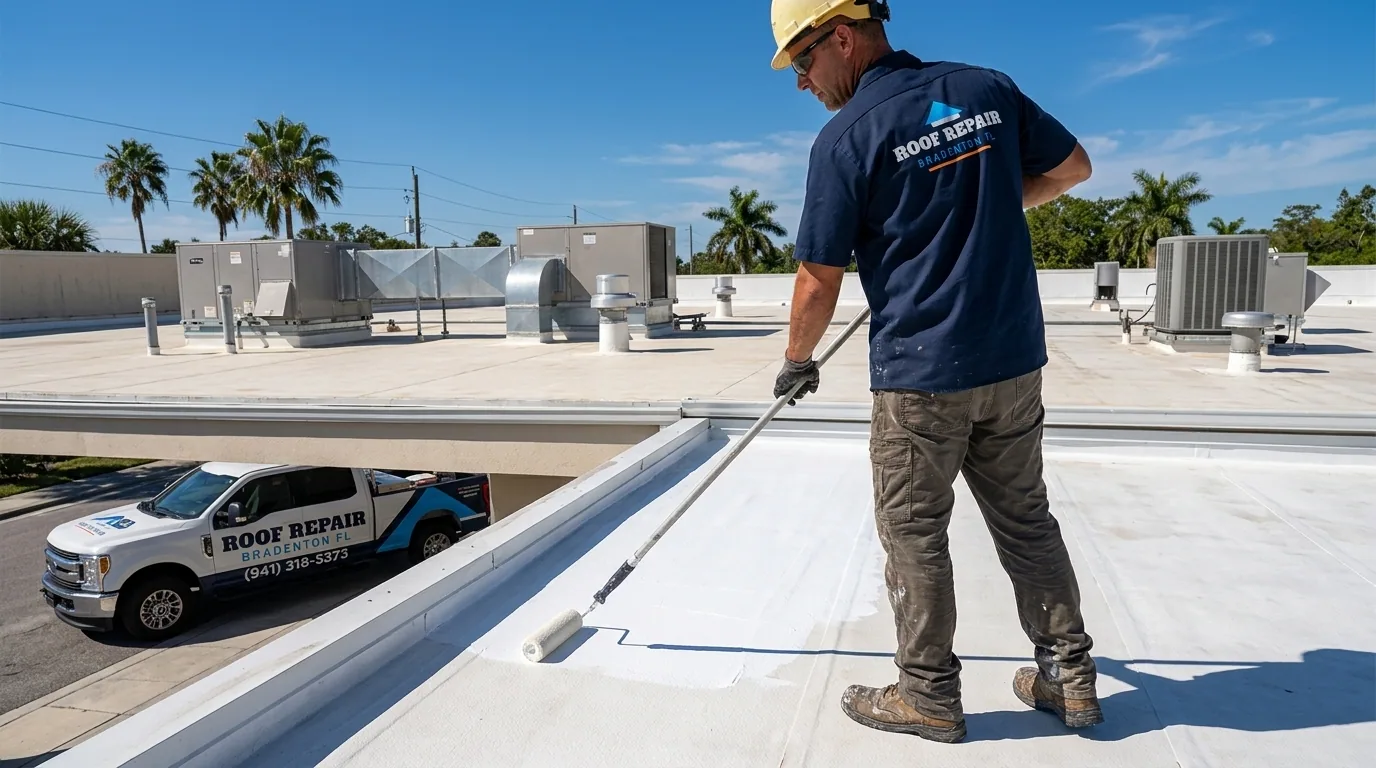
Industrial and warehouse buildings fill much of the city, past 28 million square feet in all, and low-slope roofs dominate the commercial inventory. Atlantic Business Center stretches along West Atlantic Boulevard, with roughly 1.20 million square feet of industrial buildings. Gateway Lakes in the southwest, near Pompano Parkway and the Turnpike, contains about 2.22 million square feet of industrial buildings. Buildings of that kind have long runs between drains, which means a single blocked outlet can leave a lot of roof wet.
Retail is the other half of the picture. A retail center like Pompano Citi Centre has many tenants under its roofs, and wherever a retail roof is split into sections, each section has its own drainage to keep clear. Owners of shopping center roofs and warehouse owners in Gateway Lakes both do best with a spring check of outlets before the stormy weeks of May arrive.
Questions We Hear Often
How long can water stay on a roof before it is a problem?
A puddle that is gone by the next morning is just a wet roof. Water still sitting two days after the rain stops counts as ponding, and it deserves a look before the next run of storms adds to it.
Is a little ponding normal on a flat roof?
Shallow water that clears within a day or so near a drain is common and usually harmless. We start to worry when the pool gets deeper from one storm to the next, when the edges leave a dirt ring, or when the same spot feels soft underfoot.
Will a coating fix a roof that ponds?
A coating changes the surface, not the shape of the roof. Silicone handles standing water far better than most coatings, but if an outlet is blocked or a section has sagged, that gets corrected first. Otherwise the same water simply sits on a newer surface.
Can ponding water hurt the building structure?
Over time it can. Water adds weight, a deck that has begun to deflect holds still more of it, and a heavy downpour on a roof that already ponds piles on load quickly. If we find real sag, we recommend a structural review before a new roof goes on.
Why does my roof pond after some storms but not others?
The rate of rainfall matters more than the total. A slow soaking rain leaves time for water to find the outlet, while a heavy afternoon burst fills the low spots faster than a partly blocked drain can empty them. That pattern usually points to outlets that need clearing or enlarging.