Heat and UV Roof Damage Repair in Pompano Beach, FL
Sunlight is the one roofing hazard that shows up every single day, rain or no rain. Storms come in bursts, and a hurricane might pass once in a decade, but the sun climbs over a Broward roof at dawn and works on it until dark, May through October and well beyond. It does not tear anything off. It simply takes a little life out of the membrane each afternoon, and an owner who looks up one day finds a surface that has gone chalky, brittle and thin.
Heat and UV damage is the slow cousin of storm damage. It rarely causes a sudden leak. It lowers a roof's resistance to everything else, so the next heavy rain or windy afternoon finds weaknesses that were not there a few summers ago. In Pompano Beach, FL we assess how far the sun has taken a roof, repair what can be saved and recommend what cannot.
Sun on Membrane: how UV and heat age a roof
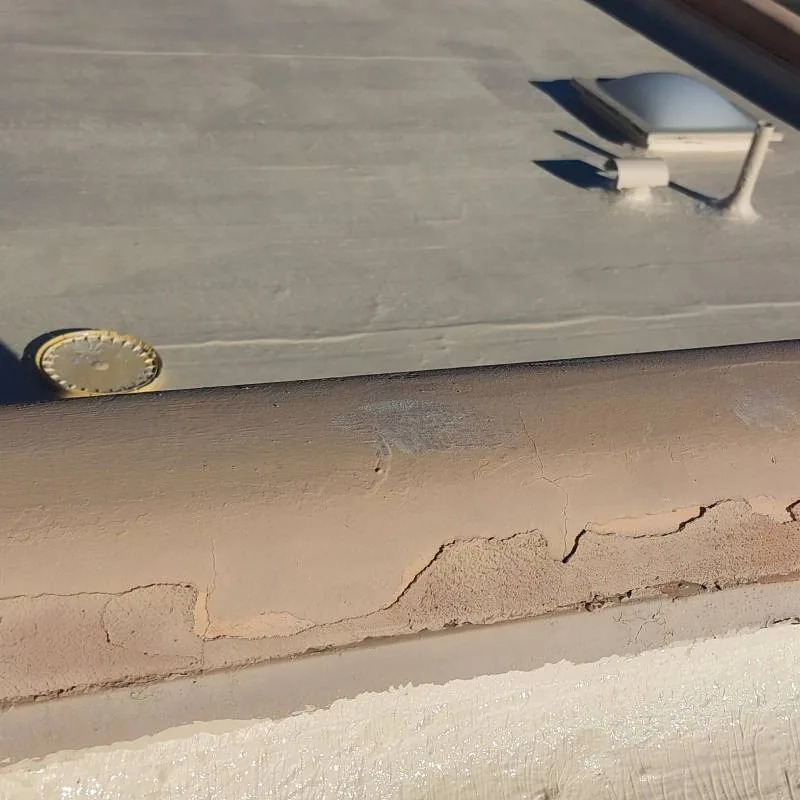
Every roofing material has something in it that sunlight attacks. Ultraviolet light breaks down the surface of single-ply sheets and slowly dries out the plasticizers that keep PVC flexible. On EPDM it leads to cracking and chalking. On a modified bitumen cap sheet it knocks off the mineral granules that shield the asphalt, and on a built-up roof it dries out the surface until it alligators into a pattern of cracks. Coatings thin as the top layer wears away, and metal panels fade and lose sealant at the laps.
Heat works alongside the light. A dark roof surface gets far hotter than the air above it, and each day's swing between the afternoon peak and the cool of night makes the materials expand and contract. After thousands of cycles, a membrane that was flexible becomes stiff. Stiff membrane splits at the details, pulls on flashing and opens at seams, which is why seam trouble and sun wear so often arrive together.
Reading the Wear: what a sun-worn roof looks like
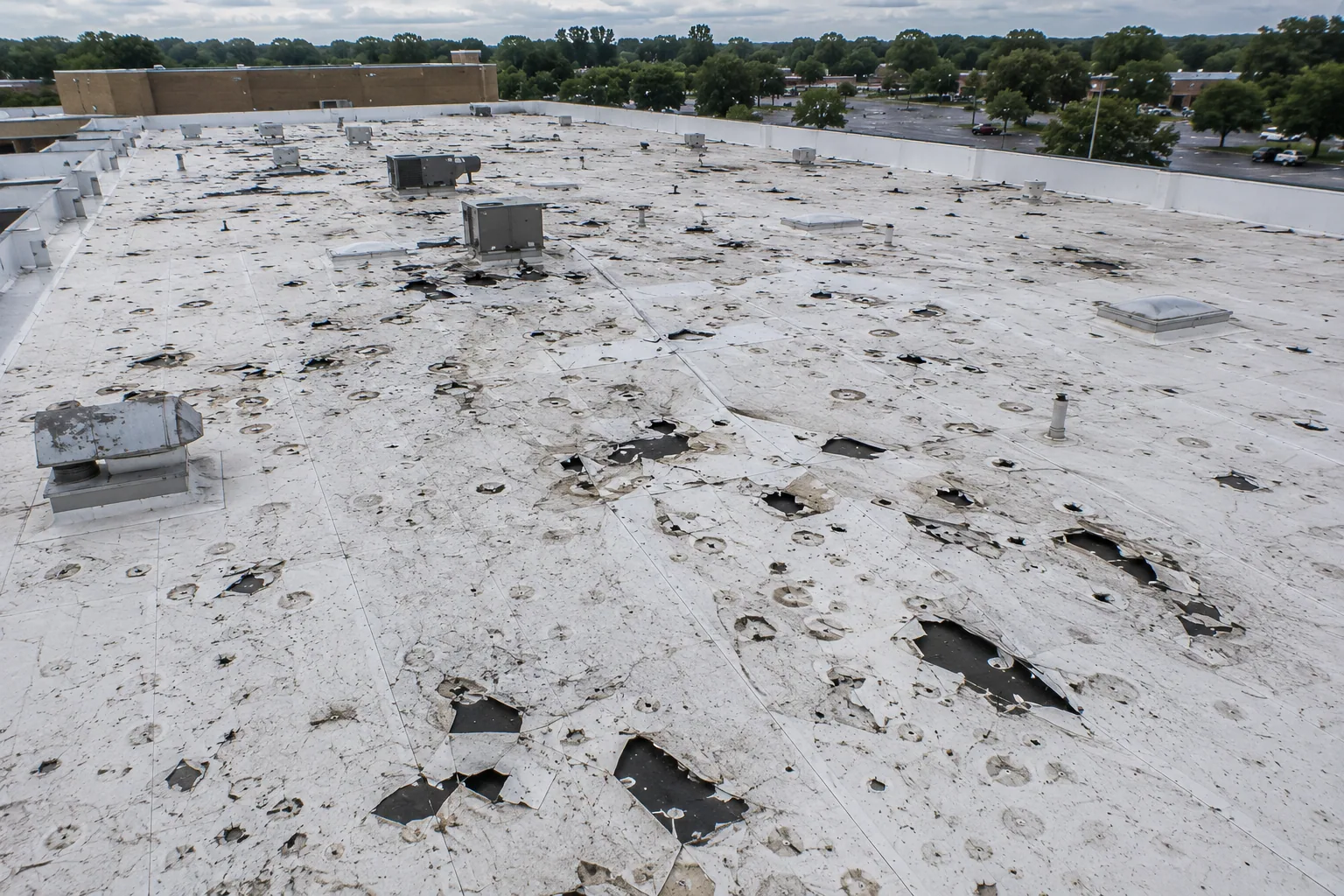
The signs are visible if you know where to look, and most of them show up on a close walk rather than from the ground. A white membrane that rubs off as a powder on your hand is chalking. Fine surface cracks that look like dry mud are crazing. Edges of sheets that have drawn back from the flashing point to shrinkage. Bare patches on a cap sheet show where granules have gone, and a coating that has gone transparent or peeled in sheets is at the end of its useful thickness.
We also look at what the sun has done to the details around the field of the roof. Sealant that has hardened and pulled away, pipe boots that have split in the sunlight and edge metal with failed paint all let moisture in before the main membrane does. An inspection report sorts these findings by urgency, so the owner knows which ones can wait and which ones cannot.
Hot Nights: why a Broward summer is hard to recover from
A roof up north gets a long break from the sun in winter. Here the break is shorter, and the summers do not cool off much at night. Warm nights in recent summers have run 1 to 1.5 degrees Fahrenheit above the 30-year normal, and surface dewpoints stay in the 70s with near-daily thunderstorms. That combination keeps membranes warm and damp for long stretches, with little relief between cycles.
The afternoon storm adds a sharp shock. A membrane that has been baking in the sun gets drenched in cool rain within minutes, and the sudden change stresses surface layers and the seams. Add the rain that sits on slow-draining spots, and the heat now cooks standing water against the roof. Where ponding is part of the picture, sun damage is usually worse in the wet patches than in the dry ones.
Heat From Below: units, dark surfaces and wet insulation
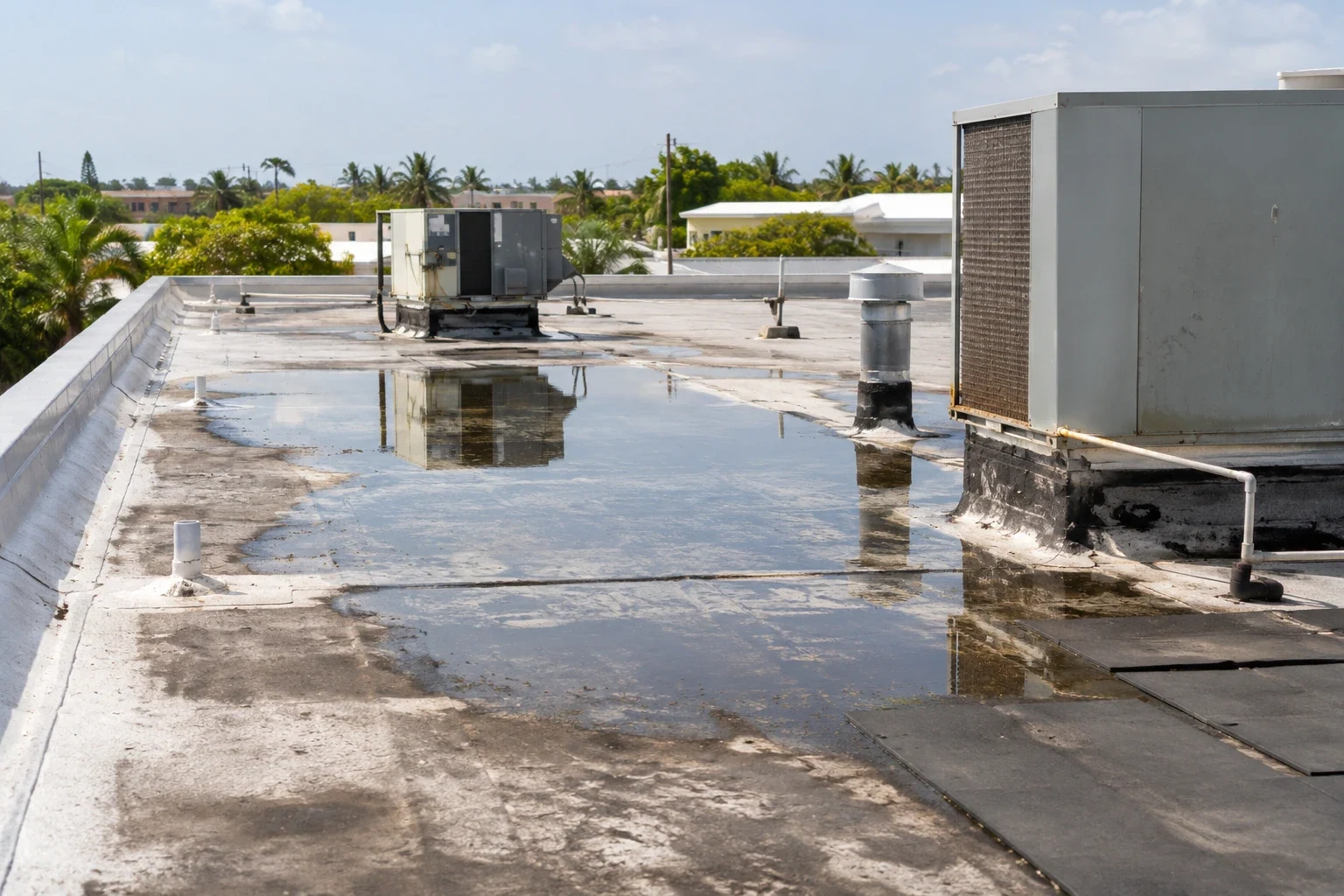
Not all roof heat comes from the sky. Rooftop air conditioners and exhaust fans blow hot air across the surface, so the membrane around them ages faster. A dark membrane absorbs more energy and passes it into the building, which raises the cooling load and works the HVAC harder. Insulation that has gotten wet loses its ability to slow that heat, so a roof that looks fine from the top can still cost the tenant extra on every electric bill.
When we find sun wear around units, we look at drainage and ventilation as well. Water that stays near a unit and then bakes can destroy a membrane in a season or two. Moving the pathway, adding walk pads or changing the reflectivity of the surface often does more for the roof than any single patch.
Restore or Replace: coatings, cap sheets and cool surfaces
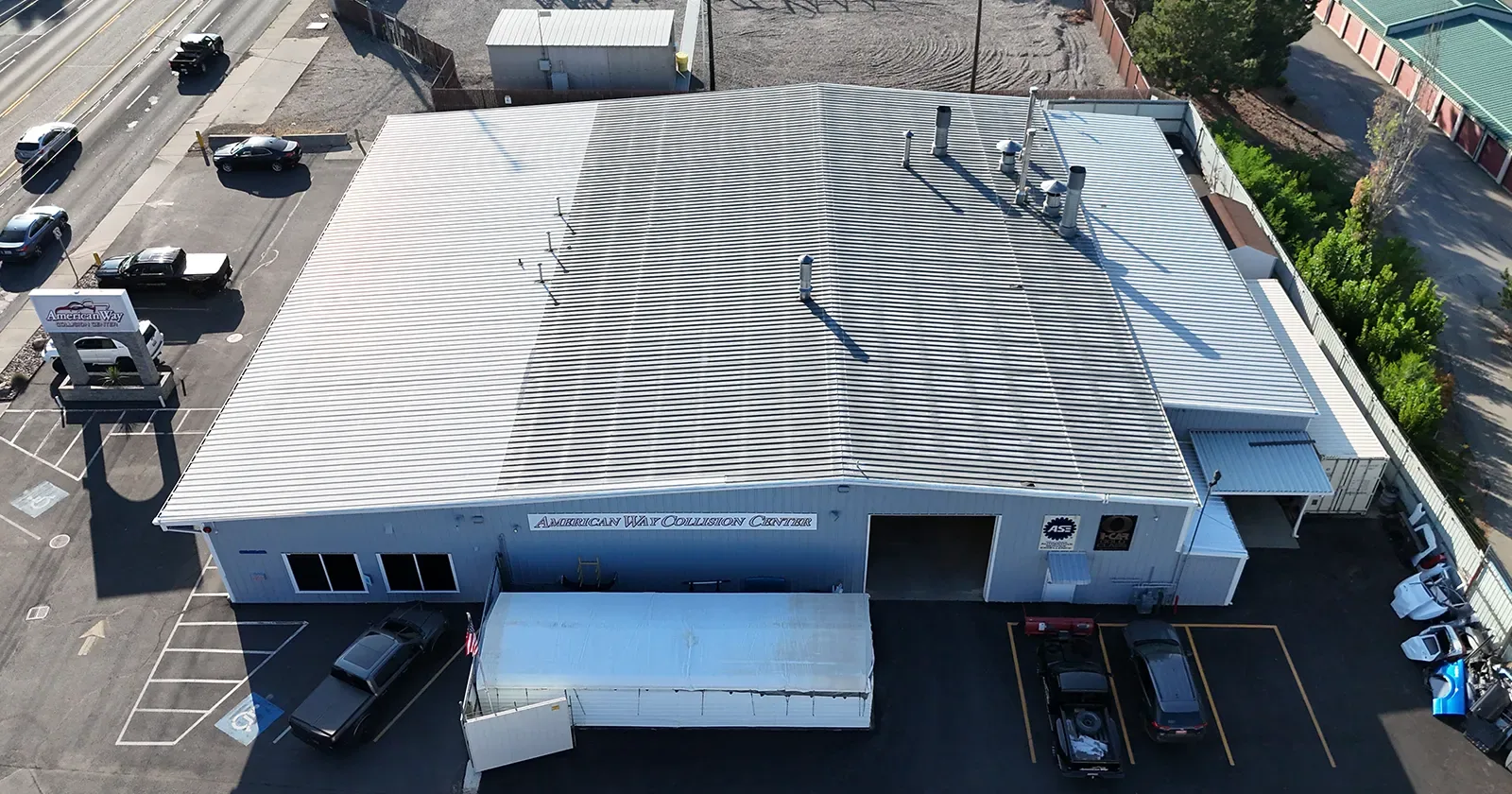
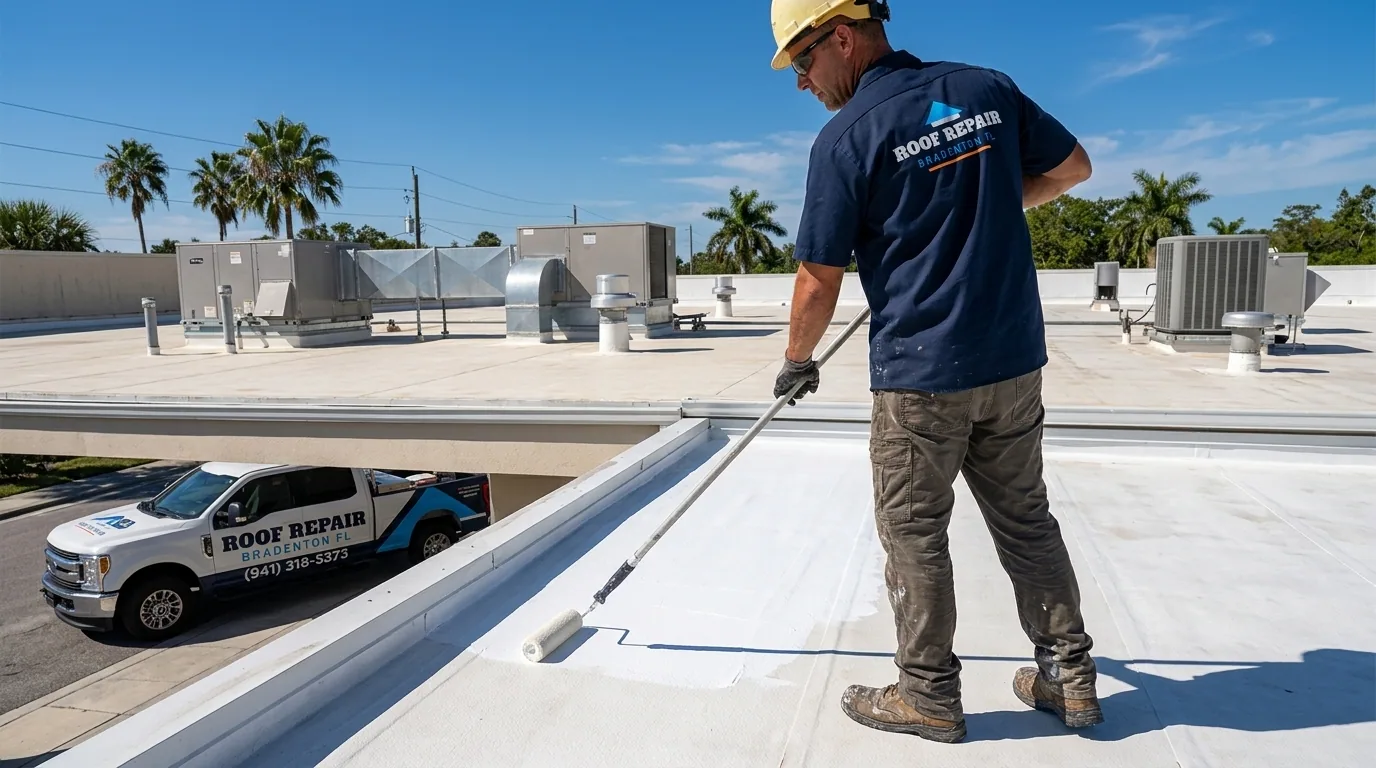
A sun-worn roof that is dry underneath and still sound can often be restored. That starts with a careful cleaning and a moisture check, since a coating over wet insulation just seals the problem in. Weak seams and flashings get repaired first. Then a reflective system goes on, using an acrylic coating, a silicone or a similar product matched to what is already on the roof. A white surface runs cooler, and a cooler membrane lasts longer.
Coatings are not a cure for every roof. If the insulation is wet, the membrane has shrunk away from its details or the deck has problems, the sound advice is a roof restoration only after repairs, or a replacement if the roof is too far gone. Cost drivers include the amount of prep and repair, the coating type and the number of coats, and access. The cool roof installation option gives owners the same reflective benefit on a new membrane.
Open Skies: South Andrews, IDI Pompano and the big-box strip
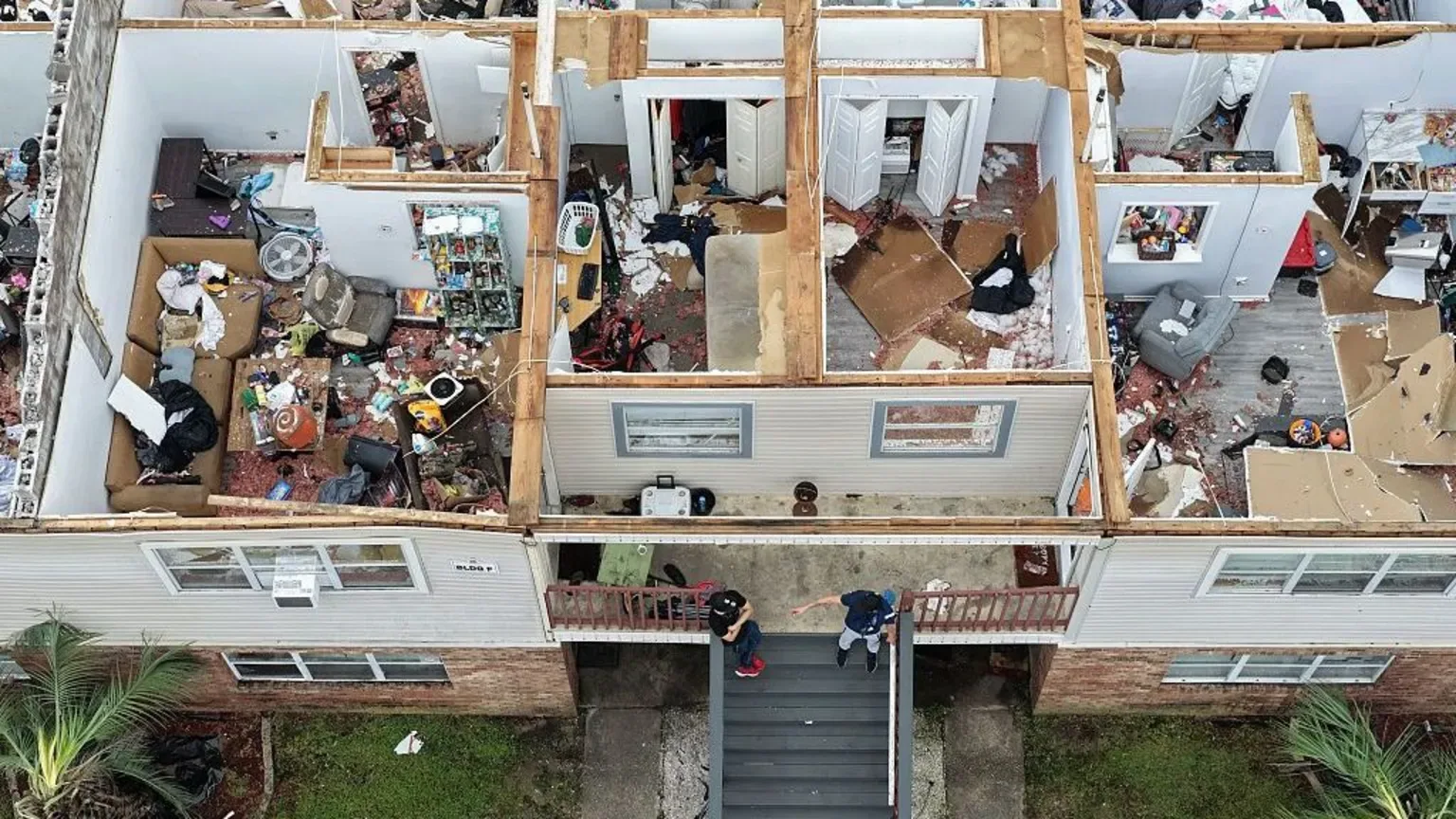
Large low-slope buildings take the sun with no shade at all. South Andrews has just under five million square feet of industrial buildings, and the IDI Pompano Business Center has about 1.31 million near Blount Road and Coconut Creek Parkway. Pompano Beach's industrial inventory includes large-footprint, low-slope buildings. Large retail buildings such as Festival Flea Market Mall, with its vendor booths, face the same sky.
Owners in South Andrews and IDI Pompano benefit from a regular roof check each spring, before the stormy weeks start. Catching chalking and thin coatings early leaves time to recoat on a dry day instead of replacing a roof later. We include sun wear in every written inspection we do.
Questions We Hear Often
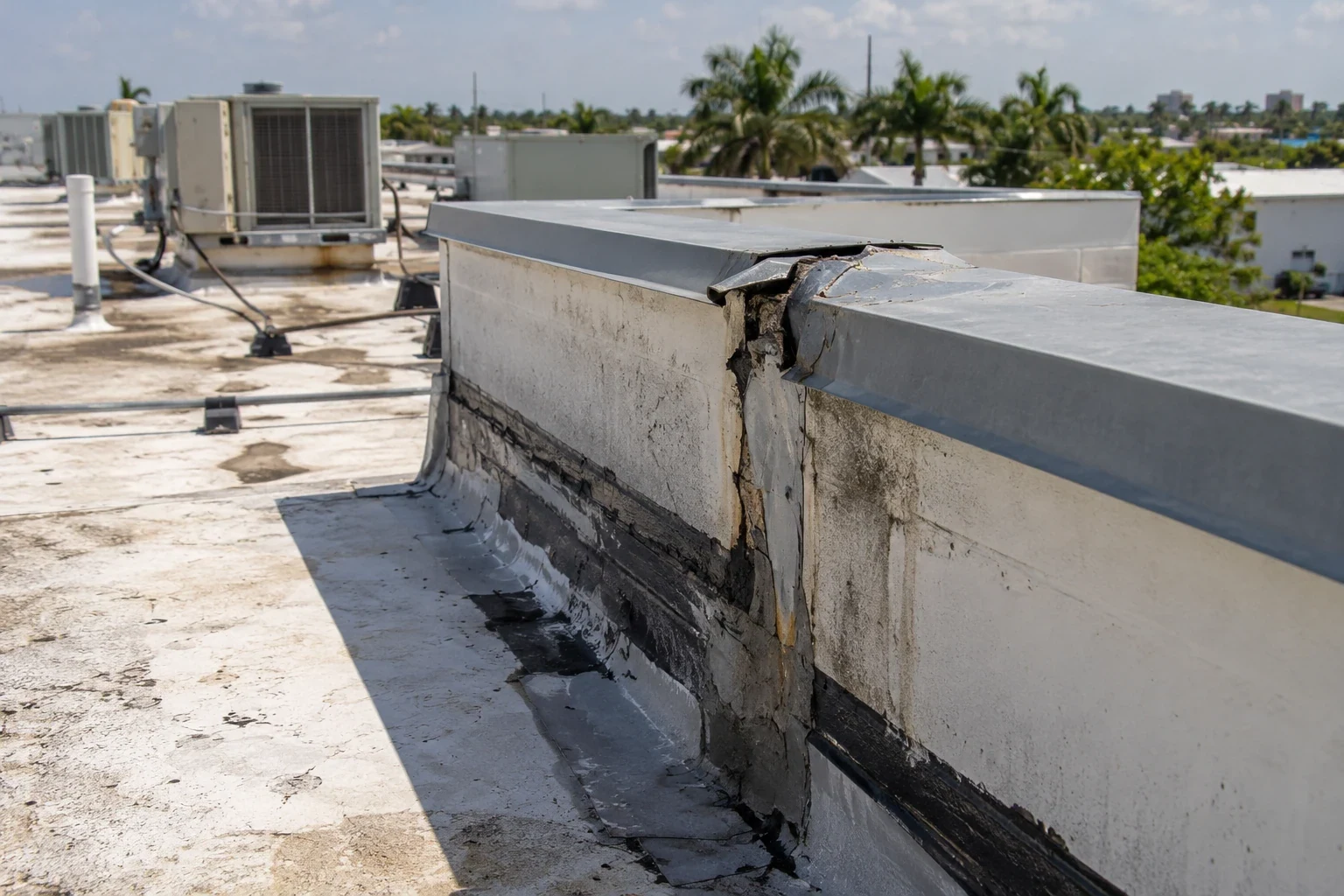
How can I tell sun damage from ordinary age?
They overlap, but sun leaves a pattern. Chalk that rubs off on your hand, fine crazing across the surface, bare patches where granules have gone and a faded, thin coating all point to UV. Age alone does not usually look this uneven from one side of the roof to the other.
Will a white coating stop further UV damage?
It slows it a great deal, because a reflective coating takes the sun's hit instead of the membrane under it. The coating still wears over time and needs to be recoated, and it cannot repair seams, wet insulation or a deck problem.
Does sun damage by itself cause leaks?
Rarely at first. It makes a roof more fragile, so the first hard storm, a foot on a brittle spot or a cracked pipe boot is what opens the leak. That is why a sun-worn roof gets repaired before the next season, not after.
Can a roof that is badly weathered still be coated?
Often, if it is dry and its seams and flashing can be made sound. A moisture survey tells us where the answer stops. Past a certain point the old membrane will not hold a coating, and a recover or replacement is the sounder investment.
Why do the areas around rooftop units wear out first?
Hot exhaust blows across them, foot traffic concentrates there, and water often collects near the equipment. All three accelerate sun wear, so those are the places we check first on every walk.