Commercial Roofing in Downtown Pompano Beach, FL
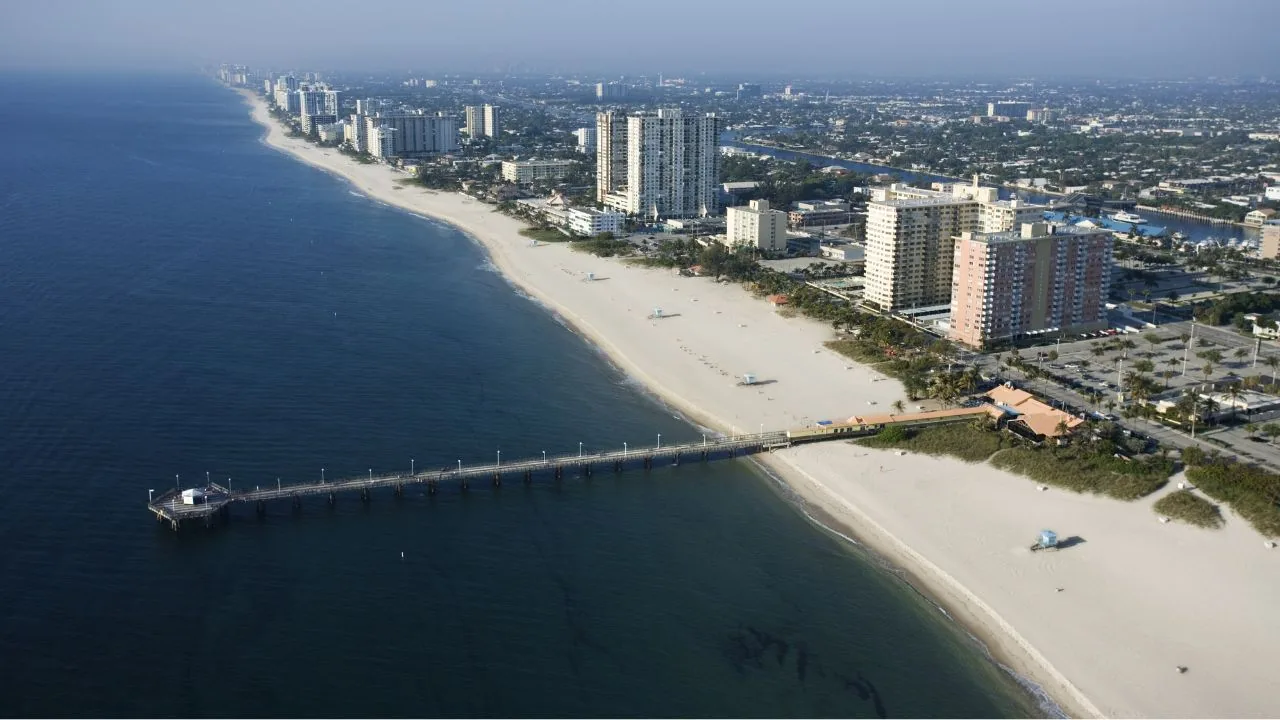
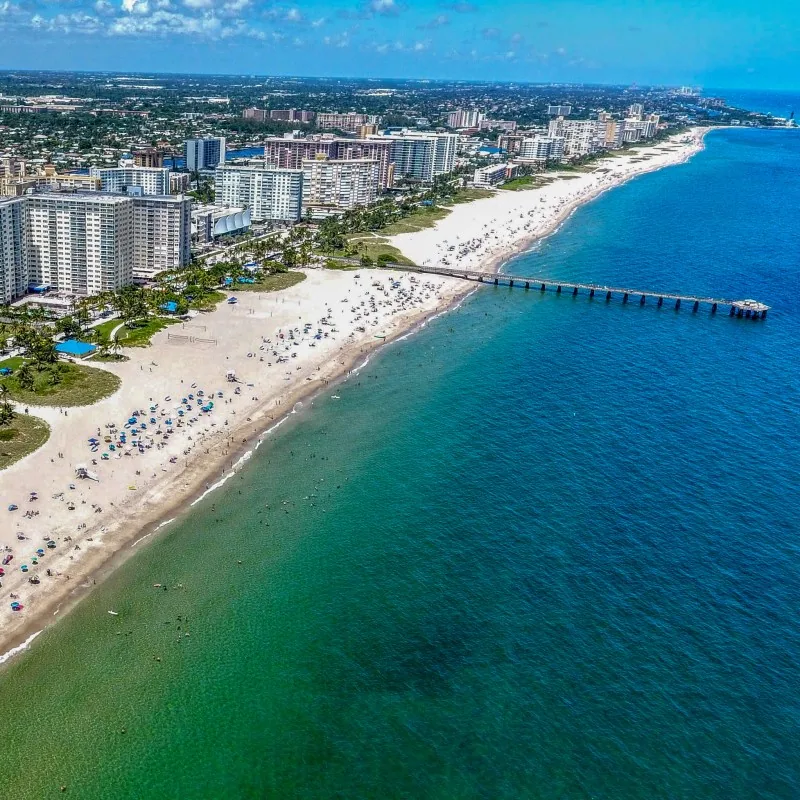
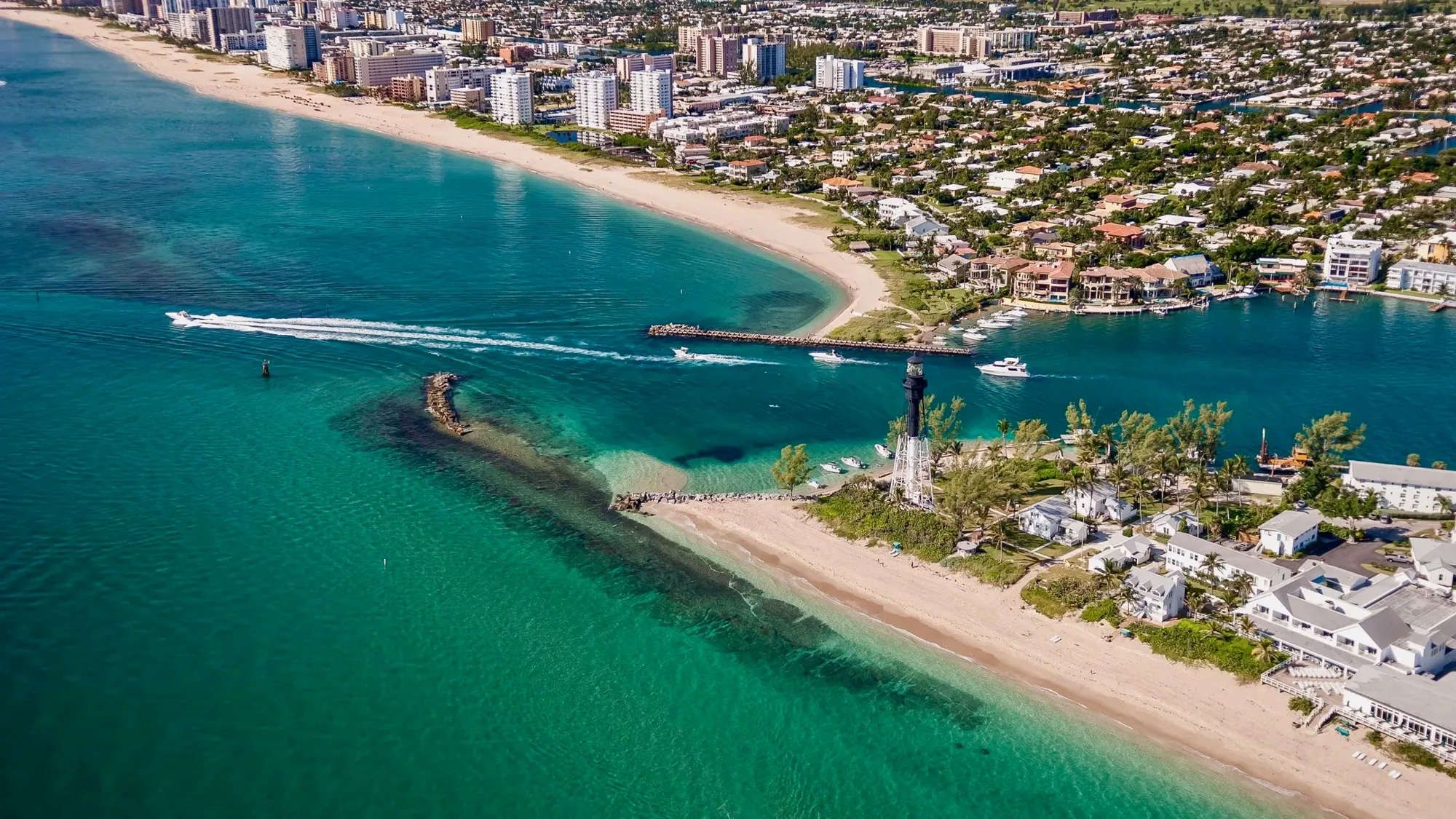
A mixed-use building going up in a Pompano Beach, FL summer has to be dried in before the three o'clock storm, not after it. Pompano Beach is planning a walkable downtown on 70 acres, with residential, commercial, cultural and technology buildings, while the city says redevelopment has drawn $330 million or more in private building permits. Community redevelopment efforts also target the East Atlantic beach corridor, the downtown and the Hammondville and MLK Jr. Boulevard corridor. Every one of those buildings needs a roof that survives the wet season, the heat and the next hurricane.
We repair, recover, replace and coat low-slope and metal commercial roofs, and we work with owners, developers and general contractors who need a roof that will pass inspection and stay dry. For buildings that are still on paper, we help with the scope. For buildings already standing, we start with a walk and a written condition report.
Shops Below, Homes Above: what a mixed-use roof has to do
A mixed-use building asks a lot of its roof. Homes, offices, shops or restaurants sit underneath, each with its own exhaust and mechanical needs. Amenity decks, pool terraces, mechanical screens and stair or lift overruns all pierce or sit on the roof surface, and every detail is a spot where water can enter.
Roofs on apartment buildings and office buildings share the same priorities: sound drainage, tight penetrations and a warranty that stays valid when other trades work up there. Where a roof doubles as a deck, the waterproofing under the pavers or decking has to be protected and inspected before the finish goes on. Once it is covered, it is expensive to open, so we want the testing done first.
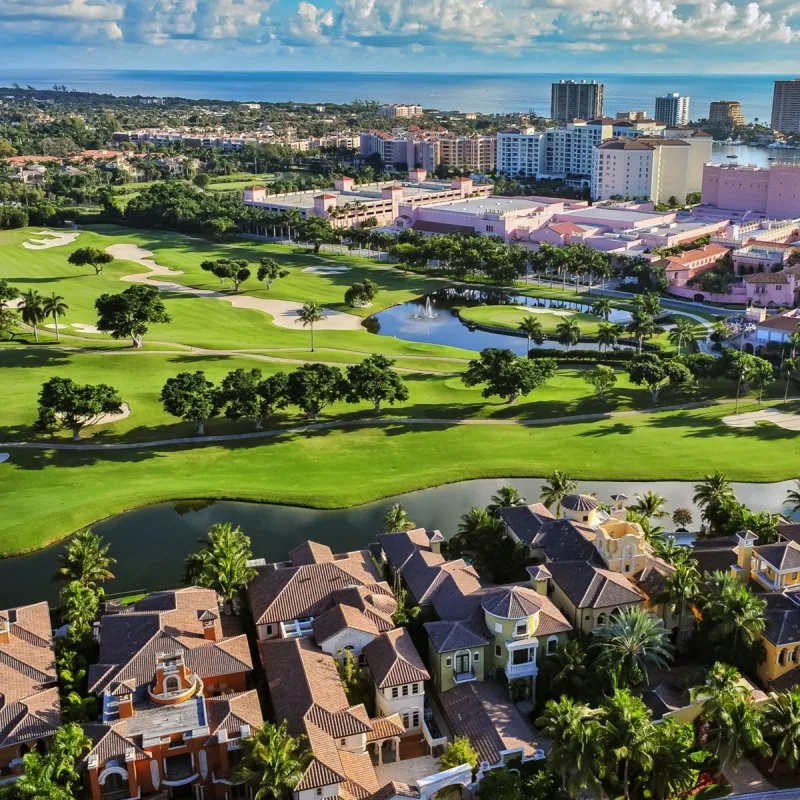
The city's downtown plan includes residential, commercial, cultural and technology uses, so new roofs may combine occupied units, retail exhaust, amenity decks and rooftop equipment in one compact footprint. We review the roof plan against those separate uses before setting the work sequence. Drains beneath pavers need service access, restaurant exhaust requires a compatible flashing detail, and residential areas below need a dependable dry-in each evening. Mapping those details early makes a mixed-use roof easier to maintain after the original project team has moved on.
Dry-In First: protecting a building under construction
The South Florida wet season starts May 15 and ends October 15, with the roughest weeks arriving first, from mid-May to early July. A project that opens its roof deck in June is gambling with the afternoon radar. The roof has to go on in sequence: deck, vapor control, insulation, membrane and flashings, each one closed up before the day ends, with temporary protection ready for anything that cannot be finished.
A new roof in Broward's High Velocity Hurricane Zone is designed to 170 mph, and each exterior component carries its own Miami-Dade Notice of Acceptance. Any permit filed this year is reviewed under the current Florida Building Code edition, with a newer one expected before 2027 begins. We coordinate with the architect and general contractor so the specified assembly is the one that goes on, and so inspections do not stall the schedule.
Changing Blocks: roofing next to cranes and construction
A roof in a redevelopment area gets worked on in the middle of a changing block. Crane picks, material staging and debris handling are planned with the site's other trades, along with what adjacent construction might do to the roof: dust, dropped tools, welding sparks and extra foot traffic.
For owners who buy an older building in a redevelopment area, a roof survey before closing saves surprises. A due diligence roof survey reports the age and condition of each roof, the likely remaining life and the budget to plan for repairs or replacement. Investors can see these numbers before they commit, and asset managers get a starting point for long-term roof care. At the A1A Ocean Boulevard Corridor, oceanfront roofs add salt air and direct wind to the same questions.
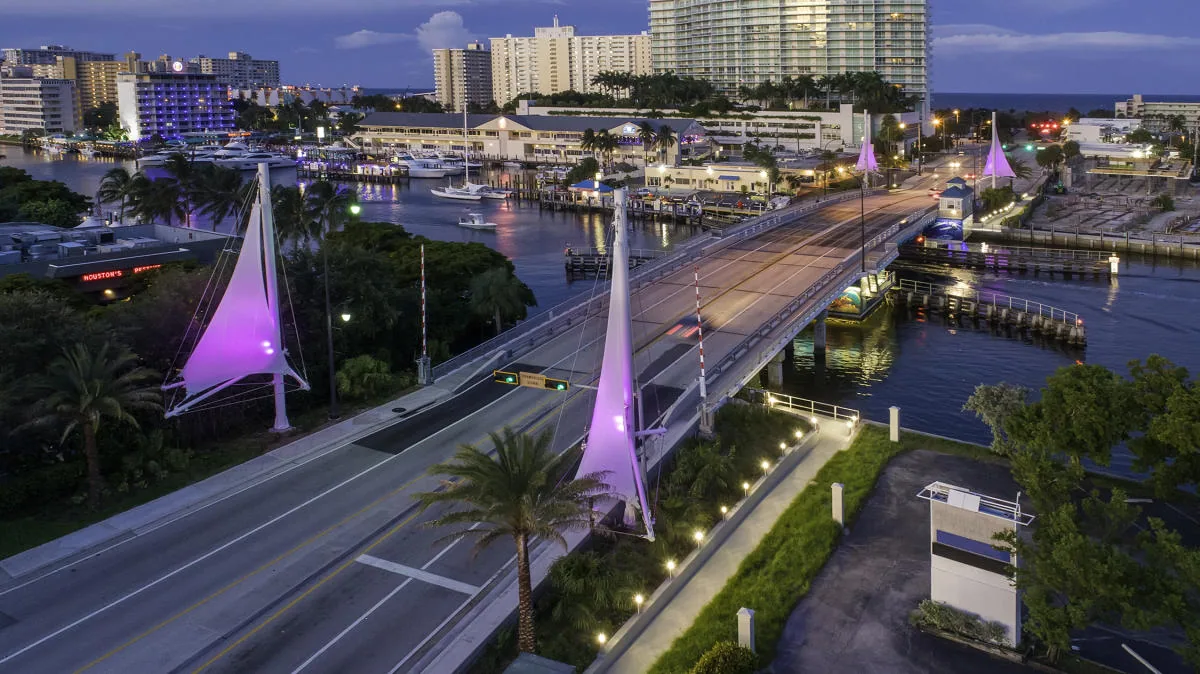
Where the Water Goes: drainage on a modern flat roof
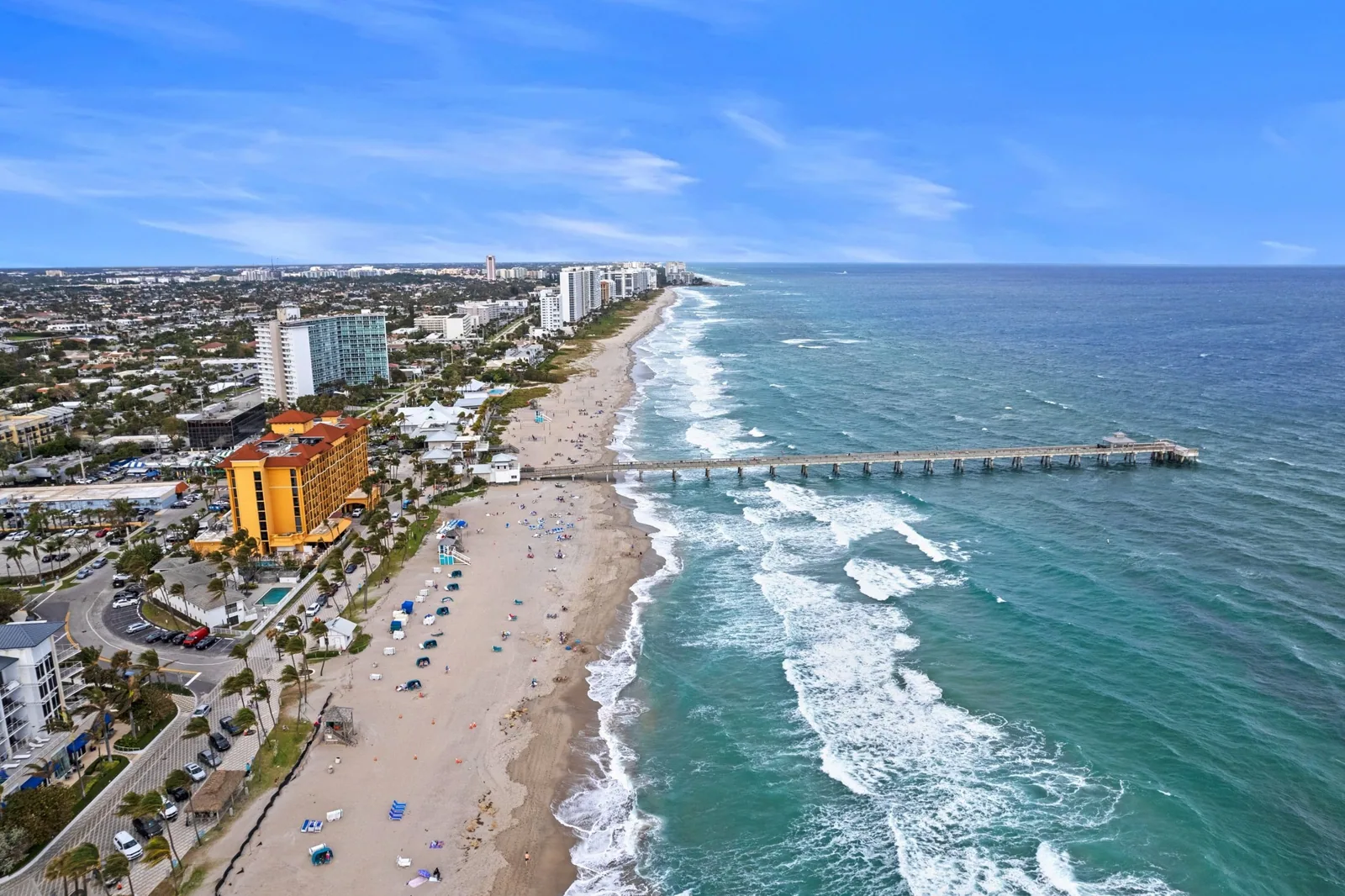
Drainage planning matters in a region that sees an average of 8 to 10 significant flood events per rainy season. In April 2023, Fort Lauderdale received roughly 26 inches of rain in one day. A flat roof on a new building has to be designed for that kind of volume, with enough drains, tapered insulation that pitches water toward them, and overflow scuppers in case a drain clogs. Drainage has to be right the first time.
We review drains and scuppers in the design stage when we are involved early, and we test them when the roof is done. On existing buildings we look for ponding, discolored membrane and clogged leaders. Water that sits for days does more damage than the same rain moving off in an hour, and the repair is nearly always cheaper than the interior damage that follows a drain failure.
Built for What Comes Next: solar, cool roofs and equipment
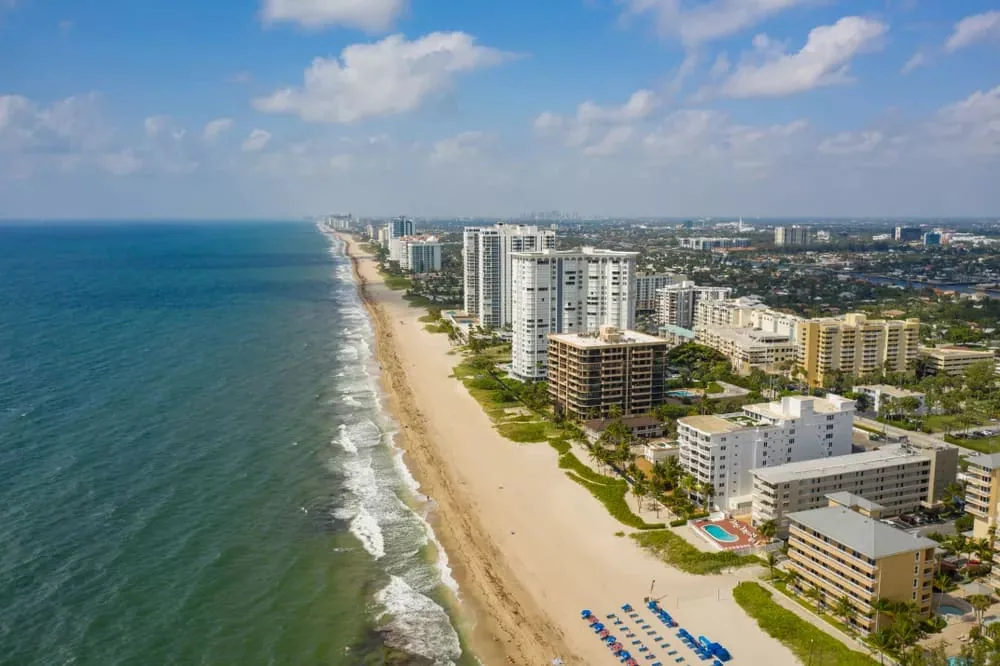
Pompano Beach's planned 70-acre smart-city downtown is designed for innovation. As redevelopment adds buildings and connected infrastructure, roof plans may need to account for solar arrays, sensors, antennas and additional mechanical units. A roof that is ready for them has the structure to carry the weight, extra blocking at the right places and flashing details that can handle added penetrations. Solar-ready roofing builds that readiness in at the time of installation.
Heat is the other half of the story. With recent summer nights running 1 to 1.5 degrees Fahrenheit above the 30-year normal, a reflective surface from a cool roof installation trims the load on rooftop HVAC and takes some of the strain off the membrane. We check the numbers against the building's use, so a decision to add reflective surfacing is backed by reasons and not just habit.
Roof access and daily operations differ by facility; the planning record for Pompano Beach is another place to map those constraints.
Questions We Hear Often
What roof questions should a buyer ask before closing on a building in a redevelopment area?
Ask for the roof's age, the last repair date, any open leak history and whether there is wet insulation. A survey answers all of them in writing. The report also gives a realistic budget for the next few years, so the purchase price reflects the roof.
How do you protect a roof under construction from a summer storm?
Temporary protection and a firm sequence. We close up every section before the day ends, tie new work into what is already sealed and keep tarps and sandbags on site for the unexpected. Watching the radar is part of the job from May through October.
Does a rooftop amenity deck need a different roof?
A deck over occupied space needs waterproofing that is tested before the finish goes on, plus drainage under the surface. We recommend a flood test or an electronic leak survey while it is still accessible, since fixing a leak under pavers is slow and expensive.
Will adding solar panels complicate the roof?
Panels bring new mounts and extra foot traffic. A sound roof with proper flashing at each mount handles them fine. It is easier when the roofer and solar installer plan together, so the membrane is not cut open twice and the warranty paperwork lines up.
Which building code applies to a roof permit applied for now?
The 2023 Florida Building Code, 8th Edition, governs a permit filed today, and the 9th Edition is expected to take effect by the end of 2026. In Broward the High Velocity Hurricane Zone rules apply on top of either one, so approved assemblies are required whichever edition is in force.