Solar-Ready Roofing in Pompano Beach, FL
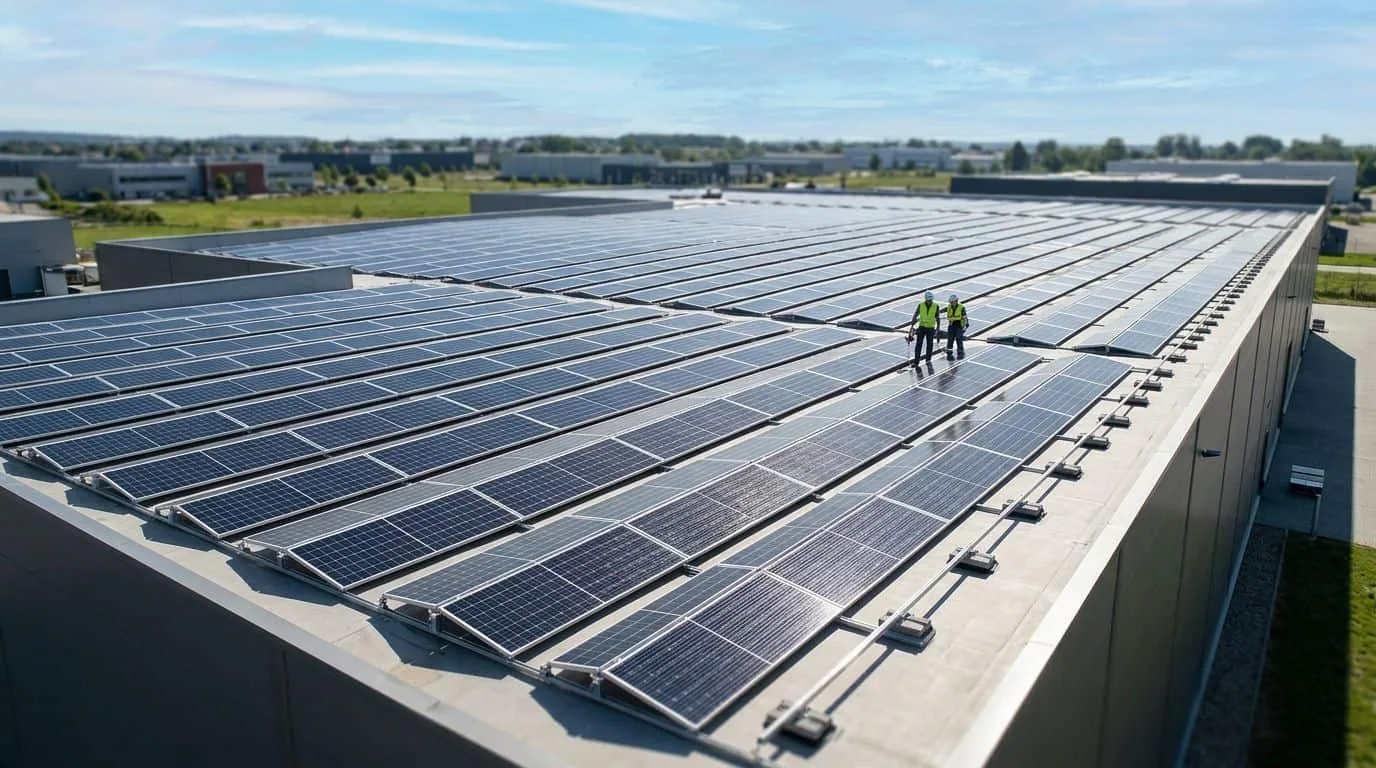
Clear mornings and hard sun between the afternoon storms are exactly why so many Broward owners look at panels. The catch sits under them. A solar array is a second structure riding on your roof, adding its own weight, its own attachments and its own wind load to a membrane that already works hard through the wet season. If the roof beneath is tired, the array does not fix it. It hides it, then makes every repair more expensive.
We prepare commercial roofs in Pompano Beach, FL for solar, and we repair and maintain roofs that already carry arrays. That means judging whether the roof can take the job, getting the roofing details right at every mount, and leaving the roof something a crew can still reach, drain and fix with the panels in place.
Roof Age First: the membrane should outlast the panels
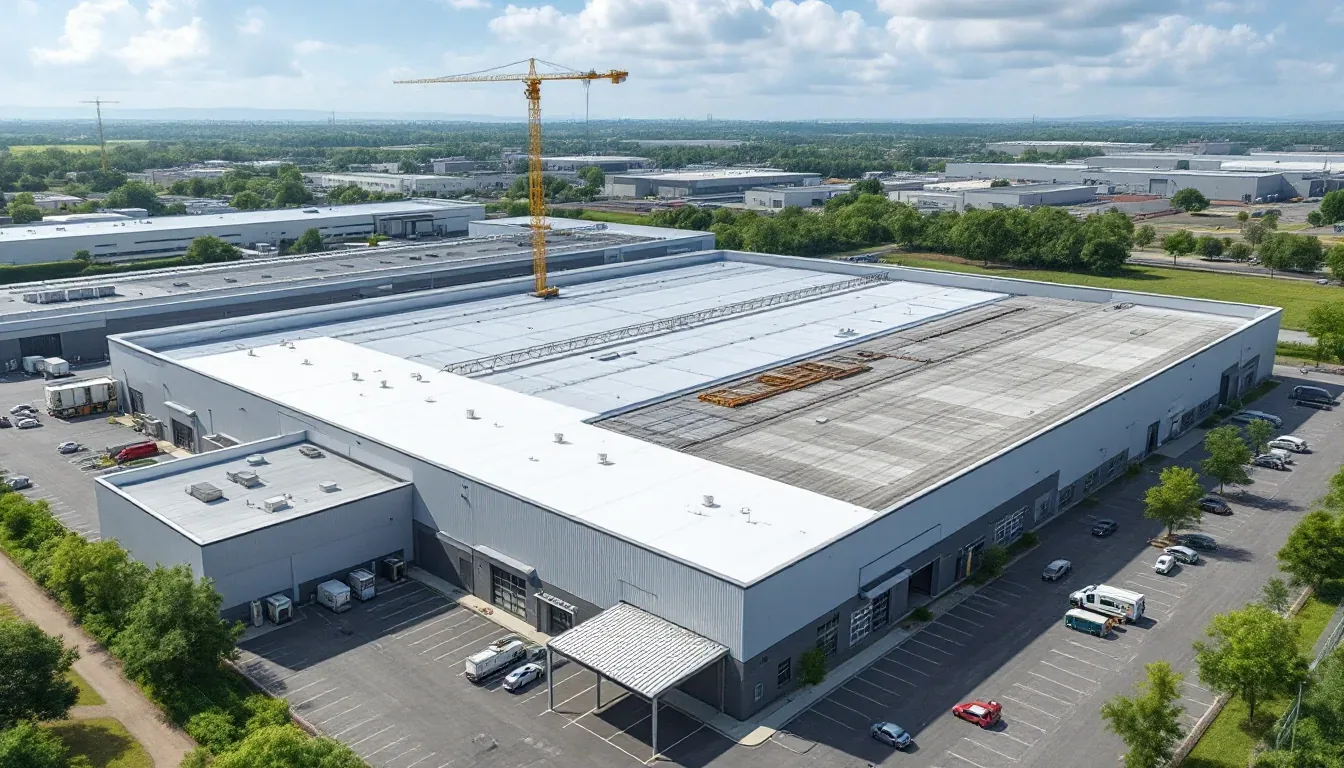
The simplest rule in solar roofing is also the one people skip. If the membrane is near the end of its life, replace it before the array goes on. Once the racking is set and the panels are wired, a tear-off means disconnecting the whole system, lifting it off, rebuilding the roof and putting everything back, with the solar owner paying for the downtime. A new roof first costs less than a new roof second.
A hands-on roof inspection comes before any solar contract is signed. We look for soft spots, failed seams, wet insulation, flashing that has pulled loose and drains that do not clear. If the roof passes, we say so. If it needs a replacement, we scope the new roof with the array in mind, so the layout, the drains and the insulation thickness all suit what comes next.
Solar readiness begins with the roof's remaining service life, not with panel layout. We document the existing membrane, insulation condition, attachment, drainage and perimeter details before equipment loads or supports are designed. The structural team can then coordinate ballast or attachment points with the actual deck and framing, while the roofer protects the membrane at pathways, conduit supports and penetrations. If the roof will need replacement before the solar equipment reaches its expected service life, sequencing the two projects together can avoid taking panels off a newer installation for later roof work.
Mounting: ballast, attachments and the roof they sit on
Arrays hold themselves to a roof in a few ways. Ballasted racking relies on weight, which spares the membrane any holes but loads the structure, so an engineer has to confirm the deck can carry it. Attached racking uses standoffs fastened through the roof, and every one of those becomes a penetration that needs proper flashing. On a metal roof, clamps can grip the seams of a standing seam panel without drilling at all.
The roofing system matters just as much as the racking. Walkable pads under ballast blocks protect the membrane from point loads and sliding. Flashings need to match the membrane family, and the sealant has to take sun all day and storms all afternoon. We coordinate with the solar installer so each mount lands where the deck can take it, away from seams and drains, and flashed by the people who understand the membrane.
Wind and Approvals: the array joins the load path
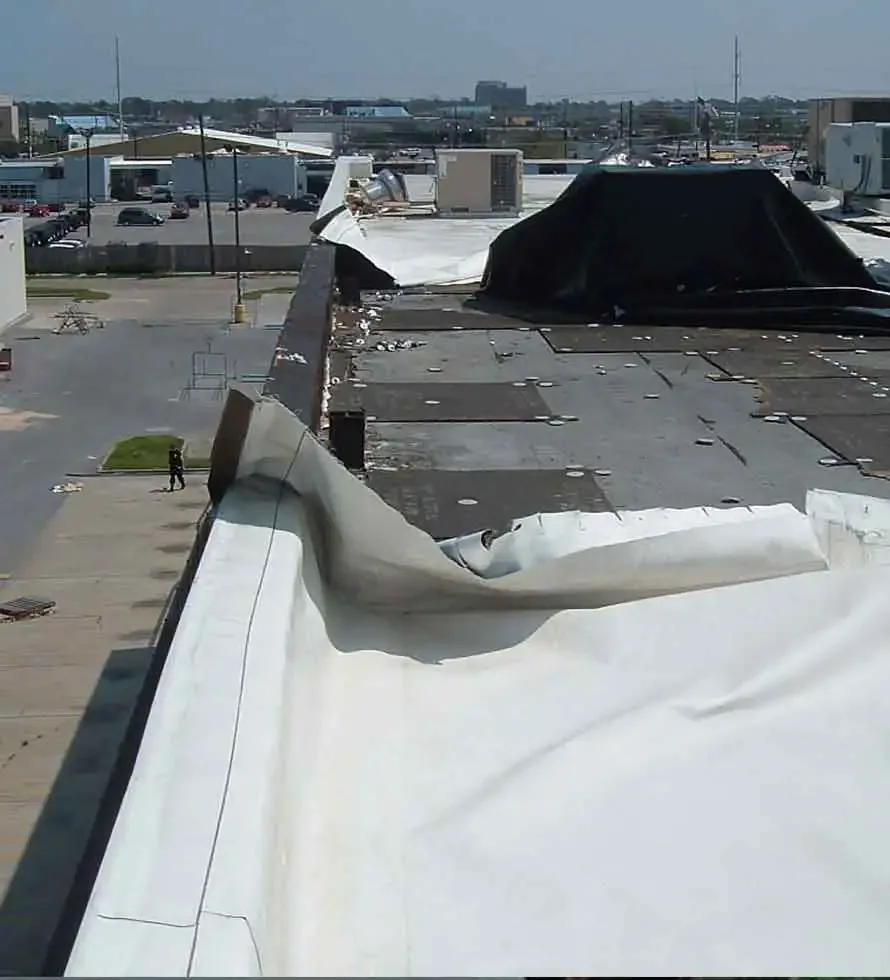
Wilma pushed 98 mph through Pompano Beach in 2005, and Irma's 2017 gusts measured between 80 and 100 mph across much of the county. A field of panels catches wind like a field of sails, and the roof around it takes that load through the mounts. Design speed in the High Velocity Hurricane Zone is 170 mph for a Risk Category II building, and Miami-Dade product approvals have to cover every exterior roofing component.
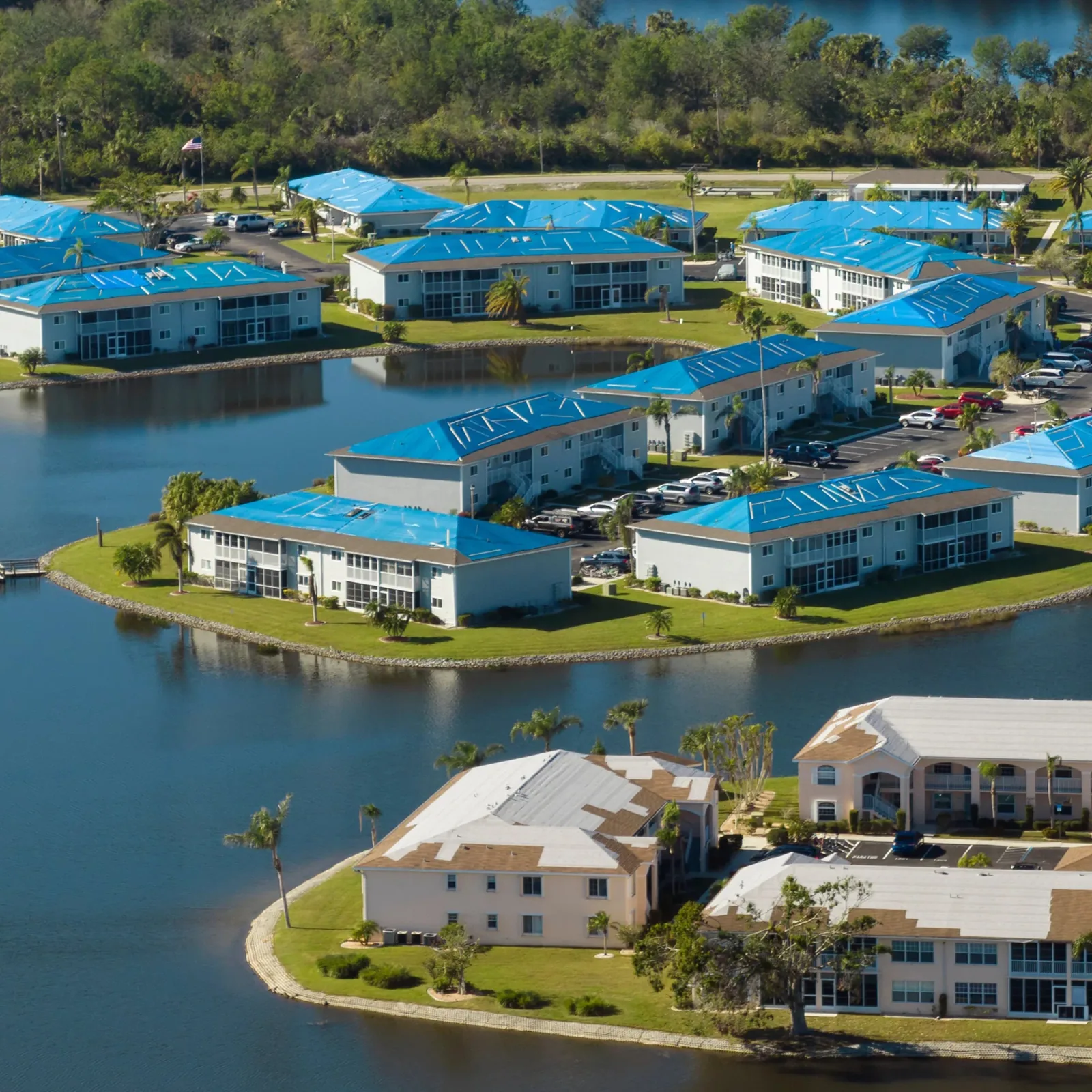
That puts roofing details in the middle of the structural conversation. The perimeter and corner zones of a roof see the highest uplift, so the edge metal, the membrane attachment and the array layout all need to agree. We work with the engineer of record so the roofing around the array matches what is permitted, and we check after a storm for lifted flashing, loose mounts and shifted blocks. Wind-hit roofs are a hurricane damage job the moment the weather clears.
Drainage and Access: leaving room to work
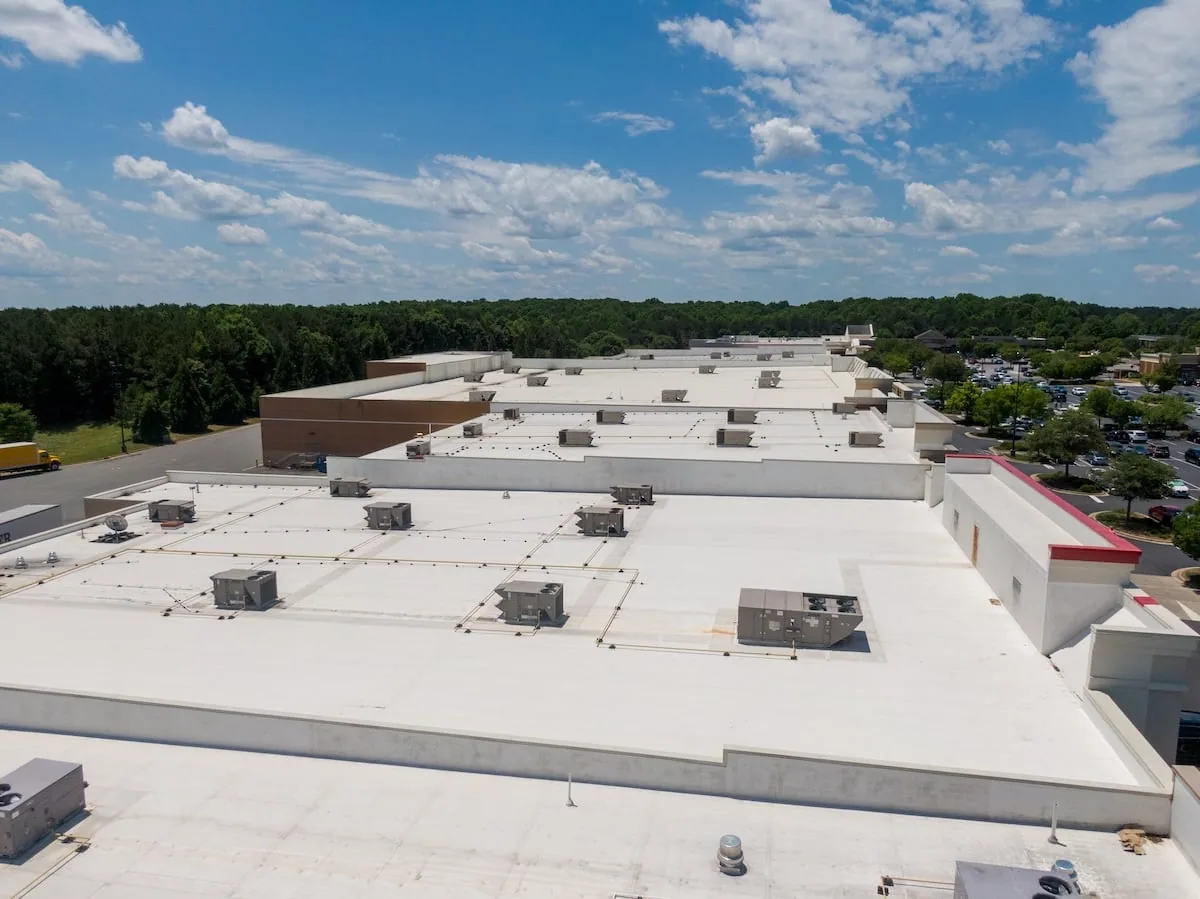
Panels shade the roof, drip water in concentrated lines, and trap leaves and debris against drains if they are placed too close. We look for mounts that block a path to a drain or scuppers, rows set so tight that a technician cannot get between them, and conduit run directly across the membrane. Fort Lauderdale's historic April 2023 flood is the reminder: when roughly 26 inches fall in a day, a blocked drain beside an array is a real hazard.
Good solar layouts keep service aisles open, protect traffic paths with walkway pads, and carry electrical conduit on proper equipment and pipe supports instead of letting it lie on the roof. The work is not glamorous, but it is what lets a roof crew and a solar crew both do their jobs for years without stepping on each other.
Detach and Reset: repairing a roof with panels in place
Eventually a leak shows up in a roof carrying an array, and then the question is how to get at it. A leak repair under panels can mean tracing water across racking, moving blocks, or having the solar contractor lift a few modules so we can reach the membrane. We plan those visits with the solar owner, because the system has to be shut off and tagged out before anyone moves a panel.
Planning ahead pays off most on large flat roofs. The city's industrial and warehouse space totals over 28 million square feet, from South Andrews Industrial Area to Gateway Lakes, Some commercial roofs may suit an array, but we first check structural capacity, membrane condition, wind attachment and maintenance access for that building. A roof that was inspected and repaired before the racking went on, with a layout that leaves a way in, is far easier to look after over the long run, and it gives the owner a clear record of what sits under each row.
Questions We Hear Often
Should the roof be replaced before panels go on?
If it is near the end of its service life, yes. Taking a roof out from under an array means shutting the system down, lifting it, rebuilding the roof and resetting everything. We inspect first and tell you plainly whether the membrane can carry the array for its useful life.
Will panels affect my roof warranty?
Membrane manufacturers set their own rules for rooftop arrays, and some require specific mounting methods or approvals. Ask for those terms before signing a solar contract. We read the roof warranty with you and coordinate the installation so the roofing side stays in line.
Can panels go on a roof that ponds water?
Ponding should be corrected first. Standing water adds load, stains the membrane and puts mounts in a wet spot. We fix slope with tapered insulation or added drains before racking goes in.
Who flashes the mounts, the solar installer or the roofer?
The roofer should, or at least approve it. A penetration is a membrane detail, and sealing it with the wrong material is how new leaks start. We coordinate with your installer so each flashing is done in the right system.
Do panels make the roof more likely to blow off in a hurricane?
They add wind area, so the mounting and the roof edge must be engineered together. A permitted, tested assembly in the High Velocity Hurricane Zone is designed for that. A loose or improvised layout is the risk, which is why we check mounts and perimeter metal after every named storm.