Standing Seam Metal Roofing in Pompano Beach, FL
Salt air, afternoon storms and a hurricane every so often: a standing seam metal roof is the one that can handle all three when it is detailed right. Pompano Beach, FL owners who have watched shingles, tile or fastener-heavy sheet metal peel in a big wind tend to look hard at it. The panels run from eave to ridge in one piece, the seams stand up above the water line, and the fasteners hide under the panel instead of poking through it. There is very little to soak through, and very little to pull out. It is also a system where small mistakes show up large, in the clips, the trim and the penetrations, so the installation matters as much as the metal.
Panels and Clips: how a standing seam roof holds on
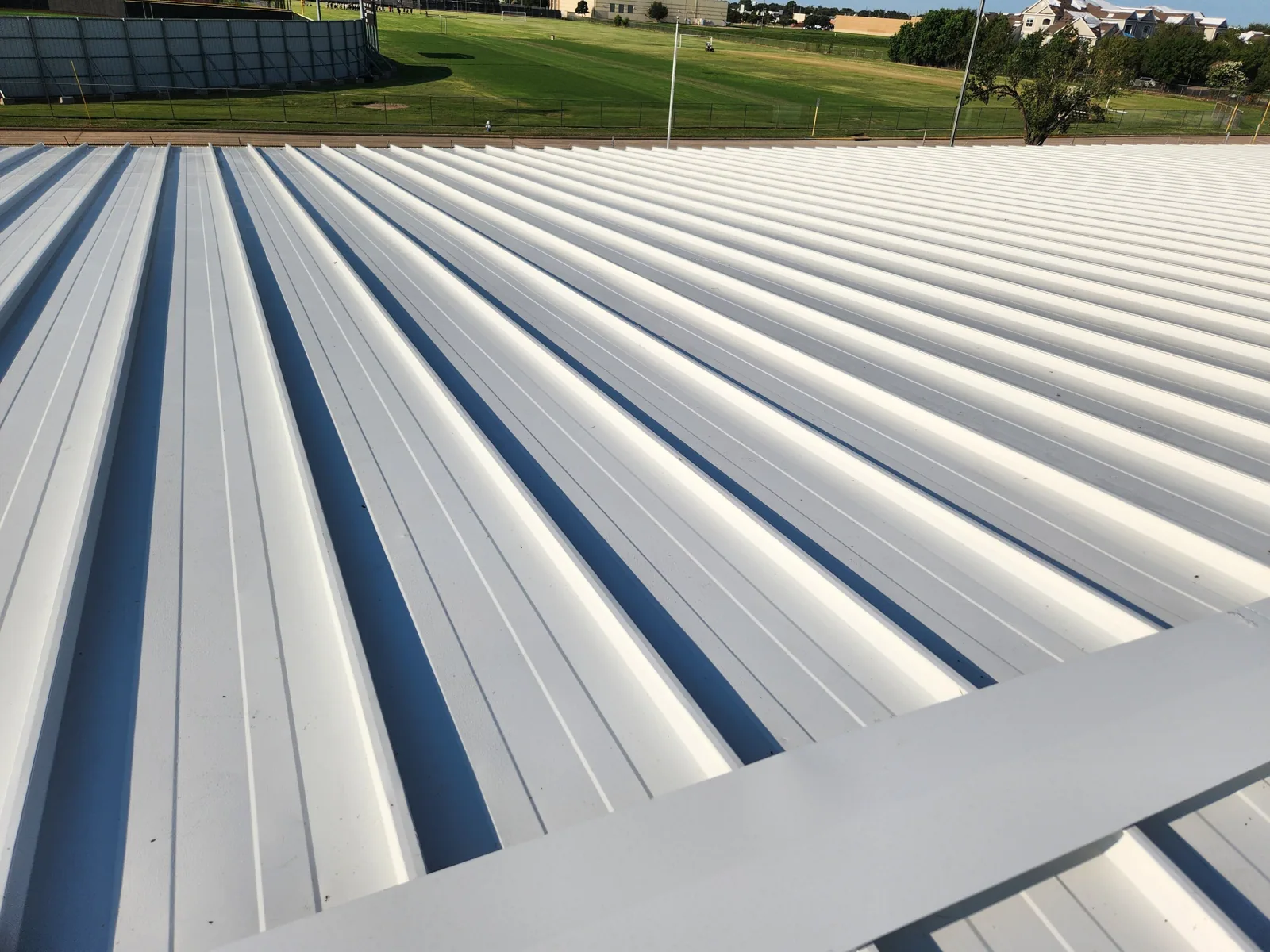
Standing seam panels are long, roll-formed sheets of steel or aluminum with raised ribs along the sides. Adjacent panels lock together at the rib, and the roof is held to the structure by concealed clips hidden under the seam. No screws go through the flat of the panel where rain runs. The clips also let the panels slide a little as the metal expands in the afternoon heat and contracts in the evening rain, which is the stress that tears exposed-fastener roofs apart over the years.
The seam closes one of two ways. Snap-lock panels press together by hand, and mechanically seamed panels are crimped with a machine for a tighter lock. Mechanically seamed panels can go on very low slopes, while snap-lock panels want more pitch. That is one of the first things we check on a flat or nearly flat commercial roof.
At a roof walk, we check the panel seams, clips, eave and ridge closures, and the way each penetration is flashed. A loose clip may not leak at first, but it lets the panel travel farther than the adjacent trim can accommodate. The inspection also looks for coating wear at cut edges and fasteners, especially where salt or standing water sits. Those observations determine whether the work is a local panel repair, a replacement of edge components or a larger retrofit that restores the load path to the structure.
Uplift: why metal does well when the wind turns serious
A well-attached standing seam roof resists uplift because each panel is locked to the next and clipped to the structure on a set pattern. The weak points are the edges, corners and the first few feet of roof, so we use closer clip spacing, heavier trim and tied-down eave and rake metal in those zones.
Broward is in the High Velocity Hurricane Zone, where a panel system earns its Miami-Dade approval by surviving flying-debris impact, repeated pressure cycling and a rain test afterward. A metal panel system needs an approval that fits the clips, the deck and the underlayment together. We build to the tested assembly and submit the permit paperwork to match. A common way a metal roof fails in a storm is a clip or trim piece swapped out at the last minute for something that was never tested with the rest.
Salt Air: choosing the metal and the finish
Near the shoreline, salt is the roof's slow enemy. Pompano Beach has about 3 miles of beaches, Hillsboro Inlet supports marine businesses along the coast, and Lighthouse Point, with its canals and marinas, gets salt in the breeze. Coated steel with a metallic finish, aluminum and heavier paint systems all hold up differently, and a cut edge or scratched coating can become the start of corrosion. Aluminum is a common pick close to the water because it does not rust, though it is softer and costs more.
The metal is only part of it. Fasteners, clips, flashing and curbs must be compatible, since mixing certain metals sets up galvanic corrosion that eats the cheaper one. We choose stainless or coated fasteners near the coast and rinse and inspect coastal roofs after the stormy months.
Heat, Movement and Noise: what the sun does to panels
Metal moves. A long panel in a Broward summer can grow noticeably between a cool morning and a hot afternoon, and the roof has to be built to allow it. The clips float, the trim leaves room and the penetrations are flashed with boots or curbs that move with the panels. Oil canning, a slight visible waviness in flat panel areas, is a cosmetic effect of thin metal and of how panels are handled, and it does not affect performance.
With dewpoints in the 70s and warm nights, condensation under metal panels can be a real problem if the underside is not ventilated or insulated properly. The assembly needs the right underlayment, vapor control and insulation to keep moisture off the deck. Many owners also choose reflective finishes to cut heat gain, and a metal roof can be a good base for solar-ready roofing because panels can accept clamp-on mounts at the seams without new holes.
Where It Fits: hangars, offices, retail and plants
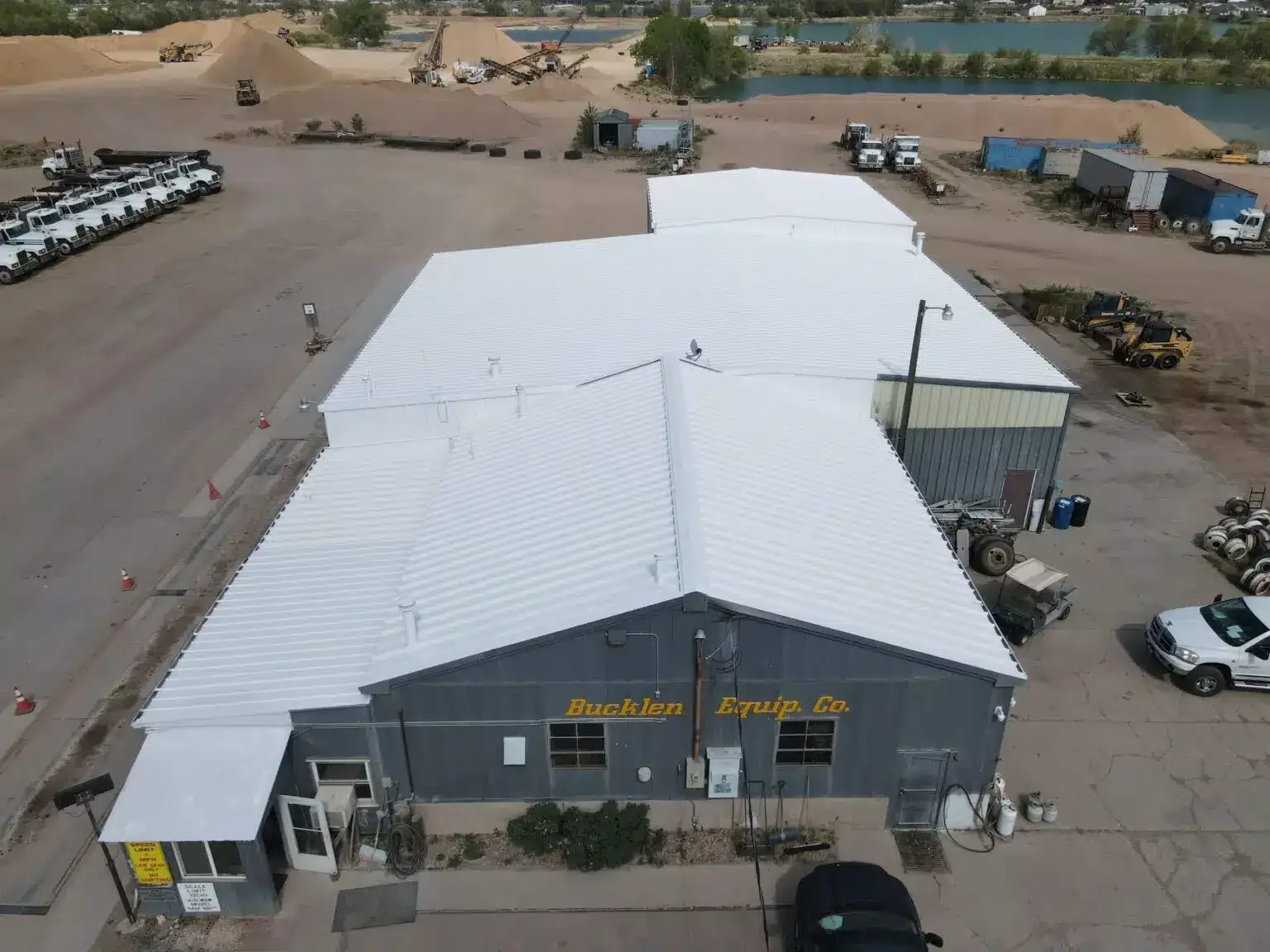
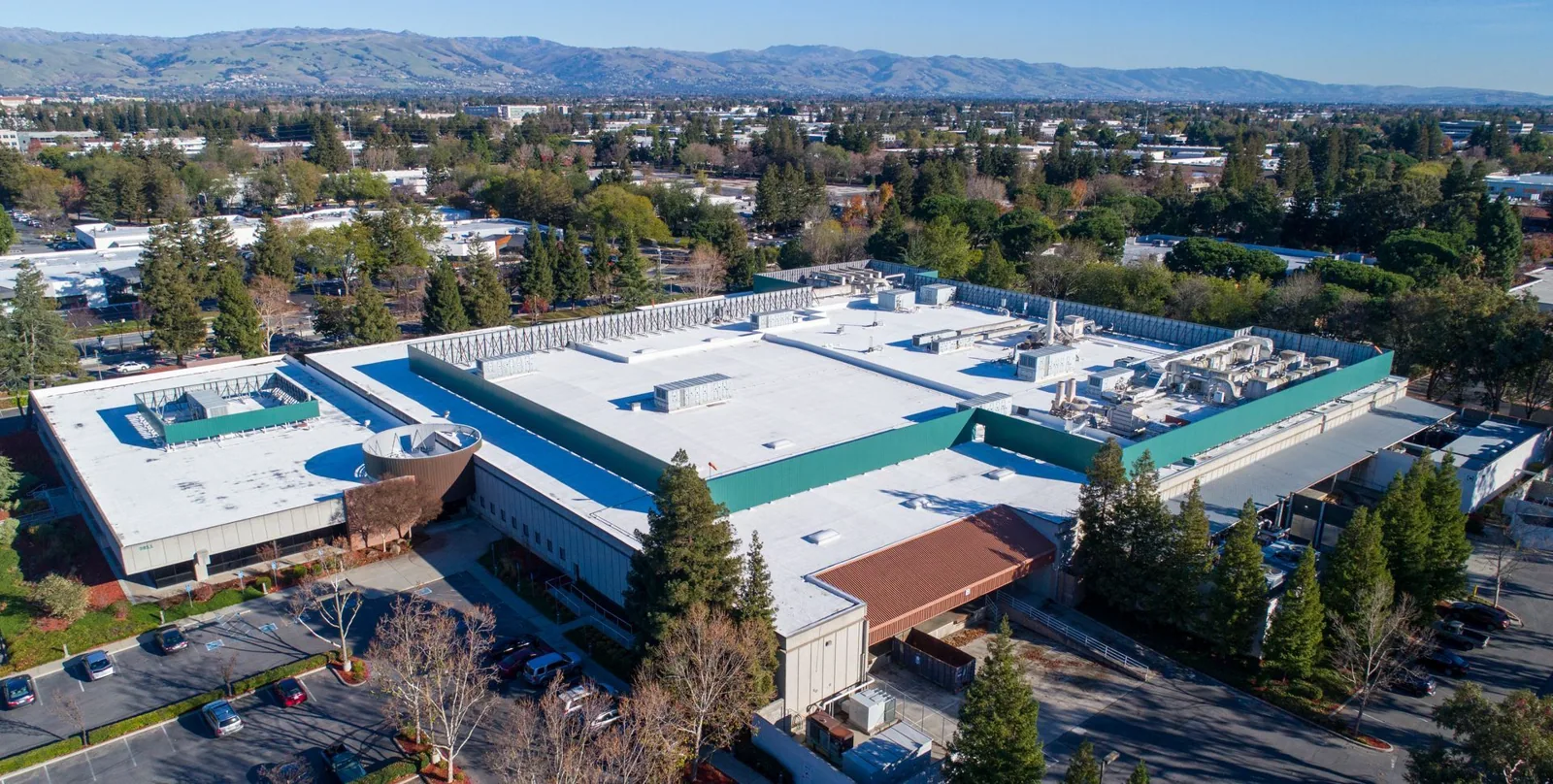
Standing seam can suit aircraft hangars, light industrial buildings, offices, retail with sloped sections and plants that need a durable sloped assembly. Powerline Industrial Park stretches along Coconut Creek Parkway, where metal-roof decisions must account for both long panel runs and wind at the edges. Hangars, aircraft maintenance and avionics shops are among the businesses at the 650-acre Pompano Beach Air Park; where a hangar uses standing-seam panels, the design accounts for long spans, large doors and wind loads. Aircraft hangar roofing brings big spans, tall doors and active tenants, which shapes how we plan access and fall protection.
If you already have a damaged metal roof, our wind damage roof repair crews can secure loose panels and trim fast. And for an old exposed-fastener metal roof, the metal roof retrofit options can stand in for a tear-off.
Budget and timing run differently from a membrane job. Panels are roll-formed to the length of your roof, trim is bent to your edges, and both have to be ordered and delivered before the crew can start, so the schedule begins with measurements and approvals, not with a tear-off date. Underneath, the deck, underlayment and roof insulation and cover board choices drive both cost and performance. A dry-in plan for the wet season matters too, since an open deck cannot wait for a clear week in July.
Low-slope additions or adjacent roof areas may use another assembly; the tie-in review for TPO roofing should address drainage and movement.
Questions We Hear Often
Can standing seam go on a low-slope commercial building?
Mechanically seamed panels can, down to very low slopes, if the drainage and details are right. Snap-lock panels need more pitch. We check slope and drainage before choosing a profile.
How well does standing seam handle a hurricane?
Well, when the clips, trim and deck match an approved assembly. Edge and corner zones need tighter spacing and heavier metal. A cheap substitution in those zones is where the damage starts.
Will salt air rust my metal roof?
Not quickly, if the metal and finish are chosen for the coast. Aluminum and stainless hardware resist best. Scratches and cut edges are the places to watch.
Why is my metal roof so noisy in the rain?
Metal over an open cavity amplifies rain. Insulation and solid decking quiet it. The sound is rarely a leak, but we check for loose trim.
Is standing seam more expensive than a membrane roof?
Usually at the start, since panels are made to order and the trim is detailed. It can pay back over the life of the roof, but we will price both so you can compare.
Can solar panels mount on a standing seam roof?
Usually with clamps that grip the seams, so no new holes go through the panel. The roof must be rated for the added weight and wind load, and the clamps must suit the profile.