Coast Guard Station Roofing in Pompano Beach, FL
The stormiest stretch of the South Florida wet season runs from mid-May into early July, with damaging thunderstorm winds, lightning, hail and flooding all on the table. Those are the weeks when the weather is hardest on a Coast Guard station's roof, and a leak above a watch room or crew quarters does not get to wait for a quiet week.
Working out of Pompano Beach, FL, we sit between two stations: Fort Lauderdale on the Port Everglades inlet to the south and Lake Worth Inlet to the north. A station building that never closes gets roofed one section at a time, and the weather and wind of this coast set the rest of the plan.
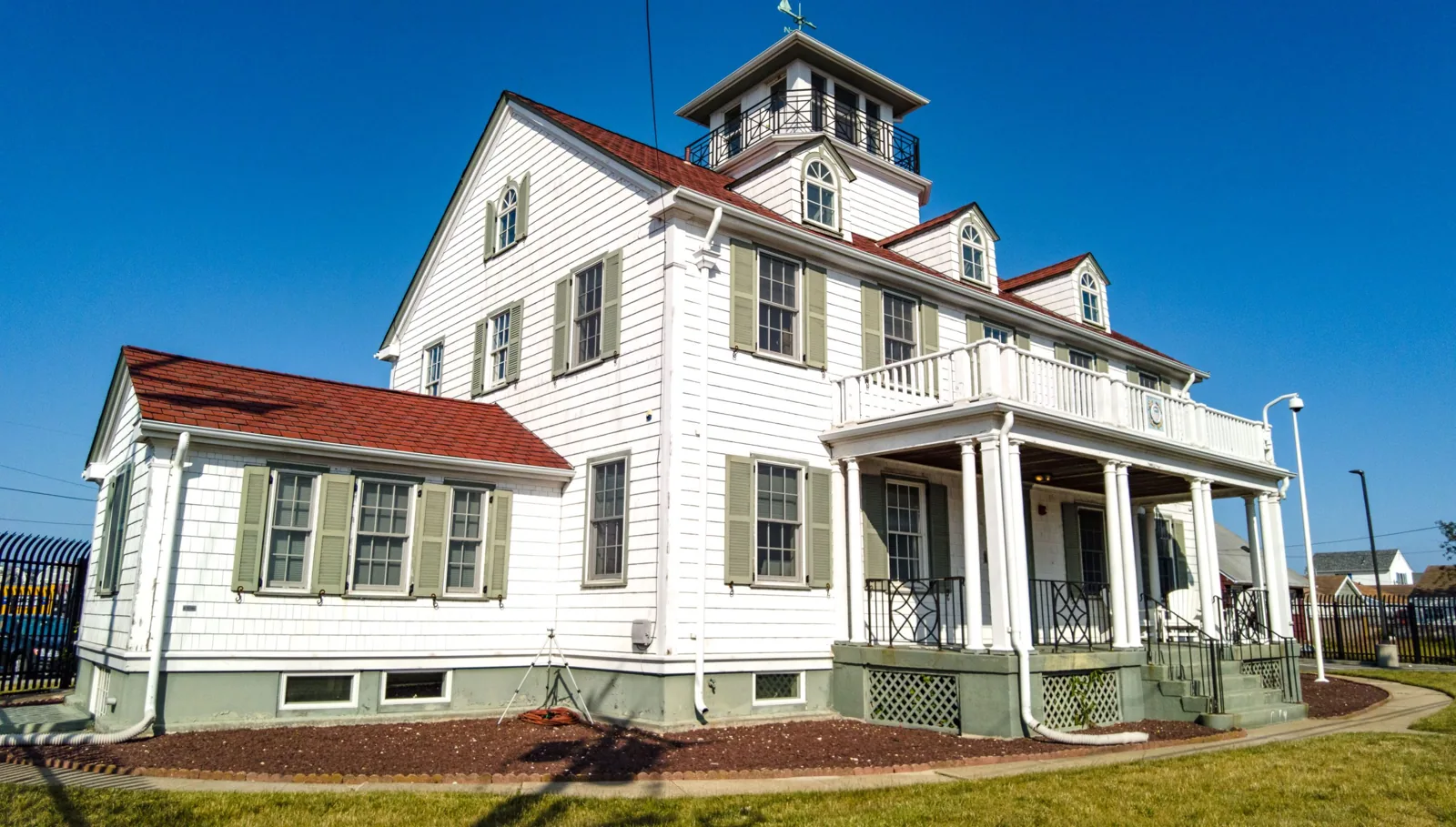
Stations Nearby: Fort Lauderdale, Lake Worth Inlet and Sector Miami
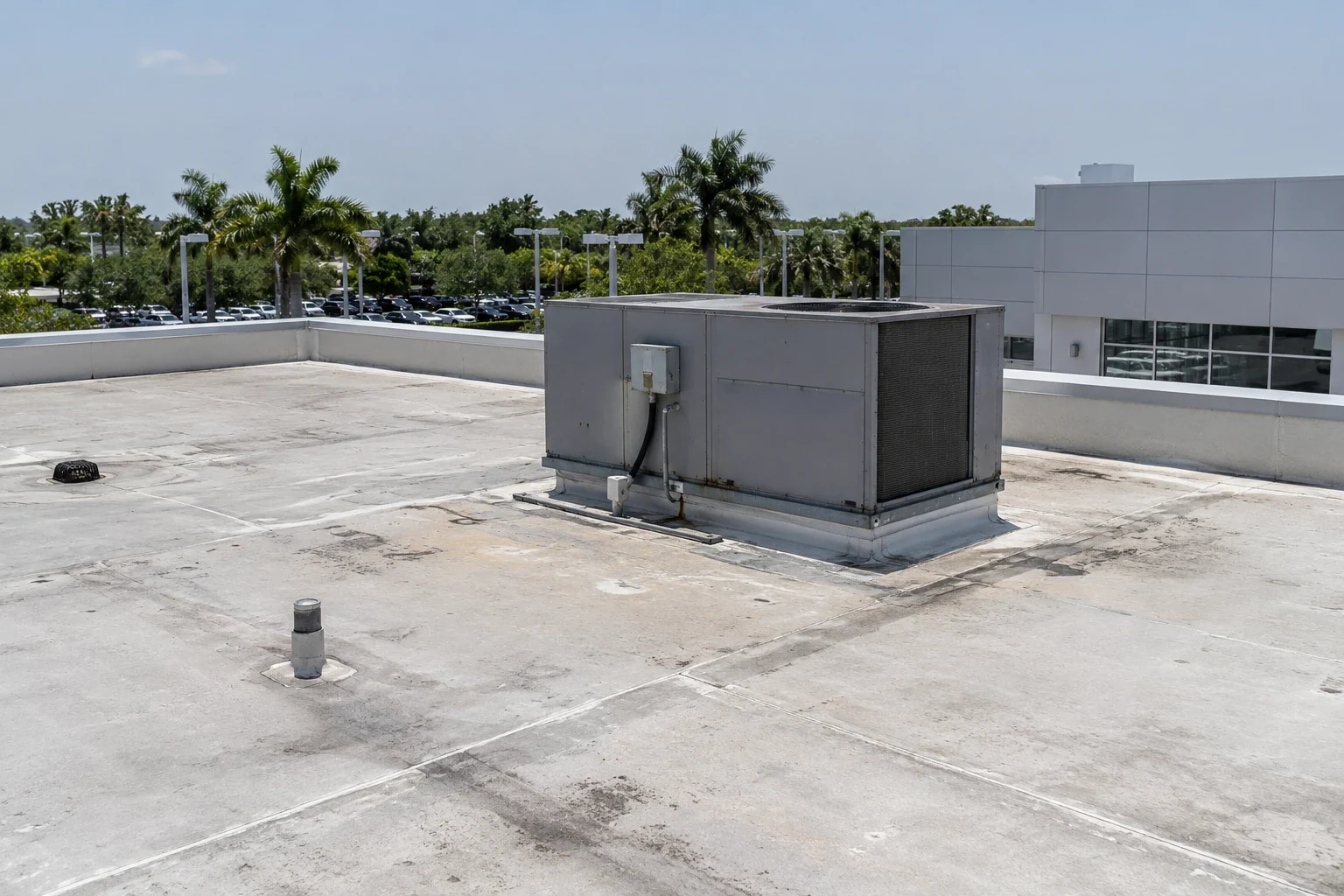
U.S. Coast Guard Station Fort Lauderdale is about 10 miles south of us at the Port Everglades inlet in Dania Beach, on the same ground as the Navy's ocean measurement facility. It is part of Coast Guard Sector Miami, and Sector Miami's Division 3 covers Broward and southern Palm Beach counties, with five auxiliary flotillas supporting the station.
Station Lake Worth Inlet is roughly 38 miles north in Palm Beach County and belongs to the sector's Division 5, which covers Palm Beach, Martin and St. Lucie counties. All told, Sector Miami reaches about 150 miles of coast, from Fort Pierce Inlet south through Lake Worth Inlet, Port Everglades and the Port of Miami. That is a long shoreline, and the buildings along it take salt, sun and storm wind.
Aviation sits in that same chain. Farther south, at Opa-locka Executive Airport, Air Station Miami operates HC-144A Ocean Sentry airplanes and MH-65 Dolphin helicopters, which brings hangars and flight-line maintenance buildings with roof needs of their own. A boat station and an air station share a service but not a roof plan.
A Coast Guard facility may include offices, vehicle bays and operational spaces with different access and continuity needs. Before roof work, the site contact confirms where crews may stage, which doors must remain clear and how material deliveries are screened. We divide the roof into areas that can be made watertight at the end of each shift, then keep a daily record of openings, repairs and weather protection. The same documentation helps facilities staff schedule later maintenance without confusing an old patch with a new leak.
Never Closed: working on a roof over a duty station
A Coast Guard station keeps to the mission's schedule, so a roofing job cannot assume the building will empty out at five o'clock. The sensible way to work is in sections. We isolate one portion of the roof, tear off only what can be dried in the same day, and leave the rest of the building sealed and in service. Spaces under the work, such as the watch room, a communications area or sleeping quarters, get protection overhead before the first panel comes off.
Noise and fumes are managed the same way. Adhesives and hot-applied products are kept away from air intakes, loud tear-off is scheduled with the station's schedule in mind, and anything that could drop through the deck is caught before it falls. If a section cannot be closed up before afternoon storms build, it does not get opened. In Broward the sky leaves little room for a gamble on an open roof, and a three o'clock line of storms can turn a half-finished morning into a flooded watch floor.
Wind off the Water: open exposure and the perimeter
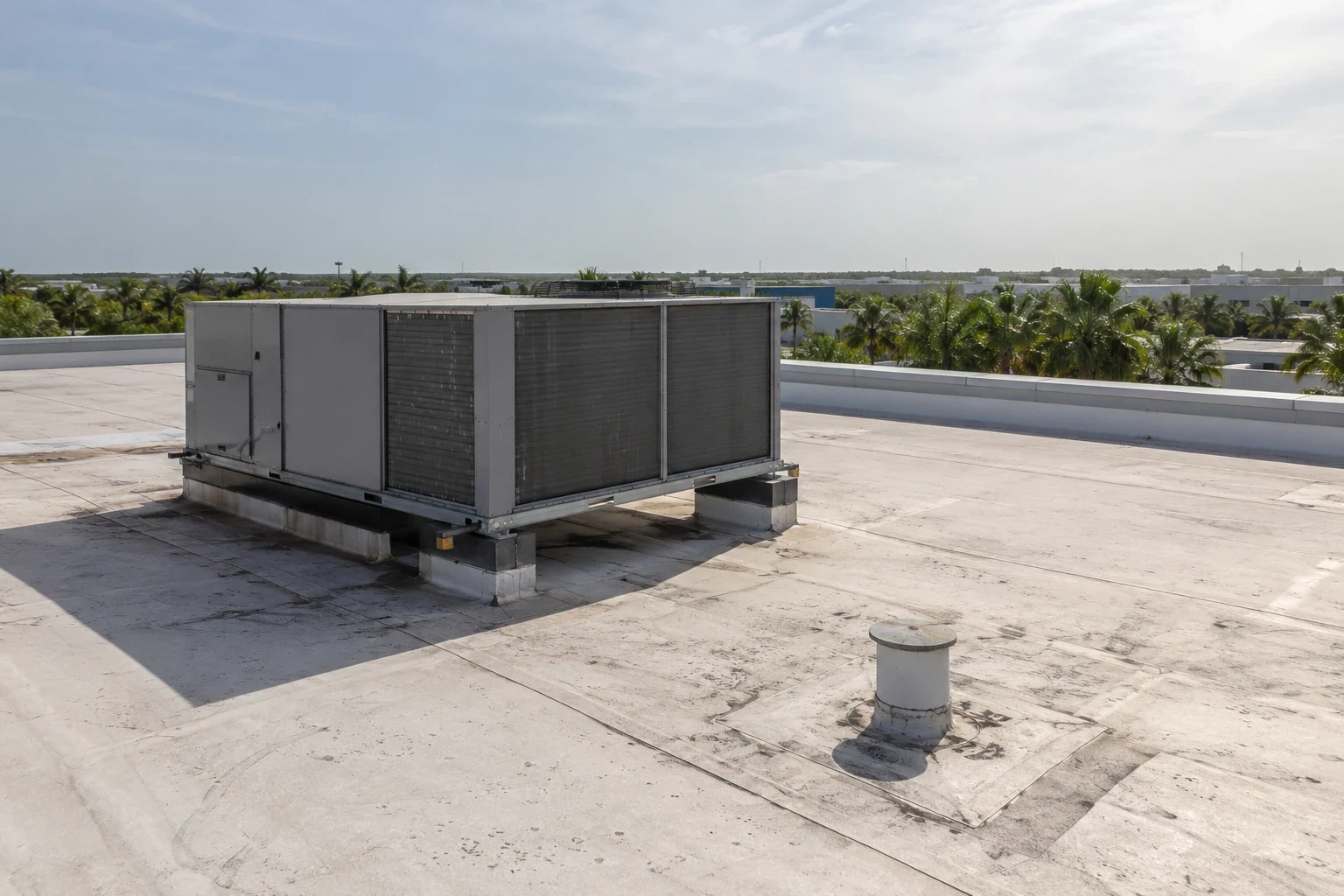
A building beside an inlet has nothing between it and the wind coming over the water. Hurricane Wilma put 98 mph gusts on Pompano Beach in 2005, and Irma brought 80 to 100 mph gusts across most of Broward in 2017. Uplift is highest at the corners and along the edges of a roof, so those are the places we look hardest, first at the perimeter metal and then at the fastener pattern behind it.
Inside Broward's hurricane zone, the design wind for a Risk Category II building is 170 mph, and every piece of the exterior roof system needs a Miami-Dade approval before it goes on. Where a station roof is metal, we look closely at panel clips, seams and the trim that ties the panel edge down. Wind damage repairs on a roof like that start with the edge, because that is where a storm begins to peel back what is installed.
Lightning and Hail: the early-season hazards
Lightning is not just a threat to wiring. A strike near a roof-mounted antenna, a mast or a vent stack can crack a flashing, damage a seal or burn through a membrane at a penetration. After a close strike we walk the roof around every mast and penetration, looking for scorch marks, split sealant and loosened clamps. The communications equipment itself belongs to the station's own technicians, and we seal and flash around it without touching it.
Hail gets less attention than wind and rain, but the National Weather Service lists it among the hazards of the early wet season, and a hailstone can bruise insulation under a membrane that still looks intact. If a station reports a leak right after a heavy storm, the right first call is our emergency roof repair line, any hour, because stopping water early protects the insulation and the ceilings below.
Approvals and Access: the rules behind a federal roof
Roofing on a Coast Guard installation usually follows the same rhythm as other federal work. Names go to the station ahead of time, crews arrive with identification, deliveries are checked, and everyone works inside hours that fit the unit's duty cycle. The specification usually points to the Unified Facilities Criteria (UFC) for roofing, and a reviewer signs off on submittals before material is ordered.
None of that is a reason to rush, and none of it is a reason to be unprepared. We keep a written roof condition report with photos, so the people who run the station can see what the roof looks like today and what it needs next. Escorts, badging and submittals follow the same pattern on any military installation roofing job, and the paper trail matters as much as the membrane. A naval facility at the same inlet adds a second command to coordinate with.
Questions We Hear Often
Which Coast Guard stations are closest to Pompano Beach?
Station Fort Lauderdale is about 10 miles south at the Port Everglades inlet, and Station Lake Worth Inlet is about 38 miles north in Palm Beach County. Both belong to Coast Guard Sector Miami. The service location and access schedule determine how a roofing visit is planned.
Can you reroof a station that has to stay on watch?
We do it in sections. One part of the roof is opened, dried in and sealed the same day, while the rest of the building stays in service. The watch room and any occupied space under the work get protected overhead first.
How does a roof near the water differ from one inland?
Salt and wind. Metal fasteners, edge flashing and curbs corrode faster, and the wind has an open run over the water. We choose corrosion-resistant hardware, tighten the fastener pattern at corners and edges, and rinse salt off the roof during routine checks.
Do lightning strikes damage a roof?
They can, mostly around masts, antennas and vent stacks. A close strike may crack a flashing or split a sealant joint that then leaks days later. After a strike we check each penetration and the roof around it.
What happens when a storm is on the way mid-job?
We close up what is open and tie down what is staged. Loose materials become projectiles in a Broward gust, so pallets, rolls and tools go off the roof or get strapped down. The section under work is sealed to a standard that holds until the weather passes.