
Military Installation Roofing near Pompano Beach, FL
Hurricane Wilma's eye, 55 to 65 miles across, took in most of Broward County in October 2005, so buildings across most of the county, military or not, came through the same storm. The installations within reach of Pompano Beach, FL face hurricane wind, summer heat and the daily wet-season storms, with salt air added at the coast, and their roofs have to hold up while an entirely different set of rules governs who can reach them.
Roofing on a military installation is the same weatherproofing work as anywhere else, wrapped in procedures. Crews are vetted before they arrive, materials are inspected at the gate, escorts follow the crew, and the schedule bends around flights, ranges and drills. A project planned with those procedures in mind lets the roof do its job without slowing the mission.
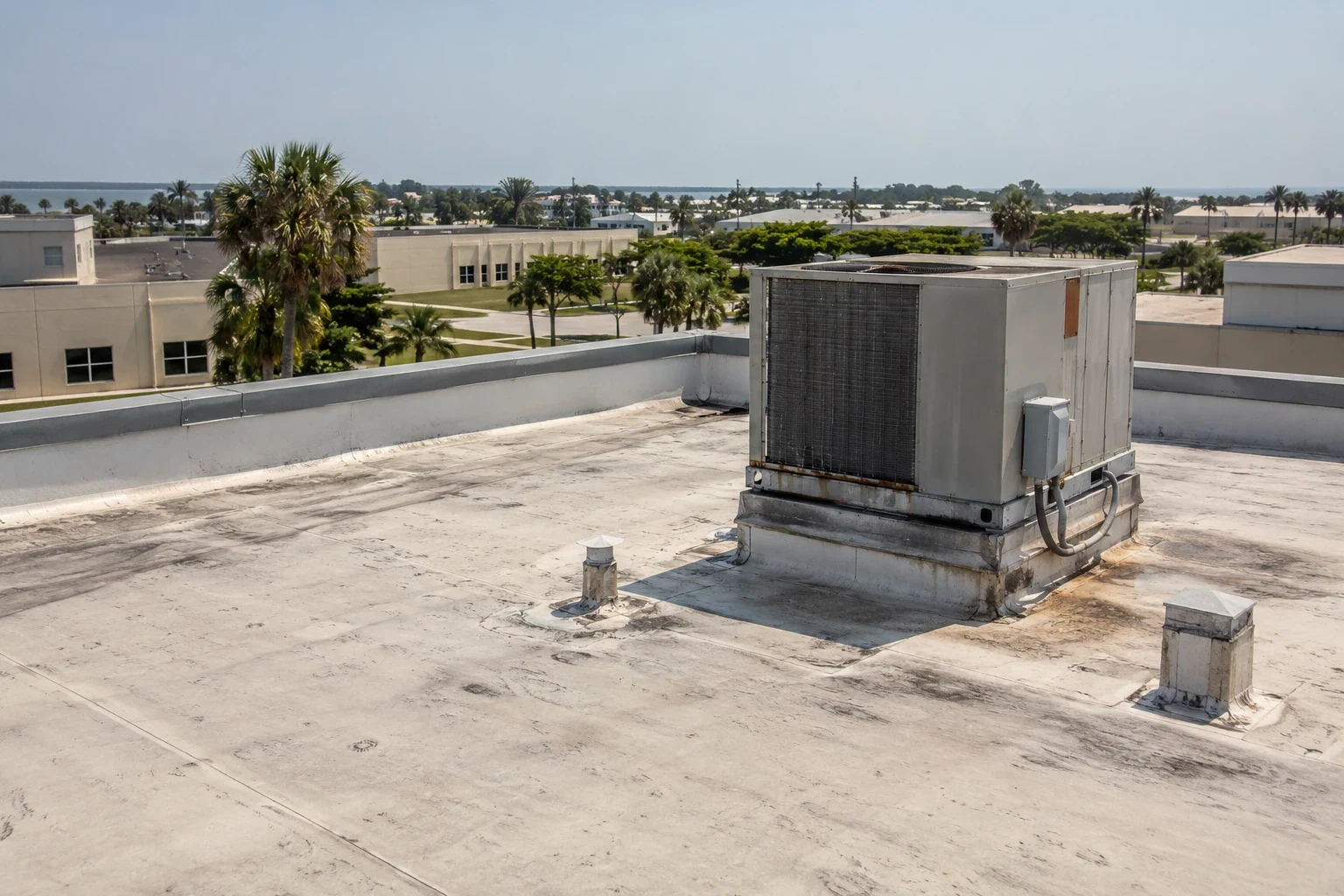
Base Access: badging, escorts and the gate
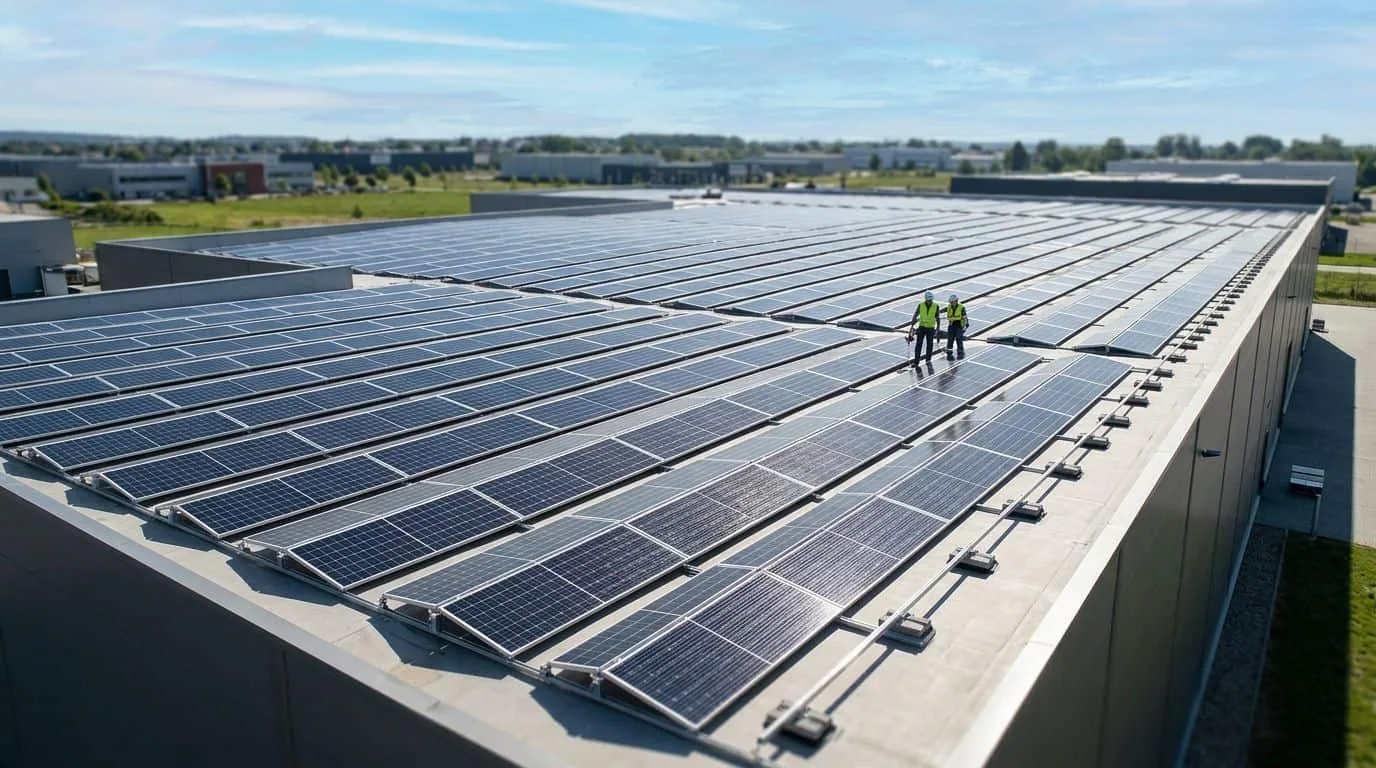
Nobody walks onto a base with a ladder and a truck. Work is arranged through the installation's contracting office or a prime contractor, crew names go in ahead of time, and identification and background checks come first. Vehicles and deliveries are inspected at the gate, and many areas require an escort the whole time. Tools, phones and cameras may be restricted near sensitive buildings.
For roofing, that adds lead time and shapes the crew. A job that normally mobilizes in days may need weeks of paperwork, and a missed name on the list can stop a delivery at the gate. We plan around that by asking for the access rules early, keeping crew rosters stable and staging materials with the escort schedule in mind. Agencies and prime contractors who manage this kind of work, including public agencies, set the pace, and a roofer who respects the process keeps the project moving.
Base access is part of the production plan. Before material arrives, the project team confirms gate procedures, escort requirements, delivery windows, staging limits and how workers will reach each roof area. The technical submittal should identify the system, fastening pattern, perimeter details and approved components, then connect those choices to the project specifications and wind design. Work is divided into secure, weather-tight sections, with daily records showing what was opened, tested and closed. No roof detail is complete until it can be maintained under the site's operating rules.
Mission Schedules: roofing around flights, ranges and drills
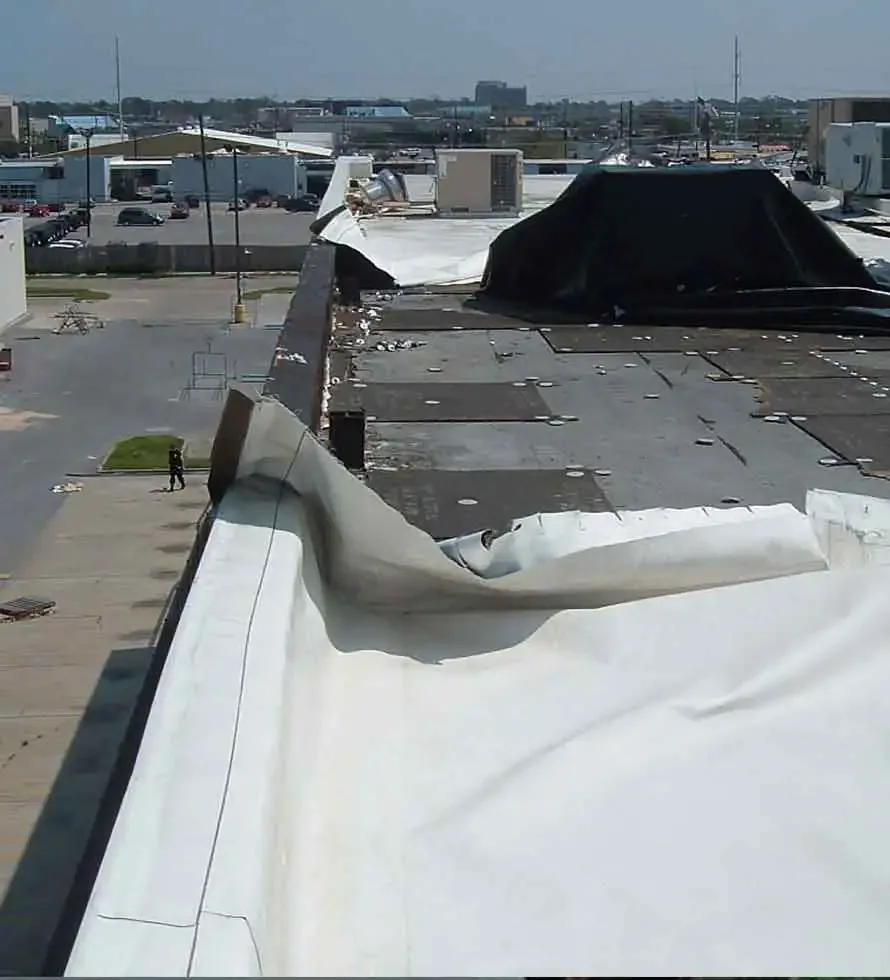
Coast Guard Air Station Miami operates at Opa-locka Executive Airport with roughly five HC-144A Ocean Sentry airplanes and five MH-65 Dolphin helicopters, which means hangars and flight-line maintenance buildings. Roofs like that carry strict rules. Loose debris near a flight line is a hazard to aircraft, cranes may be limited by height near the field, and a hangar cannot sit with an open roof over an aircraft.
The South Florida Ocean Measurement Facility, a Navy site at the Port Everglades inlet, runs electromagnetic signature testing on ships and submarines from a secure range house. On sites like these, work is best split into short windows, with sweep-downs at the end of each shift and the roof closed up before operations resume. Our planning for a military hangar or maintenance facility begins with the operations calendar, not the roof drawings. The crew size, the shift length and the day the crane arrives all follow from what the flight line or the test range needs that week.
UFC Criteria: what the roofing standard asks for
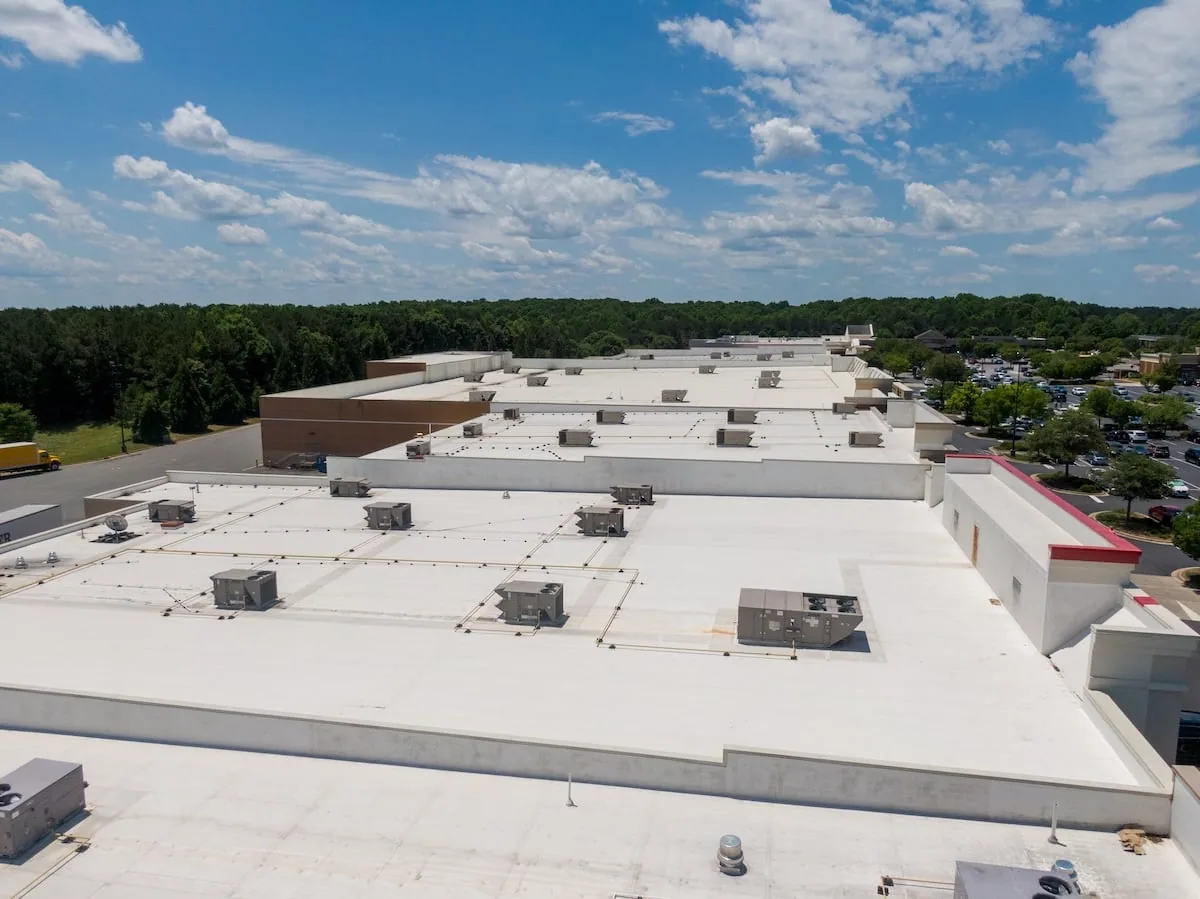
Federal roofs are designed to the Unified Facilities Criteria for roofing, which sets expectations for materials, wind uplift, drainage, insulation, flashing and approved assemblies. The point is a roof that lasts and is easy to maintain, so the criteria favor proven, tested systems over novelty. A designer or the government's reviewer picks the assembly, and the roofer builds it exactly as drawn.
Whatever system is specified, the roof still has to survive the weather this coast produces. Wilma's 98 mph gust at Pompano Beach and Irma's 80 to 100 mph gusts over the county in 2017 are the wind history any new roof here has to answer to. Metal assemblies such as standing seam are a natural fit where wind and long service life matter, and they need careful attention to clips, seams, edge metal and fasteners. We read the specification closely, price what it says, and flag anything in the drawings that looks mismatched to the local wind before work begins.
Coastal Exposure: salt, surge and storm
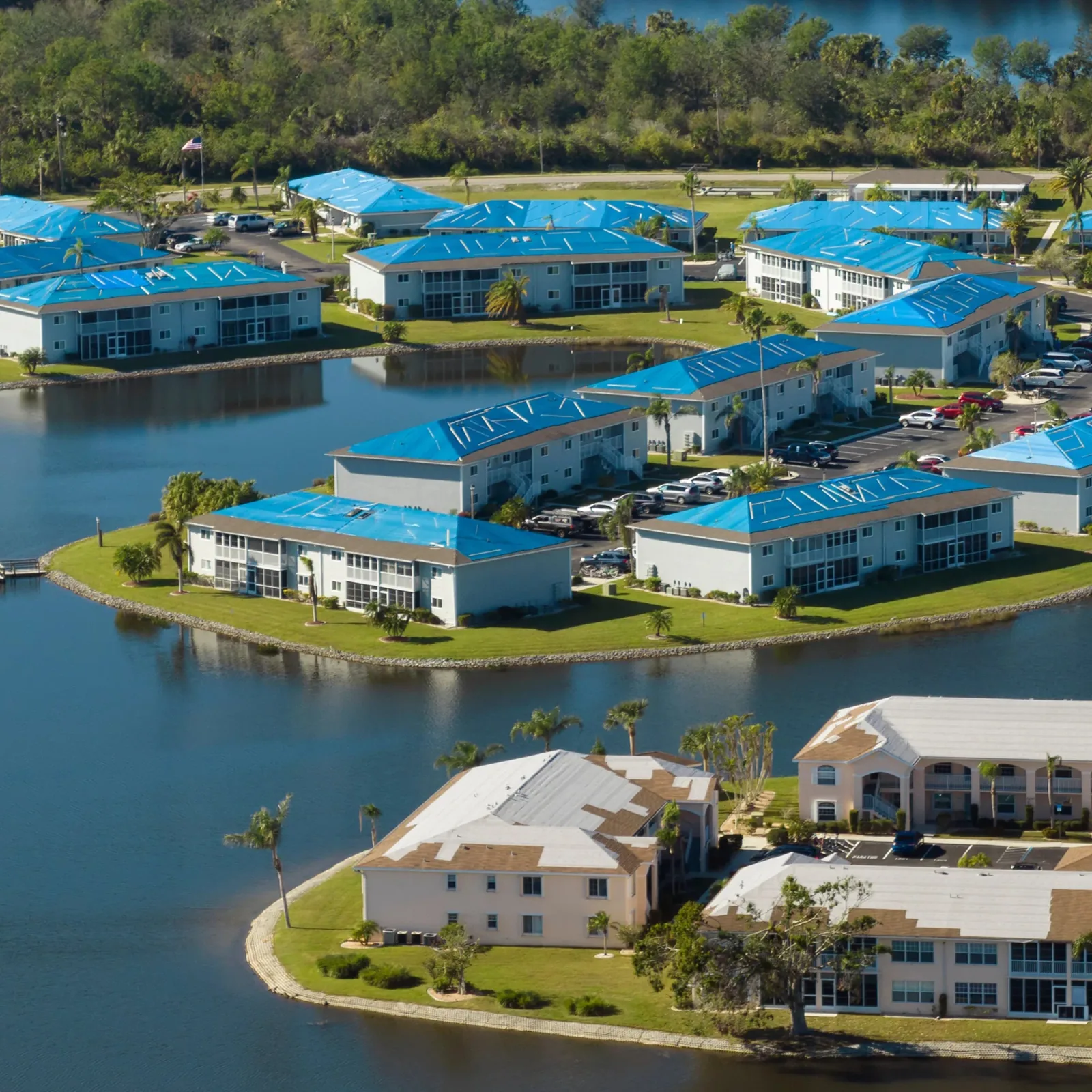
Port Everglades inlet is close enough to the open Atlantic that salt is part of every roof detail. The Navy's measurement facility sits on an 8-acre barrier island parcel inside a state park, and Coast Guard Station Fort Lauderdale shares the site. Coastal Broward saw about three feet of storm surge in Irma, which puts waterfront buildings in a different category from inland shops.
Salt eats uncoated fasteners and edge metal, and storm wind pushes rain sideways. Stainless or coated hardware, sealed laps and well-supported edges matter more here than most places. When a storm passes, the first work is a hurricane damage check for lifted metal, torn flashing and water in the insulation, followed by dry-in to protect the equipment and people underneath. The Navy facility sits in Dania Beach and Hollywood, right on that inlet, which is why salt and wind belong in the same conversation for any roof there.
Armories, Clinics and Support Buildings: the other roofs
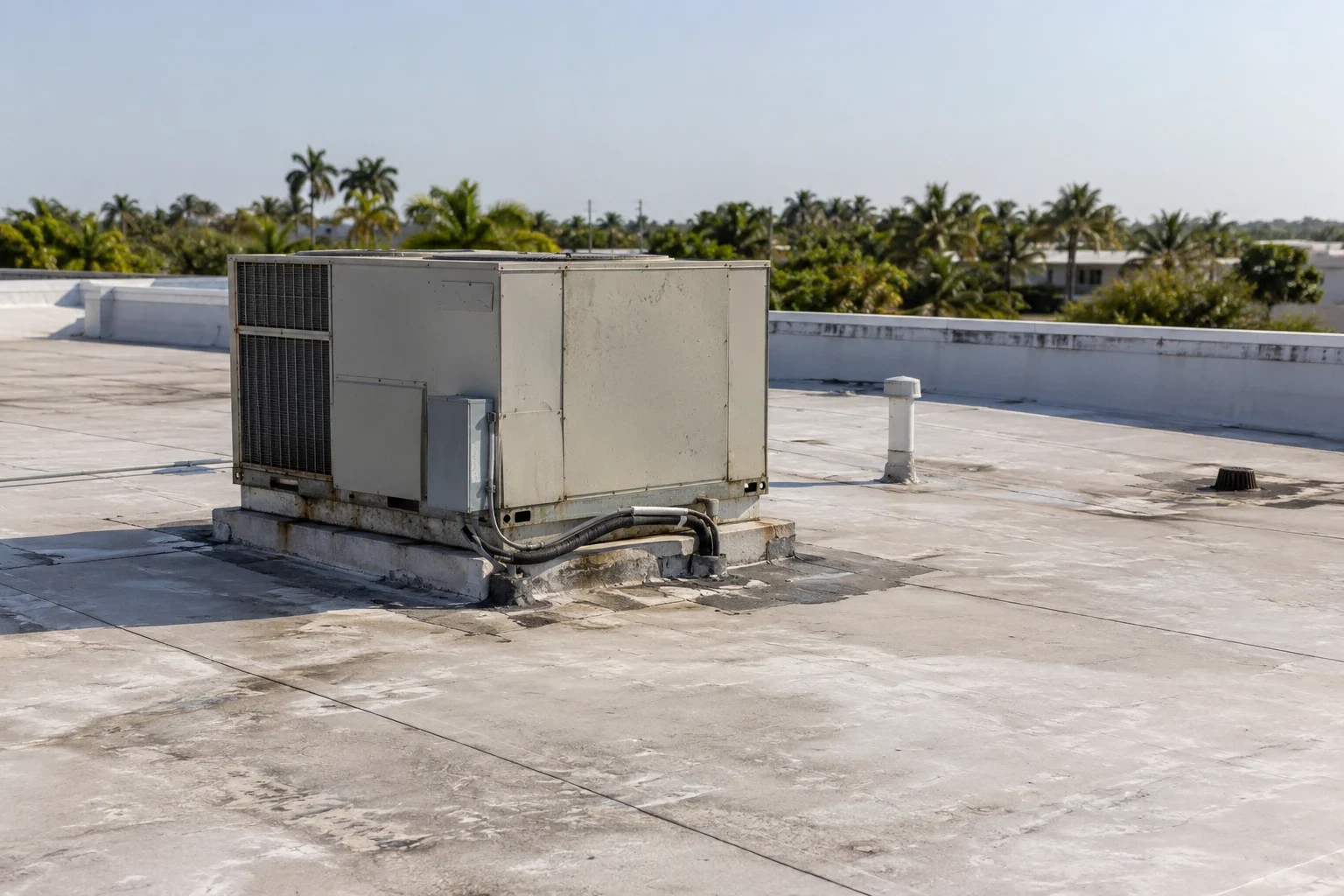
Not every military roof sits on a flight line. The Florida National Guard's Miramar Readiness Center is being expanded, part of a state plan of $87.5 million that also covers new armories elsewhere. The VA Medical Center in West Palm Beach includes a 108-bed Community Living Center, and its health care system also has community clinics in Delray Beach and contractor-operated ones in Boca Raton, close to northern Broward. Army Garrison Miami supports the Southern Command headquarters in Doral, a joint command with more than 1,200 people, uniformed and civilian.
These are occupied buildings with their own rhythms: drill schedules, patient care, offices that cannot shut down. A roof over a clinic or living center is worked in phases with tight control of noise, odor and debris, the same approach we use for any occupied building reroof. Before any scope is set, a hands-on roof inspection establishes what is there, and the plan can then be matched to VA medical center and armory requirements.
Questions We Hear Often
Does a military roof follow different rules than a commercial one?
The weather is the same, but the paperwork is not. The specification follows federal criteria, access follows base security, and the schedule follows the mission. The membrane, flashing and drainage details still have to work like any good commercial roof.
How long does it take to get a crew onto a base?
Longer than a normal mobilization. Names, identification and vehicle details go in ahead of time, and each installation sets its own lead time. We ask for the process at the start so roster and delivery dates are not discovered the week of the job.
Can a drone survey be flown on an installation?
Usually only with explicit permission, and many areas restrict flights outright. Where drones are not allowed, we survey on foot and add infrared or core testing when the base permits it. The base's own rules decide the method.
Will roofing work stop flight operations or drills?
It should not, and the schedule is built to avoid that. Work is cut into short windows, debris is swept before each stop, and cranes and noisy tasks avoid the operating hours the base names.
Who arranges the access, the owner or the roofer?
The installation's contracting office or the prime contractor controls access. We supply crew names, equipment lists and delivery details on their timeline, and we follow every instruction the escort gives.