Commercial Roofing in Fort Lauderdale, FL
One April day in 2023 brought roughly 26 inches of rain to Fort Lauderdale, making drain capacity and clear scuppers especially important before the next major downpour. The commercial buildings here live with flash floods, a hurricane history that includes 99 mph gusts during Wilma in 2005, and a coastal climate that never stops pushing on membranes, seams and metal.
Our crews handle repair, recovery, coating and full replacement of low-slope and metal roofs for Fort Lauderdale, FL owners, and storm calls get a live answer around the clock, holidays too. The city is known for marine manufacturing, tourism and yachting, and its two airports and Port Everglades keep working buildings busy. That mix of marine trades, aviation and cargo handling puts a lot of working buildings under roofs that cannot afford to fail on a Tuesday. A first commercial roof inspection shows where each one stands before the next storm does the talking.
The 26-Inch Day: what record rain asks of a flat roof
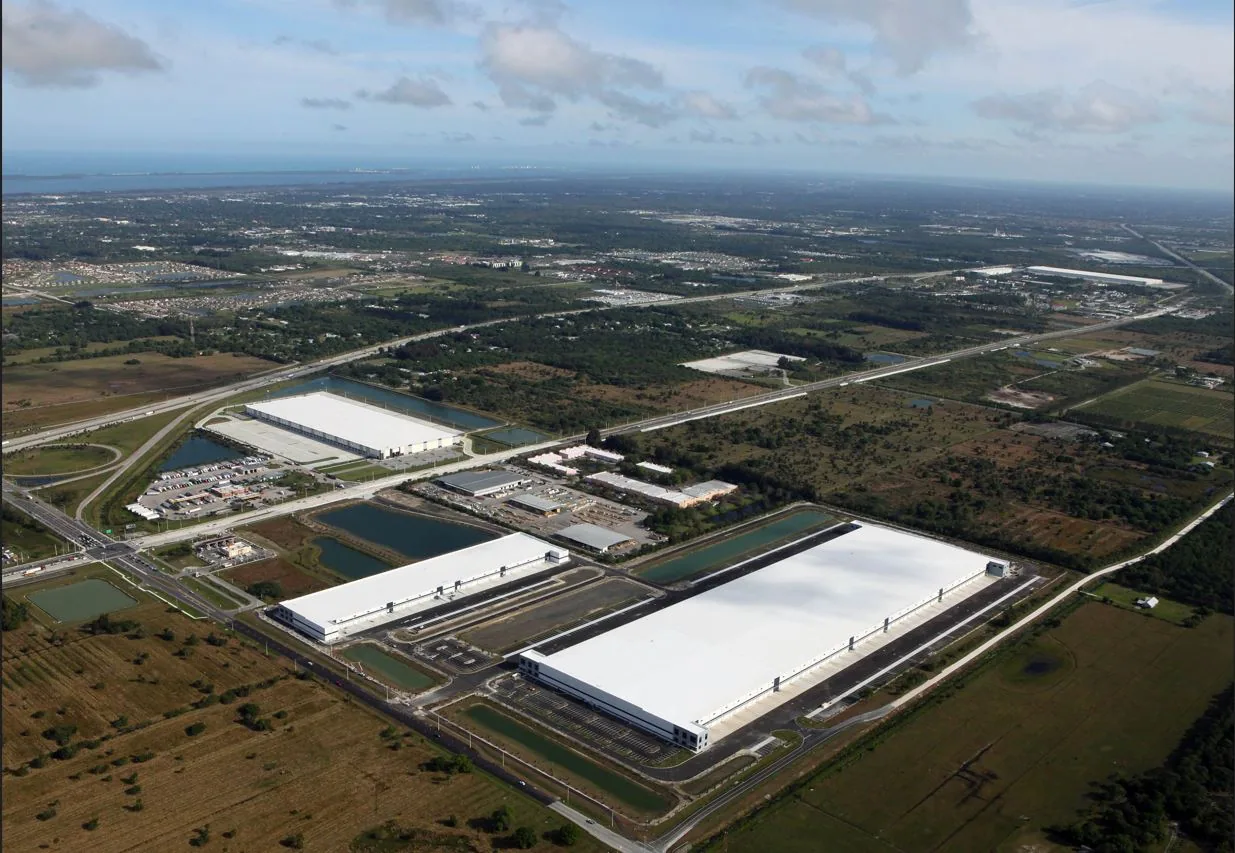
A flat roof is a shallow tray with a few holes cut in it for drains. When rain falls faster than those holes can clear it, water rises on the membrane until it finds a scupper, a parapet door or a seam. The April 2023 flood underscored the need to keep drains and scuppers clear. Leaves, gravel or old sealant can slow runoff during a heavy rain.
After a storm like that, we check the drain bowls, strainers and overflow scuppers first, then look at how the water moved across the surface. Staining, silt lines and debris piled against a curb show where water stood and for how long. Water that sits more than a day or two after a storm ages a membrane faster than dry weather does, and it shows up as ponding water damage that grows season after season.
The fix is often simple and cheap if it is caught early: clear the drains, add a scupper, correct a low spot with tapered insulation, or reset a sump that has settled. Left alone, the same trouble turns into wet insulation, and wet insulation turns a repair into a replacement.
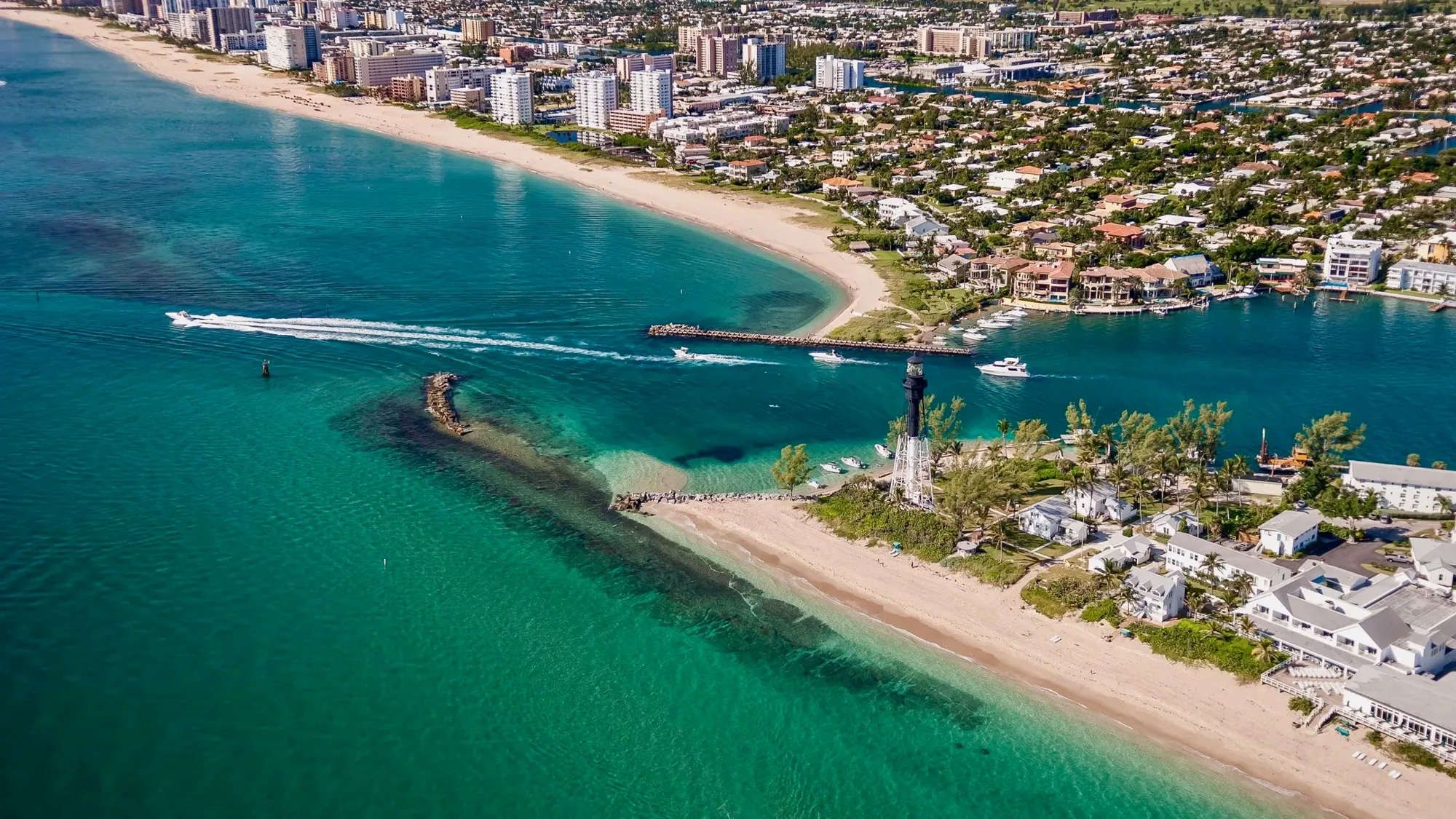
Under the Flight Path: Executive Airport, FLL and the buildings that serve them
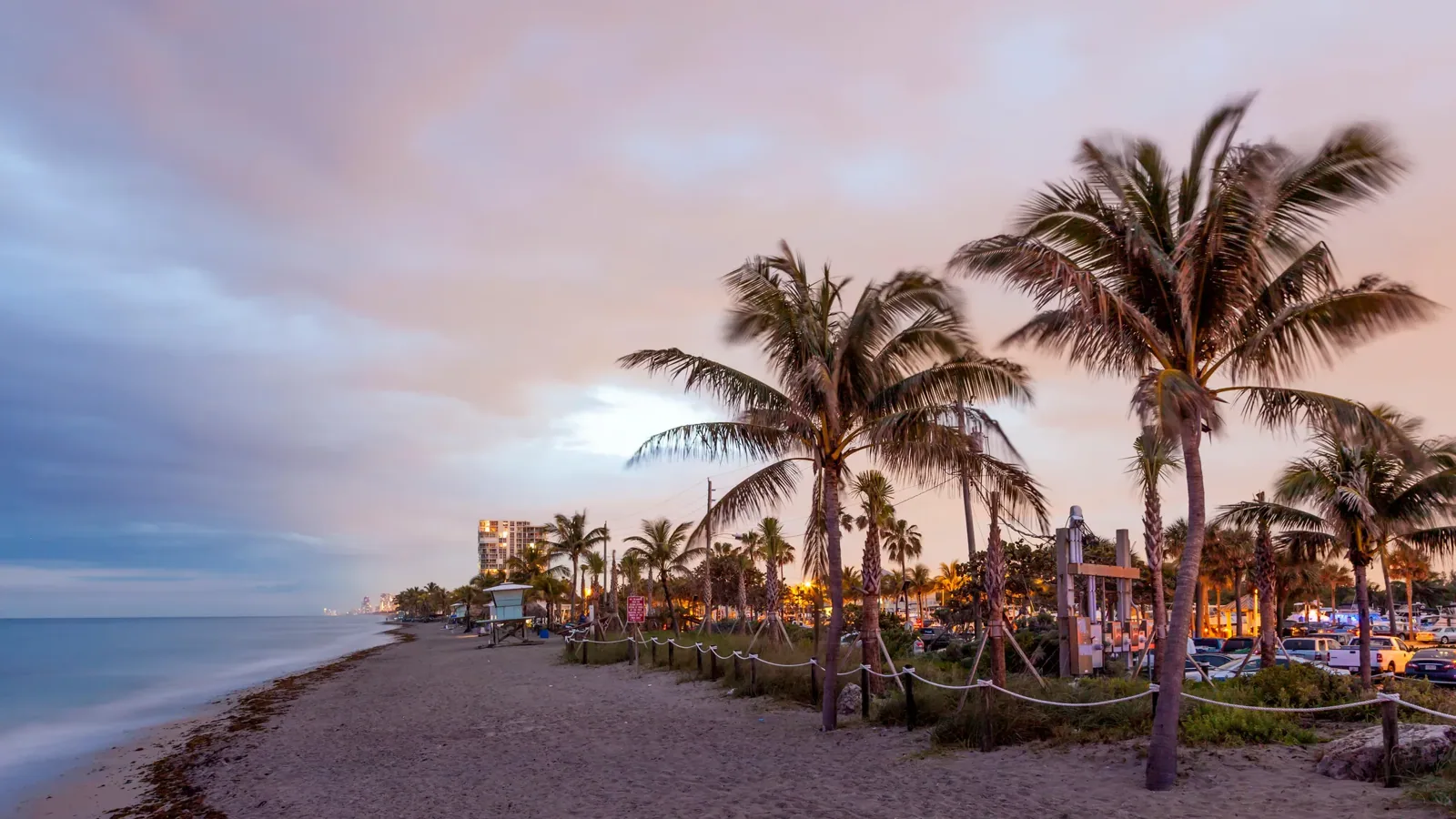
Fort Lauderdale Executive Airport spreads over 1,050 acres, logs upwards of 150,000 aircraft operations a year and ranks eighth among general aviation airports in the country. Fort Lauderdale-Hollywood International covers 1,380 acres, runs four terminals with a fifth under construction and moves about 105,000 tons of cargo. Airports of that scale rely on support buildings of every kind, and an owner of a hangar, a maintenance shop or a cargo facility knows what a roof leak costs when equipment, aircraft or freight sits underneath.
Wide-span buildings, whether aircraft hangars or large maintenance bays, often put metal or low-slope membrane roofs over long open spans. Both have to carry the 170 mph design wind speed the High Velocity Hurricane Zone sets for Risk Category II buildings in Broward. Edge details and fastener patterns get special scrutiny because there are few interior walls to share the load.
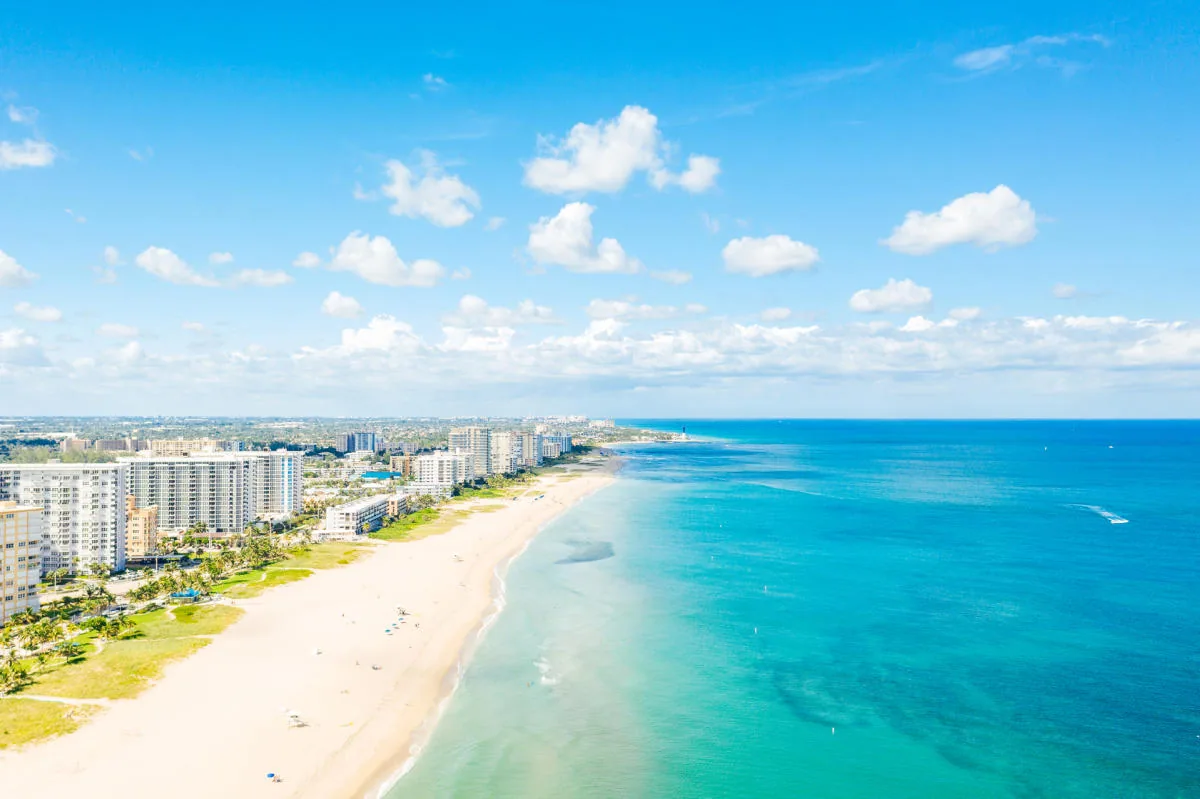
Marinas and Port Yards: salt, sun and metal near the water
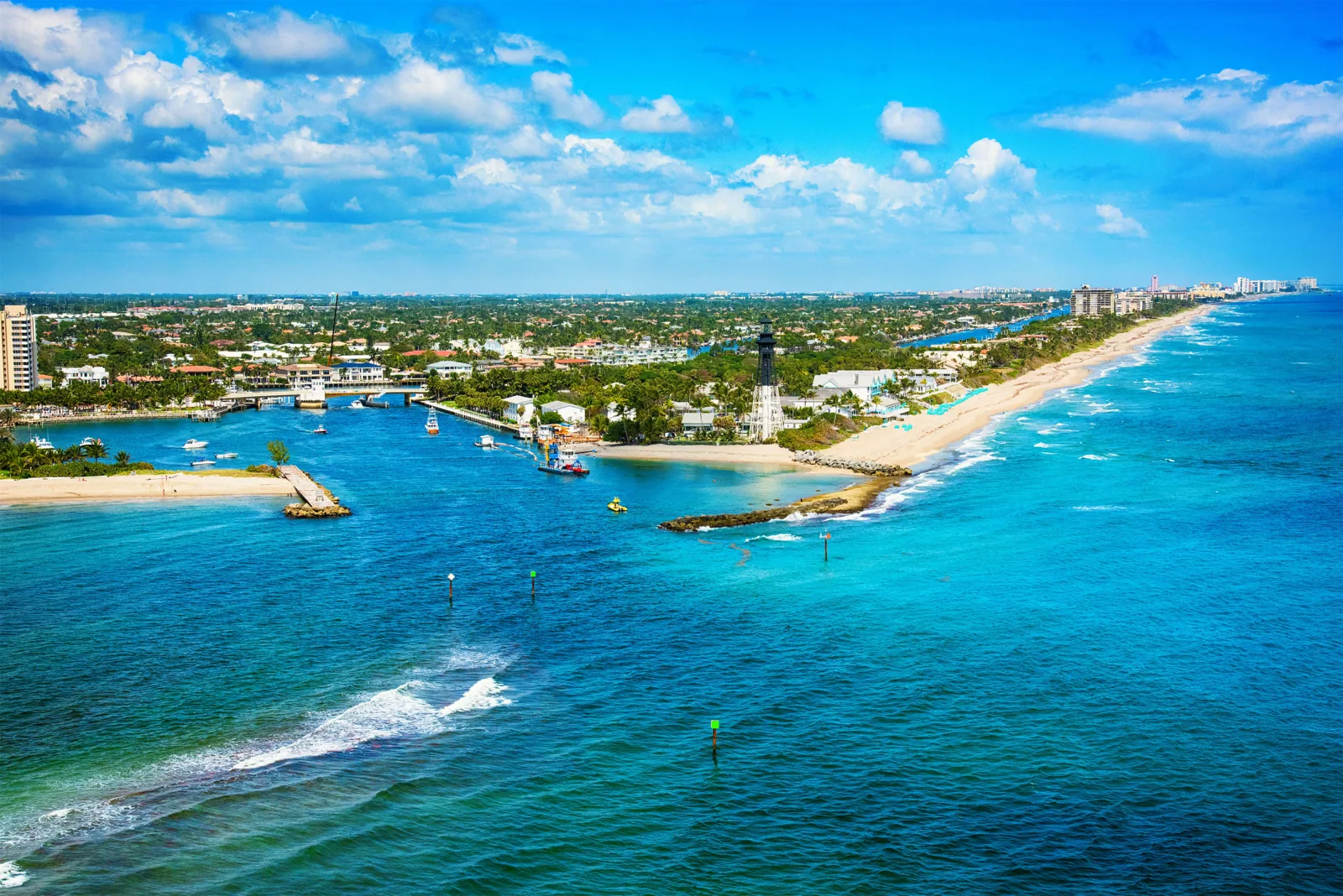
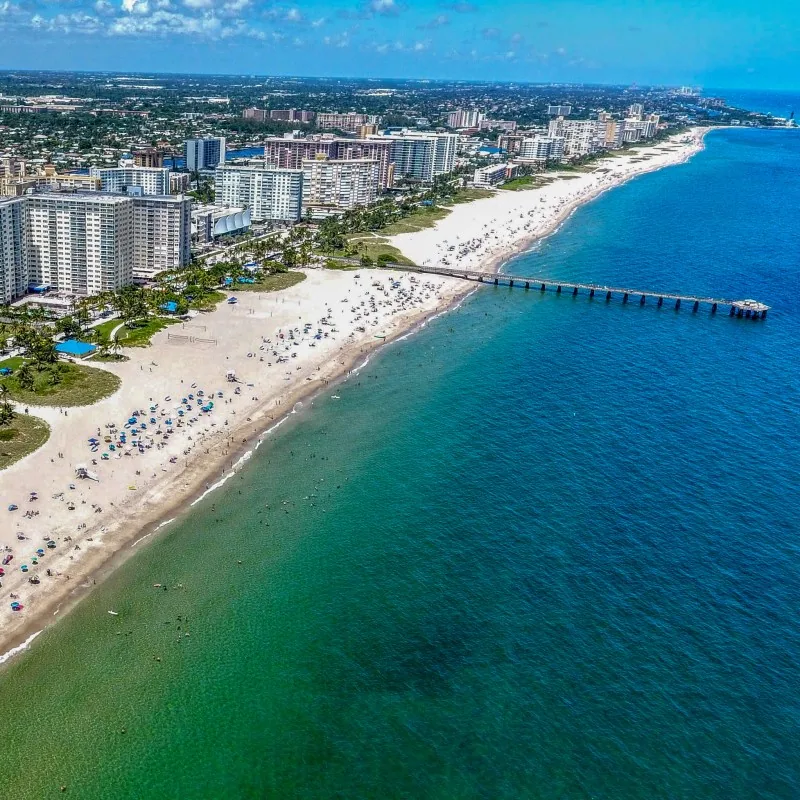
Fort Lauderdale counts more than 50,000 registered yachts and 100 marinas, and Port Everglades handles about 4.7 million cruise passengers and 1.17 million TEUs of containers a year while serving as a major refined petroleum distribution hub for South Florida. Marine manufacturing and yachting are part of the city's identity, and the buildings that support them stand where salt air is a daily companion.
Salt works on the small parts of a roof first. Fasteners, plates, edge metal, equipment frames and panel clips rust long before the surface wears through, and a building near a waterway, a marina basin or the port usually shows it at the edges. Where a membrane is still in good shape, a reflective coating can seal fastener heads and cut heat gain. Where metal panels have started to corrode, a metal roof retrofit can add a new weathering layer over the old one without a full tear-off.
A tarp over a failed section of roof in hurricane season is not a plan. We aim to finish the dry-in the same day and schedule the permanent repair for the next dry window. Port Everglades spans Fort Lauderdale, Hollywood and Dania Beach, so owners on every side of those town lines deal with the same salt and the same wind.
Wilma and Irma: what the wind left behind
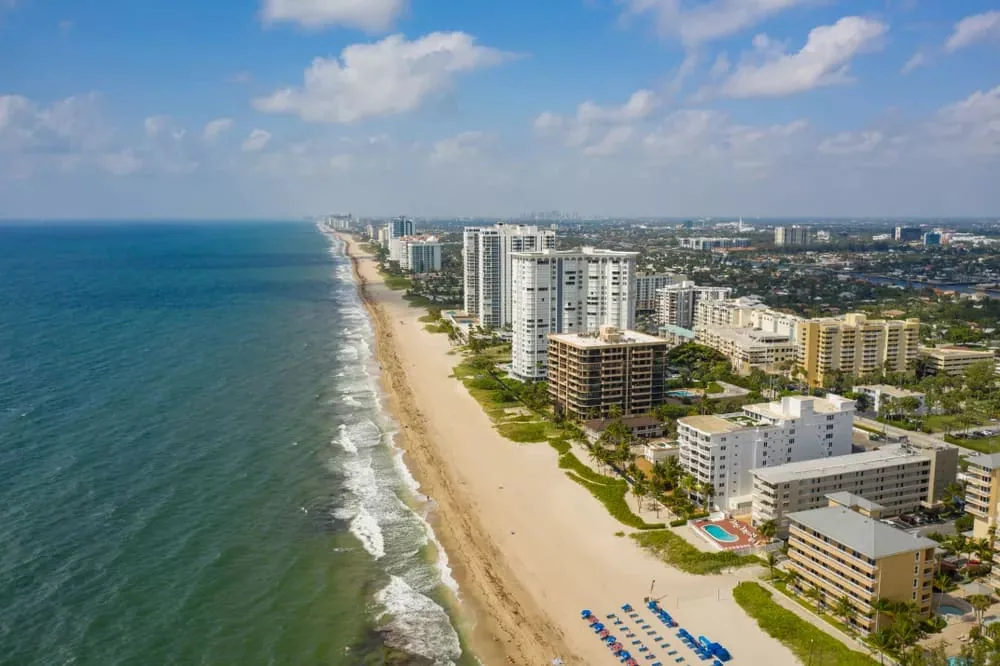
Wilma's eye was 55 to 65 miles across and passed over most of Broward as a Category 3 storm in October 2005, with a 99 mph gust at Fort Lauderdale and roof damage reported countywide. Irma, in 2017, followed with three tornadoes, about 3 feet of coastal surge and gusts between 80 and 100 mph over most of the county.
Roofs that came through without an obvious leak still deserve a careful look. Lifted seams, loosened coping, slack flashing and fasteners that have started to back out do not always leak right away. They leak the next time a heavy afternoon storm hits the same weak spot. A written condition report with photos gives an owner a clear starting point, and it helps with an insurer if a claim is ever needed. Storm damage roof repair starts from that same documentation.
Ahead of the season, we secure what can move: edge metal, coping, rooftop equipment and loose penetrations. After the storm passes, we walk the roof again and compare the two.
What We Check First: drains, edges, seams and the soft spots
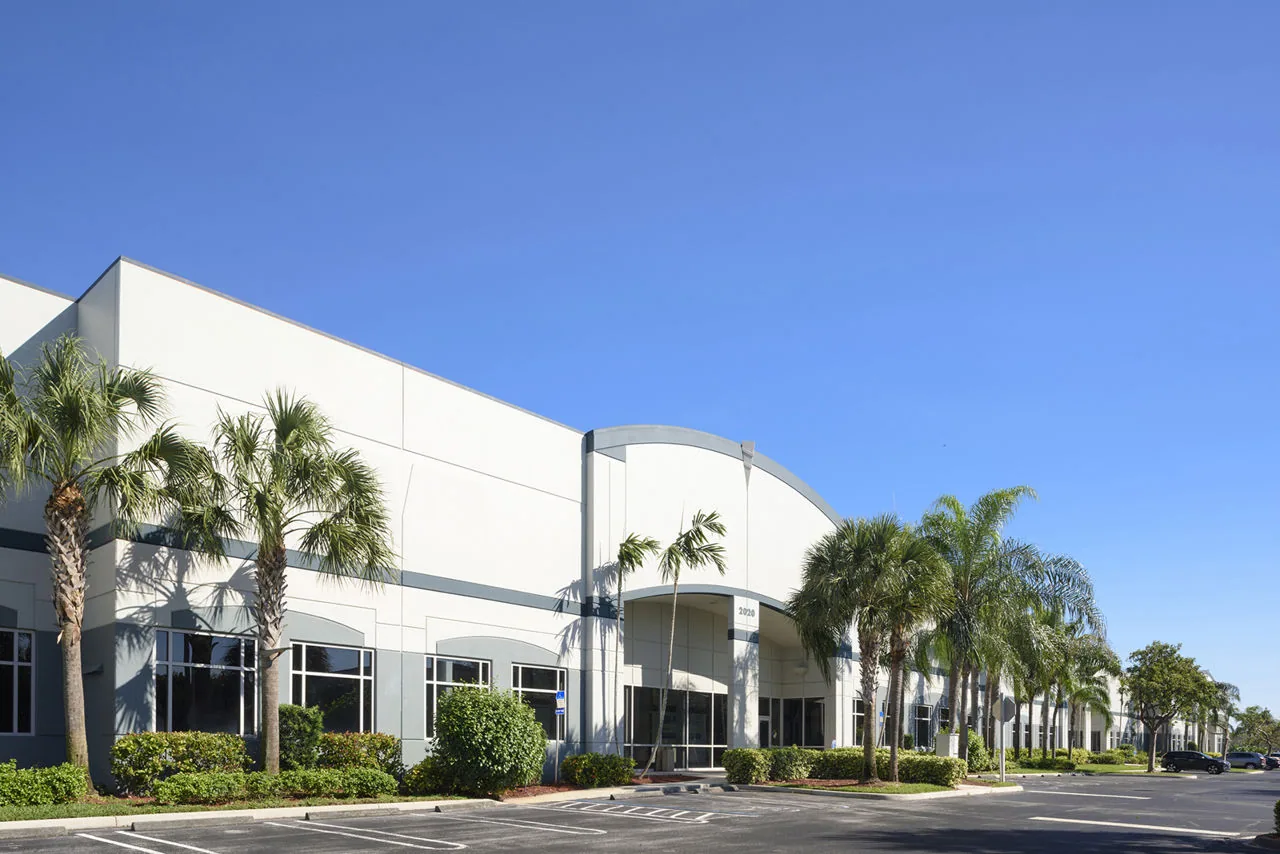
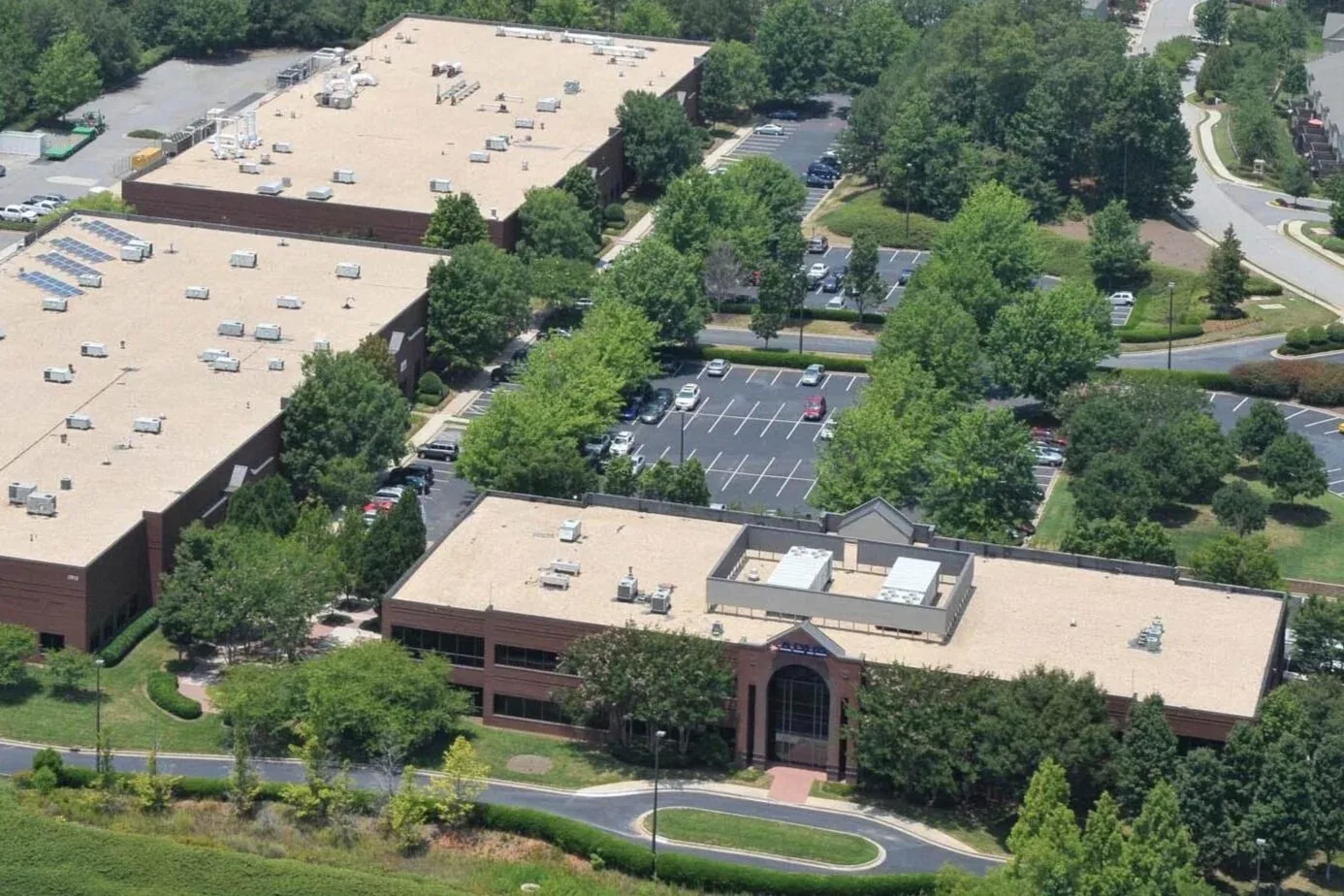
The walk goes drains first, then the perimeter, then seams and the flashings at walls and penetrations. Rooftop units draw a close look because their curbs, panels and refrigerant lines are common leak sources. If the surface feels spongy underfoot, we mark it and bring an infrared moisture survey into the plan to find the wet insulation.
Every walk ends with a written report: photos, a marked roof plan and a ranked list of what is urgent, what fits the next budget and what simply needs watching. An owner of several buildings in Fort Lauderdale or Oakland Park can have the same roof condition report format used on every roof, so condition can be compared and spending ranked.
Cost and Timing: what moves the number on a Fort Lauderdale roof
Price on a Fort Lauderdale roof moves with the deck and the insulation more than with the surface. A membrane with a few punctures and dry insulation beneath it is a modest repair. A worn but dry surface may take a coating. Once the insulation has taken on water, or salt has rotted fasteners out of the deck, the work grows toward replacement, and the schedule grows with it.
The calendar matters nearly as much. Rain is heaviest between mid-May and mid-October, and the first weeks of that stretch bring the roughest thunderstorms. Every exterior component has to carry a Miami-Dade Notice of Acceptance under the county's hurricane-zone rules, so material lead times and permit review belong in the plan from the first day. Starting in the drier months gives the crew clear mornings and keeps a half-finished section from sitting open when the afternoon clouds build.
Questions We Hear Often
Should I clear my drains before the rainy months start?
Yes, and check them again mid-season. Leaves, gravel and sealant scraps gather in strainers fast, and a blocked drain turns an ordinary downpour into standing water.
Can a hangar roof be repaired without moving aircraft out?
Often it can. Work goes in sections, and we protect what sits below with covers and clear lanes. Some jobs still need a hangar bay emptied for a day, and we plan that with you.
Is salt damage covered when I file a storm claim?
Policies differ, and wear from salt is normally treated differently from storm damage. Photos and a dated condition report help separate the two.
How do you plan reroofing around Fort Lauderdale weather?
The wet season runs May 15 through October 15, so we follow the daily forecast and keep each opened section sized for a secure dry-in. Outside that season, we still plan around the weather on the day of the work.
Do coastal metal roofs need special fasteners?
They do. Stainless or coated fasteners and heavier edge metal hold up far better in salt air than standard hardware, and the product approval for the system sets what is allowed.