Commercial Roofing in Davie, FL
Mid-May brings the afternoon storms back to Broward, and a roof in Davie takes them the way any roof in the county does: a hard burst, drains running full, then sun on wet membrane an hour later. From our base in Pompano Beach, FL, we handle repair, recovery, coating and replacement on low-slope and metal commercial roofs in Davie, and the phone is answered through the night when a storm opens something up.
Davie's building mix is varied. Nova Southeastern University and the Davie campus of Florida Atlantic University are both in town, along with the Miami Dolphins training facility and the Bergeron Rodeo Grounds, and the town's equestrian roots show in its ranch and Western-style buildings. Each of those asks something different of its roof, and the first job on any of them is finding out what is really overhead.
Campus Ground: sorting buildings by roof instead of by address
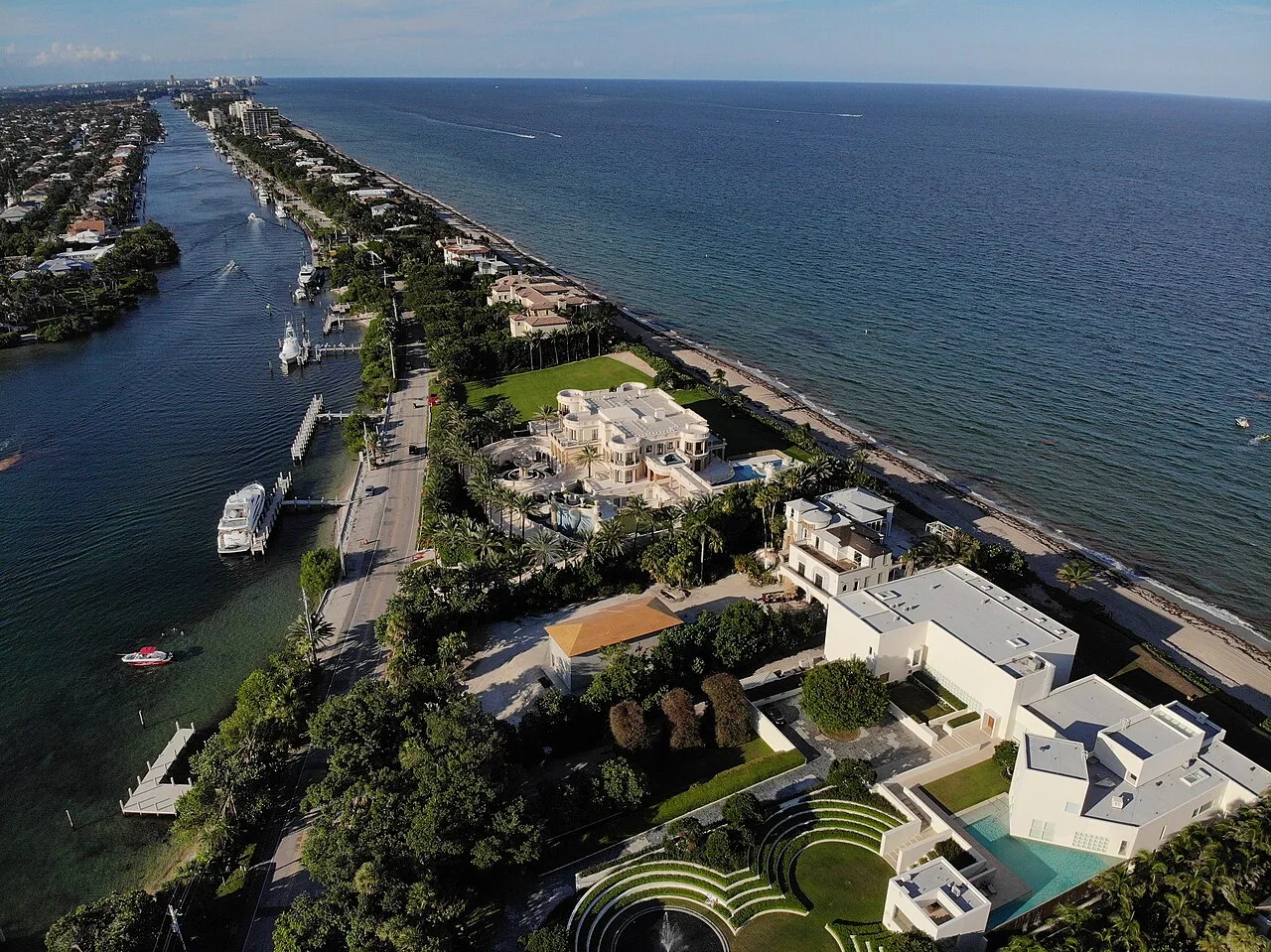
Two university campuses in one town mean many separate buildings under separate roofs, and each of those roofs has to be read on its own. So on a campus roofing walk we sort by what we find: membrane type, system age, how many layers sit on the deck, where the drains are and what mechanical gear has been added since. A building put up in one decade and extended in another rarely has one simple roof, and treating the whole campus as a single roof is how budgets go sideways.
Timing is the other half. Walkways, parking and entrances stay in use, so we plan lift locations, fall zones and material staging before the first pallet comes up, and we line the schedule up against class terms. The same care applies at the training facility and the rodeo grounds, where visitors or controlled access can shape when a crew is allowed on site. Our occupied-building reroofing work is done in small sections that are dried-in the same day, so a surprise storm never finds an open roof.
Davie's commercial properties range from institutional campuses to vehicle and equestrian facilities. A campus roof may have multiple connected buildings and many rooftop units, while a stable or arena roof has large clear spans and exposed edges. We survey each structure separately, record the access points and drainage routes, then combine the findings into a property-wide maintenance schedule. That keeps a broad city service plan useful without assuming every building has the same roof or operating hours.
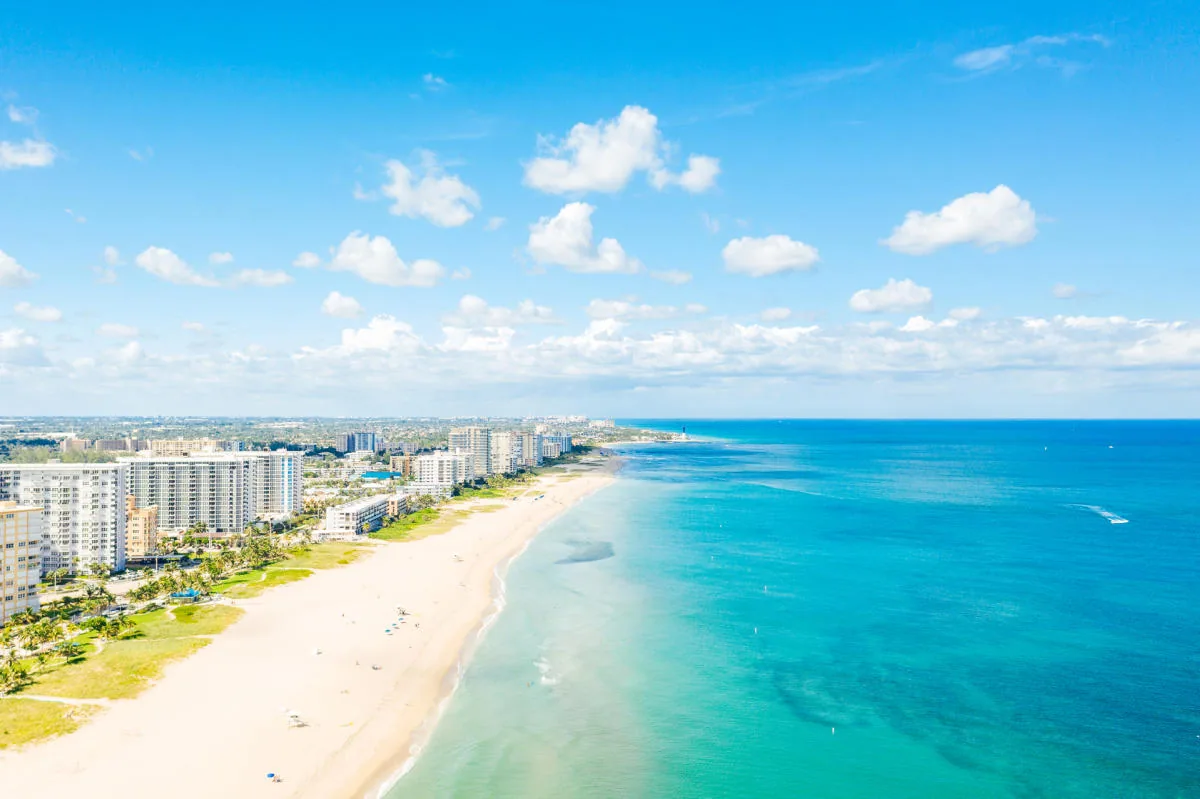
Western Style: when the building has a look the owner wants to keep
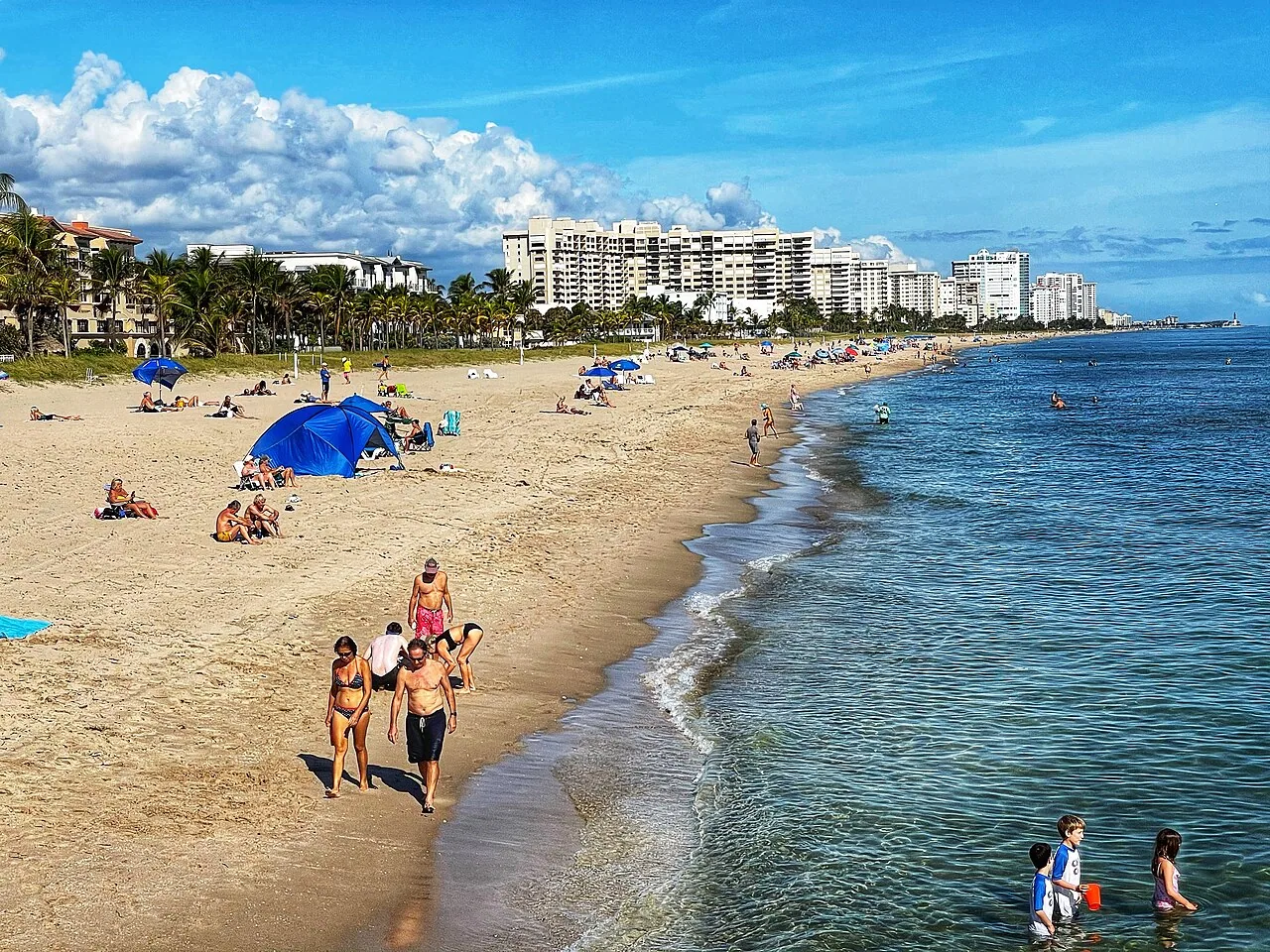
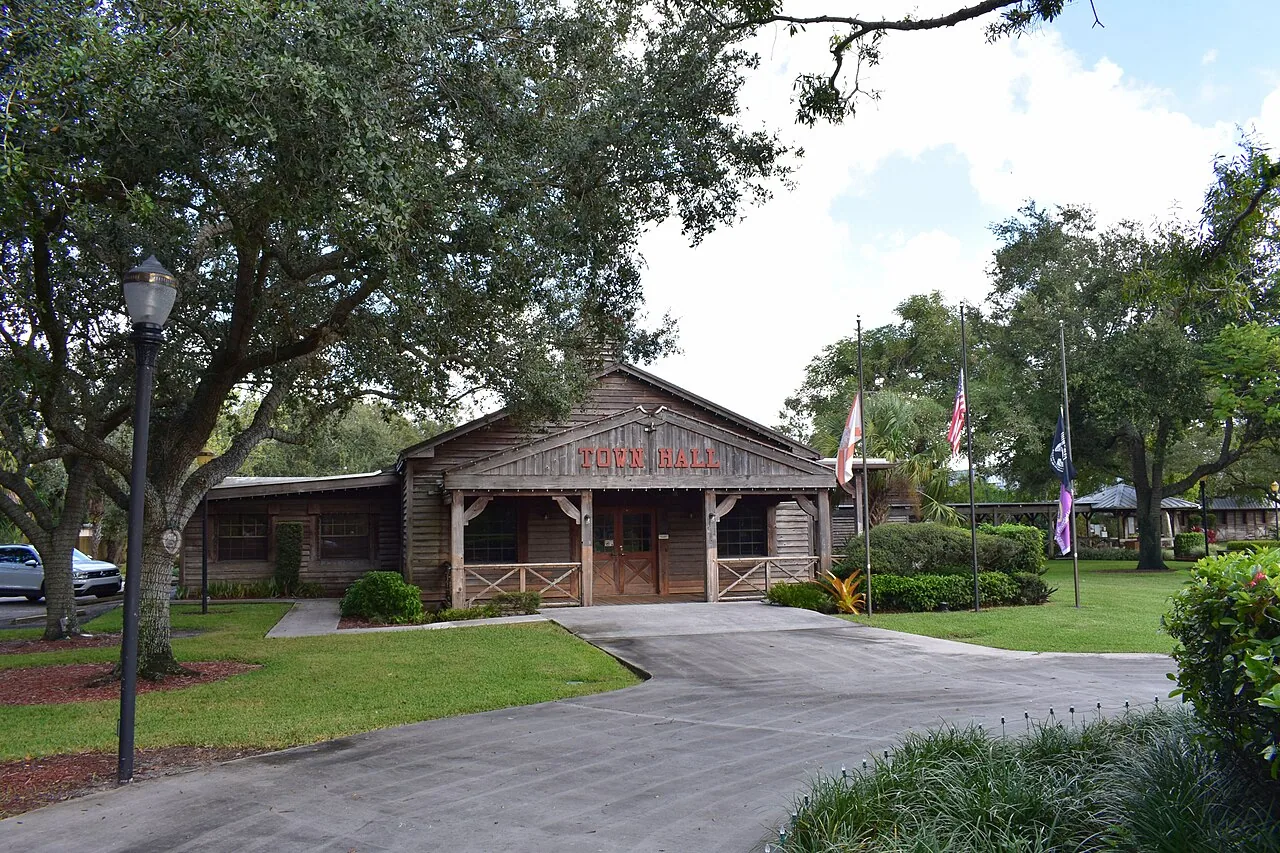
Davie's historic buildings lean toward ranches and Western-style establishments, which means the roof is part of the character as well as the weather shield. What sits up there could be a sloped metal panel, a tile or shingle section, a flat roof tucked behind a false front, or some mix added across different decades. We do not guess from the street. A walk, a few core samples and a look at the deck tell us what is there, and only then do we talk options.
Often the best answer keeps the profile and fixes what is hidden: a new low-slope membrane behind the front, or a standing seam metal panel where the owner wants the line of a metal roof without the rust. Cost moves with how much of the deck has stayed dry, how many old layers have to come off, and how hard it is to get material to the back of a property.
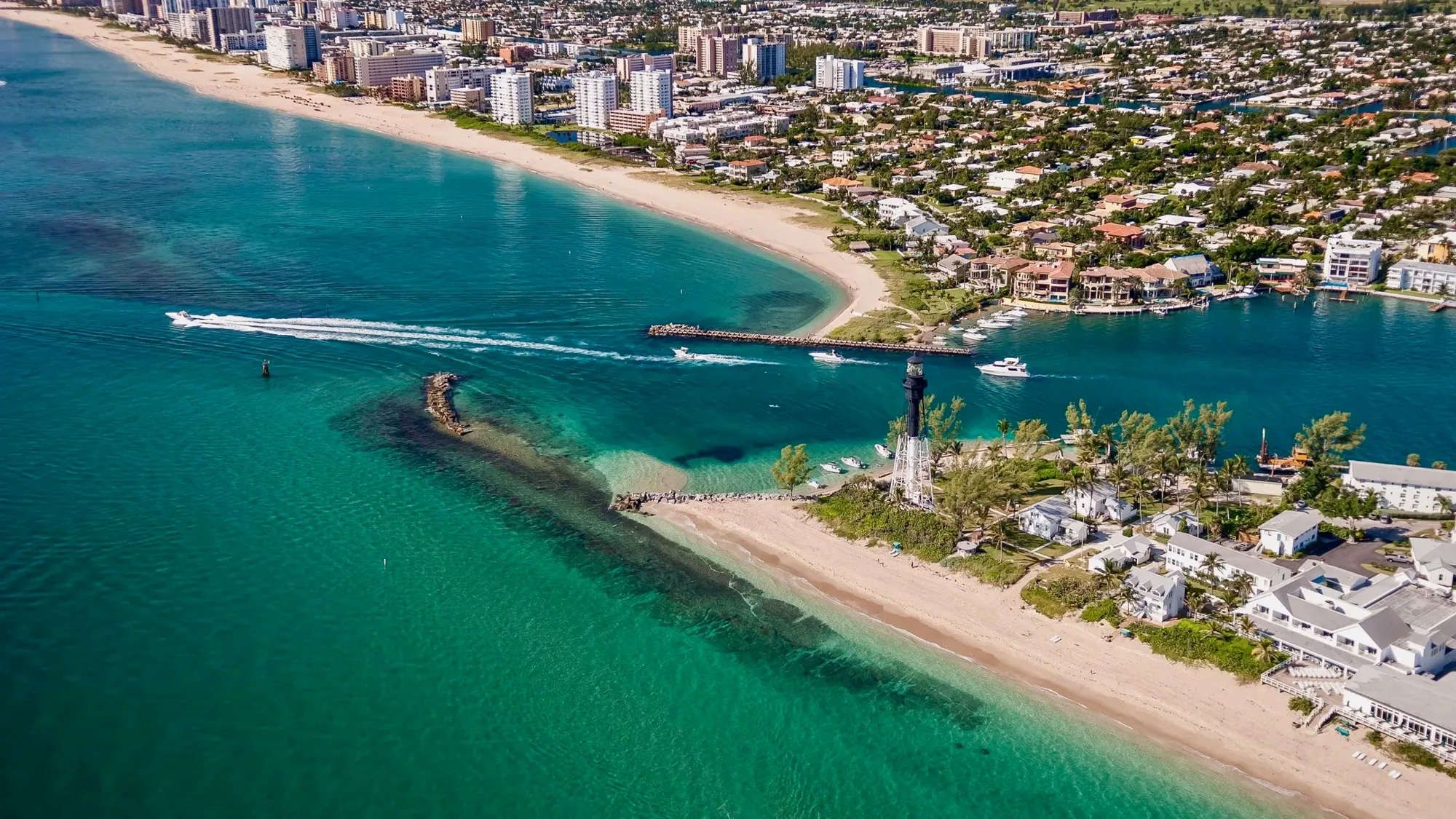
Storm Calendar: the wet season and the 170 mph rule
The weather service puts the Pompano Beach wet season normal at 33.40 inches, and Davie, in the same county, lives with the same near-daily summer storms. The stormiest stretch runs from mid-May to early July, when damaging thunderstorm winds and flooding are most likely. Any roof that holds water for a day or two after a storm is telling you the drains are slow, and that is where seams start to wear.
Wind is the bigger rule, and Broward writes it into the permit. As part of Florida's High-Velocity Hurricane Zone, this county designs Risk Category II roofs for 170 mph, and each product on the roof needs a Miami-Dade approval, backed by lab testing for flying debris, repeated pressure swings and water driven in after impact. A permit pulled now is read under the 2023 Florida Building Code (8th Edition); the next edition is slated for the close of 2026. The eye of Hurricane Wilma passed over most of Broward in 2005 and roof damage turned up across the county, so we treat hurricane damage as a planning input and not a surprise.
On the Roof: what we check before anyone writes a number
A first walk in Davie covers the same ground whether the building is a lecture hall or a tack barn:
- Edge metal, coping and tie-downs, because uplift pulls at the perimeter before it touches the field.
- Drains, scuppers and any low spot where water stays after the sky clears.
- Every penetration and curb, since pipe boots and rooftop units are where leaks usually start.
- Membrane condition: shrinkage, open laps, blistering, cracks and the chalky look of sun-worn surface.
- Signs of wet insulation underneath, which a moisture survey can map without cutting the roof open.
You get a written roof condition report with photos and plain ratings, built so someone who has to approve a budget can read it in one sitting.
Repair or Replace: what moves the price and the calendar
The choices run from targeted repair to a restorative coating, a recover over sound insulation, or a full tear-off and replacement. Wet insulation, a damaged deck, multiple old layers and a failing drainage plan push the answer toward replacement. A sound deck with dry insulation and tired surface opens up coating or recover. Each step up adds material, labor and permit scope, and on the HVHZ side every component has to carry the right product approval.
Calendar matters as much as method. We prefer to open large sections in the dry weeks and dry-in every day, since a roof left open between afternoon storms is a roof that will leak. If a hurricane is on the board, we secure loose material, close what we opened and stop. Plantation and Fort Lauderdale, elsewhere in Broward, run on the same wind rules, so owners with buildings in more than one town can plan one approach.
Questions We Hear Often
Do two campuses need one roof plan or a separate one for every building?
One plan, built from a building-by-building survey. The survey sorts roofs by system, age and condition, then ranks them by urgency so budget goes where water is already getting in. A single plan also lets us bundle similar roofs into one mobilization.
Can an old Western-style building keep its look with a new roof?
Usually, yes. If the visible profile is metal, tile or shingle, we can match the lines and replace the hidden low-slope sections with a modern membrane. The new work still has to meet Broward wind rules, so product choice and fastening are checked before anything is ordered.
Which hurricane rules apply to a Davie roof?
Broward's High-Velocity Hurricane Zone rules: a 170 mph design wind for Risk Category II buildings and product approvals proven by missile-impact testing. Your permit is reviewed under the 8th Edition of the Florida Building Code until the next edition takes over.
How do you reroof near a rodeo ground or a training facility with visitors on site?
We agree on gates, delivery times and crew badging in advance, keep the lift and staging area fenced, and work in small sections. Event days and security rules go on the calendar first, and the roof schedule fits around them.
A storm has already opened part of the roof. What do you do first?
Make it safe. Once the lightning has passed we tarp the opening, dry-in what we can reach and photograph everything, so the insurance paperwork starts the same day.