Commercial Roofing in Plantation, FL
Clear skies, heat by ten, and a gray wall of storm sliding across Broward by mid-afternoon: that is the routine a Plantation retail roof lives with from May through October. Water sits in the low spots, the sun bakes the membrane, and the next downpour cools it down hard. A property with plenty of tenants, plenty of rooftop units and plenty of penetrations feels that cycle more than a quiet building does.
Plantation's commercial buildings get the full run of our roof work, from leak repair and recovers to coatings and tear-off replacements on low-slope and metal systems, and storm calls are answered at all hours. Westfield Broward, the Plantation Walk redevelopment, and employers like DHL's US Express headquarters and TradeStation put shopping center, apartment and office roofs in the city, and each of them fails in its own way.
Wet Season: what the daily storms ask of a retail roof
Mid-May through early July is the roughest stretch of the wet season, with lightning, hail, flooding, tornadoes and damaging thunderstorm winds all more likely. Pompano Beach, the city we work out of, has a wet-season normal of 33.40 inches, and Plantation sits under the same Broward weather. On a roof crowded with rooftop units, all that rain gets tested against every curb, pipe boot and drain bowl on the deck.
Retail roofs take the punishment in a particular way. Exhaust fans and HVAC units sit on curbs that were flashed once and then bumped, moved and re-cut by whoever came next. Seams swing between afternoon heat and evening rain. Drains fill with whatever the wind carries up there. The first sign is rarely a puddle in a store aisle. It is a ceiling tile that stays damp for a week after the sun comes back.
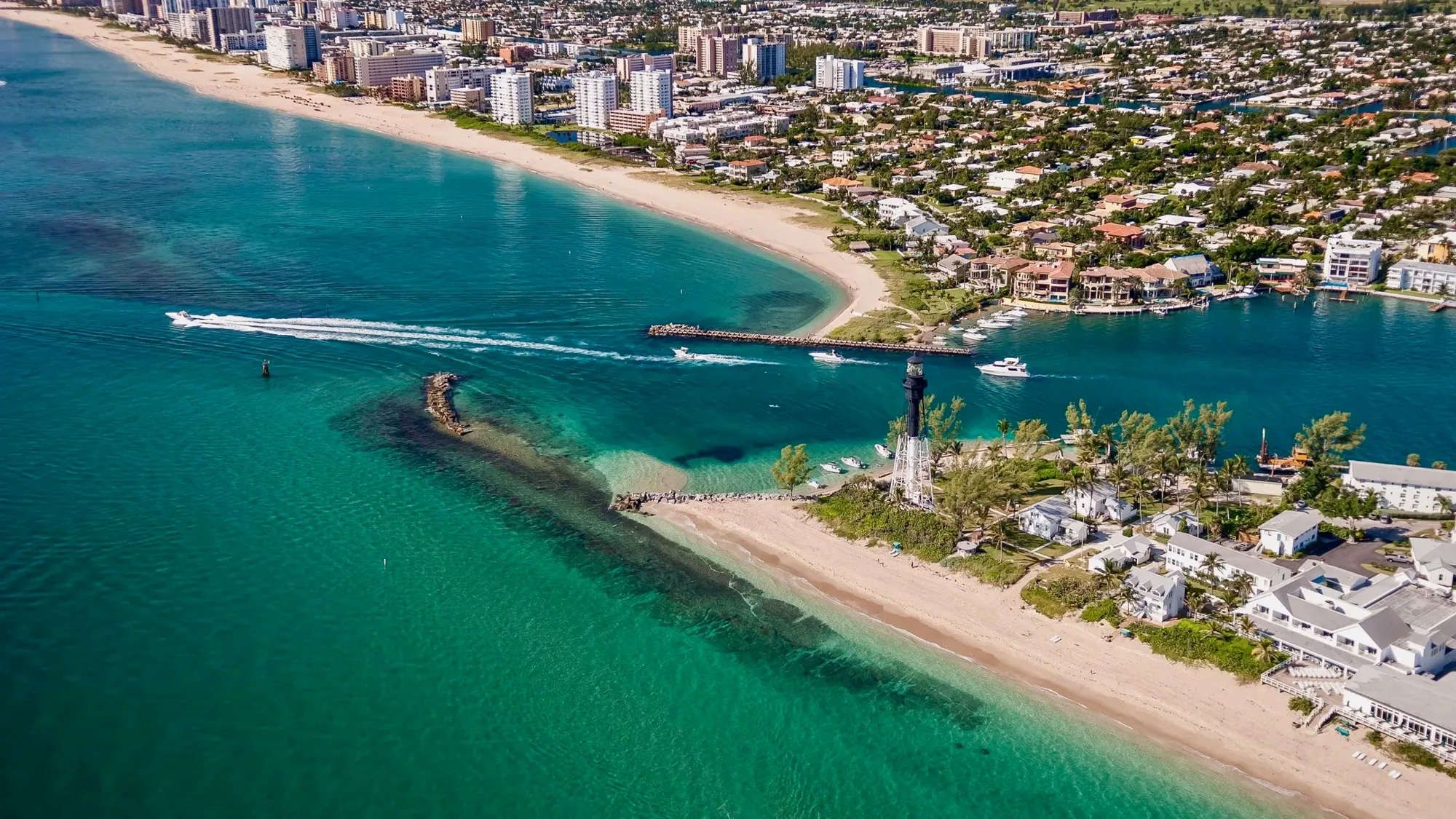
Westfield Broward: what a big multi-tenant property asks of its roof
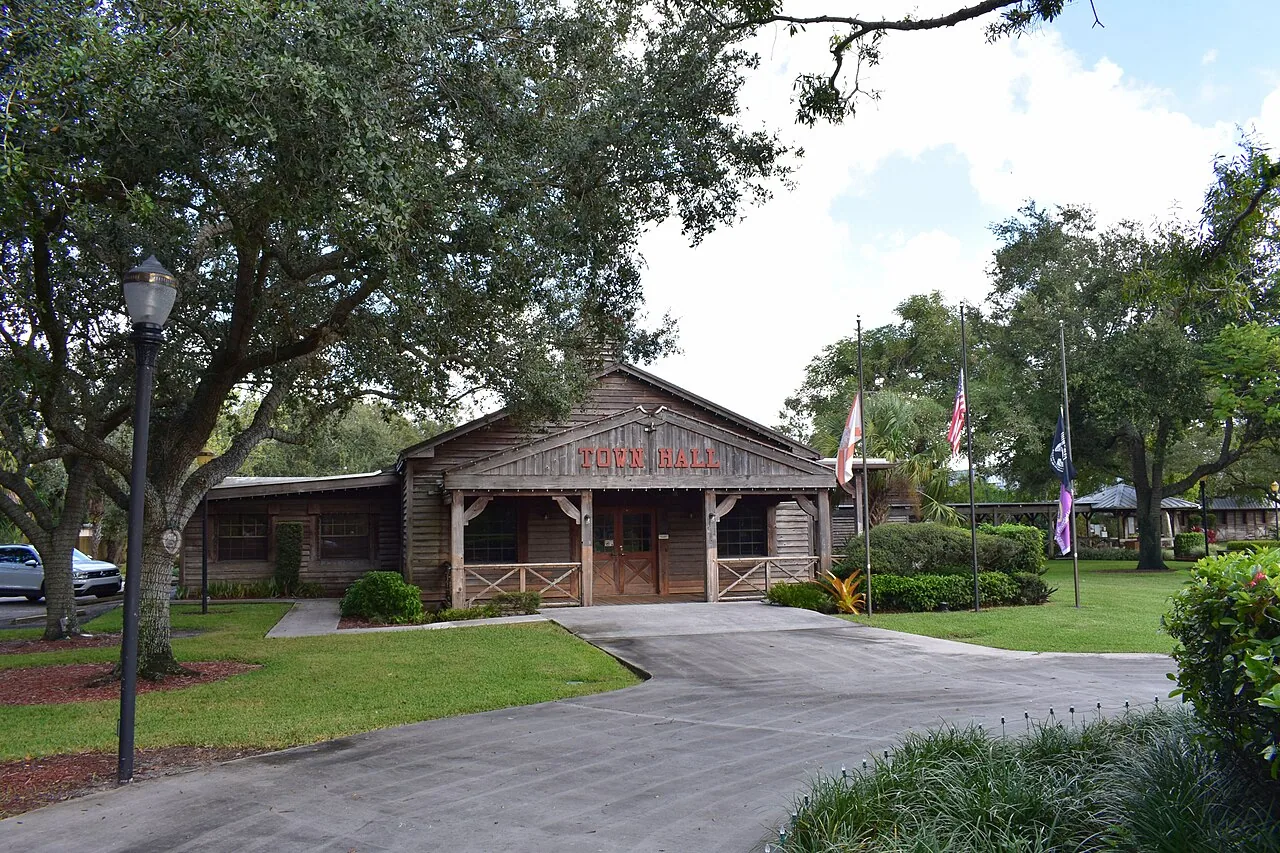
Westfield Broward, formerly Broward Mall, opened in 1978 and holds about a million square feet of building under Pacific Retail Capital Partners. A property like that gets read section by section: how many separate roof sections there are, how they were joined, and which of them show the most wear. Different sections age at different speeds, and the oldest seam decides when the water gets in.
Tenants come and go, and each change can add a rooftop unit, an exhaust run or a new opening. We check every one of them: the flashing, the sealant, the support, and whether an abandoned penetration was capped properly or simply left. An owner with this much building under one ownership usually gets more from a ranked plan than from an emergency call, because a roof condition report sorts every section into repair now, coat soon, or replace on a schedule.
Plantation Walk: new construction meets hurricane season
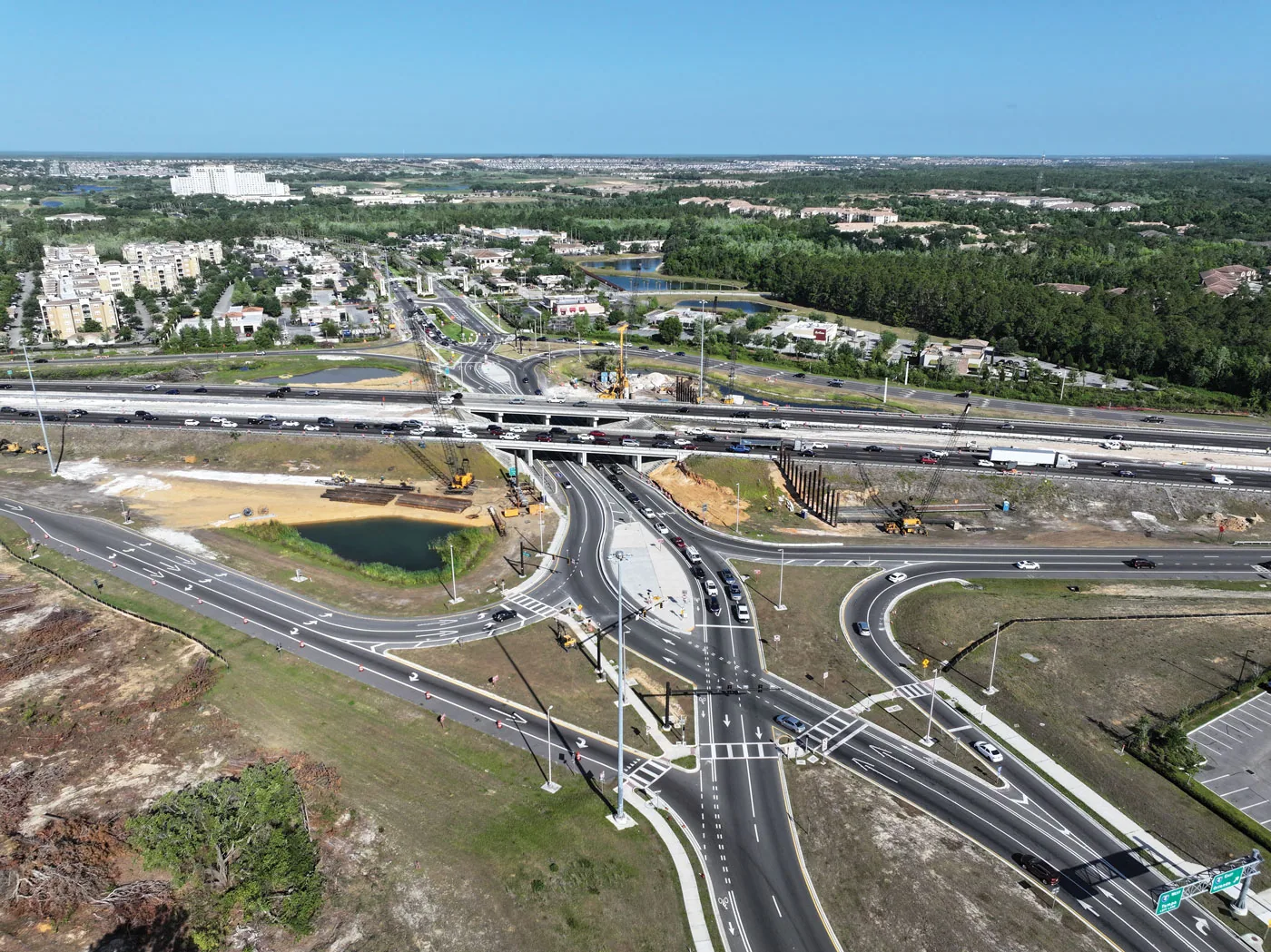
The former Fashion Mall at Plantation site is being redeveloped as Plantation Walk, a project of about $350 million with 700 apartments and 200,000 square feet of shops and restaurants. New construction carries roof risks of its own, and the biggest one is timing. A deck dried in during June sits through the wet season while every trade keeps walking on it, cutting openings and setting equipment.
That is where new membranes pick up their first punctures, and where temporary flashings and unfinished edges meet their first gust front. We look for scuffed membrane along the foot paths, penetrations added after the roofer left, and kitchen exhaust curbs on restaurant roofs, where grease and heat chew through the wrong material. Apartment roofs bring plenty of plumbing vents and exhaust stacks, and every one of them is a spot that has to be flashed well.
Headquarters and Offices: DHL, TradeStation and little room for a leak
Plantation is also home to DHL's US Express headquarters and to TradeStation, and an office roof runs on different priorities than a retail or warehouse roof. A leak over a work floor means moved desks, drying equipment and phone calls from tenants, not just a bucket in a corner. We plan for that with early starts, work in small sections, and tear-off only as far as the crew can dry in the same day.
On an office building we spend extra time at the mechanical penthouse, the drain lines that drop through the building and the parapet walls, because water that gets in at those spots often shows up on a different floor from where it entered. An infrared moisture survey can trace the path before anyone has to open a ceiling.
Hurricane Rules: what a Broward re-roof has to carry
Wilma's 98 mph gust at Pompano Beach in October 2005 came with roof damage reported all over Broward, and Irma's gusts across most of the county ran 80 to 100 mph in 2017. Plantation sits in the same county and the same High Velocity Hurricane Zone, so a roof here is judged by the same standard. Broward asks ordinary Risk Category II buildings to be designed for 170 mph, and every outside layer of a roof, membrane through fastener plate through edge metal, has to carry Miami-Dade product approval (a Notice of Acceptance) earned by testing for flying debris, repeated pressure swings and water getting in after impact (TAS 201, 202 and 203).
A permit filed today is reviewed under the 8th Edition code, with the 9th due around the end of 2026. We price a roof with matching, approved components and detail the edges and fasteners to that rating, which is also how we approach hurricane damage repair after a storm has already taken a corner or a section of edge metal.
First Walk: what we check, and what moves the price
We start at the drains and scuppers, then walk the perimeter, then the seams, the wall flashings and every unit curb. Soft spots underfoot and stains in the ceiling below get a closer look. The report comes in writing with photos, and its findings are ranked so a property manager can pass it straight to ownership.
The options run from spot repair to a restoration coating to recover to full replacement. Wet insulation, the penetration count, tenant access and the calendar before the next wet season set the price and the schedule. Owners who also hold buildings in Sunrise or elsewhere in Broward can fold those roofs into one schedule and one order of material.
A portfolio with a second Broward address benefits from one photo standard and separate roof plans; apply that process to Fort Lauderdale as well.
Questions We Hear Often
Can one leak on a mall or plaza roof be fixed without replacing the whole thing?
Usually, if the insulation under it is dry. We trace the water back to the flashing, seam or curb it is coming through, repair that, and survey the area around it to make sure nothing wet is hiding. Replacement enters the picture when the survey finds wet insulation spread across a good share of the roof.
Does a brand new building still need roof attention in its first wet season?
It does. Construction traffic, late-added penetrations and temporary flashings are the usual weak points on a new roof, and a walk after the first heavy storms catches them while they are small. Cheap to fix in the first year, expensive to chase in the third.
How fast can a crew get to a Plantation roof after a storm?
Our emergency line runs all day and all night, holidays included. We send a crew as soon as the lightning has passed and it is safe to climb, then tarp or dry-in the opening and photograph the damage for the insurance claim.
Which code edition applies if I pull a roof permit this fall?
The 8th Edition, which has governed new permits since the end of 2023. Expect the 9th to arrive around the end of 2026. Either way, every exterior roofing component in Broward needs a valid Miami-Dade Notice of Acceptance.
Is a coating worth it on a retail roof that is a few leaks from done?
Only when the insulation underneath is still dry. A coating seals small seam and fastener weak spots and sheds some of the afternoon sun load, but it cannot dry a wet roof. We survey first, and if the moisture is widespread we tell you before you spend money on coating.