Army Installation Roofing in Pompano Beach, FL
A garrison does not shut down for the wet season. Between May 15 and October 15, 60 to 70 percent of the year's rain falls on South Florida, and the buildings on an Army post have to keep working through every one of those afternoon storms. If you manage roofs for a post, a tenant command or a contractor holding the work, the weather is the same South Florida weather the rest of us work in, just with tighter rules about who can climb up and when.
Pompano Beach, FL is our home base, and U.S. Army Garrison Miami sits roughly 30 miles south-southwest in Doral. Army roof work in this part of Florida runs on the post's calendar, not a contractor's, so military installation roofing starts with access and mission schedules.
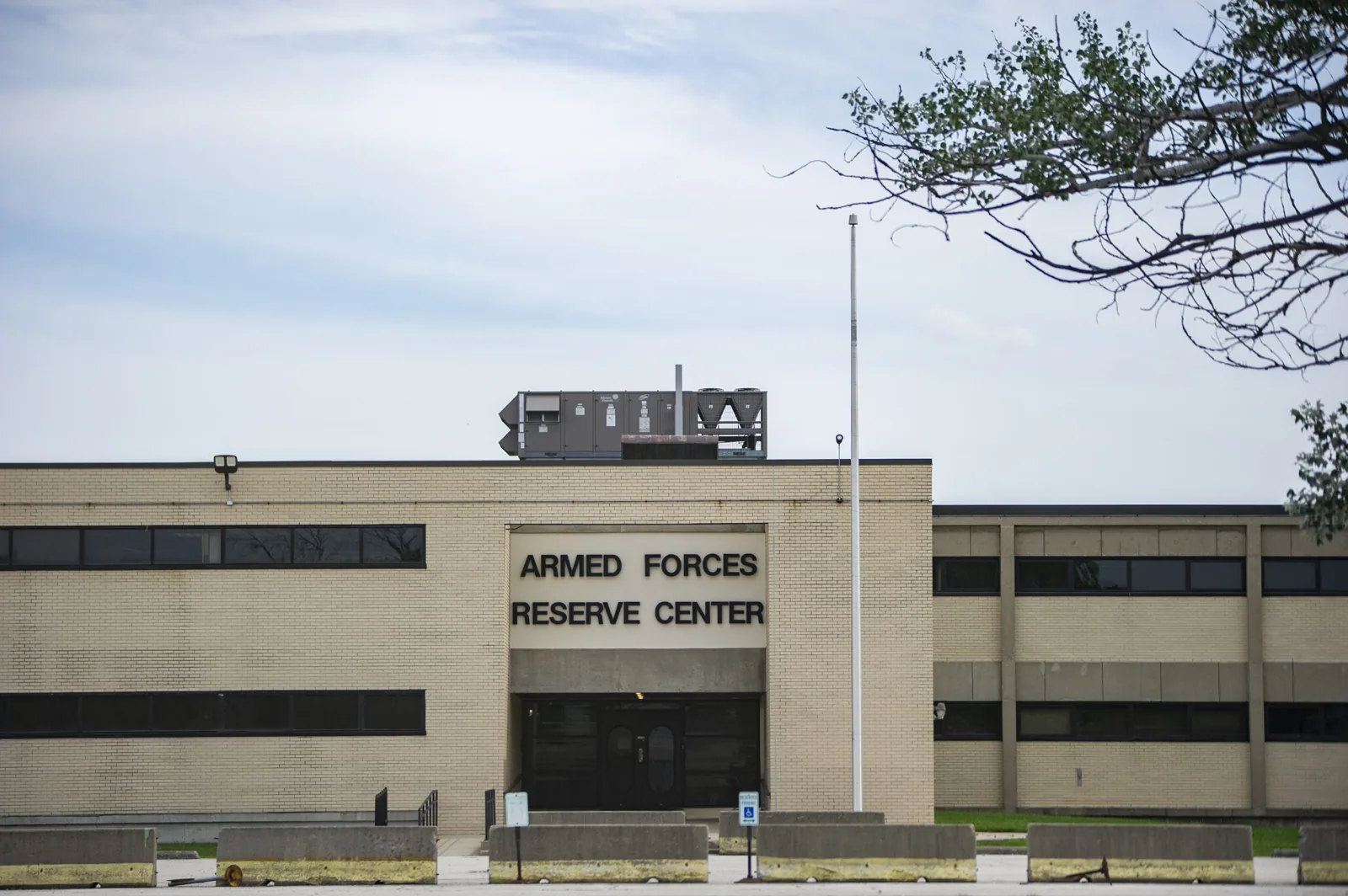
Garrison Miami: the post in Doral and who works there
U.S. Army Garrison Miami was established in 1997 to support the Southern Command headquarters after it moved from Panama. It sits north of Doral Central Park, about 6 miles west of Miami International Airport. SOUTHCOM is a joint command of more than 1,200 military and civilian personnel from the Army, Navy, Air Force, Marine Corps and Coast Guard, and the post also hosts the 410th Contracting Support Brigade and the Logistics Readiness Center-Miami as tenants.
A building shared by several offices has several people who care about a leak, a loud morning or a closed stairwell, so a roof closure rarely involves just one point of contact. Army installations in general carry headquarters and office buildings, barracks, supply warehouses and vehicle maintenance sheds, each with its own roof and its own tolerance for interruption. Like other government buildings, they answer to a budget cycle as much as to the weather.
Getting Through the Gate: badges, escorts and delivery windows
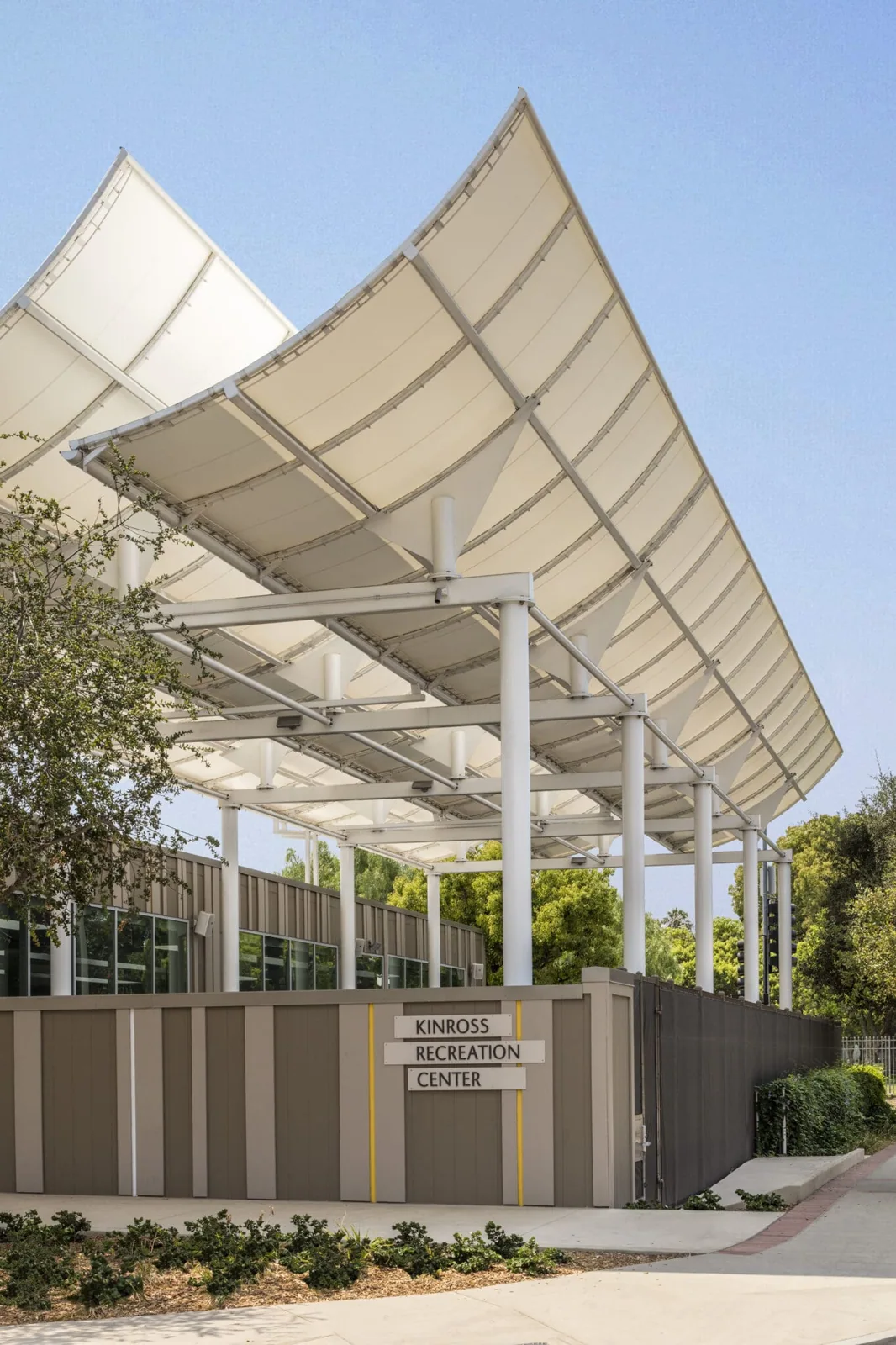
Every Army post controls who comes in. Crew names go to the installation ahead of time, visitor passes or badges are issued to specific people, and a materials truck arrives on a list and may be inspected at the gate before it reaches the building. A crew member who shows up with no paperwork gets turned around.
We plan for that on the front end. Crew lists are fixed early, deliveries are timed to the post's gate hours, and staging goes in the laydown area the post assigns instead of wherever is closest to the building. Where an escort has to stay with the crew, the number of people on the roof follows the number of escorts available. Start dates follow badge approvals, not the truck schedule. Gate rules shift from post to post, and a Navy facility on the coast has its own.
Built to the Book: federal criteria and Broward's wind rules
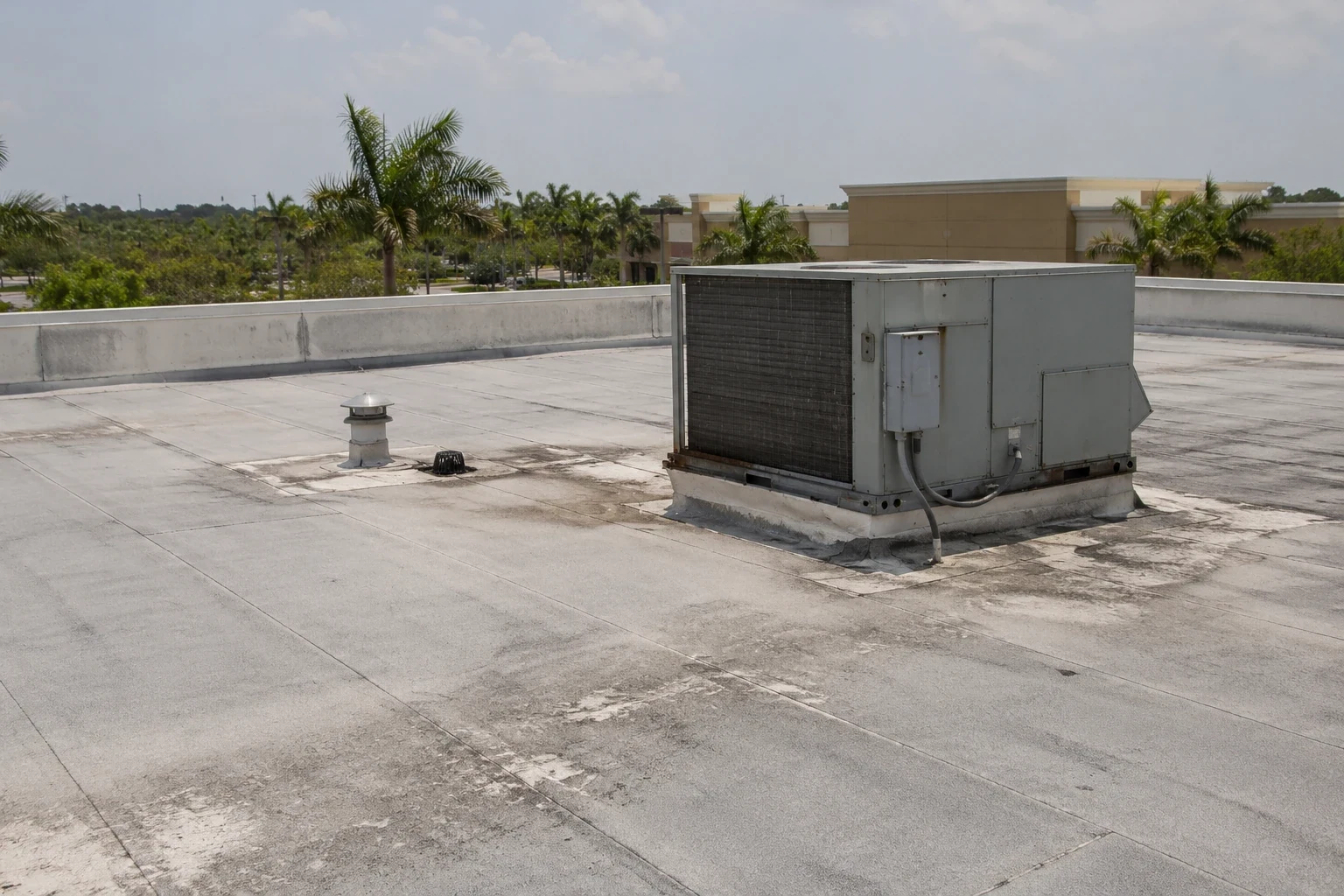
Federal roofing on a post usually answers to the Unified Facilities Criteria (UFC) for roofing, a technical standard that speaks to system choice, drainage, insulation, flashing and wind resistance.
A roof on a post has to prove itself on paper before a crew unrolls anything. Broward's hurricane zone rules ask for the same discipline: Risk Category II buildings are designed for 170 mph wind, and each exterior roofing product must hold a Miami-Dade approval proven in missile impact, cyclic pressure and water-after-impact tests. That habit of matching each fastener, adhesive and edge detail to an approved assembly carries straight over to a federal job.
Mission Hours: working around what the building does
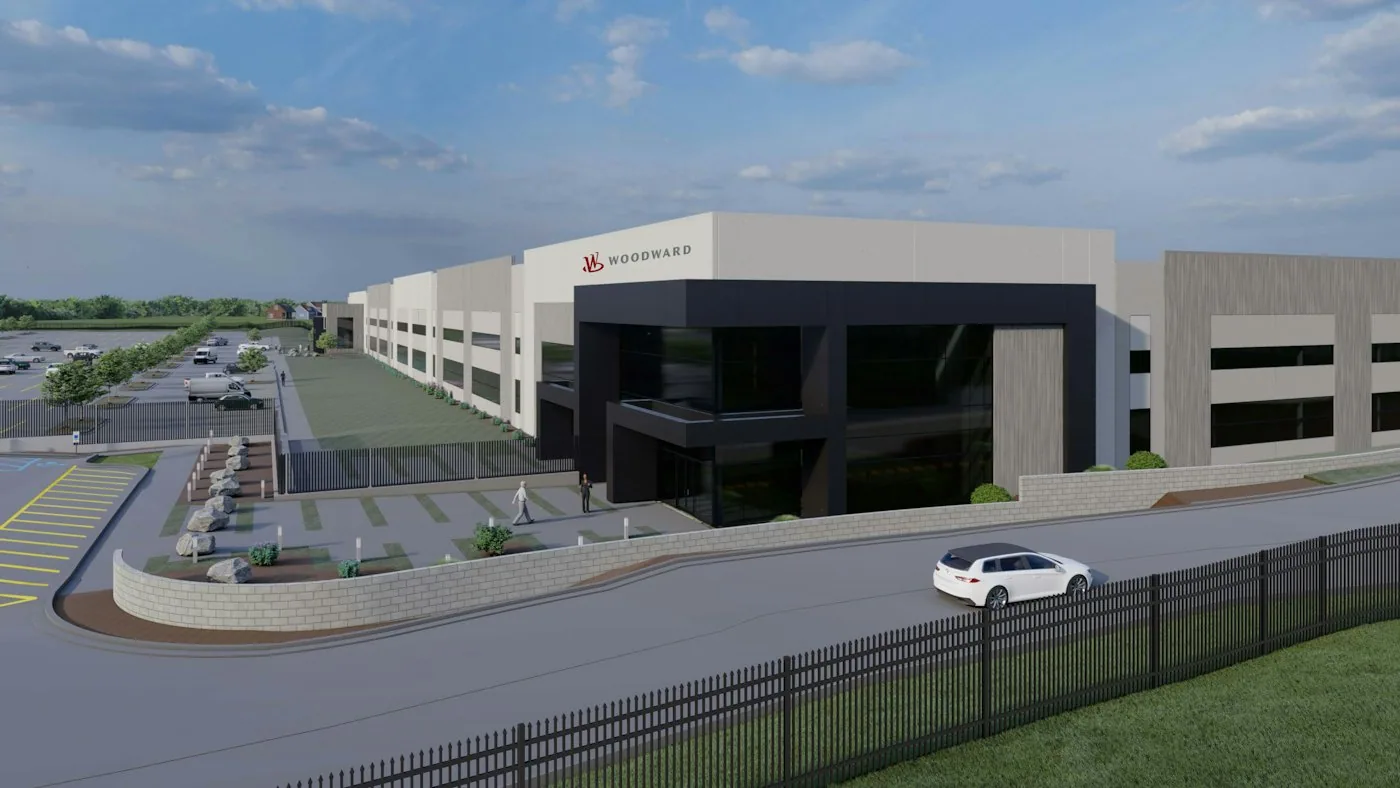
A roof over a headquarters or a logistics office is working overhead of people who cannot simply go home for a week. Hot work such as torch-applied membrane is often restricted near occupied space, fresh-air intakes have to be protected from adhesive fumes and exhaust, and noisy tear-off may need to happen in the early hours or on a weekend when fewer people are inside. Cold-applied and mechanically attached systems often make the schedule easier.
Rooftop antennas, dishes and communication equipment are a different category from ordinary mechanical units. We treat them as the building's own technicians' business: we flash and seal around the supports, we leave the gear alone, and we coordinate with the people responsible before any curb or platform gets touched. The same courtesy applies to lightning protection and anything bonded to a building's grounding.
Hurricane Season on Post: edges, equipment and the dry-in
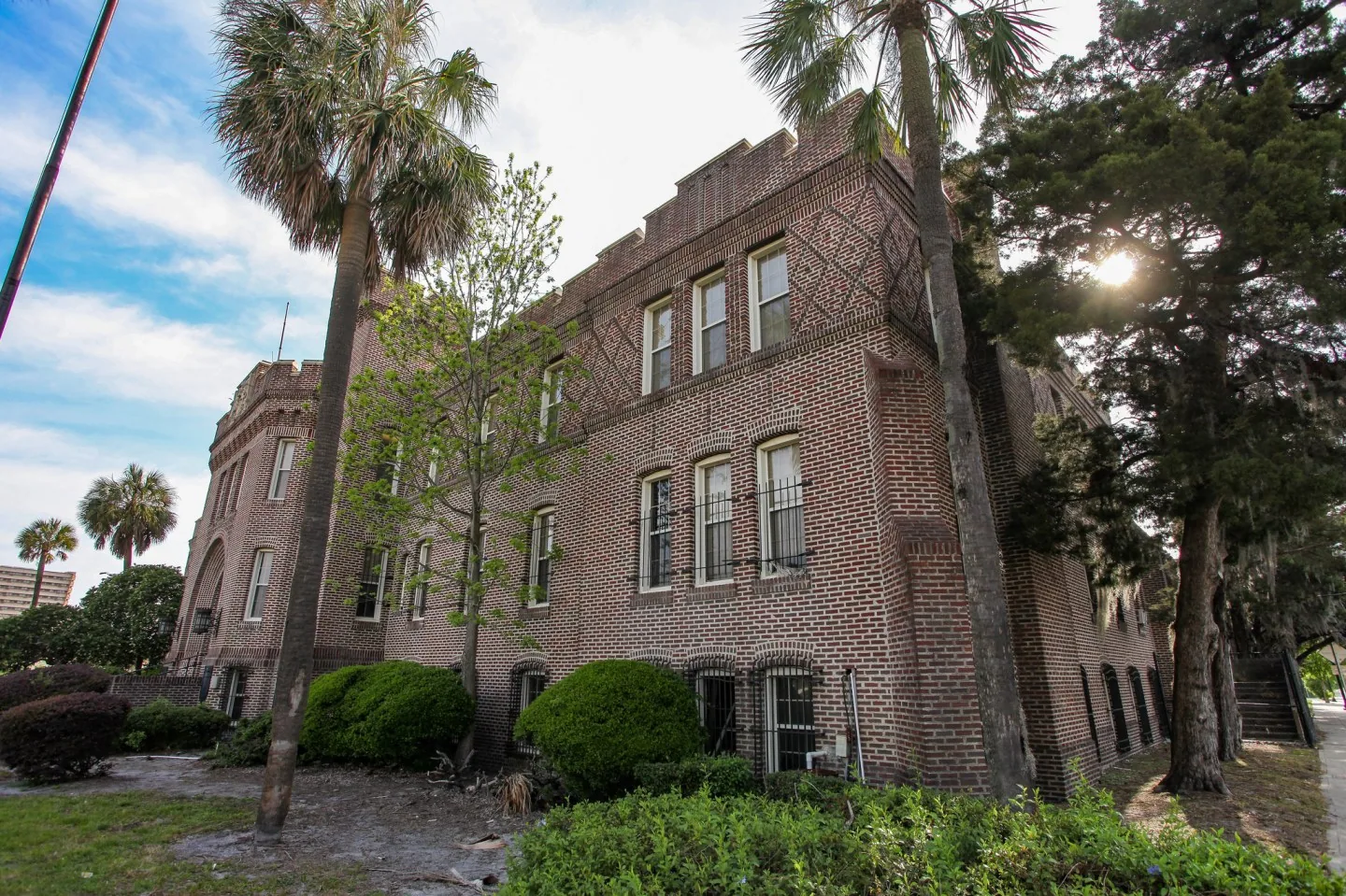
When Hurricane Wilma crossed South Florida as a Category 3 storm in October 2005, its eye covered most of Broward, with gusts of 99 mph at Fort Lauderdale. Irma, in 2017, put gusts as high as 100 mph over the county, spun up three tornadoes and pushed roughly 3 feet of surge onto the coast. Those are the storms a roof on a post has to be ready for, and the roof edge, the cap flashing and the tie-downs on rooftop equipment carry most of the load.
Before the season we walk the perimeter metal, check the fasteners and sealants, clear drains and scuppers, and look at how rooftop units are strapped down. After a storm passes, the first job is a dry-in: stopping the water so the offices below can reopen, even if the permanent repair has to wait for materials and a gate pass. A quick temporary seal with a firm follow-up date beats a perfect repair that takes two weeks to start. Storm damage roof repair and hurricane damage repair both follow that order.
Paper Trail: condition reports a contracting office can use
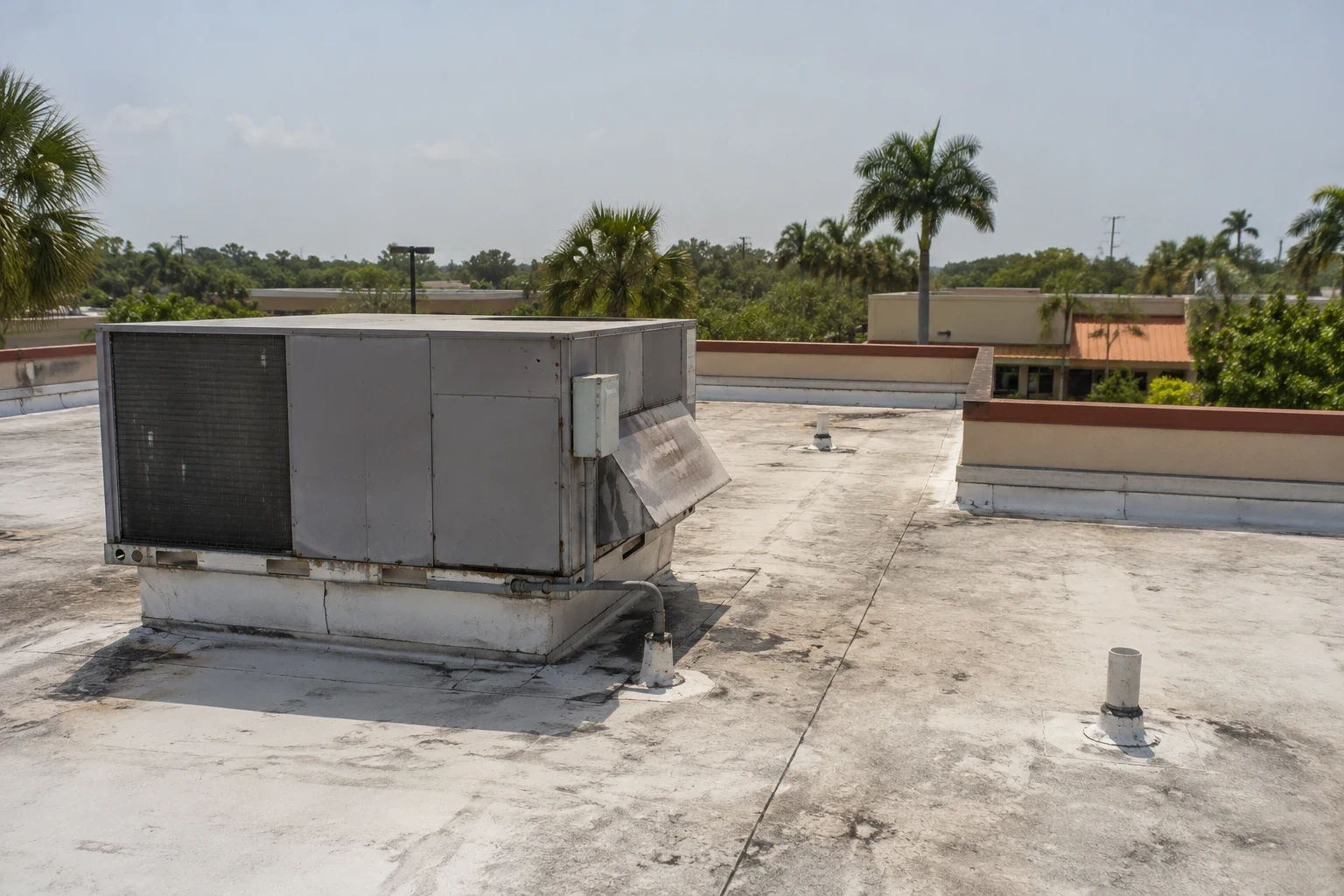
A roof program on a post starts with knowing what is on the roof. We do hands-on inspections, drone flights and infrared moisture surveys, then write up a condition report with photos, drain locations, flashing problems and areas of wet insulation. A contracting office reading that report can see where money is going, rank buildings by need, and write a scope that matches the roof, not a guess made from the ground.
We label each photo with the roof section and location and say plainly what we found. If a building needs full replacement, the report says so and shows why. If a repair and a preventive maintenance program will carry it through a few more seasons, that is what the report says. Public agencies planning budgets need both answers.
Questions We Hear Often
How far is U.S. Army Garrison Miami from Pompano Beach?
About 30 miles south-southwest, in Doral, where U.S. Army Garrison Miami sits north of Doral Central Park. Distance, access requirements and the installation's schedule all belong in the work plan.
Who gets onto an Army roof, and how soon can a crew start?
Only people the post has approved. Names, identification and a delivery list go in ahead of the first morning, and start dates follow those approvals. A rush job is still possible when the paperwork moves, but a crew standing at the gate without it will wait.
Can a leak over an office be stopped without moving everyone out?
Usually we work from the roof side first. A temporary seal, a patch over the entry point and a tarp where the membrane is open can stop most water within a day, and the people below keep working. The permanent fix is scheduled once the area is dry and the access is arranged.
What does a hurricane do to a post's roofs that an ordinary week does not?
The edges and anything bolted to the roof take the load. Wilma brought roof damage across Broward, and a long run of perimeter flashing that looked fine in July can peel in September. We check the edges, the fasteners and the unit tie-downs well before the season.
Which roof systems suit Army buildings in South Florida?
Whatever the specification names. Low-slope buildings commonly get TPO, PVC, modified bitumen or built-up roofing, and metal buildings get standing seam or a retrofit panel. Heat, humidity, salt air and afternoon storms push us toward systems that shed water quickly, reflect sun and hold up at the edges.