Government Building Roofing in Pompano Beach, FL
Once a hurricane warning goes up over Broward, most businesses shutter the windows and send people home. City hall, the fire stations and the offices that run emergency response do the opposite, and they expect their roofs to be tight when everyone else is gone. That is a different standard from an ordinary commercial building, and it shapes how a government roof in Pompano Beach, FL should be inspected, specified and maintained.
The City of Pompano Beach is the largest employer in town, with 1,354 people on its payroll, and the buildings behind that number include city facilities and the hangars at the city-owned Pompano Beach Air Park. We repair, recover and replace roofs for public owners, write scopes that hold up in a sealed bid, and keep service counters, courtrooms and crews working while the roof is open overhead.
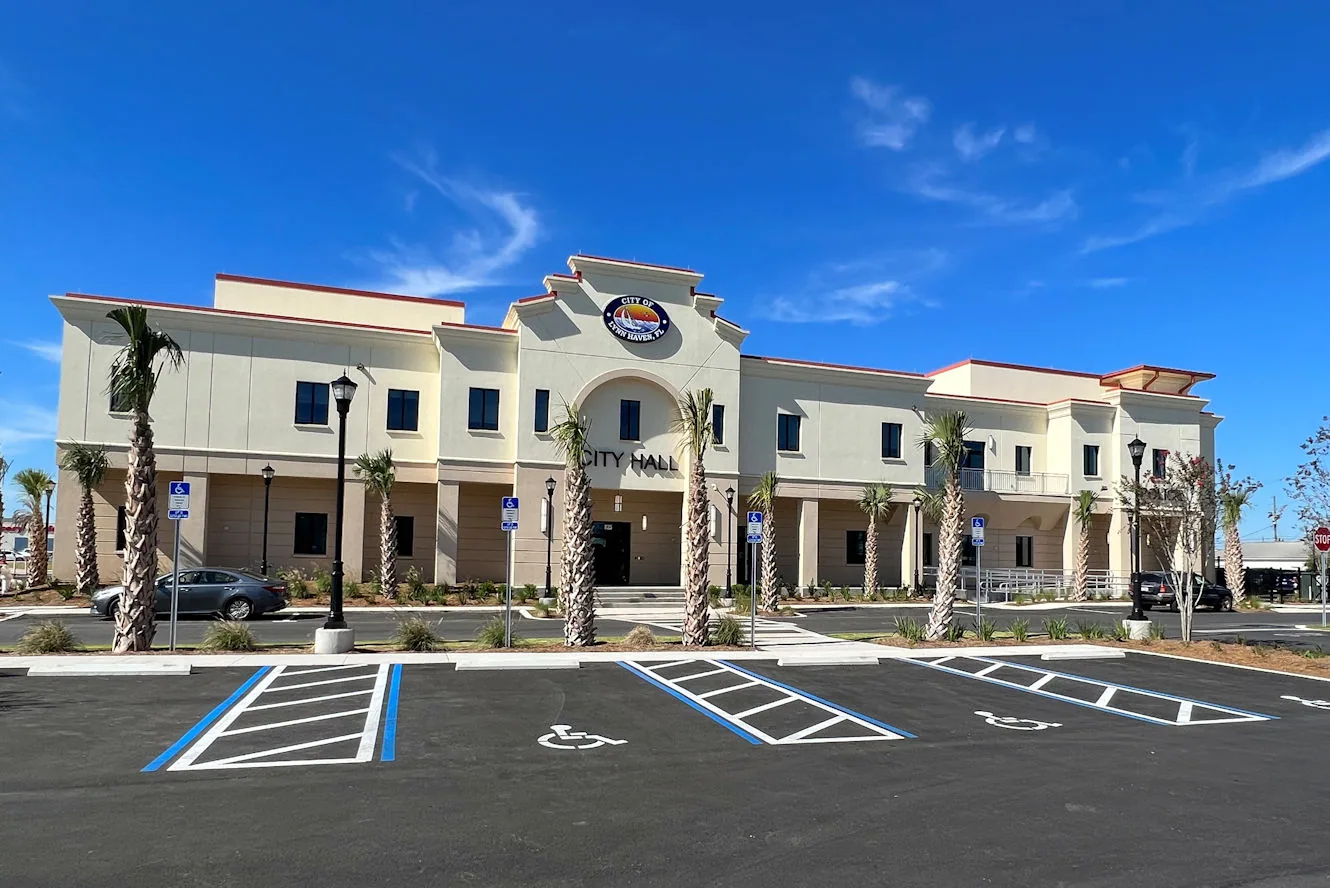
Essential Facilities: roofs that have to work after the storm
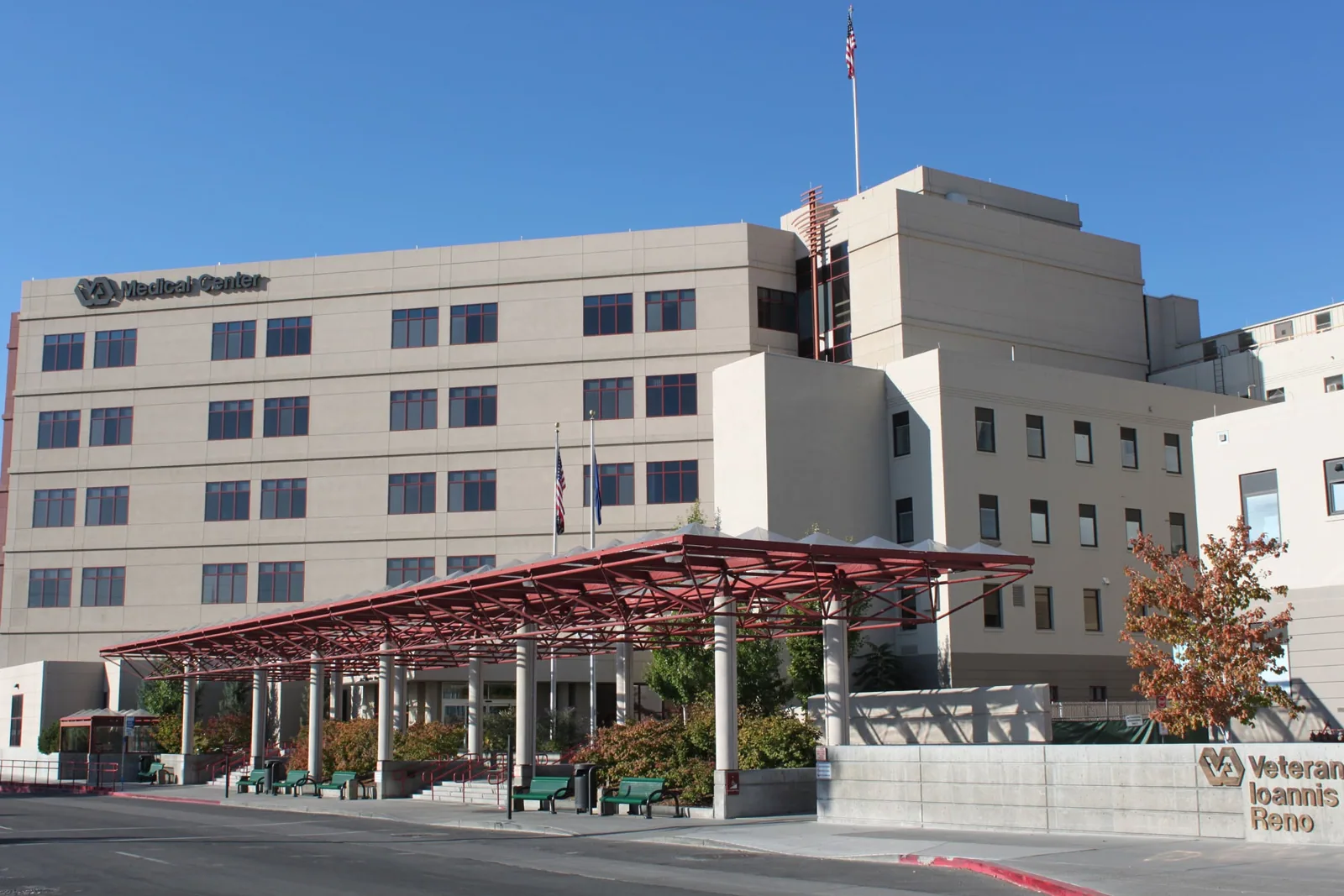
Buildings that house fire, rescue, emergency management and similar functions are generally designed to a higher risk class than an ordinary office, because the community needs them standing the morning after. Broward County sits in Florida's High Velocity Hurricane Zone, and for those buildings the engineer of record sets the design wind. What does not change is the product list: roofing components carry Miami-Dade approvals, and the assembly has to have passed impact, cyclic pressure and water-after-impact testing.
Hurricane Irma put three tornadoes on the ground in Broward in 2017, one of them an EF-0 near Oakland Park, and Hurricane Wilma's wide eye crossed most of the county in 2005. Neither storm was the worst one imaginable, which is the point. Public owners plan for the storm after those. We look hard at perimeter metal, equipment tie-downs and drain capacity, because those are the details that decide whether an essential building keeps its ceiling through the next one.
Public buildings benefit from a roof scope that can be checked line by line. We separate immediate leak repairs from preventive work, note the materials and attachment pattern, and document any deck condition that may change once the roof is opened. The schedule should account for public entrances, security screening and regular hours of operation. At closeout, photographs and maintenance notes give the facilities team a baseline for the next budget cycle and help the next crew see whether a reported leak is new or follows a previously repaired transition.
Bid Day: how a public roof scope gets written and compared
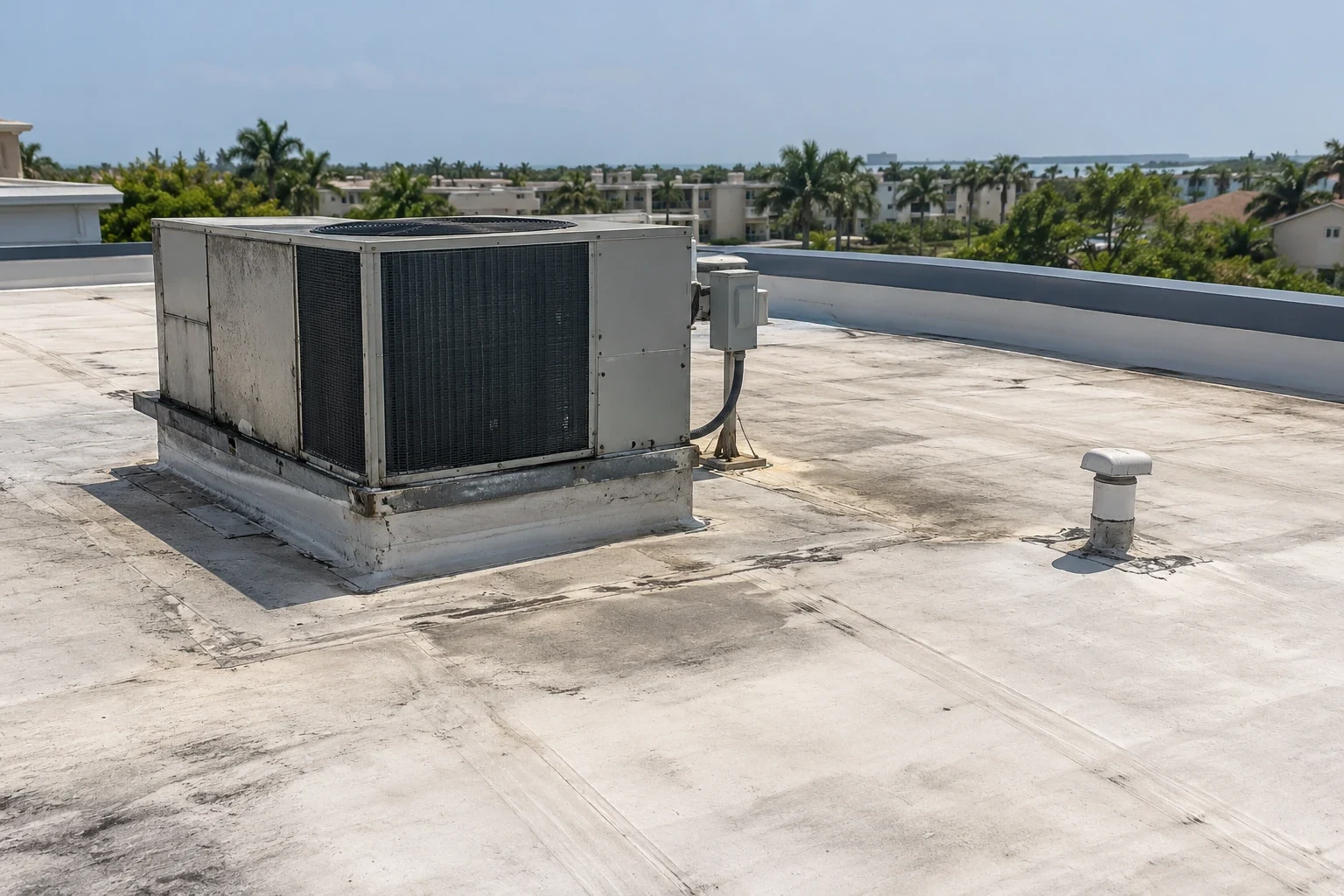
Public roofing work usually goes out for competitive pricing, and the quality of the bid depends on the quality of the scope. A vague scope invites a low price and a change order after the tear-off reveals wet insulation. We help owners write clear scopes with a roof plan, photos, core samples, moisture findings and a unit price for replacing wet insulation or damaged deck, so every bidder prices the same job and the surprises have an agreed number.
It also helps to separate the condition work from the construction work. A roof condition report done before specifications are drawn gives the facilities department a record it can share with a council, a budget office or a purchasing agent. Procurement rules vary from owner to owner, and our role is to supply facts, drawings and photographs that make the process easier on everyone involved. Public agencies that plan this way tend to reach bid day with fewer questions.
Bond Money and Long Lives: matching a roof to the asset it protects
Pompano Beach funded a Fishing Village on 6 acres of beachfront, the Fisher Family Pier and the Pier Garage with a $181 million general obligation bond covering parks, bridges and city facilities, and it is planning a 70-acre walkable downtown on top of that. Public money like that is meant to last, and a roof that fails early undercuts the whole investment. The A1A Ocean Boulevard Corridor sits in full salt-air exposure, and the planned downtown Pompano Beach would start a whole new set of roofs on the same aging clock.
Matching the system to the building matters more than any single product. A garage deck, a recreation center and a records office all call for different details, and the cheapest membrane is not always the cheapest roof over thirty years. We lay out the realistic choices with maintenance needs, wind performance and expected service life, so an asset manager can set the decision against a long-range plan rather than a single year's budget. Our roof capital planning work is made for that conversation.
Open Doors: roofing above counters, courtrooms and secure sites
A public building cannot close because the roof needs work. Residents still come to the counter, staff still answer phones, and inspectors still come through the door. We plan tear-off by sections, protect entrances with overhead covers, keep deliveries and public parking clear, and set a daily dry-in routine so a surprise afternoon storm never finds an open roof. Noisy work moves away from courtrooms, council chambers and hearing rooms on meeting days.
Secure sites add their own rules. Correctional facilities, evidence rooms and police buildings use escorts, tool counts, restricted hours and background checks, and a facility like Broward County Correctional, with 640 employees on the city's principal employer list, runs under rules like these. We follow whatever access procedures the owner sets, give the owner crew names ahead of time, and keep the work area tightly contained.
Hangars, Depots and Decks: the less obvious public roofs
Not every public roof sits on a city office. The Pompano Beach Air Park is city-owned, with hangars and shop buildings, and any aircraft hangar roof has long spans and big door openings to detail. The South Florida Regional Transportation Authority, which runs Tri-Rail, is headquartered in the city. Recreation centers carry humid indoor air and large rooftop equipment, much like a fitness center, and parking structures have roof decks that take sun and standing water directly.
Between bids, a maintenance routine does more for a public roof than most owners expect. A typical wet season brings 8 to 10 significant flood events to South Florida, and buildings with clear drains and tidy scuppers handle them better. Quarterly drain cleaning and a post-storm walk catch the small things before they become a closed room, and a preventive maintenance program is what keeps that routine from slipping.
Questions We Hear Often

Can you help us write the roofing scope before we go out to bid?
Yes, and it is one of the most useful things we do for public owners. We bring photos, core findings and a moisture map, and we draft the scope with unit prices for wet insulation and deck repair so the bids can be compared line for line.
What changes on a roof that houses emergency services?
The design wind speed and the testing standards, which the engineer of record sets. We look closely at edges, curbs and equipment attachment, and we schedule repairs so the building stays operational throughout.
How do you handle secure or restricted buildings?
With whatever procedure the owner requires. Escorts, badge checks, tool counts and restricted hours are normal for those sites, and we share crew names and equipment lists ahead of time.
Do public roofs need a different permit process?
Roof work in Broward falls under the Florida Building Code, 8th Edition, for permits applied for now, with Chapter 15 and the HVHZ test protocols governing the roof. Public owners may add their own review steps, and we provide the product approvals and drawings that reviewers ask for.
Is it better to repair a city building roof or replace it?
Repair when moisture is limited and the membrane still has years in it, replacement when wet insulation covers a large share of the roof. A moisture survey and a few core samples give you the numbers to defend either choice.