Holcim Elevate Roofing in Pompano Beach, FL
A hurricane watch over Broward sends property managers digging for roof paperwork, and the binder for an older roof may carry the name Firestone Building Products on its cover while the manufacturer now trades as Holcim Elevate. Same product lines, new name, and the mismatch is easy to trip over at claim time and warranty time.
We install, repair and maintain Holcim Elevate systems on commercial roofs in Pompano Beach, FL, and we work on the older Firestone-labeled roofs that are still up there. The line includes UltraPly TPO and PVC single-ply, RubberGard EPDM, polyiso insulation and metal edge products, all of it installed in a county with a wet season, salt air and High Velocity Hurricane Zone rules.
One Company, Two Names: working from Firestone paperwork
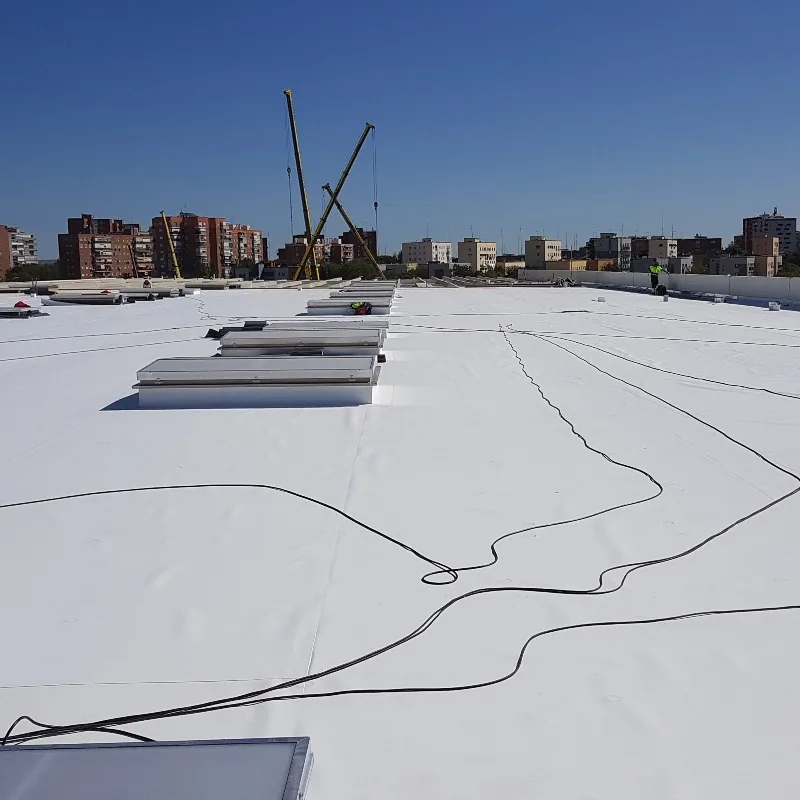
Any roof installed before the name change carries Firestone on its closeout documents, product data and warranty correspondence. When we take over maintenance of one, we start by matching the paperwork to the roof: what membrane, what thickness, what insulation, and what attachment pattern went in. The plans and permit file at the city usually fill in the gaps, and a core sample confirms what the documents say. If the numbers disagree, we trust the core.
That match matters because a repair material has to be compatible with the sheet below it. A TPO patch on an EPDM roof does not bond, and a PVC weld on TPO does not take. Once we know what is on the roof, we can repair it with the right sheet, adhesive and primer, and we can record the work so a future warranty question has a paper trail. A warranty file is only as good as that match, which is where warranty management starts.
For an older Firestone-labeled roof, a repair begins with identifying the installed sheet and checking the closeout documents against the roof itself. The membrane type, thickness, attachment and seam method guide compatible repair materials. If plans are incomplete, a carefully chosen test area can confirm the assembly before a broad patch is made. We also photograph the transition between older and newer sections, since a later addition may use a different product even when the building's records carry one manufacturer name.
Before a patch, we keep a small sample of the existing sheet for comparison and record the repair location in the maintenance file. That helps the next crew start with the right material.
UltraPly and RubberGard: choosing between welded and rubber
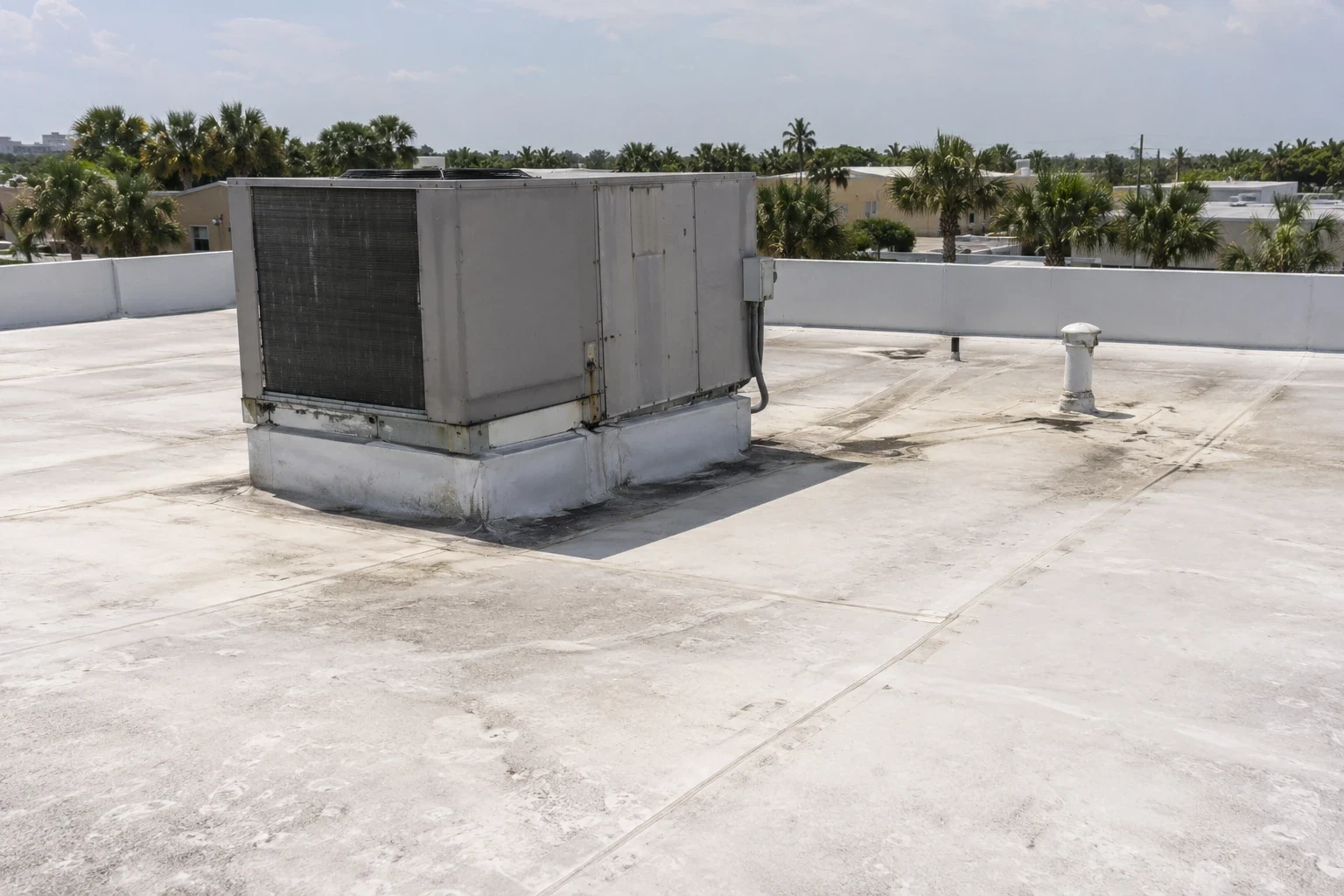
UltraPly is the heat-welded line, in TPO and in PVC. RubberGard is the EPDM line, cured rubber with taped or adhesive laps. They behave differently under a wet-season sun. Welded white sheets reflect heat and form a continuous skin, but need a clean overlap and dry weather. Black rubber absorbs heat, tolerates a lot of movement and is easy to patch with the right primer, though old laps can lift. Owners comparing EPDM roofing against a welded sheet should ask about how each handles standing water, foot traffic and rooftop equipment.
Carlisle sells a similar spread of sheets, so owners often put a Holcim Elevate bid next to one from Carlisle SynTec and ask which is better. Owners leaning toward PVC for a kitchen or coastal roof often add Sika Sarnafil to that comparison, since its PVC sheet is a long-standing competitor in the same space. The sheets matter less than the details around them, which is where we spend our time on any bid.
ISO 95+ and Fasteners: what holds the roof down in 170 mph country
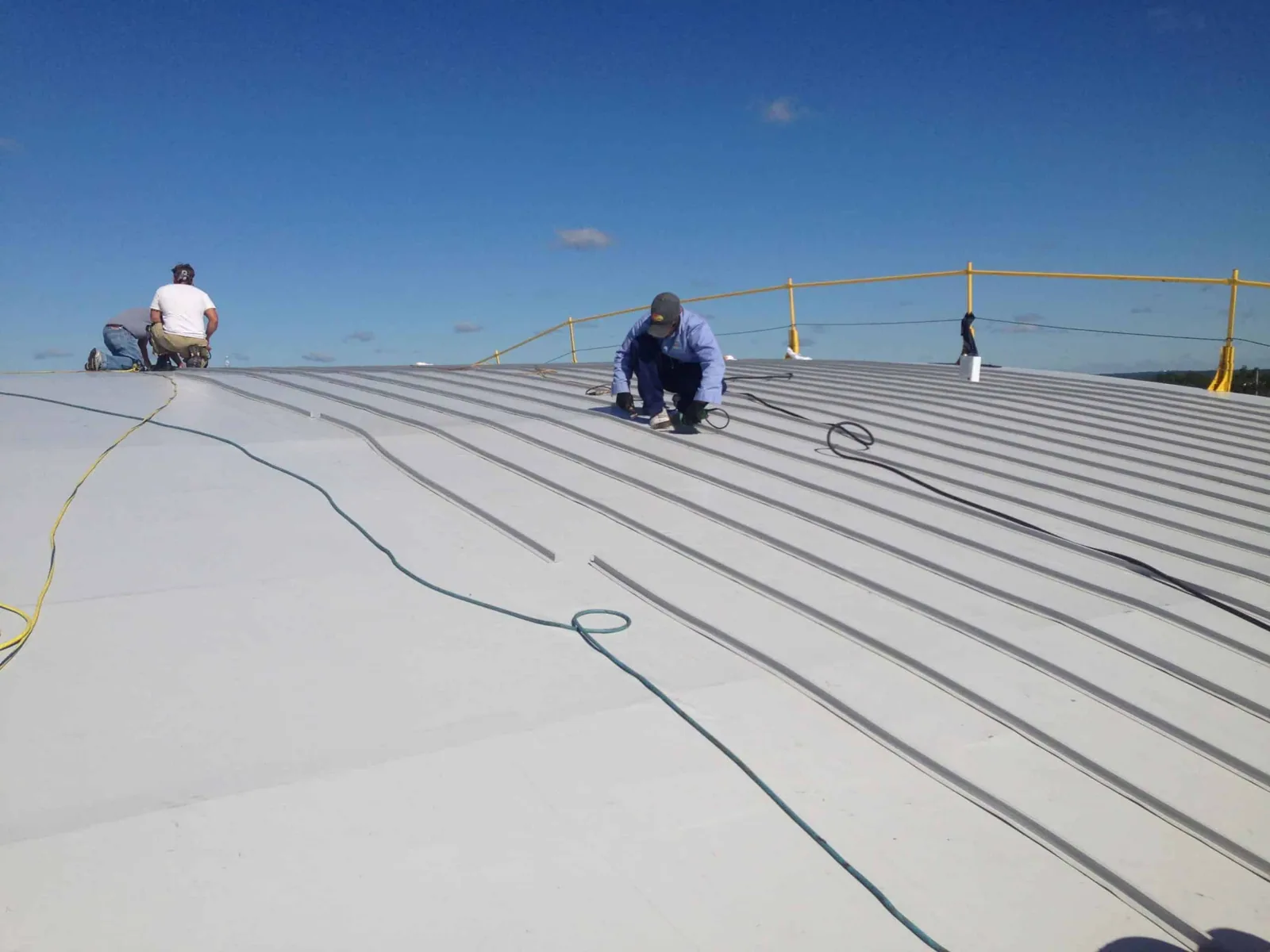
ISO 95+ is Firestone's polyisocyanurate board, and on many Holcim Elevate roofs it is the layer that gives the assembly its insulation value and its fastening base. Broward's High Velocity Hurricane Zone rules put the design wind at 170 mph for Risk Category II buildings, and each roofing component on the exterior needs a Miami-Dade Notice of Acceptance, which rests on missile-impact, wind-cycling and wet-after-impact testing. The board, the plates, the screws and the membrane are approved as a set.
Hurricane Irma's 2017 gusts of 80 to 100 mph across Broward were a reminder that attachment is the unglamorous heart of a roof. We follow the listed pattern, tighten it at corners and edges, and check pull-out on the deck before we commit to a fastener schedule. If the deck is weak, better to learn that on day one than when a gust finds it. The same logic applies to insulation and cover board: a roof is only as stable as the layer the sheet is fastened to.
Edge Metal: the detail salt air and wind attack first
Perimeter metal is where uplift first finds a roof, and it is also where salt air does its slow work. Along the oceanfront, the Fishing Village included, bare steel, cheap fasteners and thin gutters can corrode in a few seasons. The company also sells formed edge metal, copings and fascia that are meant to be specified together with its membranes. When the edge and the sheet are part of the same listed assembly, the whole perimeter performs like one piece.
Not every building needs new metal, and not every failure starts there. We walk the edges, tug at cleats, look for open joints and check how the membrane terminates behind the metal. Where corrosion has taken hold, we replace with coated or stainless parts instead of repainting. Details such as edge metal, coping and gutters carry a lot of risk for how little roof they cover.
Large Buildings: Air Park hangars and the roofs around them
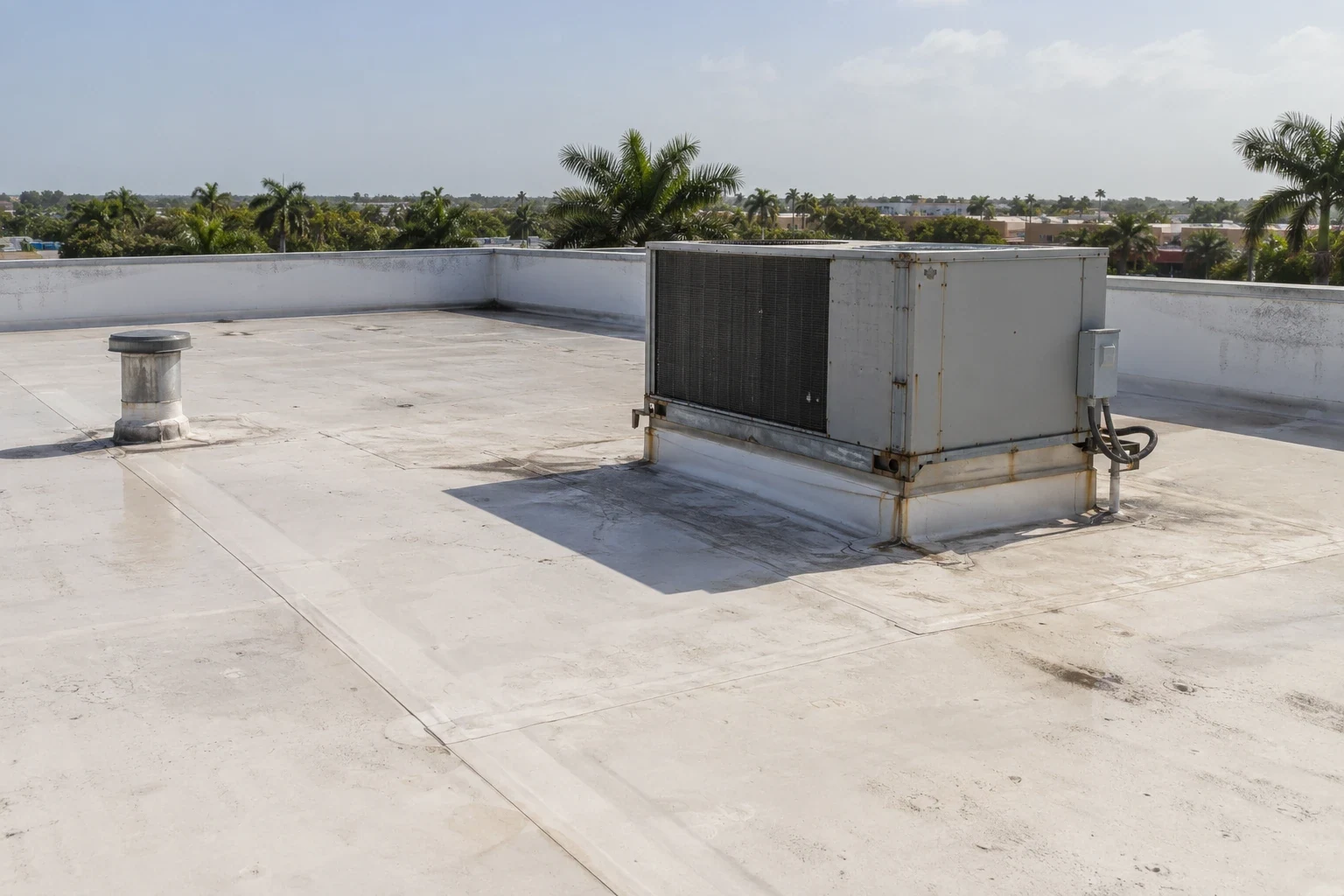
The Pompano Beach is a 650-acre, city-owned airport with hangars, aircraft maintenance shops and avionics shops. Hangar-style structures have wide spans and tall doors, which means heavy wind loading on the roof edge, and the work needs a crew that is comfortable at height. Access, fall protection and scheduling around flights and aircraft maintenance shape the plan before the first roll goes down.
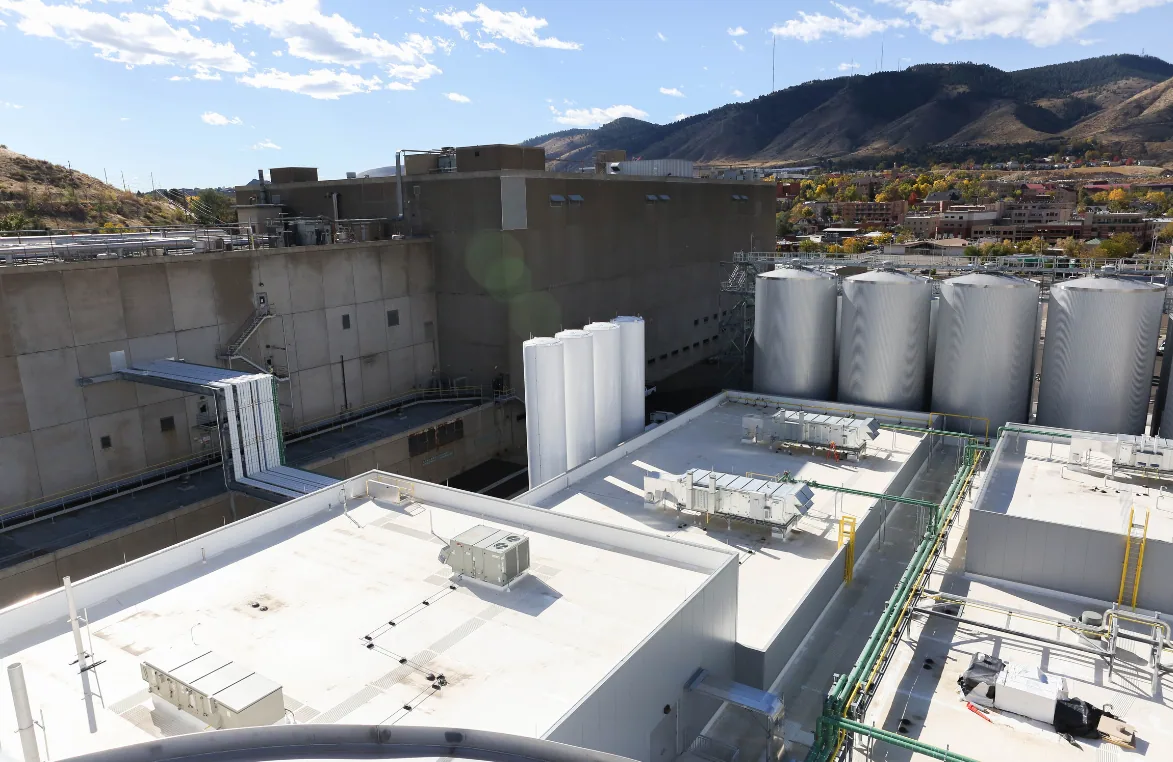
Waterfront buildings in Fort Lauderdale and on the barrier islands face salt and wind of their own. On any large building, we split the roof into sections, dry-in each one before the afternoon storms reach it, and photograph the work for the file. If a Firestone-era roof turns up, we know where to begin.
The wet season sets the working calendar. Between mid-May and mid-October most of a year's rain falls, with the stormiest weeks early on, so welded seams and adhesive-bonded flashings are laid in the morning and closed before the clouds build. Nothing is left open overnight. Tenants stay in the building, and the loud steps such as tear-off and hoisting are planned for the quietest hours the operation allows.
Questions We Hear Often
Are Firestone and Holcim Elevate the same company?
Firestone Building Products is now Holcim Elevate. Older roofs still carry the Firestone name in the paperwork, but the product lines and technical details carry forward.
Can you repair an old Firestone TPO roof?
Usually. We clean the surface, test how the aged sheet welds, and patch with compatible material. Badly weathered or contaminated sheet may call for a cover strip instead of a direct weld.
Why does the paperwork matter for storm claims?
Adjusters and manufacturers both want to see what was installed and when. A tidy closeout file shortens the argument.
What happens when a repair is done with the wrong sealant?
The patch can peel or react with the membrane and fail early. Compatible primers, sealants and sheet are not optional on single-ply.
Is RubberGard EPDM or UltraPly TPO better for a flat roof here?
They suit different jobs. EPDM is forgiving and easy to patch, while a white TPO or PVC sheet cuts surface heat. We compare them for your building.