Self-Storage Roofing in Pompano Beach, FL
Stored belongings never complain about a leak until the day a customer rolls up a door and finds a soaked mattress. Between May and October Broward gets rain nearly every afternoon, and a self-storage roof has no one inside to notice a drip, no ceiling tile to stain, and no maintenance crew walking the aisles. The first sign is often a tenant's phone call, and by then the water has had days to work. Insulated or climate-controlled buildings can hide it even longer, because the damage sits above a ceiling nobody opens.
We repair, retrofit and replace roofs on self-storage facilities in Pompano Beach, FL. Depending on the building, that can mean ribbed metal panels on a single-story row or a low-slope membrane above climate-controlled units. The goal is to keep water off the units, keep the office open on rent day, and send a building into hurricane season with fasteners tight and edges secured.
Long Rows, Low Eaves: where drive-up storage roofs fail
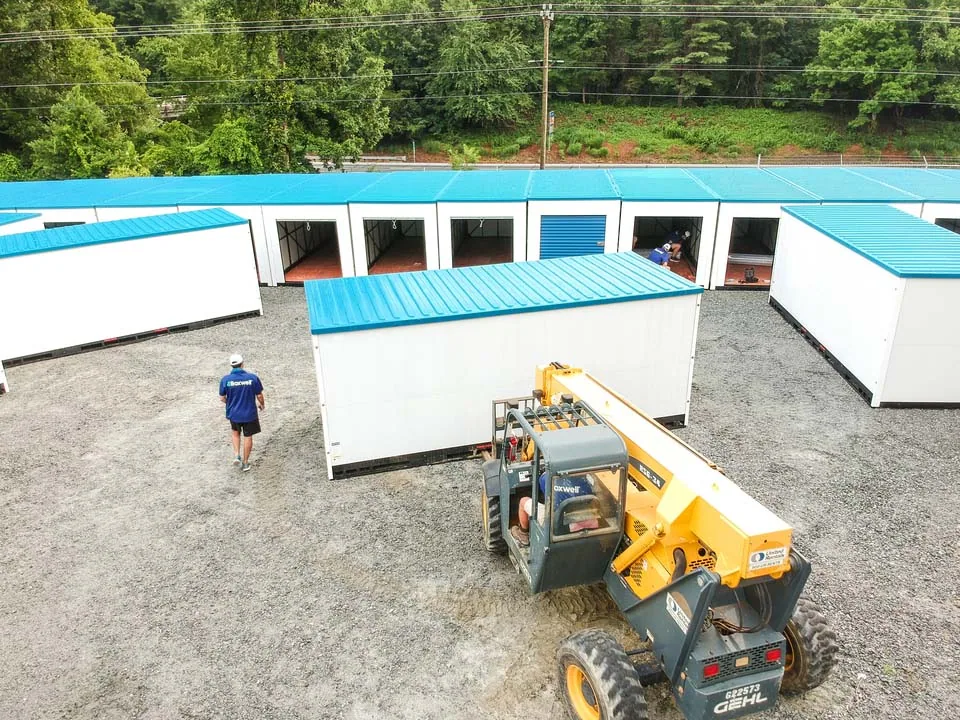
Most drive-up storage rows sit under metal panels held down by exposed screws, and those screws are the weak link. Sun and heat bake the rubber washers hard, the panels expand and contract every day, and fasteners slowly back out of the framing until a gap opens beside each one. Rain then runs along the screw into the unit below. A row can look fine from the lot and still have dozens of screws that have quit sealing.
We walk each row, probe the fasteners, check the laps between panels, and look at ridge caps, gutters and end-wall trim. Some rows need new fasteners and sealant, some need panels replaced, and some are worn enough that a metal roof retrofit over the existing panels makes more sense than patching. A standing seam metal roof hides its fasteners under the panel, which removes the most common leak path on this building type.
Self-storage buildings often have long, low roof runs with repeated unit rows beneath them. A leak may travel along a purlin or insulation joint before it marks a ceiling, so we compare interior reports with the roof plan and nearby penetrations. During a repair, managers need a clear path for customers and emergency access while the crew protects the open section. We also inspect gutters, downspouts and wall transitions at the ends of each building, where overflow can reach doors and stored contents even when the main field membrane remains intact.
Flat Roofs Over Conditioned Space: units that cool and must stay dry
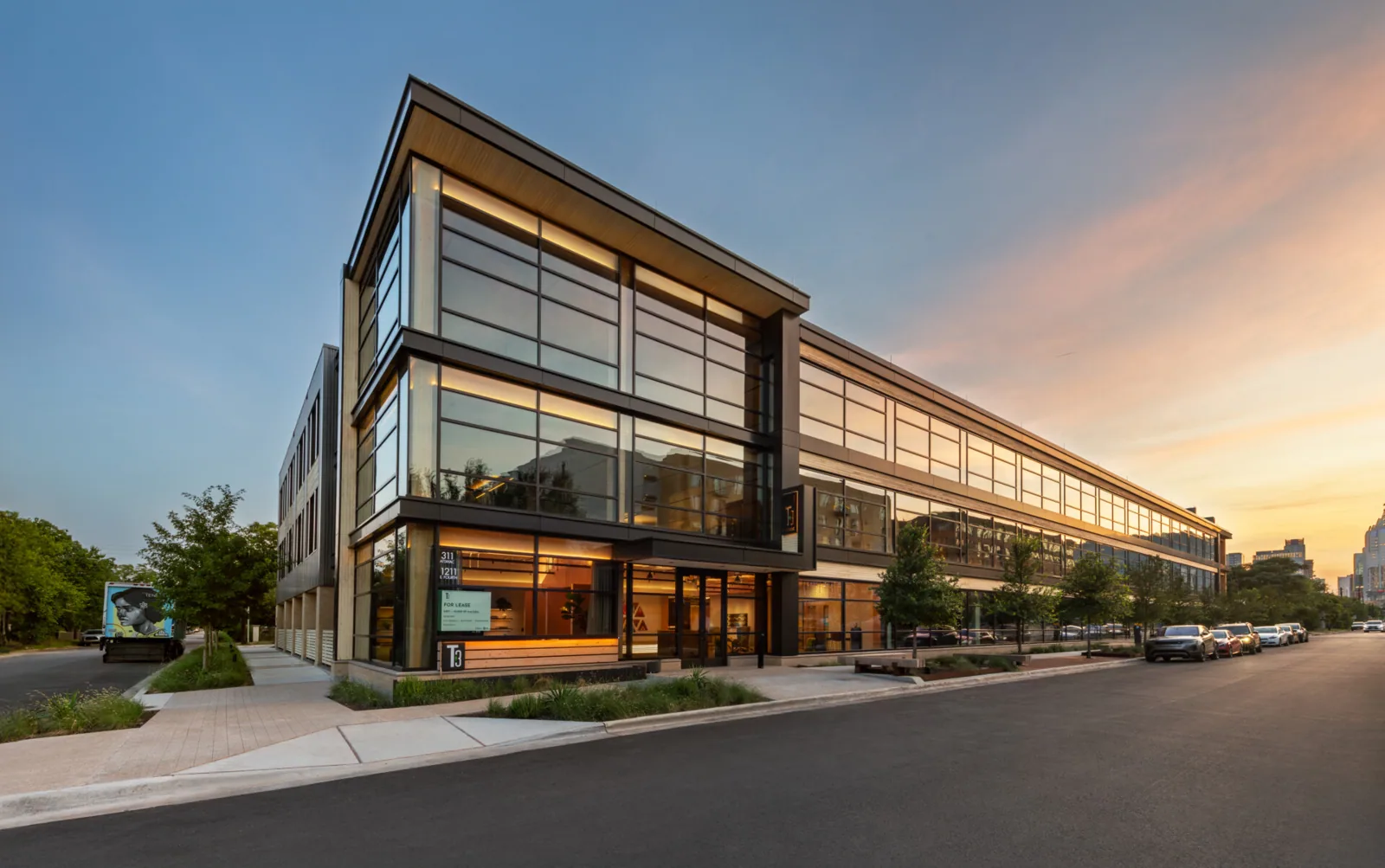
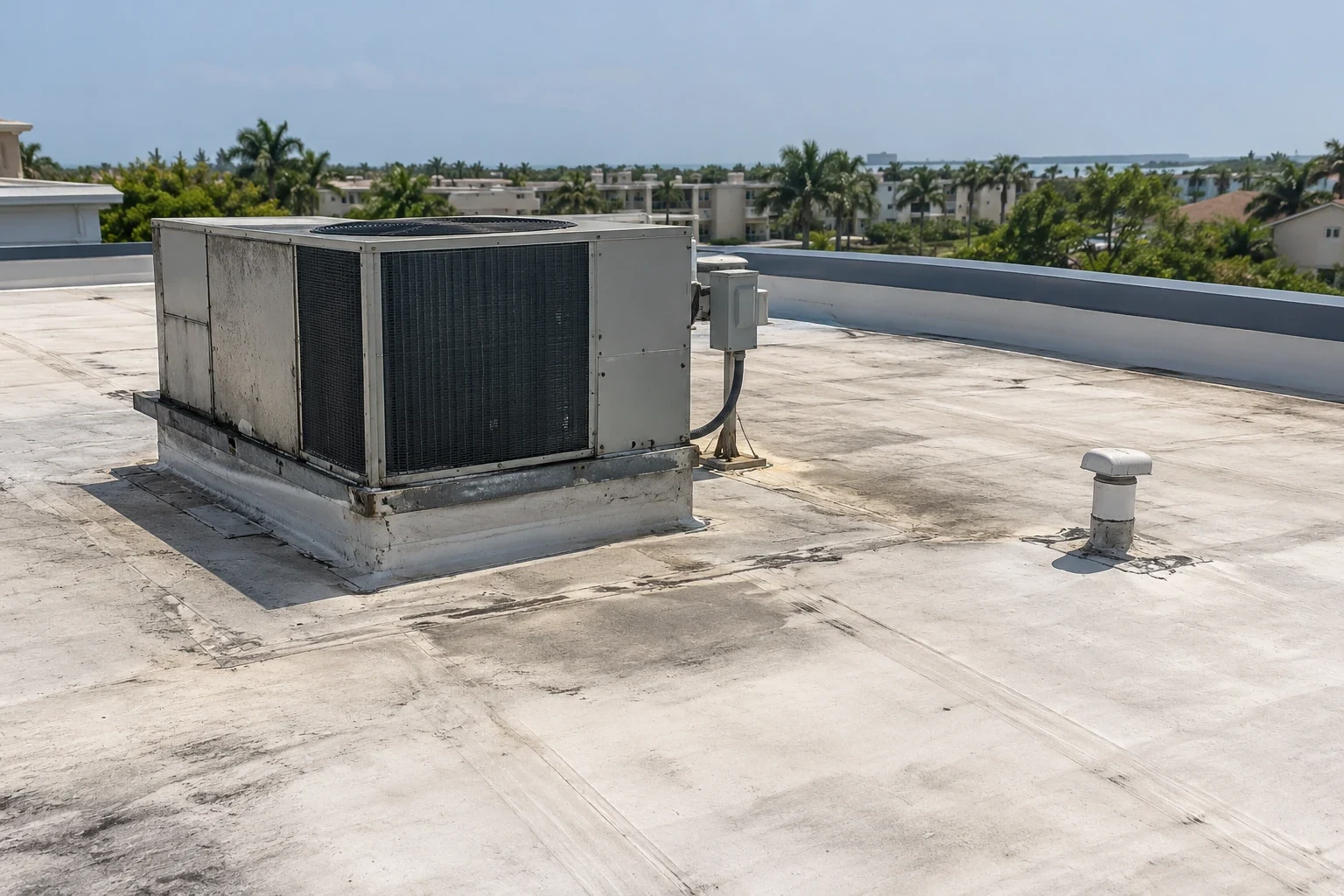
Multi-story storage buildings, and older retail or warehouse shells converted to storage, usually carry low-slope roofs with rooftop units cooling the corridors. Those roofs fail the way any commercial flat roof does: ponding water near slow drains, seams that open under daily heat, and flashing around every curb and pipe. Dewpoints sit in the 70s all summer, so a wet roof assembly over cool interior air also invites condensation and mold that spread beyond the original leak.
A white membrane such as TPO is a popular choice here because it reflects sun and welds its seams. The details around the equipment matter just as much as the field of the roof, and well-built rooftop equipment curbs and supports keep units from becoming leak sources. If the membrane is sound but tired, a roof coating can stretch its life after a moisture survey confirms the insulation below is dry.
Claims and Customers: when one leak becomes many
A single failed seam can wet a dozen units at once, and each tenant has a different idea of what was inside. The facility owner then fields calls, reviews the lease, talks to insurers and tries to prove the leak was weather and not neglect. Dated photos of the roof, a written finding and a record of repairs make that conversation shorter, and we provide all three after every visit.
Staying open is the other half. We work in sections, usually a row or a wing at a time, and the office stays open, the gate stays working and customers keep their access. Units directly under the work zone are noted in advance so the manager can call tenants who store sensitive goods. On facilities near an industrial park like Powerline Industrial Park, in the western end of the city, we also plan around delivery trucks and the lanes they need, much as we would for a nearby flex industrial building.
Panels and Ridge Caps: what hurricane season takes first
Hurricane Wilma arrived on October 24, 2005, at the end of a long summer of sun on exposed screws, and Hurricane Irma followed in 2017 with sustained winds of 65 to 70 mph across most of Broward. On a long storage row the first things to go are ridge caps, eave trim and the panels at the corners, where wind pressure is highest. Once one panel lifts, the next one follows, and a whole row can be opened in a single afternoon.
Broward is in the High Velocity Hurricane Zone, so a metal panel system needs a Miami-Dade approval and tested attachment like any other exterior roofing component. Before June we check edge trim, fasteners and panel laps, and after a storm we return to look at the same details. When damage is already done, wind damage repair begins with a dry-in so the units below stay protected while permanent work is planned.
Retrofit, Coat or Replace: how owners compare the options
Most storage owners weigh the same three paths. A retrofit adds new metal over the old panels and keeps the facility running, a coating system extends a sound roof, and a full tear-off resets the clock but costs the most and takes the longest. The right answer depends on the condition of the framing, the number of rusted or leaking panels, and whether the units below are rented or empty.
Price moves with total roof area, panel profile, slope, the number of penetrations, and how much framing needs attention. A warehouse-style building converted to storage brings the drainage questions of a typical warehouse roof. We give owners the options side by side, with photos of the roof, and let the condition of the building make the recommendation.
Questions We Hear Often
Can you re-roof a facility without emptying the units below?
Yes. Panels are replaced or covered from above, and units stay occupied. We time tear-off to dry mornings, dry in each section the same day, and tell the manager which rows are under work.
Why do metal storage roofs leak at the screws?
Heat bakes the rubber washers and the daily swing in temperature loosens the screws. Over time each one gets a hairline gap, and rain finds it. Re-setting fasteners with new washers, or going to a concealed-fastener panel, fixes the pattern.
What should be on the roof before hurricane season starts?
Tight fasteners, sealed laps, secure ridge caps and eave trim, and clean gutters. We add a photo record so you can compare after a storm.
Will a coating stop leaks on an old metal roof?
On the right roof, it can. Panels that are rusted through or fasteners that have backed out need repair first, and then a coating seals the surface. We check the metal before recommending it.
How do you handle a tenant who says their unit was damaged by the roof?
We give the owner dated photos, the location of the leak and a written finding of what caused it. Settling the claim remains between the owner, the tenant and the insurer, and the documents shorten that process.