Roofing for Hotel Owners and Hospitality Groups in Pompano Beach, FL
Guests judge a hotel by the room and front desk, and never think about what sits over their heads until a ceiling tile lets go. The Broward wet season runs from mid-May to mid-October, and a hotel roof takes a storm line most afternoons of it, with sun and humidity in between. An owner in Pompano Beach, FL lives inside that rhythm, and the roof is the one part of the property that has to keep up with it without anyone noticing, which is why good hotel roofing here starts with the weather and not the lobby.
We repair, recover and replace flat and low-slope roofs on hotels, motels, resorts and the dining and event buildings beside them. We plan work around check-in, pool decks and banquet nights, and we pick up the phone any hour of any day, holidays included, when a room starts taking on water.
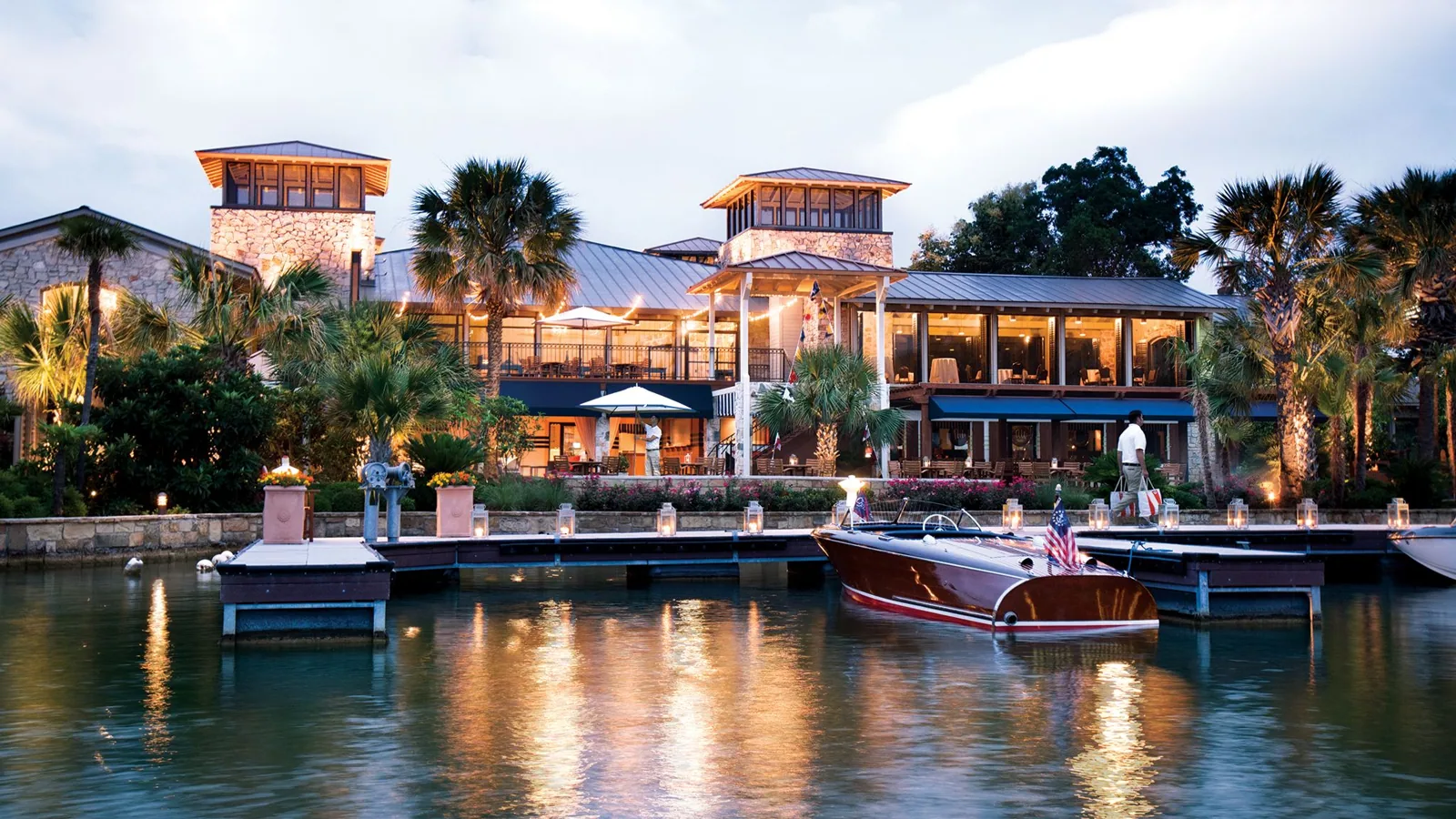
Salt and Sun: what the oceanfront does to a roof
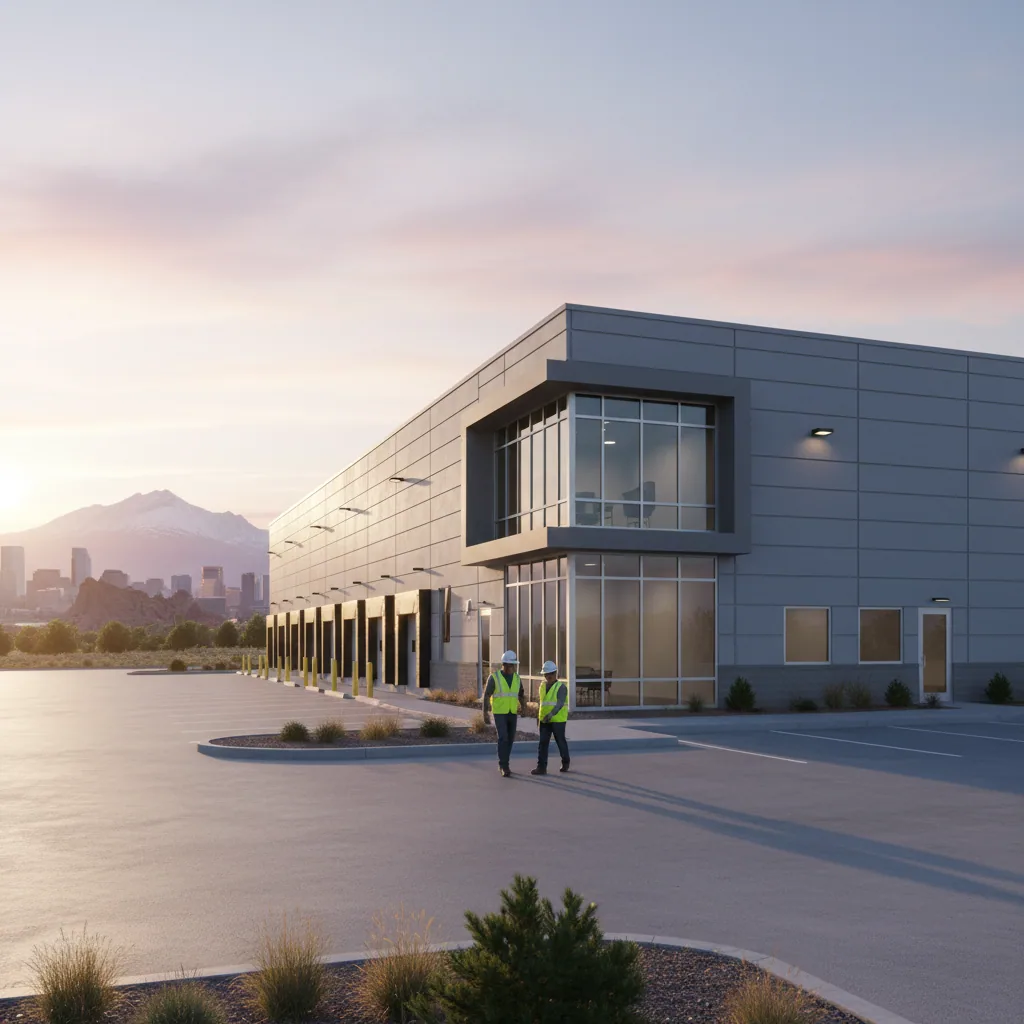
Pompano Beach's roughly three-mile shoreline exposes nearby roofs to salt air and open coastal wind, conditions that differ from an inland building off Powerline Road. Salt works slowly on fasteners, flashing screws, edge metal and the coils of rooftop air handlers, and it works faster wherever a sealant has chalked away. Most owners spot it first as rust streaks running down a parapet or a rooftop unit that keeps failing early.
Heat adds its share. With storms most summer afternoons and dewpoints in the 70s, a membrane gets hot, soaked and hot again for months. We check seams, base flashings and perimeter metal first, then say plainly whether a roof coating restoration can buy a few more seasons or whether the membrane is past the point where a coating helps.
Old A1A: mid-century motels and what is under the gravel
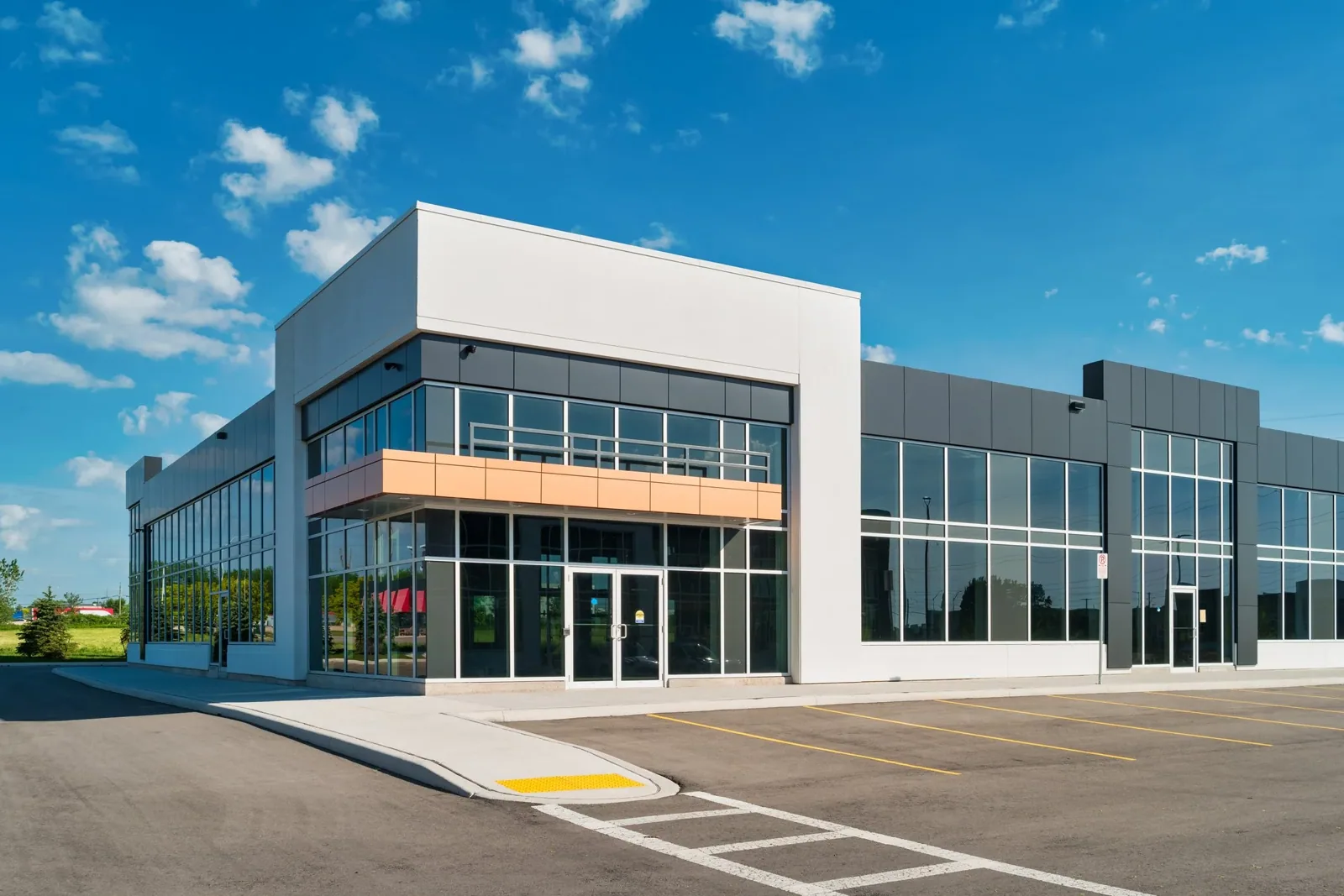
Lauderdale-by-the-Sea is a narrow barrier island town with A1A and Commercial Boulevard as its spine, Anglin's Fishing Pier at the water, plenty of hotels and motels, and many older commercial properties in a mid-century style. A style tells you nothing about the roof above it. It may be original, it may have been recovered once, and the only honest way to know is a test cut that shows the layers.
Layers decide the plan. A roof already carrying two systems often cannot take a third, so tear-off becomes the straight answer. A roof with one sound layer and dry insulation can sometimes take a recover, which is quieter and faster over guests. Groups that answer to investors get the same facts we see. Irma also put about 3 feet of surge on coastal Broward, so a coastal hotel's storm plan covers the ground floor and the roof, and we look at drains and edges as part of it.
New Ground: The Pomp, the Fishing Village and the competition
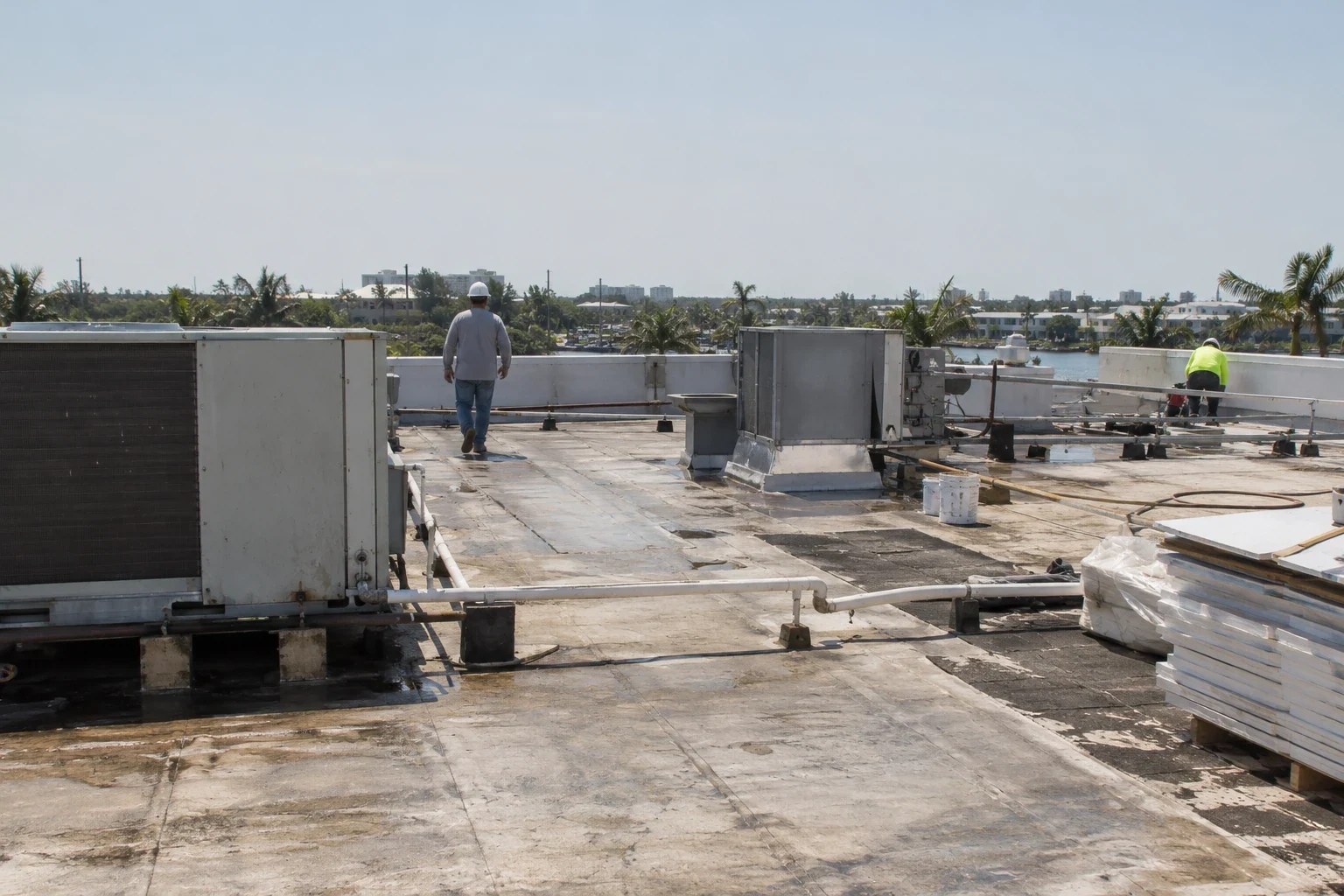
The Pomp is planned at 223 acres around Harrah's, with a dining and entertainment district, a hotel and retail, residential and office buildings together. Down at the beach, the 6-acre Fishing Village has the Fisher Family Pier and the Pier Garage beside the Atlantic Boulevard bridge. An owner with an older hotel or motel will be measured against that new construction, and a stained ceiling in a lobby or ballroom costs more when the guest has a newer option to compare it with.
New large-span hospitality buildings in Broward must carry HVHZ-approved roof systems designed for 170 mph, and every exterior component needs a Miami-Dade Notice of Acceptance. If your group is adding a wing, an event hall or a rooftop bar near South Dixie Highway Corridor, the roof submittal belongs at the start of design. We review approvals with your architect before anyone orders material, because a permit applied for now falls under the 8th Edition code.
Kitchen Exhaust: grease, laundry vents and the crowded roof
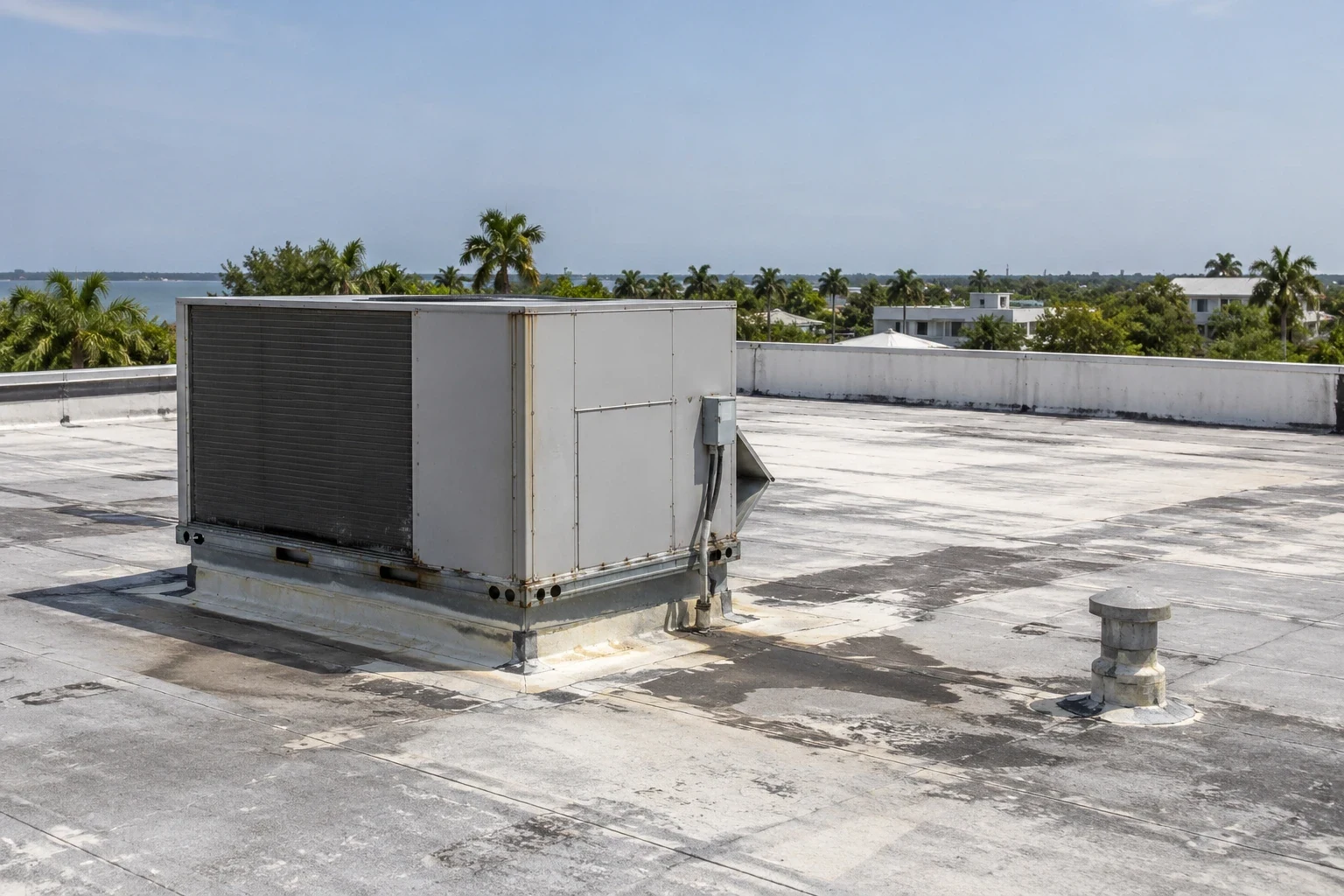
A hotel roof is a mechanical yard. Kitchen fans, laundry vents, pool heaters, chillers and stair-tower penthouses and machine rooms all push heat and foot traffic across the membrane, and grease from restaurant exhaust attacks some membranes faster than weather does. Under a kitchen, a grease-resistant membrane such as KEE roofing or PVC is usually the sensible pick, with TPO kept for the quieter parts of the roof.
Technicians who service the same units walk the same path every week, so we add walk pads, raise curbs that sit too low and seal around every pipe and conduit. Standing water around an equipment pad is the other thing we look for, since it shortens life under the units that cannot afford a leak.
Rooms Below: working over guests without losing nights
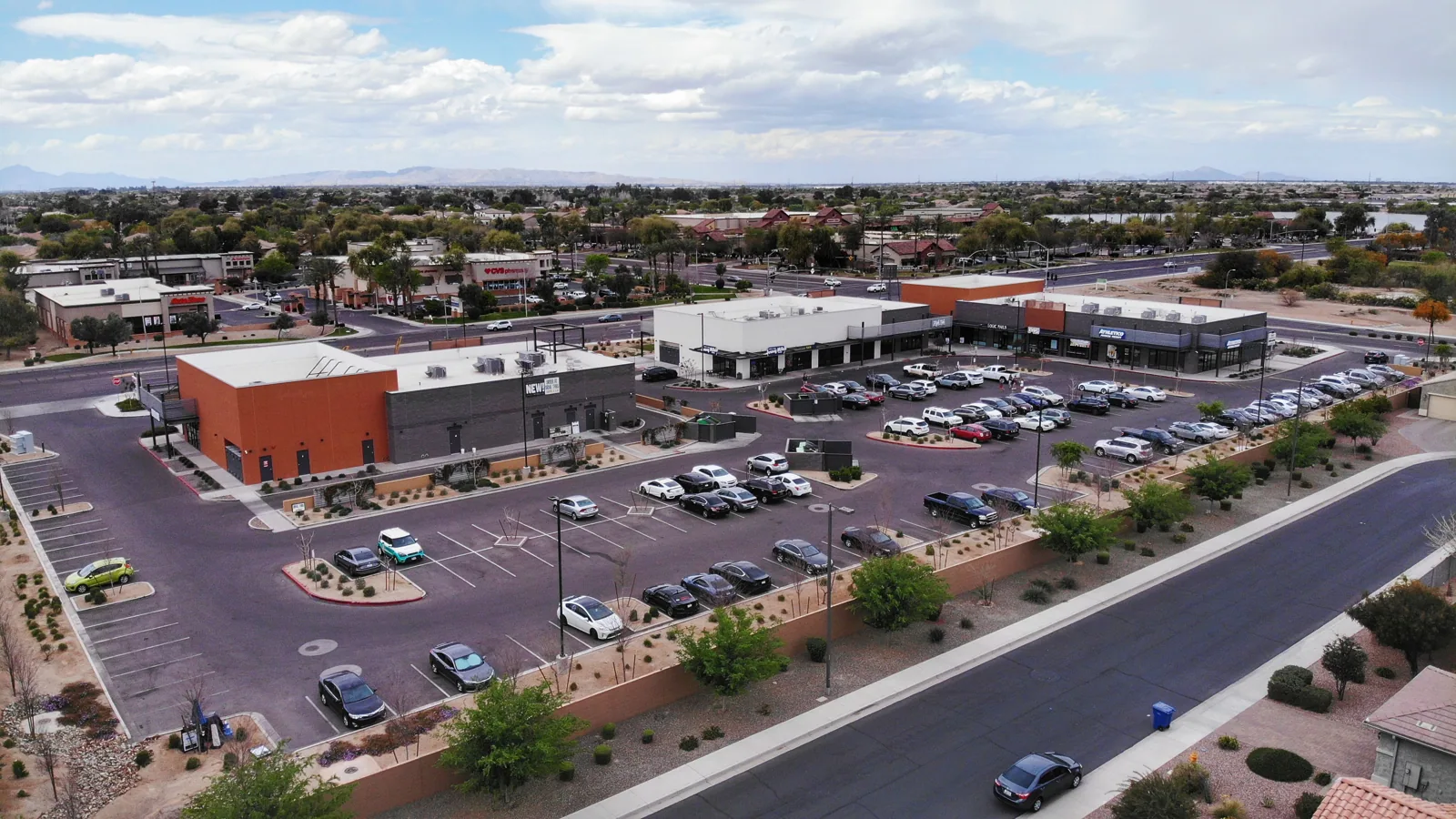
A roof leak does not stay where it enters. Water slides along the deck and drops into a room two doors away, and that room comes out of service until the ceiling is opened and dried. We use infrared moisture surveys to map wet insulation before anyone cuts, so we repair the cause and not the stain, and you know how many rooms are really at risk.
For the work itself, we divide the roof into sections, stage hoisting away from entrances and pool decks, and schedule the loud steps for the stretch of day when the fewest rooms are occupied. The front desk gets the plan the day before. Each section is dried in before the afternoon storms reach the coast, so no room sits under an open roof when the sky turns.
Before the Cone: tie-downs, shutters and a dry-in plan
Pompano Beach logged 98 mph in Wilma in 2005, and in 2017 most of the county saw Irma gusts between 80 and 100 mph. On a hotel roof the usual trouble is loose edge metal, unsecured rooftop equipment, clogged drains and windblown debris. Before the season, we check tie-downs, fastening at the perimeter and every scupper, and we tell your maintenance lead which items to secure when a storm is two days out and the shutters go up.
After the storm passes, we start with a dry-in, a temporary cover or patch that stops water first. Full hurricane damage roof repair comes after. We photograph everything with dates, and that record is what your adjuster and your insurance restoration contact will ask for.
Questions We Hear Often
Which rooms will hear the work, and how do you keep it down?
The floor under the section being torn off, mostly. We time tear-off and hoisting for the part of the day when the fewest guests are in their rooms, keep the noisiest steps away from an occupied top floor, and give the front desk the plan the day before so rooms under the work can be held back.
Does a hotel roof need work after every named storm?
A look, yes. Work, only if the look finds something. Call us once the wind drops and the sky is open, and we will walk the roof, check drains, edges and equipment, and photograph what we see. Many roofs come through a storm fine, and a dated record helps if a problem shows up later.
What does a clean ceiling tell me about a motel roof near A1A?
Because the first leak on an aging roof usually arrives with wet insulation already underneath. Dry ceilings only tell you water has not found a path yet. Test cuts and an infrared scan show the real condition, and they let you plan a replacement for a calm month instead of a crisis.
Can the pool bar and rooftop equipment stay open during a re-roof?
Most of it can. Equipment that has to run, such as kitchen exhaust and chillers, stays live while we flash and detail around it in stages. We agree on shutdown windows with your engineer first, and anything that needs a brief outage is scheduled for the slowest hours.
What should I give my insurer after a storm?
Dated photos from before and after, the date of the storm, a written condition report and the repair invoice. We prepare that package for you. We cannot promise what a carrier will approve, but a clean file moves the conversation along sooner.
How do I compare roofs across several hotels in a group?
Score them all on the same sheet, then rank by moisture and exposure, not by age. A beachfront property takes far more punishment than one near I-95, so two roofs of the same age can need very different timing. A single written report per property makes the capital plan much easier to defend.