Commercial Roofing in Lauderdale-by-the-Sea, FL
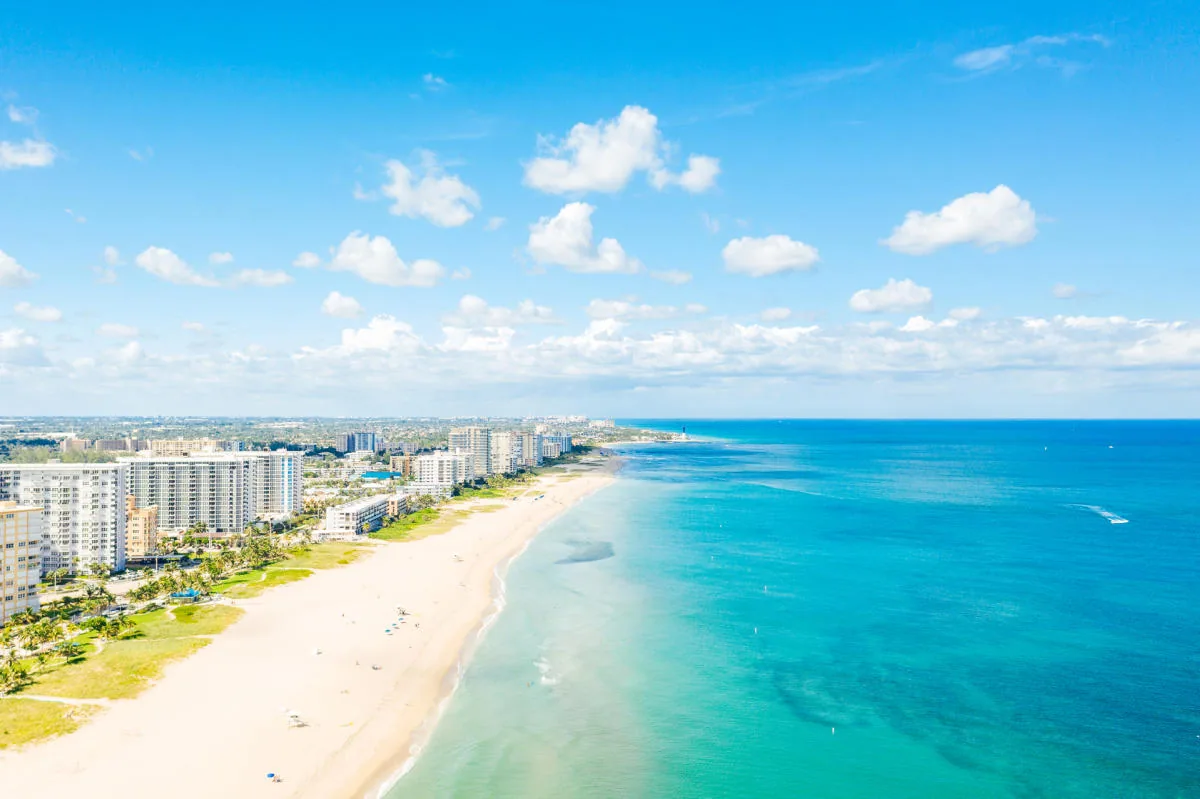
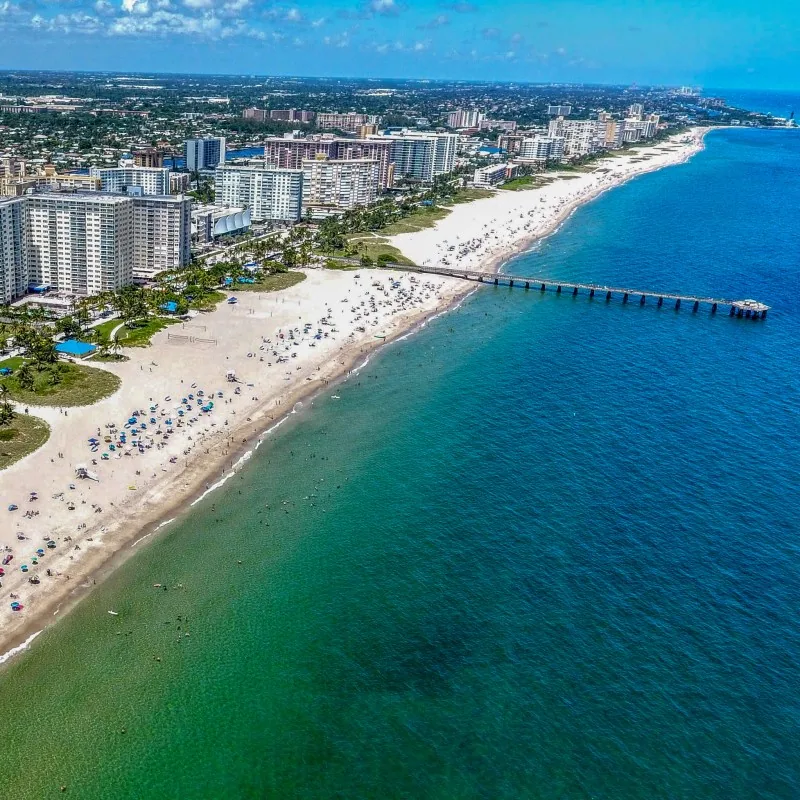
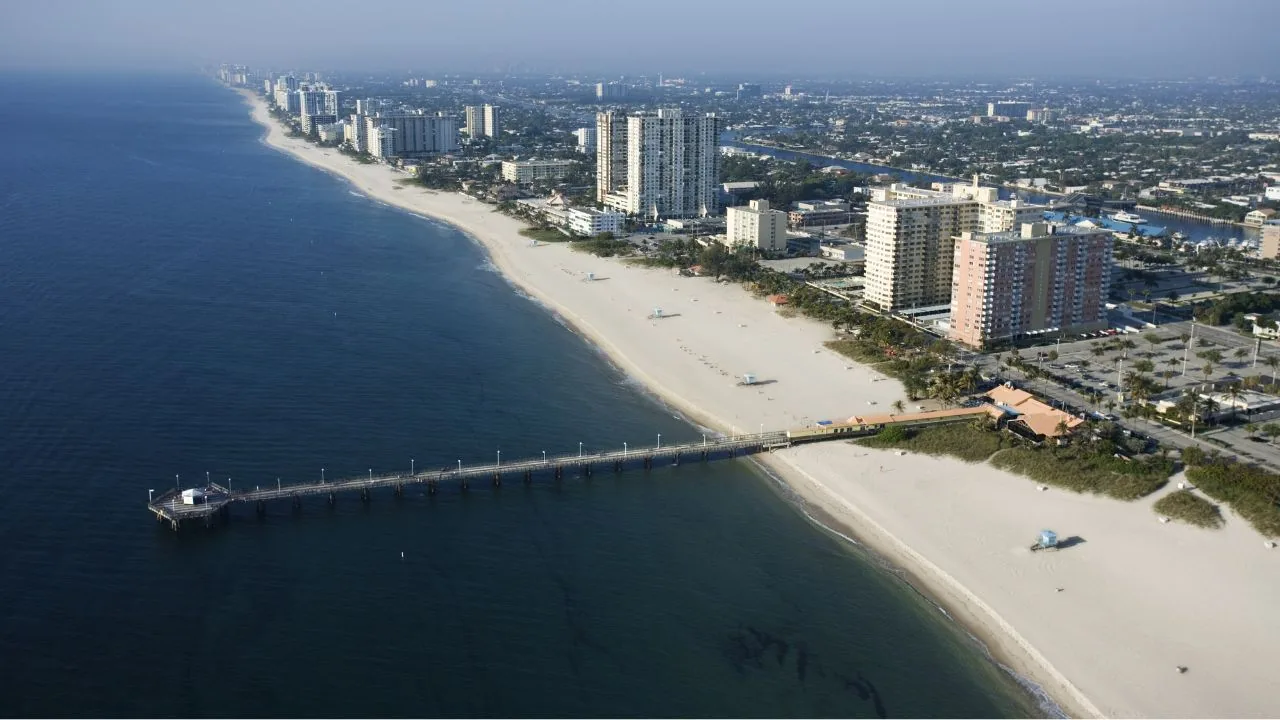
Hurricane Irma pushed about 3 feet of storm surge onto coastal Broward in 2017, and a barrier island town sits as close to that water as a commercial building in this county can get. Lauderdale-by-the-Sea is a narrow strip centered on A1A and Commercial Boulevard, with shops, restaurants and Anglin's Fishing Pier, and a good share of its economy rides on hotels and motels. Every one of those buildings has a roof that meets the ocean air first.
From Pompano Beach, FL, we handle commercial roof repair, recovery, coating and replacement in Lauderdale-by-the-Sea, with emergency calls answered day or night. On this island the job is part roofing and part logistics: salt on the metal, guests in the rooms, one drawbridge across the Intracoastal, and hurricane season never far from the schedule.
Guests Stay: reroofing a hotel or motel that keeps its doors open
With hotels and motels making up so much of the local business, the first roofing question is how to do the work without closing the building. The answer is staging. We divide a hotel roof into sections, finish and dry-in each one the same day, keep lifts and material away from pool decks, entrances and parking, and set noisy work for hours that suit the property. Rooms directly below the section being worked can be flagged to the front desk ahead of time.
Leaks in a guest building cost more than the repair. A stained ceiling, a wet carpet or a closed room in peak season turns into lost revenue, so we plan preventive maintenance around the slow weeks. For hospitality groups with more than one property, a single survey pass across the buildings lets the owner rank roofs by urgency and spend the budget where water is already getting in.
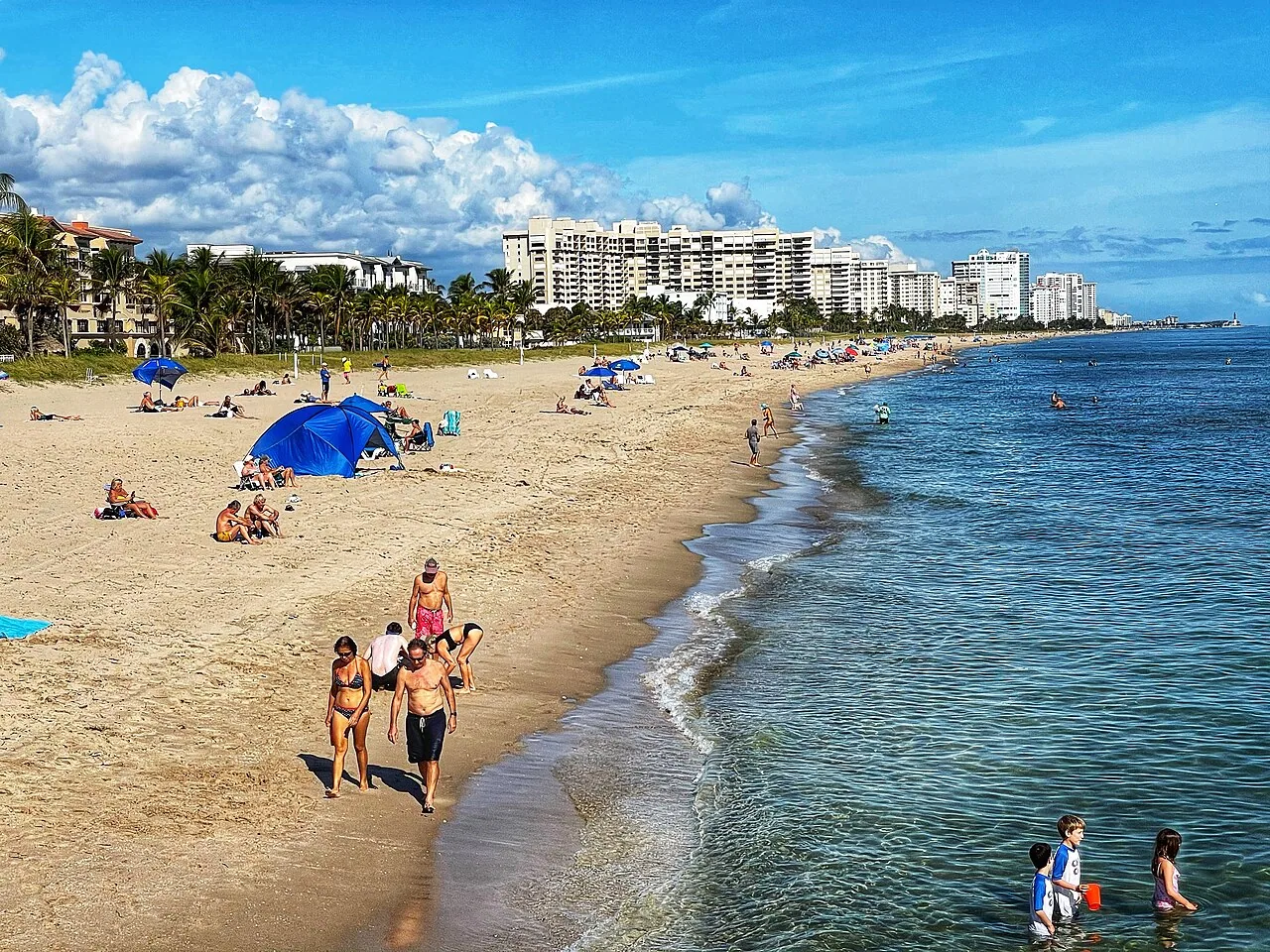
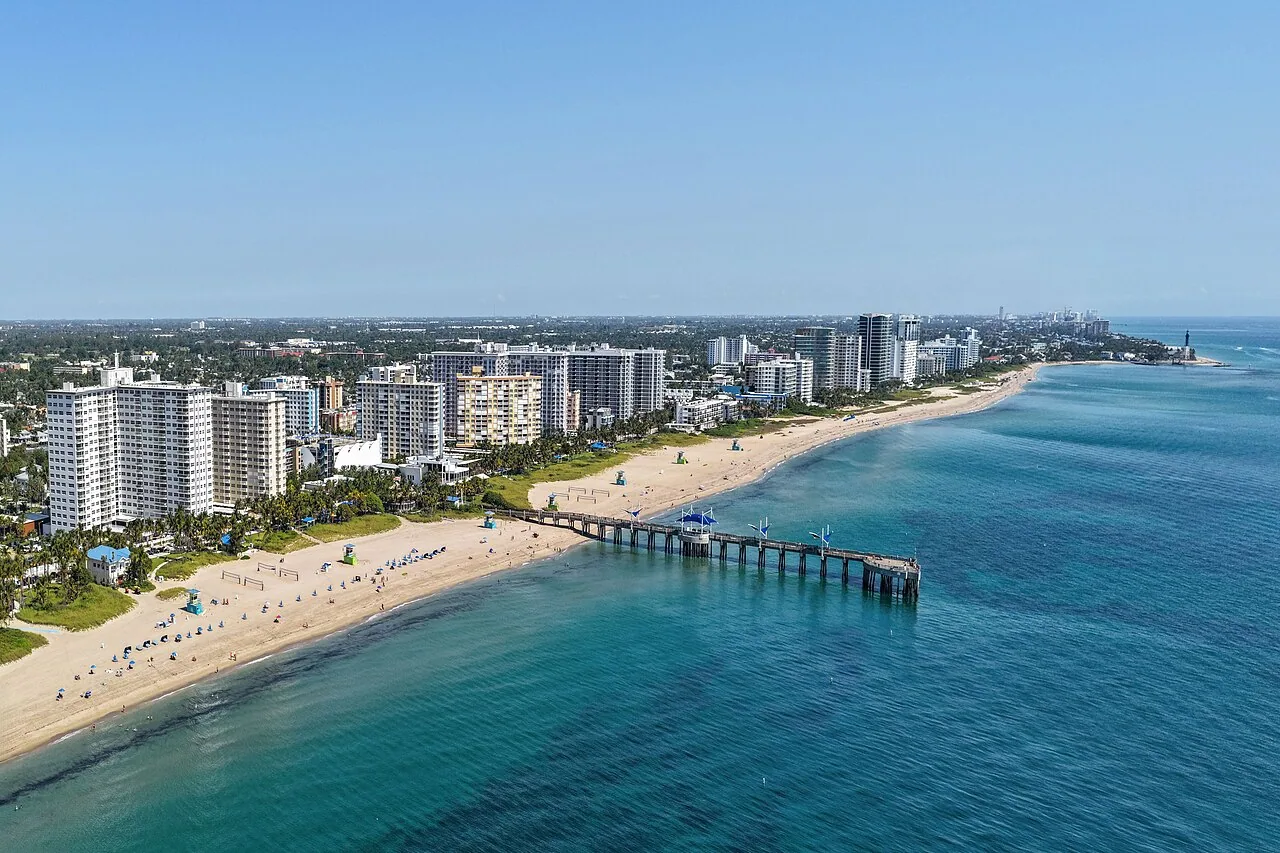
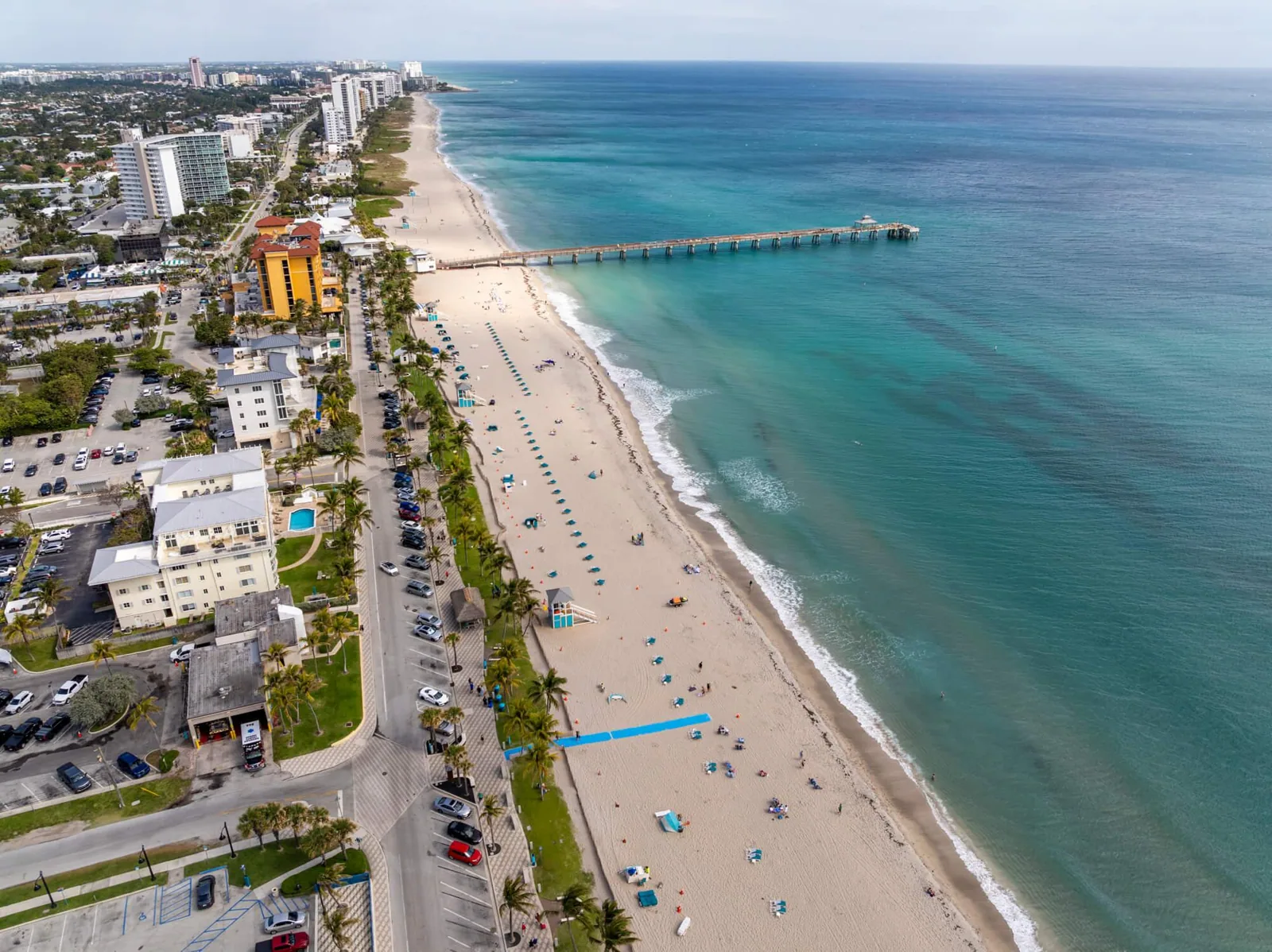
Lauderdale-by-the-Sea centers on A1A and Commercial Boulevard, with shops, restaurants, hotels and Anglin's Fishing Pier on a narrow barrier island. The town's older commercial properties often make roof access and tenant timing as important as material selection. Before repair, we locate the roof hatch or ladder route, identify drains and parapets, and set a work window that keeps entrances usable. Coastal storm surge and wind exposure also make the roof-to-wall transition worth checking after severe weather, even when the membrane field looks intact.
Mid-Century Lines: what older commercial buildings ask of a new roof
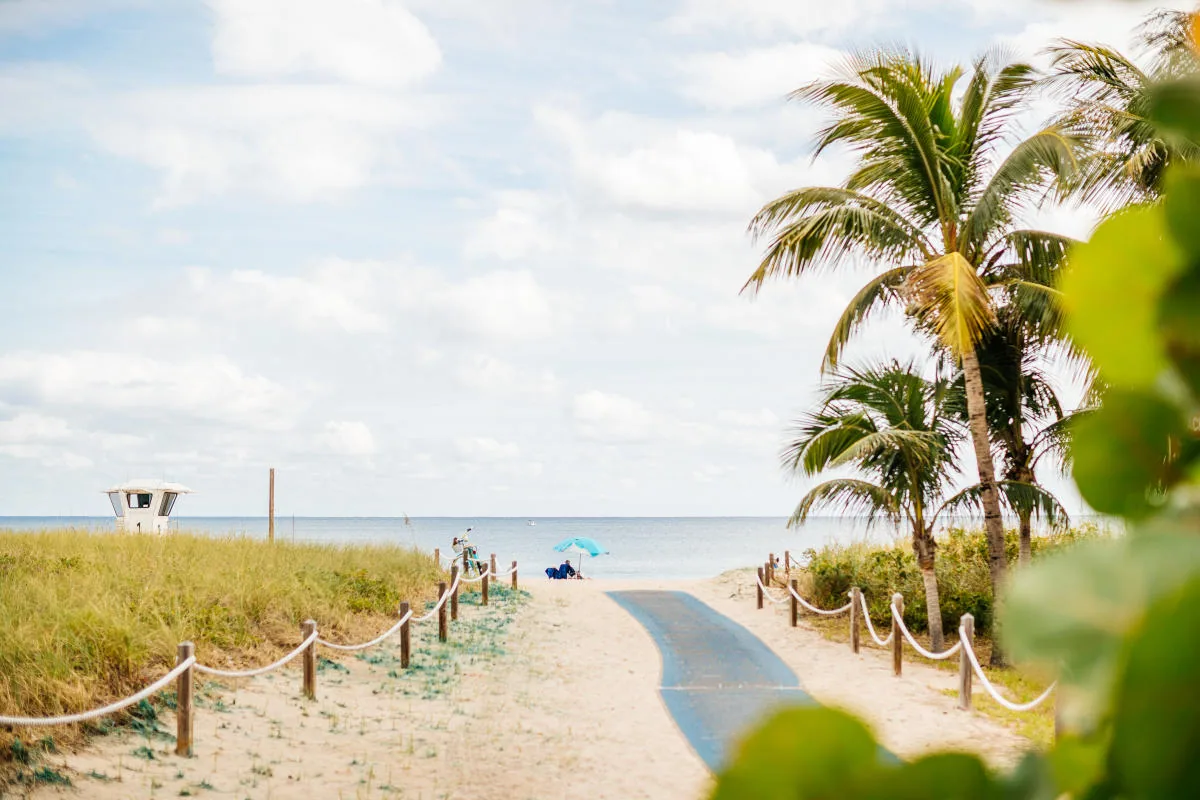
Many older commercial properties on the island show mid-century modern design, a style known for clean horizontal lines and strong edges. A style says nothing about the roof on top, so the first walk establishes what is actually up there. What the style does tell us is where to look: coping, fascia, scuppers and the transition where a flat roof meets a vertical wall.
Those details decide how long a new roof lasts. Restoring an older building can mean removing old patchwork where it exists, rebuilding flashings with modern materials and meeting current HVHZ product approvals while keeping the profile the owner likes from the street. A silicone coating can extend the life of a sound membrane on a building like this, and where it cannot, a replacement can be matched to the lines of the original structure.
One Bridge: getting crews, crane and material onto the island
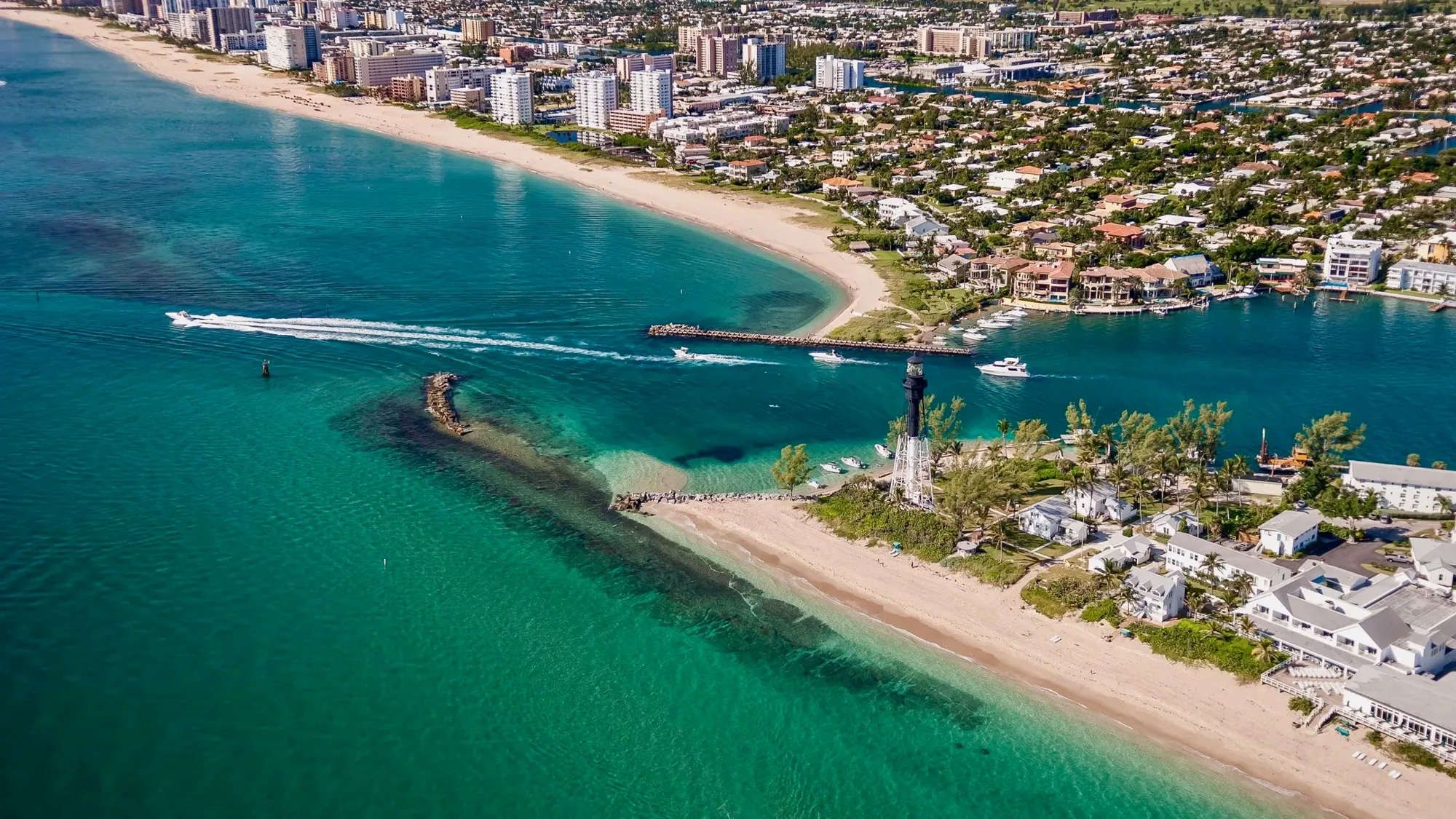
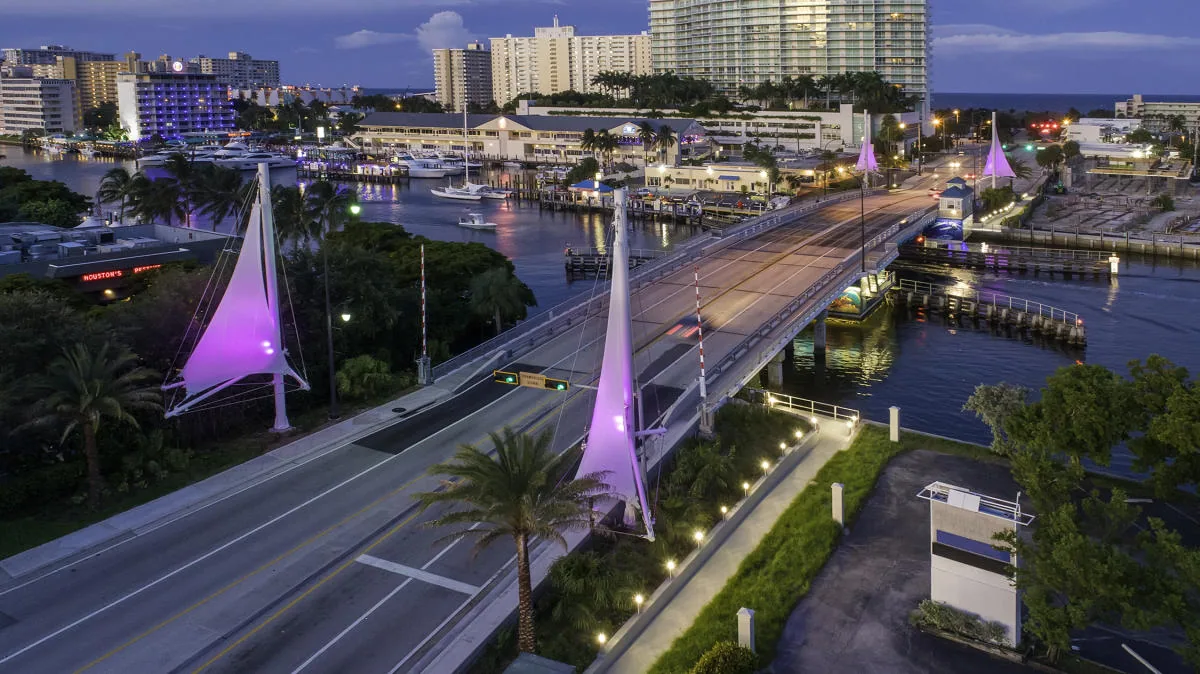
The town has a single drawbridge across the Intracoastal, which changes how a roof job is run. Every truck, lift delivery and crew van comes over the same span, so we time deliveries around bridge openings, avoid peak beach traffic where we can, and stage material close to the building so we are not shuttling it twice. A crane day gets scheduled with the town and with neighbors well before it happens.
The bridge matters most when a storm is on the way. If an evacuation is called, getting equipment and people off the island takes time, so our rule is simple: when a watch goes up, we close what we have opened, tie down what is left and send the crew home early. Nothing on a roof is worth being the last truck over the bridge. The same caution applies elsewhere on the coast: Hillsboro Beach has A1A as its only main public road, and the A1A Ocean Boulevard Corridor is tied to the Atlantic Boulevard bridge.
Salt, Wind and Wet: the rules that come with a barrier island
Salt air eats fasteners, flashing and edge metal, and it does so quietly. On a barrier island, we pull and check termination bars, rooftop unit frames, vents and the screws that hold coping caps, because a rusted piece is an open invitation for wind to get under a membrane. The wet season, mid-May to mid-October, adds near-daily storms, and Pompano Beach's wet season normal is 33.40 inches.
Under Broward's High-Velocity Hurricane Zone rules a roof here is designed for 170 mph, and the products on it need Miami-Dade approval backed by impact and pressure testing. Wilma put a 98 mph gust on Pompano Beach in 2005, a storm worth designing around on a strip of sand. After one like it, a wind-lifted edge or a torn flashing needs emergency roof repair the same day, since an afternoon shower can follow the next morning. We tarp, dry-in and document so the claim file starts with photographs.
The Walk and the Options: repair, coat, recover or replace
On a first walk we check edges and flashing, drains and scuppers, penetrations, rooftop equipment and the membrane itself. Where moisture is suspected, an infrared or drone survey maps it before ceilings do. A written report with photos and plain ratings follows, and the owner picks from repair, coating, recover or replacement.
Shops and restaurants along A1A and Commercial Boulevard add their own roof questions. A restaurant roof carries kitchen exhaust fans, grease traps and ducting that spill fats onto the membrane, and grease eats most single-ply roofs unless the right guard and cleaning routine are in place. Where one roof covers several storefronts, each tenant's air conditioner brings its own curb, line set and flashing, and every one of those is a place to look when water shows up inside.
Cost depends on how much of the roof is wet, how many old layers are in place, how much metal needs to be replaced, how crews and material get to the building, and how the schedule fits the season. A restaurant with kitchen exhaust and a motel with a pool deck will have different answers even on the same street, which is why we look before we quote.
Questions We Hear Often
Can the motel stay open during a reroof?
Usually. We work in small sections, dry-in each one the same day, and keep lifts and material off guest areas. The front desk gets a heads-up on which rooms sit below the work.
Does a mid-century building need a special kind of roof?
It needs careful edge and flashing work more than a special system. The membrane can be modern, but canopies, parapets and wall transitions have to be rebuilt tightly and meet current Broward wind approvals.
How does the drawbridge affect a roofing schedule?
Every delivery and crew trip crosses it, so we time arrivals around openings and stage material near the building. On storm watch days we finish early and clear the island.
Why do fasteners rust so fast near the beach?
Salt settles on every exposed screw and edge, and humid nights keep it wet. Coated or stainless fasteners and regular checks slow the damage.
Our roof leaked after the afternoon storm. What now?
Call us once the lightning has passed. We can dry-in the spot, photograph the damage and tell you whether the fix is a patch or a bigger plan.