Commercial Roofing at Alpha 250, Pompano Beach, FL
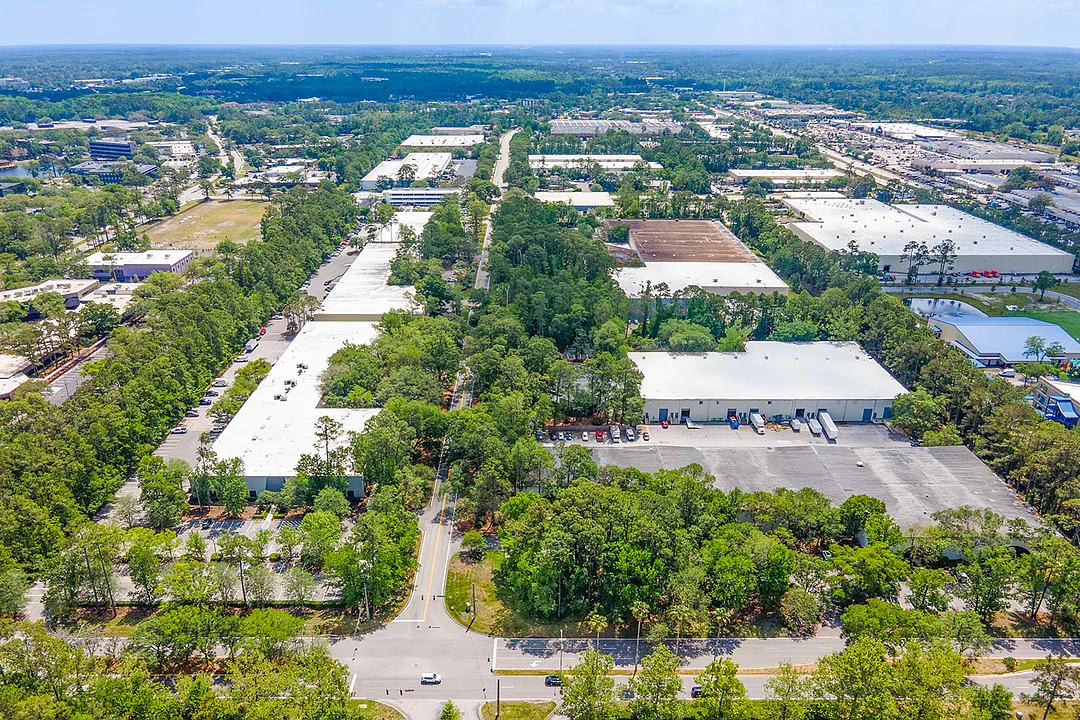
Being inland has never kept the weather off a Pompano Beach roof. Hurricane Wilma still put a 98 mph gust on the city in October 2005, and the northwest corner took the same wet seasons as everywhere else. Alpha 250 is mapped by the city at about 1.14 million square feet of buildings near Lyons Road and Sample Road, with the Blount Road area next door adding about 875,000 square feet of industrial buildings. That is a lot of industrial building in one stretch of Broward County, and the roofs over it all have to shed afternoon storms, handle the heat and hold its edges down when the wind comes up.
We repair, recover, replace and coat roofs on industrial buildings like these, and we plan the work around the people working underneath. The first step is always the same: a walk across the roof with a camera and a notebook, then a written report that says what is sound, what is not and what should happen before the next hurricane season starts.
Not Sheltered: what the northwest side of the city still gets
Wilma's eye was broad enough to sit over most of Broward County, and roof damage was reported across Broward, not only along the shore. Twelve years later Irma put gusts of 80 to 100 mph over the county along with three tornadoes, one of them down near Oakland Park. Neither storm checked how far from the water a building stood before it pulled at the edges.
On a long industrial roof the places that go first are the corners and the perimeter, where wind pressure is highest. Loose coping, a lifted flashing and fasteners that have backed out of a deck are all things we look for before the season opens. A replacement in Broward's High Velocity Hurricane Zone is designed to a 170 mph wind for Risk Category II buildings, and the weather-facing parts of the assembly all need Miami-Dade approval on file. We price and install the approved assembly, and we do not swap parts to save a week.
Lyons Road to Blount Road: planning roofs across a whole park
An owner or property manager with several buildings in a park does not need ten separate opinions. We rate every roof on the same scale, list the repairs that should happen now, and build a simple order of work for the rest: the roof that is leaking first, the roof with wet insulation next, the roofs that are only aging last. The picture that comes out of this helps with capital planning, because the board or the lender can see where the money is going and why.
It also keeps small problems from stacking up. A roof that was patched twice in a season gets flagged for a closer look. A roof with ponding gets its drains checked. A building with a recent tenant change gets a walk to see what was added upstairs. Put those notes together year after year and a roof condition report becomes the most useful document in the property file. The same ranking works at IDI Pompano Business Center and in Park Central for an owner with more than one roof to put in order.
Sun and Warm Nights: what the heat does between storms
Summer dewpoints in the 70s, nights that stay warmer than they used to and a sun that heats a dark membrane far past the air temperature all take a toll. Single-ply seams expand and relax every day. Sealants dry out. Surfacing granules on a modified bitumen sheet wear away and expose the layer underneath. The damage is slow, which is why it is easy to ignore until the first leak after a heavy rain.
For a roof that is structurally sound but showing wear, a reflective coating such as a silicone system can seal small defects and lower the heat load on the units below. It is not a fix for wet insulation, and we check for that first. If the survey finds moisture trapped under the surface, the conversation moves to recover or replacement, and the coating waits until the roof is dry and ready for it.
Up There With the Roof: units, curbs and condensate
Industrial roofs commonly carry a good deal of rooftop equipment: exhaust fans, make-up air units, HVAC packages and the piping that serves them. Every curb is a seam in the roof. A curb flashing that has cracked, a unit that was set a little off its rails or a condensate line that dumps in the same spot all summer will wear a path through the membrane.
We check curbs and supports for flashing height, sealant condition and fastening, and we look at where mechanical contractors have been walking. Protective walk pads and reinforced membrane at repeat traffic points are cheap compared with the leak that follows a worn path. On a roof headed for replacement, we plan the work so the mechanical contractor and the roofer are not stepping on each other.
After the Storm Passes: the walk and the paperwork
When the sky opens up again we get on the roof and look at edges first, then drains, then equipment. Wet insulation does not always show on a ceiling for days, so we photograph everything we find and mark what needs a temporary dry-in. The order of work matters: stop the water, dry what can be dried, then repair what the storm opened.
For a claim, the photos and the written findings are what the adjuster wants to see, along with dates and a clear sequence of what was done. Our claim documentation keeps that record together so the owner is not rebuilding the story weeks later. Park owners with several buildings can ask us to cover the whole park in one visit, which gets the worst roofs on the schedule first.
Questions We Hear Often
Is a building in the northwest part of Pompano Beach at less risk in a hurricane?
Slightly less surge, yes, but the wind and rain are the same threat to a roof. Wilma's eye covered most of Broward County and Pompano Beach still logged a 98 mph gust. Edge metal, equipment tie-downs and drains matter just as much here.
Can you plan the roofs across several buildings in one park?
We do it as a single program. Each roof gets the same inspection, a condition rating and a list of repairs. Then we set an order of work that matches the budget and the tenants' calendars, so the worst roofs are handled first.
How do I know if I should patch a roof or start saving for a new one?
Look at how often it leaks and where. A repair fixes a local failure. When leaks keep moving, seams are opening across the field or a moisture survey finds wet insulation, patching only delays the bill. The condition report sets out both costs side by side.
Can coating work go ahead during the wet season?
Some of it can, with careful scheduling. Coatings need a dry surface and a window of dry weather to cure, which is harder in June than in January. We watch the radar, schedule early starts and stop before the afternoon line shows up.
What should I have on hand for an insurance claim after a storm?
Gather the policy, dated photos, any prior roof reports and the dates of past repairs. We add our own photos and written findings from the roof. That package lets the adjuster see what changed because of the storm and what was already there.